
Women and the Rise of the Merchant Class in Feudal Japan


Welcome to Feudal Japan History! Embark on an enriching journey as we delve into the intricate tapestry of Japan’s feudal era, where every thread tells a tale of resilience and transformation. In our featured article, "Women and the Rise of the Merchant Class in Feudal Japan," we uncover the vital role women played in shaping the economy during this pivotal time.
Prepare to challenge your perceptions as we explore how their contributions not only influenced commerce but also redefined societal structures. Join us as we unravel the compelling narratives that shaped a nation. Dive deeper into this fascinating topic and discover the untold stories that await!
The feudal era of Japan, spanning from the late 12th century to the early 19th century, was a pivotal period that shaped the country's social, economic, and cultural landscape. During this time, the rigid class structure dominated by the samurai elite was gradually influenced by the emergence of a powerful merchant class. Central to this transformation were women, whose roles evolved significantly as the economy transitioned and trade flourished. This article aims to delve into the multifaceted contributions of women to the economy of feudal Japan, particularly in the context of the rising merchant class.
As we explore the intersection of gender and economic development during this era, we will uncover how women navigated a predominantly male-dominated society, asserting their influence in both family businesses and the wider market. From engaging in commerce to contributing to household economies, the participation of women was crucial to the vitality of the merchant class, challenging traditional perceptions of their roles.
By examining historical records, cultural practices, and specific case studies, this article will provide a comprehensive understanding of women in the feudal Japan economy and their integral role in shaping the socio-economic dynamics of their time. Join us as we uncover the stories and contributions of these remarkable women, highlighting their impact on the rise of the merchant class and the broader tapestry of Japanese history.
- Introduction to the Role of Women in Feudal Japan Economy
- Historical Context of Women in Feudal Japan
- The Emergence of the Merchant Class
- Women's Involvement in Trade and Commerce
- Economic Contributions of Women in Feudal Japan
- Social and Cultural Impacts of Women in the Merchant Class
- Challenges Faced by Women in the Merchant Class
- Conclusion: The Legacy of Women in the Feudal Economy
- References
-
Frequently Asked Questions
- What role did women play in the merchant class of Feudal Japan?
- How did women's status change with the rise of the merchant class?
- Were there any legal rights for women in the economy during Feudal Japan?
- Did women participate in any specific trades or businesses?
- How did the feudal system affect women's roles in the economy?
- Final Reflection: The Enduring Legacy of Women in Feudal Japan's Economy
- Empower Yourself: Dive Deeper into Women's Roles in Feudal Japan!
Introduction to the Role of Women in Feudal Japan Economy

In Feudal Japan, the economy was intricately woven into the fabric of society, with a distinct hierarchical structure that defined the roles of various classes. Among these, women played a crucial yet often overlooked role in economic activities. While traditional narratives frequently emphasize the patriarchal aspects of feudal society, women were integral to the functioning and evolution of the economy, particularly with the rise of the merchant class. This section delves into the economic landscape of feudal Japan and highlights the significant contributions of women within this context.
Overview of Feudal Japan's Economic Structure
Feudal Japan's economy was primarily agrarian, characterized by a system of rice cultivation that formed the backbone of wealth and sustenance. The social structure was divided into several classes, including the samurai, peasants, artisans, and merchants. Each class had specific roles, but the interactions and dependencies between them were pivotal for economic stability and growth.
- Agricultural Focus: The vast majority of the population were peasants who worked the land. Rice was not only a staple food but also a form of currency, making agricultural productivity essential for economic viability.
- Emergence of the Merchant Class: As trade began to flourish, particularly during the Edo period (1603-1868), a new merchant class emerged. This class played a vital role in the exchange of goods, services, and ideas, leading to urbanization and increased commerce.
- Artisans and Craftsmen: Artisans produced goods ranging from textiles to pottery, contributing to local economies. Their products often found their way into both domestic markets and trade with other regions.
The distinct classes interacted in complex ways, with merchants often relying on the agricultural output of peasants and the craftsmanship of artisans. This interconnectedness laid the groundwork for understanding the evolving economic contributions of women during this period.
Significance of Women in Economic Activities
Although women in feudal Japan were predominantly seen through the lens of domestic responsibilities, their economic roles were far more significant than commonly recognized. Women engaged in various activities that contributed to household economies and the broader market.
- Agricultural Contributions: Women played an essential role in farming, participating in planting, harvesting, and processing rice and other crops. They often managed family farms and were responsible for maintaining the household's agricultural productivity.
- Craft Production: Many women were skilled artisans, creating textiles, ceramics, and other crafts. This not only supported their families but also contributed to local economies. The production of silk, for instance, was a vital industry that involved many women.
- Market Participation: Women often participated in local markets, selling goods and produce. Their involvement in trade helped to support the household economy and fostered the growth of the merchant class. Records indicate that some women, especially widows, became successful merchants, managing businesses and contributing to the economic landscape.
- Cultural Preservation and Education: Women were also responsible for passing down knowledge and skills related to agriculture and crafts, ensuring the continuity of these practices. This role was crucial for maintaining both economic viability and cultural heritage.
- Changing Dynamics with the Rise of the Merchant Class: As the merchant class gained prominence, women found new opportunities for economic engagement. They could inherit and control property, participate in commerce, and influence family businesses, which marked a shift in the societal understanding of women's roles in the economy.
The role of women in the economy of feudal Japan was multifaceted and essential to the social and economic fabric of the time. Their contributions in agriculture, craft production, and trade not only supported their families but also facilitated the rise of a burgeoning merchant class, laying the groundwork for changes that would resonate throughout Japanese history.
Historical Context of Women in Feudal Japan
In feudal Japan, society was structured around a rigid hierarchical system dictated by class and gender. The samurai class, comprising warriors and their families, held the highest social status, while commoners, including farmers and artisans, occupied the lower tiers. Within this hierarchy, women played distinct roles influenced by their social standing.
- Noble Women:
- Women from samurai families often held significant influence within the household, managing domestic affairs and maintaining family honor.
- Despite their status, noble women were typically confined to the home, with their primary purpose being to bear and raise heirs.
- Peasant Women:
- In contrast, peasant women contributed directly to the economy, working in the fields alongside men. Their labor was crucial in sustaining their families and, by extension, the broader economy.
- Many peasant women engaged in textile production, creating clothing and other goods for trade, which positioned them as key contributors to the budding merchant class.
- Cultural Expectations:
- The Confucian ideals that permeated Japanese society emphasized male authority and female submissiveness. Women were often seen as subservient, primarily existing to support the male figures in their lives.
- However, these ideals did not completely suppress women's agency; numerous examples illustrate how women navigated and sometimes transcended these societal constraints.
Evolution of Women's Roles Throughout the Feudal Era
The roles of women in feudal Japan evolved significantly from the 12th century until the fall of the feudal system in the 19th century. This evolution was influenced by various factors, including economic changes, social upheaval, and shifts in political power.
- Early Feudal Period (12th - 14th Century):
- During this time, women's roles were largely defined by their familial ties. Noble women exercised some power in managing estate affairs, especially when male relatives were away due to military campaigns.
- Peasant women were integral to agricultural production, and their contributions were acknowledged as essential for the survival of their families.
- Muromachi Period (14th - 16th Century):
- As the merchant class began to emerge, women found new avenues for economic participation. Some engaged in trade, managing shops and markets, while others became involved in the production of goods.
- The rise of urban centers led to increased visibility of women in commerce, challenging traditional gender roles and allowing for greater independence.
- Edo Period (17th - 19th Century):
- The Edo period saw a dramatic shift in women's roles due to the flourishing of the merchant class. Women began to take on more entrepreneurial roles in business, often running family businesses or working as artisans.
- The emergence of geisha culture also exemplified women's complex roles in society, where they became cultural icons and influential figures in social life.
- Cultural Impact:
- The contributions of women in the economy during this period were substantial. They played a crucial part in the textile industry, food production, and local markets, which were vital for economic sustainability.
- The shift towards a more diverse economic landscape allowed women to carve out niches for themselves, leading to a gradual transformation in societal perspectives regarding women’s roles.
The evolution of women's roles in feudal Japan reflects a complex interplay of social, economic, and cultural factors. As they increasingly contributed to the economy, their status began to shift, allowing for greater agency and influence within their communities.
The Emergence of the Merchant Class

The emergence of the merchant class in feudal Japan marks a significant transition in the socioeconomic landscape of the period, particularly from the late Heian period (794-1185) through the Edo period (1603-1868). This class played a crucial role in shaping the dynamics of trade, culture, and social structures, which, in turn, influenced the lives of women during this era.
Definition and Characteristics of the Merchant Class
The merchant class, or "chōnin", refers to individuals engaged in commerce, trade, and various economic activities that facilitated the flow of goods and services across Japan. Unlike the samurai class, which was bound by a strict code of honor and loyalty, merchants operated within a more fluid social structure defined by economic success rather than martial prowess.
Key characteristics of the merchant class include:
- Economic Influence: Merchants became increasingly influential due to their control over trade routes and markets. Their wealth allowed them to wield power that often rivaled that of the samurai class.
- Urbanization: The rise of cities, particularly during the Edo period, was largely driven by merchant activities. Urban centers like Edo (modern Tokyo) and Osaka became bustling hubs of commerce.
- Social Mobility: While the caste system in feudal Japan imposed strict hierarchies, successful merchants could sometimes attain higher social status through wealth, education, and connections.
- Cultural Contributions: The merchant class not only contributed economically but also culturally. They were patrons of the arts, supporting theater, literature, and other cultural activities, which enriched the social fabric of Japan.
- Gender Roles: Within the merchant class, women played a vital role in economic activities, often participating in trade and managing family businesses, challenging traditional gender norms of the time.
Factors Leading to the Rise of the Merchant Class in Feudal Japan
Several factors contributed to the rise of the merchant class in feudal Japan, each interlinked with the evolving political, economic, and social dynamics of the era.
- Increased Agricultural Production: The agricultural advancements during the medieval period led to surplus production. This surplus enabled the growth of trade as farmers began to exchange goods beyond their local markets.
- Rise of Trade Networks: The development of extensive trade networks, both domestically and internationally, increased the demand for goods. The establishment of trade routes, including the famous Silk Road, allowed merchants to import foreign goods and export Japanese products.
- Urban Growth: The establishment of castle towns and urban centers significantly boosted commerce. These towns served as marketplaces where merchants could gather to sell their goods, leading to the rise of a distinct merchant culture.
- Political Stability: The unification of Japan under the Tokugawa shogunate in the early 17th century created a period of relative peace known as the Pax Tokugawa. This stability encouraged investment in trade and commerce, enabling the merchant class to flourish.
- Cultural Shifts: As the samurai class became more bureaucratic during the Edo period, the emphasis shifted towards trade and commerce. This cultural shift allowed merchants to gain recognition and respect, further solidifying their role in society.
The rise of the merchant class in feudal Japan was a multifaceted phenomenon driven by economic, political, and social transformations. Women in the merchant class not only participated in this economic growth but also began to redefine their roles within society, contributing significantly to the evolving landscape of feudal Japan's economy.
Women's Involvement in Trade and Commerce
During the feudal era in Japan, the rise of the merchant class brought significant transformations to the economy and society. Women played a crucial role in this evolution, contributing to trade and commerce in various capacities. Although often overlooked in historical narratives, women's involvement in economic activities was vital to the functioning of local economies and family businesses.
In feudal Japan, women engaged in trade primarily through family-run businesses, local markets, and as independent traders. Their participation was driven by necessity, as many families relied on multiple income sources to survive. This led to the emergence of women as both laborers and entrepreneurs, challenging the traditional gender roles of the period.
Women's Roles in Local Markets
Women in feudal Japan often acted as the backbone of local markets, where they sold goods, organized trade, and managed finances. Their roles varied depending on the region and the economic context, but common activities included:
- Selling Food and Household Goods: Many women sold produce, rice, and other food items at local markets. This was particularly important in agrarian communities where women managed household gardens and livestock.
- Textile Production and Sales: Women were skilled in weaving and sewing, producing textiles that were sold in markets. This trade not only provided income but also helped preserve cultural practices associated with textile arts.
- Crafting and Artisanal Work: Some women engaged in crafting goods, such as pottery, ceramics, and handicrafts. These products were often sold at local festivals and markets, contributing to the local economy.
- Financial Management: Women often handled the accounting and financial aspects of their businesses. This included keeping records of sales, managing household finances, and sometimes even engaging in credit practices within their communities.
These activities illustrate how women were integral to the local economies of feudal Japan, often operating within the confines of societal expectations while simultaneously exercising agency in economic matters.
Impact of Women on Family Businesses
The influence of women extended beyond local markets and into family businesses, where they played critical roles in ensuring economic stability and growth. Their contributions can be categorized into several key areas:
- Labor and Production: Women often worked alongside men in family-run businesses, contributing their labor to increase productivity. This was especially true in agricultural settings where women helped with planting, harvesting, and processing crops.
- Management and Decision-Making: In many families, particularly those involved in commerce, women took charge of day-to-day operations. They made decisions about inventory, pricing, and customer relations, which were essential for the success of the business.
- Networking and Relationships: Women were often responsible for building and maintaining relationships within their communities, which were vital for business success. They fostered connections with customers, suppliers, and other traders, enhancing the family's commercial reach.
- Education and Skill Development: Women in merchant families often passed down skills and knowledge to their daughters, ensuring that trade practices and business acumen were preserved across generations. This educational aspect contributed to a more skilled workforce in the merchant class.
Overall, the impact of women on family businesses was profound, as their involvement not only supported the family unit but also contributed to the broader rise of the merchant class in feudal Japan.
Case Studies of Prominent Women Traders in Feudal Japan
Several women in feudal Japan rose to prominence as successful traders and entrepreneurs, leaving a legacy that highlights their significant contributions to the economy. Some notable case studies include:
- Murasaki Shikibu: Known primarily as the author of "The Tale of Genji," Murasaki Shikibu was also engaged in the trade of textiles and luxury goods. Her connections in the court allowed her to establish a network for selling high-quality items, showcasing the intersection of culture and commerce.
- Lady Kogō: A prominent merchant in the late 16th century, Lady Kogō managed her family's trading business after her husband's death. She expanded their operations, trading in rice and textiles, and became a key figure in her community, demonstrating the capability of women to lead successful enterprises.
- Yasuda Shōbō: A 17th-century merchant who specialized in silk and other textiles, Yasuda was known for her innovative marketing strategies and ability to negotiate favorable trade deals. Her success served as an inspiration for other women in the trade, exemplifying the entrepreneurial spirit that characterized many female merchants.
These case studies illustrate not only the diverse roles women occupied in the economic landscape of feudal Japan but also their ability to overcome societal limitations and thrive as impactful traders and business leaders. The legacy of these women continues to shed light on the vital role of women in feudal Japan's economy.
Economic Contributions of Women in Feudal Japan

Women's Labor in Agriculture and Craftsmanship
In the feudal era of Japan, women's labor played a pivotal role in both agriculture and craftsmanship, significantly contributing to the overall economy. Women were integral to the agricultural process, often engaging in activities such as planting, weeding, and harvesting crops. In many rural households, women were responsible for a substantial portion of the agricultural workload, which was essential for sustaining their families and communities.
- Rice Cultivation: Women typically took charge of rice cultivation, which was the staple food of Japan. They participated in every stage, from sowing seeds to harvesting the rice.
- Craftsmanship: Beyond agriculture, women engaged in various crafts. They produced textiles, pottery, and other household goods that were vital for both domestic use and trade. Women’s skills in weaving and dyeing were particularly valued, as they created intricate garments that reflected cultural aesthetics.
The economic activities of women in these sectors not only supported their families but also contributed to local economies. As the merchant class began to rise, the goods produced by women became increasingly marketable, allowing for greater participation in the burgeoning economy.
The Influence of Women in Household Economies
Women’s roles in household economies were crucial in shaping the economic landscape of feudal Japan. They managed the day-to-day finances of their households, which included budgeting, purchasing supplies, and overseeing the welfare of family members. This management extended beyond mere household chores; it had a significant impact on the local economy.
- Resource Management: Women were adept at resource allocation, ensuring that food and other necessities were available and that the household could sustain itself. This often included the preservation of food, which allowed families to endure through leaner seasons.
- Bartering and Trade: Many women participated in local trade, bartering goods produced at home for necessities that could not be produced themselves. These transactions were not only vital for their families but also fostered community relationships and economic networks.
As the merchant class began to flourish, women’s economic influence grew. They became active players in local markets, selling and trading goods, which further solidified their roles as economic contributors in feudal society.
Economic Independence and Autonomy of Women Merchants
The rise of the merchant class in feudal Japan marked a significant shift in the economic landscape, leading to increased opportunities for women to gain economic independence and autonomy. Women merchants emerged as influential figures in local economies, challenging traditional gender roles.
- Entrepreneurial Ventures: Many women took the initiative to start their own businesses, selling goods that ranged from textiles to food products. This entrepreneurial spirit allowed them to accumulate wealth and gain social standing within their communities.
- Inheritance and Property Rights: During this period, laws began to recognize women's rights to inherit property and manage their own finances. This legal recognition empowered women, providing them with the means to engage in commerce independently.
Women merchants not only contributed to the household economy but also played a vital role in the broader market economy. Their presence in trade and commerce helped to reshape societal norms regarding gender roles, paving the way for future generations of women to participate in economic activities.
The economic contributions of women in feudal Japan were multifaceted and crucial to the development of the merchant class. Their labor in agriculture and craftsmanship, management of household economies, and emergence as independent merchants illustrate the significant role women played in shaping the economy during this era.

The rise of the merchant class in feudal Japan brought significant changes not only to the economic landscape but also to the social and cultural perceptions of women. As women began to play more critical roles within this emerging class, their contributions and influence became increasingly recognized.
Changes in Perceptions of Women and Work
The transformation of women’s roles during the rise of the merchant class marked a notable shift in societal attitudes towards women and work. Traditionally, women in feudal Japan were largely confined to domestic duties, focusing on household management and child-rearing. However, the burgeoning merchant economy necessitated a reevaluation of these roles.
- Increased Participation in Business:
- Women began to take on active roles in family businesses, often managing shops, engaging in trade, and even participating in negotiations. This was particularly evident in urban areas where commerce thrived.
- Examples: Women like the famous merchant Matsumoto Shōzō's wife, who helped manage their family trade and finances, exemplified this shift.
- Recognition and Respect:
- As women contributed to the economic success of their families, societal perceptions began to evolve. They were increasingly seen as valuable partners rather than mere homemakers.
- This shift in perception also allowed for a broader acceptance of women in roles that were historically dominated by men, paving the way for future generations.
- Legislative Changes:
- The rise of the merchant class led to changes in legal frameworks that began to recognize women's contributions to the economy. For example, some local laws allowed women to inherit property and manage their businesses independently, although these rights varied widely by region.
Cultural Contributions of Women in Merchant Families
The cultural impact of women in merchant families extended beyond the economic sphere, influencing the arts, education, and societal values of the time. Their contributions enriched the cultural tapestry of feudal Japan in several significant ways:
- Patronage of the Arts:
- Wealthier merchant families often became patrons of the arts, and women played a crucial role in this aspect. They supported various cultural activities, including theater, literature, and crafts.
- Notable contributions included the commissioning of ukiyo-e (woodblock prints) and the promotion of kabuki theater, where women’s influence in stylistic choices and subject matter became apparent.
- Education and Literacy:
- The economic empowerment of women led to increased literacy rates among women in merchant families. Education became more accessible, with women often learning not only household management but also reading and writing, which were essential for business dealings.
- This rise in literacy contributed to the production of women's literature, such as diaries and essays that provided insight into their experiences and perspectives.
- Cultural Exchange and Innovation:
- As merchants engaged in trade with other regions, women played a pivotal role in cultural exchange, introducing new ideas, goods, and practices to their communities.
- For instance, women often adapted foreign goods and styles into local practices, leading to innovative blends of culture that influenced fashion, cuisine, and domestic life.
The integration of women into the merchant class during feudal Japan significantly altered social perceptions and cultural landscapes. This period marked a pivotal shift in recognizing women's roles not just in the household but also in the economy and culture, laying the groundwork for future advancements in women's rights and societal contributions.
Challenges Faced by Women in the Merchant Class
The rise of the merchant class during the feudal era in Japan brought about significant changes in the economic landscape. However, women within this class encountered numerous challenges that were both societal and legal in nature. These challenges not only influenced their roles within the family business but also affected their overall societal status and autonomy.
Societal Limitations and Legal Constraints
Women in the merchant class were often subject to strict societal norms that limited their participation in economic activities. Despite the growing importance of commerce, traditional gender roles persisted, dictating that women primarily remain within the domestic sphere. This was particularly evident in the following areas:
- Limited Economic Agency: Although women could engage in trade and manage family businesses, societal expectations often restricted them to supportive roles. They were typically viewed as helpers rather than independent entrepreneurs. This perception undermined their contributions to the economy, as their efforts were often overshadowed by their male counterparts.
- Legal Restrictions: The legal framework of feudal Japan further constrained women's economic activities. For instance, laws regarding property ownership often favored men, making it difficult for women to inherit or control family assets. In many cases, women's rights to property were transferred to their husbands upon marriage, which significantly limited their economic independence.
- Social Stigma: Engaging in commerce could lead to social stigma. Women who participated actively in trading were sometimes regarded as lacking in virtue, as their roles conflicted with the idealized image of women as homemakers. This societal pressure often discouraged women from pursuing entrepreneurial ventures, despite their capabilities.
- Cultural Expectations: The cultural narrative of the time emphasized women's roles as caretakers and nurturers. This narrative was reinforced by literature, theater, and art, which often depicted women in domestic settings. As a result, women in the merchant class faced a dual burden of fulfilling societal expectations while trying to assert their economic agency.
The Intersection of Gender and Class in Feudal Society
The intersection of gender and class during the feudal period created a complex environment for women in the merchant class. While some women gained a degree of economic power, their experiences were shaped by both their gender and the socio-economic status of their families:
- Economic Opportunities: With the rise of the merchant class, some women found opportunities in trade and commerce. For instance, women were involved in textile production, running shops, and managing family businesses. This economic participation allowed certain women to gain influence and financial stability, albeit within the confines of societal expectations.
- Class Distinctions: The experiences of women varied significantly based on their family's wealth and status within the merchant hierarchy. Wealthier merchant families could afford to provide their daughters with education, allowing them to engage more actively in business. In contrast, women from lower-class merchant families often had to balance work and domestic responsibilities, limiting their economic opportunities.
- Collaborative Roles: Many women worked alongside their husbands or male family members, forming a partnership that was essential for the survival of the family business. This collaboration, while beneficial for the business, often reinforced traditional gender roles and expectations, as the contributions of women were still largely seen as secondary.
- Resistance and Agency: Despite the challenges, some women actively resisted societal limitations. They sought to carve out spaces for themselves within the economic realm, negotiating their roles and asserting their contributions. This resistance was often subtle but played a crucial part in the evolution of women's roles in the economy.
While the rise of the merchant class in feudal Japan presented some avenues for women to engage in economic activities, it was accompanied by significant challenges. The interplay of societal limitations, legal constraints, and the intersection of gender and class created a complex reality for women in the merchant class, shaping their roles and experiences during this pivotal era in Japanese history.
Conclusion: The Legacy of Women in the Feudal Economy
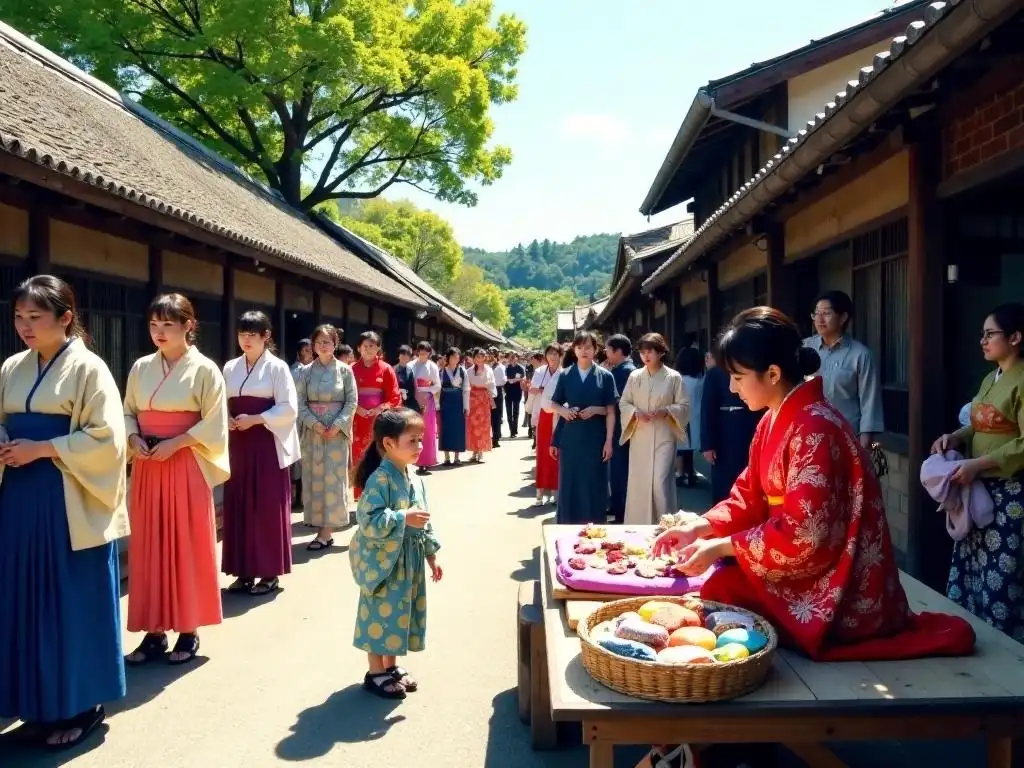
The legacy of women in the feudal economy of Japan is a complex tapestry woven from cultural, social, and economic threads. As the merchant class began to rise during the late feudal period, women played a pivotal role in shaping the economic landscape. They were not just passive participants; instead, they actively engaged in trade, managed family businesses, and contributed to community economic practices.
Reflection on the Role of Women in Shaping Economic Practices
Women in Feudal Japan were not confined to the domestic sphere, as often depicted in historical narratives. Their involvement in the economy was significant, particularly as the merchant class evolved. Key aspects of their roles included:
- Entrepreneurship: Many women took on the responsibilities of running family businesses, especially in urban centers where commerce thrived. They managed shops, produced goods, and participated in local markets.
- Financial Management: Women were often responsible for financial decisions within the household. This included budgeting and allocating resources for trade ventures, which allowed them to influence the economic direction of their families.
- Networking and Social Capital: Women utilized their social skills to build networks that facilitated trade. By forming relationships with other merchants and customers, they were able to expand their business opportunities and gain access to markets.
- Cultural Influences: The cultural practices surrounding marriage and family dynamics also affected women's roles in the economy. In many cases, women inherited family businesses or contributed to their husband's trade, integrating their skills into the broader economic framework.
The impact of these practices not only shaped individual livelihoods but also contributed to the broader societal changes that characterized the period. As women began to assert their economic agency, they subtly challenged traditional gender roles and laid the groundwork for future generations.
The Lasting Influence of Women in Feudal Japan's Merchant Class
The influence of women in the merchant class during feudal Japan has had a lasting impact that resonates even today. Some key aspects of their influence include:
- Economic Empowerment: The active participation of women in the economy during the feudal era set a precedent for future generations. Their entrepreneurial spirit and financial acumen fostered an environment where women could gradually gain more economic independence.
- Cultural Shifts: The growing visibility of women in business contributed to changing perceptions of gender roles in society. As women became more integrated into economic life, the rigid structures of gender norms began to soften, allowing for greater participation in various societal functions.
- Historical Recognition: Modern historians and scholars have increasingly recognized the importance of women in the economic development of feudal Japan. This recognition helps to provide a more balanced view of history, highlighting the contributions of women alongside their male counterparts.
- Legacy of Trade Practices: Many trade practices established by women during this era laid the groundwork for contemporary economic systems in Japan. Their innovative approaches to commerce, negotiation, and community engagement continue to inform modern business practices.
The role of women in feudal Japan's economy was instrumental in shaping not just the merchant class but also the socio-economic landscape of the time. Their legacy serves as a reminder of the complexities and contributions of women in history, emphasizing that the narrative of economic development cannot be fully understood without acknowledging their significant involvement.
References
Suggested Readings on Women in Feudal Japan Economy
-
"Women and the Economic Development of Japan"
This book delves into the multifaceted roles women played in Japan's economic landscape, particularly during the feudal era. It explores their contributions to trade, agriculture, and family businesses, illustrating how women navigated a patriarchal society to assert economic influence.
-
"Feudal Japan: A History"
An essential read for understanding the broader historical context of the feudal period, this book provides insights into societal structures, including the roles women played in the merchant class. It examines how the rise of commerce opened new avenues for women's participation in the economy.
-
"Women in the Japanese Economy: Historical Perspectives"
This compilation of essays presents historical analyses of women's roles in various economic sectors throughout Japan's history, including the feudal period. It highlights the transition of women from traditional roles to more active participation in the marketplace.
-
"The Women of the Samurai"
Focusing on the lives of women within samurai families, this work discusses their involvement in economic activities and the impact of their entrepreneurial pursuits during feudal Japan, particularly as the merchant class began to rise.
-
"Japanese Women: New Perspectives on the Past"
This book offers a series of essays that provide fresh insights into the lives of women in Japan, including their economic roles during the feudal era. It emphasizes the importance of women in shaping Japan's economic landscape.
Additional Resources for Further Exploration
-
Journal of Japanese Studies
A scholarly journal that features articles on various aspects of Japanese history, including the roles of women in the economy. Specific issues may focus on the economic activities of women during the feudal era.
-
"Women in Japan: A Social History"
This comprehensive resource covers the evolution of women's roles in Japan, offering context to their economic contributions during feudal times and beyond.
-
Online Archives and Databases
Platforms like the Japan National Archives and the National Diet Library offer access to historical documents and research papers detailing women's involvement in the economy during the feudal period.
-
Educational Websites and Blogs
Various online resources provide detailed articles and analyses of women's roles in the feudal economy, including personal narratives and case studies that highlight individual contributions.
-
Documentaries and Lectures
Look for documentaries or recorded lectures that focus on women's lives in feudal Japan. These can provide visual context and narratives that enrich understanding of their economic roles.
By exploring these references and resources, readers can gain a deeper understanding of the complex and significant roles women played in shaping the economy during feudal Japan, contributing to the rise of the merchant class and influencing societal structures.
Frequently Asked Questions
What role did women play in the merchant class of Feudal Japan?
Women in Feudal Japan significantly contributed to the economic development of the merchant class by managing family businesses, engaging in trade, and participating in local markets.
How did women's status change with the rise of the merchant class?
The rise of the merchant class allowed some women to gain economic independence and influence, challenging traditional gender roles that confined them to domestic responsibilities.
Were there any legal rights for women in the economy during Feudal Japan?
While women had limited legal rights, they could own property and run businesses, particularly within the merchant class, which provided them a degree of financial autonomy.
Did women participate in any specific trades or businesses?
Yes, women often participated in various trades, such as textile production, food sales, and craft-making, contributing to the local economy and the growth of the merchant class.
How did the feudal system affect women's roles in the economy?
The feudal system initially restricted women's roles, but as the merchant class grew, it opened up opportunities for women to engage more actively in commerce and influence economic decisions.
Final Reflection: The Enduring Legacy of Women in Feudal Japan's Economy
The role of women in the rise of the merchant class during Feudal Japan is not just a historical footnote; it is a testament to their resilience and adaptability in a patriarchal society. As we explore the intricate dynamics of this period, we uncover how women's contributions were pivotal in shaping economic landscapes, challenging the notion that their influence was limited to domestic spheres. Today, as we reflect on gender roles and economic participation, it becomes clear that the stories of these women resonate with contemporary discussions on empowerment and equality.
The impact of women in the merchant class continues to echo through the ages, influencing not only the economic structures of their time but also the cultural narratives that define gender roles today. Their ability to navigate and thrive in a male-dominated economy serves as a powerful reminder of the strength and agency women possess. Women are the architects of their own destinies, often building bridges where none existed.
This sentiment captures the essence of how women in Feudal Japan were not merely passive participants but active shapers of their economic realities.
As we conclude this exploration, I invite you to reflect on the lessons learned from the women of Feudal Japan. Consider how their stories of resilience and innovation can inspire us in our own lives. Whether in the workplace or within our communities, let us strive to recognize and amplify the voices of women, ensuring that their contributions are acknowledged and celebrated. Together, we can honor the past while paving the way for a more equitable future.
Empower Yourself: Dive Deeper into Women's Roles in Feudal Japan!
Thank you for taking the time to explore the fascinating story of women and the rise of the merchant class in Feudal Japan. Your interest not only enhances your understanding but also contributes to the ongoing conversation about gender roles in historical contexts. Now, let’s take that knowledge and turn it into action!
- Read more! Discover additional articles about women's contributions across various cultures, and deepen your perspective on their historical impact.
- Share your insights! Join our community discussion on social media or our forum to connect with fellow history enthusiasts. Your voice is invaluable!
- Explore primary sources related to Feudal Japan, such as literature and art from the period, to gain an authentic understanding of women’s experiences.
What aspect of women’s roles in history intrigues you the most, and in what ways do you think their influence has shaped modern society?