
The Role of Tea Houses in Edo: Social Hubs of Urban Life

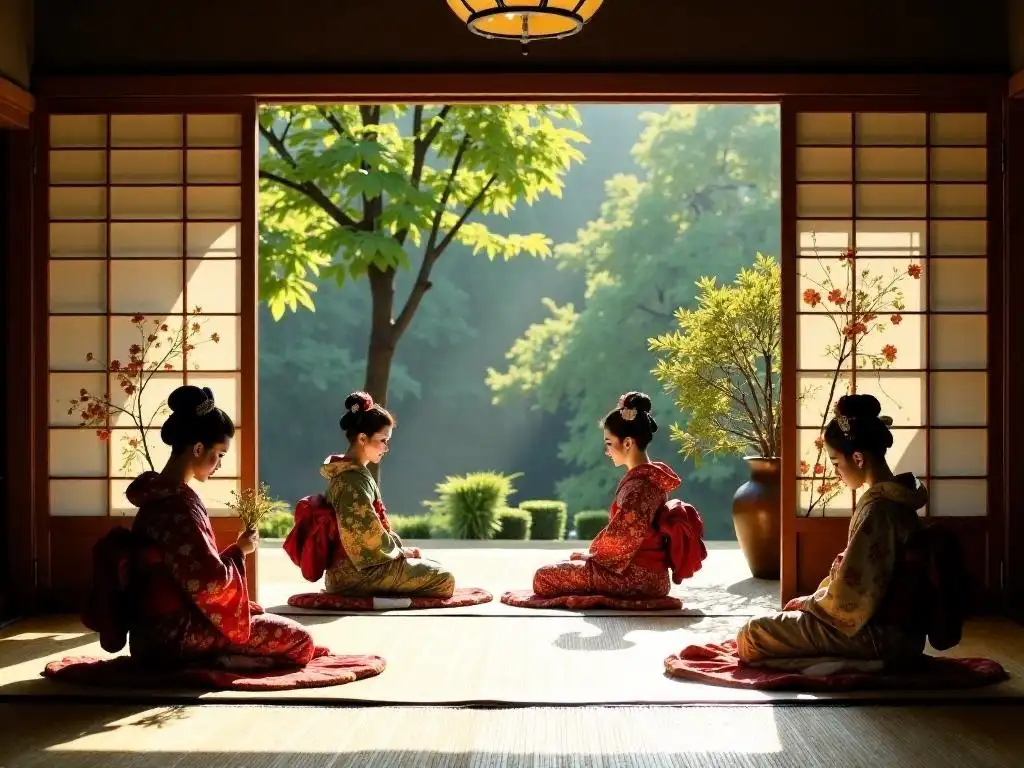
Welcome to Feudal Japan History, where we embark on a captivating journey through the intricate tapestry of Japan's feudal era. Here, we delve deep into the historical, cultural, and societal dimensions of this fascinating period, and today, we invite you to explore the enchanting world of tea houses in the Edo period. These establishments were not merely places to sip tea; they served as vibrant social hubs that shaped urban life in profound ways.
Curious about how these tea houses influenced the economy and social dynamics of the time? Read on to uncover the secrets of their significance in Edo's bustling streets and discover the stories that brewed within their walls.
Introduction to Tea Houses in the Edo Period
The Edo period, spanning from 1603 to 1868, was a transformative era in Japan characterized by urbanization, economic growth, and cultural flourishing. At the heart of this dynamic society were tea houses, or chaya, which served as vital social hubs in the bustling urban centers of Edo (modern-day Tokyo).
These establishments were not merely places to enjoy tea; they played a crucial role in shaping the social fabric of the time, fostering connections among diverse groups of people, and providing a space for cultural exchange. As we delve into the intricate world of tea houses in the Edo period, we will uncover their historical origins, significance, and evolution, highlighting their impact on the daily lives of Edo residents.
Definition and Historical Context of Tea Houses
Tea houses in the Edo period were establishments where patrons could relax, socialize, and partake in the traditional Japanese tea ceremony. These venues were often characterized by their intimate settings, offering a serene atmosphere amid the chaos of urban life. The concept of tea houses can be traced back to the earlier periods of Japanese history, but it was during the Edo period that they became prominent in urban culture.
Historically, tea was introduced to Japan from China in the early 9th century, but it wasn't until the 16th century that tea drinking became widespread, thanks in part to the influence of Zen Buddhism. By the Edo period, tea houses evolved into popular destinations for both commoners and the elite, reflecting the growing appreciation for tea as a cultural practice and social activity.
Significance of Tea Houses in Edo Society
Tea houses served multiple functions in Edo society. They were venues for leisure and entertainment, where people could gather to enjoy tea, sweets, and seasonal delicacies. Beyond their culinary offerings, tea houses acted as cultural centers, hosting performances, poetry readings, and discussions on various topics, thus contributing to the intellectual vibrancy of the time.
Moreover, tea houses played an important role in the economy of Edo. They provided employment opportunities for many, from tea masters to servers, and supported local artisans who supplied the necessary materials, such as tea, pottery, and sweets. In a society that valued social hierarchy and etiquette, tea houses also offered a space where class distinctions could blur, allowing people from different walks of life to interact and share experiences.
The Evolution of Tea Houses During the Edo Period
Origins of Tea Culture in Japan
The origins of tea culture in Japan can be traced back to the early interactions with Chinese traders and monks, who introduced tea as a beverage and a meditative practice. Initially reserved for the elite and religious figures, tea gained popularity among the samurai class and eventually spread to the merchant class as urban centers developed. The establishment of the tea ceremony as an art form further solidified tea's cultural significance, setting the stage for the emergence of tea houses.
Development of Tea Houses as Urban Establishments
As Edo transformed into a thriving metropolis, the proliferation of tea houses marked a significant aspect of urban life. The demand for social spaces led to the establishment of various types of tea houses, ranging from simple establishments catering to the lower classes to luxurious venues frequented by the wealthy. This diversification reflected the changing demographics and social dynamics of the time, with tea houses becoming essential components of the urban landscape.
Changes in Architecture and Design of Edo Tea Houses
The architecture and design of tea houses in Edo evolved in response to the cultural and social trends of the period. Early tea houses were often modest in appearance, but as their popularity grew, they began to feature more elaborate designs, including tatami flooring, sliding doors, and beautifully landscaped gardens. The aesthetics of tea houses were carefully curated to enhance the overall experience of tea drinking, emphasizing harmony with nature and simplicity—core principles of Japanese culture.
Through these developments, tea houses in the Edo period emerged not only as places for tea consumption but also as significant cultural institutions that shaped the social and economic landscape of urban Japan.
Tea houses in the Edo period served as essential social hubs, facilitating various interactions among the urban population. They were not merely venues for consuming tea; they were vibrant gathering places where individuals from different walks of life converged to share stories, ideas, and experiences. The atmosphere within these establishments fostered a sense of community, allowing patrons to engage in conversations that transcended social boundaries.
The design and layout of tea houses encouraged socialization, often featuring communal seating arrangements. This structure enabled guests to sit together, promoting interaction among strangers. Additionally, tea houses hosted events such as poetry readings and musical performances, enriching the cultural fabric of Edo. Through these functions, tea houses became integral to the social dynamics of the city, enabling residents to forge connections and build relationships.
Tea Houses as Gathering Spaces
Tea houses were designed to accommodate a variety of social gatherings, from casual meet-ups to formal celebrations. They often featured private rooms for intimate discussions and larger halls for public events. The ambiance was typically warm and inviting, enhanced by traditional Japanese aesthetics, including tatami mats, sliding doors, and beautiful gardens.
Patrons would frequent tea houses not just for the tea but for the overall experience. The act of drinking tea became a ritual that encouraged leisurely conversation and connection. These establishments often served as informal meeting points for merchants, samurai, and townspeople, facilitating a rich tapestry of interactions that contributed to the social landscape of Edo.
Role in Facilitating Communication and Networking
In the bustling environment of Edo, tea houses played a crucial role in facilitating communication and networking among various social classes. For merchants, they served as venues to discuss business deals, share market information, and establish connections with potential partners. Samurai and government officials often used these spaces for informal discussions, allowing them to navigate the complex social and political landscape of the time.
Furthermore, the presence of tea houses enabled the exchange of information beyond business. News about local events, cultural happenings, and even gossip circulated within these spaces, making them vital for community engagement. This communication network contributed to a sense of shared identity among the people of Edo, reinforcing social bonds.
Influence on Artistic and Cultural Exchanges
The cultural significance of tea houses extended beyond mere social interaction; they were also instrumental in fostering artistic and cultural exchanges. Many tea houses hosted performances by artists, including musicians, dancers, and poets, creating an environment where creativity flourished. Patrons were often inspired by these performances, leading to collaborations and the emergence of new art forms.
Moreover, tea houses served as venues for the appreciation of traditional Japanese arts, such as calligraphy and painting. Artists would showcase their work, allowing patrons to engage with and purchase pieces that reflected the cultural zeitgeist of the Edo period. This artistic interaction not only enriched the cultural landscape but also solidified the tea house's role as a center for cultural exchange.
Economic Impact of Tea Houses in the Edo Period
Tea houses significantly influenced the economy of Edo, contributing to both local commerce and the overall economic vitality of the city. They were a fundamental part of the urban economy, affecting various sectors, including agriculture, hospitality, and trade.
Tea Houses and the Local Economy
The proliferation of tea houses in Edo stimulated the local economy by attracting patrons and generating revenue. They sourced their tea and other ingredients from local producers, thereby supporting agricultural activities in the region. The demand for high-quality tea led to the cultivation of specific tea varieties, which became an essential part of the local agricultural economy.
Additionally, tea houses often sold various goods, such as snacks and sweets, further diversifying their contributions to local commerce. As popular gathering spots, they drew both locals and visitors, promoting spending in nearby shops and markets. This interconnectedness among businesses highlighted the tea house's role as a vital economic engine in Edo.
Employment Opportunities Created by Tea Houses
The establishment of tea houses created numerous employment opportunities, contributing to the livelihoods of many residents in Edo. Workers in these establishments included tea masters, servers, cooks, and maintenance staff. Employment in tea houses provided stable incomes for many families, particularly during a time when job opportunities were limited.
Moreover, the rise of tea houses stimulated related industries, such as tea production, pottery, and textile manufacturing. As tea houses flourished, the demand for quality tea utensils and decor increased, leading to job creation in these sectors as well. This ripple effect showcased the significant economic impact that tea houses had on the community.
Contribution to Urbanization and Economic Growth
Tea houses played a pivotal role in the urbanization of Edo, contributing to its growth as a bustling metropolis. As more tea houses opened, they attracted a diverse clientele, which in turn fostered the development of surrounding neighborhoods. The concentration of tea houses in specific districts encouraged the establishment of additional businesses, creating vibrant economic zones within the city.
The presence of tea houses also reflected the changing social dynamics of the Edo period. They became integral to the urban lifestyle, embodying the shift towards a more commercialized and interconnected society. By providing a space for social interaction and economic activity, tea houses helped shape the urban landscape of Edo and facilitated its evolution into one of the largest cities of the time.
Types of Tea Houses in Edo
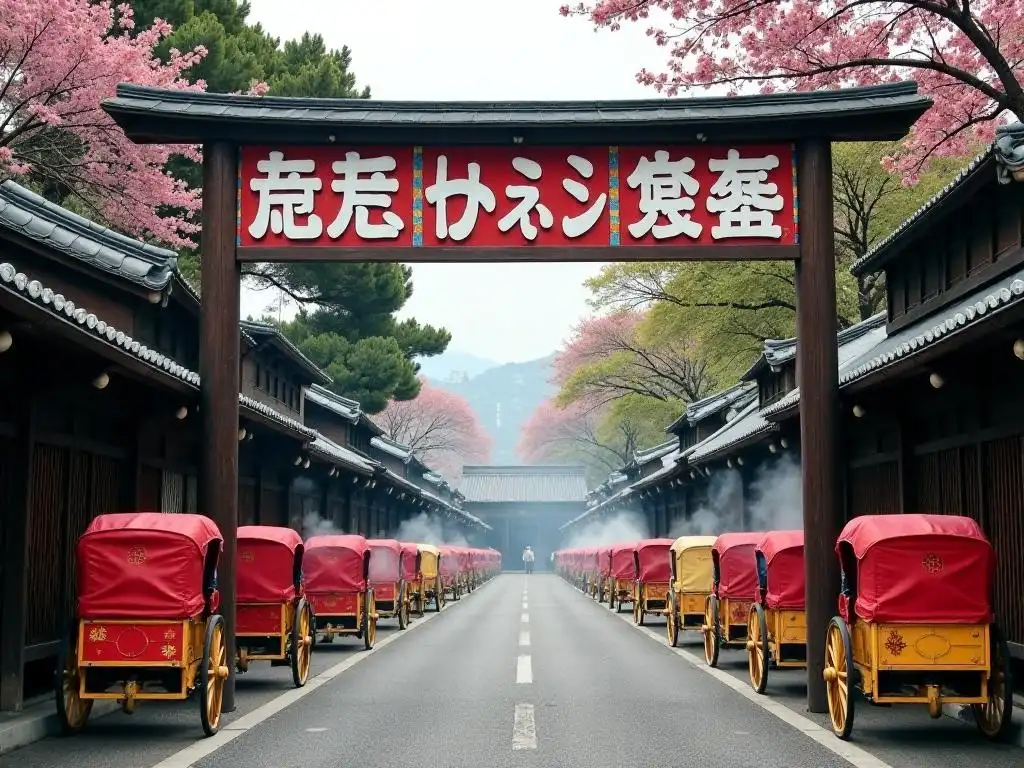
During the Edo period, tea houses, known as chaya, served as essential social hubs within the burgeoning urban landscape. They varied widely in style and purpose, reflecting the diverse needs and tastes of Edo's inhabitants.
Traditional vs. Modern Tea Houses
Traditional tea houses in Edo were often characterized by their wooden structures, tatami mat flooring, and sliding doors. These establishments focused on preserving the art of tea preparation and serving, often adhering to the principles of the chanoyu, or tea ceremony. Guests would be welcomed into serene environments, where attention to detail and aesthetics was paramount. The experience was as much about the tea itself as it was about the peaceful atmosphere cultivated within.
In contrast, modern tea houses that emerged later in the Edo period began to cater to a wider audience and diverse tastes. They incorporated more elaborate interior designs and offered a broader menu, including sweets and light meals. These establishments often featured entertainment options such as music and performances, making them popular gathering spots for various social classes. The shift towards modern tea houses represented broader changes in Edo society, reflecting urbanization and evolving leisure activities.
The Role of Specialty Tea Houses
Specialty tea houses focused on specific types of tea, such as matcha or sencha, and often provided a unique experience tailored to the preferences of their clientele. These establishments attracted tea enthusiasts who sought to explore different flavors and brewing techniques. Specialty tea houses sometimes hosted workshops or demonstrations, allowing patrons to deepen their understanding of the tea culture.
Moreover, some tea houses specialized in pairing tea with traditional sweets, enhancing the overall experience for guests. This focus on quality and expertise contributed to the growing appreciation for tea as not only a drink but also an art form, fostering a community of connoisseurs within Edo's urban landscape.
Regional Variations in Edo's Tea House Culture
The tea house culture in Edo was influenced by regional characteristics and local customs. For instance, while many establishments in the heart of Edo catered to the bustling merchant class, tea houses in rural areas might have emphasized more traditional practices, focusing on the tranquility of the tea ceremony.
Additionally, different regions within Edo had their own specialties, whether through unique tea blends or local sweets served alongside the tea. This diversity enriched the overall tea house experience, allowing visitors to engage with various cultural expressions of tea across the city. The interplay between these regional variations and the broader tea house culture created a vibrant tapestry of social interactions and cultural exchanges.
The Cultural Significance of Tea Houses
Tea houses in Edo were not merely places to enjoy a beverage; they played a crucial role in shaping social interactions, cultural practices, and artistic expressions. Their significance extended beyond the realm of gastronomy, becoming integral to the fabric of urban life.
Tea Ceremonies and Rituals at Edo Tea Houses
Tea ceremonies conducted in Edo tea houses were often elaborate affairs, steeped in tradition and ritual. These ceremonies emphasized mindfulness, respect, and aesthetic appreciation, allowing participants to connect deeply with the moment and each other. The careful preparation and presentation of tea became a form of art, with hosts often trained in the intricate practices of chanoyu.
Visitors to these tea houses experienced not only the taste of the tea but also the cultural heritage that accompanied it. The ceremonies provided a space for reflection and contemplation, fostering a sense of community among participants. Through these rituals, tea houses became pivotal venues for social bonding and cultural transmission.
Influence on Literature and Arts
The presence of tea houses in Edo had a profound impact on literature and the arts. Many writers and poets drew inspiration from the ambiance and social interactions within these establishments, leading to a rich body of literary work that celebrated the tea house experience.
Artists often depicted scenes from tea houses in their works, capturing the elegance of the tea ceremony and the lively atmosphere of these social hubs. The aesthetic of tea houses contributed to the broader cultural narrative of the Edo period, influencing various art forms, including woodblock prints and theater.
Tea Houses as Venues for Performances and Entertainment
In addition to their role as places for tea consumption, many Edo tea houses hosted performances and entertainment, further solidifying their status as cultural centers. These venues often featured traditional performances, such as kabuki and bunraku, attracting patrons who sought both social interaction and artistic experiences.
The combination of tea consumption and entertainment created a lively atmosphere where guests could enjoy the latest plays or music performances while savoring their tea. This dual function of tea houses as both social and entertainment venues underscored their importance in the urban culture of Edo, making them essential components of the city's social fabric.
Challenges Faced by Tea Houses in Edo
During the Edo period, tea houses played a significant role as social hubs, providing a space for relaxation, conversation, and cultural exchange. However, they faced several challenges that ultimately shaped their evolution and significance in urban life. Understanding these challenges offers insights into the dynamics of social venues in Edo and their lasting impact on Japanese culture.
Competition from Other Social Venues
Tea houses in Edo were not the only establishments vying for the attention of urban residents. The burgeoning urban landscape saw the rise of various social venues, including:
- Kabuki Theaters: These popular theaters offered theatrical performances that attracted large crowds, drawing potential customers away from tea houses.
- Izakayas: Known for their casual dining and drinking atmosphere, izakayas provided a more boisterous environment compared to the serene ambiance of tea houses.
- Public Baths (Sento): Bathing establishments served as essential gathering spots for socialization and relaxation, often overshadowing tea houses.
This competition forced tea houses to adapt their offerings and services, incorporating elements of entertainment and culinary experiences to attract patrons and maintain their relevance in Edo's vibrant social scene.
Economic Fluctuations and Their Impact on Tea Houses
The Edo period was marked by various economic fluctuations influenced by factors such as crop yields, trade dynamics, and governmental policies. These fluctuations significantly impacted tea houses in several ways:
- Discretionary Spending: Economic downturns reduced disposable income among the populace, leading to decreased patronage of tea houses. During lean times, many opted for more economical social alternatives, affecting tea house revenues.
- Supply Chain Issues: Fluctuations in the availability of high-quality tea and other essential goods could lead to price increases, forcing tea houses to adjust their pricing structures or compromise on the quality of their offerings to remain competitive.
- Changing Consumer Preferences: Economic shifts often resulted in changing tastes and preferences among the populace, compelling tea houses to innovate and diversify their menus to cater to evolving demands.
The ability of tea houses to navigate these economic challenges was crucial for their survival and adaptation in the ever-changing landscape of Edo.
The Effect of Government Regulations on Tea House Operations
The Edo government implemented various regulations that affected the operations of tea houses, often aimed at maintaining social order and public morality. Some of the key regulations included:
- Licensing Requirements: Tea houses were subjected to strict licensing protocols to operate legally. This ensured that only establishments meeting government standards could serve the public, which sometimes limited the number of tea houses in a given area.
- Censorship of Entertainment: Government restrictions on the type of entertainment that could be offered in tea houses often stifled creativity and innovation. For example, certain performances or themes might be banned, forcing tea house owners to adapt quickly to adhere to regulations.
- Taxation: Increased taxation on tea houses could lead to higher prices for consumers, affecting customer turnout. Owners had to navigate the delicate balance between remaining profitable while providing affordable experiences.
These regulations shaped the environment in which tea houses operated, influencing their business models and the types of social interactions that could take place within their walls.
The Legacy of Tea Houses in Edo
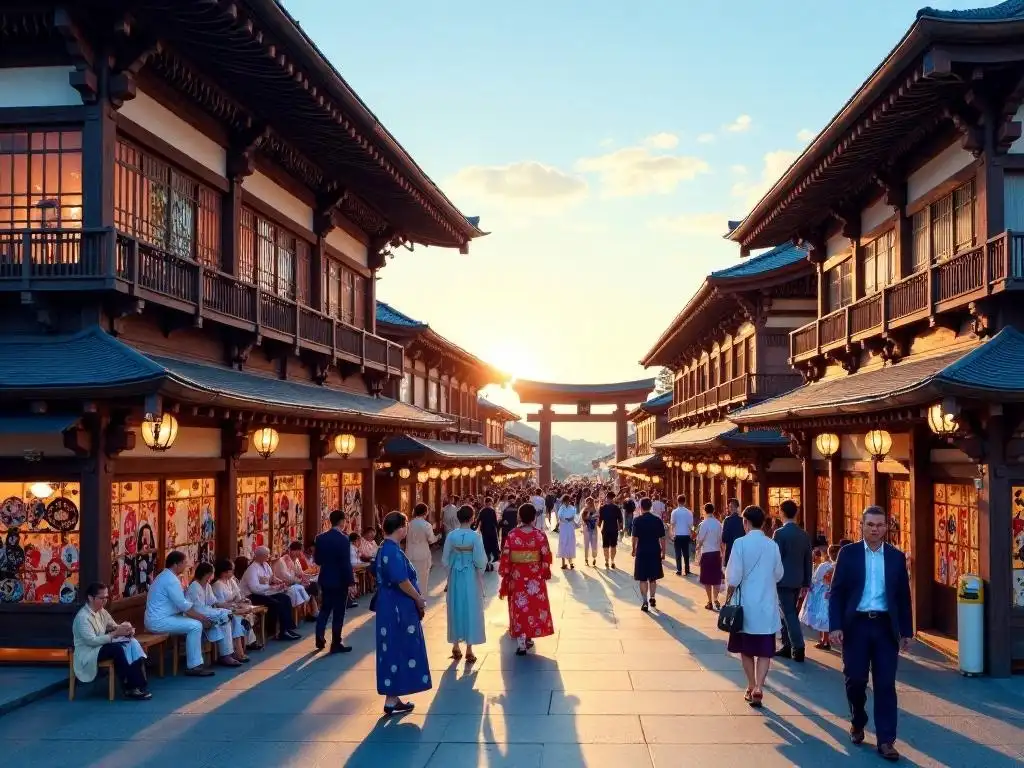
The legacy of tea houses from the Edo period extends far beyond their operational years, influencing Japanese culture and society in profound ways. Their historical significance can be seen in various aspects of contemporary life.
Lasting Influence on Modern Japanese Tea Culture
The traditions and practices established in Edo tea houses have left an indelible mark on modern Japanese tea culture. Key aspects include:
- Ceremonial Practices: Elements of the traditional tea ceremony, such as the meticulous preparation and presentation of tea, can be traced back to the practices of Edo tea houses, emphasizing mindfulness and aesthetics.
- Social Norms: The communal atmosphere fostered in tea houses laid the groundwork for modern tea gatherings, where social interaction remains a vital component of tea enjoyment.
- Culinary Innovations: Many of the tea-infused sweets and snacks popular today have their origins in the offerings of Edo tea houses, marrying culinary art with tea culture.
These influences underscore the continuity of tea culture throughout Japanese history, demonstrating the enduring appeal of the tea house experience.
Preservation of Edo Tea House Traditions Today
Efforts to preserve the traditions of Edo tea houses continue in contemporary Japan, reflecting a desire to maintain cultural heritage. Notable initiatives include:
- Cultural Festivals: Events celebrating Edo culture often feature traditional tea ceremonies, allowing participants to experience the ambiance and customs of historical tea houses.
- Restoration Projects: Many cities have undertaken the restoration of original tea house structures, creating spaces that honor their historical significance while serving as cultural centers.
- Educational Programs: Workshops and classes focusing on the art of tea preparation and etiquette aim to educate new generations about the importance of tea in Japanese culture.
These preservation efforts ensure that the essence of Edo tea houses is not lost, fostering appreciation for their historical and cultural contributions.
Reflection of Edo Society in Contemporary Urban Spaces
The social dynamics and cultural exchanges that characterized tea houses in Edo can still be observed in modern urban spaces. Key reflections include:
- Community Gathering Spots: Like tea houses, contemporary cafes and community centers serve as venues for social interaction, fostering a sense of community and belonging among urban dwellers.
- Cultural Exchanges: Modern tea houses and cafes often host events that celebrate various aspects of Japanese culture, similar to how Edo tea houses facilitated cultural exchange through performances and discussions.
- Design Aesthetics: The architectural styles and interior designs of modern tea houses often draw inspiration from Edo period aesthetics, emphasizing simplicity, natural materials, and serene environments.
Thus, the legacy of tea houses in Edo continues to influence and shape the fabric of contemporary Japanese society, serving as a testament to their enduring significance as social hubs.
Conclusion: The Enduring Role of Tea Houses in Urban Life
Tea houses in the Edo period were more than mere establishments for consuming tea; they evolved into vital social hubs that shaped the urban landscape of Edo. They functioned as venues for various social interactions, ranging from casual gatherings to formal meetings, contributing to the rich tapestry of Edo society. As urbanization transformed Edo into one of the world's largest cities, tea houses became pivotal in promoting cultural exchange, artistic expression, and community bonding. Their influence extended beyond the social realm, impacting the economic structure of the period through the flourishing of tea trade and related crafts.
Summary of the Importance of Tea Houses in Edo
Throughout the Edo period, tea houses played a crucial role in the social life of urban residents. They provided a space where people from various classes could interact, breaking down rigid social hierarchies, albeit temporarily. These establishments were renowned for their unique ambiance, often featuring traditional decor, serene gardens, and the art of tea preparation. The significance of tea houses can be summarized as follows:
- Social Interaction: They facilitated connections among individuals, fostering community bonds.
- Cultural Exchange: Tea houses served as venues for the exchange of ideas, customs, and artistic expressions.
- Economic Activity: They contributed to the local economy by supporting tea cultivation, trade, and related crafts, such as pottery and textiles.
- Culinary Innovation: The tea house culture also encouraged the development of new tea varieties and snacks, enhancing the culinary landscape of the era.
Final Thoughts on Their Cultural and Economic Relevance
The legacy of tea houses in Edo extends into modern Japan, where they continue to symbolize hospitality and cultural heritage. Their historical significance is evident in contemporary tea ceremonies and the ongoing popularity of tea culture. Economically, the tea industry remains a vital part of Japan's agricultural sector.
The tea houses of the Edo period laid the groundwork for this ongoing appreciation and commercial viability. By examining the multifaceted roles of tea houses, we gain insights into the complexities of urban life during the Edo period and the enduring influence of these social hubs on Japan's cultural and economic development.
References
[List of scholarly articles, books, and sources related to tea houses in Edo period]
- "The Culture of Tea in Edo Japan" by Anne Watanabe
- "Edo: The City That Became Tokyo" by Michael Lewis
- "Japanese Tea Culture: Art, History, and Practice" by Noriko T. Matsumoto
- "Urbanization in Edo Japan: Social Dynamics and Economic Structures" by Takashi Yamamoto
- "Tea Houses and Social Life in Edo: A Historical Perspective" in Journal of Japanese Studies
- "The Role of Tea in Japanese Society" by Hiroshi Tanaka in The Journal of Asian Studies
- Introduction to Tea Houses in the Edo Period
- The Evolution of Tea Houses During the Edo Period
- Social Functions of Tea Houses in Edo
- Economic Impact of Tea Houses in the Edo Period
- Types of Tea Houses in Edo
- The Cultural Significance of Tea Houses
- Challenges Faced by Tea Houses in Edo
- The Legacy of Tea Houses in Edo
- Conclusion: The Enduring Role of Tea Houses in Urban Life
- References
Frequently Asked Questions
What were tea houses in the Edo period?
Tea houses, or "chashitsu," were establishments where people gathered to enjoy tea ceremonies, socialize, and engage in cultural activities during the Edo period.
Tea houses served as important social hubs where individuals from different classes could interact, fostering a sense of community and cultural exchange within urban life.
What types of events were held in Edo tea houses?
In addition to tea ceremonies, tea houses hosted art performances, poetry readings, and other cultural events, making them vital centers for entertainment and social engagement.
Who frequented tea houses in the Edo period?
Tea houses attracted a diverse clientele, including merchants, samurai, and commoners, reflecting the social stratification of the time while promoting a unique blend of interaction among various social classes.
How did tea houses influence Japanese culture?
The tea houses played a significant role in shaping Japanese aesthetics and customs, particularly through the tea ceremony, which emphasized harmony, respect, and tranquility, influencing broader cultural practices in Japan.
Final Reflection: The Enduring Legacy of Tea Houses in Edo
The role of tea houses in Edo was not merely a backdrop for social interaction; they were pivotal to the cultural fabric of urban life. Today, as we navigate our increasingly digital and fast-paced world, the essence of these communal spaces resonates more than ever. The tea houses of the Edo period remind us of the importance of gathering, conversation, and connection in fostering community and understanding among individuals.
Even centuries later, the influence of tea houses continues to shape our social landscapes. These establishments were more than just places to enjoy a beverage; they were vibrant hubs where art, literature, and philosophy flourished. The legacy of these spaces encourages us to seek out our own communal environments, where creativity and dialogue can thrive. As the renowned Japanese poet Matsuo Bashō once said, The journey itself is my home.
This sentiment reflects the idea that our paths to connection and understanding are just as valuable as the destinations we reach.
As you reflect on the lessons from the tea houses of Edo, consider how you can cultivate spaces of your own that promote connection and community. Embrace the spirit of these historical hubs by creating opportunities for meaningful interactions in your life. Whether it’s hosting a gathering, starting a book club, or simply inviting friends over for tea, take inspiration from the past to enrich your present. Let us honor the legacy of these social sanctuaries by fostering environments where conversation and camaraderie can flourish, ensuring that the essence of the tea houses lives on in our modern lives.
Thank you for taking the time to explore the fascinating world of Edo's tea houses with us! You’ve delved into the vital role these social hubs played in shaping urban life, rich in culture and community. Now, it’s time to take your interest further and engage with this captivating aspect of history.
Here are some inspiring steps to deepen your connection:
- Visit a local tea house or a charming café that offers traditional tea experiences to immerse yourself in the ambiance and customs reminiscent of Edo culture.
- Share this article with friends or family and discuss your insights on the social dynamics that characterized tea houses in the past.
- Join an online community focused on Japanese history—there are countless stories waiting to be discovered together!
How has learning about Edo's tea houses inspired you to explore social traditions in other cultures?