
The Role of Food in Shinto and Shamanistic Practices of Feudal Japan

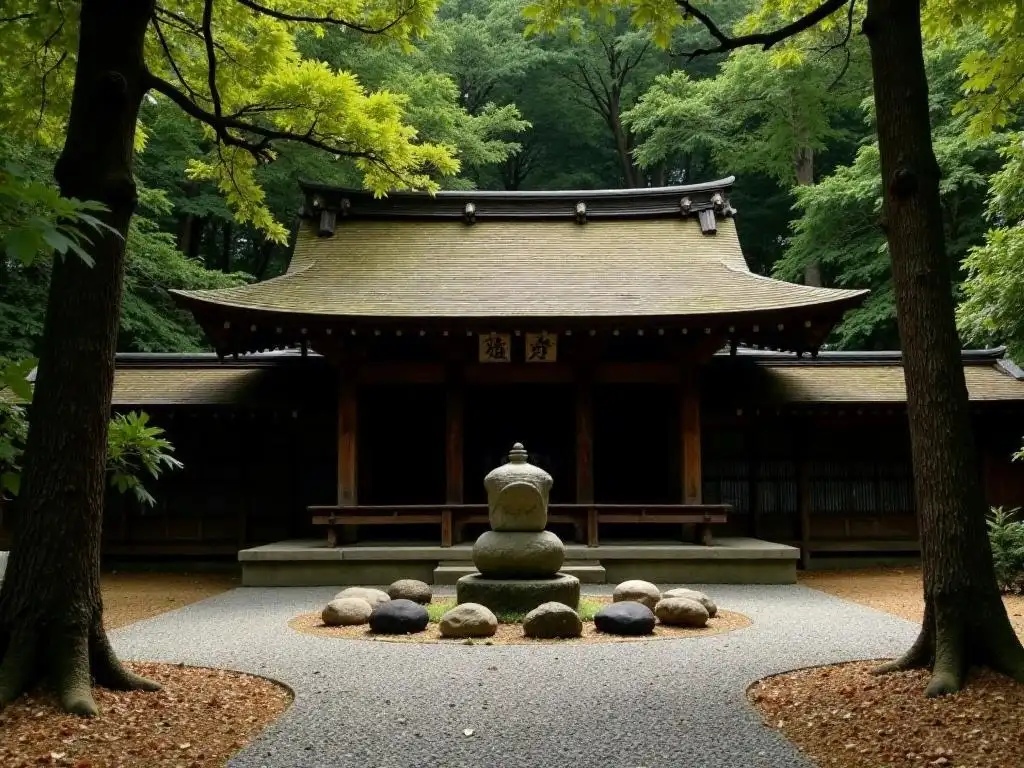
Welcome to Feudal Japan History, where we embark on a captivating journey through the intriguing tapestry of Japan's feudal era. Here, we delve deep into the historical, cultural, and societal aspects that shaped this remarkable period. In our featured article, "The Role of Food in Shinto and Shamanistic Practices of Feudal Japan," we unravel the fascinating connection between Shinto food rituals and the daily lives of people during this time.
Prepare to uncover the hidden meanings behind these ancient practices and how they influenced society, inviting you to explore a world where culinary traditions intertwine with spiritual beliefs. Your adventure begins now—dare to discover more!
Introduction to Food and Spirituality in Feudal Japan
Food has always been a central element in the daily lives of people, but in feudal Japan, it transcended mere sustenance to embody deep spiritual significance. This era, marked by its unique blend of cultural and religious practices, witnessed the intertwining of food with Shinto and shamanistic beliefs.
The rituals surrounding food not only nourished the body but also served as offerings to deities and spirits, reinforcing the connection between the physical and spiritual realms. Understanding the role of food in these practices unveils a rich tapestry of beliefs and customs that shaped the lives of individuals and communities during feudal Japan.
Overview of Shinto and Shamanistic Beliefs
Shinto, the indigenous spirituality of Japan, is characterized by its reverence for kami (spirits or gods) found in nature, ancestors, and various elements of life. This belief system emphasizes the importance of rituals and offerings to honor these kami, ensuring harmony between the human world and the spiritual realm. Similarly, shamanistic practices, which often coexisted with Shinto, involved the mediation between the physical world and spirits through rituals performed by shamans.
Both belief systems share a profound respect for the natural world, which is reflected in their food rituals. Offerings made to the kami often included rice, fish, and seasonal vegetables, symbolizing gratitude and the desire for blessings. The interplay of food and spirituality in these practices highlights how nourishment was perceived not just as a basic need but as a conduit for divine interaction.
Importance of Food in Cultural Practices
In feudal Japan, food was more than a means of survival; it was a vital component of cultural identity and social structure. The preparation and sharing of food were steeped in tradition, serving as a reflection of societal values and communal bonds. Food rituals played a crucial role in festivals, family gatherings, and religious ceremonies, reinforcing social ties and cultural heritage.
Moreover, the significance of food extended to its symbolic meanings. For instance, certain foods were believed to possess protective qualities or bring good fortune. This cultural lens through which food was viewed added layers of meaning to everyday meals and special occasions alike, making it a fundamental aspect of life in feudal Japan.
Shinto Food Rituals in Feudal Japan
Definition and Significance of Shinto Food Rituals
Shinto food rituals, known as "shinsen" or "saisen," are ceremonial offerings made to kami during religious observances. These rituals are imbued with profound significance, representing respect, gratitude, and a desire for divine favor. The careful selection and presentation of food offerings reflect the belief in purity and the importance of maintaining a harmonious relationship with the spiritual world.
The act of offering food is not merely a transaction; it embodies a deeper spiritual connection, where the food is transformed into a medium through which humans communicate with the divine. This ritualistic practice underscores the belief that the act of sharing food can bring blessings and protection to individuals and their communities.
Types of Shinto Food Offerings
Shinto food offerings typically consist of a variety of elements, each symbolizing different aspects of nature and life. Common offerings include:
- Rice: Considered the most sacred food, symbolizing purity and fertility.
- Fish: Often offered for its abundance and association with life.
- Vegetables: Seasonal produce reflects the bounty of nature and gratitude for harvests.
- Sake: Rice wine used in rituals, representing joy and celebration.
These offerings are carefully arranged on altars, known as "kamidana," and presented during ceremonies to honor the kami.
The Role of Food in Shinto Ceremonies
Food plays a pivotal role in Shinto ceremonies, from daily rituals to grand festivals. During these events, food offerings serve as a bridge between the human and spiritual worlds. The preparation and presentation of food are done with great care, often involving specific rituals to ensure purity.
Ceremonies such as "Shinto weddings" and "New Year celebrations" prominently feature food rituals, where offerings are shared among participants to foster community spirit and collective blessings. The act of sharing food during these ceremonies reinforces social bonds and cultivates a sense of belonging, making food an essential element of Shinto practices in feudal Japan.
Shamanistic Practices and Food in Feudal Japan
Shamanism in Feudal Japan played a pivotal role in connecting the spiritual and physical worlds. It was characterized by its focus on nature and the belief in various spirits inhabiting the landscape. In this context, food emerged as a vital element in rituals intended to communicate with these spirits, honor ancestral deities, and seek guidance or blessings. The use of food in shamanistic practices not only provided sustenance but also served symbolic functions, reflecting the beliefs and values of the society.
Understanding Shamanism in the Context of Feudal Japan
Shamanism in Feudal Japan can be traced back to ancient animistic practices that predicated a deep reverence for nature and its elements. Shamanistic figures, often known as itako or kannushi, were believed to possess the ability to communicate with the spirit world. They conducted ceremonies that involved various offerings, many of which included food items, to appease and honor the spirits. These practitioners played a crucial role in the community, acting as mediators between the living and the spiritual realm. Their rituals often included incantations, dance, and the preparation of specific foods believed to hold spiritual significance.
Food as a Medium for Communication with Spirits
In shamanistic rituals, food served as an essential medium through which humans communicated with the spirits. Offerings typically included rice, sake, fruits, and seasonal vegetables, all of which were thought to carry blessings or messages to the deities. For example, rice, being a staple in Japanese culture, was often presented to spirits as a sign of respect and gratitude. These food offerings were meticulously prepared and presented in a way that honored the spirits, demonstrating the belief that the essence of the food could facilitate a spiritual connection.
Additionally, certain foods were believed to possess specific powers. For instance, miso was often used in rituals for purification, while seafood might be offered during maritime ceremonies to ensure safe voyages. The consumption of ritual food by the community after such ceremonies symbolized not only a shared spiritual experience but also a communal bond, reinforcing societal ties through collective participation in these sacred acts.
Comparative Analysis of Shinto and Shamanistic Food Rituals
While Shinto and shamanistic practices in Feudal Japan share similarities, they also exhibit significant differences in their approach to food rituals. Both traditions regard food as a sacred offering, but their underlying philosophies vary. Shinto rituals tend to focus on purification and the veneration of kami (deities or spirits), emphasizing cleanliness and the offering of simple, unprocessed foods. In contrast, shamanistic practices often incorporate a wider variety of foods, reflecting a more diverse interaction with the spirit world.
In Shinto, offerings are typically placed on an altar, and rituals are performed to invite kami to partake in the essence of the food. Conversely, shamanistic rituals may involve more elaborate ceremonies, where food is used not just as an offering but also as a tool for divination and healing. This divergence highlights the distinct cultural frameworks within which these practices operate, illustrating how food rituals adapted to meet the spiritual needs of the community.
The Influence of Food on Daily Life in Feudal Japan
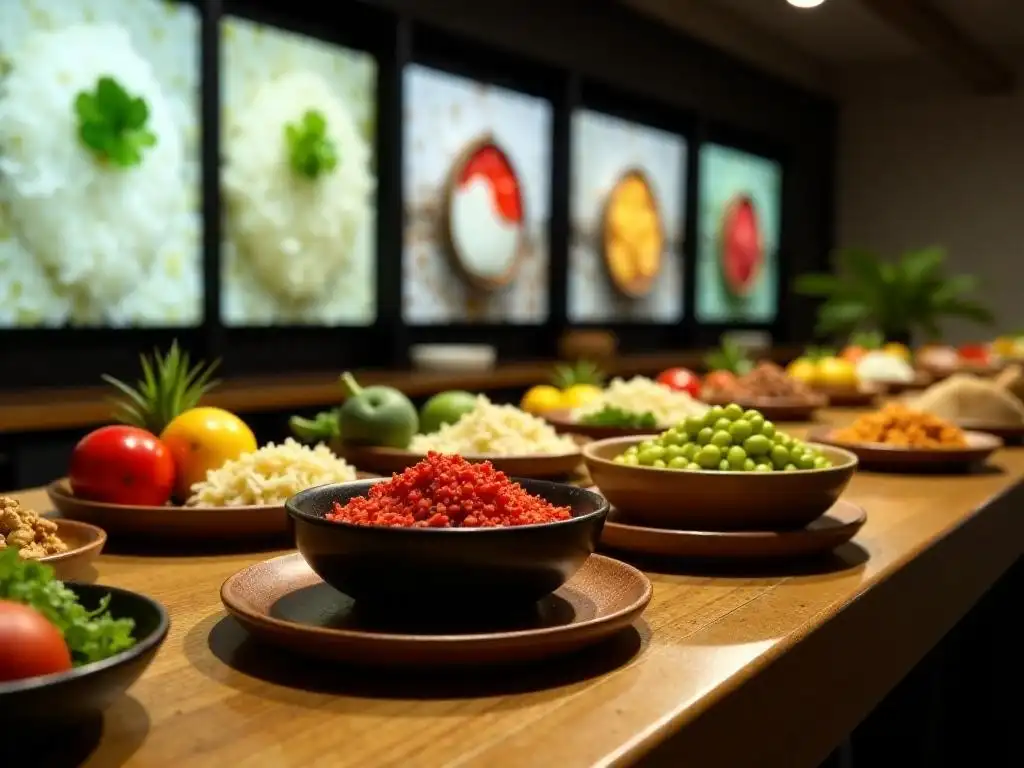
Food in Feudal Japan was not merely a source of sustenance; it was intricately woven into the fabric of daily life and societal structure. The types of food consumed and the rituals surrounding food preparation and consumption reflected the social hierarchy and cultural practices of the time.
Food as an Element of Social Hierarchy
The consumption of food in Feudal Japan was closely linked to social status. The samurai class, for instance, had access to a broader variety of food, including meats and luxurious delicacies, which were often reserved for special occasions. In contrast, the peasant class primarily consumed rice, vegetables, and fish. This disparity in access to food not only highlighted the social hierarchy but also influenced cultural practices surrounding food.
Feudal lords often hosted elaborate banquets that showcased their wealth and status, while the common folk engaged in simpler meals. The presentation of food also carried significant meaning; for instance, the way food was arranged and served during a banquet could denote respect and hierarchy among guests. Thus, food became a medium of expression for social standing, reinforcing societal norms and expectations.
Agricultural Practices and Their Impact on Food Rituals
Agricultural practices in Feudal Japan had a profound impact on food rituals and the overall availability of food. Rice cultivation, which was central to the economy and diet, dictated the rhythms of life and ritual. Seasonal festivals were often aligned with planting and harvest times, celebrating the bounty of the land and expressing gratitude to the kami for their blessings.
The reliance on seasonal crops shaped the rituals associated with food, as offerings were made in accordance with the agricultural calendar. For example, during harvest festivals, communities would gather to perform rituals thanking the kami for a fruitful harvest, often involving food that represented the season's yield. This cyclical relationship between agriculture and food rituals not only ensured the continuity of cultural practices but also reinforced the community's connection to the land and its spiritual significance.
Conclusion: The Lasting Legacy of Food in Japanese Spiritual Practices
The rituals surrounding food in Shinto and shamanistic practices during feudal Japan have carved a profound legacy that continues to influence Japanese culture today. These rituals were not merely a means of sustenance; they were imbued with deep spiritual significance. Food served as a conduit between the physical and spiritual realms, facilitating communication with kami (deities) and ancestors. The careful selection and preparation of food symbolized respect, gratitude, and a deep connection to nature's cycles.
This legacy manifests in various ways, from traditional ceremonies like Shinto weddings and New Year celebrations to everyday practices that honor the spirits of food. The emphasis on seasonal ingredients, presentation, and ritual consumption reflects a continued reverence for nature and the divine. As such, the role of food in these spiritual practices can be seen as a cornerstone of Japanese identity, interweaving the past with the present.
Reflection on Modern Influences from Feudal Food Rituals
Modern Japanese cuisine retains many elements rooted in feudal food rituals, highlighting a continuity of cultural practices. For instance, the use of specific offerings during festivals, such as mochi (rice cakes) and sake (rice wine), echoes ancient traditions where food served as an offering to kami. The meticulous preparation and aesthetic presentation of dishes, such as kaiseki, can also be traced back to the ritualistic nature of feudal practices, where the visual and sensory experiences were integral to the spiritual connection.
Moreover, many contemporary Japanese still observe rituals that honor ancestors, particularly during the Obon festival, where special foods are prepared and offered at family altars. This ongoing practice illustrates the lasting influence of feudal food rituals, demonstrating how they have adapted yet remained fundamentally tied to Japan's spiritual heritage.
The Continuation of Shinto and Shamanistic Traditions in Contemporary Japan
In contemporary Japan, Shinto and shamanistic traditions continue to thrive, often intertwined with modern practices. Many Shinto shrines still perform seasonal festivals (matsuri) where food plays a central role, reinforcing the relationship between the community and the kami. Rituals such as the rice planting festival (taue) not only celebrate agricultural cycles but also invoke blessings for a bountiful harvest, reflecting the ancient practices of feudal Japan.
Additionally, the practice of omakase dining, where chefs curate a personalized meal, can be seen as a modern interpretation of the ritualistic appreciation for food. The emphasis on seasonal ingredients and their spiritual significance echoes the historical context of food in Shinto rituals. Thus, while the forms may have evolved, the essence of these traditions remains deeply embedded in Japanese culture, ensuring that the spiritual significance of food endures.
References and Further Reading
Scholarly Articles on Shinto and Food Rituals
- "The Significance of Food Offerings in Shinto Rituals" - A comprehensive study exploring the role of food in Shinto practices, examining its symbolism and rituals throughout history.
- "Rituals of Taste: The Connection Between Food and Spirituality in Japanese Culture" - This article delves into the intricate relationship between food and spirituality, highlighting various rituals and their meanings.
Books on Shamanism and Spiritual Practices in Japan
- "Japanese Shamanism: An Introduction to the Spiritual Practices of Japan" - This book offers insights into the shamanistic traditions in Japan, including food rituals and their significance.
- "The Sacred Cuisine of Japan: An Exploration of Spirituality and Food" - A detailed exploration of how food is intertwined with spirituality in various cultural practices across Japan, including Shinto and shamanistic rituals.
- Introduction to Food and Spirituality in Feudal Japan
- Shinto Food Rituals in Feudal Japan
- Shamanistic Practices and Food in Feudal Japan
- The Influence of Food on Daily Life in Feudal Japan
- Conclusion: The Lasting Legacy of Food in Japanese Spiritual Practices
- References and Further Reading
- What are Shinto food rituals in feudal Japan?
- How did food influence Shamanistic practices in feudal Japan?
- What types of food were commonly used in Shinto rituals?
- How did the cultural significance of food evolve during feudal Japan?
- Can you explain the connection between Shinto food rituals and seasonal festivals?
Frequently Asked Questions
What are Shinto food rituals in feudal Japan?
Shinto food rituals were sacred practices that involved offerings made to kami (spirits) using specially prepared dishes. These rituals were integral to spiritual and cultural life, aimed at maintaining harmony between humans and the divine.
How did food influence Shamanistic practices in feudal Japan?
Food played a crucial role in Shamanistic practices, serving as a medium for communication with the spirit world. Ritualistic meals were believed to enhance spiritual connections and were often shared during ceremonies to invoke blessings.
What types of food were commonly used in Shinto rituals?
Common foods included rice, fish, and vegetables, which were considered pure and suitable for offerings. These ingredients symbolized abundance and were essential in expressing gratitude to the kami.
How did the cultural significance of food evolve during feudal Japan?
Food's cultural significance evolved as it became intertwined with social hierarchies and ritualistic practices. Over time, it mirrored the values and beliefs of the society, becoming a symbol of respect in various ceremonies.
Can you explain the connection between Shinto food rituals and seasonal festivals?
Shinto food rituals were often aligned with seasonal festivals, celebrating the harvest and changes in nature. These rituals not only honored the kami but also reinforced community bonds through shared culinary traditions and festivities.
Final Reflection: The Sacred Connection of Food in Shinto and Shamanistic Practices
The intricate relationship between food and spirituality in Shinto and shamanistic practices of feudal Japan remains profoundly relevant today. As we navigate a world increasingly disconnected from nature and traditional rituals, the significance of food as a medium for connection—both with the divine and our cultural heritage—becomes ever more striking. The rituals surrounding food not only nourish the body but also serve as a bridge to our ancestors and the spiritual realm, reminding us of the sacredness embedded in our daily sustenance.
The influence of these ancient practices continues to resonate in contemporary Japanese culture and beyond. From seasonal festivals that celebrate harvests to the meticulous preparation of meals as acts of devotion, the legacy of Shinto food rituals enriches our understanding of community and spirituality. As noted by cultural anthropologist Takashi Yamada, Food is not merely sustenance; it is a vessel of our history, a way to honor the spirits that shape our lives.
This observation underscores the importance of recognizing and preserving these traditions, as they offer insights into our collective identity and the values we hold dear.
As you reflect on the themes explored in this article, consider how you can incorporate the lessons of Shinto food rituals into your own life. Embrace the idea that every meal can be an opportunity for mindfulness and gratitude, a chance to connect with your heritage and the world around you. Whether through preparing a meal with intention, participating in local food traditions, or simply appreciating the nourishment provided by the earth, let the sacredness of food inspire you to cultivate a deeper connection to your own spiritual journey.
Embrace the Spiritual Journey Through Food!
Thank you for delving into the fascinating world of food in Shinto and Shamanistic practices of Feudal Japan. We hope you’ve gained valuable insights into how sustenance connects deeply with spirituality and cultural rituals. Now, it's time to take your interest further and explore these traditions more intimately!
- Experiment with traditional recipes that honor Shinto or Shamanistic beliefs. Challenge yourself to prepare a simple meal inspired by these practices this week!
- Join local or online communities that celebrate Japanese culinary traditions and spirituality. Share your experiences and learn from others on this enlightening journey.
- Explore related cultural practices by visiting a local shrine or participating in events that celebrate Japanese heritage.
What new dish or tradition will you explore next, and how will it deepen your understanding of these ancient practices? We invite you to share your thoughts below!