
The Commodore's Impact: How Commodore Perry Changed Japanese Society

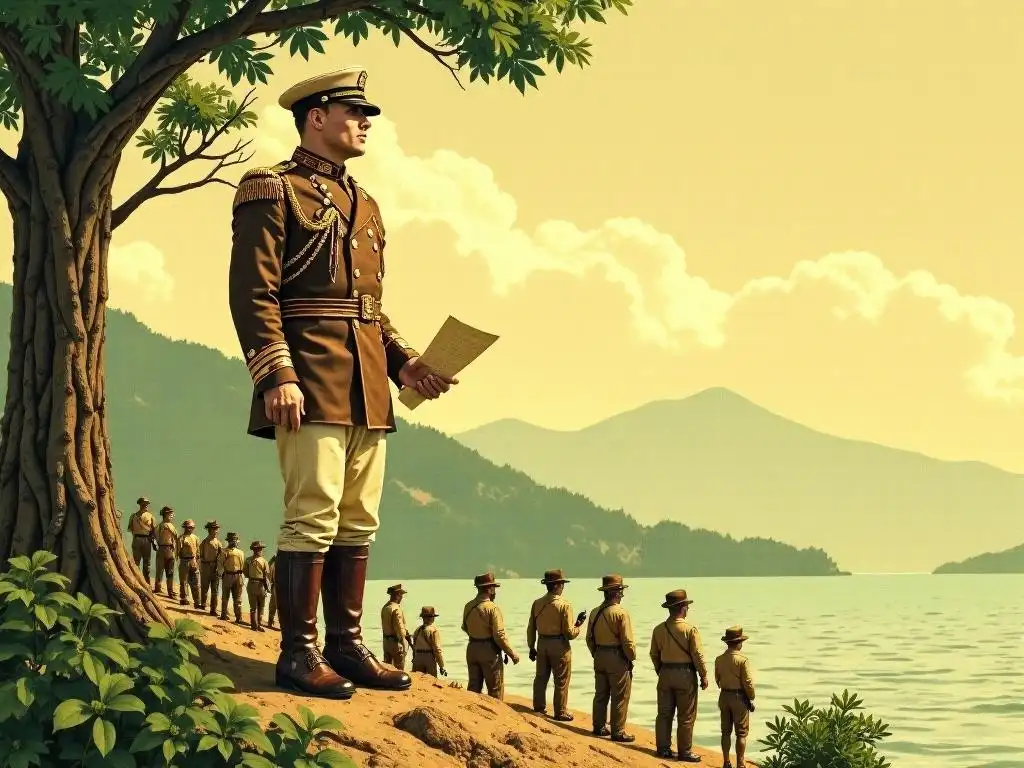
Welcome to Feudal Japan History, where we embark on an extraordinary journey through the intricate tapestry of Japan's feudal era. Here, we delve deep into the historical, cultural, and societal facets that shaped a nation. In our captivating article, "The Commodore's Impact: How Commodore Perry Changed Japanese Society," we unravel the profound transformations that followed Commodore Perry's arrival in Japan. What were the societal changes that rippled through this secluded nation? Join us as we explore the pivotal moments that redefined Japanese history and ignited a curiosity that will leave you eager for more.
Introduction to Commodore Perry and His Mission
The arrival of Commodore Matthew Perry in Japan during the mid-19th century marked a pivotal moment in Japanese history, heralding significant societal changes that reshaped the nation. Perry's mission was not only to establish diplomatic relations but also to open Japan to the Western world, which had profound implications for Japanese society, culture, and governance.
This article aims to delve deep into the influence of Commodore Perry on Japan, analyzing the historical context, the reactions of the Japanese government and society, and the far-reaching impacts of his expedition. Understanding Perry's role is essential for grasping the complexities of Japan's transition from isolation to engagement with global powers.
Overview of Commodore Matthew Perry
Commodore Matthew Perry was a naval officer of the United States Navy, born on April 10, 1794. He is best known for his command of the warships that arrived in Japan in 1853 and 1854. Perry's career was marked by a strong commitment to the expansion of American naval power and a belief in the need for the United States to engage with Asian markets. His diplomatic approach combined forceful presence with a desire for peaceful negotiation, making him a complex figure in the narrative of Japan's opening to the West.
The Context of 19th Century Japan
In the early 19th century, Japan was under the rule of the Tokugawa shogunate, which had enforced a policy of sakoku, or national isolation. This isolationist policy restricted foreign relations and trade, leading to a stagnant economic and cultural environment. However, by the 1850s, global pressures began to mount. The Industrial Revolution had transformed Western powers, and the United States sought to expand its influence in Asia, particularly for trade purposes. This backdrop set the stage for Perry's arrival, as Japan faced an external world that demanded engagement and adaptation.
Commodore Perry's Arrival in Japan
The Black Ships and Their Significance
In July 1853, Perry's fleet of four warships, known as the "Black Ships," sailed into Tokyo Bay, an event that would become one of the most significant moments in Japan's history. The imposing sight of these steam-powered vessels symbolized the technological superiority of the West and the urgent need for Japan to respond to the changing global landscape. The arrival of the Black Ships was not just a military maneuver; it represented a challenge to Japan's long-standing isolationist policies and a call for modernization.
Initial Reactions of the Japanese Government and Society
The initial reactions to Perry's arrival were mixed. The Tokugawa shogunate found itself in a precarious position, caught between the desire to maintain traditional values and the necessity of adapting to new realities. Some officials advocated for negotiation and openness, recognizing the futility of resisting foreign influence, while others clung to isolationist sentiments.
The general populace was equally divided; some were intrigued by the foreign ships and their technology, while others feared the implications of Western encroachment. This internal conflict set the stage for a series of societal changes that would unfold in the following years as Japan grappled with its identity and future in a rapidly globalizing world.
Commodore Perry and the Opening of Japan
Commodore Matthew Perry's arrival in Japan in 1853 marked a pivotal moment in the nation's history, signaling the end of more than two centuries of isolationist policies known as Sakoku. The United States, driven by the desire to expand its trade networks and assert its influence in the Pacific, dispatched Perry with a fleet of "Black Ships" to persuade Japan to open its ports to American vessels.
His approach combined diplomacy with an implicit threat of military action, showcasing the might of U.S. naval power. Perry's efforts culminated in the signing of the Treaty of Kanagawa in 1854, which established a framework for trade and diplomatic relations between Japan and the United States.
Perry's mission was not merely about trade; it was also about ideological confrontation. The encounter with Perry exposed Japan to the realities of Western imperialism, prompting a reevaluation of its own position in the world. The decision to engage with foreign powers had profound implications for Japanese society, initiating a complex process of modernization and transformation that would continue throughout the Meiji period.
The Treaty of Kanagawa: Key Features
The Treaty of Kanagawa, signed on March 31, 1854, represented a significant shift in Japan's foreign relations. Among its key features were:
- Opening of Ports: The treaty mandated the opening of two ports—Shimoda and Hakodate—for American trade, allowing for the replenishment of supplies and access to goods.
- Consular Relations: It established diplomatic relations, allowing for American consuls to reside in Japan, thereby promoting a more structured form of interaction.
- Protection of American Citizens: The treaty included provisions for the protection of American citizens in Japan, recognizing their rights and safety in a foreign land.
- Most-Favored-Nation Status: The agreement also contained a clause granting the United States most-favored-nation status, meaning that any trade privileges extended to other nations would also apply to the U.S.
These features not only marked the beginnings of Japan's engagement with the West but also set a precedent for subsequent treaties with other Western powers, further eroding Japan's isolationist stance.
The Shift from Isolationism to Engagement
The arrival of Commodore Perry and the subsequent signing of the Treaty of Kanagawa represented a fundamental shift in Japan's foreign policy from isolationism to engagement. The Tokugawa shogunate, which had maintained strict control over foreign interactions, found itself compelled to adapt to the realities of a changing world.
This shift was driven by several factors:
- Pressure from Western Powers: Following Perry's expedition, other Western nations, including Britain, France, and Russia, sought similar concessions from Japan, increasing the urgency for the shogunate to respond.
- Internal Unrest: The inability to effectively manage foreign pressures contributed to internal dissent against the shogunate, leading to calls for modernization and reform.
- Awareness of Global Dynamics: As Japan engaged with Western powers, there was a growing recognition of the need to modernize its military and economy to avoid colonization and maintain sovereignty.
The transition to a more open stance paved the way for Japan's rapid modernization during the Meiji Restoration, fundamentally altering the nation's trajectory and its place within the global community.
Societal Changes Triggered by Commodore Perry's Mission
The societal changes triggered by Commodore Perry's mission were profound and multifaceted. The opening of Japan to the West catalyzed a series of transformations that reshaped Japanese culture, economy, and governance.
Economic Transformation: Trade and Commerce
The Treaty of Kanagawa and subsequent agreements with other Western nations ushered in an era of economic transformation for Japan. Key aspects of this transformation included:
- Emergence of a Market Economy: The opening of ports facilitated international trade, leading to the development of a more robust market economy. Japan began to trade not only with the United States but also with European powers, diversifying its economic interactions.
- Growth of Industry: Exposure to Western technology and practices spurred industrialization. The government initiated efforts to modernize infrastructure, including railways and telegraphs, which were essential for economic growth.
- Rise of New Social Classes: The economic changes led to the emergence of a merchant class that gained wealth and influence, challenging the traditional social hierarchy dominated by samurai and landowners.
These economic transformations laid the groundwork for Japan's rapid modernization in the late 19th century, significantly altering the landscape of Japanese society.
Cultural Exchange: Western Influence on Japanese Culture
The encounter with Commodore Perry and the broader engagement with Western nations precipitated a significant cultural exchange that influenced various aspects of Japanese life:
- Adoption of Western Ideas: Japanese society began to embrace Western philosophies, science, and education systems. The introduction of Western-style schools and curricula fostered a new generation of thinkers and innovators.
- Art and Literature: The influx of Western art styles and literature inspired Japanese artists and writers, leading to the blending of traditional and modern elements. This cultural fusion is evident in movements such as the Japonisme movement in the West, which admired Japanese aesthetics.
- Social Reforms: The influence of Western ideas also prompted discussions around social reforms, including women's rights and education, leading to gradual changes in societal norms.
This cultural exchange not only enriched Japanese society but also propelled it towards a more cosmopolitan identity, ultimately reshaping its cultural landscape in profound ways.
Political Repercussions of Perry's Arrival

Commodore Matthew Perry's arrival in Japan in 1853 marked a pivotal moment in Japanese history, triggering profound political changes that reverberated throughout the nation. His expedition, which aimed to open Japan to Western trade, challenged the centuries-old isolationist policies of the Tokugawa Shogunate. The demands Perry made during his visits forced Japanese leaders to confront the realities of global politics and the need for modernization.
The political repercussions were immediate and significant. The Shogunate, which had maintained a strict policy of sakoku (closed country) for over two hundred years, faced internal pressures from various factions that questioned its authority and ability to govern. Many samurai and reform-minded individuals began to see Perry's arrival not just as a threat, but as an opportunity to push for changes within the political structure. This situation created a catalyst for the eventual decline of the Tokugawa regime and an awakening of political discourse among the populace.
Changes in the Tokugawa Shogunate
The arrival of Perry and the subsequent Treaty of Kanagawa in 1854 compelled the Tokugawa Shogunate to adapt to new realities. Faced with demands for trade and diplomatic relations from a foreign power, the Shogunate experienced a loss of legitimacy among its subjects. The treaty resulted in the opening of Japanese ports to American ships, which was seen as a humiliation by many Japanese. This loss of sovereignty led to increasing dissent among various social classes, particularly the samurai, who believed that Japan should resist foreign influence.
In response to these pressures, the Tokugawa government attempted to modernize military and administrative practices by adopting Western technologies and ideas. However, these reforms were often too little, too late, and the Shogunate struggled to maintain control. Rival factions, particularly those favoring the emperor and the restoration of imperial power, began to gain traction. Ultimately, the Shogunate's inability to effectively respond to Perry's challenge contributed to its downfall.
The Rise of Nationalism and Modernization Efforts
Perry's expedition ignited a wave of nationalism among the Japanese people, as they grappled with their identity in the face of Western encroachment. The realization that Japan was lagging behind Western powers spurred a desire for modernization and self-strengthening. Intellectuals and leaders began advocating for a nationalistic movement that sought to unify the country and strengthen its military and economy.
This period saw the rise of reform movements, such as the Sonno Joi ("Revere the Emperor, Expel the Barbarians") movement, which called for the overthrow of the Tokugawa Shogunate and the restoration of imperial rule. These sentiments were fueled by a growing awareness of the need to adopt Western technologies and governance models. The urgency to modernize led to significant reforms in education, industry, and military, laying the groundwork for the rapid transformation that would occur in the following decades.
The Long-term Effects on Japanese Society
The impact of Commodore Perry's arrival extended far beyond immediate political changes; it set the stage for a profound transformation in Japanese society. The forced opening of Japan to the outside world catalyzed shifts that would reshape the nation's cultural, social, and economic fabric.
The End of Feudalism in Japan
One of the most significant long-term effects of Perry's arrival was the eventual dismantling of the feudal system that had governed Japan for centuries. As the Tokugawa Shogunate weakened, various domains began to assert their autonomy, leading to increased instability. The feudal lords (daimyōs) and samurai found themselves caught between traditional loyalties and the necessity for modern governance.
By the late 19th century, Japan underwent a radical transformation that saw the formal end of feudalism. The abolition of the han system in 1871 marked the transition to a centralized government, which was essential for the development of a modern nation-state. The end of feudalism not only altered the power dynamics within Japan but also redefined the societal roles of the samurai and peasantry, paving the way for new social classes and economic systems.
The Meiji Restoration: A New Era
The culmination of the political and societal changes initiated by Perry's arrival was the Meiji Restoration of 1868. This period marked a significant turning point as power was restored to the emperor, signaling the end of the Tokugawa Shogunate and the beginning of a new era in Japanese history. The Meiji government embarked on an ambitious program of modernization, adopting Western technologies and political institutions to transform Japan into a competitive global power.
During the Meiji era, Japan rapidly industrialized, reformed its military, and established a parliamentary system. Education reforms helped cultivate a literate and skilled workforce, while infrastructure projects modernized cities and transportation. The changes brought about by the Meiji Restoration not only reshaped Japan's domestic landscape but also positioned it as a formidable force on the world stage, leading to its emergence as an imperial power by the early 20th century.
Commodore Perry's impact on Japanese society was profound and multifaceted. His arrival acted as a catalyst for political upheaval, the end of feudalism, and the Meiji Restoration, ultimately setting Japan on a path toward modernization and global engagement.
Conclusion: The Legacy of Commodore Perry in Japan
The legacy of Commodore Matthew Perry in Japan is profound and multifaceted, marking a pivotal moment in the country's transition from isolation to engagement with the global community. His arrival in 1853, with the imposing presence of the U.S. Navy, forced Japan to confront its longstanding policy of sakoku, or self-imposed isolation. This encounter not only altered Japan's diplomatic stance but also catalyzed a series of societal changes that reverberated throughout the nation.
Perry's expeditions led to the signing of the Treaty of Kanagawa in 1854, which opened Japanese ports to American ships and laid the groundwork for further foreign engagement. The implications of this event extended beyond mere trade; it ignited a wave of modernization and reform that would ultimately reshape Japanese society. The influx of Western ideas, technology, and culture challenged traditional norms and practices, fostering a period of intense transformation known as the Meiji Restoration.
As Japan began to embrace modernization, the societal changes initiated by Perry's arrival catalyzed a re-examination of Japan's identity and place in the world. This legacy is evident in Japan's evolution from a feudal society to a modern nation-state, illustrating the profound impact that a single individual can have on the course of history.
Reflection on Commodore Perry's Societal Impact
Commodore Perry's influence on Japanese society extends beyond the immediate political changes he instigated. His arrival marked the beginning of a cultural exchange that introduced Western philosophies, technologies, and educational frameworks to Japan. This exposure prompted a significant shift in the Japanese worldview, encouraging a departure from insular practices towards a more global perspective.
The societal impact of Perry's mission can be seen in various aspects of Japanese life. For instance, the adoption of Western-style education and military practices laid the foundation for Japan's rapid advancements in these areas. Moreover, the introduction of new scientific and technological concepts spurred innovations that would eventually position Japan as a formidable industrial power by the early 20th century.
Perry's interactions also ignited debates within Japan regarding modernization and the preservation of traditional values. The tensions between these opposing forces are a testament to the complexity of the societal changes that Perry's arrival unleashed. Ultimately, his impact is characterized by a dual legacy: one of integration and adaptation, as Japan sought to harmonize its cultural heritage with the demands of a changing world.
Commodore Perry's Role in Shaping Modern Japan
Commodore Perry's role in shaping modern Japan cannot be overstated. His actions set in motion a series of reforms that transformed the political, economic, and social landscapes of Japan. The forced opening of Japan to foreign trade prompted the government to reevaluate its policies and led to the eventual downfall of the Tokugawa shogunate, which had ruled for over two centuries.
In the wake of Perry's expeditions, Japan embarked on a path of rapid modernization known as the Meiji Restoration (1868). This period was marked by significant changes, including the abolition of the feudal system, the establishment of a constitutional government, and the industrialization of the economy. Perry's legacy is evident in the establishment of a national identity that embraced both tradition and modernity.
Moreover, Perry's influence extended to Japan's foreign relations, as the country began to engage with other nations on its own terms. The changes initiated by Perry's arrival not only altered Japan's internal dynamics but also positioned the nation as a significant player on the global stage. The legacy of Commodore Perry is thus intertwined with Japan's transformation into a modern state, reflecting a complex interplay of resistance, adaptation, and progress.
Further Reading and Resources
For those interested in exploring the impact of Commodore Perry on Japan further, a wealth of literature and resources is available. This section provides recommendations for books and articles that delve deeper into the historical context, societal changes, and cultural exchanges that characterized this pivotal era in Japanese history.
Recommended Books on Commodore Perry and Japan
-
"Commodore Perry in the Land of the Shogun" by Rhoda Blumberg
This book offers a detailed narrative of Perry's journey to Japan, providing insights into the cultural clashes and the eventual outcomes of his mission.
-
"The Opening of Japan: A New Global History" by Ian Buruma
Buruma examines the broader implications of Perry's arrival, situating it within the global context of the 19th century.
-
"Japan's Modern History, 1857-1937" by John W. Dower
This work explores the transformative years in Japanese history, highlighting the influence of Western encounters, including Perry's expeditions.
Articles and Papers on Japan-West Interactions
-
"The Impact of Commodore Perry on Japanese Society" by D. Scott MacDonald
This scholarly article analyzes the societal shifts following Perry's arrival and the subsequent modernization efforts in Japan.
-
"From Isolation to Engagement: Japan's Foreign Relations in the 19th Century"
This paper discusses the broader context of Japan's foreign relations and the role of Perry's expeditions in shaping its diplomatic strategies.
-
"Cultural Exchange and Adaptation in Meiji Japan"
This article explores the cultural aspects of the changes initiated by Perry’s arrival, focusing on how Japan integrated Western influences while maintaining its unique identity.
- Introduction to Commodore Perry and His Mission
- Commodore Perry's Arrival in Japan
- Commodore Perry and the Opening of Japan
- Societal Changes Triggered by Commodore Perry's Mission
- Political Repercussions of Perry's Arrival
- The Long-term Effects on Japanese Society
- Conclusion: The Legacy of Commodore Perry in Japan
- Further Reading and Resources
- What was the significance of Commodore Perry's arrival in Japan?
- How did Commodore Perry influence Japan's modernization?
- What were the immediate societal changes after Perry's arrival?
- Did Commodore Perry's actions have any cultural impacts on Japan?
- How did the Japanese respond to Perry's demands?
Frequently Asked Questions
What was the significance of Commodore Perry's arrival in Japan?
Commodore Perry's arrival in 1853 marked the end of Japan's isolationist policy, leading to significant societal changes and opening Japan to the Western world.
How did Commodore Perry influence Japan's modernization?
Perry's expedition prompted Japan to modernize its military, industry, and education systems, which were crucial for the country’s transformation into a global power.
What were the immediate societal changes after Perry's arrival?
Following Perry's arrival, Japan experienced a shift from a feudal society to a more centralized government, leading to the eventual Meiji Restoration in 1868.
Did Commodore Perry's actions have any cultural impacts on Japan?
Yes, Perry’s opening of Japan facilitated an exchange of ideas and culture between Japan and the West, influencing Japanese art, literature, and technology.
How did the Japanese respond to Perry's demands?
The Japanese initially resisted, but ultimately, they recognized the need for change and began to adapt, leading to a period of rapid industrialization and westernization.
Final Reflection: The Enduring Legacy of Commodore Perry in Japan
The impact of Commodore Perry on Japanese society remains profoundly relevant today, as it marked the beginning of a transformative era that reshaped the nation’s identity and global standing. The opening of Japan to the West not only altered its political landscape but also initiated a cultural exchange that continues to influence the country’s modernization and international relations. Perry's arrival was not merely a historical event; it was a catalyst for change that reverberates through the ages.
The societal changes initiated by Perry's expedition have left an indelible mark on Japan's cultural fabric. From the Meiji Restoration to Japan's emergence as a global power, the consequences of this pivotal moment are evident in the nation's ongoing evolution. As we reflect on these changes, we can see how they have shaped Japan's unique blend of tradition and modernity. The past is never dead. It's not even past.
— William Faulkner. This quote encapsulates the idea that history continuously informs our present, and understanding Perry's impact allows us to appreciate the complexities of Japan's current societal dynamics.
As you contemplate the lessons from Commodore Perry's influence on Japan, consider how historical events shape our own lives and societies. Reflect on the importance of cultural exchange and the lessons we can learn from the past to foster understanding and cooperation in our increasingly interconnected world. Let this reflection inspire you to engage with history, not just as a series of events, but as a living narrative that guides our actions and aspirations for the future.
Unveil the Legacy of Commodore Perry in a Modern Context!
Thank you for diving into the fascinating history of Commodore Perry and his transformative influence on Japanese society! You've uncovered critical insights into how one man's actions can reshape an entire culture. Now, it’s time to take what you've learned and apply it to today's world.
Here’s how you can deepen your understanding and engage with this pivotal moment in history:
- Explore the lasting effects of Perry’s expedition by reading a variety of books and articles that offer diverse perspectives on international relations.
- Share your thoughts with friends or in communities that are passionate about history. Consider starting a discussion or book club focused on Japan's historic encounters with the West.
- Visit a local museum or participate in an online course to gain a richer understanding of Japanese culture and its evolution through foreign influences.
What modern parallels do you see between Commodore Perry's impact on Japan and today's global interactions?