
How Isolationism Transformed Japan's Cultural Identity during the Edo Period

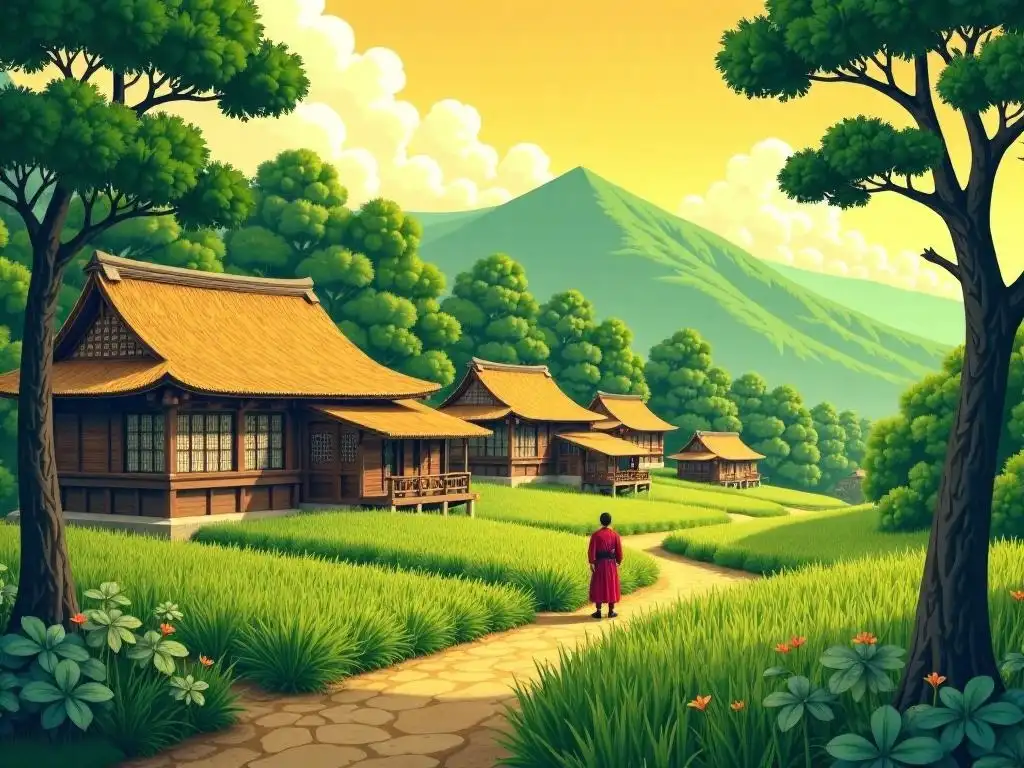
Welcome to Feudal Japan History, where we embark on a captivating journey through the intricate tapestry of Japan’s feudal era. In this exploration, we delve into the Edo Period cultural transformation, a pivotal time that reshaped Japan's identity through isolationism and societal evolution. What were the hidden influences that fostered a unique cultural renaissance during this era? Join us as we uncover the layers of history, culture, and society that define this remarkable period. Prepare to be intrigued and inspired as you dive deeper into the fascinating world of feudal Japan!
- Introduction to the Edo Period Cultural Transformation
- The Policy of Sakoku: Japan's Isolationist Era
- Effects of Isolationism on Japanese Society and Culture
- Economic Implications of the Isolationist Policies
- Preservation and Innovation in Japanese Culture
- Conclusion: Legacy of the Edo Period Cultural Transformation
- References and Further Reading on Edo Period Cultural Transformation
- Frequently Asked Questions
- Final Reflection: The Enduring Legacy of Edo Period Cultural Transformation
- Embrace Japan's Unique Legacy: Take Action Now!
Introduction to the Edo Period Cultural Transformation
The Edo Period, spanning from 1603 to 1868, marks a pivotal era in Japan's history characterized by significant cultural transformation shaped by the country's isolationist policies. During this time, Japan experienced a unique blend of stability, economic growth, and flourishing arts, all while maintaining a strict seclusion from foreign influences.
This period is often viewed as a double-edged sword; while it allowed for the development of a distinctly Japanese cultural identity, it also led to a resistance to external ideas that could have further enriched Japan's cultural landscape. This article delves into the intricate ways in which isolationism during the Edo Period not only preserved but also transformed Japan's cultural identity, setting the stage for a future that would challenge these very foundations.
Overview of the Edo Period (1603-1868)
The Edo Period, also known as the Tokugawa Period, was established by Tokugawa Ieyasu after his victory at the Battle of Sekigahara. This era brought about a centralized feudal system that emphasized peace and stability, allowing for significant developments in various aspects of Japanese life.
- Political Structure: The Tokugawa shogunate centralized power and established a rigid class hierarchy, which included:
- Samurai (warrior class)
- Farmers
- Artisans
- Merchants
- Economic Growth: The period saw a rise in commerce and trade, with the development of urban centers like Edo (modern-day Tokyo), which became one of the largest cities in the world.
- Cultural Flourishing: The Edo Period is renowned for its cultural achievements, including:
- Ukiyo-e: Woodblock prints that depicted landscapes, kabuki actors, and scenes of everyday life.
- Literature: The rise of popular literature, including works by authors like Matsuo Bashō and Saikaku Ihara.
- Theater: The development of kabuki and bunraku (puppet theater).
This intricate tapestry of political, economic, and cultural factors set the stage for the significant transformations in Japan's cultural identity that would unfold throughout the Edo Period.
Significance of Cultural Identity in Japan
Cultural identity during the Edo Period was not merely a reflection of national pride; it was a complex interplay of various elements that defined what it meant to be Japanese. The isolationist policies adopted by the Tokugawa shogunate played a crucial role in shaping this identity.
- National Pride: The seclusion from foreign influences fostered a sense of nationalism, leading to a unique cultural identity that celebrated traditional Japanese values.
- Art and Aesthetics: With limited external influence, artistic expressions began to draw heavily on indigenous themes and styles. This resulted in:
- The refinement of traditional crafts, such as pottery and textile production.
- A focus on nature and seasonal changes in art, reflecting a deep connection to the Japanese landscape.
- Religious and Philosophical Foundations: The period saw a rise in the popularity of Zen Buddhism and Confucianism, which shaped ethical values and social conduct within Japanese society.
This cultural identity was not static; rather, it evolved in response to the internal dynamics of society, leading to a rich and diverse cultural landscape that would leave a lasting legacy.
Introduction to Isolationism and Its Impact
Isolationism, formally known as Sakoku, was a policy implemented during the Edo Period that restricted foreign relations and trade. This policy had profound implications for Japan's cultural, social, and political fabric.
- Cultural Homogeneity: With limited contact with the outside world, Japan developed a cohesive cultural identity that was distinct and internally focused. The isolation allowed for:
- The preservation of traditional customs and practices.
- The cultivation of local arts and crafts, which flourished without the influence of foreign styles.
- Resistance to Change: While isolationism fostered cultural pride, it also led to a resistance against new ideas and technologies. This reluctance to adopt foreign innovations would later pose challenges as the world began to modernize.
- Social Implications: The rigid class structure reinforced by isolationism contributed to social stagnation, as mobility between classes became limited. This led to a society that, while culturally vibrant, struggled with internal conflicts and eventual pressures for reform.
The isolationist policies of the Tokugawa shogunate had a profound and lasting impact on Japan's cultural identity during the Edo Period, shaping a unique society that balanced tradition with the challenges of a rapidly changing world. Through this exploration of the Edo Period cultural transformation, we begin to understand the complexities and nuances that define Japan’s rich historical tapestry.
The Policy of Sakoku: Japan's Isolationist Era
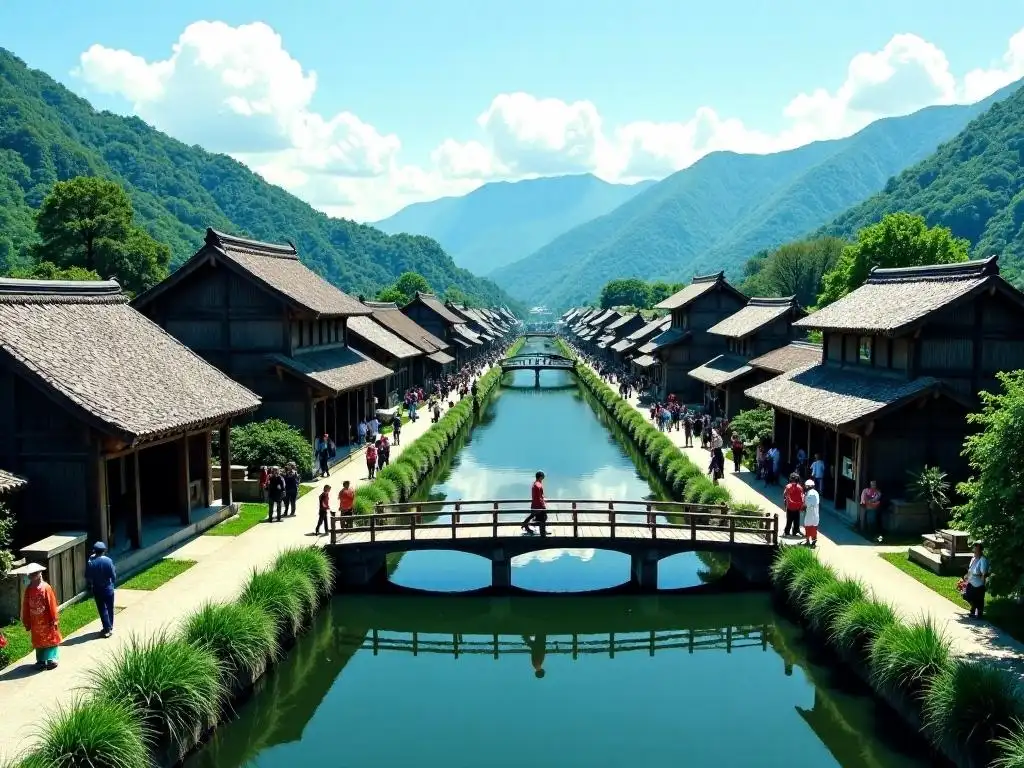
Understanding Sakoku: The Closed Country Policy
Sakoku, which translates to "closed country," was a pivotal policy implemented during the Edo Period (1603-1868) that significantly influenced Japan's cultural transformation. Instituted by Tokugawa Ieyasu, this policy effectively severed Japan's ties with the outside world, with the intention of consolidating power and fostering internal stability.
The policy was formally enacted in 1635, prohibiting Japanese citizens from traveling abroad and restricting foreign access to Japan. Only a limited number of Dutch, Chinese, and Korean traders were allowed to engage in commerce at designated ports, most notably in Nagasaki. This isolationist stance not only aimed to control foreign influence but also to suppress Christianity, which was seen as a destabilizing force within society.
As a result of Sakoku, Japan experienced a unique cultural evolution. The lack of foreign influences allowed for the development of a distinct Japanese identity, fostering traditional arts, literature, and crafts. The Edo Period cultural transformation can be characterized by an emphasis on local customs, philosophies, and practices, leading to an era where Japanese culture thrived in isolation.
Reasons Behind the Isolationist Policies during the Edo Period
Several factors contributed to the establishment of isolationist policies during the Edo Period, each interwoven with the socio-political fabric of the time:
- Political Control:
- The Tokugawa shogunate sought to maintain power and eliminate potential threats from foreign entities that could disrupt the feudal order. By limiting foreign interactions, the shogunate aimed to reduce the influence of Christianity and foreign powers.
- Economic Stability:
- Isolationism allowed Japan to develop its economy without external competition. The focus on domestic production and trade fostered self-sufficiency, which was essential for the stability of the Tokugawa regime.
- Cultural Preservation:
- With the influx of foreign ideas and religions curtailed, Japan was able to preserve its cultural heritage. This led to a flowering of Japanese arts, including ukiyo-e (woodblock prints), kabuki theater, and traditional tea ceremonies, which were integral to the Edo Period cultural transformation.
- Social Order:
- The isolationist policies were also aimed at maintaining a strict social hierarchy. By controlling external influences, the Tokugawa shogunate reinforced the class system, ensuring that the samurai, farmers, artisans, and merchants adhered to their respective roles.
Key Features of Sakoku and Its Implementation
The implementation of Sakoku was marked by several key features that defined Japan's isolationist era:
- Trade Restrictions:
- Foreign trade was strictly regulated, with only certain ports open to limited foreign contact. The Dutch, who were permitted to trade through a small enclave in Nagasaki, became the primary source of Western knowledge and technology during this period.
- Travel Bans:
- Japanese citizens were forbidden from traveling abroad, and those who attempted to do so faced severe penalties, including execution. This was crucial in preventing the spread of foreign ideas and religions, particularly Christianity.
- Monitoring Foreign Presence:
- The shogunate maintained close scrutiny over foreign merchants and their activities. This involved strict regulations on the goods that could be imported and exported, as well as the conduct of foreign traders.
- Cultural Exchange Limitations:
- While some cultural exchange occurred through limited foreign interactions, it was minimal compared to the vibrant cultural exchanges enjoyed by neighboring countries. The focus remained on fostering indigenous culture, leading to a unique Japanese artistic and philosophical landscape.
The combination of these factors and features contributed to a profound transformation in Japan's cultural identity during the Edo Period. The isolationist policies allowed for a flourishing of Japanese traditions, setting the stage for a distinct cultural evolution that would last for centuries.
Effects of Isolationism on Japanese Society and Culture
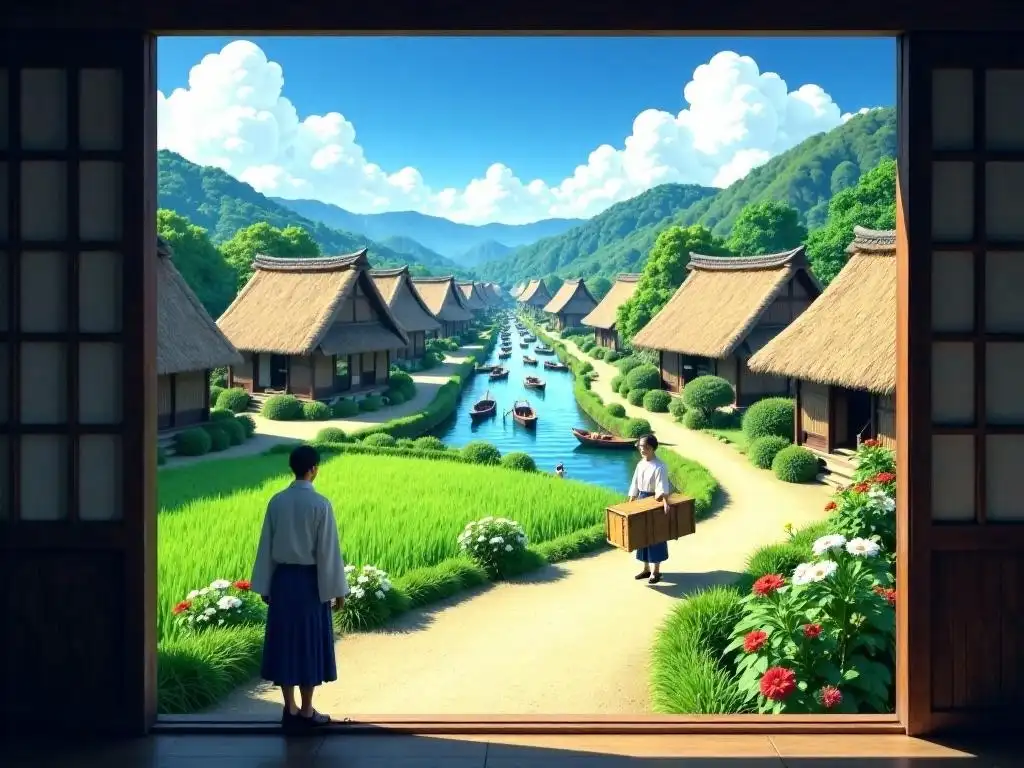
Transformation of Japanese Cultural Identity
During the Edo Period (1603-1868), Japan's policy of sakoku, or closed country, significantly influenced its cultural identity. This isolationism allowed Japan to cultivate a unique cultural landscape, distinct from foreign influences. As trade with the outside world decreased, traditional practices flourished, leading to an introspective society that valued its heritage and customs.
This period saw the emergence of distinctive Japanese art forms, such as ukiyo-e (woodblock prints) and kabuki (theater), which reflected the daily lives and aspirations of the people. The focus on domestic cultural production fostered a sense of nationalism and pride in Japanese identity. Additionally, the limited interaction with foreign cultures meant that Japan could develop its philosophies, religions, and social practices without external interference.
The Edo Period also saw an increase in literacy rates, which played a crucial role in the cultural transformation. The proliferation of literature, including the popularization of novels and poetry, contributed to the shaping of a collective cultural consciousness. Works by authors such as Matsuo Bashō and Ihara Saikaku became foundational texts that enriched the Japanese literary canon, solidifying a unique cultural identity.
Influence on Arts and Literature
Art and literature during the Edo Period underwent a remarkable transformation, heavily influenced by the isolationist policies. The government’s restrictions on foreign contact allowed artists and writers to explore new themes and techniques, leading to a flourishing of indigenous styles.
- Ukiyo-e: This genre of woodblock printing depicted scenes from everyday life, landscapes, and beautiful women, capturing the essence of the period’s aesthetic. Artists like Hokusai and Hiroshige became renowned for their works, which celebrated the beauty of Japan’s nature and culture.
- Kabuki Theater: Kabuki evolved as a significant form of performing arts, characterized by its stylized drama and elaborate costumes. It served as both entertainment and a means of cultural expression, reflecting societal values and norms.
- Literary Growth: The rise of the merchant class led to an increase in the demand for literature. Novels, poetry, and theater became accessible to a broader audience, promoting a shared cultural identity.
Development of Unique Japanese Aesthetics
The isolationist policies of the Edo Period allowed Japan to develop distinctive aesthetics that are still influential today. Several key elements emerged during this time:
- Wabi-Sabi: This philosophy embraced beauty in imperfection and transience, encouraging appreciation for the natural cycle of life and decay. It became a foundational concept in various art forms, including tea ceremonies and pottery.
- Naturalism in Art: Artists began to place a strong emphasis on natural beauty, often drawing inspiration from Japan’s diverse landscapes. This focus on nature fostered a deep connection between the people and their environment.
- Cultural Rituals: Many traditional practices, such as tea ceremonies and flower arranging (ikebana), were refined during this period, emphasizing harmony, simplicity, and the beauty of the mundane.
Isolationism also led to significant changes in Japan's social structure and hierarchies, influencing the dynamics between different social classes. The rigid class system became more pronounced, and each class developed its own cultural expressions.
The Role of the Samurai in Cultural Identity
The samurai class played a pivotal role in shaping Japan's cultural identity during the Edo Period. As the ruling elite, they were not only warriors but also patrons of the arts, which contributed to their status in society.
- Bushido Code: The samurai adhered to a strict code of conduct known as bushido, which emphasized loyalty, honor, and self-discipline. This code became intertwined with Japanese culture, influencing literature, theater, and the visual arts.
- Cultural Patrons: Many samurai became patrons of poets, artists, and philosophers, fostering a rich cultural environment. Their support helped preserve traditional arts while also allowing new forms to flourish.
- Symbol of National Identity: The samurai came to represent the spirit of Japan, embodying the values of strength, loyalty, and honor, which contributed to a unified cultural identity.
Peasant Life and Cultural Expression
While the samurai held a prominent position, the peasant class also played a crucial role in the cultural transformation of the Edo Period. Their daily lives and struggles were often reflected in the art and literature of the time.
- Folk Traditions: Peasants maintained various folk traditions and practices, including festivals, music, and dance, which became integral to Japan’s cultural fabric. These traditions often celebrated the agricultural calendar and seasonal changes.
- Craftsmanship and Artisanship: Many peasants became skilled artisans, producing textiles, pottery, and other crafts. This craftsmanship contributed to a growing appreciation for local goods, enhancing regional identities.
- Literary Representation: The experiences of the peasant class were increasingly represented in literature, offering a voice to their struggles and joys. This representation helped to foster a broader understanding of Japanese society and its diverse cultural expressions.
The isolationist policies of the Edo Period radically transformed Japan's cultural identity, paving the way for a rich tapestry of artistic expression, social structure, and collective consciousness that continues to influence Japan today.
Economic Implications of the Isolationist Policies
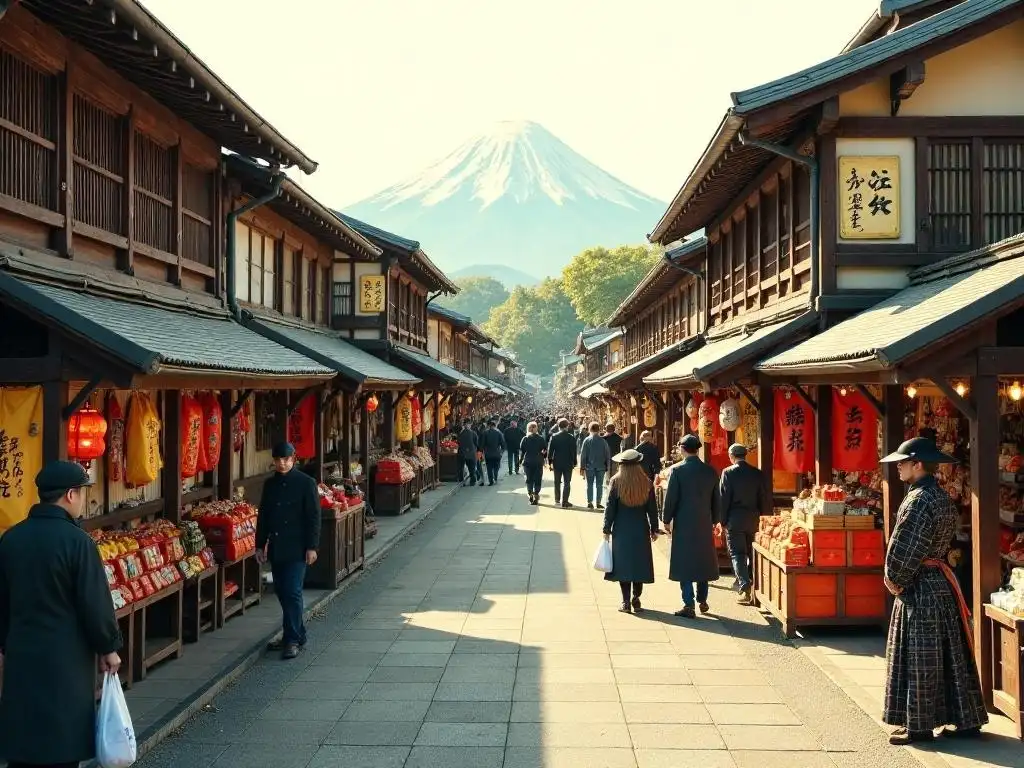
Shifts in Trade and Economic Practices
During the Edo Period (1603-1868), Japan adopted a strict isolationist policy known as sakoku, which had profound implications for trade and economic practices. This policy limited foreign influence and interactions, allowing Japan to cultivate a unique cultural identity while also reshaping its economy.
The shifts in trade were significant; international trade was largely restricted to the Dutch and Chinese, who were allowed limited access to Japanese ports, primarily in Nagasaki. This led to the emergence of a dual economy where domestic markets flourished while foreign trade remained stagnant. The government imposed strict regulations on imports, which resulted in a proliferation of local goods and a focus on self-sufficiency.
Notably, the focus on local resources and crafts led to the development of specialized industries. For example, Japanese ceramics and textiles began to gain recognition not just domestically but also in the limited international markets available. The Edo Period cultural transformation was closely tied to these economic adjustments, as the growth of domestic markets promoted local customs, practices, and art forms.
Impact on Domestic Industries and Crafts
As Japan turned inward, domestic industries flourished under the isolationist policies. The restriction of foreign goods encouraged the production of high-quality local products, which became a source of national pride and cultural identity.
Key aspects of this transformation include:
- Artisanal Craftsmanship: The Edo Period saw a rise in traditional crafts such as pottery, textiles, and woodworking. Artisans developed distinctive styles that reflected local culture and tradition, contributing to a unique Japanese aesthetic.
- Urbanization and Market Growth: With the rise of cities like Edo (modern-day Tokyo), economic centers emerged, fostering local markets and allowing craftspeople to sell their goods directly to consumers. This led to a vibrant culture of commerce, art, and social interaction.
- Cultural Festivals and Events: The economic prosperity of local industries led to the organization of numerous festivals, many of which celebrated specific crafts or agricultural products. These events helped to solidify community identity and pride in local craftsmanship.
The isolationist policies thus nurtured a rich tapestry of domestic industries that not only supported the economy but also significantly contributed to the Edo Period cultural transformation, embedding traditional practices into the fabric of Japanese society.
The Role of Regional Markets in Cultural Exchange
Despite Japan's isolationist stance, regional markets played a pivotal role in fostering cultural exchange within the country. Local commerce was dynamic, allowing for the movement of ideas, customs, and artistic expressions across different regions.
The following factors highlight the importance of regional markets:
- Local Trade Networks: Various regions developed their own trade networks that facilitated the exchange of goods and cultural practices. For instance, the silk trade in the Kanto region became a hub for textile innovations that influenced styles throughout Japan.
- Cultural Diffusion through Festivals: As regional markets thrived, so did local festivals that showcased unique traditions and crafts. These events attracted people from different areas, promoting a blend of cultural practices and facilitating the spread of artistic movements.
- Promoting Regional Identity: The growth of regional markets allowed communities to celebrate their local heritage while also adopting elements from neighboring areas, leading to a more diverse yet cohesive cultural identity across Japan.
While Japan maintained a policy of isolationism during the Edo Period, regional markets served as conduits for cultural exchange. The economic implications of this isolationist approach significantly influenced the Edo Period cultural transformation, allowing Japan to develop a rich, distinct cultural identity rooted in its local traditions and industries.
Preservation and Innovation in Japanese Culture
How Isolationism Fostered Unique Cultural Practices
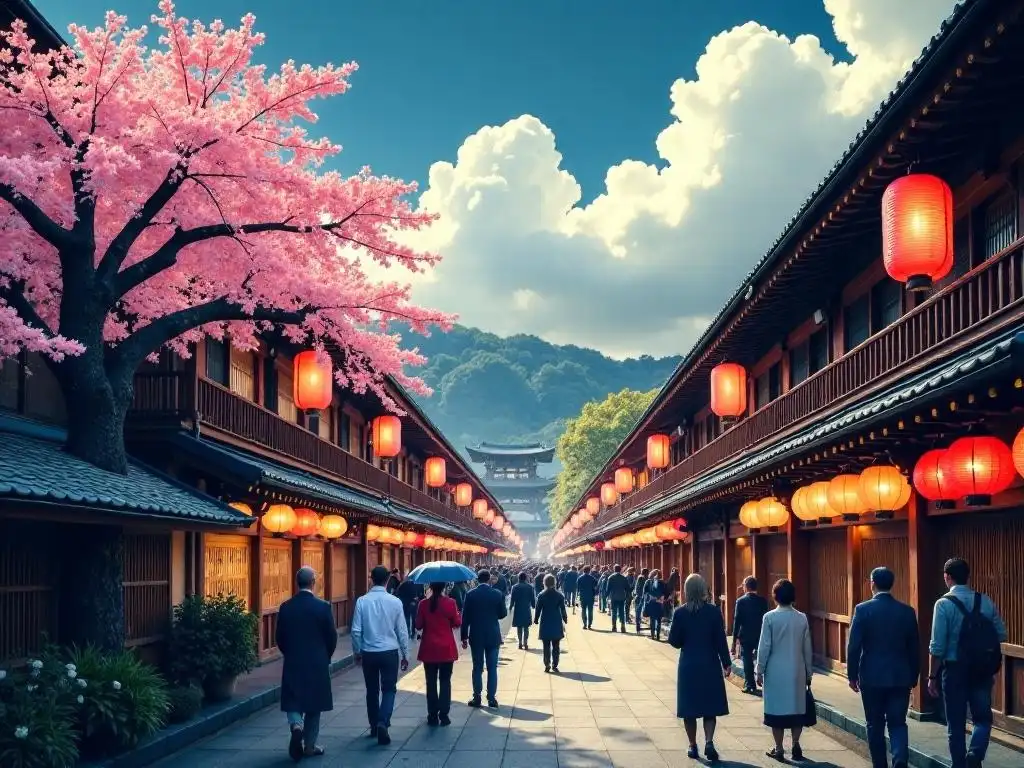
During the Edo Period (1603-1868), Japan implemented a policy of sakoku, or national isolation, which had profound implications for its cultural identity. This isolationism restricted foreign influence and trade, allowing Japan to cultivate its own unique cultural practices. As a result, traditional Japanese arts, literature, and societal customs flourished, reflecting a deep sense of national identity and creativity.
The isolationist policies meant that Japanese artisans and intellectuals focused on developing and refining their craft without foreign competition. This led to significant advancements in various art forms, contributing to a rich cultural tapestry that was distinctly Japanese.
Traditional Arts: Ukiyo-e, Ikebana, and Tea Ceremony
The Edo Period witnessed the rise of several traditional arts that became emblematic of Japanese culture:
- Ukiyo-e: This woodblock printing technique captured the beauty of everyday life, landscapes, and kabuki actors. Artists like Hokusai and Hiroshige became famous for their works that celebrated nature and the transient beauty of the world. Ukiyo-e not only provided aesthetic pleasure but also served as a commentary on society and the changing times.
- Ikebana: The art of flower arrangement matured during this period, evolving into a sophisticated practice that emphasized simplicity, balance, and harmony with nature. Ikebana reflects the Zen principles of mindfulness and aesthetics, showcasing the beauty of each element used.
- Tea Ceremony: The practice of the tea ceremony (chanoyu) became a ritualistic expression of hospitality and a way to cultivate tranquility and mindfulness. Influenced by Zen Buddhism, the ceremony emphasized harmony, respect, purity, and tranquility, showcasing the aesthetic values of the time.
These traditional arts not only flourished in their own right but also became means for the Japanese people to express their cultural identity during a time of isolation.
Literature: The Rise of Haiku and Kabuki Theater
Literature experienced a significant transformation as well, with two notable forms emerging prominently during the Edo Period:
- Haiku: This concise poetic form became popular among poets like Matsuo Bashō, who captured the essence of nature and human emotion in just 17 syllables. Haiku embodies the Japanese aesthetic of simplicity (wabi-sabi) and highlights the fleeting moments of beauty in everyday life. The genre’s emphasis on nature and seasonal change resonated deeply with the isolationist ethos, allowing for poetic expression that was distinctly Japanese.
- Kabuki Theater: This vibrant theatrical form gained immense popularity, characterized by its stylized performances, elaborate costumes, and dynamic storytelling. Kabuki plays often explored themes of love, honor, and societal issues, providing a platform for both entertainment and commentary. The performances were rooted in Japan's cultural identity, engaging the audience with narratives that reflected their own experiences and values.
Interaction with Limited Foreign Influences
Despite the strict isolationist policies, Japan did maintain limited contact with the outside world, particularly through the Dutch, who were permitted to trade at Nagasaki. This interaction, known as "Dutch Learning" (Rangaku), introduced new ideas and technologies that influenced Japanese culture.
Dutch Learning (Rangaku) and Its Cultural Contributions
Rangaku played a crucial role in the cultural transformation during the Edo Period. While foreign influences were limited, the knowledge brought by the Dutch, primarily in fields such as medicine, science, and technology, enriched Japanese scholarship.
- Scientific Advancements: Dutch texts on anatomy, astronomy, and geography were translated into Japanese, fostering a spirit of inquiry and innovation. This knowledge contributed to advancements in medicine and the understanding of the natural world, illustrating how limited foreign contact could lead to significant cultural growth.
- Artistic Inspiration: The introduction of Western artistic techniques and materials influenced Japanese artists, who began to experiment with new styles while maintaining traditional methods. This blend of influences can be seen in the evolution of ukiyo-e and other art forms, showcasing a unique artistic dialogue between cultures.
The Edo Period cultural transformation was a complex interplay of preservation and innovation, driven by isolationism while still allowing for limited foreign influences. This period not only solidified Japan's cultural identity but also laid the groundwork for future developments in the modern era.
Conclusion: Legacy of the Edo Period Cultural Transformation
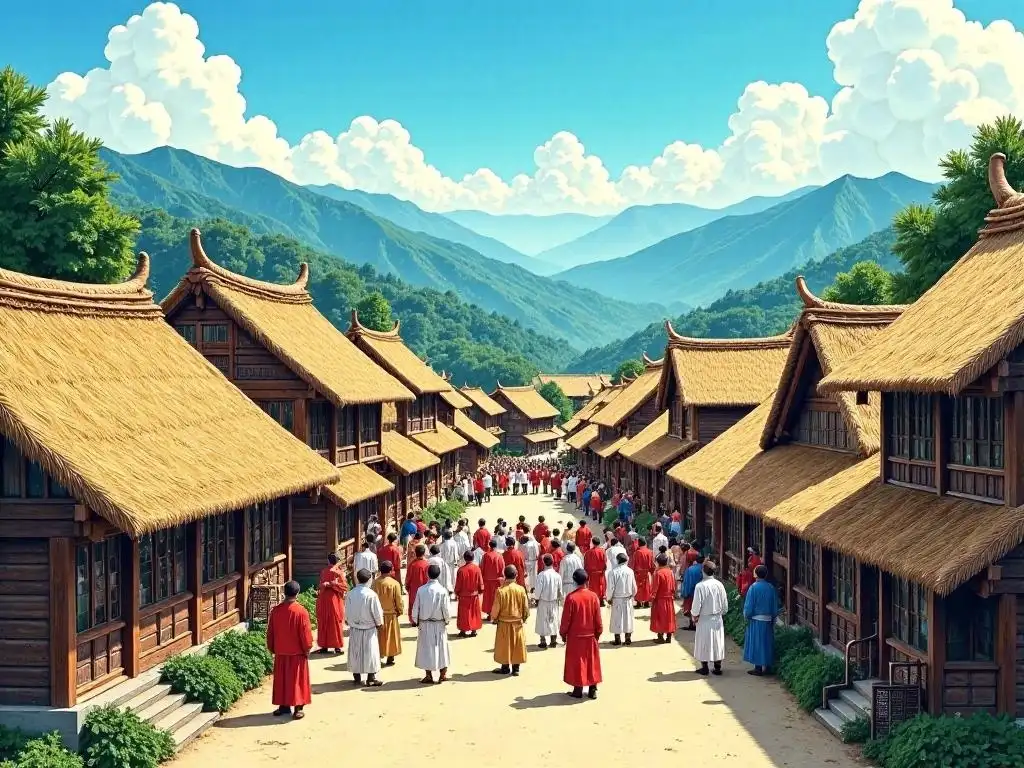
The Edo Period, spanning from 1603 to 1868, marked a significant era in Japanese history characterized by strict isolationist policies under the Tokugawa shogunate. This period not only shaped political dynamics but also profoundly influenced Japan's cultural landscape. The transformations that took place during these years laid the groundwork for the modern Japanese identity, creating a unique cultural heritage that continues to resonate today.
Lasting Impact on Modern Japanese Identity
The cultural transformation during the Edo Period established many of the values and practices that define contemporary Japanese society. The flourishing of arts, literature, and philosophy during this time contributed to a rich cultural tapestry. Key elements include:
- Artistic Development: The emergence of Ukiyo-e (woodblock prints) and Kabuki theater reflected societal values and aesthetics, influencing modern visual arts and performance.
- Literature: The rise of popular literature, including works by authors such as Matsuo Bashō and Ihara Saikaku, fostered a national literary identity that persists in Japan’s educational curriculum today.
- Philosophical Underpinnings: The integration of Confucian principles into governance and daily life emphasized social harmony and ethical conduct, which remain integral to modern Japanese culture.
Furthermore, the isolationist policies allowed for a deep introspection and consolidation of Japan's unique traditions, leading to the preservation of indigenous practices. This cultural insulation enabled Japan to develop a distinctive identity that contrasts sharply with Western influences, which would surge during the Meiji Restoration.
Reflection on Isolationism's Role in Shaping Cultural Heritage
Isolationism during the Edo Period served as a double-edged sword, providing both benefits and challenges. On one hand, it fostered a cohesive national identity by limiting foreign influence, while on the other, it stunted technological and cultural exchanges. Key reflections include:
- Cultural Preservation: The ban on foreign interactions led to the enhancement of traditional Japanese arts and crafts, which flourished without external pressures. This preservation of culture is evident today in practices such as tea ceremonies and traditional festivals.
- Economic Self-Sufficiency: The emphasis on internal trade and local production cultivated a sense of community and reliance on regional resources. This economic model can still be seen in the promotion of local products and crafts within modern Japan.
- Cultural Duality: While isolationism preserved many aspects of Japanese culture, the eventual opening to the West in the late 19th century resulted in a unique blend of traditional and modern influences. This duality is a hallmark of Japan's contemporary cultural identity, showcasing the ability to balance tradition with innovation.
The Edo Period's cultural transformation, deeply influenced by isolationist policies, has left an indelible mark on Japan's cultural identity. The legacy of this era continues to shape modern Japan, offering insights into the resilience and adaptability of its culture throughout history.
References and Further Reading on Edo Period Cultural Transformation
Suggested Academic Texts
The Edo Period, spanning from 1603 to 1868, presents a rich tapestry of cultural transformation influenced by Japan's isolationist policies. Scholars have made significant contributions to understanding this era's complexities. Here are some essential texts:
-
"The Making of Modern Japan" by Bruce S. Tsuchida
This book provides a comprehensive overview of Japan's evolution, with a focus on how the Edo Period laid the groundwork for modernity. The discussions on cultural dynamics are particularly insightful.
-
"Edo Culture: Daily Life and Diversions in Urban Japan, 1600-1868" by Edward Seidensticker
Seidensticker explores the daily lives of people during the Edo Period, offering a glimpse into the cultural practices that emerged in a time of isolation. His narrative captures the essence of urban life and its transformations.
-
"Japan in the Edo Period: A Cultural History" by Richard Lane
This text delves into literature, arts, and societal norms, illustrating how isolationist policies shaped cultural identity. Lane's analysis of cultural exchanges within Japan during this period is particularly noteworthy.
-
"The Edo Period: A Historical Overview" by William McCullough
McCullough’s work provides a succinct yet thorough examination of the historical events that characterized the Edo Period, highlighting the cultural implications of isolationist policies.
Online Resources for Deeper Exploration
For those seeking to further explore the cultural transformation during the Edo Period, several online resources offer invaluable insights:
-
National Diet Library of Japan
A treasure trove of digital archives, this library provides access to historical documents, artworks, and literature from the Edo Period. It serves as an excellent primary source for researchers.
-
The Japan Times - Edo Period Archives
The Japan Times offers articles and features focusing on various aspects of the Edo Period, including cultural changes and historical events. Their archives provide a well-structured approach to understanding this era.
-
YouTube - The Edo Period Documentaries
Various channels provide documentaries exploring the life, culture, and politics of the Edo Period. Visual storytelling can enhance comprehension of the cultural transformations during this time.
-
Japan Society - Education Resources
Japan Society offers a wealth of educational materials, including lesson plans and articles that focus on the Edo Period. These resources are tailored for educators and students alike, promoting a deeper understanding of cultural transformation.
By utilizing these references and resources, readers can gain a multifaceted understanding of how isolationism during the Edo Period significantly transformed Japan's cultural identity.
Frequently Asked Questions
What was the Edo Period in Japan?
The Edo Period, lasting from 1603 to 1868, was a time of political stability and cultural flourishing under the Tokugawa shogunate, marked by a strict social hierarchy and isolationist policies.
How did isolationism impact Japan's culture?
Isolationism led to a unique cultural identity, as Japan limited foreign influence, allowing for the development of distinct art forms, literature, and traditional practices that were uniquely Japanese.
What are some key cultural transformations during the Edo Period?
During the Edo Period, Japan saw significant changes in theater, such as Kabuki, the rise of Ukiyo-e woodblock prints, and advancements in literature, particularly with the emergence of the Bunraku puppet theater.
The strict social structure, which categorized society into classes such as samurai, farmers, artisans, and merchants, helped shape cultural expressions and values, emphasizing loyalty, discipline, and the importance of community.
Why is the Edo Period significant in understanding Japan's history?
The Edo Period is significant because it established a foundation for modern Japan, influencing contemporary culture, societal norms, and the nation’s identity through its unique blend of tradition and innovation.
Final Reflection: The Enduring Legacy of Edo Period Cultural Transformation
The Edo Period's isolationism profoundly shaped Japan's cultural identity, creating a unique tapestry of art, literature, and social structure that resonates even today. In an increasingly interconnected world, the lessons from this historical chapter remind us of the importance of cultural preservation amidst external influences. The deliberate choice to limit foreign interaction allowed Japan to cultivate a distinctive identity, one that continues to influence contemporary Japanese culture and society.
Cultural isolation during the Edo Period fostered a rich internal dialogue that has left an indelible mark on Japan's artistic and social landscape. The flourishing of traditional arts, such as ukiyo-e and kabuki, exemplifies how a society can thrive creatively when given the space to explore its own narratives. Art is the most beautiful of all lies.
This quote by Claude Debussy encapsulates the essence of how Japan's cultural transformation during this period was not merely about isolation, but rather about the cultivation of a profound and unique artistic identity that continues to inspire and influence global culture.
As we reflect on the lessons of the Edo Period, let us consider how we can apply these insights to our own lives and communities. In a world that often prioritizes rapid globalization, we must strive to celebrate and preserve our unique cultural identities. Take a moment to explore your own heritage, engage with local traditions, and contribute to the cultural tapestry of your community. By doing so, we honor the past while enriching our present and future, ensuring that the legacies of our unique identities continue to thrive.
Embrace Japan's Unique Legacy: Take Action Now!
Thank you for taking the time to explore the fascinating transformation of Japan's cultural identity during the Edo Period. You've delved into a pivotal moment that shaped a unique narrative and values still potent today! Now, it’s your turn to engage and bring this history into your daily life.
Here are some ways you can deepen your connection to this era:
- Dive into Edo-inspired art or literature: Visit your local library or online resources to discover works from the Edo Period. Immerse yourself in the aesthetics and philosophies that defined this time.
- Engage with community discussions: Join online forums or local history groups to share insights about Japan’s isolationism and its cultural impacts. Your perspective can enrich the conversation!
- Host a themed gathering or book club: Organize an event where you and your friends explore the unique cultural legacies of the Edo Period through food, music, and engaging discussions.
What aspect of Japan's isolationism do you find most compelling, and how can it influence your understanding of contemporary culture?