
The Role of Trade in Shaping Japan’s Relations with Western Powers


Welcome to Feudal Japan History, where we invite you to embark on a captivating journey through the intricate tapestry of Japan's feudal era. In this realm of historical intrigue, discover how trade became a pivotal force in shaping Japan’s relations with Western powers.
As you delve into our latest article, "The Role of Trade in Shaping Japan’s Relations with Western Powers," prepare to uncover the fascinating dynamics of Japan feudal trade relations that not only transformed commerce but also redefined diplomatic ties across the globe. Your adventure into the past awaits—let's explore the profound impact of trade on a nation’s identity and its place in the world!
- Introduction to Japan's Feudal Trade Relations
- Historical Background of Japan's Trade with Western Powers
- The Evolution of Japan's Trade Policies
- Economic Impact of Trade on Feudal Japan
- Cultural Exchange through Trade
- Case Studies of Key Trade Agreements
- Challenges and Conflicts in Trade Relations
- Conclusion: The Lasting Legacy of Japan's Feudal Trade Relations
- Further Reading and Resources
-
Frequently Asked Questions
- What were the main trade relations during Japan's feudal era?
- How did Western powers influence Japan's trade policies?
- What impact did trade have on Japanese society during the feudal period?
- How did Japan's isolation policy affect its trade relations?
- What were the consequences of Japan's trade interactions with Western nations?
- Final Reflection: The Enduring Legacy of Japan's Feudal Trade Relations
- Embrace the Influence of Trade: Shape Japan’s Future Today!
Introduction to Japan's Feudal Trade Relations
The intricate tapestry of Japan's feudal era is woven with threads of cultural, social, and economic interactions that not only shaped its internal dynamics but also defined its relations with foreign powers, particularly the West. During this period, spanning from the 12th to the 19th century, Japan experienced significant transformations in trade practices, which played a crucial role in its engagement with Western nations.
This article delves into the multifaceted aspects of Japan's feudal trade relations, exploring how commerce influenced diplomatic dynamics, cultural exchanges, and the eventual modernization of the nation. By examining historical contexts, key events, and the impacts of trade, we aim to provide a comprehensive understanding of the ways in which Japan's interactions with Western powers were molded through its economic practices.
Overview of Japan's Feudal Era
Japan's feudal era, also known as the Sengoku period (1467-1603) and the Edo period (1603-1868), was marked by a decentralized political structure dominated by powerful feudal lords known as daimyōs. This era saw the rise of the samurai class and a complex social hierarchy that influenced not only governance but also economic activities. The introduction of trade during this time was pivotal in fostering connections both domestically and internationally.
- Key Features of the Feudal Era:
- Political Fragmentation: The absence of a centralized government led to constant power struggles among the daimyōs.
- Social Stratification: The society was organized into distinct classes, including the samurai, farmers, artisans, and merchants.
- Cultural Flourishing: The era was not only a time of conflict but also of cultural growth, including the development of art, literature, and philosophy.
The feudal system created a unique environment for trade to flourish, especially as the demand for goods increased among the different classes. The emergence of merchant classes and the establishment of trade routes initiated significant interactions with neighboring countries and eventually Western powers.
Importance of Trade in Historical Context
Trade during Japan's feudal era served as a vital mechanism for economic development and cultural exchange. It was instrumental in shaping Japan's relations with Western powers, particularly during the late 16th and early 17th centuries.
- Economic Growth:
- Increased Demand for Goods: The rise of a wealthy merchant class led to a burgeoning market for various goods, including textiles, rice, and pottery.
- Trade Routes: Key trade routes developed, both land and maritime, facilitating the movement of goods and ideas.
- Cultural Exchange:
- Introduction of Western Goods: The arrival of Portuguese traders in the 1540s marked the beginning of significant cultural exchanges, introducing firearms, Christianity, and new agricultural techniques.
- Art and Knowledge: Trade allowed for the importation of Western art and scholarly works, influencing Japanese culture and education.
- Diplomatic Relations:
- Treaties and Agreements: Trade agreements established during this era often paved the way for formal diplomatic relations with Western powers, impacting Japan's foreign policy.
- Isolationist Policies: The eventual shift towards isolationism in the early Edo period was a direct response to the challenges and influences posed by foreign trade, showcasing the delicate balance Japan sought to maintain.
The role of trade in shaping Japan’s feudal trade relations cannot be overstated. It not only fueled economic prosperity but also fostered significant cultural and diplomatic developments that would define Japan's trajectory in its interactions with Western powers. Understanding these dynamics offers valuable insights into the complexities of Japan's historical relationships and the evolution of its foreign policy.
Historical Background of Japan's Trade with Western Powers
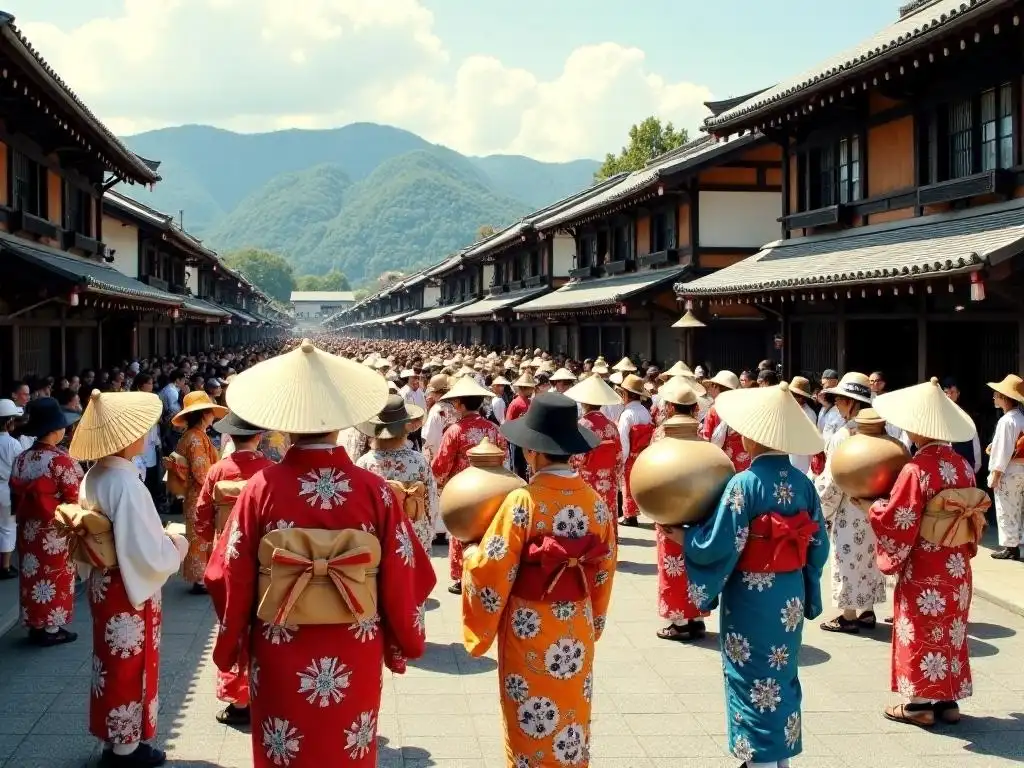
The feudal era of Japan, spanning from the late 12th century to the mid-19th century, was marked by a complex interplay of isolationism and engagement with foreign powers. The arrival of Western traders in the 16th century initiated a significant transformation in Japan's economic landscape, leading to intricate trade relations that influenced both domestic policies and international interactions. Understanding these dynamics is crucial for comprehending how Japan navigated its relationships with Western nations during this period.
Early Trade Relations in the 16th Century
The arrival of the Portuguese in 1543 marked the beginning of formal trade relations between Japan and Western powers. The Portuguese, initially drawn to Japan by reports of its riches and unique goods, established trade routes that facilitated the exchange of not only silver and textiles but also firearms and Christian missionaries. This early contact was characterized by mutual curiosity and economic benefit.
- Key Commodities: The Portuguese introduced several key commodities that became integral to Japanese society, including:
- Firearms: The introduction of gunpowder weaponry revolutionized warfare in Japan, influencing the power dynamics among feudal lords (daimyos).
- Christianity: Alongside trade, missionaries sought to convert the Japanese, leading to cultural exchanges that would have lasting effects.
The initial trade relations were largely unregulated, allowing for a free-flow of goods and ideas. However, this openness also led to concerns among Japanese leaders about foreign influence and the potential undermining of traditional values.
Key Western Powers Involved in Trade with Japan
Following the Portuguese, several other Western powers sought to engage in trade with Japan, each leaving a distinct mark on the country's relations with the world.
- The Dutch: Arriving in the early 1600s, the Dutch became pivotal players in Japanese trade. Unlike the Portuguese, who were heavily involved in missionary activities, the Dutch focused purely on commerce, establishing a trading post at Dejima in Nagasaki. This allowed them to maintain a monopoly on trade between Japan and Europe during the Edo period.
- The Spanish: The Spanish also attempted to establish trade relations, particularly through the Philippines. However, their influence waned in comparison to the Dutch and Portuguese due to Japan's increasing isolationist policies.
- The British: Although the British presence in Japan was minimal during the feudal era, their eventual interest in trade would later play a significant role in Japan's opening to the West in the 19th century.
The engagement with these powers not only introduced new goods and technologies but also sparked changes in Japan's foreign policy and trade strategies. The Tokugawa shogunate initially embraced trade as a means of strengthening its economic position but later adopted isolationist policies in response to the perceived threats from foreign influence.
The Impact of the Portuguese and Dutch on Japanese Trade
The influence of the Portuguese and Dutch on Japan's trade relations extended beyond mere economics; it reshaped cultural, political, and social landscapes.
- Cultural Exchange: The Portuguese introduced new ideas, technologies, and even culinary practices, such as the use of tempura. This exchange fostered a unique blend of Japanese and Western cultures, visible in various aspects of art, cuisine, and technology.
- Economic Transformation: The influx of European silver and trade goods significantly impacted Japan's economy. The demand for Japanese silk and ceramics in Europe led to an increase in production and the establishment of trade networks that connected Japan with global markets.
- Political Ramifications: The introduction of firearms altered the nature of warfare, contributing to the unification of Japan under the Tokugawa shogunate. However, the increasing foreign influence eventually prompted the shogunate to impose strict regulations on trade and foreign relations, culminating in the Sakoku (closed country) policy of the 17th century.
The early trade interactions with the Portuguese and Dutch laid the groundwork for Japan's complex feudal trade relations, shaping both its domestic policies and international stance. The legacy of these early encounters continues to resonate in Japan's historical narrative, illustrating the profound impact of foreign trade on its development.
The Evolution of Japan's Trade Policies
The evolution of trade policies in feudal Japan significantly influenced its relations with Western powers. Initially characterized by isolationist practices, Japan's trade policies underwent transformations that ultimately shaped its interactions and diplomatic ties with foreign nations. Understanding these dynamics provides insight into how Japan navigated the complexities of international relations during its feudal era.
Isolationist Policies: Sakoku and Its Implications
The Sakoku policy, enacted in the early 17th century under the Tokugawa shogunate, marked a pivotal moment in Japan's trade history. This isolationist policy restricted foreign influence and limited trade with Western powers. Key aspects of Sakoku included:
- Limited Foreign Access: Only designated ports, such as Nagasaki, were open to foreign traders, primarily the Dutch and Chinese. This control minimized Western influence and maintained Japan's cultural integrity.
- Prohibition of Christianity: The shogunate viewed Christianity as a threat to its authority, leading to the persecution of Christians and the expulsion of missionaries. This further solidified Japan's isolationist stance.
- Cultural Preservation: By limiting foreign interaction, Japan was able to preserve its unique cultural and societal structures, which were seen as essential to maintaining order and stability.
The implications of Sakoku were profound. Japan's isolation allowed it to develop a distinct identity, but it also limited technological and scientific advancements that were proliferating in Western nations. This self-imposed isolation ultimately set the stage for dramatic changes in Japan's trade relationships later in the 19th century.
Changes in Trade Regulations and Their Effects on Relations
The mid-19th century ushered in significant changes to Japan's trade regulations, driven primarily by external pressures and the need for modernization. Key changes included:
- Opening of Ports: In 1854, Commodore Matthew Perry from the United States forced Japan to open its ports through the Convention of Kanagawa. This event marked the end of Sakoku and initiated a series of unequal treaties with Western powers.
- Treaty of Amity and Commerce (1858): Following the opening of ports, Japan signed treaties that allowed for increased foreign trade and the establishment of foreign concessions in key cities. These treaties often favored Western interests, leading to discontent among Japanese citizens.
- Economic Reforms: The exposure to Western trade practices prompted Japan to implement economic reforms, such as the Meiji Restoration in 1868, which aimed to modernize its economy and military. This shift significantly altered Japan's trade landscape and relations with Western nations.
The changes in trade regulations not only transformed Japan's economy but also fostered a sense of national identity and purpose. As Japan began to engage with Western powers, it sought to assert itself on the global stage, leading to both cooperation and conflict in international relations.
The Role of Dutch Learning (Rangaku) in Trade Relations
During the period of Sakoku, while Japan was largely isolated, the limited contact with the Dutch played a crucial role in shaping Japan's understanding of Western science and technology through a phenomenon known as Rangaku or “Dutch Learning.” This engagement had several key outcomes:
- Scientific Exchange: The Dutch were the only Europeans permitted to trade with Japan, and they brought with them books, scientific instruments, and knowledge. This exchange enabled Japan to access Western advances in medicine, astronomy, and military technology.
- Cultural Impact: Rangaku facilitated a cultural exchange that gradually influenced Japanese art, literature, and philosophy. The incorporation of Western ideas began to challenge traditional Japanese thought.
- Preparation for Modernization: As Japan engaged with Dutch learning, it laid the groundwork for the eventual Meiji Restoration, where the knowledge gained would be instrumental in Japan's rapid modernization and industrialization.
The role of Dutch Learning in trade relations exemplifies how even limited interactions can have profound effects on national development and international relations. As Japan transitioned from isolation to engagement, the seeds of modernization were sown, ultimately leading to its emergence as a major power in the late 19th and early 20th centuries.
Economic Impact of Trade on Feudal Japan
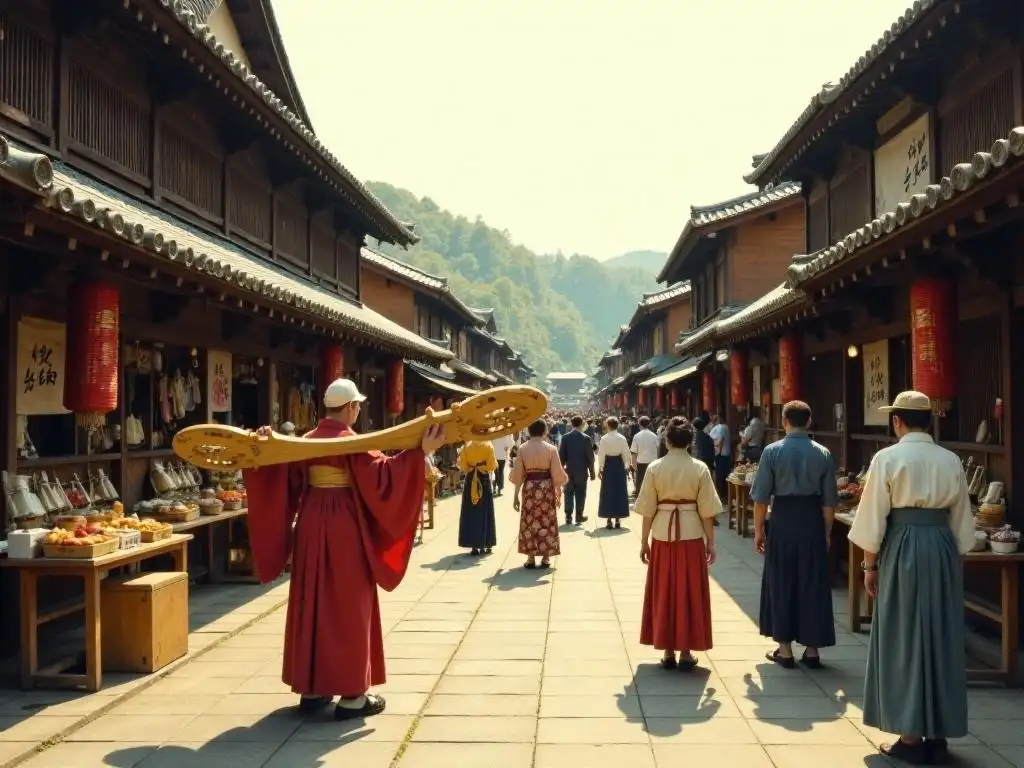
How Trade Influenced Japan's Economy
During the feudal era, particularly from the 16th century onwards, trade played a crucial role in shaping Japan's economy. With the arrival of Western powers, Japan began to engage in international trade, which led to an economic transformation that had far-reaching effects. The influx of foreign goods and the establishment of trade routes not only diversified the economy but also stimulated domestic production.
- Increase in Wealth: Trade introduced new commodities such as textiles, metals, and spices, which became highly sought after in domestic markets. This surge in commerce allowed for the accumulation of wealth among the samurai class and merchants, leading to a rise in the standard of living for some segments of society.
- Urbanization: As trade flourished, significant urban centers emerged around major ports like Nagasaki and Osaka. These cities became bustling hubs of commerce, attracting merchants, artisans, and laborers. The resulting urbanization facilitated cultural exchange and the spread of new ideas, significantly influencing Japanese society.
- Emergence of the Merchant Class: The rise of trade relations also led to the emergence of a powerful merchant class, known as the chōnin. This class played a vital role in the economy, often challenging the traditional social hierarchy that prioritized the samurai. As merchants gained wealth, they began to influence cultural and political life, leading to a shift in societal structures.
The Development of Ports and Trade Centers
The establishment of ports and trade centers was a pivotal development in Japan's feudal trade relations. Ports served not only as points of entry for foreign goods but also as vital links in Japan's economic network.
- Nagasaki: Designated as a key trading port in 1543, Nagasaki became the primary point of contact with Western powers. The Dutch and Portuguese established trade relations here, bringing in new technologies and products. The port facilitated the exchange of goods and ideas, significantly impacting Japanese culture and industry.
- Osaka: Known as the "nation's kitchen," Osaka emerged as a commercial hub where rice and other goods were traded extensively. The city's strategic location along major trade routes allowed it to thrive economically, making it a vital center for both domestic and international trade.
- Kobe and Yokohama: As Japan's trade relations expanded, other ports like Kobe and later Yokohama became increasingly important. The opening of Yokohama in the mid-19th century marked a significant shift towards modernization, as it became a gateway for Western influences and goods.
Commodities that Shaped Trade Relations
The commodities traded during the feudal era were instrumental in shaping Japan's relations with Western powers. Understanding these goods provides insight into the dynamics of Japan's economic interactions.
- Silk and Textiles: One of Japan's most significant exports was silk, which was highly valued in Europe. The demand for Japanese textiles led to increased trade with Western merchants, establishing Japan as a key player in the global silk market.
- Copper and Silver: Japan was rich in mineral resources, particularly copper and silver. These metals were essential for trade, with silver being a preferred currency in international markets. The extraction and exportation of these resources bolstered Japan’s economy significantly.
- Porcelain and Ceramics: Japanese porcelain became highly sought after in the West for its quality and artistry. The export of ceramics not only generated wealth but also introduced aspects of Japanese culture to foreign markets, influencing global artistic trends.
The relationship between Japan's feudal trade and its interactions with Western powers was marked by economic transformation, urban development, and cultural exchange. Trade not only influenced Japan's economy but also laid the groundwork for future interactions that would shape the nation's trajectory.
Cultural Exchange through Trade
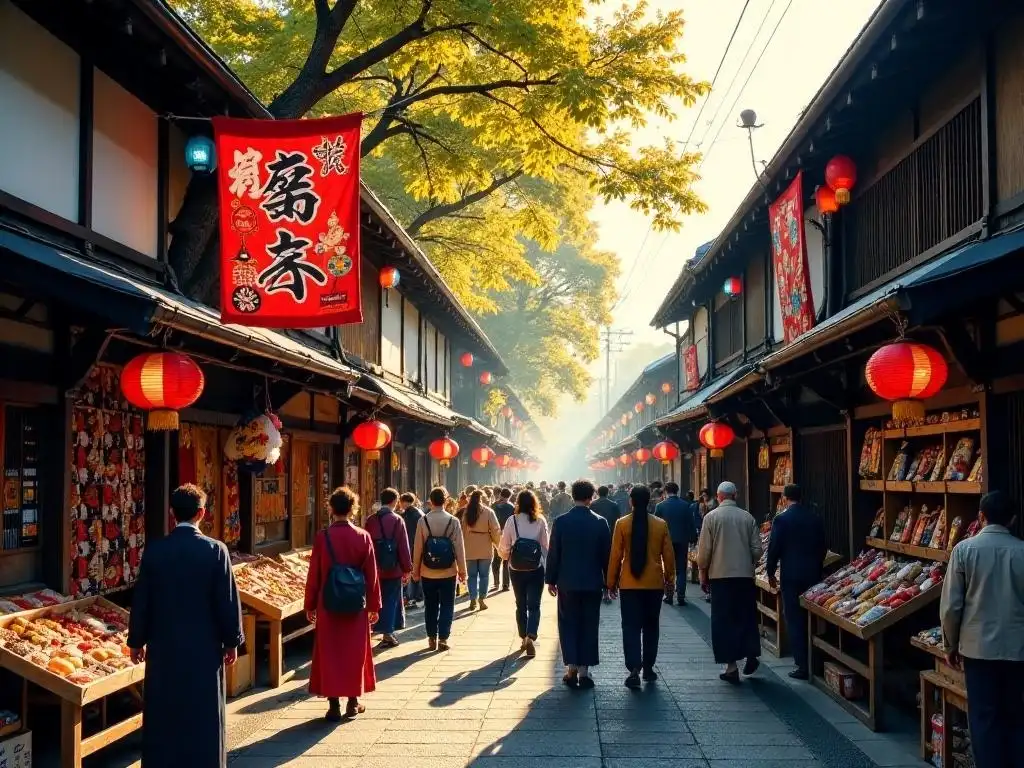
Influence of Western Ideas on Japanese Society
During the feudal era, Japan’s trade relations with Western powers played a pivotal role in introducing new ideas and cultural practices that significantly influenced Japanese society. The arrival of Portuguese traders in the 16th century marked the beginning of this transformative interaction. The introduction of Western philosophy, religion, and technology altered the traditional Japanese worldview and practices.
One of the most notable influences came from Christianity. Missionaries, such as the Jesuits, brought not only religious teachings but also Western educational methods. This led to a gradual shift in the Japanese approach to learning and knowledge. Western literature, science, and philosophy began to permeate Japanese thought, creating a cultural hybrid that blended Eastern and Western elements. For instance, the Japanese adopted Western techniques in painting and architecture, leading to a unique fusion of styles.
Moreover, the influx of material goods and technology, such as firearms and shipbuilding techniques, transformed Japanese society. The use of firearms in warfare changed the dynamics of feudal conflicts, leading to new military strategies and the eventual unification of Japan under the Tokugawa shogunate. This period also saw the rise of merchants and a burgeoning middle class, as trade expanded and new economic opportunities emerged.
The cultural exchange facilitated by trade with Western powers introduced profound changes in Japanese society, influencing everything from religious practices to artistic expressions, and laying the groundwork for future modernization.
The Role of Art and Technology in Trade
Trade during Japan's feudal era was not only an economic activity but also a critical medium for the exchange of art and technology. The interaction with Western powers brought forth a wealth of artistic ideas and technological advancements that were absorbed and adapted into Japanese culture.
Artistic Exchange:
- The introduction of Persian and European textiles led to innovations in Japanese fabric design, giving rise to new patterns and techniques.
- Japanese ceramics began to incorporate Western styles, particularly in glazing and decoration, creating unique hybrid forms.
Technological Advancements:
- The Western influence in shipbuilding techniques allowed for the construction of more advanced vessels, enhancing maritime trade capabilities.
- Firearms technology drastically changed warfare, leading to the development of new military tactics that were previously unknown to Japan.
Additionally, the introduction of Western scientific methods and tools in agriculture played a significant role in enhancing productivity. This, in turn, supported population growth and urbanization, which were critical for the development of a more complex society.
The interplay of art and technology facilitated by trade during the feudal era enriched Japanese culture, leading to innovations that shaped various societal aspects, from military strategies to artistic expressions.
Language and Communication: Bridging Cultures
Language and communication were crucial components in shaping Japan’s trade relations with Western powers. The need for effective communication facilitated the exchange of ideas, goods, and cultural practices, enabling a deeper understanding between Japan and the West.
Adoption of Western Languages:
- As trade relations flourished, the necessity for Japanese merchants and diplomats to learn Western languages became evident. This led to the emergence of language schools where students learned Portuguese, Dutch, and later English, allowing for better negotiation and interaction with foreign traders.
- The incorporation of Western vocabulary into the Japanese language enriched the lexicon and provided new words to describe previously unknown concepts and goods.
Cultural Interpretation:
- Translators played a pivotal role in bridging cultural gaps. They not only translated texts but also interpreted cultural nuances, which were essential for successful diplomatic and trade negotiations.
- The translations of Western literature and scientific texts into Japanese contributed to a greater understanding of Western thought and technology, allowing for a more informed response to foreign influences.
Language and communication were vital in fostering trade relations between Japan and Western powers. The evolution of language around trade enriched Japanese culture, enabling a dynamic exchange of ideas that would influence Japan for generations to come.
Case Studies of Key Trade Agreements
In the context of Japan's feudal trade relations, several pivotal treaties played a significant role in shaping interactions with Western powers. Understanding these agreements provides insight into how trade influenced diplomatic relations and societal changes in Japan during this transformative period.
The Treaty of Kanagawa: Opening Japan to the West
The Treaty of Kanagawa, signed in 1854, marked a critical turning point in Japan's foreign relations. This agreement was largely a response to the arrival of Commodore Matthew Perry and his "Black Ships," which showcased the military might of the United States. The treaty's primary objective was to end Japan's seclusion policy, which had been in place for over two centuries.
- Key Provisions:
- Opening Ports: Japan agreed to open the ports of Shimoda and Hakodate to American vessels for supplies and trade.
- Consular Protection: The treaty ensured that American citizens could live in Japan with legal protections.
The Treaty of Kanagawa not only facilitated trade but also set a precedent for future agreements with other Western nations. It symbolized a shift from isolationism to engagement, laying the groundwork for Japan's modernization efforts.
The Harris Treaty and Its Consequences
Following the Treaty of Kanagawa, the Harris Treaty of 1858 further deepened Japan's trade relations with the United States. Named after U.S. Minister to Japan, Townsend Harris, this treaty introduced more favorable terms for American traders.
- Significant Features:
- Tariff Autonomy: Japan had to accept fixed low tariffs on imports, undermining its ability to control trade and revenue.
- Expansion of Ports: The treaty expanded the number of open ports, including Yokohama, Nagasaki, and Kobe.
- Extra-territoriality: American citizens in Japan were subject to their own laws and not Japanese law, which created tension and resentment among the local population.
The consequences of the Harris Treaty were profound. It not only led to an influx of Western goods and ideas but also spurred internal dissent and calls for reform, contributing to the eventual downfall of the Tokugawa shogunate.
Analyzing the Long-term Effects of Trade Agreements
The trade agreements established during the mid-19th century had lasting impacts on Japan's societal and political landscape, which can be categorized into several key effects:
- Economic Transformation:
- The influx of Western goods and technology revolutionized Japanese industries, leading to the Meiji Restoration and the modernization of Japan's economy.
- Cultural Exchange:
- Increased interaction with Western cultures resulted in a significant exchange of ideas, art, and education, fostering a new cultural identity that blended traditional Japanese elements with Western influences.
- Political Repercussions:
- The resentment towards extraterritorial rights and fixed tariffs fueled nationalist sentiments, ultimately leading to political upheaval and the fall of the feudal system.
- Military Modernization:
- Recognizing the need to compete with Western powers, Japan embarked on a military modernization campaign, which transformed it into an imperial power by the early 20th century.
The trade relations established through treaties like the Treaty of Kanagawa and the Harris Treaty were pivotal in shaping Japan's interactions with the West. These agreements not only opened Japan to foreign influences but also set in motion a series of changes that would redefine its place in the world. The legacy of these trade relations continues to influence Japan's foreign policy and cultural identity today.
Challenges and Conflicts in Trade Relations
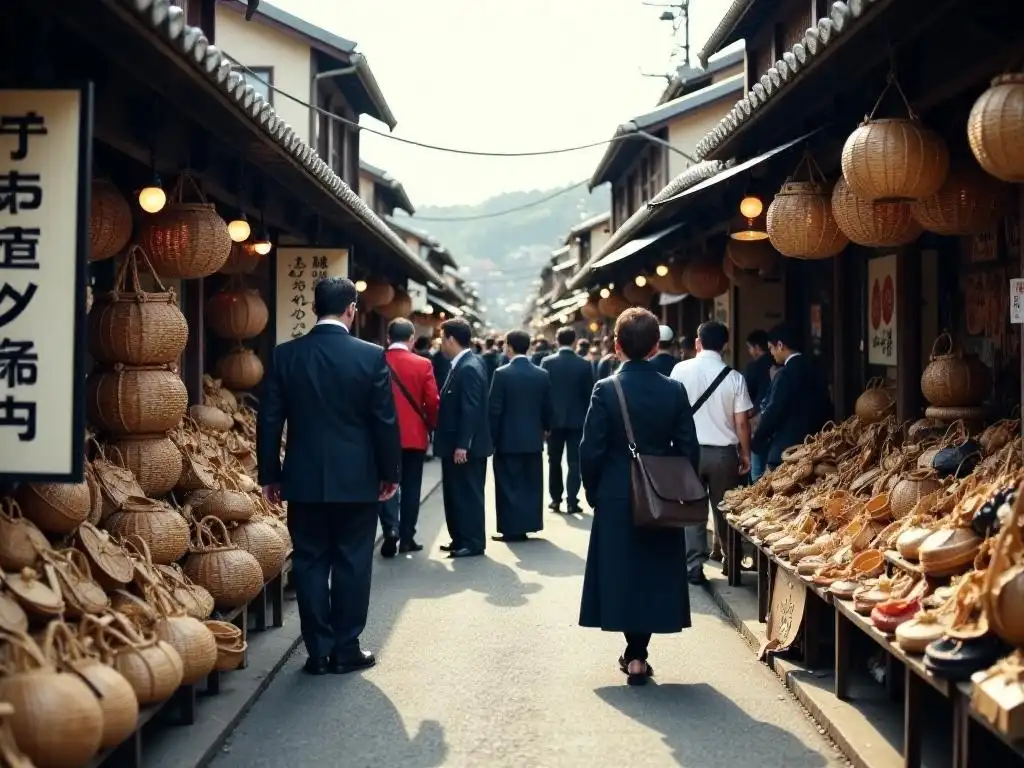
The trade relations between Japan and Western powers during the feudal era were fraught with challenges and conflicts, shaped by a complex interplay of internal and external factors. These challenges not only influenced Japan's economic landscape but also its political and social structure. Understanding these dynamics is crucial for appreciating how Japan navigated its interactions with the West and ultimately transformed its own societal framework.
Internal Resistance to Trade with Western Powers
The initial response to Western trade proposals in Japan was largely characterized by resistance. This resistance stemmed from several key factors:
- Cultural Preservation:
- Many Japanese viewed Western influences as a threat to their cultural heritage and social order. The samurai class, in particular, was protective of their values and customs, fearing that trade would lead to the erosion of traditional Japanese society.
- Political Stability:
- The Tokugawa shogunate, which held power from the early 17th century, was invested in maintaining a stable, isolated society. The shogunate's policy of sakoku (closed country) aimed to limit foreign influences and control internal affairs, making any form of trade with Western nations contentious.
- Economic Concerns:
- There were fears that opening up trade would disrupt local markets and lead to economic instability. Many merchants and local leaders were apprehensive about the potential influx of foreign goods that might outcompete domestic products.
- Religious Opposition:
- The spread of Christianity through Western contact was met with significant opposition. The Tokugawa regime had executed a crackdown on Christianity, which many associated with Western trade, further complicating the dialogue around trade relations.
External Pressures: Military Conflicts and Trade
External pressures greatly influenced Japan’s trade relations, often manifesting through military conflicts. These pressures highlighted the urgency for Japan to engage in trade with the West, despite internal opposition:
- Gunboat Diplomacy:
- Western powers, particularly the United States and European nations, employed military force or the threat of force to open trade routes. This approach placed Japan in a precarious position, forcing them to reconsider their isolationist policies.
- The Opium Wars:
- The British experience in China during the Opium Wars served as a cautionary tale for Japan. The aggressive actions taken by Western nations to secure trade rights underscored the potential consequences of resistance, instilling a sense of urgency in Japan to negotiate trade agreements.
- Geopolitical Strategy:
- Japan recognized the strategic importance of trade not only for economic prosperity but also for national security. Engaging with Western powers became a means to strengthen Japan's position in the evolving global landscape.
- Rise of Western Imperialism:
- The late 19th century saw a surge in Western imperialism, with countries vying for influence in Asia. Japan understood that failing to engage with Western powers could lead to colonization or loss of sovereignty.
The Commodore Perry Expedition: Catalyst for Change
The arrival of Commodore Matthew Perry in 1853 marked a pivotal moment in Japan's trade relations with Western powers. His expedition brought forth several significant changes:
- Opening of Japan:
- Perry's two voyages to Japan, particularly the second in 1854, compelled the Tokugawa shogunate to sign the Convention of Kanagawa, effectively ending over two centuries of isolation. This agreement allowed for limited trade with the United States and set a precedent for future treaties with other Western nations.
- Shift in Internal Policies:
- The pressures from Perry's expedition led to a reevaluation of Japan's internal policies regarding trade. The shogunate faced increasing calls for reform from various factions, ultimately contributing to the Meiji Restoration in 1868.
- Economic Transformation:
- The opening of trade routes introduced new technologies and goods to Japan, fostering economic growth and modernization. This interaction with Western economies catalyzed the transformation of Japanese industries and trade practices.
- Cultural Exchange:
- Perry's expedition also initiated a cultural exchange that brought Western ideas and practices into Japan. This exchange, while met with resistance, eventually inspired a generation of Japanese thinkers and reformers to explore modernization and industrialization.
The challenges and conflicts in Japan's feudal trade relations with Western powers were complex and multifaceted. Internal resistance, external pressures, and significant events like the Commodore Perry expedition played crucial roles in shaping Japan's approach to trade and its eventual emergence as a modern state.
Conclusion: The Lasting Legacy of Japan's Feudal Trade Relations
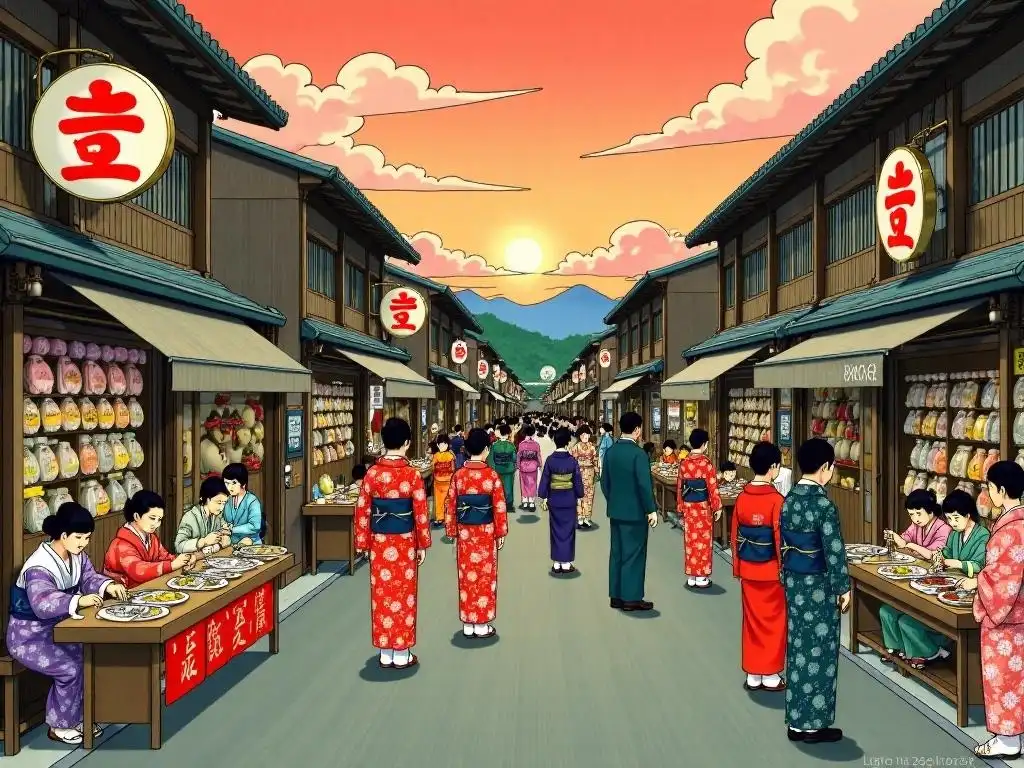
The feudal era of Japan was marked by a complex interplay of trade and foreign relations that significantly shaped the nation’s historical trajectory. These interactions laid the groundwork for Japan's evolving identity and its position in the global arena. Understanding the intricacies of Japan's feudal trade relations not only illuminates the past but also provides insights into the lasting effects of these interactions in contemporary society.
Summary of Key Points on Trade and Foreign Relations
During the feudal period, Japan engaged in various trade relations that influenced its social, political, and economic landscapes. Some key points to consider include:
- Emergence of Trade Routes: The establishment of trade routes, both domestic and international, facilitated the exchange of goods such as silk, ceramics, and rice. This exchange was crucial for the feudal lords, or daimyōs, who gained wealth and power through trade.
- Influence of Western Powers: The arrival of Western traders and missionaries, particularly from the Portuguese and Dutch, introduced new goods, ideas, and technologies. This interaction prompted both curiosity and wariness among Japanese leaders, leading to a complex relationship characterized by selective engagement.
- The Sakoku Policy: In the 17th century, Japan implemented the Sakoku (closed country) policy, which significantly restricted foreign trade and contact. This policy aimed to preserve Japanese culture and prevent colonial influence, yet it also stunted potential advancements that could have arisen from broader international trade.
- Cultural Exchanges: The trade relations during the feudal era were not solely economic; they also facilitated cultural exchanges. The introduction of Christianity, Western education, and different artistic styles had profound impacts on Japanese society, leading to a unique blend of cultural influences.
The intricate balance of trade and foreign relations during Japan's feudal period established a legacy that resonates through subsequent historical developments.
The Influence of Historical Trade on Modern Japan
The historical trade relations established during the feudal era continue to influence modern Japan in various ways:
- Economic Foundations: The roots of Japan's modern economy can be traced back to the trade practices of the feudal period. The importance of trade as a means of wealth accumulation for feudal lords has evolved into Japan's current status as a global economic powerhouse. Trade policies and relationships established centuries ago still inform Japan's contemporary economic strategies.
- Cultural Identity: The cultural exchanges initiated during the feudal period have left an indelible mark on Japanese identity. Aspects of Western culture, adapted through trade, are evident in everything from cuisine to fashion and technology. This blend of influences has fostered a unique cultural landscape that values tradition while embracing innovation.
- Diplomatic Relations: The cautious approach to foreign relations seen during the feudal era still resonates in Japan's diplomatic strategies today. The historical wariness towards foreign influence has evolved into a more balanced approach, where Japan engages in international partnerships while carefully managing its cultural heritage and national interests.
- Trade Agreements: Modern Japan's robust trade agreements with multiple nations can be seen as a continuation of the historical trade practices that began in the feudal era. Japan's ability to navigate complex trade relationships echoes the diplomatic skills honed by feudal leaders when dealing with foreign powers.
The feudal trade relations of Japan were instrumental in shaping not only the historical landscape of the nation but also its modern identity and global interactions. Understanding this legacy offers valuable insights into Japan's contemporary economic, cultural, and diplomatic posture in the world.
Further Reading and Resources
Recommended Books on Japan's Feudal Trade Relations
-
"The Merchant's Tale: Trade and Society in Japan's Early Modern Period"
This book offers an in-depth analysis of how trade influenced social structures and relationships during Japan's feudal era. It explores the dynamics between merchants and samurai, revealing the complexities of their interactions.
-
"Japan's Trade Relations: The Impact of Western Powers"
This comprehensive work examines the impact of Western trade on Japan's feudal economy and society. It discusses key events such as the arrival of Commodore Perry and the subsequent opening of Japan to international trade.
-
"Feudal Japan: A Cultural History"
This book delves into the cultural implications of trade relationships during the feudal period, highlighting how foreign influences shaped Japanese art, cuisine, and lifestyle.
-
"Sakoku: Japan's Closed Country"
Focusing on the period of isolation (Sakoku), this title explores the reasons behind Japan's restrictive trade policies and how they affected relations with Western powers.
-
"The Rise of the Samurai: Trade and Warfare in Feudal Japan"
This book provides a unique perspective on the dual role of trade and military power in shaping Japan's interactions with foreign entities, analyzing how trade influenced military strategies.
Relevant Articles for Deeper Understanding
-
"Trade Routes of Feudal Japan: A Historical Overview"
This article outlines the major trade routes established during the feudal era and their significance in fostering relations with neighboring regions and Western powers.
-
"The Influence of European Trade on Japanese Society"
An insightful piece that discusses how European trade practices affected local economies and societal norms in feudal Japan.
-
"Japan’s Economic Transformation: From Isolation to International Trade"
This article tracks the evolution of Japan’s economy from a feudal system to one integrated with global trade networks, emphasizing the role of Western powers.
-
"Cultural Exchanges: Art and Trade in Feudal Japan"
This resource explores how trade led to cultural exchanges that enriched Japanese art and literature, showcasing the profound impact of foreign interactions.
-
"The Treaty of Kanagawa: A Turning Point in Japan-West Relations"
A critical analysis of the Treaty of Kanagawa and its implications for Japan's trade relations with Western powers, marking the end of isolation and the beginning of modern trade dynamics.
These resources will provide readers with a deeper understanding of Japan's feudal trade relations and their significance in shaping the historical context of Japan-West interactions.
Frequently Asked Questions
What were the main trade relations during Japan's feudal era?
During the feudal era, Japan engaged in trade primarily with China and Korea, focusing on silk, ceramics, and spices. The advent of Western powers in the 16th century introduced new goods and ideas.
How did Western powers influence Japan's trade policies?
Western powers, particularly the Portuguese and Dutch, introduced new trading practices and items, prompting Japan to modify its trade policies. This period led to the establishment of strict trade regulations under the Tokugawa shogunate.
What impact did trade have on Japanese society during the feudal period?
Trade fostered cultural exchange and economic growth, contributing to the rise of a merchant class. This shift helped shape Japan’s social structure and led to the emergence of a new cultural identity.
How did Japan's isolation policy affect its trade relations?
Japan’s Sakoku (isolation) policy, implemented in the 17th century, limited foreign influence by restricting trade to specific nations. This approach aimed to preserve Japanese culture while managing foreign relations.
What were the consequences of Japan's trade interactions with Western nations?
The interactions resulted in both cultural enrichment and conflict, culminating in the Meiji Restoration. This shift allowed Japan to modernize and expand its trade relations globally, moving beyond its feudal roots.
Final Reflection: The Enduring Legacy of Japan's Feudal Trade Relations
The intricate web of Japan's feudal trade relations has not only shaped its historical narrative but continues to resonate in today's global interactions. As we delve into the past, we uncover how trade served as a conduit for cultural exchange, diplomacy, and conflict, ultimately laying the groundwork for Japan's modern identity. The lessons learned from these historical interactions remind us that trade is not merely an economic transaction; it is a powerful tool that can either bridge divides or deepen them.
Clearly, the influence of Japan's feudal trade relations extends far beyond its borders, impacting cultural and social landscapes both domestically and internationally. The way Japan navigated its relationships with Western powers during the feudal era serves as a poignant reminder of the complexities of globalization. As we reflect on this, we can appreciate the words of historian John W. Dower: The past is never dead. It's not even past.
This quote encapsulates the ongoing relevance of historical trade dynamics, urging us to recognize how they inform our current geopolitical climate and cultural exchanges.
As we move forward, let us take a moment to reflect on our own roles in the global marketplace. How can we apply the lessons from Japan's feudal trade relations to foster more meaningful connections in our own lives? I invite you to consider the ways in which you engage with others, whether through commerce, culture, or conversation. By embracing the spirit of collaboration and understanding that characterized Japan's historical interactions, we can contribute to a more interconnected and harmonious world.
Embrace the Influence of Trade: Shape Japan’s Future Today!
Thank you for diving into the fascinating world of Japan’s trade relations with Western powers! You've uncovered key insights into how these exchanges have not only shaped history but also paved the way for modern interactions. Now, it’s time to take your knowledge a step further and make an impact.
Here’s how you can continue exploring and contributing to this critical area:
- Join a Discussion: Engage with fellow history enthusiasts in our online community forum. Share your thoughts on how trade has influenced modern Japan!
- Explore Beyond the Text: Delve deeper into this topic by reading books or watching documentaries about Japan's trade history. Check out your local library or various online resources to gain diverse perspectives!
- Spread the Word: Share this article with friends and family who are interested in history. Encourage them to join the conversation about Japan's evolving relations with the West!
As you embark on this journey of exploration and engagement, we’d love to hear from you:
How do you think trade will continue to shape Japan’s relations with the world in the future?