
Japan's Response to Western Science and Technology: A Historical Overview

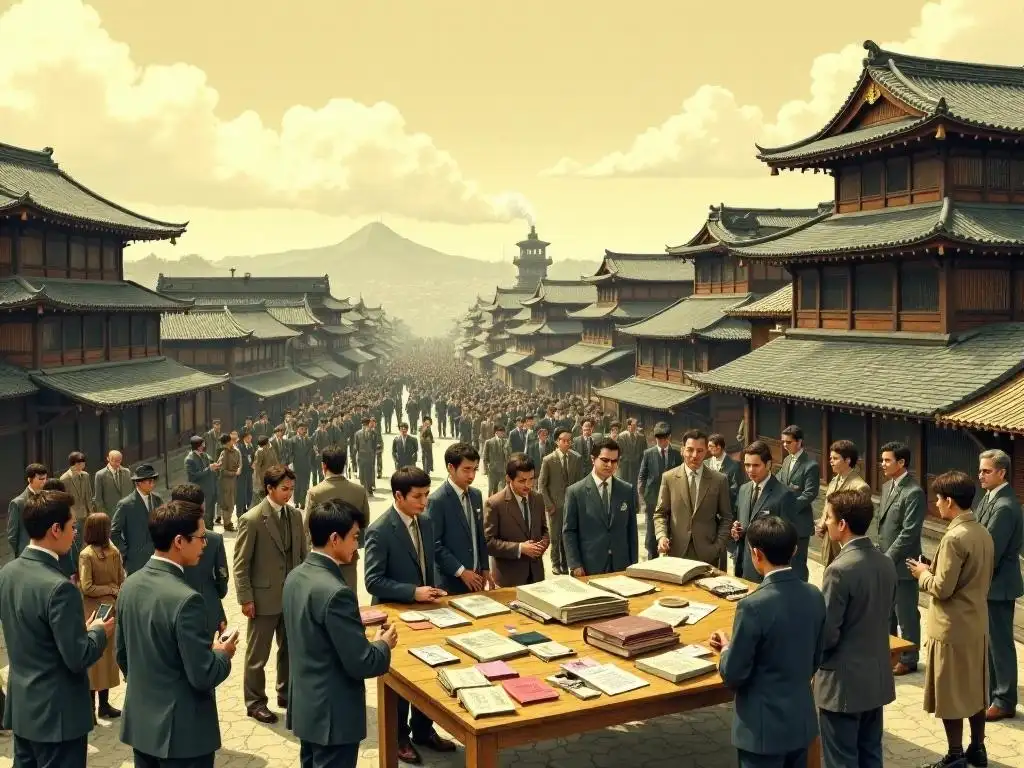
Welcome to Feudal Japan History, where we delve deep into the rich tapestry of Japan’s feudal era! Here, you will uncover the fascinating interplay between culture and power as we explore our featured article, "Japan's Response to Western Science and Technology: A Historical Overview." Discover how foreign influences shaped a nation and sparked transformative changes in society. What drove Japan to embrace—or resist—new scientific advancements? The answers await you within these pages, beckoning you to continue your journey through this captivating epoch. Dive in and uncover the profound impact of Western science and technology on feudal Japan!
- Introduction to Japan's Response to Western Science and Technology
- The Arrival of Western Influence in Japan
- Initial Reactions to Western Science and Technology
- The Meiji Restoration and the Embrace of Western Science
- The Impact of Western Science and Technology on Japanese Society
- Case Studies of Western Influence on Japanese Innovations
- Challenges and Resistance to Westernization
- Conclusion: The Lasting Impact of Western Science and Technology in Japan
- Additional Resources
-
Frequently Asked Questions
- What was Japan's initial reaction to Western science and technology?
- How did the Meiji Restoration influence Japan's approach to Western technology?
- What were some key areas where Western technology impacted Japan?
- How did Japan balance traditional culture with Western influences?
- What long-term effects did Western science have on Japanese society?
- Final Reflection: Embracing the Fusion of Tradition and Innovation
- Embrace the Wisdom of History—Take Action Today!
Introduction to Japan's Response to Western Science and Technology
Japan's interaction with Western science and technology marked a pivotal moment in its history, ushering in profound changes throughout the feudal era. As Western powers began to explore and expand their influence globally, Japan found itself at a crossroads, balancing its traditional practices and beliefs with the burgeoning advancements brought by Western nations.
This article presents a comprehensive overview of how Japan responded to these external influences, tracing the historical, cultural, and societal implications that accompanied this encounter. By examining the impact of Western science and technology on Japan, we can better understand the dynamics that shaped its development and transformation during the crucial periods of the 16th to 19th centuries.
Overview of Japan's Historical Context
Japan's history leading up to the encounter with Western science and technology is characterized by a series of internal and external conflicts, societal structures, and cultural developments. During the feudal era, which spanned from the 12th to the 19th centuries, Japan was primarily governed by a system of military rule under the shogunate, where samurai held significant power. The country maintained a policy of isolation, particularly during the Edo period (1603-1868), which restricted foreign influence and trade.
- Feudal Hierarchy:
- Shogun: The military leader who held the ultimate power.
- Daimyo: Feudal lords who ruled over various regions.
- Samurai: The warrior class that served the daimyo.
- Peasants: The majority of the population, responsible for agriculture.
Despite this isolation, Japan was not completely cut off from the outside world. Limited trade with the Dutch and the Chinese allowed for some exchange of knowledge, which laid the groundwork for the eventual influx of Western ideas.
Importance of Western Science and Technology in the Feudal Era
The arrival of Western science and technology in Japan was not merely an event; it represented a transformative force that challenged the existing paradigms. The introduction of new scientific ideas, medical practices, and technological advancements had far-reaching implications for Japanese society.
-
Medical Advancements:
Western medicine began to influence Japanese practices, introducing new treatments and surgical techniques that improved public health. This led to a gradual shift in how health care was perceived and practiced.
-
Technological Innovations:
The introduction of Western machinery and industrial techniques played a critical role in modernizing Japan's economy. Innovations in agriculture, manufacturing, and transportation facilitated a transition from a primarily agrarian society to a burgeoning industrial economy.
-
Cultural Exchange:
The impact of Western science and technology extended beyond practical applications; it also prompted philosophical and cultural debates within Japan. Intellectuals and scholars began to question traditional beliefs, leading to a re-evaluation of Japan's identity in the context of a rapidly changing world.
As Japan navigated its response to Western influences, the consequences of this interaction would ultimately shape its future trajectory, transitioning from a feudal society to a modern nation-state. Understanding this historical overview provides a critical foundation for exploring the intricate dynamics of Japan's engagement with Western science and technology.
The Arrival of Western Influence in Japan
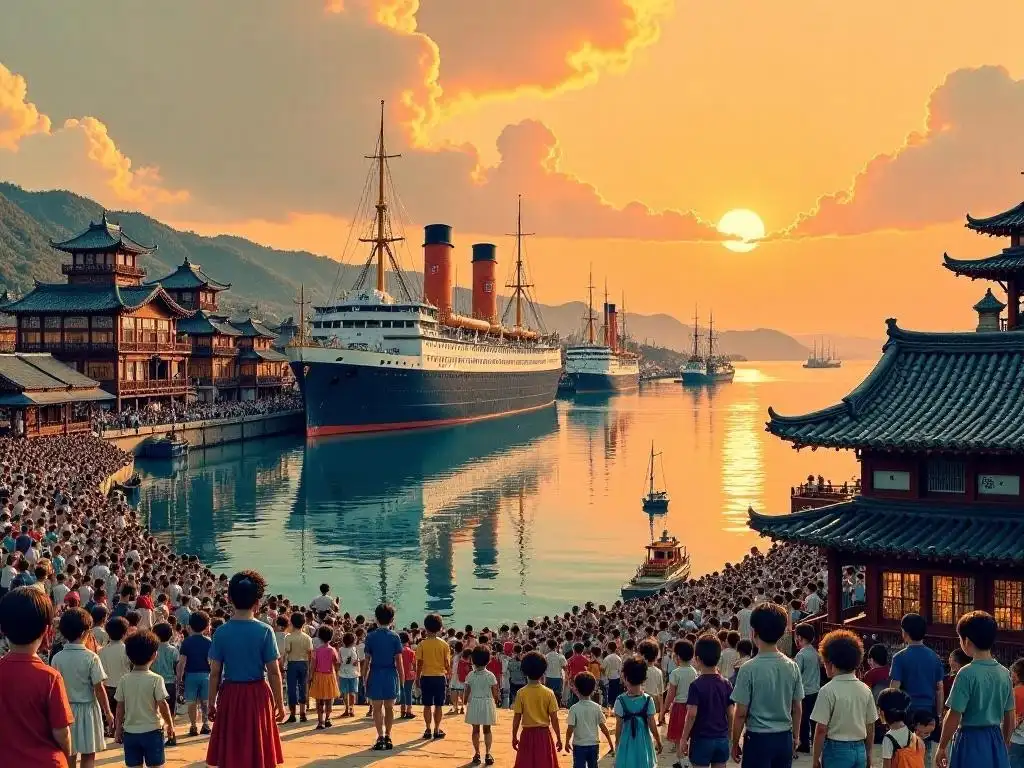
The arrival of Western influence in Japan marked a significant turning point in the nation’s history, especially during the late 16th and early 17th centuries. This period saw the initial contacts with European powers, which would eventually lay the groundwork for the transformative impact of Western science and technology on Japanese society. The encounter was characterized by trade, cultural exchanges, and the introduction of new ideas that would challenge the longstanding feudal structures of the time.
Early Encounters with Western Traders and Explorers
The first significant encounters between Japan and Western traders occurred in the mid-1500s, primarily due to the voyages of European explorers seeking new trade routes. The arrival of the Portuguese in 1543 was particularly noteworthy, as it marked the beginning of sustained interaction between Japan and Europe. The Portuguese introduced not only new goods, such as firearms and tobacco but also new religious ideas, most notably Christianity.
- Impact of Firearms: The introduction of firearms revolutionized Japanese warfare, altering the dynamics of power among the warring states. This led to a shift in military tactics and contributed to the unification efforts of leaders like Oda Nobunaga.
- Christianity's Influence: The spread of Christianity challenged the traditional beliefs and practices of the Japanese. Missionaries, such as Francis Xavier, played a crucial role in this cultural exchange, leading to the establishment of a Christian community in Japan, albeit one that faced increasing persecution as the Tokugawa shogunate solidified its power.
The initial enthusiasm for Western goods and ideas, however, was tempered by the shogunate's growing concern over the influence of foreign religions and the potential destabilization of social order. This led to the implementation of policies aimed at restricting the influence of Western powers.
The Role of the Portuguese and Dutch in Introducing Western Knowledge
The Portuguese were not the only European nation to establish a foothold in Japan; the Dutch followed suit in the early 1600s. Unlike the Portuguese, who were heavily focused on missionary work, the Dutch engaged primarily in trade. Their approach allowed them to maintain a more stable relationship with the Tokugawa shogunate.
- Dutch Learning (Rangaku): The Dutch became the primary source of Western knowledge for Japan during the Edo period. Through the study of Dutch texts, Japanese scholars began to learn about Western medicine, astronomy, and other fields of science. This movement, known as Rangaku, facilitated the gradual incorporation of Western scientific ideas into Japanese scholarship.
| Field of Study | Notable Contributions |
|---|---|
| Medicine | Introduction of Western medical practices and anatomy |
| Astronomy | Advancements in navigation and calendar systems |
| Botany | New species of plants and agricultural techniques |
- Cultural Exchange: The Dutch also introduced various cultural elements to Japan, including new artistic styles and techniques. This exchange enriched Japanese art and literature, fostering a unique blend of Eastern and Western influences.
The interactions with Western traders and the introduction of Western knowledge through the Portuguese and Dutch significantly impacted Japan's trajectory. As the nation grappled with these new influences, it laid the foundation for the profound transformations that would occur in the late 19th century, particularly during the Meiji Restoration. The complexities of these early encounters set the stage for Japan’s eventual embrace of Western science and technology, reshaping its identity in the modern world.
Initial Reactions to Western Science and Technology
Japan's response to Western science and technology during the late 19th and early 20th centuries was complex and multifaceted. Initially, Japan's interaction with Western advancements was shaped significantly by its isolationist policies, which dictated not only foreign relations but also the flow of information and technology into the country.
Japan's Isolationist Policies and Their Impact
Japan's isolationist policies, particularly the Sakoku (鎖国) period from the early 17th century until the mid-19th century, had profound implications for its initial reactions to Western science and technology. Under Sakoku, Japan restricted foreign influence and trade primarily to the Dutch and Chinese, allowing limited access to Western knowledge. This period cultivated a unique Japanese culture, but it also resulted in a significant technological gap compared to Western nations by the time of the Meiji Restoration in 1868.
- Limited Exposure: The rigorous isolation limited Japan's exposure to Western scientific advancements. While the Dutch were allowed to trade at Nagasaki, their influence was primarily in the form of Dutch studies (Rangaku), which focused on medicine and some aspects of natural science rather than industrial technology.
- Impact of Commodore Perry: The arrival of Commodore Matthew Perry in 1853 marked a pivotal moment in Japan's history. Perry's expedition forced Japan to open its ports to Western trade, effectively ending over two centuries of isolation. This event exposed Japanese leaders to the extensive technological advancements of the West, prompting a newfound urgency to modernize.
- Shift Towards Modernization: Following the end of isolation, Japan underwent rapid modernization. The government initiated extensive reforms, adopting Western technologies and scientific methodologies in areas such as military, transportation, and education. This shift was crucial in transforming Japan into a formidable power capable of competing with Western nations.
Cultural and Religious Responses to Western Innovations
Japan's cultural and religious landscape also played a significant role in shaping responses to Western science and technology. As Western ideas infiltrated Japanese society, various cultural and religious debates emerged regarding the compatibility of these innovations with traditional Japanese beliefs.
- Conflicting Ideologies: The introduction of Western science often conflicted with traditional Japanese beliefs, particularly Shintoism and Buddhism. For instance, Western medicine challenged the established practices of traditional herbal medicine. While some embraced Western medical practices for their efficacy, others viewed them as a threat to cultural heritage.
- Adaptation and Synthesis: Rather than outright rejection, many Japanese intellectuals sought to adapt Western scientific ideas to align with Japanese culture. This led to the concept of "Yamato-damashii" (大和魂), which emphasized the importance of maintaining Japanese identity while incorporating beneficial aspects of Western technology.
- Educational Reforms: The Meiji government recognized the importance of education in responding to Western advancements. They established modern educational institutions that integrated Western scientific thought with traditional Japanese values. This dual approach aimed to cultivate a generation that could navigate both Western and Japanese paradigms effectively.
- Cultural Preservation: Despite the influx of Western ideas, there was a strong movement to preserve traditional Japanese culture. Many artists, writers, and scholars sought to harmonize Western influences with indigenous forms, resulting in unique artistic expressions that celebrated both heritage and modernity.
Through these adaptations, Japan managed to create a distinctive identity that embraced Western science and technology while remaining deeply rooted in its cultural and religious traditions. The impact of Western advancements was thus not merely a matter of adoption but a complex interplay that reshaped Japanese society in profound ways.
The Meiji Restoration and the Embrace of Western Science

The Meiji Restoration, which began in 1868, marked a pivotal turning point in Japan’s history, ushering in an era characterized by rapid modernization and a conscious effort to embrace Western science and technology. This transformation was not merely a response to external pressures but a strategic decision by the Japanese leadership to strengthen the nation in the face of Western imperialism. The adoption of Western scientific principles and technological advancements played a crucial role in Japan's evolution from a feudal society to a modern state.
During this period, Japan sought to learn from Western nations to enhance its own capabilities. The government recognized that to compete with Western powers, it needed to adopt foreign technologies and scientific methods. This embrace of Western knowledge was evident in various sectors, including military, industrial, and educational realms. The slogan "Yamato-damashii" (Japanese spirit) encapsulated the idea of integrating Western advancements while maintaining national identity.
Key Changes in Policy Towards Western Knowledge
The Meiji government implemented several key policies that facilitated the integration of Western science and technology into Japanese society. One of the most significant steps was the abolition of the feudal system, which allowed for a more centralized and reform-oriented government. This shift enabled the state to prioritize education and technological advancement as essential components of national strength.
- The Charter Oath of 1868: This foundational document outlined the goals of the new government, emphasizing the importance of seeking knowledge from around the world. It encouraged the Japanese populace to pursue learning and innovation, paving the way for a more open attitude towards Western ideas.
- International Missions: The government sent numerous delegations abroad to study Western institutions, technology, and governance. These missions provided firsthand experience and insights, which were crucial in shaping Japan's modernization efforts.
- Legal Reforms: New legal frameworks were established to support industrialization and protect intellectual property, fostering an environment conducive to scientific progress. These reforms helped create a system where Western inventions could be adapted and improved upon by Japanese innovators.
The shift in policy was not without challenges. Traditionalists resisted the influx of foreign ideas, fearing that it would erode Japanese culture. However, the benefits of adopting Western science and technology were undeniable, and the Meiji leaders managed to balance modernization with the preservation of essential cultural elements.
The Establishment of Educational Institutions for Science and Technology
Recognizing the necessity of a well-educated populace to drive innovation, the Meiji government invested heavily in the establishment of educational institutions focused on science and technology. This effort included the creation of universities and technical schools that aimed to cultivate a new generation of scientists and engineers.
- Tokyo Imperial University: Founded in 1877, this institution became the cornerstone of higher education in Japan. It emphasized not only Western scientific knowledge but also research and development, contributing significantly to Japan's technological advancements.
- Technical Schools: The establishment of specialized technical schools, such as the Tokyo School of Technology in 1881, provided practical training in engineering and applied sciences. These institutions played a crucial role in preparing students for careers in emerging industries.
- Curriculum Changes: The education system was overhauled to include subjects like mathematics, physics, chemistry, and engineering, which were essential for industrial advancement. This curriculum reform ensured that students were equipped with the skills needed to thrive in a rapidly modernizing society.
The focus on education extended beyond formal institutions. The government promoted public awareness of scientific knowledge through exhibitions, lectures, and publications, aiming to cultivate a scientifically literate populace. This widespread dissemination of knowledge helped foster an environment where innovation could flourish.
By the end of the Meiji period, Japan had successfully integrated Western science and technology into its fabric, setting the stage for its emergence as a global power in the 20th century. The impact of these changes continues to resonate in modern Japan, illustrating the profound effects of the Meiji Restoration on the country's trajectory.
The Impact of Western Science and Technology on Japanese Society
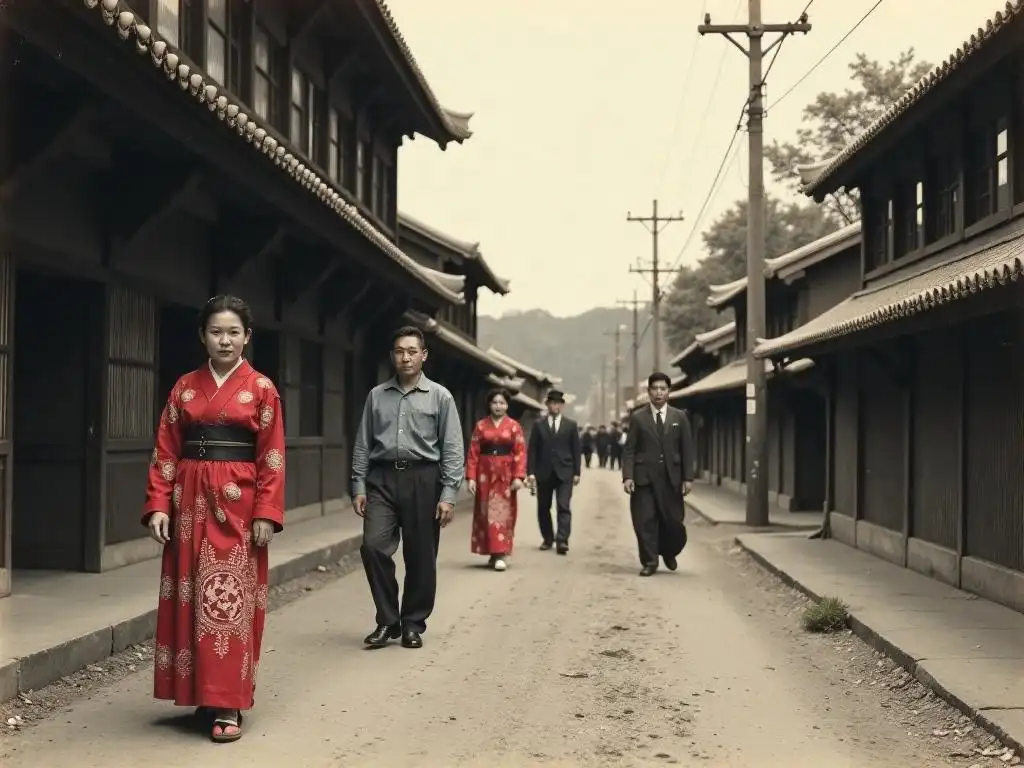
The impact of Western science and technology on Japanese society during the late 19th and early 20th centuries was profound and transformative. As Japan opened its doors to the West following the Meiji Restoration in 1868, the nation underwent a radical shift in various sectors, integrating foreign innovations while simultaneously preserving traditional Japanese values. This period marked a pivotal transition that laid the foundation for Japan's emergence as a modern industrial power.
Transformation of Traditional Practices through Western Methods
The introduction of Western methodologies led to significant transformations in numerous traditional practices across Japan. Prior to this influx of Western influence, many Japanese customs relied heavily on ancient practices and local techniques. However, as Western science and technology began to permeate Japanese society, these traditional methods were adapted and sometimes replaced.
- Education System Overhaul: The educational framework in Japan was one of the first areas to undergo change. The Western model emphasized scientific inquiry and technological proficiency. The establishment of modern schools, which incorporated Western curricula, fostered a generation of students who were well-versed in science and technology. This shift not only modernized education but also influenced cultural attitudes towards learning and knowledge acquisition.
- Industrial Practices: Traditional industries such as textiles and metallurgy began to adopt Western technologies. The introduction of steam-powered machinery revolutionized production processes, leading to increased efficiency and output. For instance, the silk industry, a critical economic sector, saw the implementation of Western spinning and weaving techniques, which enhanced product quality and production speed.
- Cultural Adaptations: In the realm of arts and crafts, Western influence brought new styles and techniques. Traditional Japanese painting and ceramics began to incorporate Western methods, leading to a unique fusion of styles that enriched Japan's cultural landscape. This blending of Eastern and Western aesthetics provided a new avenue for artistic expression and innovation.
Advances in Medicine, Engineering, and Agriculture
The infusion of Western science and technology catalyzed remarkable advancements in medicine, engineering, and agriculture in Japan. The following aspects highlight the significant progress made during this period:
- Medical Innovations: Western medicine introduced new practices, such as surgery and the use of anesthesia, which transformed healthcare in Japan. The establishment of hospitals and medical schools based on Western models facilitated the training of physicians in modern medical practices. Vaccination programs against diseases such as smallpox significantly improved public health, leading to increased life expectancy.
- Engineering and Infrastructure: Engineering advancements, particularly in civil engineering, had a lasting impact on Japan's infrastructure. The construction of railways, bridges, and roads was heavily influenced by Western engineering practices. The introduction of the railway system in the 1870s not only improved domestic transportation but also stimulated economic growth by connecting previously isolated regions.
- Agricultural Techniques: The adoption of Western agricultural methods brought about a revolution in farming practices. Innovations such as crop rotation, selective breeding, and the use of fertilizers led to increased agricultural productivity. These changes not only improved food security but also contributed to Japan's economic development, allowing for surplus production that supported urbanization and industrial growth.
The impact of Western science and technology on Japanese society was multifaceted, leading to the transformation of traditional practices and significant advancements in critical sectors such as medicine, engineering, and agriculture. This period of change was instrumental in shaping Japan's trajectory towards modernization and integration into the global community.
Case Studies of Western Influence on Japanese Innovations
Japan's response to Western science and technology during the late 19th and early 20th centuries significantly shaped its path toward modernization. This section will explore specific case studies that highlight how Japan adopted and adapted Western innovations, particularly in military technology and industrialization, leading to profound changes in its societal and economic landscape.
The Adoption of Western Military Technology
The Meiji Restoration of 1868 marked a pivotal moment in Japan's history where the nation turned towards the West to bolster its military capabilities. Recognizing the need for modernization to protect itself from Western imperialism, Japan began a systematic adoption of Western military technology.
-
Influence of the United States and Europe:
Japan actively sought assistance from Western powers, particularly the United States and European nations like France and Germany. This included:
- Naval Technology: Japan built its first modern navy by acquiring ironclad warships from Britain and later constructing its own, utilizing Western shipbuilding techniques.
- Firearms and Artillery: The introduction of modern rifles and artillery significantly enhanced Japan's combat effectiveness. For example, the adoption of the Krupp artillery pieces from Germany played a crucial role in military engagements.
-
Military Reforms:
The Japanese military underwent extensive reforms influenced by Western practices:
- Conscription System: Modeled after the French system, Japan established a conscription law in 1873, ensuring a steady supply of trained soldiers.
- Military Academies: The establishment of military academies, such as the Imperial Japanese Army Academy, which integrated Western military doctrines and tactics into their curriculum.
-
Impact on Wars:
Japan's modernization efforts culminated in notable successes in military conflicts:
- First Sino-Japanese War (1894-1895): Japan's modern navy and army decisively defeated China, showcasing the effectiveness of Western military technology.
- Russo-Japanese War (1904-1905): The victory over Russia further established Japan as a formidable military power and highlighted the successful integration of Western military innovations.
The adoption of Western military technology not only strengthened Japan's defenses but also instilled a sense of national pride and confidence, paving the way for its emergence as an imperial power in Asia.
Influence on Japanese Industrialization and Economic Growth
The influence of Western science and technology extended beyond the military into the realm of industrialization, fundamentally transforming Japan's economy.
-
Introduction of Western Industries:
The Meiji government actively promoted industrialization by:
- Establishing Factories: The government set up state-owned factories, which served as models for private enterprises. These factories adopted Western machinery and production techniques.
- Railway Expansion: The construction of railways, influenced by Western engineering, facilitated transportation of goods and resources across the nation, enhancing trade and economic integration.
-
Adoption of New Technologies:
Japan's industries began to incorporate Western technologies:
- Textile Industry: The introduction of spinning and weaving technologies from Britain revolutionized Japan's textile sector, making it one of the leading industries by the early 20th century.
- Heavy Industries: Japan invested in heavy industries, such as steel and shipbuilding, adopting technologies from the United States and Europe. This laid the foundation for Japan's later industrial power.
-
Economic Impact:
The integration of Western science and technology led to:
- Rapid Economic Growth: Japan experienced significant economic expansion, with GDP growth rates averaging around 6% annually during the Meiji era.
- Global Trade Participation: Japan emerged as a competitive player in global markets, exporting manufactured goods and importing raw materials, which further stimulated its economy.
The influence of Western science and technology on Japan's industrialization was profound, ultimately leading to the establishment of a modern economy that could compete on the global stage. As a result, Japan not only absorbed and adapted Western innovations but also developed unique industrial capabilities that would shape its future trajectory.
Challenges and Resistance to Westernization
As Japan encountered Western science and technology during the late 19th and early 20th centuries, it faced significant challenges and resistance from various societal sectors. The push towards modernization sparked a complex discourse surrounding cultural preservation, national identity, and the implications of adopting foreign ideologies. This resistance was often fueled by fears that Western influence would undermine Japan's traditional values and social structures.
Cultural Preservation versus Modernization
The tension between cultural preservation and modernization was palpable in Japanese society. Many traditionalists viewed the influx of Western ideas as a threat to the longstanding customs, arts, and social hierarchies that had defined Japan for centuries. This sentiment was particularly pronounced among the samurai class, who were concerned that Westernization would dilute their role and status within society.
- Traditional Arts and Practices: The rise of Western technology prompted debates on the future of traditional Japanese arts, such as calligraphy, tea ceremonies, and woodblock printing. Many artisans feared that these practices would be overshadowed by Western cultural exports.
- Education and Language: The introduction of Western educational systems and the English language raised alarms about the erasure of the Japanese language and literature. Scholars and educators grappled with integrating Western sciences while preserving the integrity of Japanese knowledge systems.
- Religious and Spiritual Identity: The Western influence on religion, particularly Christianity, posed challenges to Japan's indigenous spiritual practices, including Shinto and Buddhism. Some feared that embracing Western religious ideologies would lead to the erosion of Japan's spiritual identity.
Despite these challenges, there was a recognition that modernization was essential for Japan to compete globally. This led to a unique blending of Western and Japanese elements, resulting in what is known as "Wasei Western" culture—Japanese adaptations of Western styles and technologies.
The Debate Over Western Values and Japanese Identity
The debate over Western values and their compatibility with Japanese identity became a focal point for intellectuals, politicians, and the general populace. As Japan began to modernize, discussions emerged about what it meant to be Japanese in an increasingly globalized world.
- Nationalism and Identity: The notion of Japanese nationalism surged during this period, with many advocating for a balance between modernization and the preservation of Japanese identity. Figures such as Fukuzawa Yukichi championed the adoption of Western science and technology, asserting that it was vital for Japan's survival; however, he also emphasized the need to retain core Japanese values.
- Resistance Movements: Various movements arose in opposition to Westernization, which sought to preserve Japan's distinct cultural heritage. These movements often called for a return to traditional governance structures and a reevaluation of Western influence in Japanese society.
- Literature and Art: Writers and artists of the time responded to these debates through their works, which often reflected the internal conflict between embracing modernity and honoring tradition. The literary movement known as "Naturalism" showcased these themes, exploring the moral dilemmas faced by individuals caught between two worlds.
Japan's response to Western science and technology was marked by a complex interplay of challenges and resistance. The struggle to balance modernization with cultural preservation remains a crucial aspect of Japan's historical narrative and continues to influence contemporary discussions surrounding identity and globalization.
Conclusion: The Lasting Impact of Western Science and Technology in Japan
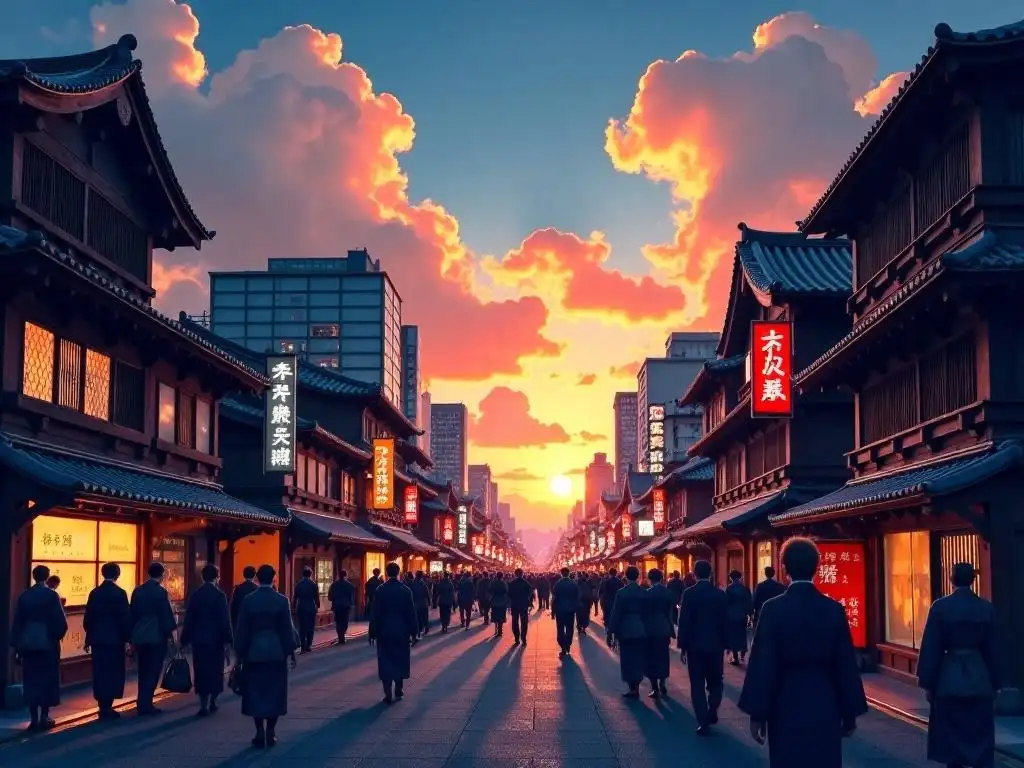
Reflection on the Historical Journey
The journey of Japan's interaction with Western science and technology is one marked by profound transformation and adaptation. Beginning in the mid-19th century, during the Meiji Restoration, Japan witnessed an unprecedented influx of Western knowledge. The adoption of Western technologies was not merely a passive acceptance; it was a strategic endeavor to modernize and strengthen the nation.
In the realm of education, Japan established various institutions aimed at assimilating Western scientific principles. Notably, the Tokyo University of Science, founded in 1877, emerged as a key player in this educational reform, integrating Western methodologies and fostering innovation. As a result, Japan began to produce a new generation of scientists and engineers who would contribute significantly to both domestic advancements and international collaborations.
Moreover, Japan's industrialization during this period was heavily influenced by Western practices. The introduction of steam engines, telegraph systems, and modern military technology revolutionized the country's infrastructure, enhancing its global standing. This transition is exemplified by the establishment of the first railway line in Japan in 1872, which symbolized the shift towards modernization and connectivity.
The cultural implications of this interaction were equally significant. While embracing Western science and technology, Japan sought to preserve its unique cultural identity. The balance between modernization and tradition is evident in the way Western practices were adapted rather than wholly adopted. This duality has shaped Japan's contemporary society, where traditional values coexist harmoniously with advanced technological practices.
Implications for Future Japan-West Interactions
The historical interaction between Japan and Western science and technology has set the stage for ongoing relationships in various fields. As globalization continues to reshape the dynamics of international relations, understanding the legacy of these interactions is crucial for future collaborations.
- Educational Collaborations
- The establishment of joint academic programs and research initiatives between Japanese and Western institutions can foster innovation and cross-cultural exchange. Programs focusing on emerging technologies, such as artificial intelligence and renewable energy, can benefit from shared expertise and resources.
- Technological Advancements
- Japan is positioned as a leader in various technological sectors, including robotics and electronics. Future collaborations with Western nations can further amplify these advancements, creating opportunities for joint ventures that leverage each other's strengths.
- Cultural Exchange
- The historical journey of Japan's adaptation of Western science and technology underscores the importance of cultural sensitivity in future interactions. Acknowledging and respecting cultural differences will be essential for fostering mutual understanding and cooperation.
- Policy Development
- Policymakers in Japan and Western nations can learn from past experiences to formulate strategies that promote sustainable technological growth. Emphasizing ethical considerations in technology development, particularly regarding privacy and security, will be vital as both regions navigate complex global challenges.
The impact of Western science and technology on Japan has been profound and multifaceted, shaping not only the country's modernization but also its approach to future interactions with the West. Recognizing this historical context provides valuable insights into how Japan can continue to engage with global partners in a manner that honors its past while embracing the future.
Additional Resources
Recommended Readings on Japan's Interaction with Western Science
To gain a deeper understanding of Japan's response to Western science and technology, the following books and resources are highly recommended:
-
"Japan and the West: The Perception of the West in Japanese Literature"
This book explores how Western science and technology were perceived through the lens of Japanese literature. It provides insights into the cultural exchanges and adaptations that occurred during the feudal era.
-
"The Making of Modern Japan" by John W. Dower
Dower's comprehensive work offers a detailed narrative of Japan's modernization process, including the critical impact of Western science and technology on Japanese society.
-
"Inventing Japan: 1853-1964" by Ian Buruma
This book examines the transformative period in Japan's history when Western influences reshaped its identity, focusing on advancements in science and technology.
-
"Japan's Encounter with Modernity" by David G. Goodman
Goodman analyzes the societal and cultural shifts that occurred as Japan engaged with Western scientific thought, providing a nuanced perspective on the impact of technology.
-
"The Science of Japan: Its Development and Impact"
This resource details the evolution of scientific practices in Japan and the profound influence of Western methodologies, offering a broad overview suitable for both scholars and enthusiasts.
Academic Journals and Articles on Japan's Modernization and Western Influence
For those interested in scholarly analysis and research findings, consider the following academic journals and articles:
-
"The Journal of Asian Studies"
This journal frequently publishes articles that delve into Japan's interactions with Western science and technology, providing critical insights and analyses from various academic perspectives.
-
"Modern Asian Studies"
Focused on the modern history of Asia, this journal includes studies on Japan's adoption of Western technologies and practices, offering a comprehensive view of the modernization process.
-
"Journal of Japanese Studies"
This peer-reviewed journal covers a wide range of topics, including the impact of Western science on Japanese culture and society, featuring in-depth articles by leading scholars in the field.
-
"Science and Society in Modern Japan"
A collection of articles that discuss the relationship between scientific development and societal changes in Japan, providing context for understanding the broader implications of Western influences.
-
"The Impact of Western Science on Japanese Education"
This article investigates the introduction of Western scientific thought in Japanese educational systems, highlighting the long-term effects on Japan's intellectual landscape.
By exploring these recommended readings and academic journals, readers can gain a comprehensive understanding of how Western science and technology impacted Japan during its feudal era, enriching their knowledge of this pivotal period in history.
Frequently Asked Questions
What was Japan's initial reaction to Western science and technology?
Japan's initial reaction involved a mix of curiosity and skepticism. The country was wary of foreign influences but recognized the potential benefits of adopting Western advancements.
How did the Meiji Restoration influence Japan's approach to Western technology?
The Meiji Restoration marked a significant turning point, as Japan actively sought to modernize by adopting Western scientific methods and technologies, leading to rapid industrial growth.
What were some key areas where Western technology impacted Japan?
Western technology significantly impacted transportation, communication, and military advancements. Innovations such as railways and telegraphs transformed Japan's infrastructure and connectivity.
How did Japan balance traditional culture with Western influences?
Japan maintained a delicate balance by integrating Western technologies while preserving traditional customs. This approach allowed for a unique synthesis of modernity and heritage.
What long-term effects did Western science have on Japanese society?
The long-term effects included a shift towards industrialization, significant educational reforms, and a broader acceptance of scientific inquiry, fundamentally changing Japan's societal structure and global standing.
Final Reflection: Embracing the Fusion of Tradition and Innovation
Japan's historical response to Western science and technology has shaped its identity and progress in profound ways. Today, as we navigate an increasingly interconnected world, the lessons from Japan's journey remind us of the importance of adaptability and cultural resilience. The ability to integrate foreign ideas while preserving one's unique heritage is not just a historical lesson; it is a vital strategy for contemporary societies facing rapid technological change.
The impact of Japan's embrace of Western science and technology is evident in its cultural and social landscape, where tradition meets modernity. This fusion has not only propelled Japan to the forefront of technological advancement but also enriched its cultural expressions, making it a global leader in innovation. As noted by historian David J. Lu, “Japan has shown that it is possible to adopt foreign ideas while maintaining a distinct cultural identity.” This ongoing dialogue between the old and the new continues to inspire nations worldwide, encouraging them to find their own balance between embracing change and honoring tradition.
As we reflect on Japan's remarkable journey, let us consider how we can apply these lessons in our own lives. How can we embrace new ideas and technologies while staying true to our values and heritage? I invite you to explore this balance in your personal and professional endeavors, fostering a mindset that welcomes innovation without losing sight of what makes you unique. In doing so, we can all contribute to a future where diverse cultures thrive alongside technological advancement, creating a richer, more harmonious world.
Embrace the Wisdom of History—Take Action Today!
Thank you for diving deep into Japan's fascinating journey in response to Western science and technology! By exploring this historical overview, you've gained valuable insights into how cultural exchange shapes innovation. Now it’s time to put that knowledge into action!
Here’s how you can deepen your understanding and connect with this rich history:
- Join an online forum or community dedicated to the study of Japanese history, where you can share your thoughts and engage with like-minded enthusiasts.
- Explore modern interpretations of Japan’s adaptation to Western influences through books and documentaries, examining how these historical lessons remain relevant today.
- Visit a local library or museum—either virtually or in person—to discover exhibitions and literature about Japan's historical transformation and its impact on contemporary global dynamics.
What new perspectives on cultural exchange will you explore next, and how do you think they influence our world today?