
The Symbolism of Masks in Japanese Festivals: A Deep Dive into Cultural Significance

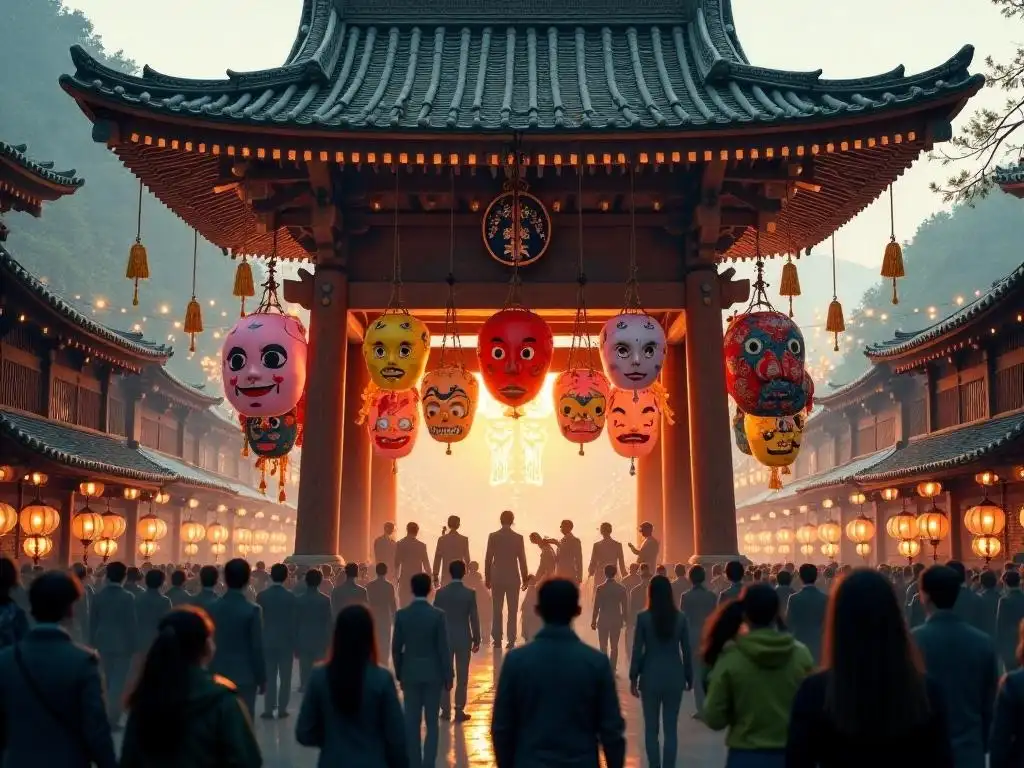
Welcome to Feudal Japan History, where we invite you to embark on an extraordinary journey through the captivating world of Japan’s feudal era. Our in-depth articles unveil the intricate tapestry of historical, cultural, and societal nuances that shaped this fascinating period. Today, we dive deep into the symbolism of Japanese festival masks—objects rich with meaning and tradition, each telling a story that transcends time. What secrets lie behind these stunning creations? Prepare to uncover the mysteries and significance of these masks, and let your curiosity guide you through the vibrant cultural heritage of Japan.
Introduction to Japanese Festival Mask Symbolism
The use of masks in Japanese festivals is not merely a decorative element; it serves as a profound symbol that intertwines history, culture, and spirituality. These masks, often vibrant and intricately designed, encapsulate centuries of traditions and beliefs that reflect the essence of Japan's rich cultural heritage.
From the dramatic performances of Noh and Kabuki to the lively celebrations of local Matsuri, masks play a crucial role in evoking emotions, representing deities, and establishing connections between the physical and spiritual realms. This article will explore the multifaceted symbolism of Japanese festival masks, examining their historical context, cultural significance, and the evolution of their designs throughout Japan's feudal era.
Overview of Masks in Japanese Culture
In Japanese culture, masks have been utilized in various contexts, each carrying distinct meanings and purposes. They serve as representations of gods, spirits, and mythical creatures, often aimed at warding off evil or inviting good fortune. The aesthetic appeal of these masks is matched by their narrative power; they tell stories of the past, embodying the values and beliefs of the communities that create them.
- Types of Masks:
- Noh Masks: Traditionally used in Noh theater, these masks represent a range of emotions and characters, from the serene to the vengeful.
- Kabuki Masks: More colorful and exaggerated than Noh masks, Kabuki masks enhance the theatricality of performances.
- Matsuri Masks: Commonly seen in festivals, these masks often depict animals, gods, or historical figures, adding vibrancy and spirit to celebrations.
Importance of Festivals in Feudal Japan
Festivals in feudal Japan were pivotal in community life, serving as occasions for worship, socialization, and the reinforcement of cultural identity. They were deeply rooted in agricultural practices and seasonal changes, often marking planting and harvest times. Festivals allowed communities to come together, fostering a sense of unity and belonging.
- Cultural Functions:
- Ritualistic Practices: Many festivals involved rituals aimed at appeasing deities and ensuring prosperity.
- Social Cohesion: Festivals provided a platform for social interaction, strengthening community ties among participants.
- Artistic Expression: These events showcased traditional arts, including music, dance, and, notably, mask-making.
Historical Context of Japanese Festival Masks
Origins of Mask Usage in Japanese Festivals
The origins of mask usage in Japanese festivals can be traced back to ancient religious practices, where masks were believed to embody spirits and deities. Initially, these masks were made from natural materials like wood and cloth, reflecting the local environment and beliefs. Over time, they evolved into complex works of art, symbolizing various themes within the cultural and spiritual landscape of Japan.
- Shinto Influence: Shinto, the indigenous spirituality of Japan, played a significant role in the development of mask traditions. Masks were used in rituals to invoke the presence of kami (gods) during festivals, establishing a sacred connection between the divine and the earthly.
- Folklore and Mythology: Many masks depict characters from Japanese folklore and mythology, serving as a means to tell stories and preserve cultural narratives.
Evolution of Mask Designs and Materials
As Japanese society progressed from the Heian period to the Edo period, the design and materials used in masks underwent significant transformations. The introduction of new techniques and artistic styles contributed to the diversity of masks available for festivals.
- Material Changes:
- Wood: Traditionally favored for its durability and ease of carving.
- Paper and Cloth: Became popular due to their versatility and vibrant coloring possibilities.
- Ceramic: Utilized for certain ceremonial masks, providing a unique aesthetic.
- Artistic Evolution:
- Regional Variations: Different regions developed their own styles, leading to a rich tapestry of mask designs reflective of local culture.
- Modern Influences: Contemporary artists continue to experiment with mask designs, blending traditional techniques with modern aesthetics while retaining their cultural significance.
The symbolism of masks in Japanese festivals is a profound reflection of the country's cultural history, deeply intertwined with its spiritual beliefs and community practices. Understanding this symbolism enriches our appreciation for the artistry and significance of these masks, as well as the festivals that celebrate them.
Types of Japanese Festival Masks
Japanese festival masks showcase a rich tapestry of cultural expression, history, and artistry. These masks are not just decorative items; they serve as powerful symbols that convey deep meanings and narratives tied to Japan's traditions. The variety of masks used in festivals can be broadly categorized into traditional masks, regional variations, and contemporary interpretations.
Traditional Masks: Noh and Kabuki
Traditional masks play a pivotal role in Japan's performing arts, particularly in Noh and Kabuki theater.
- Noh Masks: These masks are meticulously crafted and often represent specific characters, such as gods, demons, or historical figures. Each mask has a distinct expression that conveys a range of emotions, allowing actors to portray complex narratives through subtle movements. The craftsmanship involved in creating Noh masks is intricate, often requiring years of training for artisans. The use of natural materials like wood and lacquer adds to their authenticity and spiritual significance.
- Kabuki Masks: While less commonly used than in Noh, masks in Kabuki serve dramatic purposes. They typically emphasize exaggerated facial expressions and are utilized during specific performances to enhance the storytelling. Unlike Noh masks, Kabuki employs a more vibrant array of colors and designs, reflecting the dynamic and theatrical nature of the art form.
Both Noh and Kabuki masks are integral to the performances, allowing audiences to connect with the stories being told on a deeper level.
Regional Variations in Festival Masks
Japanese festival masks vary significantly across regions, each reflecting local customs, beliefs, and artistic styles.
- Oni Masks: Common in many festivals, these demon-like masks symbolize the warding off of evil spirits. They are often brightly colored, with exaggerated features, and are used during celebrations like Setsubun, where participants throw beans to drive away misfortune.
- Hō-ō (Phoenix) Masks: Found in the Kumamoto region, these masks represent the mythical phoenix and are often used during the Kumamoto Castle Festival. The vibrant colors and detailed designs embody the region's rich history and cultural pride.
- Kappa Masks: In areas known for river mythology, such as the Kanto region, masks depicting Kappa (water creatures) are prevalent. These masks are often featured in festivals to celebrate local water deities and to promote environmental awareness.
Understanding these regional variations enriches the appreciation of Japanese festival mask symbolism, highlighting the diverse cultural landscape of Japan.
Contemporary Interpretations of Traditional Masks
As Japanese society evolves, so too do the interpretations of traditional masks. Contemporary artists and performers are reimagining classic designs to reflect modern themes and issues.
- Fusion of Styles: Many artists blend traditional motifs with modern aesthetics, creating masks that resonate with younger generations. This fusion can be seen in festivals where traditional masks are paired with contemporary clothing and music, making them more relatable.
- Social Commentary: Some modern interpretations of masks serve as commentary on societal issues, such as environmental concerns or cultural identity. Artists use masks as a medium to provoke thought and discussion, demonstrating the masks' relevance in today's world.
- Interactive Art: Festivals now often feature interactive installations where attendees can wear or interact with masks. This engagement not only revitalizes interest in traditional masks but also fosters a deeper connection between the audience and the cultural heritage they represent.
Cultural Significance of Masks in Festivals
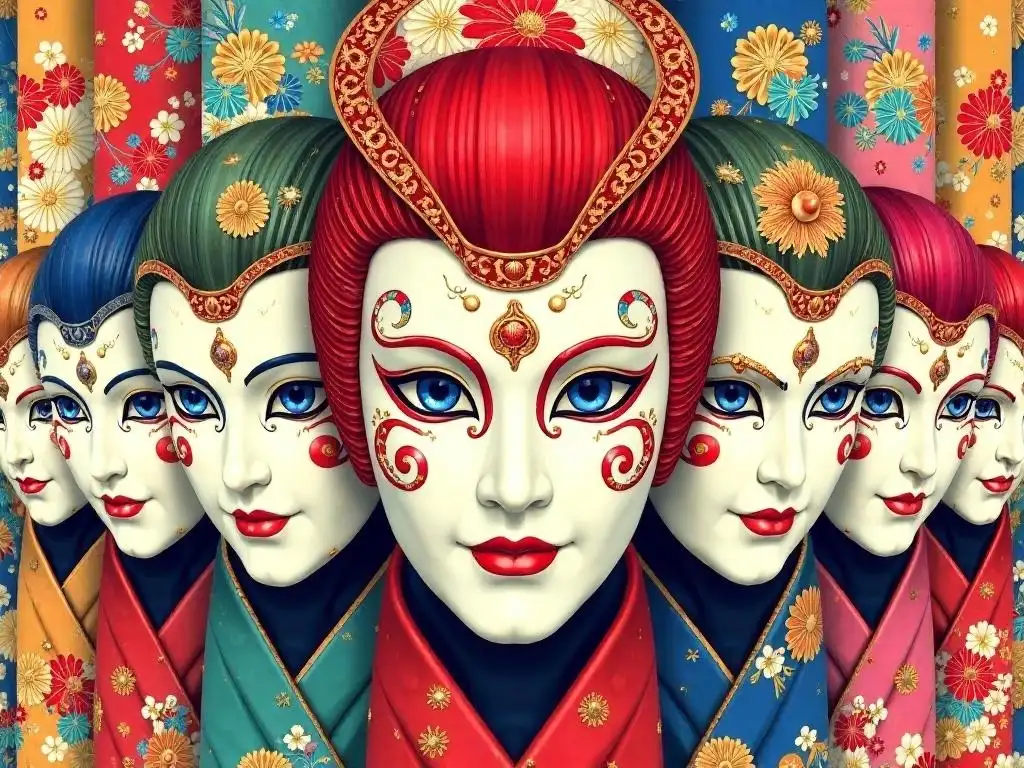
Masks in Japanese festivals carry profound cultural significance, embodying beliefs, traditions, and collective memories. They serve as a bridge between the physical and spiritual worlds, highlighting the integral role of masks in the cultural narrative of Japan.
Masks as Spiritual Symbols in Japanese Traditions
In Japanese culture, masks are often seen as spiritual conduits. They embody the essence of deities, spirits, and ancestral figures, enabling the wearer to channel these entities during festivals.
- Spiritual Protection: Masks are believed to possess protective qualities, warding off malevolent forces. This belief is evident in festivals where participants don masks to invoke blessings and ensure a prosperous year ahead.
- Connection to Ancestry: Many masks are crafted to honor ancestors and cultural heroes, serving as a reminder of the values and traditions passed down through generations. This connection to ancestry reinforces communal identity and continuity.
The Role of Masks in Rituals and Ceremonies
Masks hold a crucial place in various rituals and ceremonies throughout Japan, facilitating communication with the divine and the spirit realm.
- Ritualistic Dance: In many festivals, masked dances are performed as part of rituals to invite blessings. These dances often tell stories of creation, harvest, or seasonal changes, emphasizing the harmony between humans and nature.
- Ceremonial Significance: Masks are central to ceremonies such as weddings and rites of passage. They symbolize transformation and the transition between different life stages, marking important milestones within the community.
Representation of Deities and Spirits through Masks
Masks often serve as representations of specific deities and spirits, embodying their characteristics and stories.
- Gods and Goddesses: Many masks depict Shinto deities, facilitating worship and reverence during festivals. For instance, the use of masks representing Inari, the rice deity, is common during harvest festivals, symbolizing gratitude and abundance.
- Spiritual Figures: Masks also represent various spiritual figures and mythical creatures, allowing participants to connect with these entities during festivities. This connection enriches the spiritual experience, fostering a sense of community and shared belief.
The symbolism of masks in Japanese festivals is a captivating blend of tradition, spirituality, and cultural expression. By understanding the various types of masks and their significance, one can appreciate the depth of meaning they hold in Japan's rich cultural heritage.
The Aesthetic and Artistic Aspects of Japanese Festival Masks
Japanese festival masks are not only functional but also serve as remarkable pieces of art that reflect the cultural heritage and aesthetic values of Japan. They are often characterized by their vivid colors, intricate designs, and expressive features that convey a range of emotions and narratives. The artistry involved in mask-making is deeply rooted in tradition, with craftsmen dedicating years to perfecting their skills. Each mask is a reflection of the culture it represents, often incorporating themes from mythology, spirituality, and social commentary.
The aesthetic appeal of these masks is further enhanced by the materials used in their creation. Traditional masks are crafted from wood, papier-mâché, or clay, each influencing the texture and visual impact. The finishing techniques, such as painting and lacquer application, play a significant role in the overall appearance, often resulting in a glossy, vibrant surface that catches the eye. The combination of craftsmanship, material, and design creates a sensory experience that connects viewers to the historical and cultural narratives of Japan.
Craftsmanship and Techniques in Mask-Making
The craftsmanship behind Japanese festival masks is a meticulous process that combines various traditional techniques passed down through generations. Artisans often begin with a base form, typically carved from wood or molded from clay. This foundational step requires a deep understanding of the material properties and the ability to translate artistic visions into tangible forms.
Once the base is created, artisans manipulate the surface using tools to add details such as facial features, textures, and expressions. Techniques such as painting, gilding, and varnishing are employed to enhance the visual appeal and durability of the masks. For instance, the use of natural pigments allows for vibrant colors that remain true over time.
Moreover, certain festivals may dictate specific styles or themes, prompting craftsmen to innovate while adhering to traditional standards. This blend of creativity and respect for heritage is what makes Japanese mask-making a unique art form, celebrated not only for its aesthetic qualities but also for its cultural significance.
Iconic Designs and Their Meanings
Japanese festival masks feature a variety of iconic designs, each imbued with specific meanings and cultural significance. Among the most recognized are the Tengu masks, which represent a mythical creature known for its supernatural powers and protective qualities. Tengu masks are often characterized by exaggerated features, such as long noses and red faces, symbolizing strength and vigilance.
Another significant design is the Hannya mask, which embodies the complex emotions of jealousy and rage. This mask, typically used in Noh theater, features a demonic female face with sharp horns and a twisted expression, illustrating the psychological depth of the character it represents.
Additionally, the Kitsune mask symbolizes the fox spirit, often associated with fertility and agriculture. Its playful and cunning expression reflects the dual nature of the Kitsune as both a protector and a trickster. These designs resonate deeply within the cultural fabric of Japan, serving as powerful symbols in festivals and performances, each telling a story that connects the audience to their heritage.
The Influence of Nature and Folklore on Mask Artistry
Nature and folklore play pivotal roles in shaping the artistry of Japanese festival masks. Many masks draw inspiration from the natural world, incorporating elements such as animals, plants, and celestial bodies. This connection to nature is evident in the designs and themes of masks, which often celebrate the changing seasons and the bounty of the earth.
Folklore, rich with tales of gods, spirits, and mythical creatures, further informs mask artistry. Each mask often represents a character from these stories, encapsulating the essence of the narrative within its design. For example, masks depicting deities or spirits are often adorned with symbols that convey their powers or attributes, serving as a visual reminder of the stories that have shaped Japanese culture.
The interplay between nature and folklore not only enhances the aesthetic appeal of masks but also reinforces their significance in festivals, as they embody the collective memory and beliefs of the community. This relationship highlights the importance of preserving these traditions, ensuring that the artistry continues to thrive and evolve.
The Role of Masks in Japanese Festival Performances
Masks are integral to Japanese festival performances, serving to enhance storytelling and cultural expression. They are not merely decorative items; they embody the characters and themes that are central to the narratives being portrayed. The use of masks allows performers to transcend their individual identities and channel the spirits or personas represented by the masks, creating a powerful connection between the audience and the performance.
In many cases, the masks dictate the style and emotional tone of the performance, influencing everything from movement to vocal delivery. This transformative aspect of masks enriches the overall experience, allowing audiences to engage with the stories on a deeper level.
Masks in Noh Theater: Storytelling through Symbolism
Noh theater, one of Japan's oldest performing arts, relies heavily on the symbolism of masks to convey complex narratives and emotions. Each mask used in Noh is crafted to represent specific characters, such as gods, spirits, or historical figures, and is imbued with deep symbolic meaning. The subtlety of expression in Noh masks allows for a wide range of emotions to be conveyed through minimal movement.
The interplay between the performer’s body language and the mask’s features enhances the storytelling, often requiring the audience to engage in interpretation. This layered approach to performance highlights the importance of masks in Noh theater, where every detail contributes to the overall narrative, creating an immersive experience that resonates with cultural and spiritual themes.
Kabuki Masks: Bold Expressions and Cultural Narratives
In contrast to the subtlety of Noh masks, Kabuki theater employs masks that are bold and expressive, designed to capture the attention of the audience. Kabuki masks often feature exaggerated facial expressions, vibrant colors, and intricate designs that embody the characters’ emotions and traits. The dynamic nature of Kabuki performances allows for a more flamboyant interpretation, with masks enhancing the theatricality of the narrative.
Kabuki masks also serve to represent various archetypes and social classes, with each design reflecting the character's role within the story. The allure of Kabuki lies in its ability to engage audiences through visual spectacle, and masks play a crucial role in this, providing a visual shorthand for the characters’ personalities and motivations.
The Function of Masks in Community Festivals
In community festivals, masks serve a multifaceted purpose that extends beyond mere decoration. They are often used in rituals and performances that celebrate cultural heritage, seasonal changes, and communal identity. Masks in these settings can symbolize protection, fertility, or prosperity, connecting the community to their ancestral beliefs and practices.
During festivals, mask-wearers often engage in dances and processions that invite participation from the audience, fostering a sense of unity and shared experience. The joyous atmosphere created by the presence of vibrant masks encourages community bonding and cultural pride, as participants and spectators alike celebrate their collective identity.
Furthermore, the educational aspect of masks in festivals cannot be overlooked; they provide younger generations with a tangible link to their cultural history, promoting the importance of traditions and the stories behind them. This role of masks as both a celebratory and educational tool underscores their significance in maintaining the cultural fabric of Japanese society.
Case Studies of Notable Japanese Festivals Featuring Masks
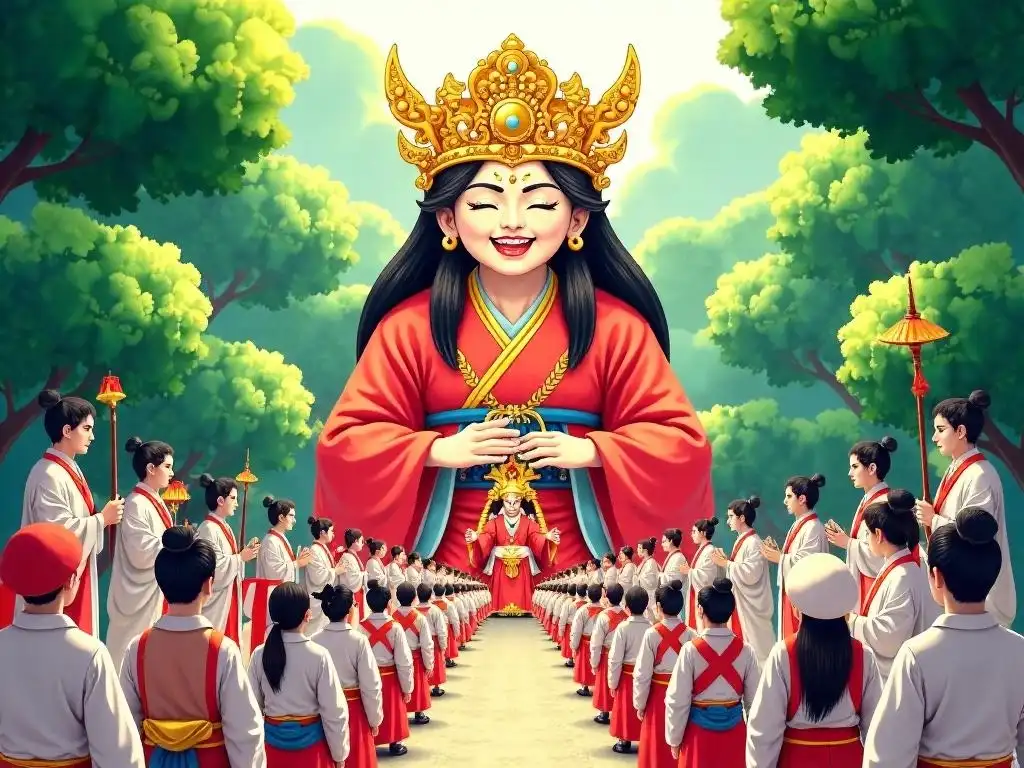
Japanese festivals, or matsuri, are rich in cultural significance, often incorporating masks that embody various aspects of history, mythology, and community identity. Through the lens of notable festivals, we can explore the deep-rooted symbolism behind these masks, shedding light on their role in the celebration of Japanese culture.
The Awa Odori Festival: Mask Significance and Dance
The Awa Odori Festival, held annually in Tokushima Prefecture during the Obon season, is renowned for its vibrant dance and lively atmosphere. Participants, known as "ren," often don traditional costumes and occasionally incorporate masks that represent various characters, including spirits and historical figures.
The masks used in the Awa Odori serve several purposes:
- Cultural Representation: They symbolize the connection to the region's history and folklore, allowing dancers to embody the spirits of their ancestors.
- Entertainment and Engagement: Masks enhance the visual spectacle of the dance, captivating audiences and encouraging communal participation.
- Spiritual Significance: The act of wearing masks is believed to invite good fortune and ward off evil spirits, aligning with the festival's themes of remembrance and celebration of life.
The rhythmic dances, accompanied by traditional music, transform the streets into a lively tapestry of movement and color, with masks adding an essential layer of cultural depth.
The Gion Matsuri: Symbolism of Masks in Kyoto’s Celebrations
Gion Matsuri, one of Japan's most famous festivals, takes place in Kyoto and spans the entire month of July. While the festival is primarily known for its stunning floats, masks also play a crucial role in the celebrations.
During Gion Matsuri, masks often depict:
- Deities and Protectors: Masks representing gods or protective spirits are worn to invoke blessings and ensure the safety of the community.
- Historical Characters: Some masks depict figures from Kyoto's rich history, serving as reminders of the city’s cultural heritage and the stories that define it.
- Seasonal Themes: Masks are sometimes designed to reflect seasonal elements, celebrating the beauty of nature and the changing environment.
The use of masks in Gion Matsuri not only enhances the visual storytelling of the festival but also deepens the connection between the participants and their cultural roots, fostering a sense of belonging and identity.
The Oni Matsuri: Masks and Their Mythological Associations
The Oni Matsuri, or "Demon Festival," is celebrated in various regions of Japan, particularly in Shinto traditions. Masks in this festival are predominantly crafted to represent oni, mythological demons that are often portrayed as fearsome and mischievous creatures.
The symbolism of oni masks includes:
- Duality of Nature: Oni masks embody both the destructive and protective aspects of these mythological beings. While they are feared, oni are also believed to drive away evil spirits and bring good luck.
- Ritualistic Functions: Wearing an oni mask during the festival serves to connect participants with the supernatural, emphasizing the belief in the spiritual realm's influence over the physical world.
- Community Engagement: The playful nature of the masks encourages participation among festival-goers, breaking barriers and building a communal spirit as people engage with the festival's themes of good versus evil.
The Oni Matsuri acts as a vibrant expression of Japanese mythology, with masks being a crucial element that brings these ancient stories to life.
Conclusion
Recap of Japanese Festival Mask Symbolism
The exploration of masks within notable Japanese festivals reveals a rich tapestry of symbolism that is deeply interwoven with cultural, historical, and spiritual aspects of society. Whether in the Awa Odori's celebratory dances, the Gion Matsuri's historical reflections, or the mythological themes of the Oni Matsuri, masks serve as powerful representations of identity, community, and tradition.
The Ongoing Relevance of Masks in Modern Japanese Culture
In contemporary Japan, the relevance of festival masks endures, as they continue to play a vital role in community celebrations. Modern interpretations of traditional masks can be seen in various art forms, fashion, and even popular culture. This ongoing relevance highlights how deeply ingrained these symbols are in the Japanese cultural psyche, facilitating a dialogue between past and present.
Future Perspectives on Japanese Festival Masks
As Japan continues to evolve in the face of globalization, the future of festival masks may see innovative reinterpretations. Artists and cultural practitioners are likely to experiment with new materials and designs, blending traditional symbolism with contemporary aesthetics. This evolution will not only preserve the essence of Japanese festival mask symbolism but also ensure its adaptability and resonance with future generations.
References
The exploration of Japanese festival masks and their symbolism draws from a rich tapestry of historical and cultural resources. This section provides a compilation of suggested readings and academic sources that delve deeper into the themes and meanings of masks within the context of Japanese festivals.
Suggested Readings on Japanese Festival Traditions
-
"Shinto: The Kami Way" by Sokyo Ono
This book offers insights into the Shinto beliefs that often underpin many Japanese festivals, providing context for the role of masks in ritual practices.
-
"The Japanese Festival: A Cultural Approach" by Yoko Saito
This text examines the various aspects of Japanese festivals, including the significance of masks, in an accessible format suitable for both enthusiasts and scholars.
-
"Japan's Festivals: A Cultural History" by James M. Koller
A comprehensive overview of the most prominent festivals in Japan, this book highlights the unique customs and traditions, including mask usage.
-
"The Art of Japanese Festivals" by Hiroshi Tanaka
An in-depth exploration of the artistry involved in festival preparations, including mask-making and their symbolic meanings in festivities across different regions of Japan.
-
"Masks in Japanese Culture: From Noh to Festivals" by Akiko Nakamura
This publication focuses specifically on the evolution of masks in Japan, tracing their journey from classical Noh theater to contemporary festival contexts.
Academic Sources on Mask Symbolism in Cultural History
-
"Masks and Performance in Japanese Noh Theatre" by David G. Smith
An academic exploration of the Noh theater, this work discusses the deep symbolic meanings behind the masks used in performances, linking them to broader cultural practices.
-
"The Masks of Japan: A Study in Cultural Significance" by Emiko Matsumoto
This research article provides an analytical framework for understanding the various symbols represented by masks in Japanese culture, particularly in festival settings.
-
"Cultural Hybridity and Mask Usage in Japanese Festivals" by Haruto Yamashita
This paper examines the intersection of traditional and modern influences on mask symbolism in festivals, showcasing how cultural exchanges shape contemporary practices.
-
"Rituals and Representations: The Role of Masks in Japanese Festivals" by Kaori Fujita
A scholarly article that investigates the functionality of masks in rituals, addressing their significance in expressing cultural identity and community values during festivals.
-
"The Semiotics of the Mask: Japanese Contexts and Meanings" by Rina Takahashi
This academic source delves into the semiotic analysis of masks, exploring how they convey complex meanings within the cultural frameworks of Japanese festivals.
These resources provide an excellent foundation for understanding the intricate relationships between masks and their symbolic meanings in Japanese festivals, enriching the appreciation of this vibrant aspect of cultural history.
- Introduction to Japanese Festival Mask Symbolism
- Historical Context of Japanese Festival Masks
- Types of Japanese Festival Masks
- Cultural Significance of Masks in Festivals
- The Aesthetic and Artistic Aspects of Japanese Festival Masks
- The Role of Masks in Japanese Festival Performances
- Case Studies of Notable Japanese Festivals Featuring Masks
- Conclusion
- References
- What is the significance of Japanese festival masks in cultural celebrations?
- How do different regions in Japan influence the design of festival masks?
- What materials are commonly used to create Japanese festival masks?
- Can you explain the role of festival masks in traditional performances?
- Are there specific festivals known for their elaborate mask displays?
Frequently Asked Questions
What is the significance of Japanese festival masks in cultural celebrations?
Japanese festival masks are deeply rooted in spiritual symbolism and are used to represent various deities, spirits, and cultural narratives during festivals.
How do different regions in Japan influence the design of festival masks?
Regional variations lead to unique designs and styles, reflecting local traditions, beliefs, and artistic expressions, which enhance the overall cultural significance of the masks.
What materials are commonly used to create Japanese festival masks?
Japanese festival masks are typically crafted from materials like wood, lacquer, or paper, with each material contributing to the mask's durability and aesthetic appeal.
Can you explain the role of festival masks in traditional performances?
In traditional performances, festival masks are essential for portraying characters and emotions, helping to convey the narrative and enhance the audience's experience.
Are there specific festivals known for their elaborate mask displays?
Yes, festivals such as the Gion Matsuri and Kanda Matsuri are renowned for their elaborate mask displays, showcasing the rich symbolism and artistry associated with Japanese festival masks.
Final Reflection: The Enduring Power of Japanese Festival Mask Symbolism
The exploration of Japanese festival mask symbolism reveals a profound connection between culture and identity, illustrating how these masks serve as vessels of tradition and expression. In today's rapidly globalizing world, where cultural practices often risk dilution, the significance of these masks becomes even more pronounced. They are not merely decorative items; they embody the stories, beliefs, and values of the communities that create and celebrate them. The masks remind us that cultural heritage is a living narrative, continuously evolving yet deeply rooted in history.
Cultural symbols have the power to transcend time and space, influencing our understanding of community and self. The masks worn during Japanese festivals are not just artifacts; they are active participants in the storytelling of a culture. They invite us to engage with the past while shaping our present.
As the renowned Japanese artist Takashi Murakami once said, "> Art is a reflection of the world, and in that reflection, we find our own stories." This sentiment resonates deeply with the role of masks in festivals, as they encapsulate the collective memory and aspirations of a society, encouraging us to reflect on our own identities and connections.
As you ponder the rich tapestry woven by the symbolism of Japanese festival masks, I invite you to consider how cultural expressions shape your own life. Reflect on the symbols that resonate with you and the stories they tell. Let the lessons of these masks inspire you to embrace your heritage, celebrate diversity, and engage with the narratives that define your community. In doing so, you not only honor the past but also contribute to the ongoing dialogue of culture, ensuring that the stories we tell today will continue to inspire future generations.
Unveil the Cultural Magic of Masks!
Thank you for taking the time to explore the fascinating symbolism of masks in Japanese festivals with us! We hope you've gained insightful perspectives on how these intricate, expressive artifacts play a vital role in cultural identity and celebration.
Now, it’s time to take the next step in your journey:
- Dive deeper into your exploration by researching a specific festival and its unique mask traditions. Consider planning a visit to experience the vibrant atmosphere firsthand!
- Share your newfound knowledge with friends or on social media! Highlight your favorite mask and inspire others to appreciate this rich cultural art form.
- Join a community forum or local cultural event related to Japanese traditions to engage with others who share your passion for history and art.
What mask would you choose to represent yourself, and how does it reflect your personal identity?