
Literary Gardens: Symbolism in Japanese Garden Design

Welcome to Feudal Japan History! Here, we invite you to delve into the rich tapestry of Japan’s feudal era, where every leaf and stone tells a story. Our featured article, "Literary Gardens: Symbolism in Japanese Garden Design," offers a profound exploration of the intricate symbolism embedded within these serene landscapes. As you journey through the lush world of Japanese gardens, you'll uncover the hidden meanings that reflect cultural values and historical narratives. Are you ready to discover how nature intertwines with artistry and philosophy? Continue reading to unlock the secrets that lie within these enchanting spaces!
- Introduction to Japanese Garden Symbolism Analysis
- Historical Context of Japanese Garden Design
- Core Elements of Japanese Garden Symbolism
- Symbolic Themes in Japanese Gardens
- Case Studies of Notable Japanese Gardens
- The Role of Literature in Japanese Garden Symbolism
- Modern Interpretations of Japanese Garden Symbolism
- Conclusion: The Enduring Legacy of Japanese Garden Symbolism
- Frequently Asked Questions
- Final Reflection: The Enduring Symbolism of Japanese Gardens
- Cultivate Your Own Literary Garden Experience!
Introduction to Japanese Garden Symbolism Analysis
Japanese gardens are not merely a collection of plants and stones; they are intricate tapestries of symbolism woven into the very fabric of Japan's feudal history. The art of garden design in feudal Japan reflects the cultural, spiritual, and aesthetic values of the time, making them a profound subject for exploration.
This article delves into the symbolism embedded in Japanese garden design, examining how these landscapes served as reflections of the philosophical and literary currents of their era. With a focus on the historical context and the meanings behind various elements, we aim to provide a comprehensive analysis of Japanese garden symbolism that resonates with both history enthusiasts and garden lovers alike.
Overview of Japanese Gardens in Feudal Japan
Japanese gardens during the feudal era were often designed to create a harmonious relationship between nature and human habitation. These gardens were intricate expressions of the philosophies that shaped Japanese culture, including Buddhism, Shintoism, and Taoism.
- Types of Gardens:
- Karesansui (Zen Gardens): These dry landscapes utilize rocks and gravel to represent water and islands, inviting contemplation and meditation.
- Chaniwa (Tea Gardens): Designed for the tea ceremony, these gardens emphasize simplicity and tranquility, promoting a sense of peace.
- Tsukiyama (Hill Gardens): Featuring artificial hills, ponds, and pathways, these gardens symbolize the beauty of nature and offer a miniature landscape experience.
Each type of garden served a different purpose, yet all shared a common thread of symbolic meaning. The careful arrangement of plants, stones, and water elements helped convey deeper messages, such as the impermanence of life and the pursuit of inner peace.
Importance of Symbolism in Garden Design
Symbolism plays a pivotal role in Japanese garden design, as each element is chosen not only for its aesthetic appeal but also for its deeper meanings. Understanding these symbols allows us to appreciate the gardens as reflections of the cultural and philosophical ideologies of feudal Japan.
- Natural Elements:
- Water: Represents purity and the flow of life; often depicted through ponds and streams.
- Rocks: Symbolize stability and permanence; their placement can represent mountains or islands.
- Plants: Each plant holds its own significance; for instance, cherry blossoms symbolize the fleeting nature of beauty.
The artistry of Japanese gardens lies in their ability to evoke emotional responses and reflections on life, nature, and existence. They serve as a reminder of the delicate balance between humanity and the natural world, encapsulating the essence of Japanese culture throughout the ages. Understanding the symbolism in garden design not only enriches our appreciation of these spaces but also connects us to the intricate tapestry of Japan's feudal history.
Historical Context of Japanese Garden Design
Japanese gardens have long served as a canvas for artistic expression, reflecting the evolving cultural and philosophical landscape of Japan throughout its feudal era. The genesis of these gardens can be traced back to the Heian period (794-1185), where they were initially designed as private retreats for the aristocracy. Over time, the design principles and symbolic meanings embedded within these gardens became more nuanced, culminating in a rich tapestry that represented the ideals of beauty, nature, and spirituality.
The feudal era, characterized by a rigid class structure and the rise of the samurai, significantly influenced the aesthetics and purposes of Japanese gardens. During this period, gardens transformed from mere ornamental spaces into profound representations of the natural world, embodying various philosophical concepts and cultural beliefs. The interplay between nature and humanity became a central theme, as gardens were designed to evoke specific emotional responses and philosophical reflections.
Evolution of Garden Styles in Japan's Feudal Era
The evolution of garden styles in Japan's feudal era can be categorized into several distinct phases, each reflecting the socio-political climate and cultural influences of the time.
- Heian Period (794-1185):
- Gardens during this time were characterized by their asymmetrical designs, incorporating ponds, islands, and bridges.
- The emphasis was on creating a harmonious relationship with nature, drawing inspiration from Chinese garden styles.
- Symbolism: Ponds represented the ocean, while islands symbolized sacred lands.
- Kamakura Period (1185-1333):
- With the emergence of the samurai class, gardens began to reflect more austere and naturalistic designs.
- The use of rocks and gravel became prominent, symbolizing mountains and rivers.
- Symbolism: The simplicity of design mirrored the warrior ethos, emphasizing discipline and harmony with nature.
- Muromachi Period (1336-1573):
- This era saw the rise of the Zen garden, which focused on minimalist aesthetics and meditation.
- Sand and rock arrangements represented water and landscapes, reinforcing the idea of nature's transience.
- Symbolism: Zen gardens encouraged contemplation, reflecting the Buddhist ideals of impermanence.
- Edo Period (1603-1868):
- Gardens became more elaborate, incorporating various styles, including strolling gardens and tea gardens.
- The interplay of seasonal changes was emphasized, with careful plant selection to ensure year-round beauty.
- Symbolism: The dynamic nature of these gardens depicted the cycle of life and the importance of renewal.
This evolution not only mirrors the aesthetic preferences of the time but also serves as a historical record of the changing values and beliefs within Japanese society.
Influence of Buddhism and Shintoism on Garden Symbolism
The profound impact of Buddhism and Shintoism on Japanese garden symbolism cannot be overstated. Both religions have contributed to the philosophical underpinnings that shape the design and interpretation of gardens.
- Buddhism:
- Transience and Impermanence: Buddhist teachings emphasize the impermanence of life, which is reflected in the design of gardens. The use of seasonal plants and the arrangement of stones symbolize the ever-changing nature of existence.
- Meditative Spaces: Gardens are often designed as places for meditation and reflection. The layout encourages mindfulness, inviting visitors to engage with the space in a contemplative manner.
- Shintoism:
- Nature Reverence: Shintoism emphasizes the sacredness of nature, leading to designs that integrate natural elements as representations of kami (spirits).
- Symbolic Elements: Features such as torii gates and water basins symbolize the transition to sacred spaces, reinforcing the connection between the physical and spiritual realms.
The interplay between Buddhism and Shintoism has enriched Japanese garden design, infusing it with layers of meaning that continue to resonate today. The symbolic elements inherent in these gardens serve not only to beautify the landscape but also to reflect the spiritual and philosophical beliefs that have shaped Japanese culture throughout its history.
Core Elements of Japanese Garden Symbolism
Japanese gardens are rich in symbolism, meticulously designed to reflect the natural world and convey deeper philosophical meanings. Each element within these gardens—from the arrangement of rocks to the flowing water features—serves as a representation of various concepts, beliefs, and aesthetic principles. Understanding the core elements of Japanese garden symbolism not only enhances appreciation for their beauty but also deepens insight into the cultural and spiritual values of feudal Japan.
Rocks and Stones: Representations of Mountains and Islands
Rocks and stones are foundational elements in Japanese gardens, often symbolizing mountains and islands, which are central themes in Japanese aesthetics. The careful placement of stones creates a sense of permanence and stability, evoking the enduring nature of the landscape.
- Mountain Symbolism: In many gardens, a cluster of stones may represent a mountain range. The larger stones often signify the tallest peaks, while smaller stones represent foothills. This arrangement reflects the idea of Shakkei, or "borrowed scenery," where the garden appears to extend into the surrounding landscape, creating harmony with nature.
- Island Imagery: In contrast, certain arrangements of stones can depict islands within a sea of gravel or sand. For instance, a large boulder set upon a bed of white gravel can symbolize a lone island, inviting contemplation and representing isolation and tranquility.
Moreover, the use of stones in pathways or as stepping stones reflects the journey of life, encouraging meditation on one’s path and the obstacles that may arise.
Water Features: Symbolism of Purity and Life
Water is an essential component of Japanese garden design, embodying purity, life, and the flow of existence. The inclusion of streams, ponds, and waterfalls serves to create an atmosphere of calm and serenity.
- Purity: In Shinto beliefs, water is seen as a purifying element. Japanese gardens often incorporate water features to symbolize cleansing of the spirit and the purity of the soul. For instance, tsukubai, a stone basin for ritual washing, is often found in tea gardens, inviting visitors to cleanse themselves before partaking in the tea ceremony.
- Life and Renewal: Water also represents life, as it sustains flora and fauna. The movement of water—whether through a gentle stream or a cascading waterfall—symbolizes the passage of time and the cyclical nature of life. The sound of flowing water promotes relaxation and reflection, enhancing the meditative experience within the garden.
- Reflection and Depth: Ponds, often designed to mirror the sky, signify depth and introspection. They encourage visitors to reflect on their thoughts and emotions, creating a serene space for contemplation.
Plants and Flora: The Language of Nature
Plants and flora in Japanese gardens are not merely decorative; they convey a rich symbolism that speaks to the transient beauty of nature and the changing seasons. Each type of plant has its own unique meaning, contributing to the overall narrative of the garden.
- Seasonal Reflection: The careful selection of plants allows gardens to reflect the four seasons. For example, cherry blossoms (sakura) symbolize the fleeting nature of life, celebrating the beauty of impermanence. In contrast, evergreen plants represent endurance and stability through changing seasons.
- Symbolic Flora: Various plants carry specific meanings:
- Bamboo: Represents resilience and flexibility, bending without breaking.
- Pine Trees: Symbolize longevity and steadfastness.
- Maple Trees: Often associated with beauty and the transient nature of life, particularly during autumn when their leaves change color.
- Arrangement and Harmony: The arrangement of plants is also crucial, embodying the principles of Wabi-sabi, which appreciates the beauty in imperfection and the natural cycle of growth and decay. Grouping plants in odd numbers and creating asymmetrical layouts fosters a sense of balance and harmony with nature.
The core elements of Japanese garden symbolism—rocks, water, and flora—intertwine to create a space that invites reflection, peace, and a deeper understanding of the natural world. Each element is imbued with meaning, contributing to the rich tapestry of Japan's cultural history and spirituality.
Pathways and Bridges: Journey and Transition
In Japanese garden design, pathways and bridges serve as vital elements that symbolize journey and transition, both in a physical and metaphysical sense. These structures are not merely functional; they embody deeper meanings that resonate with the cultural and spiritual beliefs of feudal Japan.
Pathways are often winding and meandering, guiding visitors through the garden. This design choice reflects the idea of life as a journey, where the destination is not the primary focus, but rather the experiences and discoveries along the way. As individuals walk along these paths, they are encouraged to slow down and appreciate the beauty surrounding them. The act of walking becomes a form of meditation, allowing for introspection and a deeper connection with nature.
- Symbolic Meaning of Pathways:
- Life's Journey: The winding pathways represent the unpredictability of life, emphasizing that one must navigate various experiences.
- Spiritual Transition: Pathways often lead to significant areas within the garden, such as shrines or tea houses, symbolizing spiritual transitions or milestones in one's life.
Bridges, on the other hand, hold their own unique symbolism. Often portrayed as a connection between two distinct areas—land and water, or different realms—bridges signify the crossing from one state of being to another. This concept is rooted in Shinto beliefs, where water is viewed as a purifying element, and crossing a bridge can symbolize a transition into a sacred space or a new phase in life.
- Symbolic Meaning of Bridges:
- Crossing Over: Bridges represent overcoming obstacles and moving from one life stage to another, embodying transformation and renewal.
- Connection: They emphasize the relationship between different elements of the garden, such as the harmony between nature and the constructed environment.
Both pathways and bridges are essential components in Japanese gardens, intricately woven into the broader narrative of Japanese garden symbolism. They invite visitors to reflect on their life journeys while providing a physical and spiritual connection to the garden's serene environment, creating a layered experience that transcends mere aesthetics.
Symbolic Themes in Japanese Gardens
Japanese gardens are not merely visual spectacles; they embody deep philosophical meanings and cultural reflections. The design elements found within these gardens serve as powerful symbols that convey various themes, often rooted in historical, spiritual, and aesthetic philosophies. Below, we delve into the core symbolic themes that define the essence of Japanese garden design.
Harmony with Nature: The Aesthetic Philosophy
One of the central themes in Japanese garden symbolism is the concept of harmony with nature. This aesthetic philosophy emphasizes the importance of creating a seamless relationship between the garden and its surrounding environment. Key elements that illustrate this theme include:
- Natural Materials: The use of stones, wood, and water reflects the natural landscape, promoting a sense of unity. For instance, rocks are often arranged to symbolize mountains, while water features represent rivers or oceans.
- Asymmetry: Unlike Western garden design, which often embraces symmetry, Japanese gardens favor asymmetrical layouts. This reflects the unpredictable beauty of nature, allowing for a more organic feel that encourages contemplation.
- Seasonal Change: Gardens are designed to showcase the changing seasons, with different plants and flowers blooming at various times of the year. This not only enhances visual appeal but also invites visitors to appreciate the cyclical nature of life.
In essence, the aesthetic philosophy of harmony with nature encourages individuals to connect with their surroundings, fostering a deeper appreciation for the beauty of the natural world.
Transience and Impermanence: Understanding Mono no Aware
A significant theme in Japanese garden symbolism is the notion of transience and impermanence, often encapsulated in the concept of mono no aware. This term, which translates to "the pathos of things," signifies an awareness of the ephemeral nature of life. The elements of gardens that illustrate this theme include:
- Cherry Blossoms: Widely recognized as symbols of fleeting beauty, cherry blossoms bloom for a short period each spring. Their rapid lifecycle serves as a poignant reminder of life's impermanence, prompting reflection on the beauty found in transitory moments.
- Fallen Leaves: The practice of allowing leaves to decay naturally in the garden symbolizes acceptance of change and the passage of time. This aligns with the philosophy of mono no aware, emphasizing an appreciation for the beauty inherent in decay.
- Seasonal Displays: Gardens may incorporate features that highlight seasonal transitions, such as moss for summer and bare branches in winter. This dynamic representation of nature's changes encourages visitors to contemplate their own experiences of growth and loss.
Through the lens of mono no aware, Japanese gardens invite contemplation on the transient beauty of life, urging individuals to embrace the present moment fully.
Spiritual Reflection: Gardens as Meditative Spaces
Finally, Japanese gardens are often designed as spaces for spiritual reflection and meditation. They serve as tranquil sanctuaries that allow individuals to escape the chaos of daily life and engage in introspection. Key aspects of this theme include:
- Pathways and Circulation: The carefully crafted paths in Japanese gardens guide visitors through a journey of discovery. These pathways symbolize the journey of life, encouraging a slow and thoughtful approach to navigation.
- Zen Gardens: Also known as karesansui, these dry landscape gardens use gravel, rocks, and minimal vegetation to create a serene environment. The act of raking the gravel symbolizes the flow of water and provides a meditative practice that calms the mind.
- Water Features: Ponds and streams are often incorporated to represent the flow of life and time. The sound of water can evoke a sense of peace and tranquility, further enhancing the spiritual experience within the garden.
Japanese gardens, through their design and symbolism, create spaces that promote inner peace and reflection, allowing individuals to connect with their spiritual selves and the world around them.
The symbolic themes in Japanese gardens—harmony with nature, transience and impermanence, and spiritual reflection—illustrate the profound cultural and philosophical insights embedded in these landscapes. The analysis of Japanese garden symbolism reveals a rich tapestry of meanings that resonate deeply with the human experience, making these gardens not only places of beauty but also spaces for contemplation and connection.
Case Studies of Notable Japanese Gardens
The exploration of Japanese garden symbolism is best understood through case studies of notable gardens that exemplify the intricate relationship between design elements and their deeper meanings. Each garden serves as a canvas where nature and artistry converge, reflecting both aesthetic ideals and cultural philosophies prevalent during the feudal era.
Katsura Imperial Villa: A Study in Symbolism and Design
Katsura Imperial Villa, located in Kyoto, is a quintessential example of Japanese garden symbolism that showcases the harmony between architecture and landscape. This garden is designed to reflect the principles of simplicity and asymmetry, which are hallmarks of Japanese aesthetics.
- Symbolic Features:
- Water Elements: The use of ponds and streams symbolizes the flow of time and the impermanence of life. The carefully designed waterways allow visitors to reflect on the transience of nature.
- Tea Houses: The inclusion of teahouses within the garden signifies the importance of hospitality and the Japanese tea ceremony, which emphasizes mindfulness and a connection to nature.
- Design Philosophy:
- The layout of Katsura is based on the concept of shakkei (borrowed scenery), where distant mountains are framed within the garden, creating a seamless interaction between the garden and its surroundings. This technique not only enhances the beauty of the garden but also imbues it with deeper philosophical meaning, representing the integration of human existence with the natural world.
Ryoan-ji: The Zen Garden and Its Symbolic Meaning
Ryoan-ji, a Zen temple in Kyoto, is renowned for its rock garden, which embodies the essence of Zen philosophy through its minimalist design and symbolic representations. The garden consists of carefully arranged rocks set against a backdrop of raked gravel, inviting contemplation and introspection.
- Symbolic Features:
- Rocks: The arrangement of 15 stones, only 14 of which can be seen at one time from any viewpoint, symbolizes the idea of the unattainable, reflecting the Zen principle that enlightenment cannot be grasped fully.
- Gravel: The raked gravel represents water rippling in a pond, symbolizing clarity and the flow of thoughts, guiding the mind towards tranquility.
- Design Philosophy:
- The simplicity of Ryoan-ji encourages visitors to meditate on the deeper meanings behind each element. The garden's design serves as a metaphor for the journey of self-discovery, inviting individuals to explore their inner selves through the act of contemplation.
Kenroku-en: A Blend of Six Attributes in Garden Design
Kenroku-en, considered one of the three most beautiful gardens in Japan, is located in Kanazawa and exemplifies the harmonious blend of six essential attributes: spaciousness, tranquility, artifice, antiquity, water, and scenic views. Each of these elements contributes to the garden's overall symbolism.
- Symbolic Features:
- Water Features: Ponds and streams within Kenroku-en symbolize life and renewal, providing a habitat for various species and enhancing the garden's biodiversity.
- Stone Lanterns: Scattered throughout the garden, these lanterns represent enlightenment and the guiding light of wisdom, illuminating the path for visitors both physically and metaphorically.
- Design Philosophy:
- Each pathway in Kenroku-en is meticulously designed to encourage exploration and discovery, reflecting the Japanese belief in the journey rather than the destination. The garden’s layout allows for varying perspectives, symbolizing the multifaceted nature of life and the importance of viewing situations from different angles.
By examining these notable gardens, one can gain a deeper understanding of Japanese garden symbolism analysis and appreciate the intricate ways in which design elements convey cultural and philosophical meanings inherent in feudal Japan.
The Role of Literature in Japanese Garden Symbolism
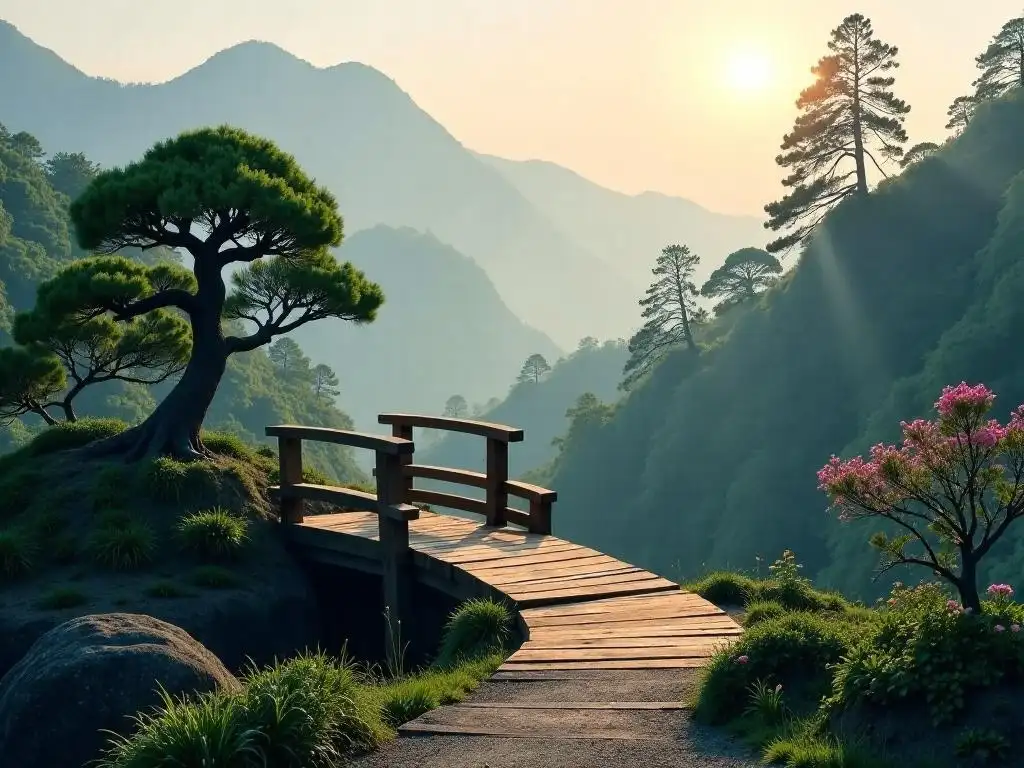
In feudal Japan, literature played a pivotal role in shaping the understanding and interpretation of Japanese garden symbolism. Gardens were not merely physical spaces; they were rich in metaphor and meaning, often reflecting philosophical, spiritual, and aesthetic ideals articulated through various literary forms. This relationship between literature and garden design is a profound aspect of Japanese culture, where every element within a garden—from stones to water features—carries significant symbolism often rooted in literary references.
The integration of literary elements in gardening practices was influenced by classical texts, poetry, and historical narratives. These works often described gardens not just as places of beauty, but as reflections of deeper truths about existence, nature, and the human condition. For instance, the works of poets like Matsuo Bashō and the narratives found in The Tale of Genji highlight the profound connection between the natural world and human emotions, further enriching the symbolic landscape of Japanese gardens.
Literary References to Gardens in Feudal Japan
Japanese gardens have been immortalized in various literary works, which serve as a testament to their cultural importance. Notable references can be found in:
- Classical Poetry: The Manyōshū and Shinkokinshū, anthologies of Japanese poetry, often include verses celebrating the beauty of nature and gardens. These poems frequently depict seasonal changes, such as cherry blossoms in spring, which symbolize the transient nature of life—a concept deeply rooted in Zen philosophy.
- Prose Literature: In The Tale of Genji, gardens are depicted as settings for emotional encounters and pivotal plot developments. The protagonist, Hikaru Genji, navigates love and loss amidst the backdrop of meticulously designed gardens, which symbolize both beauty and the fleeting nature of happiness.
- Zen Buddhist Texts: Zen literature emphasizes simplicity and naturalness, which influence garden design principles. Texts such as The Zen Teachings of Bodhidharma advocate for a harmonious relationship with nature, which is visually represented in the minimalist approach of Zen gardens.
Through these literary references, gardens are seen not only as physical spaces but also as metaphors for life's complexities, humanity's connection to nature, and the pursuit of spiritual enlightenment.
Poetic Imagery: The Interconnection of Nature and Art
The interplay between poetic imagery and garden design in feudal Japan reveals a deep-seated philosophy that intertwines natural beauty with artistic expression. Poets and garden designers alike sought to evoke emotions and provoke thought through their works, creating an immersive experience that resonates with the observer.
- Symbolism of Elements: Water, rocks, and plants are imbued with meanings derived from poetry. For example:
- Water symbolizes purity and the flow of life, often depicted in haiku as a mirror reflecting the cosmos.
- Rocks represent permanence and strength, seen in garden design as anchors that ground the ethereal qualities of plants and water.
- Plants, like the cherry blossom, evoke notions of beauty and the ephemeral nature of existence.
- Artistic Representation: The art of Ikebana (flower arranging) draws heavily from poetic principles, emphasizing harmony, balance, and the beauty of imperfection. This practice aligns with the aesthetic ideals present in garden design, where every arrangement is purposeful and symbolic.
- Seasonal Changes: The representation of seasons in both literature and gardens signifies the cycle of life. Poetic imagery captures the essence of each season, reflecting how gardens transform and evolve, much like human experiences. This cyclical approach underscores the importance of time and change, central themes in both Japanese literature and garden symbolism.
The rich tapestry of literary references and poetic imagery in feudal Japan significantly enhances the analysis of Japanese garden symbolism. The gardens serve as a canvas where literature and nature converge, creating a space that is not only visually stunning but also deeply meaningful, inviting contemplation and reflection on the complexities of life and the beauty of nature.
Modern Interpretations of Japanese Garden Symbolism
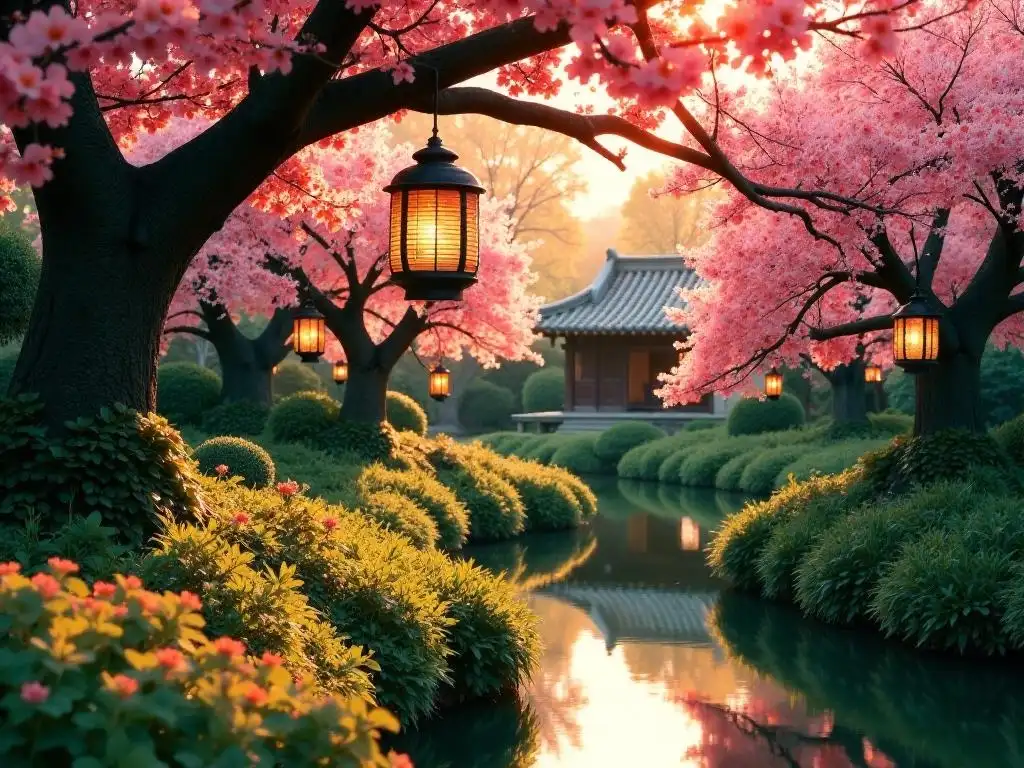
Japanese gardens, with their intricate designs and deeply rooted symbolism, have evolved significantly over time. In the modern era, these gardens serve not only as aesthetic spaces but also as reflections of cultural identity and philosophy. This section delves into how contemporary interpretations of Japanese garden symbolism have emerged, preserving traditional elements while adapting to current sensibilities.
Contemporary Japanese Gardens: Preserving Symbolic Elements
In the realm of contemporary Japanese gardens, there is a strong emphasis on maintaining the symbolic elements that characterize traditional designs while incorporating modern aesthetics. Key symbolic features include:
- Water: Often represented through ponds or streams, water symbolizes purity and tranquility. Modern gardens frequently incorporate reflective surfaces, enhancing the meditative quality of the space.
- Stones: Serving as representations of mountains or islands, stones continue to be integral in modern designs. Designers often select stones with unique textures and colors, creating a dialogue between nature and the constructed environment.
- Plants: The choice of flora is critical, where each plant species symbolizes different virtues. For instance, pine trees represent longevity, while cherry blossoms embody the transient nature of life. Contemporary gardens may use native species to create a sense of place while respecting traditional symbolism.
- Pathways: Curved pathways are designed to guide visitors through the garden, encouraging a journey of reflection and discovery. This aspect of design remains relevant, as contemporary gardens aim to foster a deeper connection between the individual and nature.
Modern interpretations also embrace sustainability, integrating eco-friendly practices while still honoring traditional symbolism. For instance, many contemporary gardens utilize rainwater harvesting systems to nurture plants, reflecting the harmony between human activity and nature.
Global Influence: How Japanese Garden Design Inspires Worldwide
The influence of Japanese garden design extends far beyond its geographical origins, inspiring garden designers and enthusiasts around the globe. The integration of Japanese garden symbolism into international designs showcases a blend of cultural elements, often resulting in unique interpretations and adaptations.
- Minimalism: One of the most significant influences is the minimalist approach inherent in Japanese gardens. This design philosophy promotes simplicity and the idea that less is more, inspiring gardens worldwide to embrace uncluttered spaces that emphasize natural beauty.
- Zen Principles: The concepts of Zen Buddhism, which heavily influence Japanese garden design, have found their way into global landscapes. The incorporation of meditative spaces, rock gardens, and even landscaped rooftops reflects the desire for tranquility and mindfulness in urban settings.
- Cultural Fusion: Many modern gardens worldwide have begun to blend Japanese symbolism with local flora and cultural narratives. For example, a garden in the United States may utilize Japanese lanterns and stone pathways alongside native American plants, creating a dialogue between different cultural heritages.
- Therapeutic Spaces: The recognition of the mental health benefits of gardens has led to the adoption of Japanese principles in therapeutic landscape design. Hospitals and wellness centers increasingly incorporate elements like water features and serene pathways, echoing the calming effects of traditional Japanese gardens.
The global fascination with Japanese garden symbolism analysis not only highlights the gardens' aesthetic appeal but also emphasizes their role in promoting well-being and cultural appreciation across diverse settings. As these gardens continue to evolve, they remain a testament to the enduring legacy of Japan's rich cultural heritage.
Conclusion: The Enduring Legacy of Japanese Garden Symbolism
The intricate designs and profound symbolism embedded in Japanese gardens have played a significant role in shaping the cultural landscape of Feudal Japan. These gardens were not merely aesthetic spaces but were deeply intertwined with the philosophical, spiritual, and literary traditions of the time. The careful placement of rocks, water features, and flora in these gardens served as a reflection of the beliefs and values held by the samurai and other classes in society.
Throughout history, Japanese garden symbolism has been a medium through which the ideals of harmony, tranquility, and nature's beauty were expressed. Each element within the garden embodies meanings that resonate with Zen principles and Shinto beliefs, providing a space for contemplation and reflection. The legacy of these gardens continues to influence contemporary landscape design, illustrating that their significance transcends time and remains relevant in modern discussions about nature and spirituality.
Reflection on the Cultural Significance of Gardens in Feudal Japan
Japanese gardens during the feudal era served not only as places of beauty but as representations of the social order and cultural values of the time. The following aspects highlight their cultural significance:
- Connection to Nature: Gardens were designed to reflect the natural landscape, often incorporating mountains, rivers, and forests. This connection emphasizes the Shinto belief in kami (spirits) residing in natural elements.
- Philosophical Expressions: The Zen influence on garden design encouraged simplicity, asymmetry, and the use of natural materials, embodying the philosophical principles of wabi-sabi, which celebrates imperfection and transience.
- Social Status and Power: For the samurai class, gardens were an extension of their estates, symbolizing their wealth and status. The complexity and design of a garden often reflected the owner's power and sophistication.
- Literary Inspirations: Many gardens were designed to evoke scenes from classical literature, providing a living canvas that inspired poets, writers, and artists. This literary connection further enriched the cultural significance of gardens.
Japanese gardens were profound cultural artifacts that encapsulated the era's aesthetic values, social hierarchies, and philosophical tenets, serving as both a retreat and a reflection of the human experience.
Future Directions in Japanese Garden Symbolism Analysis
As we look toward the future of Japanese garden symbolism analysis, several key areas present opportunities for deeper exploration:
- Cross-Cultural Comparisons: Analyzing Japanese gardens in relation to other cultural garden traditions can provide insights into universal themes of beauty and spirituality. This comparative analysis can help highlight unique aspects of Japanese design while also revealing shared human experiences.
- Contemporary Applications: Investigating how modern Japanese gardens are influenced by historical symbolism can shed light on evolving interpretations of tradition. This includes examining how contemporary designers incorporate or reinterpret traditional elements in urban landscapes.
- Environmental Considerations: With the global emphasis on sustainability, analyzing how traditional garden principles can inform modern ecological practices will be vital. Understanding the balance between aesthetics and environmental health rooted in historical practices can guide future garden designs.
- Technological Integration: The use of technology in garden design, such as virtual reality and augmented reality experiences, offers a new dimension for exploring and experiencing gardens. This integration could lead to innovative ways of interpreting and engaging with Japanese garden symbolism.
The ongoing analysis of Japanese garden symbolism not only preserves the rich heritage of Feudal Japan but also invites contemporary audiences to engage with these cultural artifacts in meaningful ways. As scholars and enthusiasts continue to explore these themes, the enduring legacy of Japanese gardens will undoubtedly inspire future generations.
Frequently Asked Questions
What is the significance of symbolism in Japanese garden design?
Japanese garden design is deeply rooted in symbolism, where every element—from rocks to plants—represents various philosophical and spiritual concepts, reflecting harmony with nature and inner peace.
How do literary themes influence Japanese gardens?
Literary themes often inspire garden designs, as they encapsulate narratives or poetic elements that evoke emotional responses, making the garden a living canvas of cultural storytelling.
What are some common elements found in Japanese gardens?
Common elements include water features, stone paths, and plants like bonsai and moss, each chosen for their symbolic meaning and ability to convey balance and tranquility.
How does the design of a Japanese garden reflect its cultural heritage?
The design of a Japanese garden is a reflection of its cultural heritage, integrating Zen philosophy, aesthetics, and historical influences, which together create a space for meditation and contemplation.
Can anyone create a Japanese garden at home?
Yes, anyone can create a Japanese garden at home by incorporating essential elements and understanding their symbolic significance, allowing for a personal retreat that embodies peace and serenity.
Final Reflection: The Enduring Symbolism of Japanese Gardens
The intricate symbolism woven into Japanese garden design continues to resonate profoundly in our modern world. As we navigate through the complexities of contemporary life, the serene beauty and thoughtful arrangements of these gardens remind us of the importance of harmony, balance, and connection with nature. The lessons embedded in their design are not just relics of the past; they are vital elements that can guide us in our quest for tranquility and reflection in today's fast-paced society.
Cultural and social landscapes are continually shaped by the philosophies that underpin Japanese garden symbolism. From the meticulous placement of stones to the careful selection of plants, every element serves a purpose, inviting us to contemplate our relationship with the environment and ourselves. As the renowned Japanese poet Matsuo Bashō once said, The temple bell stops but I still hear the sound coming out of the flowers.
This quote encapsulates the ongoing influence of these gardens, reminding us that even in silence, nature speaks volumes, urging us to listen and reflect.
As you ponder the themes explored in this article, I invite you to consider how the principles of Japanese garden symbolism can be integrated into your own life. Take a moment to cultivate your personal 'garden'—a space for reflection, growth, and peace. Whether it's through creating a physical space or nurturing a mindset of balance and harmony, let the lessons of Japanese gardens inspire you to find beauty and meaning in the world around you. Embrace the journey of self-discovery and connection, and allow the symbolism of these gardens to guide you toward a more mindful existence.
Cultivate Your Own Literary Garden Experience!
Thank you for taking the time to delve into the enchanting world of Japanese gardens and their rich symbolism. You’ve uncovered unique insights into how these serene spaces reflect deeper narratives. Now, it’s time to bring that inspiration to life!
Here’s how you can start your journey:
- Create your own literary garden: Begin by selecting a small outdoor or indoor space and incorporate elements inspired by your exploration of Japanese garden designs.
- Explore further: Visit a local botanical garden or cultural center that features Japanese gardens to experience their tranquility firsthand.
- Share your journey: Connect with fellow gardening enthusiasts by sharing your ideas or progress on social media platforms or in community forums.
As you express your love for nature and literature, consider how you can intertwine storytelling with your gardening experience to create a unique narrative of growth and beauty.