
The Role of the Merchant Class in Facilitating Japan's Unification


Welcome to Feudal Japan History, where we embark on an intriguing journey through the rich tapestry of Japan’s feudal era. Here, we delve deep into the merchant class influence on Japan, unraveling how these often-overlooked figures played a pivotal role in facilitating the unification of a fragmented nation. As you explore our expert-driven articles, prepare to uncover the hidden power dynamics and cultural shifts that shaped this fascinating period. Join us as we challenge your perceptions and ignite your curiosity about the vibrant history that still resonates today.
Introduction to the Merchant Class in Feudal Japan
The merchant class in feudal Japan played a pivotal role in shaping the socio-economic landscape that ultimately contributed to the unification of the country during the late 16th century. While often relegated to a lower social status compared to samurai and farmers, merchants wielded considerable influence through their economic activities and connections.
Their ability to facilitate trade, finance, and urban growth not only enriched their communities but also fostered relationships across warring factions, thereby creating a more cohesive national identity. This article delves into the multifaceted influence of the merchant class on Japan's unification, exploring their economic power and the unique characteristics that defined them during this transformative period.
Definition and Characteristics of the Merchant Class
In the context of feudal Japan, the merchant class, known as shōnin, comprised individuals and families engaged in trade and commerce. Unlike the samurai, who were bound by a code of honor and military obligations, merchants were primarily motivated by profit. Key characteristics of the merchant class included:
- Adaptability: Merchants were skilled at navigating the complexities of feudal society, often adapting their practices to meet shifting political climates.
- Networking: They formed extensive networks that facilitated trade not only within Japan but also with foreign nations, which was crucial for the exchange of goods and ideas.
- Cultural Influencers: Through their interactions with various classes and cultures, merchants contributed to the spread of new ideas, arts, and technologies, which played a significant role in societal development.
Historical Context of Merchants in Japan's Feudal Era
The emergence of the merchant class can be traced back to the Heian period (794-1185), but it was during the Edo period (1603-1868) that their influence reached its zenith. The following points highlight the evolution of merchants during Japan's feudal era:
- Early Restrictions: Initially, merchants faced restrictions imposed by the ruling samurai class, which viewed them with suspicion and contempt. This led to a hierarchical society where merchants were often seen as mere profit-seekers.
- Rise in Status: As Japan transitioned into a more centralized state under the Tokugawa shogunate, the importance of commerce grew. Merchants began to accumulate wealth, leading to a gradual rise in their social status and influence.
- Economic Catalyst: The need for resources, provisioning of armies, and the establishment of trade routes during periods of conflict highlighted the merchants' role as economic catalysts in the unification process.
The Economic Influence of the Merchant Class on Japan's Unification
The economic activities of the merchant class significantly impacted Japan's unification in several ways. Their roles in trade, urbanization, and the stabilization of political power were crucial to fostering a unified nation.
Trade Networks and Economic Growth
The merchant class established extensive trade networks that connected various regions of Japan. This interconnectedness facilitated economic growth and created a foundation for political alliances. Notable features of their trade networks included:
- Regional Specialization: Different regions began to specialize in certain goods, such as textiles in the Kansai area and rice in the Kanto region, which enhanced interdependence.
- Increased Commerce: The flourishing of markets and the establishment of trade fairs allowed for the exchange of goods and ideas, breaking down regional barriers and unifying the economy.
- Influence on Policy: As merchants grew in wealth and importance, they began to influence local and national policies, advocating for trade-friendly regulations that promoted stability.
The Role of Merchants in Urban Development
Merchants were instrumental in the development of urban centers across Japan. Their contributions to urbanization included:
- Formation of Cities: Major cities like Edo (now Tokyo) and Osaka became thriving hubs of commerce, attracting people from various backgrounds and fostering a shared culture.
- Infrastructure Development: Merchants invested in infrastructure, such as roads and ports, which enhanced trade efficiency and accessibility, further knitting the country together.
- Cultural Exchange: Urban areas became melting pots of culture, where ideas and practices from different regions converged, facilitating a sense of national identity among the population.
How Economic Power Contributed to Political Stability
The growing economic power of the merchant class contributed to the political stability necessary for Japan's unification. Key aspects of this influence included:
- Financing Military Campaigns: Wealthy merchants often financed military ventures, creating alliances with samurai leaders and thereby playing a direct role in the political landscape.
- Supporting Governance: The merchant class provided essential resources and support to emerging leaders, helping them consolidate power and authority.
- Encouraging Peaceful Relations: As trade flourished, there was a vested interest in maintaining peace, leading to negotiations and treaties that furthered the unification process.
The merchant class in feudal Japan was not merely a passive entity; their influence was crucial in facilitating the unification of Japan through economic growth, urban development, and the establishment of stable political relationships. Understanding their role offers a richer perspective on the dynamics of Japan's history and the intricate tapestry of its socio-economic evolution.
The merchant class played a pivotal role in shaping the social fabric of Japan during the feudal era. As trade flourished and cities expanded, merchants began to accumulate wealth, which gradually altered the previously rigid social hierarchy. This shift not only empowered merchants but also influenced the lifestyles and perspectives of the classes that surrounded them.
The Emergence of a New Social Hierarchy
Traditionally, Japanese society was structured around a strict hierarchy dominated by the samurai class, followed by farmers, artisans, and finally, merchants. However, as commerce grew, so did the status of the merchant class. Wealth accumulation allowed merchants to gain influence and power, challenging the established social order. By the late Edo period, some merchants were able to rival the samurai in wealth, leading to a new social hierarchy where economic power began to transcend traditional class distinctions.
This emergence of a new social hierarchy was significant in fostering a sense of urban identity among merchants and their families. They began to invest in cultural and social initiatives, which further bolstered their status. The perception of merchants shifted from mere traders to respected community members, contributing to a more dynamic and fluid social structure.
Cultural Contributions of the Merchant Class
The merchant class significantly influenced Japanese culture, particularly during the Edo period (1603-1868). They were instrumental in the patronage of arts, theater, and literature, which flourished in urban centers. Merchants supported kabuki theater, woodblock printing, and other forms of artistic expression, creating a vibrant cultural scene that reflected the tastes and aspirations of the rising middle class.
Moreover, merchants facilitated the spread of popular culture, including fashion and cuisine, influencing the daily lives of ordinary people. They organized festivals and cultural events, which not only celebrated local traditions but also showcased their economic power and social status. This cultural dynamism contributed to a richer, more diverse Japanese identity during a period of relative peace and stability.
The Influence of Merchants on Education and Literacy
As the merchant class gained prominence, they also became advocates for education and literacy. Recognizing the importance of knowledge for business and trade, merchants established schools and learning institutions, which were often more accessible than those run by the samurai. This commitment to education led to higher literacy rates among urban populations, including women, who previously had limited access to formal education.
The rise of literacy among the merchant class and the general populace fostered a culture of reading and learning. Printed materials, such as books and pamphlets, became widely available, contributing to the spread of ideas and information. This intellectual empowerment played a crucial role in shaping public opinion and facilitating social change, ultimately contributing to Japan's unification efforts.
Political Influence of the Merchant Class in Japan's Unification
The merchant class did not merely influence social and cultural aspects of Japanese life; they also played a significant role in the political landscape during the unification of Japan. Their economic power positioned them as key players in political negotiations, alliances, and conflicts.
Merchants as Mediators in Political Conflicts
Merchants often acted as mediators in political conflicts, leveraging their networks and resources to broker peace and facilitate dialogue among warring factions. Their extensive trade connections allowed them to navigate the complexities of political alliances, making them valuable intermediaries. By fostering communication and cooperation between rival clans, merchants helped to stabilize regions and reduce conflicts, paving the way for eventual unification.
Additionally, merchants were sometimes called upon to provide counsel to local leaders, utilizing their understanding of economic trends and social dynamics. Their insights contributed to more informed decision-making, which was crucial in a period marked by frequent strife and power struggles.
Alliances Between Merchants and Samurai Clans
The relationship between merchants and samurai clans evolved into strategic alliances that benefited both parties. Samurai clans recognized the economic expertise of merchants and often sought their support in resource management, trade negotiations, and tax collection. Conversely, merchants relied on samurai protection to safeguard their businesses and trade routes.
These alliances were particularly evident during the unification efforts of the late 16th century, where prominent merchant families aligned themselves with powerful samurai leaders. This collaboration not only enhanced the military capabilities of samurai clans but also allowed merchants to gain political leverage, further integrating them into the fabric of political power.
The Role of Financial Support in Military Campaigns
Financial support from the merchant class was crucial for the success of military campaigns during Japan's unification. Merchants provided funding for weapons, supplies, and logistics, enabling samurai clans to sustain prolonged conflicts. This financial backing was often exchanged for promises of protection, trade privileges, or political influence.
Moreover, the merchant class's ability to mobilize resources quickly in times of need was a significant advantage for samurai leaders. The economic stability that merchants brought to the regions they operated in allowed for more effective military strategies, ultimately contributing to the consolidation of power and the unification of Japan.
Key Figures in the Merchant Class and Their Contributions

The merchant class played a pivotal role in the unification of Japan during the feudal era, with several key figures emerging as influential leaders. These merchants not only facilitated trade but also acted as intermediaries between various clans and regions, contributing to a more interconnected economy. Their ability to navigate the complexities of the political landscape allowed them to wield significant influence over military leaders and shoguns, ultimately aiding in the centralization of power.
One notable figure was Mitsui Takatoshi, the founder of the Mitsui family business in the 17th century. His establishment of a financial institution laid the groundwork for banking in Japan, fostering economic stability and supporting the unification efforts of the Tokugawa shogunate. Similarly, Yasuda Zenjiro emerged as a key financier whose investments in land and trade ventures bolstered the shogunate's economic power, demonstrating how merchants could influence political outcomes directly.
Notable Merchants and Their Influence on Unification
Several notable merchants left indelible marks on Japan's path to unification. Kikuchi Tadao, for instance, was instrumental in developing trade routes that connected the fragmented regions of Japan. By establishing networks of commerce, he not only increased the flow of goods but also promoted cultural exchange, which was vital in fostering a sense of national identity among the populace.
Another significant merchant was Saito Shirozaemon, who specialized in the silk trade. His enterprise thrived during a time of social upheaval, and through strategic alliances with local daimyōs, he managed to secure favorable trade agreements that furthered the interests of the Tokugawa shogunate. This collaboration between the merchant class and feudal lords exemplified how economic interests could align with political ambitions, creating a mutually beneficial relationship that facilitated unification.
Case Studies of Successful Merchant Enterprises
Examining specific merchant enterprises reveals how they contributed to Japan's unification. One of the most successful was the Gokuraku-ji Temple’s trade network in Kyoto, which operated as a hub for merchants. By facilitating trade in textiles and luxury goods, the temple not only enriched its coffers but also played a vital role in connecting regional economies, thus promoting stability across Japan.
Another compelling case is the Kikkoman soy sauce company, which began as a small family business in the 17th century. Through innovation in production and strategic distribution, Kikkoman expanded its reach, influencing culinary practices across Japan. This expansion fostered loyalty among consumers and helped create a more unified Japanese palate, symbolizing the power of commerce to shape cultural identities during the unification period.
Challenges Faced by the Merchant Class During the Unification
Despite their significant contributions, the merchant class faced numerous challenges during Japan's unification. These obstacles often stemmed from the existing power dynamics and societal structures that prioritized the samurai and feudal lords over commercial interests. As a result, merchants had to navigate a complex landscape of restrictions and opposition while striving to assert their influence.
Opposition from the Samurai Class
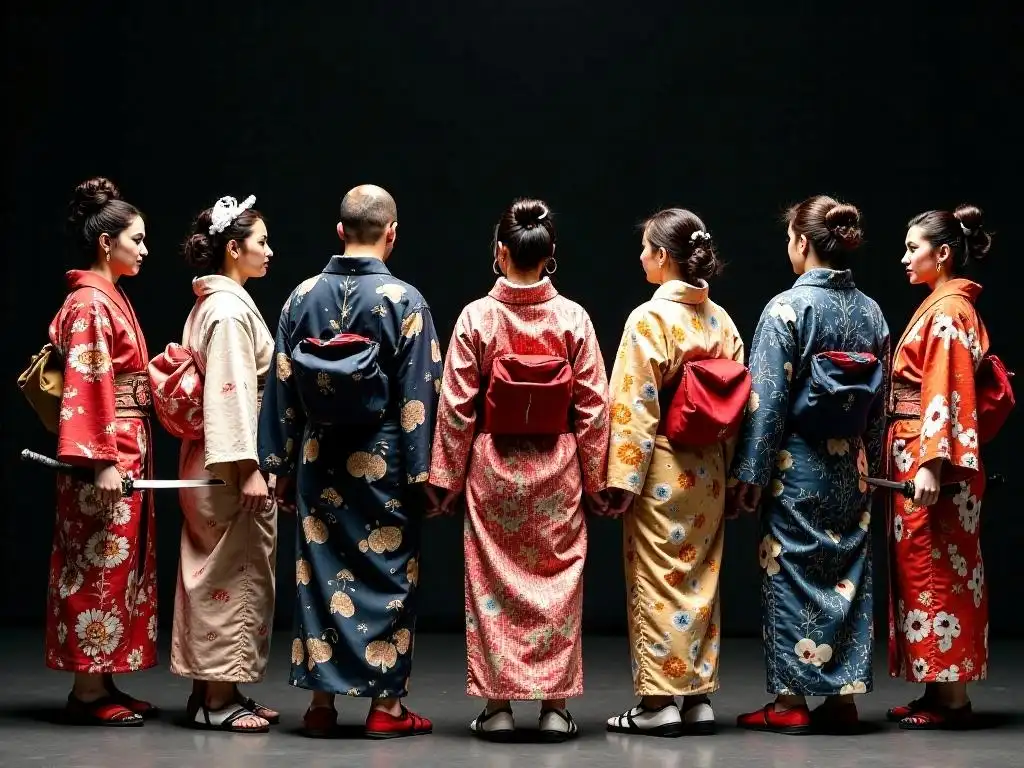
The merchant class frequently encountered opposition from the samurai class, who viewed merchants as socially inferior and a threat to their traditional privileges. Samurai were often reluctant to acknowledge the economic power of merchants, fearing that it could undermine their status and authority. This tension was particularly evident during the unification period when many samurai clans were wary of the growing influence of merchant wealth, which they believed could destabilize the established order.
In some cases, the samurai class attempted to impose restrictions on trade and commerce, aiming to curb the power of merchants. However, this resistance ultimately backfired, as the economic interdependence between merchants and samurai became increasingly apparent. The merchant class's ability to finance military campaigns and provide essential supplies became indispensable to the unification efforts led by the Tokugawa shogunate.
Economic Disruptions and Their Effects on Merchants
Economic disruptions also significantly impacted the merchant class during the unification of Japan. Natural disasters, such as earthquakes and famines, frequently disrupted trade routes and caused fluctuations in the market. The Great Genroku Famine of the late 17th century, for instance, resulted in widespread food shortages that severely affected merchants who relied on agricultural products for trade.
Additionally, political instability, including conflicts between rival clans, disrupted commerce and created an unpredictable environment for merchants. Many were forced to adapt to rapidly changing conditions, innovate their business practices, and form alliances with powerful daimyōs to survive.
Despite these challenges, the resilience of the merchant class allowed them to recover and thrive, ultimately playing a crucial role in the economic foundation that supported Japan's unification. Their experiences during this tumultuous period highlight the intricate relationship between commerce, society, and politics in feudal Japan.
Legacy of the Merchant Class in Post-Unification Japan
The legacy of the merchant class in post-unification Japan is profound and multifaceted, influencing various aspects of Japanese society, economy, and culture. As Japan transitioned from a feudal system to a more centralized state in the late 19th century, the merchant class, which had gained significant wealth and influence during the feudal era, played a crucial role in shaping the emerging modern economy.
One of the key contributions of the merchant class was their participation in the development of new industries and the modernization of trade practices. The merchants had already established extensive trade networks across the country and beyond, which facilitated the exchange of goods, ideas, and technologies. This experience and infrastructure laid the groundwork for Japan's rapid industrialization during the Meiji Restoration.
Moreover, the merchant class helped to promote a culture of entrepreneurship and innovation. With their wealth, they invested in new ventures, established banks, and contributed to the growth of a capitalist economy. Their influence extended into the realm of culture as well, where they patronized the arts, education, and public works, thereby enhancing the quality of life and fostering a sense of national identity.
The Transition from Feudalism to Modernity
The transition from feudalism to modernity in Japan was marked by significant changes in social structure, governance, and economic practices. Following the unification of Japan under the Tokugawa shogunate, the merchant class began to emerge not only as economic players but also as influential social actors. This period saw the decline of the samurai's exclusive power and the rise of a more diverse economy where merchants held considerable sway.
With the Meiji Restoration in 1868, Japan underwent rapid modernization, adopting Western technologies and industrial practices. The merchant class was instrumental during this transition, providing the necessary capital for industrial ventures and infrastructure projects. They actively engaged in international trade and established connections with foreign markets, which were essential for Japan's economic transformation.
The shift from a predominantly agrarian society to a more industrialized nation necessitated new business practices and legal frameworks. The merchant class adapted to these changes, advocating for reforms that improved economic conditions and promoted capitalist principles. Their ability to navigate the complexities of both traditional and modern economies became a cornerstone for Japan's development in the late 19th and early 20th centuries.
Lasting Impacts on Japanese Society and Economy
The impacts of the merchant class on Japanese society and economy are lasting and profound. As urbanization increased, merchants became pivotal in shaping urban centers, creating a vibrant economic landscape that fostered cultural exchange and innovation. They played a critical role in the establishment of markets, banks, and other financial institutions, which facilitated commerce and contributed to the growth of a middle class.
In addition to economic influence, the merchant class also had a significant cultural impact. They supported the arts and education, leading to a flourishing of cultural movements and the establishment of schools that promoted literacy and modern thought. This cultural investment laid the groundwork for Japan's cultural renaissance and the emergence of a national identity that blended traditional and modern influences.
Moreover, the merchant class's legacy can be seen in the post-war economic miracle of Japan. The networks and practices established by merchants during the feudal period continued to evolve, providing a foundation for Japan's rapid economic growth in the latter half of the 20th century. Their influence on trade, industry, and culture remains a vital aspect of Japan's historical narrative.
Conclusion: The Lasting Influence of the Merchant Class on Japan's Unification
The role of the merchant class in facilitating Japan's unification is a testament to their adaptability and significance in shaping the nation's trajectory. As the country moved away from feudalism and embraced modernization, the merchants' contributions were essential in fostering both economic and cultural growth.
Summary of Key Points
- The merchant class played a crucial role in the transition from feudalism to a modern economy in Japan.
- Their influence extended beyond economics into cultural patronage, impacting education, the arts, and social structures.
- The networks established by the merchant class laid the groundwork for Japan's rapid industrialization and economic growth in the 19th and 20th centuries.
Reflections on the Merchant Class's Role in Shaping Japan's Future
Reflecting on the merchant class's role in shaping Japan's future reveals their enduring influence on the country's development. Their legacy is evident in the continued importance of trade and entrepreneurship in Japan's economy. The adaptability and resilience of the merchant class serve as a model for future generations, highlighting the importance of innovation and cultural exchange in a rapidly changing world. As Japan continues to navigate the complexities of globalization and modernization, the foundational contributions of the merchant class remain a vital part of its historical and cultural identity.
- Introduction to the Merchant Class in Feudal Japan
- The Economic Influence of the Merchant Class on Japan's Unification
- Social Impact of the Merchant Class on Japanese Society
- Political Influence of the Merchant Class in Japan's Unification
- Key Figures in the Merchant Class and Their Contributions
- Notable Merchants and Their Influence on Unification
- Case Studies of Successful Merchant Enterprises
- Challenges Faced by the Merchant Class During the Unification
- Opposition from the Samurai Class
- Economic Disruptions and Their Effects on Merchants
- Legacy of the Merchant Class in Post-Unification Japan
- Conclusion: The Lasting Influence of the Merchant Class on Japan's Unification
- What was the merchant class's role in Japan's unification?
- How did the merchant class influence Japanese culture?
- What were the social dynamics of the merchant class in feudal Japan?
- How did the merchant class contribute to the economy during the feudal era?
- What legacy did the merchant class leave on modern Japan?
Frequently Asked Questions
What was the merchant class's role in Japan's unification?
The merchant class played a significant role by fostering economic stability and facilitating trade, which ultimately contributed to political cohesion during Japan's unification.
How did the merchant class influence Japanese culture?
As they gained wealth and power, the merchant class influenced cultural developments, including art, literature, and even the rise of theater, shaping Japan's cultural identity.
The merchant class occupied a unique social position, often viewed with ambivalence; while they held economic power, they were traditionally ranked below the samurai in the social hierarchy.
How did the merchant class contribute to the economy during the feudal era?
The merchant class was essential in creating a robust trade network, which enhanced economic growth and allowed for the distribution of resources across regional markets.
What legacy did the merchant class leave on modern Japan?
The influence of the merchant class set the foundation for Japan's capitalist economy, shaping contemporary business practices and cultural trends, highlighting their lasting impact.
Final Reflection: The Enduring Influence of the Merchant Class on Japan's Unification
The merchant class played a pivotal role in shaping Japan's unification, demonstrating that economic power can drive social and political change. Today, as we navigate a world increasingly defined by globalization and interconnected economies, the lessons from Japan's history remind us that the influence of commerce extends far beyond mere trade; it can be a catalyst for unity and progress. The merchant class not only facilitated the flow of goods but also bridged cultural divides, fostering a sense of shared identity that was crucial in a fragmented society.
The legacy of the merchant class continues to resonate in contemporary Japan, where commerce and culture intertwine to create a vibrant society. Their contributions laid the groundwork for a nation that values innovation and collaboration. As we reflect on this historical influence, we are reminded of the words of the renowned historian, Commerce is the great civilizer, the great unifier.
This sentiment underscores the idea that economic relationships can transcend barriers and foster a cohesive national identity, a lesson that remains relevant in today's globalized world.
As you consider the insights from this article, I invite you to reflect on your own role within the economic landscape. How can you harness the power of collaboration and commerce in your community? Whether through supporting local businesses or engaging in initiatives that promote economic inclusivity, each of us has the potential to contribute to a unified society. Let the story of Japan's merchant class inspire you to recognize the profound impact that economic relationships can have on fostering unity and driving progress in our own lives and communities.
Embrace the Legacy of Japan’s Merchant Class!
Thank you for diving into the fascinating world of Japan's merchant class and their pivotal role in unification! You've uncovered vital insights that not only enrich your understanding of history but also inspire us to consider the influence of commerce and trade in shaping societies. Now, let’s channel that knowledge into actionable steps!
Here’s how you can further explore this topic and engage with fellow history enthusiasts:
- Delve Deeper: Explore additional articles on our site that discuss the transitional phases of Japan's economy.
- Share Your Insights: Initiate a conversation on social media or in a history forum about the role of merchant classes in shaping various cultures throughout history.
- Participate in Community Events: Join or organize local discussions or lectures that focus on historical topics celebrating the impact of trade on society.
What unique perspective do you believe merchants contributed to Japan’s unification, and how can we apply their lessons to modern commerce?