
Taxation and Resources: The Economic Power of Daimyo Domains


Welcome to Feudal Japan History, where we invite you on a riveting journey through the intricate tapestry of Japan's feudal era. Dive into our latest article, “Taxation and Resources: The Economic Power of Daimyo Domains,” and uncover how the formidable daimyo wielded their economic strength to shape the very fabric of society. What drove their ambitions, and how did their control over resources influence the political landscape of the time? As you explore our expertly curated content, prepare to satisfy your curiosity about this captivating chapter in history. Your adventure into the heart of feudal Japan begins now!
- Introduction to Daimyo Economic Power in Japan
- Understanding Taxation in Daimyo Domains
- Resources of Daimyo Domains
- The Relationship Between Taxation and Resources
- The Impact of Daimyo Economic Power on Society
- Conclusion: The Legacy of Daimyo Economic Power in Japan
-
Frequently Asked Questions
- What were the main sources of income for the Daimyo in feudal Japan?
- How did taxation influence the economic power of the Daimyo?
- What role did resources play in the stability of Daimyo domains?
- How did the Daimyo contribute to the overall economy of Japan during the feudal era?
- What were the social implications of Daimyo economic power in Japan?
- Final Reflection: The Enduring Legacy of Daimyo Economic Power in Japan
- Unlock the Secrets of Economic Power in Feudal Japan!
Introduction to Daimyo Economic Power in Japan
The economic power of the daimyos in Japan during the feudal era played a crucial role in shaping the political landscape and societal structure of the time. The daimyos, or feudal lords, were not only military leaders but also significant landowners who wielded considerable influence over the regions they governed.
Their ability to collect taxes, manage resources, and control agricultural production directly impacted the prosperity of their domains and the overall stability of Japan. This article delves into the intricate relationship between taxation, resource management, and the economic power of daimyos, providing a detailed exploration of how these elements interplayed to maintain their authority and influence throughout the feudal period.
Overview of the Daimyo System
The daimyos emerged as central figures in Japan's feudal hierarchy, commanding loyalty from their samurai and serving as regional rulers. They governed vast territories, known as han, which varied significantly in size and wealth.
- Structure of the Daimyo System:
- Daimyo: Feudal lords with authority over land and samurai.
- Samurai: Warrior class serving the daimyos, providing military service in exchange for land and stipends.
- Peasants: The backbone of the economy, responsible for farming and producing resources.
In the context of the daimyos, economic power was derived from their ability to manage agricultural production and extract resources from their domains. This included the collection of taxes from the peasant farmers, who worked the land and produced the crops that sustained the population. The wealth generated from these activities not only enriched the daimyos but also enabled them to maintain their armies and support their political ambitions.
Importance of Economic Power in Feudal Japan
The economic power held by the daimyos was paramount in establishing their influence and stability within the feudal system. This power was manifested in several key areas:
- Taxation: The primary means through which daimyos exerted control over their domains was through the imposition of taxes.
- Types of Taxes:
- Rice Tax: The most significant form of taxation, where a portion of the harvest was paid to the daimyo.
- Labor Tax: Peasants were sometimes required to provide labor for public works.
- Types of Taxes:
- Resource Management: The ability to effectively manage natural resources such as forests, rivers, and minerals was critical.
- Sustainable Practices: Many daimyos implemented sustainable agricultural practices to ensure long-term productivity.
- Military Funding: The wealth accumulated from economic activities allowed daimyos to fund their armies, essential for both defense and territorial expansion.
The economic power of the daimyos was a cornerstone of feudal Japan. Understanding their role in taxation and resource management provides insight into the complex dynamics that governed Japanese society during this period. This exploration not only highlights the significance of the daimyos but also underscores the intricate relationship between economic control and political authority in feudal Japan.
Understanding Taxation in Daimyo Domains
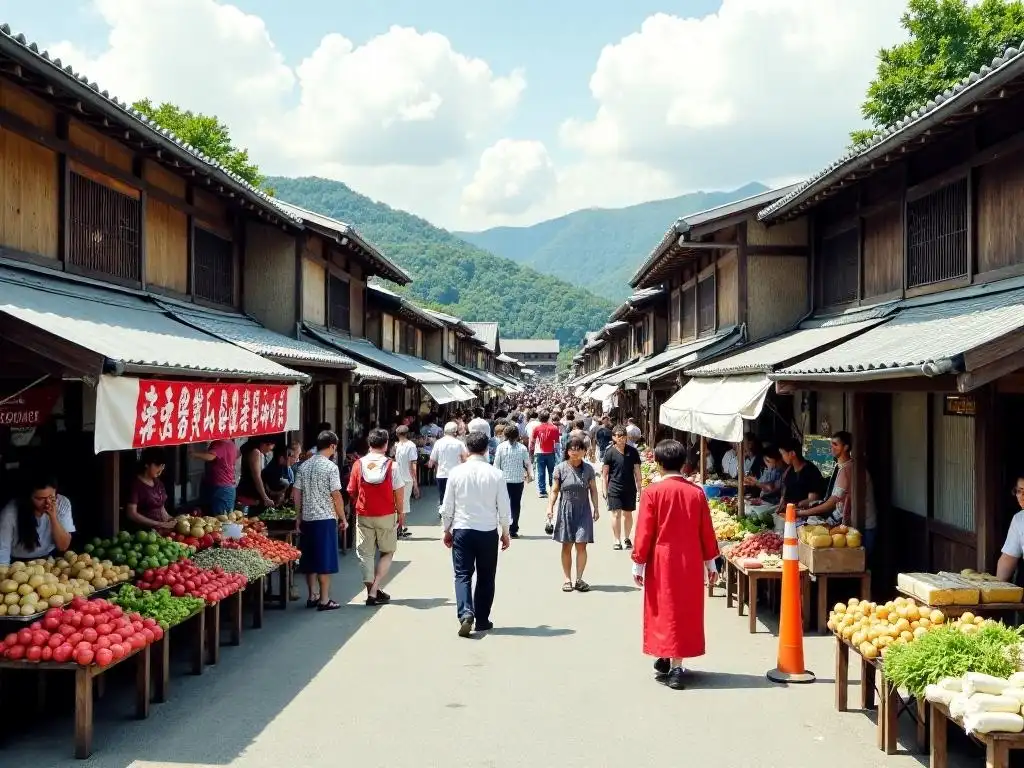
Taxation during the feudal era of Japan was a fundamental aspect of the economic power wielded by the daimyo, the feudal lords who ruled over various territories. This section delves into the intricacies of taxation within daimyo domains, illuminating how these economic systems were not only crucial for sustaining local economies but also for reinforcing the political power and influence of the daimyo themselves.
Historical Context of Taxation in Feudal Japan
The roots of taxation in feudal Japan can be traced back to the Heian period (794-1185), but it was during the Kamakura (1185-1333) and Muromachi (1336-1573) periods that the practice became more formalized. Initially, the central government imposed taxes primarily on agricultural production. However, as the power of the daimyo grew, they began to establish their own taxation systems within their domains.
- Central vs. Local Authority:
- The central government, particularly during the early Kamakura period, levied taxes to fund military campaigns and maintain order.
- As local warlords gained power, they created a dual system where they could collect taxes independent of the central authority.
- Taxation Framework:
- By the Sengoku period (1467-1603), the taxation framework had evolved significantly. Daimyo often implemented a land survey system to assess the productivity of their territories, leading to more equitable tax rates based on actual yield rather than arbitrary assessments.
- Cultural Implications:
- Taxation was not merely an economic tool but also a means of asserting cultural identity. The way taxes were collected and utilized often reflected the values and priorities of the ruling daimyo, impacting local traditions and societal structures.
Types of Taxes Imposed by Daimyo
Daimyo employed various forms of taxation to ensure their economic stability and military readiness. The main types of taxes included:
- Rice Tax: The most common form of taxation, where peasants were required to pay a portion of their rice harvest to the daimyo. This was crucial since rice was not only a staple food but also a measure of wealth and power.
- Land Tax: Based on the land's assessed value, this tax was levied on all agricultural land within the domain. The rate varied depending on the productivity and location of the land.
- Labor Tax: In some instances, peasants were required to provide labor as a form of tax payment. This could involve working on the daimyo's infrastructure projects or providing military service.
- Commerce Tax: As commerce began to flourish, especially in the Edo period (1603-1868), daimyo also imposed taxes on markets and trade. This included taxes on goods sold and fees for merchants.
- Special Taxes: Occasionally, daimyo would levy special taxes during times of crisis or to fund specific projects, such as fortifications or festivals. These could take various forms, including increased rates on existing taxes or new levies.
The Role of Taxation in Sustaining Daimyo Power
Taxation played a pivotal role in maintaining the economic and political power of the daimyo. Its significance can be understood through several key points:
- Military Funding:
- The revenues generated from taxation were essential for maintaining a daimyo's samurai army. This funding allowed them to defend their territories and expand their influence through military campaigns.
- Infrastructure Development:
- Tax revenues were often reinvested into local infrastructure, such as roads, castles, and irrigation systems. This not only improved agricultural productivity but also enhanced the daimyo's reputation and control over their domain.
- Social Control:
- Through taxation, daimyo could exert social control over the peasantry. Tax collectors, often seen as agents of the daimyo, ensured compliance and loyalty, fostering a hierarchical society that benefited the ruling class.
- Economic Stability:
- A well-structured taxation system contributed to economic stability within the domain. By balancing tax rates and ensuring fair assessments, daimyo could cultivate a loyal peasantry that would provide consistent returns and support.
- Political Leverage:
- Taxation not only solidified the daimyo's power but also provided a means for negotiation with other lords and the shogunate. A prosperous domain, supported by effective tax policies, could leverage its economic strength to negotiate better terms in political dealings.
The intricate systems of taxation established by the daimyo were fundamental to their economic power in Japan. By understanding these systems, one can appreciate the complex interplay between taxation, authority, and society in feudal Japan. Through effective tax management, daimyo not only sustained their domains but also reinforced their power in a turbulent political landscape.
Resources of Daimyo Domains

Agricultural Resources and Their Economic Impact
The agricultural resources within daimyo domains were pivotal to the economic power of these feudal lords in Japan. During the feudal era, the majority of the population was engaged in farming, and the productivity of these agricultural activities directly influenced the wealth and influence of the daimyo.
1. Types of Crops
Daimyo domains typically focused on the cultivation of staple crops, particularly rice, which was considered the backbone of the economy. The cultivation of rice had a dual purpose: it not only served as a primary food source but also as a form of currency in trade and taxation. Other crops included:
- Barley: Often grown in regions with less fertile soil.
- Millet: A common crop that complemented rice diets.
- Vegetables and Legumes: Such as soybeans and radishes, which supported local diets.
2. Irrigation and Agricultural Techniques
To maximize agricultural output, daimyo often invested in advanced irrigation systems and agricultural techniques. For instance, the introduction of wet-rice cultivation led to significant increases in yield. The construction of terraces and canals allowed for the efficient distribution of water, essential for rice farming.
“Agricultural innovation was not merely a response to environmental challenges but a strategic move to enhance the daimyo's economic standing.”
3. Economic Impact
The economic impact of these agricultural resources was profound. The surplus generated from productive lands allowed daimyo to:
- Tax Peasants: Enforcing tribute in the form of rice, which could be stored or traded.
- Support Military Campaigns: A stable food supply was crucial for sustaining samurai and military endeavors.
- Develop Infrastructure: Profits from agriculture financed roads, castles, and other essential infrastructure that facilitated further economic growth.
Industrial and Craft Production in Daimyo Domains
In addition to agriculture, industrial and craft production played a significant role in bolstering the economic power of daimyo domains. The production of goods not only catered to local needs but also created opportunities for trade.
1. Craft Specialties
Each domain often developed specialties based on local resources and skills. Key craft industries included:
- Textiles: Silk and cotton production flourished, with some domains renowned for their high-quality fabrics.
- Pottery: Unique styles emerged, with regions like Seto and Arita becoming famous for their ceramics.
- Metalwork: Sword-making and tool production were critical, especially for the samurai class.
2. Guilds and Local Economies
Craft production was often organized through guilds, which regulated quality and prices. These guilds facilitated training and apprenticeship, ensuring high skill levels in production. The establishment of local markets enabled craftsmen to sell their goods directly to consumers, thereby enhancing local economies.
3. Economic Contribution
The contributions of industrial and craft production to the daimyo's economic power were multifaceted:
- Revenue Generation: Craftsmen paid taxes on their products, contributing to the daimyo's coffers.
- Trade Surplus: High-quality goods attracted trade from other regions, leading to economic exchanges that further enriched domains.
- Employment: Craft industries provided jobs, supporting the local population and reducing reliance on agricultural labor.
Trade and Commerce: Economic Networks of Daimyo
Trade and commerce formed the backbone of the economic networks established by daimyo, significantly enhancing their economic power. The ability to trade goods both locally and internationally allowed daimyo to diversify their income sources.
1. Trade Routes and Networks
Daimyo domains were often strategically located near rivers or coasts, facilitating trade routes. Major trade routes included:
- Nakasendo: Connecting Kyoto and Edo, it served as a critical path for merchants and travelers.
- Tokaido: The coastal road that linked major cities, enhancing trade opportunities.
2. Marketplaces and Fairs
Local marketplaces and seasonal fairs became hubs of economic activity. These venues allowed for:
- Exchange of Goods: Local produce, crafts, and other goods were traded, fostering economic interdependence among domains.
- Cultural Exchange: Markets were not just economic centers but also cultural hotspots, where ideas and innovations were shared.
3. Economic Impact of Trade
The economic impact of trade on the daimyo's power was significant:
- Wealth Accumulation: Profits from trade allowed daimyo to invest in their domains, improving infrastructure and military capabilities.
- Political Alliances: Control over trade routes often translated into political power, leading to alliances with other daimyo or influential merchants.
- Cultural Flourishing: Increased wealth from trade supported arts and culture, enhancing the prestige of the daimyo and their domains.
The economic power of daimyo domains in feudal Japan was intricately tied to their agricultural resources, industrial production, and robust trade networks. Each aspect played a crucial role in shaping the wealth and influence of these feudal lords, establishing a legacy that would resonate throughout Japanese history.
The Relationship Between Taxation and Resources

The relationship between taxation and resources in feudal Japan was a crucial element that defined the economic power of the daimyo. Taxation was not merely a means for revenue collection; it was intrinsically linked to the management and allocation of resources within a domain. The daimyo, as regional lords, exercised significant control over agricultural production, trade, and local industries, which were all affected by the tax policies they implemented.
Daimyo typically imposed taxes on various resources, including rice, which was the cornerstone of the Japanese economy. The tax system often operated on a fixed percentage of the harvest, incentivizing efficient agricultural practices. Additionally, the daimyo would levy taxes on other goods, such as textiles and crafts, creating a diversified economic base. This system allowed them to accumulate wealth and power, enhancing their influence both locally and at the imperial court.
How Taxation Influenced Resource Management
Taxation fundamentally shaped how daimyo managed their resources. The pressure to meet tax obligations often led to innovative agricultural techniques and resource management strategies. For instance, the introduction of irrigation systems and crop rotation was partly motivated by the need to maximize yields and fulfill tax demands. The effective management of land and labor became paramount, as failure to produce sufficient resources could result in financial instability for the domain.
Moreover, the burden of taxation was not uniformly distributed. Wealthier peasants or landowners could negotiate their taxes based on their production capabilities, while poorer farmers faced heavier burdens. This disparity influenced social hierarchies within the domains and often led to conflicts or uprisings when the tax demands became excessive. The daimyo’s ability to balance the needs of their subjects with tax requirements was crucial in maintaining stability and loyalty among their populace.
The Economic Strategies of Successful Daimyo
Successful daimyo employed a variety of economic strategies to enhance their economic power in Japan. One notable strategy was the diversification of income sources. Rather than relying solely on agricultural taxes, many daimyo invested in commerce, establishing trade routes and engaging in market activities that provided additional revenue streams. This approach not only increased their wealth but also reduced their dependence on the agricultural cycles, which could be unpredictable.
Another strategy was the improvement of infrastructure. By investing in roads, irrigation, and storage facilities, daimyo could enhance the efficiency of resource distribution and agricultural production. Improved infrastructure facilitated trade, allowing daimyo to engage in long-distance commerce and access new markets, further solidifying their economic power.
Land reclamation also played a vital role. Many daimyo initiated projects to reclaim land from marshes and floodplains, transforming them into arable land. This not only increased their taxable resources but also contributed to the overall economic development of their domains.
Case Studies: Notable Daimyo and Their Economic Practices
To illustrate the economic practices of daimyo, several notable figures stand out:
- Oda Nobunaga: Known for his innovative approaches, Nobunaga implemented systematic taxation policies that increased agricultural productivity. He also promoted trade by establishing connections with foreign merchants, which expanded his domain's economic reach.
- Toyotomi Hideyoshi: Hideyoshi's tenure saw the introduction of the "Taiko Kenchi," a land survey that accurately assessed land productivity and established fair tax rates. This initiative not only increased tax revenues but also improved land management practices across his territories.
- Tokugawa Ieyasu: As the founder of the Tokugawa shogunate, Ieyasu emphasized the importance of stable taxation. He implemented policies that maintained agricultural stability, while also promoting industrial activities in his domain, especially in textiles and metallurgy, thereby boosting economic power.
These case studies exemplify how the management of taxation and resources was pivotal to the economic power of daimyo in feudal Japan. Each daimyo's unique strategies and adaptations to their specific circumstances not only influenced their domains but also shaped the broader economic landscape of the era.
The Impact of Daimyo Economic Power on Society

The economic power wielded by the daimyo during Japan's feudal era significantly influenced the social structure, resource distribution, and cultural advancements of the time. With their control over vast domains, the daimyo not only amassed wealth but also shaped societal dynamics and local economies. This influence was evident in various aspects of everyday life, from the stratification of classes to the promotion of arts and culture.
The daimyo's economic power directly affected the social hierarchy within their domains. At the top of this hierarchy were the daimyo themselves, who commanded land, resources, and military forces. Below them were the samurai, who served as both warriors and administrators. The samurai class was granted stipends or land in exchange for their loyalty and military service, which solidified their status as a privileged group within society.
The peasants, making up the majority of the population, occupied the lowest tier in this social structure. They were primarily responsible for agricultural production, which was the backbone of the daimyo's wealth. Peasants were often subject to heavy taxation, which varied depending on the domain's prosperity and the daimyo's policies. The economic distribution was thus heavily skewed, with a significant portion of the wealth generated from agricultural surplus flowing upward to the daimyo and samurai.
In many regions, the daimyo implemented systems of land tenure that further entrenched this hierarchy. For instance, while some peasants were granted rights to cultivate land, they were still required to pay a portion of their harvest to the daimyo as tax. This relationship fostered both dependency and resentment among the lower classes, as their livelihoods were directly tied to the decisions made by their feudal lords.
The Role of Samurai and Peasants in the Economic Framework
The samurai played a dual role in the economic framework established by the daimyo. As warriors, they were responsible for the protection of the domain, but their role extended beyond military duties. Samurai acted as administrators, managing the resources of the daimyo's territory and ensuring that productivity levels were met. This administrative function was crucial, as it allowed the daimyo to maintain control over their lands and maximize revenue.
On the other hand, peasants were the backbone of the economy, engaging in rice cultivation and other agricultural activities essential for sustenance and trade. The economic power of the daimyo was largely derived from the agricultural output of their domains. For instance, a well-managed domain could produce surplus rice, which could be sold or traded, further enhancing the daimyo's wealth and influence.
Moreover, the relationship between samurai and peasants was complex. While samurai were tasked with protecting the peasants, they also enforced the daimyo's levies and taxes. This often led to friction, especially during times of famine or poor harvests when peasants struggled to meet their obligations. In some cases, this tension would manifest in uprisings or revolts, as the lower classes sought to challenge their economic exploitation.
Cultural Developments Driven by Economic Prosperity
The economic prosperity of the daimyo's domains also fostered significant cultural developments. With increased wealth, daimyo were able to patronize the arts, leading to flourishing cultural expressions such as Noh and Kabuki theater, tea ceremonies, and traditional crafts. This era saw the emergence of distinct regional cultures that reflected the economic power and priorities of individual daimyo.
For instance, the daimyo of the Edo period invested heavily in the arts and education, resulting in a vibrant culture that emphasized intellectual pursuits and aesthetic refinement. The establishment of schools and artistic guilds within their domains contributed to a rise in literacy and cultural sophistication among the samurai and even some affluent peasants.
Additionally, the economic power of the daimyo facilitated trade and exchange, both within Japan and with foreign entities. Regions rich in resources, such as silk and ceramics, became centers of commerce, leading to increased interaction between different cultural groups. This exchange not only enriched local cultures but also introduced new ideas and practices, further enhancing the cultural landscape of feudal Japan.
The economic power of the daimyo during Japan's feudal era had profound effects on society, shaping social hierarchies, influencing the roles of samurai and peasants, and driving cultural developments. Understanding these dynamics provides a clearer picture of how economic structures influenced societal organization and cultural evolution in feudal Japan.
Conclusion: The Legacy of Daimyo Economic Power in Japan
The economic power wielded by the daimyo during Japan's feudal era has left an indelible mark on the nation's historical trajectory and continues to resonate in various aspects of modern society. The intricate systems of taxation and resource management that the daimyo employed not only facilitated their rule but also laid the groundwork for the economic structures that would evolve in subsequent centuries. Understanding this legacy is crucial for comprehending the broader implications of feudal governance and economic organization in Japan.
Lasting Effects on Modern Japanese Economy
The influence of daimyo economic power in Japan can be traced through several key elements that have shaped contemporary economic practices:
- Land Ownership and Agricultural Practices:
- The daimyo managed vast domains, focusing on agricultural productivity to generate wealth. This emphasis on agriculture remains a cornerstone of the Japanese economy, where rural areas still prioritize efficient farming techniques and land stewardship.
- Taxation Systems:
- The taxation methods established by the daimyo, which often included rice as a primary tax commodity, have evolved but still influence modern tax policies. The concept of land taxation persists, reflecting a historical continuity in economic governance.
- Trade Networks:
- Daimyo domains often engaged in trade both within Japan and with foreign entities. This historical precedent has paved the way for Japan's robust trade relationships today, showcasing how regional economies can flourish through strategic partnerships.
- Craftsmanship and Industry:
- The support for local artisans and craftsmen during the feudal era laid the foundation for Japan's modern reputation for high-quality manufacturing and craftsmanship. This heritage is evident in industries such as textiles, ceramics, and technology.
- Cultural Capital:
- The daimyo's patronage of the arts and culture has left a lasting legacy, contributing to Japan's cultural economy. The preservation and promotion of traditional crafts and cultural practices are vital components of Japan's modern identity.
Reflections on Feudal Economic Practices in Contemporary Society
In contemporary society, the remnants of feudal economic practices are observed in various sectors:
- Corporate Structure:
- The hierarchical organization seen in many Japanese corporations mirrors the feudal system's emphasis on loyalty and duty, reflecting a cultural legacy that values seniority and hierarchy.
- Community and Local Governance:
- Local governments often operate with a sense of autonomy reminiscent of the daimyo's governance of their domains. This localized approach to administration fosters community engagement and resource management.
- Social Welfare Models:
- Some social welfare practices can be traced back to the feudal system's methods of providing for subjects under a daimyo's rule. The modern emphasis on social responsibility and community support can find its roots in these historical practices.
- Economic Resilience:
- The focus on sustainable practices seen in the feudal era, particularly in agriculture, resonates in today's discussions around sustainability and environmental stewardship within the Japanese economy.
The legacy of daimyo economic power in Japan is not merely a historical curiosity but a foundational element that continues to shape the nation's economic landscape. By studying these dynamics, we gain insights into how past practices inform present realities, highlighting the importance of understanding our history to navigate future economic challenges.
Frequently Asked Questions
What were the main sources of income for the Daimyo in feudal Japan?
The Daimyo primarily generated income through land taxes and agricultural production, leveraging the resources of their domains to maintain power and wealth.
How did taxation influence the economic power of the Daimyo?
Taxation allowed Daimyo to control local economies by collecting a portion of agricultural output, which in turn funded their military and administrative expenses, solidifying their economic power.
What role did resources play in the stability of Daimyo domains?
The availability of resources such as rice, timber, and minerals was crucial for the Daimyo, as these commodities not only provided economic strength but also influenced their political alliances and territorial expansion.
How did the Daimyo contribute to the overall economy of Japan during the feudal era?
The Daimyo played a significant role in shaping the Japanese economy by managing local agriculture, trade, and industry, which collectively contributed to the economic development of feudal Japan.
The economic power of the Daimyo created a hierarchical society, where wealth and resources dictated social status, leading to a distinct class system that influenced cultural and political dynamics in feudal Japan.
Final Reflection: The Enduring Legacy of Daimyo Economic Power in Japan
The intricate relationship between taxation and resources in the context of daimyo domains remains profoundly relevant today, as it underscores the foundational principles of economic power and governance. The lessons drawn from the economic strategies of the daimyo not only shaped the historical landscape of Japan but also resonate in contemporary discussions about resource management and fiscal policy. Understanding how these feudal lords wielded economic influence offers valuable insights into the dynamics of power that persist in modern economies.
The legacy of daimyo economic power continues to influence Japan's cultural and social landscape, reminding us of the critical role that resource allocation and taxation play in societal structure. The strategic management of resources by the daimyo not only facilitated their dominance but also laid the groundwork for Japan's economic evolution. As historian John W. Hall aptly noted, The power of the daimyo was not merely in their military might but in their ability to control the economic resources that sustained their domains.
This observation highlights the ongoing relevance of economic power dynamics, as they shape our understanding of leadership and governance in any era.
As we reflect on the lessons of the daimyo, let us consider how we can apply these insights to our own lives and communities. How can we harness our resources and influence to create a more equitable and prosperous society? I invite you to reflect on your role in this ongoing narrative of economic power, recognizing that each of us has the potential to shape our environment through informed decisions and responsible stewardship of resources. Embrace the legacy of the daimyo as a call to action, inspiring you to engage with the economic forces that impact your world today.
Unlock the Secrets of Economic Power in Feudal Japan!
Thank you for diving into the fascinating world of Daimyo domains and their economic influence. You've uncovered valuable insights into how taxation shaped resources and power during this pivotal time in history. Now, it's time to take the next step and deepen your understanding and connection to this intriguing subject!
Here are a few actionable ways to further your exploration:
- Explore additional resources on our website about specific Daimyo and their unique contributions to the economy of Feudal Japan.
- Join the conversation—share this article with friends or on social media to spark discussions about the dynamic roles of taxation and resources in shaping society.
- Engage with our community by commenting below to share your thoughts or experiences related to the power dynamics in Feudal Japan.
Which aspect of the economic power held by the Daimyo resonates with you the most, and how do you think it has influenced their legacy?