
The Impact of Trade on Samurai Culture: A Deep Dive into Economic Influences

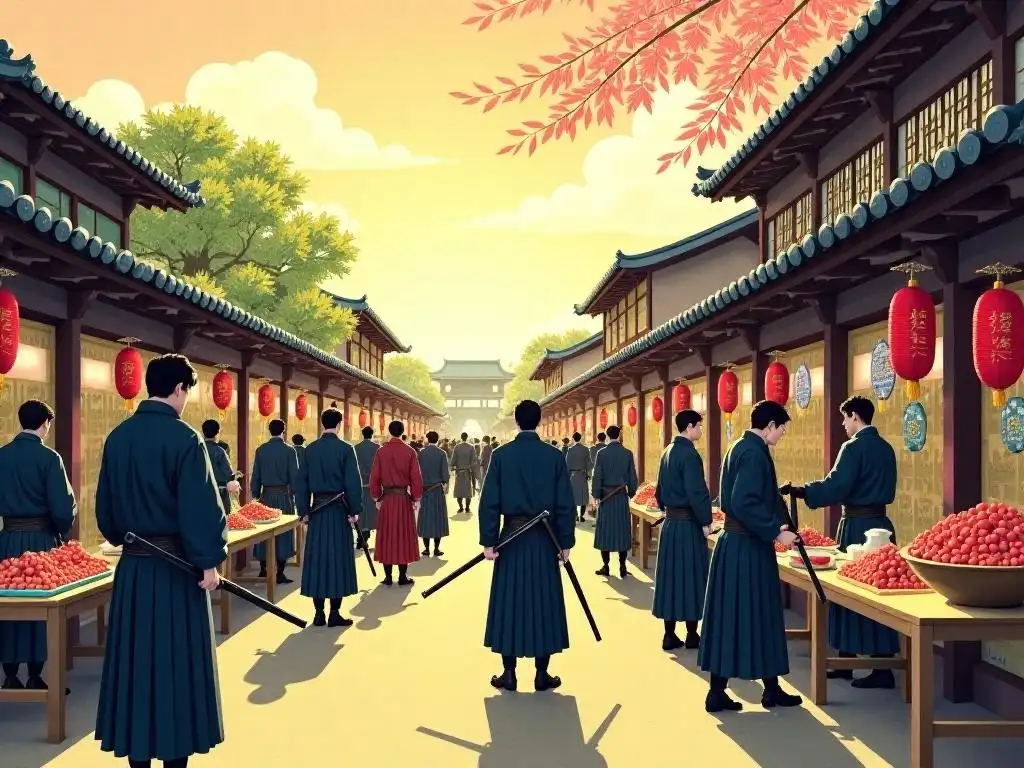
Welcome to Feudal Japan History, where we embark on a captivating journey through the intricate tapestry of Japan’s feudal era. Here, we delve deep into the nuances of Samurai culture and trade impact, exploring how economic forces shaped the life and values of the legendary warriors. What role did trade play in transforming the samurai from mere fighters into influential figures within society? Join us as we uncover the fascinating connections between commerce and culture that defined this remarkable period. Your adventure into the heart of feudal Japan awaits—dive in and discover the untold stories that shaped a nation!
Introduction to Samurai Culture and Trade Impact
The intricate tapestry of samurai culture during Japan's feudal era is deeply intertwined with the influences of trade, particularly with neighboring regions such as Korea and China. As the samurai class emerged as a dominant force in Japanese society, their values, codes of conduct, and societal roles were not only shaped by internal traditions but also significantly impacted by external economic interactions. This article will explore how trade influenced samurai culture through the exchange of goods, ideas, and practices, ultimately laying the groundwork for a unique blend of martial discipline and cultural sophistication.
Overview of Samurai Culture in Feudal Japan
Samurai culture, characterized by its code of honor known as Bushido, emphasized loyalty, courage, and martial prowess. The samurai were not merely warriors; they were also landowners, scholars, and patrons of the arts. This multifaceted identity evolved over centuries, influenced by various factors, including political changes, warfare, and, importantly, trade dynamics with neighboring countries.
Key elements of samurai culture include:
- Martial Arts: The training and mastery of various fighting techniques.
- Literature and Philosophy: The adoption of Confucian and Buddhist principles.
- Arts and Aesthetics: A strong appreciation for poetry, tea ceremonies, and calligraphy.
Importance of Trade in Shaping Societal Norms
Trade played a pivotal role in shaping societal norms and values within samurai culture. The exchange of goods facilitated not only economic growth but also cultural exchanges that enriched the lives of the samurai. Items such as silk, ceramics, and spices became symbols of status and sophistication, influencing the aesthetic sensibilities of the warrior class.
- Cultural Exchange: The introduction of new ideas and practices from China and Korea led to a fusion of cultural elements.
- Economic Power: Control over trade routes and resources enhanced the political power of samurai lords.
- Social Hierarchies: Trade contributed to the development of a merchant class, altering traditional social structures and interactions.
Objectives of the Article
This article aims to provide a comprehensive exploration of the complex relationship between trade and samurai culture during Japan's feudal era. By examining historical contexts, trade routes, and significant events, we will understand how these economic influences shaped the values, practices, and societal structures of the samurai class.
Historical Context of Trade with Korea and China
Understanding the historical context of trade with Korea and China is essential to appreciate its impact on samurai culture. The interactions between these regions were not merely transactional; they were enriched by the exchange of cultural, philosophical, and technological advancements.
Trade Routes and Economic Exchanges
The establishment of trade routes facilitated the movement of goods and ideas between Japan, Korea, and China. Key trade routes included:
- The Maritime Route: Enabled the exchange of luxury goods such as silk and porcelain.
- The Land Route: Facilitated the movement of agricultural products and raw materials.
These exchanges not only enhanced economic prosperity but also established Japan as a significant player in regional trade networks.
Key Historical Events Influencing Trade
Several pivotal events shaped the trade landscape between Japan, Korea, and China, including:
- The Mongol Invasions (1274 and 1281): These invasions disrupted trade routes and impacted samurai strategies and alliances.
- The Sengoku Period (1467-1603): A time of social upheaval that saw increased trade as regional warlords sought alliances and resources.
These events highlight the dynamic interplay between trade and the evolving samurai culture.
The Role of Foreign Relations in Trade Development
Foreign relations were crucial in the development of trade with Korea and China. Diplomatic missions, alliances, and conflicts influenced the flow of goods and ideas, impacting samurai culture in profound ways.
- Diplomatic Ties: Established relationships facilitated trade agreements that benefited the samurai class.
- Cultural Diplomacy: Exchanges of scholars and artisans enriched samurai life and contributed to the intellectual and cultural development of Japan.
The intricate relationship between trade and samurai culture reveals a complex picture where economic influences shaped the very fabric of feudal Japanese society.
Economic Influences on Samurai Culture
The economic landscape of feudal Japan was significantly shaped by trade, particularly with neighboring nations such as Korea and China. This interaction not only transformed the material wealth of the samurai class but also influenced their cultural practices and societal structures. As trade routes expanded and the demand for various goods increased, the samurai, traditionally seen as warriors, began to adopt roles as landowners and merchants. This shift marked a pivotal change in their identity and influence within Japanese society.
The influx of wealth from trade allowed samurai to invest in luxury items, leading to a broader cultural renaissance. As they accumulated resources, their lifestyles evolved, showcasing a blend of martial prowess and refined aesthetics. The relationship between economic prosperity and samurai culture is a crucial area of study, revealing how external economic pressures shaped internal social hierarchies and cultural expressions.
The Rise of Samurai Wealth through Trade
The samurai class experienced a notable rise in wealth due to trade, particularly during the late Muromachi period and into the Edo period. As Japan opened up to increased trade with China and Korea, the samurai began to capitalize on the opportunities presented by these relationships. They engaged in various commercial activities, from managing agricultural production to directly participating in maritime trade.
This newfound wealth allowed samurai families to elevate their status, leading to the development of elaborate residences and the patronage of the arts. For instance, many samurai invested in the construction of grand castles and the acquisition of intricate armor and weapons, which not only served practical purposes but also became symbols of their elevated social standing. The wealth generated from trade also facilitated the education of samurai children, exposing them to various disciplines, including literature and philosophy, further enriching samurai culture.
Trade Goods and Their Cultural Significance
The trade goods exchanged with Korea and China had profound cultural significance in samurai society. Items such as silk, ceramics, and tea became highly coveted, transforming social customs and practices. Tea, for example, not only became a staple in Japanese culture but also gave rise to the tea ceremony, which emphasized aesthetics, mindfulness, and social harmony—qualities that resonated strongly with samurai ideals.
Ceramics and textiles, often imported from China, influenced local craftsmanship, leading to innovations in Japanese pottery and fabric design. The samurai's appreciation for these goods was not merely materialistic; it reflected a broader engagement with the cultural heritage of their trading partners. As samurai began to adopt and adapt these foreign influences, they contributed to a unique Japanese aesthetic that blended martial and artistic traditions.
Cultural Exchanges Resulting from Trade
Cultural exchanges resulting from trade with Korea and China profoundly impacted samurai culture, leading to a rich tapestry of artistic and philosophical developments. These exchanges facilitated a cross-pollination of ideas, aesthetics, and practices that would shape the samurai's identity and worldview.
Introduction of Foreign Art and Aesthetics
The introduction of foreign art and aesthetics through trade led to significant changes in samurai culture. Chinese paintings, calligraphy, and decorative arts began to influence Japanese artisans, inspiring new forms of artistic expression. Samurai patrons supported the creation of artworks that incorporated both traditional Japanese themes and foreign styles, resulting in a distinct cultural fusion.
Moreover, the samurai's appreciation for beauty and craftsmanship extended beyond mere decoration; it became a reflection of their warrior ethos. The aesthetics of simplicity and refinement found in Zen Buddhism, which was also influenced by trade, resonated with samurai values, leading to a unique cultural synthesis that celebrated both martial prowess and artistic achievement.
Influence of Korean and Chinese Philosophy on Samurai Ideals
Korean and Chinese philosophies, particularly Confucianism and Buddhism, had a profound impact on samurai ideals and ethics. The samurai, who were traditionally governed by a strict code of conduct known as bushido, found resonance in the teachings of these philosophies, which emphasized virtues such as loyalty, honor, and self-discipline.
The incorporation of these philosophical principles into samurai culture fostered a more profound understanding of duty and personal integrity. This blending of ideas not only enriched the samurai's moral framework but also elevated their roles as leaders and protectors of society, further solidifying their status within the feudal hierarchy.
The Impact of Trade on Samurai Literature and Arts
Trade also played a crucial role in the evolution of samurai literature and the arts. The exchange of literary works and artistic techniques from Korea and China inspired Japanese authors and artists, leading to the emergence of new genres and styles. The samurai class began to produce literature that reflected their experiences, ideals, and the complexities of their identities.
Notable works from this period include poetry, such as haiku, and prose that integrated influences from Chinese literature, often highlighting themes of nature, warfare, and the transient nature of life. This literary blossoming not only enriched samurai culture but also contributed to the broader narrative of Japanese literature as a whole. The arts flourished as samurai became patrons of theater, painting, and music, creating a cultural legacy that would endure for generations.
The Role of Trade in Samurai Warfare
Trade played a pivotal role in shaping the landscape of samurai warfare during Japan's feudal era. As samurai warriors were not only soldiers but also landowners and leaders, their ability to acquire resources through trade directly influenced their military capabilities. The influx of goods, particularly weapons, armor, and horses from trade with neighboring countries, especially Korea and China, enhanced the samurai's combat effectiveness.
The samurai class was increasingly reliant on the economic benefits derived from trade, which allowed them to fund their military campaigns and maintain their status. The acquisition of advanced weaponry and superior materials from foreign trade routes significantly altered the dynamics of warfare, leading to more organized and strategic military engagements. Furthermore, the ability to secure alliances through trade relationships expanded the samurai's influence and reach, allowing them to engage in conflicts with greater resource backing.
Economic Resources and Military Power
Economic resources obtained from trade were fundamental to the military power of the samurai. The flow of goods facilitated the procurement of essential supplies, including rice, which was the backbone of the Japanese economy and a vital resource for sustaining troops during campaigns. Moreover, trade brought in luxury items and raw materials that could be transformed into weapons and armor, thus enhancing the fighting capabilities of samurai clans.
The wealth generated from trade also allowed samurai leaders to invest in training and maintaining larger armies. By fostering economic stability within their domains, samurai could ensure that their warriors were well-equipped and prepared for battle. The interplay between trade and military power was evident in the way successful samurai families leveraged their economic strength to exert influence over rival clans, leading to a cycle of conflict fueled by resource competition.
Trade Alliances and Their Influence on Samurai Conflicts
Trade alliances significantly influenced samurai conflicts, as they often dictated the terms of engagement between rival clans. By forming trade partnerships with certain regions or countries, samurai could secure not only economic advantages but also strategic military alliances. These alliances allowed them to gain access to vital resources and information about their enemies, thereby enhancing their chances of success in conflicts.
For instance, the relationship between the Japanese samurai and Chinese merchants facilitated the exchange of military technologies and tactics, which were crucial during battles. The samurai who established strong trade alliances could call upon allies for support, providing additional manpower and resources when needed. Conversely, the disruption of trade routes or the betrayal of alliances could lead to significant military setbacks, underscoring the delicate balance of power maintained through economic relationships.
The Shaping of Military Strategies through Economic Needs
The economic needs of samurai clans directly shaped their military strategies. As trade routes expanded and foreign goods became more accessible, samurai leaders began to adapt their tactics to incorporate new technologies and methodologies. This shift was evident in the adoption of gunpowder weapons and improved naval capabilities, which were facilitated by trade with Chinese merchants.
Samurai warfare transitioned from traditional combat methods to more strategic approaches that emphasized resource management and the efficient use of trade-derived technologies. Understanding the economic implications of their actions, samurai leaders often focused on controlling trade routes and key economic centers, recognizing that military success was closely tied to their ability to maintain and exploit economic resources. This strategic realignment towards economic considerations marked a significant evolution in the samurai's approach to warfare.
Case Studies: Key Figures and Events
Prominent Samurai Who Benefited from Trade
Several prominent samurai figures capitalized on trade to enhance their power and influence. One notable example is Oda Nobunaga, who recognized the economic potential of trade routes and sought to control them to fund his military campaigns. Nobunaga's strategic alliances with merchants and foreign traders allowed him to access advanced weaponry, which played a crucial role in his military successes during the late 16th century.
Another significant figure is Toyotomi Hideyoshi, who further developed trade relations with European countries, particularly the Portuguese and Spanish. His efforts to integrate foreign technologies and goods into his military operations not only strengthened his armies but also transformed the samurai culture by introducing new ideologies and practices associated with trade and commerce.
Significant Trade Agreements and Their Impact on Samurai Culture
Trade agreements, such as the ones established with the Ming Dynasty of China, had a profound impact on samurai culture. These agreements facilitated the exchange of goods, including silk, ceramics, and weapons, enriching the cultural fabric of Japan. The introduction of Chinese philosophies and artistic influences through trade also contributed to the evolution of samurai culture, promoting a blend of military prowess with cultural sophistication.
Moreover, the trade agreements helped to solidify the social hierarchy among samurai, as those who engaged in commerce and trade often gained access to wealth and resources that elevated their status. This economic mobility allowed samurai families to invest in their cultural pursuits, leading to the flourishing of arts and literature during the feudal era.
Analysis of a Specific Trade Event and Its Cultural Ramifications
One of the most significant trade events was the Nanban trade period, which began in the mid-16th century with the arrival of European traders in Japan. This period marked a turning point for samurai culture, as the influx of foreign goods and ideas transformed societal norms and practices. The introduction of firearms, for example, revolutionized traditional samurai combat and tactics, leading to a re-evaluation of the samurai's role on the battlefield.
The Nanban trade not only reshaped military strategies but also influenced cultural aspects, such as the adoption of European art styles and religious beliefs. The samurai began to engage with Western concepts, leading to a unique blend of Japanese and foreign influences that would shape the cultural landscape of Japan for generations. This trade event illustrates the profound impact of economic interactions on the development of samurai culture, highlighting the interconnectedness of trade and societal evolution during the feudal era.
Conclusion: The Lasting Legacy of Trade on Samurai Culture
The influence of trade on Samurai culture during Japan's feudal era cannot be overstated. Trade, particularly with neighboring countries like Korea and China, introduced new ideas, technologies, and goods that significantly shaped the social fabric and economic conditions of Samurai life. This interaction with foreign cultures fostered a unique blend of traditional Samurai values and external influences, leading to a more complex and enriched cultural identity. The legacy of this economic exchange is evident in various aspects of Samurai life, from their martial practices to their artistic expressions, which reflect a synthesis of domestic and foreign elements.
Summary of Economic Influences on Samurai Life
The economic landscape of feudal Japan was deeply intertwined with Samurai culture. The rise of trade routes and commercial activity led to increased wealth among the Samurai class, enabling them to patronize the arts and engage in cultural pursuits. This wealth was often derived from land management and taxation, as Samurai were not just warriors but also landholding lords.
- Wealth Accumulation: Through trade, Samurai acquired luxury goods such as silk, porcelain, and spices, which elevated their social status.
- Cultural Exchange: The influx of foreign ideas and goods prompted advancements in various fields, including weaponry and armor design, enhancing their martial prowess.
- Economic Power: The Samurai's role as both warriors and local leaders reinforced their influence over economic activities, allowing them to control trade routes and manage resources effectively.
Reflection on the Interconnectedness of Trade and Culture
The interconnectedness of trade and culture during the feudal era highlights the dynamic nature of Samurai identity. As trade flourished, it facilitated cultural exchanges that transcended mere economic transactions.
- Cultural Adaptation: Samurai adapted foreign techniques and philosophies, which influenced not only their combat strategies but also their approach to governance and societal organization.
- Artistic Endeavors: The introduction of new materials and ideas led to the development of distinctive art forms, such as ceramics and textiles, blending Samurai aesthetics with those of their trading partners.
- Philosophical Insights: Trade routes served as conduits for philosophical and spiritual ideas, particularly from China, enriching Samurai thought and ethics.
Future Implications for Understanding Samurai History
Understanding the impact of trade on Samurai culture provides valuable insights into the broader historical context of feudal Japan. As historians continue to explore these relationships, several implications emerge for future research:
- Multifaceted Identity: Recognizing the Samurai as not only warriors but also cultural and economic agents allows for a more nuanced understanding of their role in Japanese history.
- Broader Context: The study of trade's impact opens up discussions about globalization in feudal contexts, challenging traditional narratives that often depict Japan as isolated.
- Influence on Modern Japan: The legacy of these trade relationships can be traced in modern Japanese culture, illustrating how historical economic interactions continue to shape contemporary society.
References and Further Reading
Recommended Books and Articles on Samurai Culture and Trade
-
"Samurai: The World of the Warrior" by Stephen Turnbull
This book provides an in-depth look at the life, culture, and military strategies of the Samurai, with insights into the influence of trade.
-
"The Samurai: A New History of the Warrior Elite" by Jonathan Lopez-Vera
This work examines the evolution of the Samurai class, including the economic factors that shaped their development.
-
"Feudal Japan: A History" by Kenneth Henshall
A comprehensive overview of Japan's feudal era, focusing on the social and economic structures that influenced Samurai culture.
Additional Resources on Feudal Japan’s Economic History
-
"The Economic History of Japan: From the Tokugawa Period to the Present"
This resource outlines Japan's economic evolution, including the role of trade during the feudal period and its impact on Samurai society.
-
Online Archives and Journals:
Several academic journals and online resources provide articles and papers on specific aspects of trade and Samurai culture, such as the Journal of Japanese Studies and digital archives from universities focusing on Asian studies.
These resources serve as a starting point for anyone interested in delving deeper into the complex interplay between trade and Samurai culture in feudal Japan.
- Introduction to Samurai Culture and Trade Impact
- Historical Context of Trade with Korea and China
- Economic Influences on Samurai Culture
- Cultural Exchanges Resulting from Trade
- The Role of Trade in Samurai Warfare
- Case Studies: Key Figures and Events
- Conclusion: The Lasting Legacy of Trade on Samurai Culture
- References and Further Reading
- What was the role of trade in shaping Samurai culture?
- How did economic influences affect the Samurai class?
- What are some examples of cultural exchanges during the feudal era?
- How did trade routes impact the power dynamics among the Samurai?
- What legacy did the Samurai culture leave in modern Japan?
Frequently Asked Questions
What was the role of trade in shaping Samurai culture?
Trade played a crucial role in Samurai culture, introducing new ideas, technologies, and luxuries that influenced their lifestyle and values. This interaction enriched their cultural practices and reinforced social hierarchies.
How did economic influences affect the Samurai class?
Economic influences, particularly through trade, enhanced the wealth of the Samurai class, allowing them to acquire lands and resources. This financial power solidified their status and influence within feudal society.
What are some examples of cultural exchanges during the feudal era?
During the feudal era, Samurai engaged in trade with other regions, leading to the adoption of foreign customs, such as tea ceremonies and martial arts techniques. These exchanges broadened their cultural horizons and refined their practices.
How did trade routes impact the power dynamics among the Samurai?
Strategic trade routes allowed certain Samurai clans to amass wealth and power, shifting the balance of influence among them. Control of trade routes often led to conflicts and alliances that shaped the political landscape.
What legacy did the Samurai culture leave in modern Japan?
The legacy of Samurai culture persists in modern Japan through martial arts, traditional arts, and values such as honor and discipline. Their influence can still be seen in Japanese society and cultural identity today.
Final Reflection: The Interwoven Legacy of Samurai Culture and Trade
The intricate relationship between trade and samurai culture continues to resonate in today's global economy. As we explore the historical impact of commerce on the samurai class, it becomes evident that the dynamics of trade not only shaped their societal roles but also laid the groundwork for modern economic interactions. The samurai, once warriors bound by honor and duty, evolved into influential figures in the realm of commerce, illustrating how economic forces can redefine cultural identities. This transformation serves as a powerful reminder of the enduring influence of trade on societal structures.
The legacy of samurai culture is still palpable in contemporary Japan, where the values of loyalty, discipline, and honor persist in various forms. The samurai's adaptation to the changing economic landscape highlights the importance of resilience and innovation in the face of adversity. As we reflect on this historical narrative, we are reminded of the words of historian John W. Hall: The samurai were not merely warriors; they were also the architects of a new social order, shaped by the currents of trade.
This observation underscores the profound impact that economic exchanges have had on cultural evolution, prompting us to consider how similar forces are at play in our own lives today.
As we conclude this exploration of samurai culture and its economic influences, I invite you to reflect on your own relationship with trade and culture. Consider how the values and lessons derived from the samurai's journey can inspire you in your personal and professional endeavors.
Embrace the idea that, like the samurai, we too can navigate the complexities of our modern world by integrating resilience, adaptability, and a sense of purpose into our lives. Let the story of the samurai remind us that culture and commerce are not just intertwined; they are essential components of our shared human experience, shaping who we are and who we aspire to be.
Unlock the Powerful Legacy of Trade and Samurai Culture!
Thank you for exploring the intricate relationship between trade and Samurai culture with us! We hope you've uncovered valuable insights into how economic influences shaped this remarkable era. Now, it's time to take that knowledge and turn it into action. Here’s how you can continue your journey:
- Dive deeper into the past: Read more about key trade routes and their influence on cultural exchanges by visiting our comprehensive articles on feudal trade practices.
- Engage with history lovers: Join our community forum to share your thoughts, discoveries, and questions about Samurai culture and trade.
- Explore visual stories: Visit our gallery showcasing maps and illustrations that highlight the impact of trade on Japan’s historical landscape.
What lessons about resilience and adaptation from Samurai culture can we apply to today's world of trade?