
Cultural Exchanges: What Japan Gained and Lost through Isolation

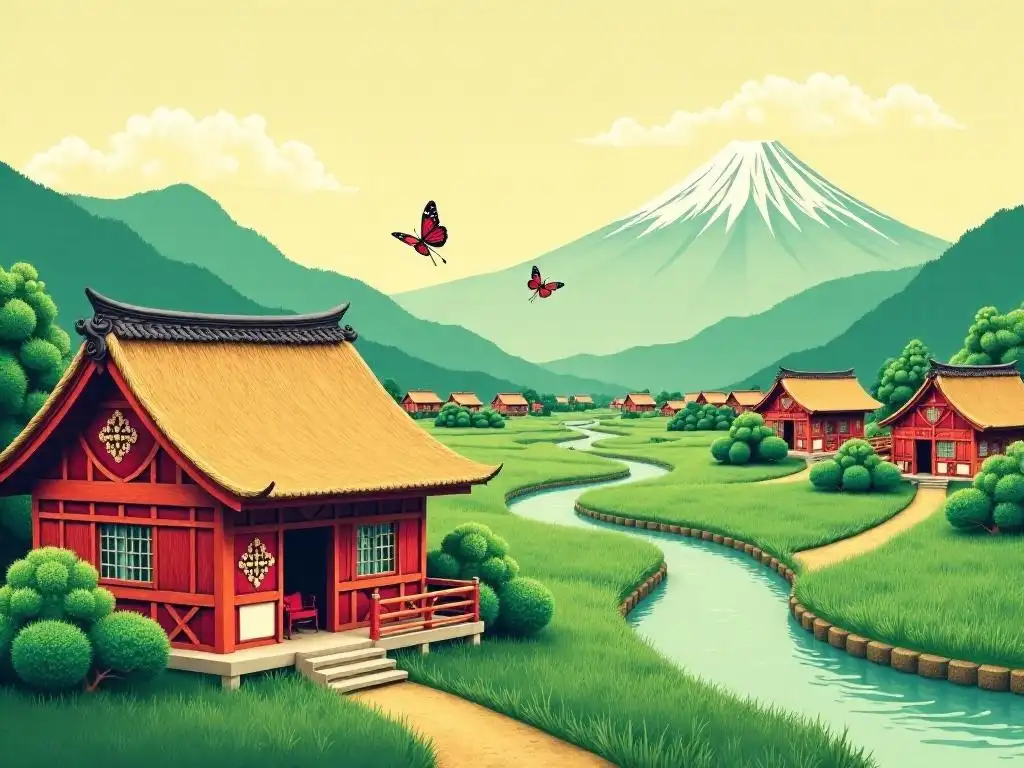
Welcome to Feudal Japan History, where we embark on a captivating journey through the intricate tapestry of Japan's feudal era. Here, we uncover the rich layers of Japan's cultural exchanges and the paradox of isolation that shaped its historical narrative. Have you ever wondered what profound gains and poignant losses arose from these complex interactions?
Dive into our latest article, "Cultural Exchanges: What Japan Gained and Lost through Isolation," and discover how these foreign relations not only influenced Japan's development but also left an indelible mark on its identity. Prepare to be intrigued and enlightened as you explore the depths of this fascinating chapter in history!
- Introduction to Japan's Cultural Exchanges and Isolation History
- The Historical Context of Japan's Isolation
- What Japan Gained Through Isolation
- What Japan Lost Due to Isolation
- Cultural Exchanges Before and After Isolation
- The Impact of Isolation on Japan's Foreign Relations
- Conclusion: Balancing Gains and Losses in Japan's Cultural History
-
Frequently Asked Questions
- What were the main reasons for Japan's isolation during the feudal era?
- How did cultural exchanges influence Japan during its period of isolation?
- What were some losses Japan experienced due to its isolation?
- How did Japan's cultural exchanges shape its identity during the feudal period?
- What impact did isolation have on Japan's societal structure?
- Final Reflection: The Dual Legacy of Japan's Cultural Isolation
- Embrace the Legacy of Cultural Exchange!
Introduction to Japan's Cultural Exchanges and Isolation History
Japan's feudal era, marked by a complex interplay of cultural exchanges and isolationist policies, presents a fascinating chapter in the nation's history. As the country grappled with foreign influences and internal dynamics, it embarked on a journey that both enriched and constrained its cultural landscape.
This exploration delves into the nuances of Japan's cultural exchanges during periods of isolation, examining the historical context, societal impacts, and the delicate balance between embracing outside ideas and preserving indigenous traditions. Understanding this duality offers valuable insights into how Japan navigated its place in the world and the lasting effects of these interactions on its cultural identity.
Overview of Japan's Isolationist Policies
Japan's isolationist policies, particularly the Sakoku (鎖国) policy instituted in the early 17th century, played a pivotal role in shaping the country's cultural exchanges. This period of enforced isolation lasted for over two centuries, from 1635 to 1853, during which foreign trade and interaction were severely restricted. The Tokugawa shogunate aimed to maintain political stability and prevent the influence of Christianity and Western ideologies, resulting in a complex web of regulations governing foreign relations.
- Key features of Sakoku policies:
- Limited Trade: Only select foreign entities, such as the Dutch and Chinese, were allowed to trade under strict conditions in designated ports like Nagasaki.
- Travel Restrictions: Japanese citizens were prohibited from traveling abroad, while foreigners were largely barred from entering Japan, creating a cultural bubble.
- Censorship and Control: The government implemented strict censorship to control the flow of information and ideas, further entrenching isolation.
While these policies succeeded in preserving Japan's sovereignty and cultural integrity for a time, they also led to a stagnation of innovation and limited exposure to global developments.
Importance of Cultural Exchanges in Feudal Japan
Despite the isolationist policies, cultural exchanges during the feudal era played a crucial role in shaping Japan’s identity and social fabric. Even within the constraints of Sakoku, elements of foreign culture managed to permeate Japanese society, leading to a unique blend of indigenous and external influences.
- Cultural influences during isolation:
- Dutch Learning (Rangaku): The limited contact with the Dutch spurred interest in Western sciences and technologies, allowing Japan to absorb valuable knowledge in medicine, astronomy, and military technology.
- Art and Aesthetics: The introduction of Western artistic techniques influenced Japanese art forms, leading to the development of new styles, such as ukiyo-e (woodblock prints).
- Philosophical Exchanges: The study of Confucianism and other philosophies from China enriched Japan's intellectual landscape, affecting governance and societal values.
The paradox of Japan's isolation is that, while it sought to protect its cultural identity, it simultaneously facilitated cultural exchanges that contributed to the dynamism and resilience of Japanese society. This intricate relationship between isolation and cultural interaction is a testament to Japan's ability to adapt and evolve, even in the face of stringent policies.
The Historical Context of Japan's Isolation
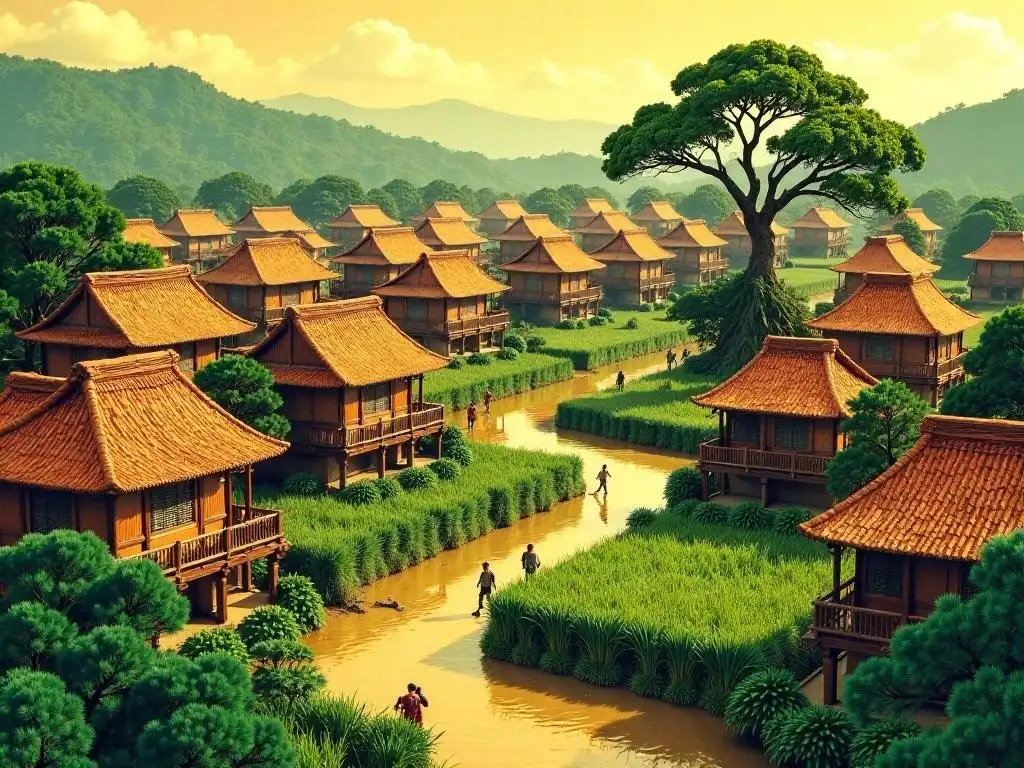
Japan's isolationist policies, particularly during the Edo period (1603-1868), were shaped by a complex interplay of historical events, cultural philosophies, and foreign relations. Understanding these factors is crucial to grasp the impact of isolation on Japan's cultural exchanges. The nation sought to protect its identity and sovereignty, leading to a deliberate withdrawal from international engagement.
The historical context of Japan's isolation can be traced back to the rise of the Tokugawa shogunate. The shogunate established a centralized feudal system that prioritized stability and control over the nation. This era was marked by social order, economic growth, and cultural flourishing, but it also led to a cautious approach towards foreign influences. The shogunate perceived foreign ideas and religions, particularly Christianity, as threats to the established social order and political power.
Additionally, the history of Japan's trade relations prior to the Edo period, such as with the Portuguese and Dutch, played a significant role in shaping its isolationist stance. The earlier arrival of European traders introduced both opportunities and challenges. The Tokugawa shogunate sought to minimize these external influences while fostering a unique Japanese culture that thrived in relative seclusion.
The Edo Period: A Time of Seclusion
The Edo period is often described as a time of profound seclusion for Japan, marked by the implementation of the Sakoku (鎖国) policy. This policy effectively closed Japan off from most foreign nations, allowing only limited trade under strict regulations. The government allowed interaction primarily with the Dutch and Chinese, but even these relationships were tightly controlled.
During this time, Japan saw a remarkable development of internal culture, arts, and social structures. Traditional Japanese practices in literature, theater, and crafts flourished, leading to a unique cultural identity. For instance, the development of ukiyo-e (浮世絵), a genre of woodblock printing, and the emergence of kabuki theater reflected the rich cultural life that thrived in isolation.
| Aspect | Description |
|---|---|
| Trade | Limited to the Dutch and Chinese under strict regulations. |
| Culture | Flourished, leading to unique art forms like ukiyo-e. |
| Social Structure | Centralized feudal system with a distinct class hierarchy. |
The seclusion fostered a sense of national pride and a strong emphasis on traditional values. However, this isolation also meant that Japan missed out on significant advancements in science and technology happening in the rest of the world, leading to a gap that would become evident by the 19th century.
Key Events Leading to Isolation: Sakoku Policy
The Sakoku policy, enacted in 1635, was a cornerstone of Japan's isolationist approach. It mandated that all Japanese citizens were forbidden to travel abroad, and those who attempted to leave faced severe penalties. The policy was established to prevent the spread of Christianity and foreign influence, which the shogunate viewed as destabilizing forces.
Key elements of the Sakoku policy included:
- Restriction of Foreigners: Foreigners were largely barred from entering Japan, except for a small number of Dutch traders who were confined to the island of Dejima in Nagasaki.
- Banishment of Christianity: The shogunate actively persecuted Christians, leading to a significant decline in the religion's presence in Japan.
- Censorship: The government imposed strict limitations on literature and education, aiming to control the flow of ideas.
As a result of these measures, Japan maintained a largely homogeneous culture, though this came at the cost of losing access to foreign innovations and ideas. The isolationist policies created a paradox — while Japan developed a rich and unique cultural landscape, it also became increasingly insular and resistant to change.
Influence of Foreign Relations on Japanese Society
Despite the isolationist policies, foreign relations during the Edo period had a profound impact on Japanese society in various ways. The limited interactions with foreign traders and the exchange of ideas, albeit restricted, allowed for some cultural exchanges that shaped Japanese society.
- Dutch Learning (Rangaku): The Dutch were the sole Western influence during this period, leading to the development of Rangaku, or Dutch learning. This encompassed the study of Western sciences and techniques, including medicine, astronomy, and cartography. Scholars like Matsumura Keibun and Yamamoto Kisuke played pivotal roles in introducing and translating European texts.
- Cultural Adaptations: Some aspects of European culture permeated Japanese arts and crafts, leading to a unique synthesis of styles. For example, the influence of Western painting techniques can be observed in some ukiyo-e prints.
- Economic Exchange: The limited trade with the Dutch and Chinese provided essential goods, such as silk and spices, shaping Japan's economy. The influx of foreign materials influenced local artisans and craftspeople, leading to innovations in traditional practices.
While Japan's isolationist policies limited extensive foreign interactions, they also provided a framework within which Japanese culture could develop independently. The influence of foreign relations, albeit restricted, played a critical role in shaping the cultural identity of Japan during the Edo period. Understanding these dynamics is essential for comprehending the complexities of Japan's cultural exchanges and the legacy of its isolation history.
What Japan Gained Through Isolation
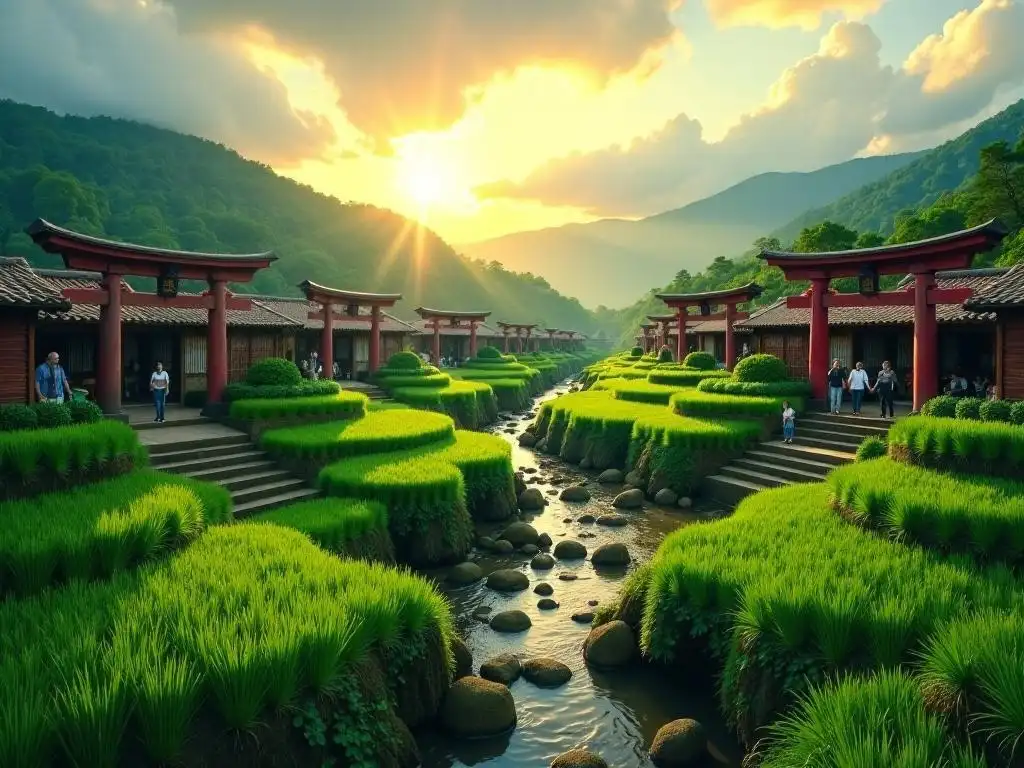
Japan's period of isolation, primarily during the Edo period (1603-1868), led to significant cultural, artistic, and societal developments. This era, marked by strict foreign policies, not only shaped the national identity but also allowed for deeper reflection on Japanese culture, resulting in the preservation and evolution of various cultural elements.
Preservation of Japanese Culture and Traditions
During Japan's isolationist policies, particularly under the Tokugawa shogunate, the nation experienced a remarkable preservation of its unique cultural practices and traditions. The lack of foreign influence allowed for the reinforcement of indigenous customs, rituals, and social structures.
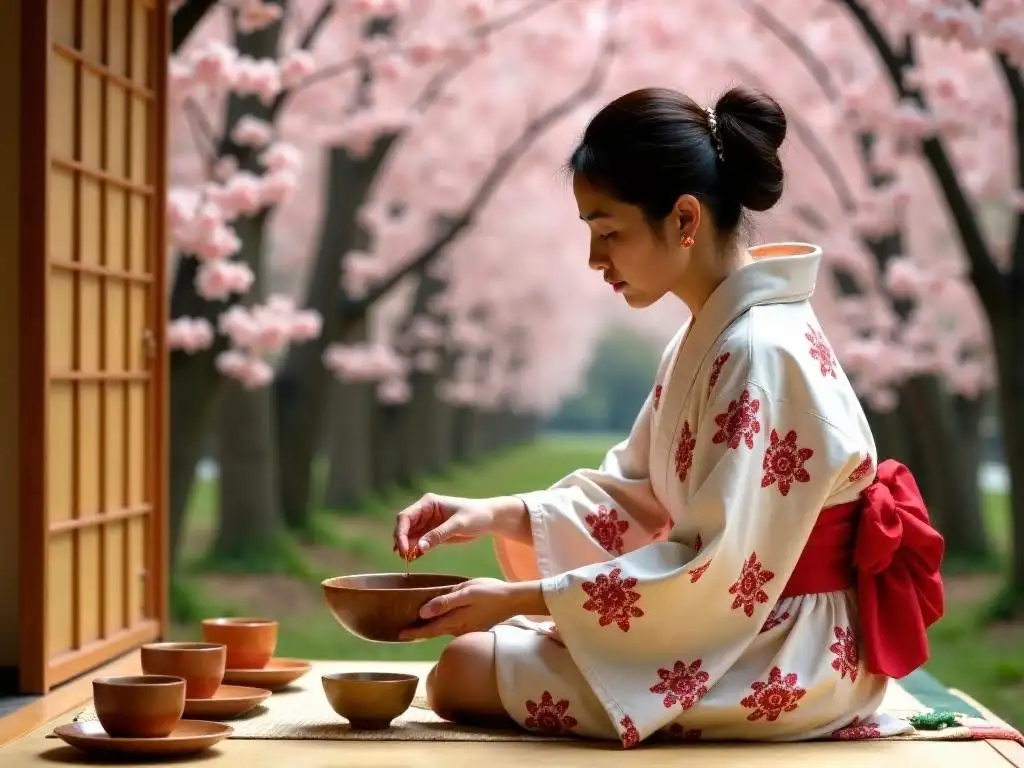
- Culinary Traditions: The isolation enabled Japanese cuisine to flourish, with an emphasis on local ingredients and traditional cooking methods. For instance, the preparation of sushi and the tea ceremony were refined during this time, emphasizing aesthetics and seasonal ingredients.
- Religious Practices: The isolation fostered a stronger adherence to Shinto and Buddhism, allowing these religions to mature without external interference. Traditional festivals, such as Matsuri, became essential in community life, reinforcing local identities.
The result was a culturally rich society where traditional customs were not only preserved but also celebrated, reflecting the unique Japanese ethos.
Development of Unique Art Forms and Aesthetic Values
Isolation also spurred the growth of distinctive Japanese art forms that remain influential today. The confinement of artistic expression within Japan allowed for the emergence of various styles that were deeply rooted in the nation's cultural context.
- Ukiyo-e (Woodblock Prints): This art form gained immense popularity, depicting landscapes, kabuki actors, and scenes from everyday life. Artists such as Hokusai and Hiroshige created iconic works that captured the essence of Japanese beauty and nature.
- Ikebana (Flower Arrangement): The practice of Ikebana evolved significantly, emphasizing simplicity and the beauty of nature. This art form reflects the Japanese aesthetic principle of "wabi-sabi," which appreciates imperfection and transience.
- Literature and Poetry: The isolation period saw the rise of unique literary forms such as Haiku, a poetic structure that captures deep emotions and moments in few words, highlighting Japan's appreciation for nature and fleeting beauty.
Through these art forms, Japan developed a unique aesthetic that conveyed its cultural values and philosophies, distinct from Western influences.
Strengthening of National Identity and Cohesion
The isolationist policies of Japan also played a critical role in strengthening the national identity and social cohesion among its people. With limited external interactions, a sense of unity emerged, fostering pride in Japanese heritage.
- Education and Philosophy: The focus on Confucian values during the Edo period instigated a strong emphasis on moral education, leading to a literate and politically aware populace. Schools, such as the Terakoya (temple schools), became instrumental in educating the masses about Japanese history and culture.
- Social Hierarchies: The rigid social structure, with the samurai class at the top, reinforced a collective national identity. The loyalty of the samurai to their lords and the sense of duty toward the community cultivated a spirit of cohesion and mutual responsibility.
- Cultural Celebrations: Festivals and communal activities during this era created bonds among different classes, promoting a shared sense of belonging and identity. Events like the Gion Matsuri not only celebrated local deities but also served to unify the people in their cultural heritage.
Japan's isolationist policies contributed significantly to the preservation and evolution of its cultural identity, leading to the development of unique art forms and a strengthened national cohesion that continues to resonate in modern Japanese society.
What Japan Lost Due to Isolation
Stagnation in Technological Advancements
During Japan's period of isolation, particularly under the Tokugawa shogunate from the early 17th to the mid-19th century, the country experienced significant stagnation in technological advancements. While the rest of the world was undergoing rapid industrialization, Japan remained largely cut off from new scientific ideas and innovations.
- Limited Exchange of Ideas: The Sakoku policy (鎖国), which restricted foreign influence and trade, resulted in a lack of exposure to Western technological developments. This isolation meant that Japan missed out on advancements in medicine, engineering, and military technology, which were crucial in shaping modern states.
- Reliance on Traditional Methods: With minimal interaction with foreign cultures, Japanese society continued to rely heavily on traditional methods in agriculture, manufacturing, and warfare. While these practices were culturally significant, they hindered potential growth and modernization.
For example, while European nations were developing steam power and mechanized production, Japan remained focused on feudal agricultural practices, which limited its industrial potential. This stagnation contributed to challenges that Japan would face when it eventually opened its borders in the mid-19th century.
Limited Global Perspectives and Knowledge
Japan's isolation also led to a narrow worldview, significantly impacting its cultural and intellectual development. The country largely relied on internal sources of knowledge, which became increasingly outdated over time.
- Cultural Insularity: The lack of cultural exchanges meant that Japanese art, literature, and philosophy evolved in a vacuum, without the influence of foreign ideas. This insularity resulted in a rich but limited cultural landscape that might have otherwise diversified through interaction with other civilizations.
- Missed Opportunities for Enlightenment: With limited access to Western literature and philosophy, Japanese scholars were deprived of enlightenment ideas that could have inspired reform and innovation. The absence of these exchanges stifled critical thinking and inquiry, which could have propelled Japan into new intellectual territories.
Moreover, the inability to engage with foreign perspectives limited Japan’s understanding of global politics and economics, creating a knowledge gap that would eventually need to be addressed once isolation ended.
Consequences for Trade and Economic Development
The isolationist policies implemented during the Tokugawa period had profound implications for Japan's trade and economic development.
- Decline in Trade Relations: Japan's trade was restricted primarily to the Dutch and Chinese, significantly limiting the range of goods, ideas, and technologies that could enter the country. This narrow focus meant that Japan could not fully benefit from the global trade networks that were expanding during this period.
- Economic Stagnation: The lack of diverse trade relationships contributed to economic stagnation, as Japan missed out on opportunities to acquire resources, foreign capital, and new markets for its products. The insular economy relied heavily on agriculture and traditional industries, which were unable to compete with more industrialized nations later on.
| Consequence | Description |
|---|---|
| Limited Trade Partners | Restricted trade mainly to the Dutch and Chinese |
| Economic Insularity | Reliance on traditional agriculture and crafts |
| Missed Industrial Opportunities | Failed to adopt innovations that could enhance growth |
Japan's isolation resulted in significant losses in technological progress, cultural diversity, and economic dynamism. These factors would ultimately shape the challenges Japan faced as it transitioned from a feudal society to a modern nation in the late 19th century.
Cultural Exchanges Before and After Isolation
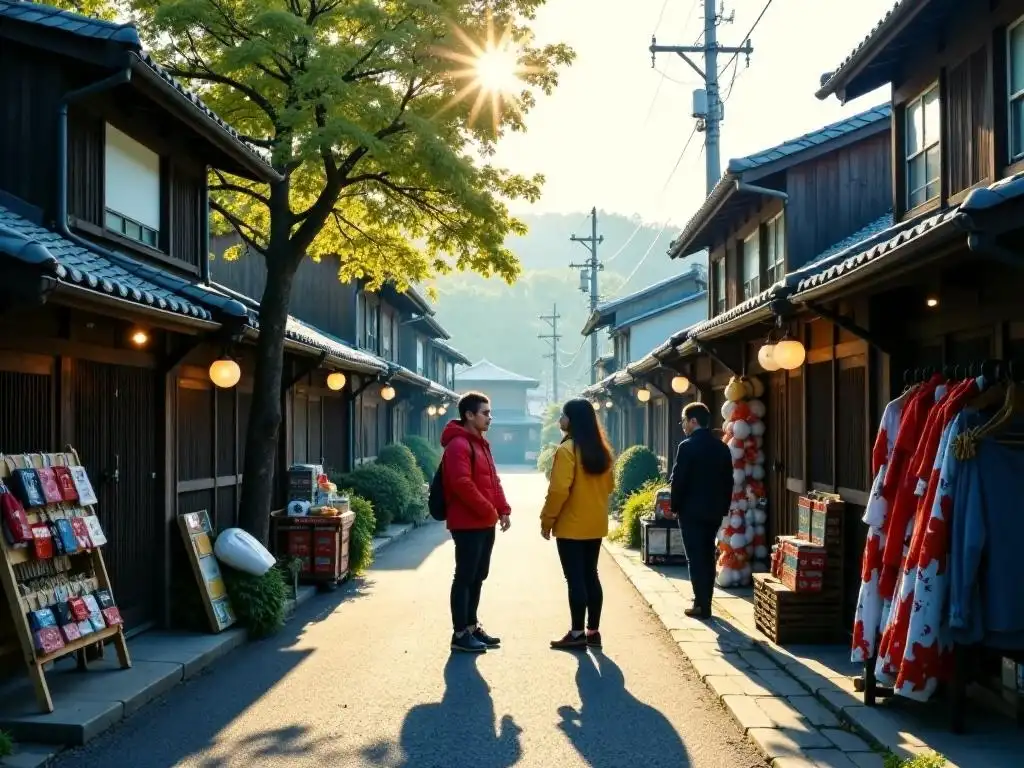
The cultural landscape of Japan underwent significant transformations due to various influences from neighboring countries before the onset of its isolationist policies in the early 17th century, as well as during the eventual reopening to the West in the mid-19th century. This section delves into the rich tapestry of cultural exchanges that shaped Japan's identity, highlighting the influences that came from China and Korea along with the revival of interactions with Western nations.
Pre-Isolation Cultural Influences: China and Korea
Before Japan adopted isolationist policies under the Tokugawa shogunate, it was a vibrant hub of cultural exchanges, particularly with China and Korea.
- Chinese Influence:
- Buddhism: Introduced from Korea in the 6th century, Buddhism took root in Japan, profoundly impacting its religious landscape. The establishment of temples, rituals, and Buddhist arts flourished during this period.
- Writing System: The Chinese writing system was adopted, leading to the development of kanji. This adoption laid the groundwork for Japan's literary and scholarly traditions, facilitating the emergence of unique Japanese literature.
- Philosophy and Governance: Confucianism influenced Japanese ethics, social hierarchy, and political philosophy, shaping governance and societal norms.
- Korean Influence:
- Cultural Transmission: Korean envoys played a critical role in facilitating the transmission of knowledge, art, and technology. This included advancements in metallurgy and agriculture, which significantly impacted Japanese society.
- Art and Aesthetics: The introduction of Korean pottery techniques influenced the development of Japanese ceramic traditions, leading to unique styles like Raku.
Through these exchanges, Japan not only enriched its cultural fabric but also established a foundation for its future developments.
Post-Isolation Revival of Cultural Exchanges with the West
The mid-19th century marked a significant turning point for Japan as it emerged from over two centuries of isolation. The arrival of Commodore Perry in 1853 catalyzed a series of events that reopened Japan to the world, leading to a renaissance of cultural exchanges.
- Western Technology and Ideas:
- Industrialization: Japan rapidly adopted Western technological advancements, transforming its economy and military. The introduction of railroads, telegraph systems, and modern manufacturing techniques revolutionized Japanese society.
- Education: The establishment of modern educational institutions, inspired by Western models, fostered a new generation of intellectuals and leaders who championed reform and modernization.
- Cultural Assimilation:
- Art Movements: The Meiji period saw a blend of Western artistic influences with traditional Japanese styles. This fusion can be seen in the emergence of new art forms, including Western-style painting and the integration of Western themes into Ukiyo-e.
- Fashion and Lifestyle: Western clothing, customs, and food began to permeate Japanese society, leading to a gradual shift in social norms and lifestyles.
The revival of cultural exchanges brought both opportunities and challenges, as Japan navigated its identity amid rapid modernization and globalization.
Case Studies of Cultural Influences: Art, Religion, and Language
To better understand the depth of cultural exchanges, we can examine specific case studies in art, religion, and language that illustrate the transformation of Japan's cultural identity.
- Art:
- Ukiyo-e and Western Art: The Ukiyo-e woodblock prints gained popularity in the West, influencing artists like Vincent van Gogh and Claude Monet. This cross-cultural exchange led to the Japonisme movement in Europe, showcasing the interconnectedness of art styles.
- Western Influence on Traditional Arts: The introduction of oil painting techniques and perspective in art schools fostered a new genre that blended Western and Japanese aesthetics.
- Religion:
- Buddhism and Christianity: While Buddhism laid the groundwork for spiritual practices, the arrival of Christianity in the 16th century brought new religious ideas. Although initially met with resistance, it gradually influenced Japanese thought and culture, leading to a unique syncretism.
- Shinto Revival: The Meiji Restoration sparked a revival of Shinto as a nationalistic element, intertwining traditional beliefs with modern state ideologies, showcasing the adaptation of religious practices in response to external influences.
- Language:
- Loanwords and Linguistic Adaptation: The interaction with the West introduced numerous loanwords into the Japanese language, particularly in technology, culture, and science. For instance, terms like "コンピュータ" (konpyūta, computer) reflect this linguistic evolution.
- Writing System Evolution: The blending of katakana and borrowed English words contributed to the development of a more complex and rich linguistic tapestry, enabling effective communication in a globalized context.
Through these case studies, it becomes evident that Japan's cultural exchanges, both before and after isolation, have been pivotal in shaping its unique identity, illustrating the dynamic interplay between preservation and adaptation in the face of external influences.
The Impact of Isolation on Japan's Foreign Relations
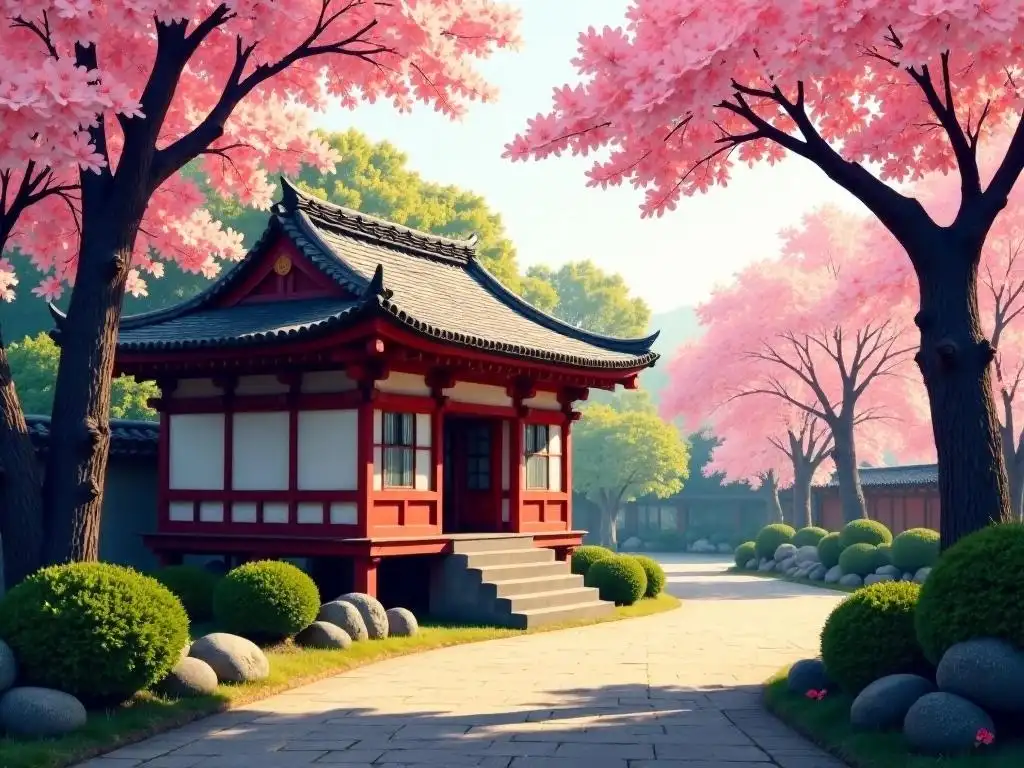
Japan's isolationist policies, particularly during the Edo period (1603-1868), had profound effects on its foreign relations. The Sakoku (鎖国) policy, initiated under Tokugawa Ieyasu, aimed to eliminate foreign influence, particularly from European powers and Christianity. This isolationism not only shaped Japan's diplomatic landscape but also influenced its cultural exchanges and societal structure.
Shifts in Diplomatic Strategies Over Time
Japan's diplomatic strategies evolved significantly throughout the isolationist period. Initially, the country engaged in limited trade with the Dutch and the Chinese, primarily through the port of Nagasaki. This selective engagement was a strategy to control foreign influence while still benefiting from certain cultural and technological exchanges.
- Early Isolation (1600s-1700s):
- Limited Trade: Only the Dutch were allowed to trade under strict regulations.
- Cultural Retention: Japanese scholars studied Dutch works, leading to the development of Rangaku (Dutch learning), which facilitated the import of Western science and technology.
- Mid Isolation (1800s):
- Increased Tensions: The arrival of Commodore Perry in 1853 marked a turning point, revealing the vulnerabilities of Japan’s isolationist stance.
- Treaties Forced: The unequal treaties imposed by Western powers forced Japan to open its ports, leading to a shift from isolation to engagement.
- Post-Isolation (Meiji Restoration):
- Rapid Modernization: The Meiji Restoration in 1868 signaled a complete overhaul of Japan’s diplomatic strategies, focusing on modernization and Westernization.
- International Relations: Japan began to build a network of diplomatic relationships, participating in global affairs and treaties.
The transitions in Japan's diplomatic strategies illustrate a response to both internal pressures and external threats, shaping a more dynamic approach to foreign relations.
The Role of Cultural Exchanges in Modern Diplomacy
Cultural exchanges during Japan's isolationist period laid the groundwork for modern diplomatic relations. The limited interactions with Dutch and Chinese traders allowed Japan to absorb certain aspects of Western science and culture, which would later influence its modernization efforts.
- Cultural Retention and Adaptation:
- Art and Literature: The isolation allowed for the flourishing of unique Japanese art forms, such as ukiyo-e, which later gained international recognition.
- Philosophical Influences: Confucian and Buddhist teachings were integrated into Japanese society, shaping its cultural identity.
- Modern Implications:
- Cultural Diplomacy: Today, Japan uses its rich cultural heritage (e.g., anime, cuisine, traditional arts) as a tool for soft power in international relations.
- Exchange Programs: Initiatives such as student exchange programs and cultural festivals promote mutual understanding and strengthen diplomatic ties.
Cultural exchanges serve as a bridge in modern diplomacy, fostering relationships based on shared values and interests, rooted in Japan’s historical experiences.
Lessons Learned from Japan's Isolationist Policies
The isolationist policies of Japan provide valuable lessons for contemporary policy-making and international relations. While there are advantages to controlling foreign influence, the long-term effects can lead to significant challenges.
- Balance between Isolation and Engagement:
- Risk of Stagnation: Prolonged isolation can hinder technological advancement and cultural evolution. Japan's eventual need to modernize illustrates the importance of staying engaged with global developments.
- Crisis Management: Japan's initial resistance to foreign pressures led to crises that could have been mitigated through earlier engagement.
- Cultural Identity and Globalization:
- Preservation vs. Adaptation: Japan's ability to maintain its cultural identity while engaging with foreign influences is a critical lesson in navigating globalization.
- Strategic Partnerships: Building partnerships based on mutual respect and shared interests can yield benefits in cultural and economic exchanges.
Japan's isolationist era underscores the complexity of balancing national interests with global interdependence, providing insights that remain relevant in today’s interconnected world.
Conclusion: Balancing Gains and Losses in Japan's Cultural History
The history of Japan's cultural exchanges during its isolationist policies is a complex tapestry woven with both significant gains and notable losses. The Edo period, marked by the Sakoku policy, restricted foreign influence while simultaneously allowing for the flourishing of unique Japanese customs, arts, and philosophies. This era highlighted the delicate balance between embracing external ideas and preserving indigenous culture.
Reflection on the Legacy of Isolation
Japan's isolation, which lasted from the early 17th century until the mid-19th century, has left an indelible mark on its cultural landscape. The period fostered the development of distinctive art forms such as Ukiyo-e (woodblock prints) and the tea ceremony, which became deeply ingrained in Japanese society. However, this cultural introspection came at a cost. The lack of foreign interaction stunted technological and scientific advancements that were proliferating in the West.
Key Outcomes of Isolation
- Cultural Flourishing: The Edo period saw the rise of Kabuki theater, haiku poetry, and the refinement of traditional crafts.
- Artistic Individualism: Artists and craftsmen had the opportunity to develop personal styles without the pressure of foreign competition.
Conversely, the isolation led to:
- Technological Stagnation: Japan fell behind in industrial advancements compared to its Western counterparts.
- Limited Global Perspective: A narrow worldview that affected Japan’s ability to engage with and adapt to new ideas and innovations.
The legacy of this isolation is reflected in contemporary Japan, where traditional practices coexist alongside modern influences. Understanding this historical context provides valuable insights into how Japan navigates cultural exchanges today.
Future Implications for Cultural Exchanges in Japan
As Japan continues to engage with the global community, the lessons from its isolationist past serve as a critical framework for future cultural exchanges. The unique position of Japan allows it to selectively integrate foreign influences while preserving its own cultural heritage.
Considerations for Future Exchanges
- Cultural Preservation: Japan must navigate the challenge of maintaining its cultural identity amidst globalization, ensuring that traditional practices are not overshadowed.
- Selective Integration: The country can benefit from adopting innovations while critically evaluating which external influences align with its values.
Japan's isolationist history is not just a relic of the past but a guiding principle for its cultural interactions moving forward. The ongoing dialogue between tradition and modernity will shape the future of Japan’s cultural exchanges, ensuring that the nation remains both unique and globally engaged. The balance struck between embracing new ideas and honoring its rich heritage will be pivotal in defining Japan's role in the world stage of cultural exchanges.
Frequently Asked Questions
What were the main reasons for Japan's isolation during the feudal era?
Japan's isolation was primarily driven by the desire to maintain cultural integrity and avoid foreign influences, particularly after the arrival of Western powers in the 19th century.
How did cultural exchanges influence Japan during its period of isolation?
Despite the isolation, Japan engaged in limited cultural exchanges with selected countries, which allowed it to adopt certain technologies and ideas while preserving its traditional values and practices.
What were some losses Japan experienced due to its isolation?
Japan faced losses in terms of technological advancement and global trade opportunities, which delayed its modernization compared to other nations that embraced foreign influences.
How did Japan's cultural exchanges shape its identity during the feudal period?
The cultural exchanges that occurred, though limited, helped shape Japan's identity by blending indigenous practices with select foreign elements, leading to a unique cultural synthesis.
What impact did isolation have on Japan's societal structure?
Japan's isolation allowed for the solidification of its feudal system, reinforcing social hierarchies and values that prioritized loyalty and duty within a tightly controlled societal framework.
Final Reflection: The Dual Legacy of Japan's Cultural Isolation
Japan's journey through cultural isolation has profoundly shaped its identity, revealing both the richness of its heritage and the costs of seclusion. In an era where globalization connects us more than ever, understanding how Japan navigated its isolationist policies offers valuable insights into the delicate balance between preserving culture and embracing change. The lessons learned from Japan's past resonate today, reminding us that cultural exchanges can be both a source of strength and a catalyst for transformation.
The impact of Japan's isolation and subsequent cultural exchanges continues to echo in today's global landscape. From art to technology, the interplay between tradition and innovation reflects a society that has learned to adapt while honoring its roots. As we witness the resurgence of interest in Japanese culture worldwide, it becomes clear that the threads of history weave a complex tapestry of influence and identity. Culture is the widening of the mind and of the spirit.
– Jawaharlal Nehru. This quote encapsulates the essence of Japan's cultural evolution, highlighting how engagement with the world can enrich a nation's spirit.
As we reflect on Japan's unique historical narrative, I invite you to consider your own relationship with cultural exchange. How can you embrace the lessons of the past to foster a deeper understanding of your own culture and the cultures of others? By engaging with diverse perspectives and honoring the stories that shape our identities, we can create a more interconnected world. Let us take inspiration from Japan's journey, recognizing that the beauty of cultural exchange lies in its ability to transform us while keeping our essence intact.
Embrace the Legacy of Cultural Exchange!
Thank you for diving into the intricate tapestry of Japan's cultural exchanges! Through this exploration, you've uncovered how isolation shaped the nation's identity, both enriching and challenging it. Now, it's your turn to engage with this rich history and continue the conversation.
Here are some impactful ways you can further connect with the theme of cultural exchange:
- Join a local or online group focused on Japanese culture and history to deepen your knowledge and share your insights.
- Share your thoughts about Japan's cultural evolution on social media—your voice can spark engaging discussions!
- Explore cross-cultural experiences in your community by attending events or participating in workshops that celebrate diverse heritages.
What aspect of Japan's cultural transformation fascinates you the most, and how can we learn from its past to foster a more interconnected future?