
The Role of Education in Shaping Japan’s View of the West

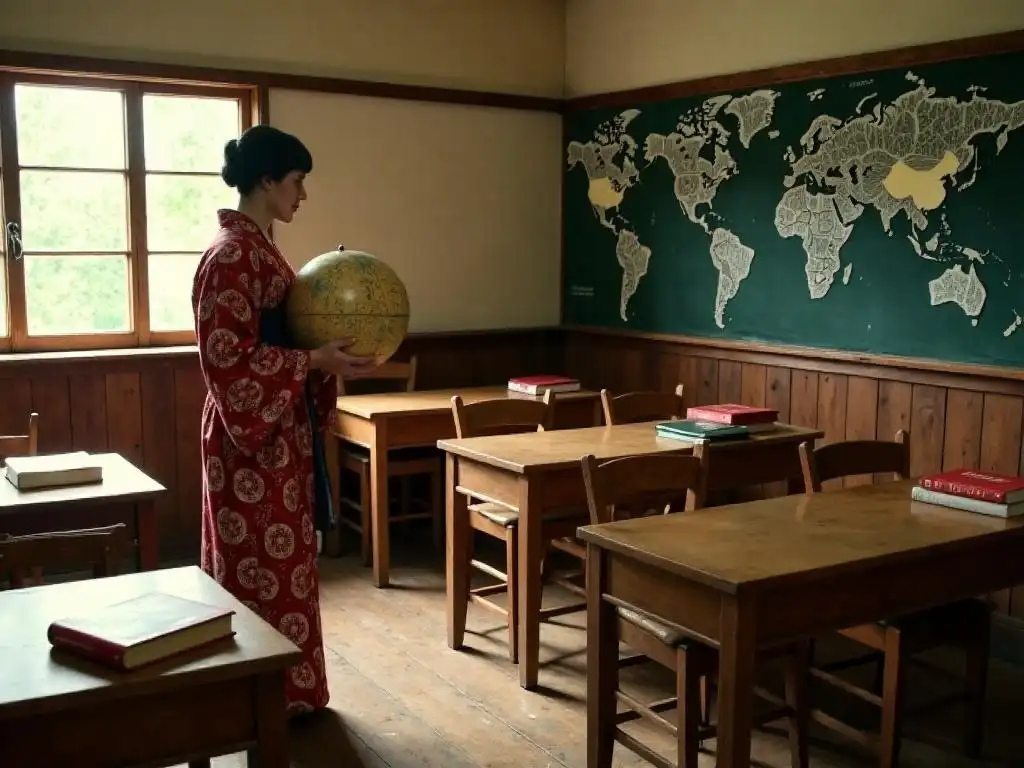
Welcome to Feudal Japan History, where we embark on an enlightening journey through the intricate tapestry of Japan's feudal era. Here, we delve into the profound impact of education as it shaped Japan’s perception of the West, revealing the pivotal moments that bridged these two worlds. Discover how Western influences transformed educational practices and societal norms, and how this interplay continues to resonate today. Are you ready to uncover the layers of history that define Japan's foreign relations? Dive in and explore the fascinating role education played in this cultural exchange!
Introduction to Education and Western Influence in Japan
The intricate relationship between education and the perception of Western influence in Japan is a compelling narrative that spans centuries. As Japan transitioned from a period of isolation to engagement with Western nations, the educational system played a pivotal role in shaping societal attitudes and cultural understanding.
This exploration delves into how education not only facilitated the transfer of knowledge but also influenced Japan's evolving view of the West, marking a significant turning point in its historical trajectory. By examining the educational practices during the feudal era and their implications, we can better understand the broader context of Japan's interactions with Western powers.
Overview of Japan's Educational System During the Feudal Era
During the feudal era, Japan's educational system was predominantly shaped by the samurai class and the teachings of Confucianism. The terakoya (temple schools) became the primary institutions for educating the children of commoners, while the daigaku (higher educational institutions) served the elite, particularly samurai.
- Key Features of the Educational System:
- Curriculum: Focused on Confucian texts, literature, and moral teachings.
- Accessibility: Education was limited, with a focus on the upper classes.
- Role of Religion: Buddhist teachings profoundly influenced educational content and philosophies.
As Japan opened up to Western influences in the late 19th century, the educational system began to adapt, incorporating Western knowledge, languages, and scientific principles. This transformation was crucial in molding Japan's perceptions of Western nations and ideologies.
Importance of Education in Shaping Cultural Perceptions
Education served as a vital conduit for cultural exchange and the assimilation of new ideas. The introduction of Western concepts through education not only expanded intellectual horizons but also challenged traditional Japanese beliefs and practices.
- Impact of Education on Cultural Perceptions:
- Critical Thinking: Western educational models encouraged questioning and exploration, contrasting with the more rigid, rote learning of traditional Japanese education.
- Modernization: Exposure to Western sciences and technologies fostered a sense of urgency for modernization, leading to significant societal changes.
- Cultural Exchange: Education acted as a bridge, facilitating dialogue between Eastern and Western philosophies, thus reshaping Japan's identity.
This ongoing evolution in educational practices contributed to a more nuanced understanding of the West, ultimately influencing Japan's diplomatic and cultural policies.
Historical Context of Japan-West Interactions
Understanding the role of education in shaping Japan's view of the West requires an exploration of the historical context surrounding these interactions.
Early Encounters with Western Nations
Japan's initial encounters with Western nations began in the 16th century with Portuguese traders and Jesuit missionaries. These interactions marked the beginning of a complex relationship characterized by curiosity, conflict, and eventual adaptation.
- Significant Events:
- Arrival of the Portuguese (1543): Introduction of firearms and new trade routes.
- Christian Missionaries: Efforts to convert the Japanese populace and establish educational institutions.
- Sakoku Policy (1635): Japan's isolationist policy limited Western influence but laid groundwork for future engagement.
Despite the isolationist policies that followed, the seeds of Western knowledge and culture had been planted, which would later bloom into a significant transformation during the Meiji Restoration.
The Influence of Christianity on Japanese Education
Christianity had a profound impact on Japan’s educational landscape, particularly during the early interactions with Western nations.
- Educational Contributions:
- Establishment of Schools: Missionaries founded schools that emphasized Western knowledge, ethics, and language.
- Promotion of Literacy: Christian teachings encouraged literacy among the broader population, contrasting with the earlier educational focus on the elite.
- Cultural Exchange: The integration of Western thought into the curriculum fostered a new outlook on governance, science, and human rights.
The legacy of these educational initiatives is evident in Japan's later efforts to modernize and engage with the world, illustrating the enduring influence of early Western interactions on Japanese society.
The Transformation of Education in the Meiji Era
The Meiji Era, spanning from 1868 to 1912, marked a pivotal transformation in Japan’s educational landscape, largely driven by a desire to modernize and compete with Western powers. This period saw the establishment of a public education system that aimed to cultivate a literate and skilled populace capable of contributing to the nation’s modernization efforts. The government recognized that education was essential not only for individual advancement but also for national strength and international standing.
During this transformative era, Japan underwent a systematic overhaul of its educational practices, moving away from the traditional Confucian-based system to one that embraced Western methodologies. The introduction of compulsory education in 1872 ensured that education became accessible to a broader segment of society, laying the foundation for a more enlightened citizenry. By incorporating Western educational models, Japan sought to equip its youth with the knowledge and skills necessary to navigate the complexities of a rapidly changing world.
Adoption of Western Educational Models
The adoption of Western educational models fundamentally reshaped Japan’s approach to learning. The government enlisted foreign experts to help design curricula and train teachers, which facilitated the infusion of Western ideologies and pedagogical techniques. This included the establishment of new schools and universities that emphasized subjects such as mathematics, science, and foreign languages—areas that were deemed essential for modernization.
One significant aspect of this transformation was the introduction of a centralized educational system that standardized curricula across the nation. Schools began to focus on practical subjects that would prepare students for various careers, reflecting the utilitarian approach prevalent in Western education. Textbooks were also revised to include Western literature, history, and philosophy, broadening students' perspectives and fostering a sense of global awareness.
Impact of Western Literature and Science on Japan's Curriculum
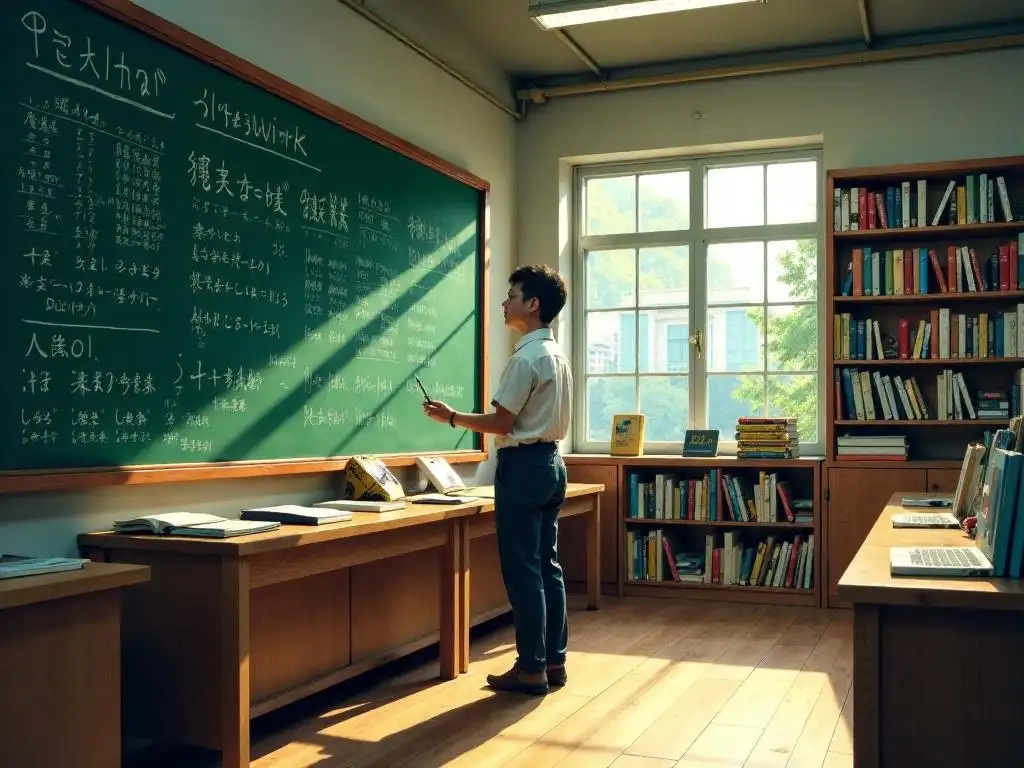
Western literature and science had a profound impact on Japan's educational curriculum during the Meiji Era. The infusion of Western literary works introduced new ideas, themes, and literary styles, which encouraged creativity and critical thinking among students. This exposure helped cultivate a cultural renaissance, where Japanese writers began to experiment with new forms and narratives, bridging traditional Japanese storytelling with Western influences.
In the realm of science, the introduction of Western scientific concepts and methodologies led to significant advancements in various fields, including medicine, engineering, and agriculture. Schools incorporated practical experiments and hands-on learning, allowing students to engage directly with scientific principles. This not only enhanced Japan's technological capabilities but also fostered a spirit of inquiry and innovation that became characteristic of the Meiji period.
The Role of Education in Shaping National Identity
Education played a crucial role in shaping Japan’s national identity during the Meiji Era, as it was seen as a means of fostering a unified and modern state. The government understood that education could instill a sense of nationalism and pride, essential for mobilizing the population in support of modernization efforts. As students learned about Japan's history and culture alongside Western knowledge, they developed a dual identity that embraced both their heritage and new global perspectives.
The emphasis on education as a means of nation-building was evident in the promotion of moral education, which aimed to instill virtues such as loyalty, diligence, and respect for authority. These values were crucial in fostering a cohesive society that could work collectively towards national goals, thereby reinforcing the government's vision of a modern Japan.
Education as a Tool for Modernization and Westernization
Education emerged as a critical tool for modernization and Westernization in Japan. The government recognized that to compete with Western powers, Japan needed a populace that was not only literate but also skilled in modern technologies and practices. By establishing a comprehensive education system, Japan aimed to cultivate a workforce capable of driving economic growth and technological advancement.
This drive for modernization was evident in various initiatives, such as the focus on vocational training and the establishment of technical schools that prepared students for careers in burgeoning industries. The government also encouraged the study of foreign languages, facilitating communication with Western nations and promoting international trade. Through these educational reforms, Japan sought to position itself as an equal among the powers of the West.
The Balancing Act: Preserving Japanese Culture Amid Western Influence
Despite the significant Western influence on education during the Meiji Era, there was a conscious effort to preserve Japanese culture and traditions. Educators and policymakers recognized the importance of maintaining a sense of cultural identity amidst the rapid changes brought about by Westernization. This balancing act became a defining feature of Japan’s educational reforms.
The curriculum incorporated traditional Japanese literature, history, and arts, ensuring that students developed an appreciation for their cultural heritage. Schools often emphasized the study of classical texts and the practice of traditional arts, thereby fostering a sense of pride and continuity. This dual focus on Western knowledge and Japanese culture allowed for a unique educational experience that prepared students to navigate a globalized world while remaining grounded in their national identity.
The interplay between education and Western influence during the Meiji Era was complex and multifaceted. While Japan embraced Western educational models to fuel modernization, it also sought to maintain its cultural integrity, resulting in a rich tapestry of learning that shaped a new generation of Japanese citizens.
Key Figures in Japanese Education Reform
During the Meiji Restoration, Japan underwent a significant transformation in its education system, influenced heavily by Western models. Several key figures emerged as instrumental in this reform process. These individuals not only promoted the adoption of Western ideas but also played a crucial role in adapting these concepts to fit Japan's unique cultural context.
One pivotal figure was Fukuzawa Yukichi. As a scholar and educator, Fukuzawa was a strong advocate for the modernization of Japan through education. He founded Keio University, which became a leading institution in promoting Western knowledge. His writings emphasized the importance of learning from the West to advance Japan and encouraged a shift away from traditional Confucian values towards individualism and critical thinking.
Another notable contributor was Nakae Chomin, who was influential in introducing Western philosophical ideas, particularly those from the Enlightenment. He argued for a more liberal educational system that would foster independent thought and civic responsibility among Japanese citizens.
These figures, among others, were crucial in shaping the educational landscape of Japan during the late 19th and early 20th centuries, setting the stage for a society that was more receptive to Western influence.
The Contributions of Educators in Promoting Western Knowledge
Educators in Japan played a vital role in bridging the gap between Eastern and Western knowledge. They were responsible for translating Western texts, adapting curricula, and training teachers in the new educational methodologies that emphasized science, technology, and liberal arts.
Prominent educators, such as Kato Hiroyuki, focused on the significance of a comprehensive education system that incorporated Western science and technology. Kato's efforts led to the establishment of schools that not only taught traditional subjects but also emphasized practical skills necessary for modernization.
Additionally, the Tokyo Imperial University, established in 1877, became a hub for Western learning. It attracted scholars from the West who contributed to the educational reforms by providing expertise and insights into modern pedagogy and academic disciplines. This influx of knowledge was crucial for Japan's development, allowing the country to adopt and adapt Western innovations effectively.
Influential Political Leaders and Their Educational Policies
Political leaders in Japan recognized the importance of education in fostering a modern nation capable of competing with Western powers. Emperor Meiji himself was a proponent of educational reform, seeing it as a means to strengthen the nation. Under his reign, the government implemented policies that aimed to create a national education system.
One of the landmark policies was the Education System Order of 1872, which established compulsory education for children and laid the groundwork for a structured educational framework. This policy signified a shift towards a more inclusive education system, aiming to educate all classes of society.
Ito Hirobumi, a key political figure and prime minister, also played an essential role in shaping educational policy. He advocated for the establishment of a constitutional government and believed that a well-educated populace was necessary for a functioning democracy. His policies encouraged the adoption of Western curricula and teaching methods, further integrating Western influence into Japanese education.
The Impact of Western Education on Japanese Society
The introduction of Western education had profound effects on Japanese society, reshaping its cultural and social landscape. As educational reforms took root, they began to alter the ways in which Japanese people viewed themselves and their relationship with the West.
Changes in Social Hierarchies and Class Structures
With the rise of Western education, traditional social hierarchies began to shift. The emphasis on meritocracy in education led to the erosion of the rigid class structures that had defined Japanese society for centuries. Individuals from lower social strata gained access to education and opportunities previously reserved for the samurai and aristocracy.
This democratization of education empowered a new segment of society, enabling them to rise based on ability rather than birthright. As a result, the merchant class and other non-samurai groups began to gain influence, contributing to a more diverse and dynamic societal structure.
The Rise of a New Intellectual Class
The impact of Western education also led to the emergence of a new intellectual class in Japan. This group was characterized by their exposure to Western ideas, philosophies, and sciences, which inspired them to re-evaluate traditional Japanese values and practices.
Educated in the new system, these intellectuals began to contribute to various fields such as literature, science, and politics. They became instrumental in discussions around modernization and reform, advocating for policies that aligned with their newly acquired knowledge. Figures like Mizuno Rentaro and Natsume Soseki emerged as prominent intellectuals, influencing cultural discourse and shaping public opinion.
As this new intellectual class gained prominence, they played a crucial role in Japan's interactions with the West, facilitating a dialogue that blended traditional Japanese culture with modern Western thought, ultimately leading to a unique Japanese identity that embraced both heritage and progress.
Critiques and Resistance to Western Educational Influence
As Japan underwent significant changes during the Meiji Restoration, the influx of Western educational models sparked considerable debate within Japanese society. While many embraced these new systems as pathways to modernization, others expressed skepticism and outright resistance. Critics argued that adopting Western education could undermine Japan's cultural heritage and traditional values. They feared that the emphasis on Western scientific and philosophical ideas would dilute Japanese identity, leading to a loss of essential cultural practices and beliefs.
Resistance also stemmed from the perception that Western education often prioritized individualism over community and collective well-being. Traditionalists believed that Japan's Confucian-based educational framework, which emphasized moral education, social harmony, and respect for hierarchy, was more suitable for Japanese society. This cultural clash highlighted the tension between preserving Japan's unique heritage and the pressures of globalization and modernization.
Traditionalists vs. Modernists: A Cultural Clash
The divide between traditionalists and modernists became especially pronounced in the realm of education. Traditionalists, often rooted in Confucian values, viewed the Western educational system as a threat that could erode the social fabric of Japan. They advocated for an education system that reinforced loyalty to the Emperor, respect for elders, and the importance of family and community.
In contrast, modernists championed Western educational practices, arguing that they provided the tools necessary for Japan to compete on the global stage. They promoted the study of Western sciences, literature, and languages, believing that this would facilitate Japan's industrial and economic growth. This clash of ideologies led to a complex educational landscape where both sides sought to influence the curriculum and educational policies in their favor, creating a dynamic tension that shaped Japan's educational evolution.
The Role of Nationalism in Educational Discourse
Nationalism played a pivotal role in shaping educational discourse in Japan during the late 19th and early 20th centuries. As the country navigated its identity in the face of Western influence, education became a vehicle for fostering national pride and unity. Educational policies were increasingly infused with nationalist sentiments, aiming to cultivate a sense of loyalty and belonging among students.
The incorporation of history and moral education that emphasized Japan's unique cultural heritage was a direct response to the perceived threat of Westernization. Schools began to teach narratives that celebrated Japan's achievements while framing Western influence as a double-edged sword—offering advancements but also posing risks to traditional values. This nationalist agenda in education not only shaped students' views of the West but also reinforced a collective identity that sought to balance modernity with tradition.
Case Studies of Educational Institutions Influenced by the West
The impact of Western educational influence on Japan can be examined through various institutions that adopted and adapted these new methodologies. One notable example is the Tokyo Imperial University, established in 1877, which aimed to emulate Western universities in its curriculum and research approaches. This institution became a breeding ground for scholars who would later play significant roles in Japan's modernization efforts.
Similarly, the establishment of private schools, such as Keio University and Waseda University, reflected the growing acceptance of Western educational philosophies. These institutions not only provided modern education but also became centers for intellectual discourse, where students were encouraged to engage with Western ideas critically. The curricula often included subjects like science, literature, and political theory, which were essential for producing a new generation of leaders capable of navigating the complexities of international relations.
Examples of Key Schools and Their Curricula
Key schools such as the Tokyo School of Foreign Languages and the Osaka University of Foreign Studies were vital in shaping Japan’s response to Western influence. These institutions focused on foreign language acquisition and international studies, preparing students for careers in diplomacy and trade. The curricula emphasized practical skills alongside cultural understanding, enabling students to engage effectively with Western counterparts.
Moreover, the introduction of Western-style education in these institutions often involved a blend of traditional Japanese teachings with Western methodologies. For example, moral education, traditionally rooted in Confucianism, was reinterpreted to include Western moral philosophies, creating a hybrid educational approach. This blending aimed to equip students with the necessary tools to navigate both their cultural heritage and the new global landscape.
Analysis of Educational Outcomes and Societal Impact
The integration of Western educational influences in Japan brought about profound societal changes. Graduates from these institutions emerged as pioneers in various fields, contributing to Japan's rapid industrialization and modernization. The emphasis on science and technology led to significant advancements in industries such as textiles, machinery, and transportation, positioning Japan as a formidable player in the global economy.
However, the societal impact was not without drawbacks. The shift toward a more individualistic approach in education often conflicted with traditional communal values, leading to tensions within families and communities. As students increasingly embraced Western ideas, some traditional practices began to wane, prompting fears among conservative factions regarding the preservation of Japanese culture.
The role of education in shaping Japan's view of the West was complex and multifaceted. While Western educational influences provided opportunities for growth and modernization, they also prompted critiques and resistance rooted in cultural preservation and nationalism. The legacy of this educational transformation continues to influence Japan's interactions with the West today, reflecting a delicate balance between embracing modernity and honoring tradition.
Conclusion: The Lasting Legacy of Education and Western Influence in Japan
The impact of education on Japan's perception of the West is profound and enduring. From the Meiji Restoration to today's globalized world, educational reforms have been pivotal in shaping Japan’s engagement with Western ideologies, technologies, and cultures. The Western influence instigated a transformation that went beyond mere adoption of foreign practices; it instilled a sense of modernity and progress that was crucial for Japan's journey toward becoming a global power.
Education facilitated a nuanced understanding of Western nations, providing Japanese citizens with the tools to critically engage with foreign ideas. This transformation led to a blend of traditional Japanese values with Western thought, fostering a unique cultural synthesis. The legacy of this blending is evident in various sectors, including technology, business, and even art, where Western techniques and philosophies have been harmoniously integrated with Japanese traditions.
Moreover, the historical context of Japan’s education system has influenced its contemporary views on diplomacy and international relations. As Japan continues to navigate its role on the global stage, the foundations laid by earlier educational reforms remain relevant, guiding interactions with Western countries and shaping policies that reflect both national interests and global responsibilities.
Reflection on the Evolution of Japan’s View of the West
Japan's historical relationship with the West has undergone significant changes, particularly influenced by educational practices. Initially, the arrival of Western ideas was met with skepticism and resistance, particularly during the Edo period when Japan adopted a policy of isolation. However, the end of this isolation during the Meiji Restoration marked a turning point, as the need to modernize became apparent. Educational systems were reformed to include Western sciences, philosophies, and languages, fundamentally altering societal perspectives.
As education expanded, so too did Japan's understanding of Western nations. The incorporation of Western texts and the establishment of universities modeled after Western institutions allowed for a deeper exploration of international relations. This critical engagement sparked a transition from viewing the West as a threat to recognizing it as a partner in modernization.
Notably, figures such as Fukuzawa Yukichi emerged as prominent advocates for Western learning, arguing for the necessity of adopting Western knowledge to ensure Japan's sovereignty and progress. Their influence helped foster a generation of Japanese who viewed the West with curiosity and respect rather than fear, ultimately leading to a more collaborative approach in diplomatic relations.
Future Implications for Japan’s Education System and Foreign Relations
Looking ahead, the role of education in shaping Japan's view of the West continues to hold significance. As globalization accelerates, the need for a dynamic and adaptive education system becomes imperative. Future educational policies must focus not only on the integration of Western knowledge but also on fostering critical thinking and intercultural competence among students. This approach will equip future generations to navigate complex international landscapes more effectively.
Furthermore, Japan's education system must take into account the shifting dynamics of global power. As emerging economies challenge traditional Western dominance, Japan's educational institutions could serve as platforms for fostering dialogue and collaboration with a diverse array of countries. Encouraging multilingualism and multicultural education can further enrich students’ perspectives, enabling them to engage with a broader spectrum of global narratives.
The legacy of education in shaping Japan's view of the West is a testament to the power of learning as a tool for transformation. By continuing to evolve its education system in alignment with contemporary global challenges, Japan can maintain its position as a significant player in international relations, fostering mutual understanding and cooperation with Western nations and beyond.
- Introduction to Education and Western Influence in Japan
- Historical Context of Japan-West Interactions
- The Transformation of Education in the Meiji Era
- Adoption of Western Educational Models
- Impact of Western Literature and Science on Japan's Curriculum
- The Role of Education in Shaping National Identity
- Education as a Tool for Modernization and Westernization
- The Balancing Act: Preserving Japanese Culture Amid Western Influence
- Key Figures in Japanese Education Reform
- The Impact of Western Education on Japanese Society
- Critiques and Resistance to Western Educational Influence
- Case Studies of Educational Institutions Influenced by the West
- Conclusion: The Lasting Legacy of Education and Western Influence in Japan
- What was the primary role of education during the feudal era in Japan?
- How did Western influence shape Japanese education?
- What were some key subjects taught in Japanese schools influenced by the West?
- How did Japan's view of the West change due to education?
- What impact did education have on Japan's modernization?
Frequently Asked Questions
What was the primary role of education during the feudal era in Japan?
Education during the feudal era was essential for samurai training and promoted Confucian values, which emphasized loyalty and discipline.
How did Western influence shape Japanese education?
Western influence introduced modern educational practices and scientific thought, leading to a transformation in Japan's educational system during the Meiji Restoration.
What were some key subjects taught in Japanese schools influenced by the West?
Subjects such as mathematics, science, and foreign languages became prominent, reflecting a shift to a more practical and empirical approach in education.
How did Japan's view of the West change due to education?
Education fostered a sense of curiosity and admiration for Western advancements, ultimately leading to a more open attitude towards Western ideas and technology.
What impact did education have on Japan's modernization?
The emphasis on education was a driving force behind Japan's rapid modernization, helping the country to become a global power by adopting and adapting Western innovations.
Final Reflection: The Enduring Impact of Education on Japan's Western Perception
Education has always been a powerful tool in shaping societal views, and in the context of Japan, it has played a pivotal role in defining the nation’s perspective on the West. As we navigate an increasingly interconnected world, understanding how education influences cultural perceptions becomes more relevant than ever. The historical evolution of Japan’s education system, particularly its engagement with Western ideologies, illustrates not only a transformation in thought but also a broader narrative of adaptation and resilience in the face of global change.
Culturally, the impact of education on Japan's view of the West is profound and ongoing. The integration of Western philosophies into Japan's educational framework has fostered a unique blend of tradition and modernity, influencing everything from art to technology. As we reflect on this dynamic, we recognize that education is not merely a means of knowledge acquisition but a catalyst for cultural dialogue. Education is the most powerful weapon which you can use to change the world.
– Nelson Mandela. This quote resonates deeply when considering how Japan has harnessed education to navigate its relationship with the West, illustrating the transformative power of learning.
As we look to the future, I invite you to reflect on your own educational journey and its impact on your worldview. Consider how the lessons learned through education can empower you to engage with diverse cultures and perspectives. In a world that often feels divided, let us embrace the opportunity to learn from one another, fostering understanding and collaboration. By doing so, we honor the legacy of education as a bridge between cultures, ensuring that the dialogue between Japan and the West continues to evolve in meaningful ways.
Unlock the Secrets of Cultural Exchange Today!
Thank you for diving into the fascinating world of education's role in shaping Japan's perception of the West. We hope you gained valuable insights that deepen your understanding of this intricate relationship. Now, it's time to take that knowledge and put it into action!
Here’s how you can explore further and engage with this topic:
- Start a conversation: Share your thoughts on how education influences cultural perspectives by commenting below. What are your views on the modern implications of this historical exchange?
- Expand your learning: Check out additional resources on our site to discover more about Japan's educational history and its impact on international relations.
- Join the community: Connect with fellow history enthusiasts by sharing this article on social media and inviting others to explore this rich part of Japan’s past.
What key lessons do you believe modern societies can learn from Japan's historical interactions with the West?