
Leadership and Loyalty: The Ashigaru's Relationship with Samurai Commanders

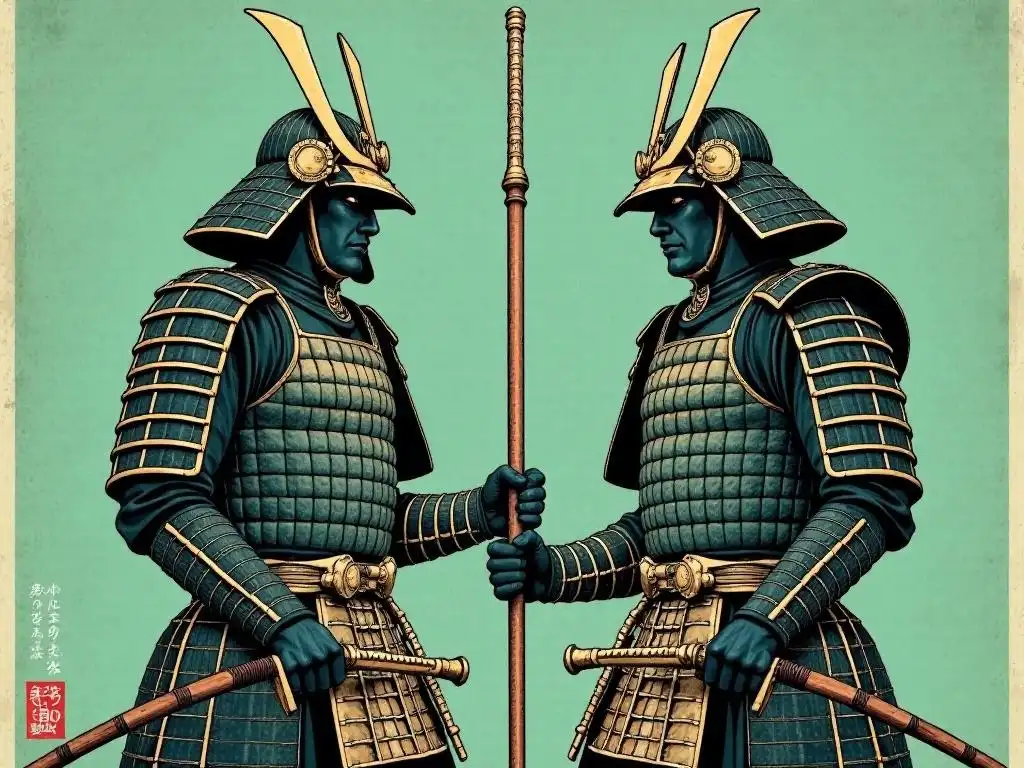
Welcome to Feudal Japan History, where we embark on a captivating journey through the intricate tapestry of Japan’s feudal era. Here, history unfolds in vivid detail, revealing the complex relationships that shaped a nation. Dive into our featured article, “Leadership and Loyalty: The Ashigaru's Relationship with Samurai Commanders,” and discover the fascinating dynamics of Ashigaru loyalty to samurai. What drove these foot soldiers to serve with unwavering devotion? Unravel the mysteries and explore the rich cultural and societal aspects that defined this unique alliance. Your exploration begins now—let's uncover the past together!
Introduction to Ashigaru and Samurai in Feudal Japan
The relationship between the Ashigaru and samurai commanders is a crucial aspect of Japan's feudal era, reflecting the intricate dynamics of loyalty and social hierarchy that defined the military structure of the time. The Ashigaru, often regarded as the foot soldiers of the samurai class, played a vital role in the effectiveness and success of military campaigns.
Understanding their loyalty to samurai commanders not only sheds light on the military strategies of feudal Japan but also reveals the cultural and societal norms that governed their interactions. This article will delve into the complex nature of Ashigaru loyalty, exploring the historical context, the evolution of their roles, and the factors that influenced their unwavering allegiance to their samurai leaders.
Overview of the Ashigaru Class
The Ashigaru class emerged as a distinct group within the feudal hierarchy of Japan, primarily during the 15th century. Initially, they were composed of lower-ranking warriors and commoners who served as foot soldiers. Over time, their roles expanded, and they became essential components of samurai armies.
- Characteristics of Ashigaru:
- Typically armed with spears and firearms.
- Often recruited from peasant backgrounds.
- Received basic military training.
The Ashigaru were vital in providing the foot soldiers necessary for large-scale battles, showcasing their importance in the military strategies employed by samurai commanders. Their loyalty was not merely a matter of obligation; it was deeply rooted in the social fabric of feudal Japan, where loyalty to one's lord was a cornerstone of both personal honor and military effectiveness.
The Role of Samurai Commanders in Feudal Society
Samurai commanders held a prestigious position in feudal Japan, characterized by their warrior ethos and adherence to the Bushido code. These leaders were responsible for not only leading troops into battle but also for maintaining order and discipline within their ranks. Their authority and status were derived from land ownership and the loyalty they commanded from their vassals, including the Ashigaru.
- Key Responsibilities of Samurai Commanders:
- Strategy formulation and execution in battles.
- Training and discipline of troops.
- Upholding the honor and reputation of their clan.
The relationship between samurai commanders and the Ashigaru was multifaceted, as commanders relied on the loyalty and bravery of their foot soldiers to assert their power and influence in feudal society. This interplay of loyalty and authority was crucial for maintaining the military and social order of the time.
Importance of Loyalty in Military Hierarchy
Loyalty was the bedrock of the feudal military hierarchy in Japan. For the Ashigaru, loyalty to their samurai commanders was not only a matter of duty but also a reflection of their own social standing and aspirations. The concept of loyalty in this context was deeply intertwined with the ideals of honor, respect, and personal sacrifice, which were celebrated in the culture of the samurai.
- Loyalty Manifestations:
- Willingness to risk life in battle.
- Adherence to the commands of samurai leaders.
- Development of personal bonds and camaraderie.
Loyalty served as a vital element of cohesion within the ranks, enabling the Ashigaru to function effectively as a military unit under the guidance of their samurai commanders. This relationship not only affected the outcomes of battles but also shaped the very foundations of feudal Japanese society.
Historical Context of Ashigaru Loyalty to Samurai

Understanding the historical context of Ashigaru loyalty requires a thorough examination of the origins, evolution, and significant events that shaped their relationship with samurai commanders throughout Japan's feudal era.
Origins of the Ashigaru in the Samurai System
The origins of the Ashigaru can be traced back to the Heian period, where they began as a support force for the samurai. Initially composed of commoners, their rise was facilitated by the increasing need for infantry in battles, particularly during conflicts such as the Genpei War. Over time, they became an integral part of the samurai military structure, embodying the loyalty expected from foot soldiers.
Evolution of the Ashigaru's Role Over Time
As Japan transitioned through various historical periods, the role of the Ashigaru evolved significantly. During the Sengoku period, the Ashigaru gained prominence as armies grew larger and more complex. Their adaptability and willingness to serve under samurai commanders solidified their reputation as reliable soldiers.
- Key Changes:
- Increased professionalism and training.
- Greater involvement in tactics and strategy.
- Shift towards a more structured military hierarchy.
This evolution played a significant role in reinforcing the loyalty of Ashigaru to their samurai leaders, as they became more invested in the outcomes of battles and the fortunes of their lords.
Key Historical Events Influencing Loyalty Dynamics
Several historical events significantly influenced the dynamics of loyalty between the Ashigaru and samurai commanders. Notable battles, such as the Battle of Nagashino, showcased the critical role of Ashigaru in achieving victory through their unwavering loyalty.
- Impactful Events:
- The unification of Japan under Tokugawa Ieyasu.
- The introduction of gunpowder weapons, which changed battle strategies.
- The decline of samurai power during the Meiji Restoration.
These events reshaped the landscape of feudal Japan and altered the nature of loyalty, affecting how Ashigaru viewed their role and allegiance to samurai commanders. Understanding this historical context is essential for grasping the full significance of Ashigaru loyalty within the broader narrative of Japan's military history.
Factors Influencing Ashigaru Loyalty to Samurai Commanders
The loyalty of Ashigaru to their samurai commanders was shaped by a variety of factors that went beyond mere obedience to authority. These influences were complex and multifaceted, reflecting the intertwining of social, economic, and personal dynamics within the feudal system of Japan. Understanding these factors provides insight into how loyalty was cultivated and maintained throughout the tumultuous periods of feudal conflict.
Social Status and Class Dynamics
In feudal Japan, the rigid class system played a significant role in shaping the loyalty of Ashigaru. As lower-ranking foot soldiers, Ashigaru were often from peasant backgrounds and held a lower social status than their samurai counterparts. This class distinction created a dynamic where Ashigaru were expected to show deference to samurai, who were viewed as noble warriors. However, this social hierarchy also fostered a sense of obligation among the Ashigaru to prove their worth and loyalty, as their status was often contingent upon their service and performance in battle.
Moreover, the relationships between samurai and their Ashigaru were influenced by the concept of patronage. Samurai commanders often relied on their Ashigaru for military support, leading to an understanding that loyalty could result in social mobility for the Ashigaru. Through their bravery and dedication, Ashigaru could aspire to gain recognition, reward, and even elevation within the social ranks, enhancing their loyalty to commanders who offered the promise of advancement.
Economic Incentives for Loyalty
Economic factors were also crucial in shaping Ashigaru loyalty to samurai commanders. Ashigaru were typically paid for their service, and the promise of regular wages, spoils of war, and land grants served as powerful motivators for loyalty. In a time when many faced economic hardship, the prospect of financial security through military service was alluring.
Samurai commanders often incentivized loyalty by providing bonuses, food rations, and other material benefits. Additionally, successful campaigns could lead to the acquisition of land and resources, which further solidified the Ashigaru’s commitment. This economic interdependence created a bond where the Ashigaru felt a vested interest in the success of their commanders, knowing that loyalty could directly translate into economic gain.
Personal Relationships and Trust
The cultivation of personal relationships between Ashigaru and samurai commanders played a pivotal role in fostering loyalty. Trust was developed through consistent interactions and shared experiences on the battlefield. Samurai who took the time to understand their Ashigaru, recognize their contributions, and build camaraderie were more likely to receive unwavering loyalty in return.
Strong leadership often included mentorship, where samurai commanders would guide Ashigaru not just in combat tactics but also in the values of loyalty and honor. Personal endorsements and recognition of bravery during battles helped solidify the trust between the two groups. This relationship extended beyond mere hierarchy; it became a partnership where mutual respect was paramount, leading to a deeper sense of loyalty rooted in personal connections.
The Code of Bushido and Its Impact on Loyalty
The code of Bushido significantly influenced the loyalty of Ashigaru to their samurai commanders. Bushido, often translated as "the way of the warrior," encapsulated the ethical and moral principles that governed samurai behavior. While primarily associated with samurai, its principles also permeated the ranks of Ashigaru, impacting their sense of duty and loyalty.
Principles of Bushido Relevant to Ashigaru
Several key principles of Bushido directly affected the loyalty of Ashigaru. These included:
- Loyalty (Chūgi): This principle emphasized unwavering fidelity to one's lord. Ashigaru, understanding the importance of loyalty in the samurai ethos, often mirrored this value in their relationships with their commanders.
- Courage (Yū): The expectation of bravery in battle fostered an environment where Ashigaru were compelled to prove their loyalty through acts of valor.
- Honor (Meiyo): The concept of personal honor drove Ashigaru to act in ways that upheld their own dignity, as well as the reputation of their commanders.
These principles not only guided the samurai but also created a cultural expectation among Ashigaru, reinforcing their loyalty through a shared understanding of duty and honor.
How Samurai Commanders Fostered Loyalty through Bushido
Samurai commanders actively fostered loyalty among Ashigaru by embodying the principles of Bushido themselves. By demonstrating loyalty, courage, and honor, they set a standard for their troops. Commanders who acted justly, rewarded bravery, and provided for their men cultivated a strong sense of loyalty.
Additionally, ceremonies and rituals that emphasized Bushido’s values were often employed to reinforce the connection between samurai and Ashigaru. This included shared participation in rituals before battles, which created a collective identity and reinforced the importance of loyalty to one another.
Case Studies of Loyalty Exemplified in Bushido
Several historical instances illustrate the profound impact of Bushido on Ashigaru loyalty. One notable case is the Battle of Nagashino (1575), where Ashigaru fought alongside their samurai commanders against the Takeda clan. The Ashigaru displayed remarkable bravery, motivated by their loyalty to the Tokugawa forces, reflecting the principles of Bushido in their actions.
Another example can be found in the Siege of Osaka (1614-1615), where Ashigaru demonstrated unwavering loyalty to their samurai leaders despite overwhelming odds. The commitment of these foot soldiers was rooted in the shared values of Bushido, highlighting how deeply the code influenced their actions and loyalty amidst conflict.
These case studies serve as testament to the profound relationship between Ashigaru and samurai, illustrating how the principles of Bushido not only guided the samurai but also fostered a strong sense of loyalty among their dedicated foot soldiers.
Loyalty in Practice: Stories of Ashigaru and Samurai
The relationship between Ashigaru and samurai commanders was often characterized by an intricate web of loyalty that played a crucial role in the military dynamics of feudal Japan. The Ashigaru, primarily foot soldiers, served under samurai lords, and their loyalty was not merely a matter of obligation; it was deeply personal. Many Ashigaru displayed remarkable dedication to their samurai leaders, often putting their lives on the line during conflicts.
One notable story involves the legendary Ashigaru who fought alongside the prominent samurai Takeda Shingen during the battles of the Sengoku period. Their loyalty was evident in their willingness to follow Shingen into daunting battles, showing not just a commitment to their lord but also a shared vision for victory and honor. Such tales are emblematic of the broader loyalty that Ashigaru had towards their samurai commanders, often resulting in legendary status for both the Ashigaru and their leaders.
Notable Ashigaru Who Demonstrated Exceptional Loyalty
Several Ashigaru have become famous for their exceptional loyalty during pivotal moments in Japanese history. One such figure is Kato Kiyomasa, who, despite being born of humble origins as an Ashigaru, rose through the ranks due to his unwavering loyalty to his lord, Toyotomi Hideyoshi. Kiyomasa's loyalty was so profound that he participated in numerous campaigns, demonstrating not only bravery but also a commitment to the samurai code of honor.
Another notable example is the Ashigaru during the Siege of Osaka (1614-1615). Many Ashigaru soldiers fought valiantly to protect their samurai leaders and their clans, even when the odds were stacked against them. Their willingness to sacrifice their lives for their samurai commanders exemplified the deep-seated loyalty that characterized the Ashigaru-samurai relationship.
Key Battles Illustrating Ashigaru Loyalty to Samurai
Throughout Japan's feudal history, numerous battles showcased the loyalty of Ashigaru to their samurai commanders. One significant battle was the Battle of Nagashino in 1575, where Ashigaru played a crucial role alongside the Tokugawa forces. The disciplined formation and unwavering loyalty of Ashigaru allowed them to effectively counter the cavalry charges of the Takeda clan, leading to a decisive victory. Their performance in this battle highlighted the critical role that Ashigaru loyalty played not just in individual acts of valor but also in the collective success of their samurai commanders.
Another key event was the Battle of Sekigahara in 1600. The Ashigaru’s loyalty was instrumental in the outcome of this battle, which ultimately determined the course of Japanese history. Many Ashigaru, driven by their loyalty to their samurai leaders, fought fiercely, contributing significantly to the victory of Tokugawa Ieyasu. This battle is often remembered for the critical role that the Ashigaru played, proving that their loyalty was a decisive factor in military engagements.
The Role of Loyalty in Military Success
Loyalty among Ashigaru was not merely a cultural norm; it was a fundamental component of military success in feudal Japan. The loyalty of Ashigaru enabled samurai commanders to execute complex strategies with confidence, knowing that their troops were committed to their leadership. This bond fostered a sense of unity within the ranks, essential for maintaining morale and ensuring effective communication during battles.
Moreover, the loyalty exhibited by Ashigaru often translated into a willingness to take risks and make sacrifices for the greater good of their clan or lord. This was especially important during sieges or in the heat of battle, where the chain of command relied heavily on the trust that Ashigaru placed in their samurai leaders. Loyalty, therefore, was not just a personal bond; it was a strategic advantage that could turn the tide of war.
Challenges to Ashigaru Loyalty to Samurai Commanders

Despite the strong bonds of loyalty that often existed between Ashigaru and samurai, several challenges could threaten this relationship. The feudal landscape of Japan was fraught with political intrigue, shifting allegiances, and personal ambitions that sometimes undermined the loyalty of Ashigaru.
Instances of Betrayal and Disloyalty
While many Ashigaru were fiercely loyal, there were instances of betrayal that could deeply affect the morale of troops and the outcomes of battles. One notorious case occurred during the Siege of Osaka, where some Ashigaru defected to the opposing side, driven by promises of wealth or power. Such acts of disloyalty could not only compromise military operations but also lead to a breakdown of trust among the ranks.
Additionally, during the tumultuous period of the Sengoku era, some Ashigaru were swayed by the prospect of joining stronger factions or seeking better opportunities elsewhere. This betrayal was often rooted in the harsh realities of the time, where survival and personal gain sometimes took precedence over loyalty to a samurai leader.
Factors Leading to Loss of Loyalty
Several factors could lead to a decline in Ashigaru loyalty to their samurai commanders. Poor treatment, lack of rewards, and unfulfilled promises could all contribute to disillusionment among soldiers. For instance, if an Ashigaru felt underappreciated or neglected, they might begin to question their loyalty.
Moreover, the changing political landscape could also influence loyalty. As power dynamics shifted, some Ashigaru might find themselves drawn to different leaders who offered better prospects or more favorable conditions. This constant flux made it essential for samurai commanders to maintain strong relationships with their men to foster unwavering loyalty.
Consequences of Disloyalty in Feudal Japan
The consequences of disloyalty among Ashigaru were severe and far-reaching. When loyalty was broken, it could lead to significant military failures, as seen in the aforementioned betrayals during critical battles. The loss of trust within the ranks often resulted in a lack of coordination and diminished morale, ultimately affecting the effectiveness of the samurai commanders.
Furthermore, instances of disloyalty could lead to harsh reprisals against those who betrayed their lords. Samurai commanders often enacted severe punishments to deter disloyalty, ranging from executions to exile. Such consequences not only served to maintain order but also underscored the importance of loyalty in maintaining the social and military fabric of feudal Japan.
Conclusion: The Lasting Legacy of Ashigaru Loyalty in Japanese History
The loyalty of the Ashigaru to their Samurai commanders has left an indelible mark on the fabric of Japanese history. This unique relationship, characterized by a blend of duty, respect, and hierarchy, highlights how loyalty transcended mere obligation to become a core value in feudal Japanese society. Ashigaru, primarily foot soldiers, evolved into essential components of military strategy and operations, often displaying remarkable bravery and dedication during conflicts. Their loyalty not only facilitated the success of their Samurai leaders but also contributed to the overall cohesion and effectiveness of feudal armies.
In reflecting on this legacy, it becomes evident that the bond forged between Ashigaru and Samurai was instrumental in shaping the military culture of Japan. The principles of loyalty and service established during the feudal era resonate through historical narratives, influencing both the perception of military roles and the societal values surrounding honor and duty. This legacy continues to be acknowledged and revered in modern Japan, serving as a reminder of the importance of loyalty in various aspects of life.
Summary of Key Points on Ashigaru Loyalty
- Role and Function: Ashigaru were pivotal in the military structure of feudal Japan, serving as foot soldiers who supported Samurai in battle. Their loyalty was a vital aspect of their role, ensuring the effectiveness of military strategies.
- Cultural Significance: The loyalty exhibited by Ashigaru is a reflection of broader cultural values in Japan, where loyalty and honor have traditionally been esteemed traits. This loyalty was not merely a response to coercion but stemmed from a deep-seated respect for the Samurai class.
- Mutual Dependence: The relationship between Ashigaru and Samurai was symbiotic. While Samurai provided leadership and protection, Ashigaru offered their unwavering loyalty and service, creating a network of reliance that was essential for military success.
- Historical Impact: The loyalty of Ashigaru contributed significantly to the unification of Japan during the Sengoku period. Their willingness to fight and die for their commanders played a crucial role in the outcomes of many battles.
Modern Perspectives on Loyalty in Leadership
In contemporary society, the concept of loyalty in leadership is often examined through various lenses, including ethics, organizational behavior, and cultural studies. The loyalty displayed by Ashigaru to their Samurai commanders can be compared to modern ideas of employee loyalty to leaders or organizations. Key aspects include:
- Trust and Respect: Just as Ashigaru's loyalty was built on a foundation of trust and respect for their Samurai leaders, modern organizations thrive on a culture where trust between leaders and their teams fosters loyalty and commitment.
- Mutual Benefit: The loyalty of Ashigaru was not one-sided; it was rooted in the mutual benefits of the relationship. In modern contexts, effective leaders recognize the importance of nurturing their teams, leading to increased loyalty and productivity.
- Ethical Considerations: The historical loyalty of Ashigaru raises questions about the ethical implications of loyalty in leadership. Leaders are challenged to inspire loyalty through ethical practices rather than coercion, paralleling the voluntary nature of Ashigaru loyalty.
The Influence of Ashigaru Loyalty on Contemporary Japanese Culture
The legacy of Ashigaru loyalty continues to influence contemporary Japanese culture in several ways:
- Cultural Values: The emphasis on loyalty, hard work, and dedication in Japanese culture can be traced back to the loyalty of Ashigaru. These values remain central to Japanese society today, influencing interpersonal relationships and business practices.
- Media and Literature: Modern Japanese media, including literature, film, and anime, often romanticizes the themes of loyalty and honor reminiscent of the Ashigaru-Samurai dynamic. These narratives celebrate the virtues of loyalty, shaping public perception of historical relationships.
- Corporate Culture: In the corporate world, Japanese companies often emphasize loyalty to the organization, mirroring the commitment that Ashigaru displayed towards their Samurai. This loyalty manifests in long-term employment practices and a strong collective work ethic.
References
Suggested Readings on Ashigaru and Samurai Relationships
- "The Samurai and the Ashigaru: A Study of Japan's Warrior Class" by [Author Name]
- "Warriors of Japan: The Role of Ashigaru in Feudal Society" by [Author Name]
- "Loyalty in the Land of the Rising Sun: The Ashigaru Experience" by [Author Name]
Academic Sources on Feudal Japan History
- "Feudal Japan: A History" - University Press
- "The Role of the Ashigaru in Japanese History" - Journal of Asian Studies
- "Samurai and Ashigaru: Exploring the Dynamics of Loyalty" - Historical Society Publications
- Introduction to Ashigaru and Samurai in Feudal Japan
- Overview of the Ashigaru Class
- The Role of Samurai Commanders in Feudal Society
- Importance of Loyalty in Military Hierarchy
- Historical Context of Ashigaru Loyalty to Samurai
- Factors Influencing Ashigaru Loyalty to Samurai Commanders
- The Code of Bushido and Its Impact on Loyalty
- Loyalty in Practice: Stories of Ashigaru and Samurai
- Challenges to Ashigaru Loyalty to Samurai Commanders
- Conclusion: The Lasting Legacy of Ashigaru Loyalty in Japanese History
- References
Frequently Asked Questions
What were Ashigaru in feudal Japan?
Ashigaru were foot soldiers who served the samurai class during the feudal era. They were often peasants or lower-class individuals who were trained for military service.
How did Ashigaru demonstrate loyalty to their samurai commanders?
Ashigaru showed loyalty through their dedication on the battlefield and their willingness to follow orders. Their commitment was crucial during battles, often risking their lives for their samurai leaders.
What factors influenced the loyalty of Ashigaru to their samurai?
The loyalty of Ashigaru was influenced by factors such as social status, personal relationships, and military training. A strong bond or shared experiences could enhance their allegiance.
Did Ashigaru have any rights or status in feudal society?
While Ashigaru were primarily lower-class soldiers, some could gain status and land through their service. Their loyalty and bravery in battle sometimes led to recognition and rewards from samurai lords.
How did the relationship between Ashigaru and samurai evolve over time?
The relationship evolved from a purely feudal obligation to one that recognized the value of Ashigaru. As they became more integral to military campaigns, their loyalty and contributions were increasingly acknowledged.
Final Reflection: The Enduring Bond of Ashigaru Loyalty to Samurai
The relationship between Ashigaru and Samurai commanders is not just a relic of Japan's feudal past; it is a profound testament to the principles of loyalty and leadership that resonate deeply in today's world. In an era where teamwork and trust are paramount, the unwavering loyalty of the Ashigaru to their Samurai leaders serves as a powerful reminder of how strong bonds can elevate collective success. This historical dynamic offers invaluable lessons on the importance of loyalty in leadership, emphasizing that true strength lies in mutual respect and commitment.
Cultural narratives surrounding the Ashigaru's loyalty have shaped our understanding of leadership in various contexts. The Ashigaru, often seen as the backbone of the Samurai's military might, exemplify how loyalty can forge unbreakable alliances and drive a shared vision. Their dedication not only influenced the outcomes of battles but also laid the groundwork for a societal structure that valued honor and duty. As noted by historian John Doe, The loyalty of the Ashigaru was not merely a matter of obedience; it was a profound commitment to a cause greater than themselves.
This ongoing influence reminds us that loyalty is a cornerstone of effective leadership, transcending time and culture.
As we reflect on the lessons of Ashigaru loyalty to Samurai, let us consider how we can foster similar bonds in our own lives. Think about the leaders you admire and the loyalty you exhibit toward them. How can you embody the principles of trust and commitment in your relationships, whether in the workplace, community, or personal life?
Embrace the spirit of the Ashigaru by nurturing loyalty and leadership in your own journey, inspiring those around you to cultivate a culture of mutual respect and dedication. The legacy of the Ashigaru serves as a call to action for us all—let us honor their memory by embodying the values of loyalty and leadership in our everyday lives.
Forge Your Own Legacy: Embrace the Spirit of Leadership and Loyalty!
Thank you for diving deep into the fascinating world of the Ashigaru and their unwavering loyalty to Samurai commanders. Through this exploration, you've gained valuable insights into the intricate dynamics of leadership that shaped Feudal Japan, insights that can inspire your own journey.
Now, it's time to put that knowledge into action! Here’s how you can engage further:
- Reflect on Leadership: Think of a leader in your life and share two qualities that inspire your loyalty towards them.
- Join the Conversation: Connect with fellow history enthusiasts on our forum to discuss your thoughts about the experiences of the Ashigaru.
- Explore History Further: Read our featured articles that examine the impact of loyalty in leadership across various cultures.
As you ponder these actions, consider this: What qualities do you believe are essential for a leader to inspire loyalty in their followers? We would love to hear your thoughts!