
The Significance of Honor and Reputation in Samurai Martial Arts

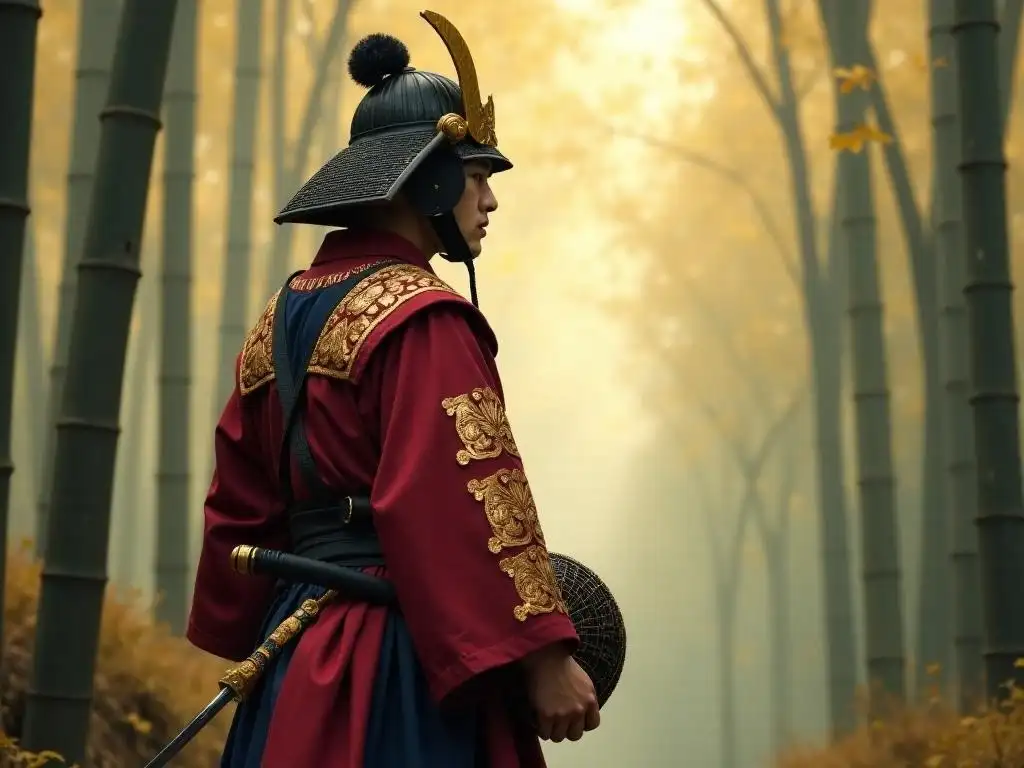
Welcome to Feudal Japan History, where we embark on a journey through the captivating tapestry of Japan's feudal era. Here, we delve into the intricate layers of history, culture, and society that define this remarkable period. In our featured article, “The Significance of Honor and Reputation in Samurai Martial Arts,” we explore the profound values that shaped the legendary samurai warriors. What does it truly mean to uphold honor in the face of battle?
Join us as we unravel the complexities of samurai ideals, igniting your curiosity and inviting you to discover more about this fascinating aspect of military history. Ready to step into a world where reputation is everything? Let's explore together!
In the intricate tapestry of Japan's feudal era, the concepts of honor and reputation stand as fundamental pillars that shaped the identity and conduct of the samurai class. These elements were not merely personal virtues; they were the lifeblood of a samurai's existence, influencing their actions, decisions, and their very place within the societal hierarchy.
As warriors, the samurai were bound by a stringent code that dictated their behavior both on and off the battlefield. This article delves into the profound significance of honor and reputation in samurai martial arts, exploring how these ideals were cultivated, maintained, and sometimes even jeopardized in the tumultuous world of feudal Japan.
By examining the historical context, the emergence of the samurai class, and the profound influence of Bushido, we can gain a deeper understanding of how these concepts have shaped not only the samurai's martial practices but also the cultural landscape of Japan as a whole.
Introduction to Samurai Honor and Reputation
Honor and reputation were central to the samurai way of life, dictating their actions and interactions with others. Honor, or meiyo, was a reflection of one's integrity and moral standing, while reputation—often gauged through the eyes of peers and society—could significantly impact a samurai's status and influence. These two elements were intrinsically linked, as a samurai's honor directly influenced their reputation.
Defining Honor in Samurai Culture
Honor in samurai culture was a multifaceted concept. It encompassed ideals such as loyalty, bravery, and ethical conduct. A samurai's actions were expected to uphold not only their personal honor but also the honor of their family and clan. Violations of this code could lead to severe consequences, including loss of status or even forced suicide, known as seppuku, as a means of restoring honor.
- Key Aspects of Samurai Honor:
- Loyalty to Lord: The samurai's unwavering fidelity to their feudal lord was paramount.
- Courage in Battle: Bravery was celebrated, with a warrior's valor in combat reinforcing their honor.
- Moral Integrity: Ethical behavior in everyday life was as crucial as prowess in warfare.
Understanding Reputation in Feudal Japan
Reputation in feudal Japan was a powerful currency, shaping alliances and determining a samurai's standing within society. A samurai's reputation was built upon their achievements, conduct in battle, and their adherence to the principles of Bushido. The perception of a samurai could vary widely, influenced by their actions and the narratives spun by others.
- Factors Influencing Reputation:
- Public Perception: How a samurai was viewed by peers and commoners could elevate or diminish their reputation.
- Military Success: Victories in battle often enhanced a samurai's standing and respect among their peers.
- Family Legacy: The reputation of a samurai's family could provide a powerful backdrop to their own standing.
The Historical Context of Samurai Honor and Reputation
To fully appreciate the significance of honor and reputation among samurai, it is essential to understand the historical context in which these ideals flourished. The emergence of the samurai class during the late Heian period and the subsequent development of the bushido code solidified the importance of these concepts in Japanese society.
The Emergence of the Samurai Class
The samurai class began to emerge in the late 12th century, during a time of political upheaval and warfare. As the need for skilled warriors increased, the samurai established themselves as the military elite, gaining both power and status. This rise was accompanied by a distinct code of conduct that emphasized honor and reputation.
- Key Developments:
- Rise of Feudalism: The feudal system allowed samurai to hold land in exchange for military service.
- Establishment of Clans: Powerful clans emerged, further entrenching the values of honor and loyalty.
Influence of Bushido on Samurai Honor
Bushido, the "way of the warrior," is a critical framework that encapsulated the ideals of honor and reputation for samurai. This ethical code guided their conduct, instilling a sense of duty and moral obligation that transcended personal interests.
- Core Principles of Bushido:
- Rectitude: Adherence to moral principles.
- Courage: The ability to confront fear and adversity.
- Compassion: A sense of empathy towards others.
The significance of honor and reputation in samurai martial arts extends beyond mere concepts; they were essential components that dictated the samurai's way of life, influencing their actions in and out of battle, and ultimately shaping the cultural legacy of feudal Japan.
The Role of Honor in Samurai Martial Arts
Honor played a pivotal role in shaping the martial arts practiced by the samurai, whose identity was deeply intertwined with a strict code of ethics. This code, known as Bushido, defined not only the conduct expected of samurai warriors but also the very essence of martial arts as a practice. The concept of honor was foundational, guiding samurai in their actions both on and off the battlefield.
Honor was more than just a personal virtue; it was a societal expectation that influenced every aspect of a samurai's life, from their conduct in combat to their interactions with peers and superiors. The samurai believed that to lose one's honor was to lose everything, and thus they engaged in martial arts not simply as a means of physical training but as a way to cultivate their character and uphold their standing in society.
Honor as a Core Principle of Bushido
At the heart of Bushido lies the principle of honor, which is encapsulated in the samurai's commitment to loyalty, courage, and integrity. The samurai viewed honor as a sacred duty, where one’s actions were guided by the desire to maintain a good name and the respect of others. This principle dictated that samurai should engage in combat with dignity, showing mercy when possible and taking responsibility for their decisions.
The concept of seppuku, or ritual suicide, exemplifies the extreme measures samurai took to preserve their honor. In situations where a samurai faced overwhelming shame or defeat, the act of taking one’s own life was seen as a means to restore honor not only for themselves but also for their family and clan. Thus, the understanding of honor within Bushido was not merely about personal pride; it was about the collective reputation of the samurai's lineage.
The Impact of Honor on Samurai Fighting Techniques
The emphasis on honor significantly influenced the fighting techniques and strategies employed by samurai. Techniques were developed not only for effectiveness in battle but also to embody the samurai's sense of honor. For example, many martial arts forms emphasized the importance of fair play and respect for one's opponent.
Samurai were trained to engage in head-to-head combat, where victory was achieved through skill and honor rather than deceit or ambush. This adherence to honorable combat fostered a unique fighting style that prioritized techniques like katana draws that were both swift and respectful, allowing for a quick, decisive end to conflicts while minimizing unnecessary bloodshed.
Moreover, the samurai's reputation as honorable warriors was reinforced through their martial arts disciplines, as they aimed to demonstrate not only prowess but also the ethical framework that governed their actions. This intersection of honor and technique created a legacy of martial arts that was as much about moral integrity as it was about physical ability.
Reputation's Influence on a Samurai's Life
A samurai's reputation was crucial in determining their standing within the feudal hierarchy of Japan. Reputation could influence a samurai's career opportunities, social interactions, and even their ability to secure alliances or favors from higher-ranking officials. The societal structure of feudal Japan placed immense value on reputation, making it essential for samurai to cultivate a persona that aligned with the ideals of Bushido.
How Reputation Affects Social Standing
Reputation was directly tied to a samurai's social standing and could dictate their place within the clan and the broader society. A samurai known for their bravery and ethical conduct could rise in rank, gaining respect and authority, while one who acted dishonorably risked ostracism and diminished status. This dynamic created a competitive environment where samurai constantly sought to uphold their reputations through acts of valor and integrity.
Additionally, a samurai's reputation had implications for their family's honor. The actions of one member could reflect upon the entire clan, making it imperative for samurai to act in ways that would not bring shame to their lineage. As a result, the pursuit of a positive reputation became a communal effort, fostering a sense of collective responsibility among samurai families.
Reputation and the Code of Conduct for Samurai
The samurai's code of conduct, as outlined in Bushido, emphasized the importance of reputation in their daily lives. Adherence to the principles of loyalty, honor, and respect was seen as essential not only for personal integrity but also for maintaining the esteem of one's family and clan. Samurai were expected to behave in a manner that would enhance their reputation, ensuring that their name was synonymous with valor and honor.
This code also dictated how samurai should interact with others, including their peers, superiors, and even enemies. Upholding one's reputation required a careful balance of humility and assertiveness, ensuring that while a samurai should seek to excel, they must do so without arrogance or dishonor. The emphasis on reputation, therefore, was not just a personal concern; it was a societal expectation that shaped the very fabric of samurai culture and their martial arts practices.
The Interplay Between Honor and Reputation
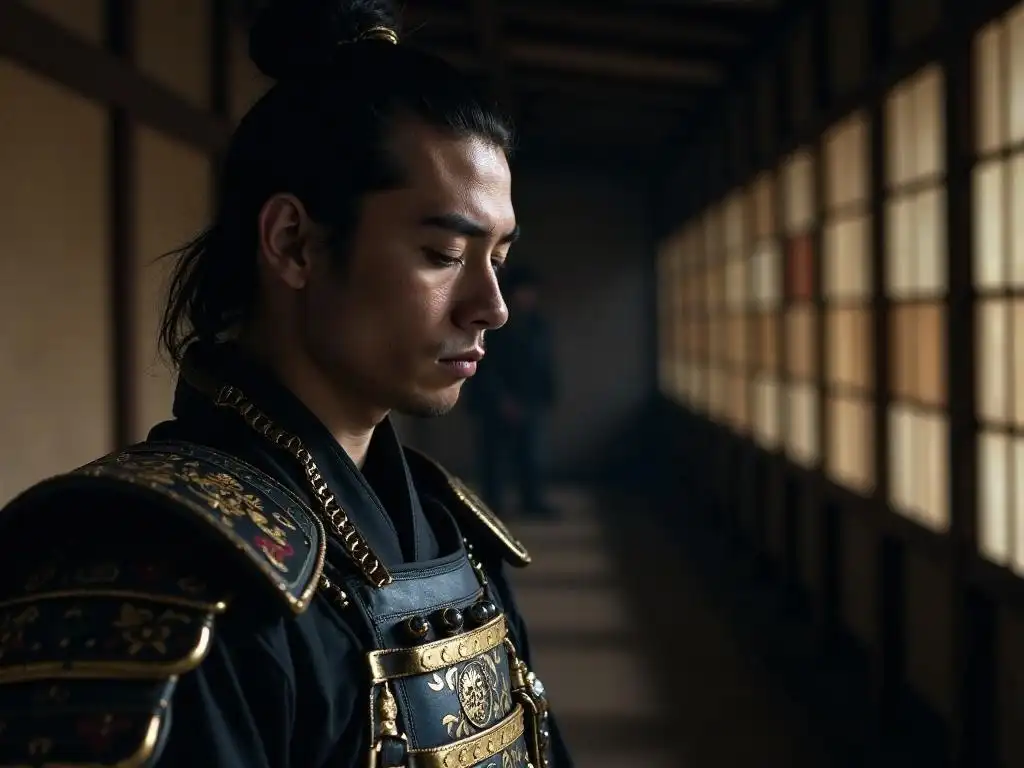
In the context of samurai martial arts, honor and reputation are intricately linked, forming the backbone of the warrior ethos. The concept of bushido, or "the way of the warrior," emphasizes that a samurai's life is defined by his adherence to a strict moral code, where honor is paramount. This moral framework dictates not only personal conduct but also the public perception of a samurai. The interplay between honor and reputation ensures that a samurai’s actions are viewed through the lens of their personal integrity, influencing how they are regarded by peers and society at large.
Reputation, while often seen as a reflection of external perceptions, is deeply rooted in the samurai's commitment to honor. A reputation built on honorable deeds can elevate a samurai’s status, fostering respect and loyalty from followers and allies. Conversely, a tarnished reputation often results from acts perceived as dishonorable, leading to social ostracism and loss of standing. This relationship underscores the idea that one’s honor is not merely a personal attribute but a communal aspect that affects the wider samurai community.
The Relationship Between Personal Honor and Public Reputation
The relationship between personal honor and public reputation in samurai culture is paramount. Personal honor is an internalized set of values and beliefs that guide a samurai's behavior and decision-making. These values include loyalty, bravery, and integrity. When a samurai adheres to these principles, it naturally enhances their public reputation.
Public reputation, however, is shaped by external perceptions and societal judgments. It is often the result of a samurai's actions and their consequences, interpreted through the eyes of peers, lords, and the common people. For example, a samurai who demonstrates valor in battle not only solidifies his honor but also enhances his reputation as a courageous warrior. Conversely, if a samurai betrays his lord or acts cowardly, it can lead to a swift decline in reputation, irrespective of his personal honor.
Furthermore, the samurai understood that their actions could influence the reputation of their clan or family, which reflects the interconnectedness of personal honor and public perception. In a tightly-knit society where lineage and status were critical, the honor of one could uplift or tarnish the reputation of many.
Consequences of Dishonor and Loss of Reputation
The consequences of dishonor and loss of reputation for a samurai were severe and often unforgiving. Dishonor could manifest in various ways, such as failure in battle, betrayal of one's lord, or a failure to uphold the principles of bushido. Such acts not only affected the individual samurai but also their family and clan.
When a samurai lost his honor, the repercussions were immediate and profound. Socially, he faced ridicule, ostracism, and could even be treated as an outcast, losing the respect and support of his peers. In some cases, the loss of reputation could lead to a samurai's decision to commit seppuku, or ritual suicide, as a means to restore personal honor and prevent further shame to their family.
Moreover, a tarnished reputation could also result in a loss of opportunities, such as military command or political influence. The samurai's ability to lead and inspire trust in others was fundamentally tied to their reputation; thus, a decline in reputation might severely limit their capacity to engage in warfare or diplomacy effectively.
Case Studies of Notable Samurai and Their Honor
The history of feudal Japan is rich with examples of samurai who navigated the complexities of honor and reputation. These case studies highlight the profound implications of these concepts in shaping the lives and legacies of these warriors.
The Legacy of Miyamoto Musashi: A Study of Honor and Reputation
Miyamoto Musashi, one of Japan’s most legendary swordsmen, exemplifies the intricate dance between honor and reputation. Known for his undefeated record in combat and his distinctive two-sword fighting style, Musashi's honor was deeply rooted in his dedication to the martial arts and his quest for perfection.
Musashi's reputation as a formidable warrior was not solely built on his martial prowess but also on his philosophical approach to combat and life. His book, The Book of Five Rings, explores the deeper meaning of martial arts and the importance of honor. Through his writings, Musashi emphasized that true strength comes from a place of honor and that one's reputation should reflect their inner values.
Interestingly, Musashi's life was characterized by a refusal to engage in pointless duels or fights that did not uphold his principles. This choice further solidified his reputation as not only a skilled swordsman but also a wise and honorable individual. His legacy continues to influence martial artists and samurai to this day, illustrating how honor and reputation can transcend time.
The Impact of Honor on the Life of Oda Nobunaga
Oda Nobunaga, a prominent figure in Japan’s unification during the late 16th century, serves as another compelling case study in the significance of honor and reputation. Nobunaga was known for his ruthless tactics and ambitious drive to consolidate power, but he also adhered to a personal code of honor that guided his actions.
His reputation as a fierce and innovative leader allowed him to command loyalty from his followers and instill fear in his enemies. Nobunaga’s honor was reflected in his commitment to rewarding loyalty and punishing betrayal, which was critical in maintaining a strong and united front against rival clans.
However, the weight of honor in Nobunaga's life also led to his downfall. His brutal methods of warfare and political maneuvering, while effective in achieving short-term success, ultimately contributed to a legacy that was marred by controversy. The betrayal by one of his generals, Akechi Mitsuhide, was partly a result of Nobunaga's harsh reputation, which alienated potential allies. This illustrates the delicate balance samurai had to maintain between honor and reputation, demonstrating how the two can profoundly influence a warrior's fate.
Modern Perspectives on Samurai Honor and Reputation
The concept of honor and reputation among samurai has transcended the feudal era, influencing modern interpretations of martial arts and ethical conduct. In contemporary society, samurai values, particularly those related to honor, loyalty, and respect, resonate in various domains, including martial arts schools, self-defense programs, and even corporate environments. This enduring legacy encourages practitioners to cultivate not only physical skills but also moral integrity and ethical behavior.
Modern martial arts instructors often incorporate the principles of samurai honor into their teachings, emphasizing the importance of respect for one’s opponents, humility in victory, and the responsibility that comes with martial knowledge. These principles foster a sense of community and personal growth, reflecting the samurai's commitment to self-discipline and character refinement.
How Samurai Honor Influences Contemporary Martial Arts Practices
In various martial arts disciplines today, the influence of samurai honor is evident in the way practitioners conduct themselves both in and out of the dojo. For instance, many martial arts schools adopt a formal structure that echoes the traditional samurai code, including rituals such as bowing to instructors and fellow students, which instill a sense of respect and discipline.
Moreover, the idea of "bushido," or the way of the warrior, has become a guiding principle for many martial artists. This code emphasizes virtues such as courage, integrity, and benevolence, which are essential for personal development and mastery of the martial arts. Practitioners often find that embodying these values not only enhances their martial skills but also supports their overall character development, leading to a more profound understanding of oneself and one’s place in society.
The Relevance of Samurai Reputation in Today’s Society
Reputation, as cultivated by samurai, remains a significant aspect of interpersonal relationships and professional environments in modern society. In various fields, from business to sports, an individual's reputation can greatly influence their opportunities and success. The samurai's dedication to maintaining a positive reputation through honorable actions serves as a powerful reminder of the impact of one's conduct on their legacy.
Furthermore, the principles surrounding reputation are mirrored in the practices of modern martial arts organizations that prioritize community service, ethical behavior, and leadership. Many martial artists view their training as a means not only to improve physically but also to contribute positively to society, reflecting the samurai's commitment to honor and reputation. This connection highlights the relevance of samurai values in fostering a culture of respect and integrity.
Conclusion: The Enduring Legacy of Samurai Honor and Reputation
The legacy of samurai honor and reputation continues to shape the practices and philosophies of martial arts today. As we delve into the principles that governed the lives of samurai, it becomes clear that these values are not confined to history but are actively cultivated by practitioners in contemporary settings.
Summary of Key Points on Samurai Honor and Reputation
- Honor as a Guiding Principle: The samurai code emphasizes honor, influencing modern martial arts through rituals and ethical conduct.
- Character Development: The virtues of bushido enhance personal growth, encouraging practitioners to embody qualities like courage and integrity.
- Reputation Matters: The importance of reputation in samurai culture remains relevant, impacting personal and professional relationships in today's society.
Final Thoughts on the Importance of Honor in Martial Arts Evolution
The exploration of samurai honor and reputation reveals a profound connection between historical values and modern practices. As martial artists strive to uphold these principles, they not only honor the legacy of the samurai but also contribute to a more respectful and ethical society. The enduring significance of honor and reputation in martial arts evolution serves as a guiding light for future generations, reminding us that the true essence of martial arts lies in the cultivation of character alongside skill.
- Introduction to Samurai Honor and Reputation
- The Historical Context of Samurai Honor and Reputation
- The Role of Honor in Samurai Martial Arts
- Reputation's Influence on a Samurai's Life
- The Interplay Between Honor and Reputation
- Case Studies of Notable Samurai and Their Honor
- Modern Perspectives on Samurai Honor and Reputation
- Conclusion: The Enduring Legacy of Samurai Honor and Reputation
- What is the significance of honor and reputation in Samurai culture?
- How did Samurai martial arts reflect the values of honor?
- What role did reputation play in a Samurai's life?
- How were honor and reputation connected to a Samurai's actions in battle?
- How did the concept of honor evolve during the feudal era in Japan?
Frequently Asked Questions
What is the significance of honor and reputation in Samurai culture?
Honor and reputation were central tenets of Samurai culture, guiding their actions and decisions. Upholding personal integrity and societal expectations was vital for maintaining one's status.
How did Samurai martial arts reflect the values of honor?
Samurai martial arts, or bujutsu, emphasized discipline and respect, mirroring the ethical values of honor. Practicing these arts was not only about combat but also about cultivating character and moral principles.
What role did reputation play in a Samurai's life?
A Samurai’s reputation could determine their social standing and opportunities. It influenced alliances and warfare, as a strong reputation could command loyalty and respect from peers and followers.
How were honor and reputation connected to a Samurai's actions in battle?
In battle, a Samurai’s honor was often at stake, influencing their courage and strategy. Actions taken during conflict were seen as reflections of their character, affecting their legacy.
How did the concept of honor evolve during the feudal era in Japan?
The concept of honor evolved alongside societal changes; while it initially focused on individual valor, it later encompassed duty to family and lord, further complicating the Samurai's code of conduct.
Final Reflection: The Enduring Legacy of Samurai Honor and Reputation
The principles of honor and reputation have shaped not only the samurai's way of life but continue to resonate in our modern society. In an age where personal integrity and societal values often seem compromised, the samurai's unwavering commitment to these ideals serves as a powerful reminder of what it means to live with purpose and dignity. The lessons drawn from their code of conduct are not merely historical anecdotes; they are essential tenets that can guide us through contemporary challenges.
Cultural narratives surrounding samurai honor and reputation have profoundly influenced our understanding of ethics and personal conduct. The samurai's dedication to their principles has left an indelible mark on various aspects of life, from martial arts to leadership and beyond. As we navigate our own paths, we can draw inspiration from their legacy. Honor is not the absence of fear, but the presence of courage to do what is right.
This quote encapsulates the essence of the samurai spirit, reminding us that true honor often requires us to confront our fears and stand firm in our convictions.
As you reflect on the significance of honor and reputation in your own life, consider how these values can shape your actions and decisions. Embrace the challenge of living with integrity, and let the samurai's legacy inspire you to cultivate a reputation built on respect and honor. In doing so, you not only honor their memory but also contribute to a world where these timeless principles can thrive, influencing future generations for the better.
Embrace the Spirit of Honor – Take the Next Step!
Thank you for exploring the profound world of honor and reputation in samurai martial arts! Your interest not only enriches your knowledge but also fosters a deeper appreciation of this remarkable culture. Now, let's advance your journey!
- Dive deeper into samurai philosophies by reading classic texts such as Hagakure and The Book of Five Rings.
- Share your newfound insights with fellow history enthusiasts by joining online forums or social media groups dedicated to Feudal Japan.
- Explore local martial arts schools that offer classes inspired by samurai techniques and principles.
Which aspect of honor and reputation resonates most with you, and how might it influence your daily life?