
From Rice to Ramen: The Evolution of Japanese Staple Foods

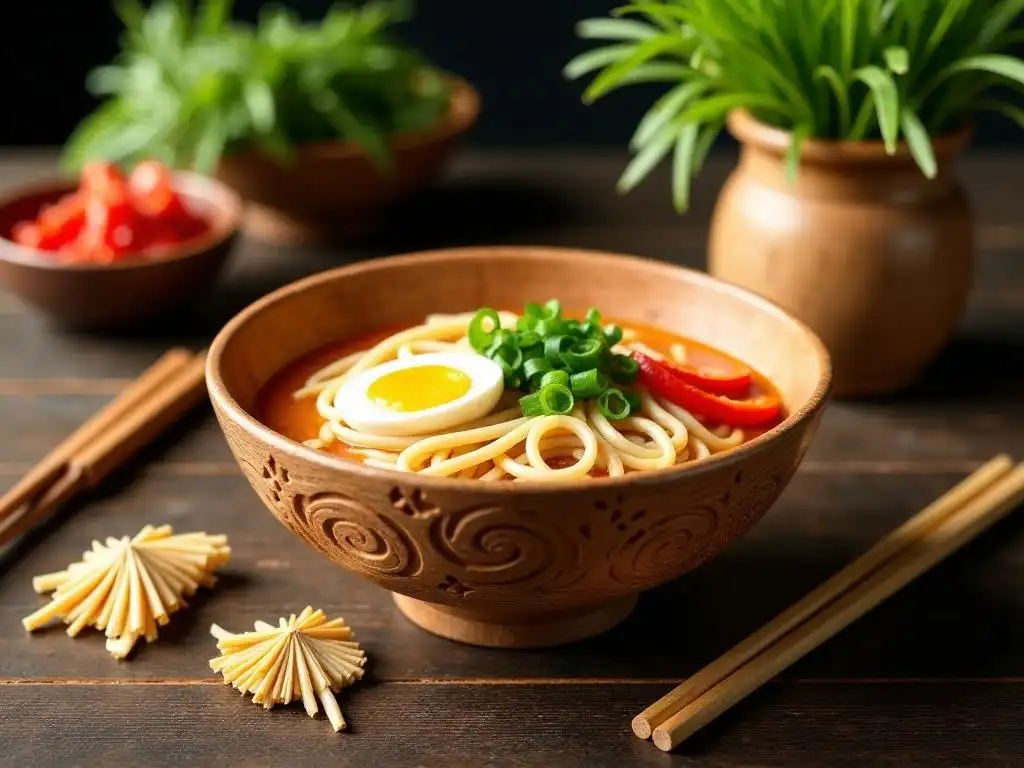
Welcome to Feudal Japan History, where we embark on a riveting journey through the rich tapestry of Japan's feudal era. Here, we delve deep into historical, cultural, and societal aspects that shaped this remarkable period. In our featured article, "From Rice to Ramen: The Evolution of Japanese Staple Foods," discover how the humble grains and vibrant flavors of Japan's past laid the foundation for its culinary identity today. Prepare to unlock the secrets of Japanese food history and culture that will tantalize your taste buds and broaden your understanding of this fascinating era. Dive in—your adventure awaits!
- Introduction to Japanese Food History and Culture
- The Origins of Rice in Japanese Food Culture
- Evolution of Japanese Staple Foods Beyond Rice
- The Development of Ramen in Japanese Cuisine
- Regional Variations in Japanese Staple Foods
- The Influence of Feudal Politics on Japanese Food History
- The Role of Religion and Ritual in Japanese Food Culture
- Conclusion: The Legacy of Japanese Food History and Culture
- Frequently Asked Questions
- Final Reflection: The Journey of Japanese Food Through Time
- Savor the Journey: Dive Deeper into Japanese Culinary Heritage!
Introduction to Japanese Food History and Culture
Japan's food history is a rich tapestry woven from centuries of agricultural practices, cultural influences, and societal changes. At the heart of this culinary evolution lies the concept of staple foods, which have not only nourished the populace but also shaped Japan's identity and traditions.
From the cultivation of rice as a primary food source to the emergence of ramen as a beloved dish, the journey of Japanese food reflects the intricate connections between agriculture, culture, and everyday life in feudal Japan. This article will delve into the comprehensive evolution of these staple foods, shedding light on their significance and the agricultural foundations that supported them.
Overview of Japanese Staple Foods
Japanese cuisine is characterized by its diverse array of staple foods, each playing a pivotal role in the daily lives of its people. Rice holds a special place as the cornerstone of Japanese meals, often considered the primary food source and a symbol of prosperity. The cultivation of rice began in the Yayoi period (300 BCE – 300 CE) and became further entrenched during the Heian period (794-1185), leading to its centrality in Japanese culture.
In addition to rice, other staple foods emerged over time, including:
- Barley: Often used in rural areas where rice cultivation was challenging.
- Millet: A common grain in the early agricultural stages of Japan.
- Wheat: Introduced later and used primarily for making noodles.
More recently, ramen, originally adapted from Chinese noodle dishes, has become a staple in its own right, showcasing how historical influences have shaped modern Japanese food culture.
Importance of Agriculture in Feudal Japan
Agriculture was the backbone of society during the feudal era in Japan, significantly influencing the economy, culture, and social structure. The agricultural practices of the time were characterized by:
- Rice Cultivation: As the primary agricultural product, rice not only provided sustenance but also served as a medium of exchange and a measure of wealth. The amount of rice produced was directly linked to a samurai's status and influence.
- Land Ownership: The feudal system dictated land ownership, with powerful daimyō (feudal lords) controlling vast tracts of land worked by peasants. This hierarchical structure ensured that agricultural production was maximized for the benefit of the ruling class.
- Seasonal Festivals: Agricultural cycles were intertwined with cultural practices, leading to the celebration of seasonal festivals that honored the gods and spirits believed to oversee farming. These traditions often involved rituals and offerings to ensure bountiful harvests.
Through these elements, agriculture not only sustained the population but also shaped the cultural landscape of feudal Japan, influencing everything from social structures to culinary traditions. Understanding this context is essential for appreciating the evolution of Japanese food history and culture, particularly as we trace the path from rice to ramen.
The Origins of Rice in Japanese Food Culture

Historical Significance of Rice in Japan
Rice holds a central place in Japanese food culture and is often referred to as "kome" (米), meaning both rice and the essence of life itself. Its significance dates back to ancient times, with archaeological evidence suggesting that rice cultivation began in Japan around 300 B.C. during the Yayoi period. This era marked the arrival of wet-rice farming techniques, which transformed the Japanese diet and agriculture.
The importance of rice transcends mere sustenance; it is deeply intertwined with Japanese identity and spirituality. Rice was considered a gift from the gods, and its cultivation was often accompanied by rituals and festivals. For instance, the Inaho Matsuri, a rice planting festival, celebrates the planting season with prayers for a bountiful harvest. This reverence for rice is further reflected in the phrase "shinjitsu no shokuzai" (真実の食材), which translates to "the true ingredient," highlighting its esteemed status in Japanese cuisine.
Rice Cultivation Techniques in Feudal Japan
During the feudal era, rice cultivation evolved significantly, incorporating advanced techniques that increased yield and efficiency. The use of irrigation systems was crucial, with farmers constructing complex networks of canals to manage water supply effectively. This innovation allowed rice to be grown in various regions, making it a staple across the islands of Japan.
Farmers practiced crop rotation, alternating rice with legumes and other crops to maintain soil fertility. The introduction of the "sawah" (rice paddy) system, where fields were flooded during the growing season, maximized water usage and minimized weed growth. Additionally, the development of specific rice varieties tailored to local climates enabled farmers to optimize their harvests.
The social structure of farming communities also played a key role in rice cultivation. Peasant farmers were often organized into cooperative groups, sharing resources and knowledge to enhance productivity. This communal effort not only improved agricultural practices but also fostered a sense of unity and cooperation among villagers.
The Role of Rice in Society and Economy
Rice was not just a dietary staple; it was the backbone of Japan's economy during the feudal period. It served as a form of currency and a measure of wealth, with samurai and landowners often collecting taxes in rice rather than money. This system established a direct correlation between land ownership and rice production, leading to the phrase "heishi no shakai" (兵士の社会), or "society of samurai," where the power dynamics were intricately linked to agricultural output.
Moreover, rice was a symbol of social status. High-ranking samurai and nobility prided themselves on their quality of rice, which was often reserved for feasts and ceremonies. The quality and quantity of rice produced were crucial indicators of a lord's power and prosperity, leading to the phrase "kome wa shihai suru" (米は支配する), meaning "rice governs."
In addition to its economic importance, rice also shaped social customs and traditions. Ceremonial rice cakes (mochi) and other rice-based dishes play a significant role in festivals and celebrations, reinforcing its status as a cultural cornerstone. This deep-rooted connection between rice and Japanese society has endured, making it a lasting symbol of heritage and identity in modern Japan.
Evolution of Japanese Staple Foods Beyond Rice
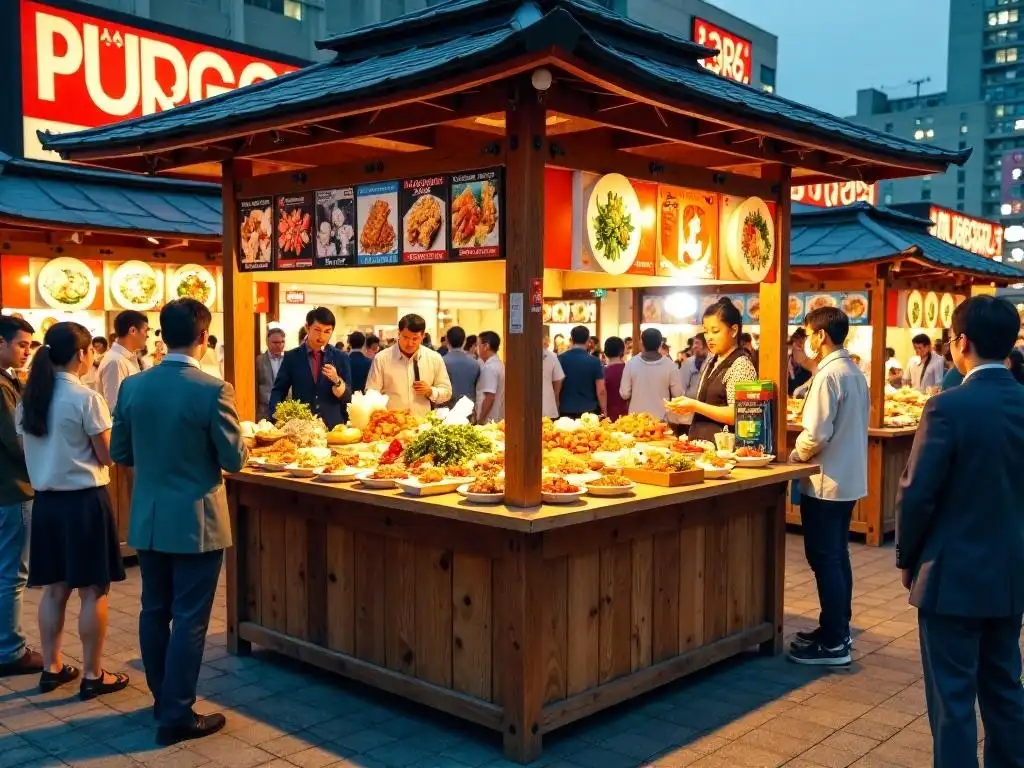
The history of Japanese food is intricately woven with agricultural practices and the socio-economic structures of feudal Japan. While rice has long been heralded as the cornerstone of Japanese cuisine, a variety of other staple foods have played significant roles throughout history, particularly during the feudal era. As agricultural techniques evolved and trade routes expanded, the introduction of alternative staple ingredients diversified the Japanese diet, laying the groundwork for the rich culinary traditions we see today.
Introduction of Other Staple Ingredients
In addition to rice, several other grains and foods gained prominence in feudal Japan, particularly during times of hardship or when rice was scarce. These alternative staples not only provided essential nutrition but also influenced culinary practices and social customs.
- Barley: Often cultivated in areas unsuitable for rice, barley became a vital alternative. Its resilience to poor soil conditions made it a reliable crop, especially during famines.
- Millet: Another significant grain, millet was valued for its quick growth and adaptability, allowing farmers to harvest multiple times a year. It was often consumed as porridge or used in various dishes.
These grains were not merely substitutes for rice; they contributed unique textures and flavors to the diet, enriching the culinary landscape of feudal Japan.
Barley and Millet as Alternative Grains
Barley and millet were not just alternative staples; they also represented the adaptability of Japanese agriculture.
- Nutritional Benefits: Both grains offered essential nutrients. Barley is high in fiber and minerals, while millet is rich in protein and vitamins. Their inclusion in the diet helped diversify the nutritional intake of the population.
- Culinary Uses: Barley was commonly used to make miso and sake, while millet was frequently ground into flour for baking. Traditional dishes such as mugicha (barley tea) showcase the enduring impact of these grains on Japanese food culture.
- Cultural Significance: The cultivation of these grains also played a role in rituals and festivals. For instance, millet was often associated with agricultural deities and was used in offerings.
The Impact of Trade on Food Availability
Trade during the feudal era significantly influenced the diversity of available foods in Japan. As trade routes expanded, particularly through the maritime connections opened by the Sengoku period, various ingredients began to flow into the country.
- Importation of New Ingredients: Spices, vegetables, and grains from other regions began to appear in Japanese cuisine. For example, sugar and soybeans became critical components in many dishes, transforming the flavor profiles and cooking techniques.
- Regional Variations: Different regions adopted these ingredients based on local availability and cultural preferences, leading to a rich tapestry of regional cuisines. The coastal provinces, for example, utilized seafood extensively, while inland areas focused on grain cultivation.
- Economic Implications: The introduction of diverse foods contributed to the economic landscape by fostering trade relationships with neighboring countries. This not only increased food availability but also stimulated local economies through agriculture and trade practices.
The evolution of Japanese staple foods beyond rice reflects a dynamic interplay of agricultural practices, trade, and cultural adaptation. The incorporation of barley, millet, and other ingredients enriched the culinary traditions of feudal Japan, ultimately shaping the diverse food culture that continues to thrive today.
The Development of Ramen in Japanese Cuisine
Origins and Historical Context of Ramen
Ramen, one of Japan's most beloved dishes, has roots that extend far beyond the boundaries of the nation. While many assume ramen is purely Japanese, its origins can be traced back to Chinese noodle dishes that were introduced to Japan in the late 19th century. The term "ramen" itself is derived from the Chinese word "lamian," which refers to hand-pulled noodles.
In the early years, ramen was primarily associated with Chinese immigrants who opened noodle shops in port cities such as Yokohama. These establishments catered to the growing Japanese populace and were often referred to as "Shina soba," translating to "Chinese noodles." It wasn’t until the post-World War II period that ramen began to evolve into the distinct Japanese culinary staple we know today.
The aftermath of the war saw a scarcity of food resources in Japan, leading to the emergence of simple and affordable meals. Instant ramen, invented by Momofuku Ando in 1958, revolutionized this landscape, offering a quick, inexpensive, and easily accessible meal. This innovation not only changed dietary habits but also sparked a culinary craze that would solidify ramen’s place in Japanese food history and culture.
Ramen's Transformation Through the Ages
As ramen gained popularity, it underwent significant transformations, adapting to regional tastes and ingredients. The original Chinese-style broth gave way to a variety of Japanese interpretations, each with unique flavors and styles. Here are some key developments in ramen's evolution:
- Regional Variations: Different regions of Japan began to develop their own ramen styles. For example:
- Sapporo Ramen: Known for its rich miso-based broth and thick noodles, Sapporo ramen emerged in Hokkaido, often garnished with sweet corn and butter.
- Hakata Ramen: Originating from Fukuoka, this style features a creamy tonkotsu (pork bone) broth, thin noodles, and is typically topped with green onions and chashu (braised pork belly).
- Tokyo Ramen: Characterized by a soy sauce-based broth, Tokyo ramen has a lighter flavor and is often accompanied by a variety of toppings such as menma (bamboo shoots) and nori (seaweed).
- Culinary Innovations: The introduction of new techniques and ingredients has further diversified ramen. Chefs began experimenting with various broths, from shoyu (soy sauce) to shio (salt), and incorporating unique toppings such as spicy miso paste or even unconventional ingredients like cheese.
- International Influence: The globalization of food culture has led to the fusion of ramen with other cuisines, resulting in innovative dishes such as kimchi ramen or curry ramen. This blending of flavors reflects a broader trend in culinary experimentation and has contributed to ramen's international appeal.
Cultural Significance of Ramen in Modern Japan
In contemporary Japan, ramen transcends mere sustenance; it has become a cultural icon. The dish encapsulates the spirit of Japanese culinary tradition while simultaneously embracing modernization and global influences. Here are several aspects that highlight its cultural significance:
- Social Experience: Ramen shops, or "ramen-ya," serve as social hubs where people gather to enjoy a hearty meal. The ritual of slurping noodles is not only an expression of appreciation but also an essential part of the dining experience, emphasizing the communal nature of food in Japanese culture.
- Ramen Festivals: Events such as the Tokyo Ramen Show attract thousands of visitors each year, celebrating the diversity and creativity of ramen. These festivals allow different ramen vendors to showcase their unique recipes, fostering a sense of community among ramen lovers.
- Culinary Heritage: Ramen is often viewed as a modern representation of Japan's culinary heritage, reflecting the adaptation and evolution of traditional food practices. The dish serves as a canvas for storytelling, where each bowl of ramen carries the history and culture of its region.
- Global Influence: The rise of ramen worldwide signifies its status as a culinary ambassador for Japan. Restaurants specializing in ramen have sprung up in cities across the globe, introducing international audiences to the nuances of Japanese food culture. This global presence reinforces ramen's role as a symbol of Japan’s rich culinary history.
Through its journey from a simple noodle dish to a cherished cultural phenomenon, ramen exemplifies the dynamic nature of Japanese food history and culture, illustrating how culinary traditions evolve while retaining their deep-rooted connections to the past.
Regional Variations in Japanese Staple Foods
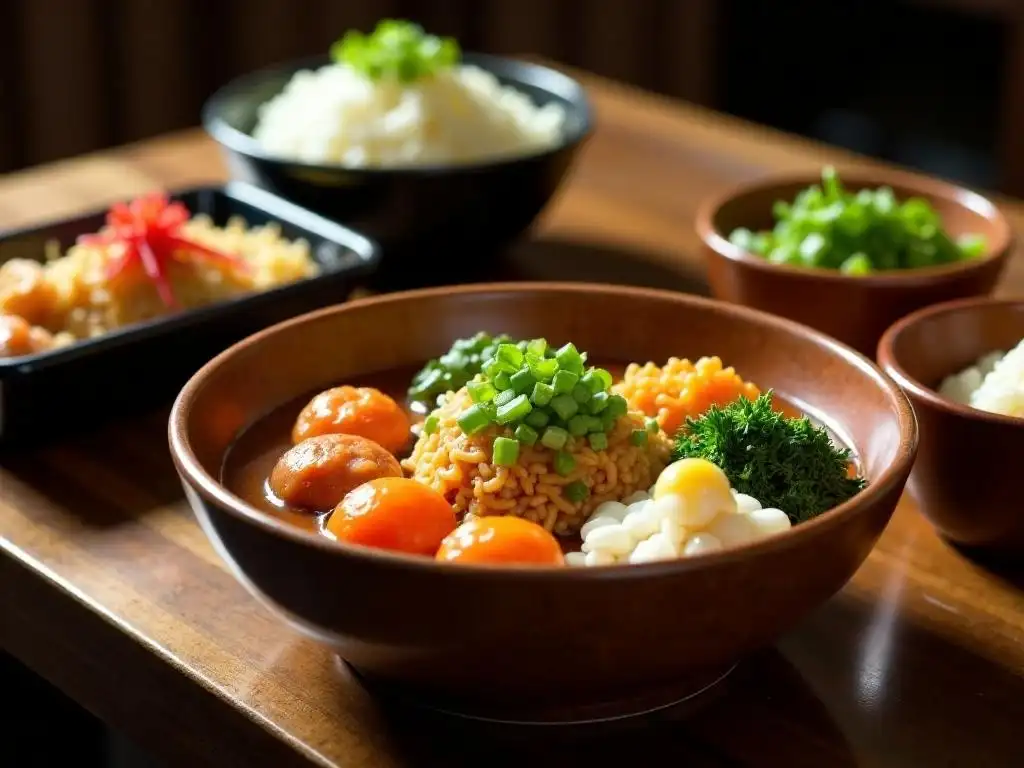
In the context of Japanese food history and culture, regional variations in staple foods are a significant aspect that underscores the diversity of culinary practices across the archipelago. Japan, characterized by its unique geography and climate, offers various local ingredients that contribute to distinct culinary traditions. Understanding these variations reveals how the local environment shapes dietary habits and food preferences.
Distinct Ingredients Across Japan
Japan's islands are home to a rich tapestry of ingredients, each influenced by local climates, topographies, and cultures. Below are some notable regional ingredients that have become staples in different areas:
- Hokkaido:
- Known for its dairy products, Hokkaido is famous for high-quality milk, cheese, and butter.
- The region's cold climate is also ideal for producing crops like potatoes and corn.
- Tohoku:
- The Tohoku region is recognized for its rice farming, particularly the Koshihikari variety known for its sweetness and stickiness.
- Additionally, this area is famous for its unique pickled vegetables like "nuka-zuke."
- Kanto:
- The Kanto region, including Tokyo, is known for its fresh seafood, particularly from Tokyo Bay.
- Soy sauce production is also prominent, with Kanto-style soy sauce being lighter and sweeter.
- Kansai:
- In Kansai, which includes Kyoto and Osaka, the use of seasonal vegetables like daikon and kabocha squash is prevalent.
- This region is also known for its unique dashi (broth) made from kombu (kelp) and bonito flakes.
- Kyushu:
- Kyushu is recognized for its rich agricultural output, including sweet potatoes and various citrus fruits.
- The region is also known for its ramen, particularly tonkotsu (pork bone) ramen, which reflects local culinary traditions.
These distinct ingredients not only define regional dishes but also highlight the agricultural diversity of Japan, showcasing how local practices have evolved over centuries.
How Geography Influenced Food Culture
Geography plays a pivotal role in shaping Japan's food culture, impacting everything from ingredient availability to cooking techniques. The following factors illustrate how Japan's unique landscape has influenced culinary practices:
- Climate:
- The northern regions, such as Hokkaido, with their colder climate, focus on hearty ingredients like dairy and root vegetables.
- In contrast, warmer southern regions like Okinawa are famous for their tropical fruits, vegetables, and seafood.
- Topography:
- Japan's mountainous terrain limits agricultural land, leading to innovations in rice cultivation, particularly in terraced farming systems.
- Coastal areas thrive on fishing, resulting in seafood being a staple of the diet, especially in regions like Kanagawa and Shimane.
- Cultural Exchange:
- Proximity to other Asian nations has influenced Japan's food culture, with ingredients like soy, sesame, and various spices being integrated from China and Korea.
- Historical trade routes have also facilitated the exchange of food practices, leading to the adaptation and evolution of dishes across regions.
- Natural Resources:
- Abundant fresh water sources have allowed for the cultivation of rice, which remains the cornerstone of Japanese cuisine.
- The surrounding seas provide a rich bounty of seafood, contributing to dishes like sushi and sashimi that are integral to Japanese food history.
The interplay between geography and local food culture has forged a complex and varied culinary landscape in Japan. Regional variations in staple foods not only reflect the ingredients available but also the historical and social context in which these foods developed. Understanding these nuances is vital for appreciating the depth of Japanese food history and culture.
The Influence of Feudal Politics on Japanese Food History
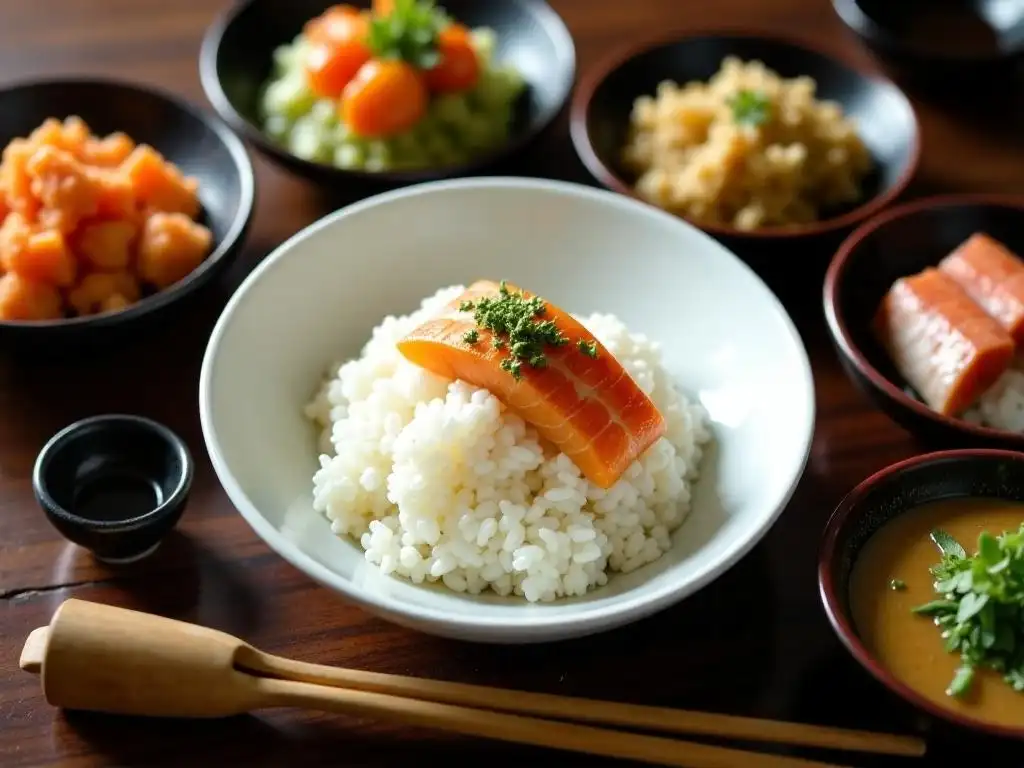
The feudal era in Japan, spanning from the 12th to the 19th century, was characterized by a hierarchical social structure and a political system dominated by samurai warriors and their lords. This political landscape had a profound impact on agricultural practices and, consequently, on food history. The feudal system dictated land ownership, resource allocation, and agricultural production, which directly influenced what foods were cultivated and consumed across different regions.
Samurai and Agriculture: A Complex Relationship
The samurai class, while primarily known for their military prowess, played a significant role in shaping agricultural policies and practices. Their relationship with agriculture was multifaceted:
- Land Ownership: Samurai were often granted land by their daimyō (feudal lords) in exchange for military service. This land was typically worked by peasants, who were responsible for producing the staple foods of the time, such as rice, millet, and barley. The samurai's wealth and status were closely tied to the productivity of their lands.
- Taxation and Tribute: The feudal system relied heavily on a taxation model where the peasants paid a portion of their harvest to the samurai in the form of rice. This not only provided the samurai with sustenance but also served as a form of economic control over the peasantry. The amount of rice collected was indicative of both the samurai’s power and the well-being of their domain.
- Military Campaigns and Resource Management: During times of war, the samurai often commandeered local resources to sustain their troops. This could lead to food shortages for the local populace, affecting agricultural practices and food availability. The need for strategic food management became essential, leading to advancements in agricultural techniques and storage methods.
- Cultural Exchange and Innovation: The samurai’s interactions with other classes and regions facilitated the exchange of agricultural knowledge and culinary practices. For instance, the introduction of new crops from trading interactions or military campaigns would influence local diets and food production methods.
The complex relationship between samurai and agriculture highlights how feudal politics directly influenced the trajectory of Japanese food history, shaping the agricultural landscape and the cultural practices surrounding food.
Food as a Symbol of Power and Status
In feudal Japan, food was not merely sustenance; it was a potent symbol of power, status, and cultural identity. Various aspects illustrate this connection:
- Ceremonial Importance: Food played a central role in various ceremonies and rituals that reinforced social hierarchies. For example, the elaborate kaiseki meals served in the courts were not only a display of culinary art but also a reflection of the host's status. The ingredients, presentation, and even the utensils used conveyed messages about power and wealth.
- Regional Specialties: Different regions of Japan developed unique culinary traditions based on local agricultural products, which became points of pride and identity. For instance, the rice from the Kanto region was highly esteemed, while the seafood from coastal areas contributed to distinct culinary practices. These regional specialties often became symbols of local power and prestige.
- Feasting and Display: The act of feasting was a way for samurai lords to display their wealth and generosity, reinforcing loyalty among their vassals. Banquets would feature extravagant dishes, often showcasing seasonal ingredients. The ability to host such feasts was a direct reflection of a lord’s influence and resources.
- Food Restrictions: The samurai class also imposed restrictions on food consumption among lower classes to maintain social order. Certain foods or preparations were reserved for the elite, further solidifying the divide between classes. This control over food consumption underscored the connection between food and societal hierarchies.
- Culinary Arts as a Reflection of Culture: The evolution of culinary practices throughout the feudal era mirrored broader societal changes, including shifts in power and cultural influences. As Japan transitioned from isolation to engagement with the outside world, the introduction of new ingredients and cooking methods enriched the Japanese culinary landscape.
Food during the feudal era of Japan was deeply intertwined with the political and social fabric of the time. The samurai's role in agriculture and the cultural significance of food as a symbol of power and status reflect the complexities of Japanese food history and culture, showcasing how culinary practices were shaped by the dynamics of feudal politics.
The Role of Religion and Ritual in Japanese Food Culture
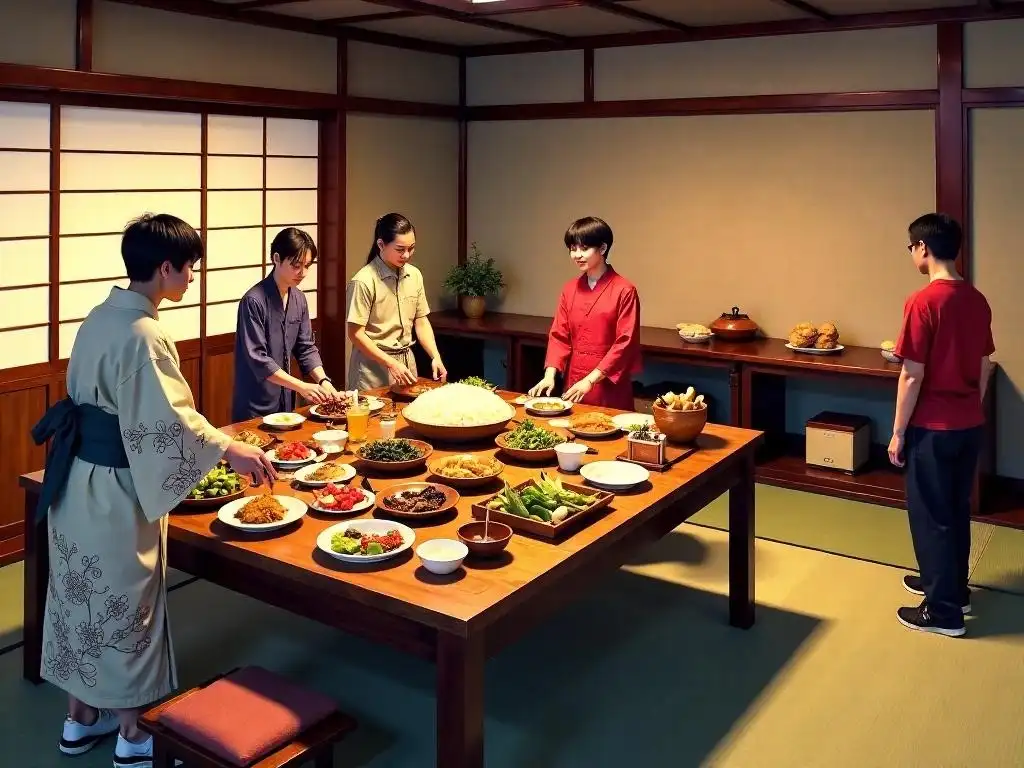
The intricate tapestry of Japanese food culture is deeply intertwined with the nation’s religious and spiritual beliefs. Central to this relationship are the practices of Shinto and Buddhism, which have historically influenced dietary customs, food preparation, and consumption rituals. Understanding the role of these religions provides insight into the broader cultural significance of food in Japan.
Shinto and Buddhist Influences on Dietary Practices
Shinto, the indigenous spirituality of Japan, emphasizes the sacredness of nature and the belief that kami (spirits) inhabit all elements of the natural world. This spirituality is reflected in dietary practices that prioritize purity and freshness. For instance, the concept of hara hachi bu—eating until one is 80% full—emanates from a Shinto belief in moderation and respect for food.
Buddhism, introduced to Japan in the 6th century, brought with it a vegetarian ethos rooted in the principle of non-violence towards living beings. As a result, many Buddhist monks adopted a plant-based diet, which significantly influenced the dietary habits of the broader population. This practice gave rise to shojin ryori, a type of vegetarian cuisine that emphasizes seasonal vegetables, rice, and tofu, reflecting a deep respect for the ingredients used.
Both religions have also contributed to the creation of rituals surrounding food, such as the shinto shusai ceremony, where offerings of rice and sake are made to the kami during harvest festivals. This ritual not only honors the spirits but also reinforces the community's connection to the land and its bounty.
Through these religious lenses, food in Japan transcends mere sustenance; it becomes a medium for celebrating life, expressing gratitude, and fostering connections among people, nature, and the divine.
The Importance of Seasonal Foods and Festivals
Seasonality is a cornerstone of Japanese food culture, deeply embedded in both agricultural practices and culinary traditions. The Japanese have long recognized the importance of consuming foods that align with the changing seasons. This practice is not just about taste; it embodies a philosophy of harmony with nature and an appreciation for its cycles.
Seasonal ingredients are often celebrated through various festivals known as matsuri, where particular foods are prepared and enjoyed in honor of the season. For instance, in spring, cherry blossom festivals feature sakura mochi (rice cakes wrapped in cherry leaves), while autumn harvest festivals celebrate the bounty of rice and root vegetables. These festivities serve as communal gatherings, reinforcing social bonds and cultural identity.
Moreover, the concept of ichiju-sansai, which translates to "one soup, three sides," exemplifies the seasonal approach to meals. This traditional meal structure includes a bowl of miso soup and three side dishes that usually consist of seasonal vegetables, fish, and rice. Such meals not only reflect the flavors of the season but also promote a balanced diet, showcasing the Japanese philosophy of health through moderation and variety.
The intersection of religion, seasonal awareness, and cultural festivals creates a rich tapestry that defines Japanese food history and culture. It highlights how food serves as a vital link to the past, shaping social practices and reinforcing the values that continue to resonate in contemporary Japanese society.
Conclusion: The Legacy of Japanese Food History and Culture
Summarizing the Evolution from Rice to Ramen
The journey of Japanese food history and culture is a testament to the resilience and adaptability of its agricultural practices, especially during the feudal era. The evolution from rice—considered the lifeblood of Japanese agriculture—to ramen, a dish that embodies modern culinary creativity, highlights significant shifts in societal values, trade, and globalization.
- Rice as a Staple:
- During the feudal period, rice was not just a food source; it was a symbol of wealth and status. Landlords and samurai class prioritized rice cultivation, leading to the establishment of intricate irrigation systems and farming techniques.
- Cultivation Techniques:
- Wet rice cultivation became the cornerstone of Japanese agriculture.
- The introduction of new strains and improved farming tools increased yields significantly.
- Emergence of Noodles:
- The introduction of wheat-based noodles can be traced back to interactions with Chinese cuisine during the Kamakura period (1185-1333). This marked the beginning of a significant transition in Japanese dietary habits.
- Ramen, as we know it today, started to evolve in the late 19th century, influenced by both Chinese cooking styles and the availability of new ingredients.
- Culinary Fusion:
- The post-World War II era saw a further fusion of Japanese food with Western influences, leading to the popularization of ramen and other noodle dishes. The accessibility of instant noodles in the 1950s revolutionized how Japanese people consumed meals, making them quick, affordable, and convenient.
The transformation from rice to ramen encapsulates a broader narrative of Japanese food history, illustrating how cultural exchanges and economic shifts have shaped contemporary Japanese cuisine. The legacy of these historical developments continues to be felt today, as the nation embraces a diverse culinary landscape that honors its roots while innovating for the future.
The Ongoing Influence of Feudal Food Practices on Modern Japan
The culinary practices established during feudal Japan have left an indelible mark on Japan’s contemporary food culture, influencing everything from dining etiquette to seasonal ingredients.
- Cultural Preservation:
- Many traditional dishes, such as sushi and tempura, have their origins in feudal practices. The reverence for seasonal ingredients, known as shun, is deeply rooted in the agricultural calendar of feudal Japan and remains a guiding principle for chefs today.
- Festivals and Local Cuisine:
- Local festivals often celebrate traditional foods that have origins in feudal practices, reinforcing a sense of community and cultural identity.
- Sustainability Practices:
- Techniques developed during the feudal period, such as crop rotation and polyculture, are increasingly relevant today as Japan confronts challenges related to food security and sustainability.
- The focus on local and seasonal produce mirrors ancient practices, promoting a sustainable approach to modern agriculture.
- Modern Culinary Trends:
- Contemporary Japanese cuisine often revisits and reinterprets traditional feudal dishes. Chefs are creatively using ancient ingredients and techniques to craft new dining experiences that resonate with both local and global audiences.
- Fusion and Innovation:
- The blending of traditional and modern culinary practices has led to the rise of dishes like ramen burgers and sushi burritos, showcasing the dynamic nature of Japanese food culture.
The ongoing influence of feudal food practices serves as a bridge between Japan's rich agricultural heritage and its vibrant modern culinary scene. Understanding this connection not only enhances appreciation for Japanese food history but also underscores the cultural significance of cuisine as a living tradition that continues to evolve.
Frequently Asked Questions
What are the main staples of Japanese cuisine?
Japanese cuisine is centered around rice, fish, and vegetables. These staples have been fundamental in shaping Japan's food history and culture over centuries.
How has rice influenced Japanese food culture?
Rice has been a symbol of prosperity and is considered the foundation of Japanese meals. Its significance extends beyond sustenance, deeply influencing cultural practices and traditions.
What role do seasonal ingredients play in Japanese cooking?
Seasonal ingredients are crucial in Japanese cuisine, emphasizing the concept of shun (旬), which refers to eating ingredients at their peak freshness, enhancing the overall dining experience.
How did ramen become popular in Japan?
Ramen's popularity surged post-World War II, becoming a national dish. It reflects the fusion of Chinese noodles with Japanese flavors, evolving into various regional styles.
In what ways does Japanese food culture reflect its history?
Japanese food culture is a reflection of its history, incorporating influences from Buddhism, trade, and regional climates, showcasing how historical events shaped contemporary culinary practices.
Final Reflection: The Journey of Japanese Food Through Time
The evolution of Japanese staple foods is not just a culinary journey; it is a reflection of the cultural and historical transformations that have shaped Japan into the nation it is today. As we explore the transition from rice to ramen, we uncover the intricate tapestry of influences that have molded Japanese food history and culture, revealing how these staples are deeply intertwined with the identity of the people. The journey of these foods illustrates a dynamic narrative of adaptation, resilience, and innovation that resonates profoundly in our contemporary society.
Culinary traditions serve as a mirror to our social values and historical experiences. The shift from rice, a symbol of sustenance and tradition, to ramen, a dish that encapsulates modernity and globalization, highlights the ongoing dialogue between heritage and progress. This evolution is not merely about food; it reflects the broader cultural shifts that have occurred in Japan, emphasizing the importance of understanding our past to appreciate our present. As the renowned Japanese chef Masaharu Morimoto once said, Food is a universal language that connects us all.
This sentiment underscores the idea that our culinary choices are deeply rooted in our shared experiences and histories.
As we reflect on the rich narrative of Japanese food, I invite you to consider how these lessons can be applied in your own life. Take a moment to explore the foods that shape your identity and culture; understand their origins and the stories they tell. By embracing the history behind what we eat, we not only honor our own traditions but also foster a greater appreciation for the diverse culinary landscapes that exist around us. Let this journey inspire you to create connections through food, celebrating both the past and the future of our shared human experience.
Savor the Journey: Dive Deeper into Japanese Culinary Heritage!
Thank you for joining us in exploring the fascinating evolution of Japanese staple foods. Your interest not only enriches your knowledge but also celebrates the rich tapestry of Japan's culinary history.
Are you ready to take your exploration further? Here are some exciting steps you can take right now:
- Experiment with a new recipe: Choose a traditional Japanese dish and try your hand at creating it at home. Feel the connection with the culture through your cooking!
- Join a local cooking class: Look for classes that focus specifically on Japanese cuisine. Meet others who share your passion and learn from skilled chefs!
- Share your discoveries: Discuss your favorite dishes or recipes on social media, or with friends and family. Inspire others to appreciate the rich flavors of Japan!
What Japanese dish have you always wanted to try making, and how do you think it reflects the evolution of this vibrant culture?