
The Influence of Buddhism on Feudal Japanese Housing Designs


Welcome to Feudal Japan History, where we embark on a captivating journey through the intricate tapestry of Japan's feudal era. Here, we delve deep into the cultural, historical, and societal aspects that shaped this fascinating period. Today, we invite you to explore the profound impact of Buddhism on Japanese architecture—a topic that reveals the spiritual influences behind the elegant lines and serene spaces of feudal housing designs.
What secrets lie within the structures that have stood the test of time? Join us as we unravel the connection between faith and form, and discover how these elements shaped daily life in a bygone era.
Introduction to Buddhism's Impact on Japanese Architecture
Buddhism has played a transformative role in shaping the architectural landscape of feudal Japan, influencing not only religious structures but also the very fabric of everyday life. As the religion took root in the 6th century, its philosophies and aesthetics began to permeate various aspects of Japanese culture, including housing designs.
This article delves into the intricate relationship between Buddhism and Japanese architecture, specifically during the feudal era, exploring how spiritual beliefs manifested in the physical spaces where people lived and congregated. By understanding the Buddhism impact on Japanese architecture, we uncover a rich tapestry of historical, cultural, and societal influences that defined the period.
Overview of Buddhism in Japan
Buddhism arrived in Japan from Korea and China, quickly gaining traction among the ruling elite and the populace. By the 8th century, it had established a firm foothold, particularly during the Nara period, when the first temples were constructed. The religion promoted values such as harmony, simplicity, and the transient nature of life, which resonated deeply with the existing Shinto beliefs.
Key Influences of Buddhism:
- Philosophical Integration: The core tenets of Buddhism emphasized mindfulness and the appreciation of nature, which influenced architectural designs to reflect these values.
- Temple Architecture: The construction of grand temples, such as Todai-ji, showcased intricate designs and gardens that harmonized with their natural surroundings.
- Zen Buddhism: The rise of Zen Buddhism during the Kamakura period introduced minimalist aesthetics that further shaped residential designs.
Importance of Architecture in Feudal Society
In feudal Japan, architecture was not merely functional; it was a reflection of social status, religious beliefs, and cultural identity. Homes and public structures served as expressions of power and spirituality, influencing both personal and communal life.
- Social Hierarchy: The layout and design of houses often indicated social standing, with the elite enjoying more elaborate structures.
- Cultural Symbolism: Architectural elements such as tatami mats and sliding doors were designed not just for utility but also to create spaces that fostered community and reflection.
- Religious Significance: Many homes incorporated Buddhist motifs, emphasizing the religion’s importance in daily life.
Historical Context of Feudal Japan
The feudal era in Japan, spanning several centuries, was marked by significant political and social changes that laid the groundwork for the architectural developments influenced by Buddhism.
The Rise of Buddhism during the Heian Period
The Heian period (794-1185) saw a flourishing of Buddhist thought and practice, leading to the construction of numerous temples and the incorporation of Buddhist principles into housing designs.
- Cultural Flourishing: This era is often regarded as a golden age for Japanese culture, where literature, art, and architecture thrived under the auspices of Buddhist patronage.
- Architectural Innovations: The introduction of new styles, such as the shinden-zukuri (noble residence style), reflected Buddhist aesthetics, emphasizing harmony with nature.
Transition to the Kamakura and Muromachi Periods
As Japan transitioned into the Kamakura (1185-1333) and Muromachi (1336-1573) periods, the influence of Buddhism continued to evolve, particularly with the advent of Zen Buddhism.
- Rise of Zen Gardens: The incorporation of Zen principles led to the creation of rock gardens and dry landscapes, which became integral to both temple and residential designs.
- Simplification and Minimalism: The architectural styles during this time favored simplicity, with wooden structures and an emphasis on natural materials that aligned with Buddhist teachings on impermanence.
The influence of Buddhism on feudal Japanese housing designs is a reflection of a broader cultural and spiritual interplay that defined the era. As we explore the intricate details of this relationship, we will uncover how architecture served as a canvas for the philosophies and aesthetics of Buddhism, shaping not only the physical landscape but also the societal norms of feudal Japan.
Key Features of Buddhist Influence on Japanese Housing

Buddhism has left an indelible mark on the architecture of feudal Japan, shaping the aesthetic and functional aspects of housing designs. This influence is particularly evident in several key features that emerged during this period. Notably, the principles of harmony, simplicity, and a deep connection to nature are central to Buddhist-inspired architecture. These elements are manifest in the layout, materials, and overall design of residential structures, reflecting a spiritual philosophy that values tranquility and mindfulness.
One of the most significant features is the emphasis on minimalist design, which eschews excessive ornamentation in favor of clean lines and open spaces. This approach reflects the Zen Buddhist ideals of simplicity and clarity, aiming to create an environment conducive to meditation and reflection. Additionally, the integration of natural materials, such as wood and bamboo, is prevalent, furthering the connection between the built environment and the natural world. These characteristics not only enhance the aesthetic appeal of the structures but also promote a sense of peace and harmony that resonates with Buddhist teachings.
Zen Principles and Minimalist Design
Zen Buddhism has played a crucial role in defining the minimalist design principles observed in Japanese housing. The Zen philosophy emphasizes simplicity, mindfulness, and the importance of space, which has significantly influenced the architectural choices of feudal Japan. Zen principles advocate for uncluttered environments that facilitate meditation and contemplation, leading to the creation of homes that are both functional and serene.
In practical terms, this translates to the use of open floor plans, sliding doors (fusuma), and tatami mats, which optimize space and allow for flexibility in room usage. The aesthetic is characterized by a lack of superfluous decoration, with a focus on natural beauty and the inherent qualities of materials. This minimalist approach not only aligns with Zen ideals but also fosters an atmosphere of tranquility, making the home a refuge from the outside world.
Use of Natural Materials in Feudal Housing
The use of natural materials is a hallmark of feudal Japanese housing, deeply influenced by Buddhist principles that emphasize harmony with nature. Wood, clay, and straw are commonly employed, reflecting a preference for organic materials that blend seamlessly into the surrounding landscape. This choice is not merely aesthetic; it resonates with the Buddhist belief in the interconnectedness of all living things and the importance of living in accordance with nature.
Wood, in particular, is valued for its warmth and versatility, often used in structural elements, flooring, and sliding doors. The natural aging process of wood adds to the beauty of these homes over time, mirroring the Buddhist appreciation for impermanence. Additionally, the incorporation of earthen materials in walls and roofs enhances thermal insulation and creates a sense of earthiness that grounds the structure within its environment. This use of natural materials contributes to a sustainable building practice that honors the natural world, aligning with Buddhist teachings on respect for life and the environment.
Integration of Nature and Landscape in Architecture
Buddhism’s impact on feudal Japanese housing is also evident in the integration of nature and landscape into architectural designs. This principle is rooted in the belief that humans should live in harmony with their surroundings, a notion that is central to Buddhist philosophy. Japanese homes are often designed to create a seamless transition between indoor and outdoor spaces, allowing inhabitants to experience the beauty of nature from within.
This is achieved through strategically placed windows and sliding doors that frame natural vistas, as well as the incorporation of gardens and courtyards into residential layouts. These gardens are not merely decorative; they are carefully designed landscapes that reflect Buddhist aesthetics, often featuring elements such as rocks, water, and carefully pruned plants to evoke a sense of tranquility. The thoughtful arrangement of these natural elements within the home promotes a meditative atmosphere, encouraging a deeper connection with the environment and reinforcing the spiritual underpinnings of Buddhist thought.
Specific Architectural Styles Influenced by Buddhism
Buddhism has significantly influenced various architectural styles in feudal Japan, each embodying the principles and aesthetics of the religion. These styles not only reflect the spiritual beliefs of their time but also showcase the practical adaptations to the cultural and environmental contexts in which they developed. Among these styles, Shoin-zukuri, Sukiya-zukuri, and the architectural designs of temples and monasteries stand out as prime examples of Buddhism's lasting impact on Japanese housing.
Shoin-zukuri: The Influence of Zen Buddhism
Shoin-zukuri, a style of residential architecture that emerged during the Muromachi period, is heavily influenced by Zen Buddhism. This style is characterized by its emphasis on simplicity, functionality, and aesthetic beauty. Shoin-zukuri homes typically feature tatami mat flooring, sliding doors, and alcoves (tokonoma) for displaying art or flowers, creating a space that is both serene and purposeful.
The design of Shoin-zukuri promotes a tranquil lifestyle, with rooms arranged to facilitate contemplation and social interaction. The integration of gardens and the strategic use of natural light further enhance the connection to nature, making it a quintessential representation of how Zen principles have shaped Japanese housing. This architectural style remains influential in modern Japanese design, underscoring the enduring legacy of Buddhism in shaping the way spaces are created and experienced.
Sukiya-zukuri: A Fusion of Aesthetics and Functionality
Sukiya-zukuri represents a harmonious blend of aesthetics and functionality, emerging from the tea ceremony culture and influenced by Zen teachings. This architectural style is characterized by its use of natural materials, asymmetrical layouts, and a focus on creating a serene atmosphere. Sukiya-zukuri homes often incorporate features such as wide eaves, earthen walls, and intricately designed gardens that serve both practical and spiritual purposes.
The design reflects a deep respect for craftsmanship, with an emphasis on detail and the beauty of imperfection. This style encourages a lifestyle that values mindfulness and appreciation of the present moment, aligning closely with Buddhist principles. Sukiya-zukuri not only provides a space for daily living but also serves as a setting for rituals and gatherings, embodying the fusion of aesthetics and functionality that is central to Japanese culture.
The Role of Temples and Monasteries in Housing Design
Temples and monasteries have played a pivotal role in shaping housing designs throughout feudal Japan. These religious structures not only served as places of worship but also influenced residential architecture through their designs and spatial organization. The principles of symmetry, balance, and the careful arrangement of spaces found in temple architecture are often mirrored in the homes of the period, reflecting the influence of Buddhist aesthetics.
The layout of many feudal Japanese homes can be traced back to the designs of monasteries, which prioritize communal living and the integration of meditation spaces. Moreover, the gardens surrounding temples often inspired residential gardens, promoting a sense of peace and contemplation in domestic settings. This interconnectedness between religious and residential architecture highlights how Buddhism has profoundly impacted the way Japanese people have conceptualized and constructed their living spaces, creating environments that are both functional and spiritually enriching.
Cultural Significance of Buddhist-Inspired Housing
Buddhism played a pivotal role in shaping the cultural landscape of feudal Japan, influencing various aspects of life, including housing designs. The introduction of Buddhist principles led to a harmonious relationship between nature and human habitation, which was reflected in architectural styles. Buddhist-inspired housing emphasized simplicity, tranquility, and the pursuit of enlightenment. As a result, homes were designed to foster a deep connection with the surrounding environment, often incorporating natural materials and open spaces.
In feudal Japan, the aesthetic of wabi-sabi, which celebrates imperfection and transience, resonated with Buddhist philosophies and was evident in housing designs. This cultural significance is not only about the physical structure but also the spiritual ambiance that these homes embodied. The layout of spaces was often dictated by Buddhist beliefs, with rooms designed to encourage meditation and reflection, reinforcing the importance of inner peace and mindfulness in everyday life.
Buddhist Symbols and Their Representation in Architecture
Buddhist symbols are deeply embedded in the architectural elements of feudal Japanese housing. One of the most prominent symbols is the lotus flower, which represents purity and spiritual awakening. Often depicted in carvings or as motifs in gardens, the lotus serves as a reminder of the journey towards enlightenment. Similarly, the use of mandalas in floor plans showcases the universe's order and the connection between the physical and spiritual realms.
Other symbols include the stupa, which is a mound-like structure containing relics, and is often incorporated into temple designs. The incorporation of these symbols into residential architecture not only highlighted the homeowner's beliefs but also served to sanctify the space, creating an environment conducive to spiritual practice. This integration of Buddhist iconography into housing reflects a broader cultural emphasis on spirituality and the pursuit of a meaningful life.
The Influence of Religious Practices on Daily Life and Housing
The daily practices of Buddhism significantly influenced housing designs in feudal Japan. For instance, many homes were constructed with a designated space for meditation and religious rituals, mirroring the interior layouts found in temples. This integration allowed families to maintain their spiritual practices within the comfort of their homes, reinforcing the importance of religion in everyday life.
Additionally, the practice of Zen Buddhism introduced the concept of the tea room (chashitsu) within residential architecture, emphasizing simplicity and tranquility. These spaces were often designed with sliding doors (fusuma), tatami mats, and natural light, creating an atmosphere conducive to contemplation and social interaction during tea ceremonies. The emphasis on such practices influenced not only the design but also the materials used, with a preference for natural, locally sourced elements that aligned with Buddhist values.
Case Studies of Notable Structures
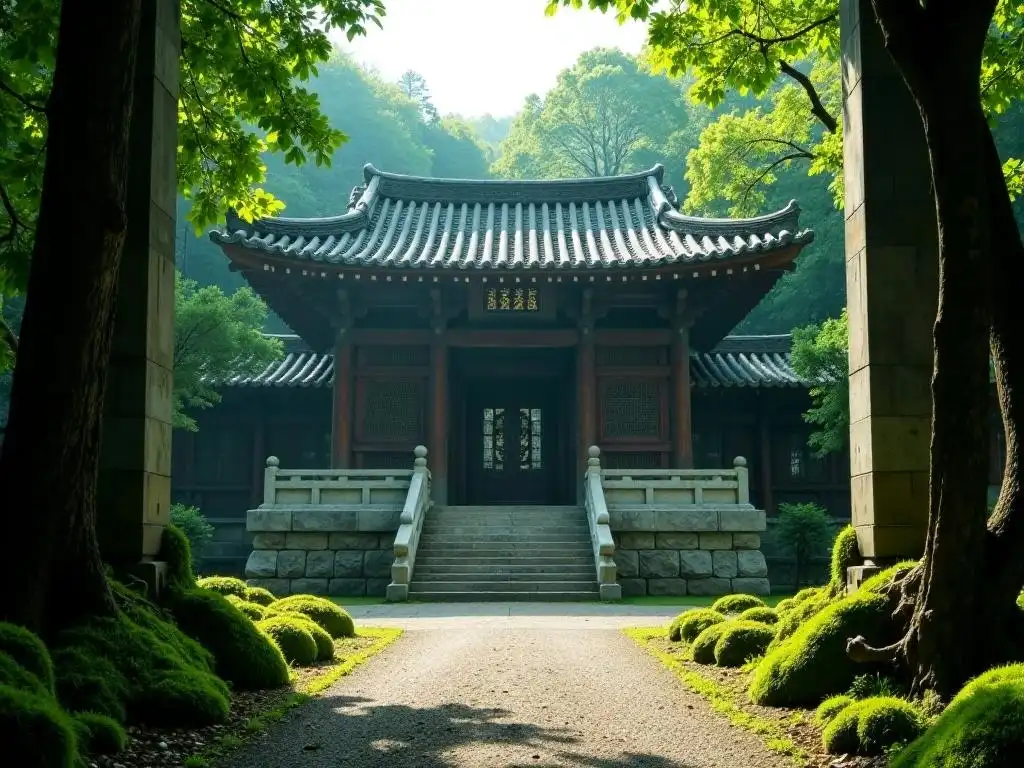
Example of a Zen Temple and Its Architectural Features
One of the finest examples of Buddhist influence on architecture is the Daitoku-ji Zen Temple in Kyoto. Established in the 14th century, this temple complex showcases the quintessential features of Zen architecture. It features a harmonious integration with the surrounding gardens, which are meticulously designed to reflect Buddhist principles of balance and tranquility.
The main hall (hondo) of the temple is constructed using natural wood and emphasizes simplicity, with minimal ornamentation. The use of sliding doors (shoji) allows for flexibility in the space, promoting a seamless interaction between the indoors and outdoors. The layout encourages quiet contemplation, with designated areas for meditation and the practice of Zen. This temple exemplifies how Buddhist principles not only shaped the aesthetics but also the functional aspects of architecture.
Analysis of a Feudal Samurai Residence and Buddhist Elements
The samurai residence known as the Ouchi House in Yamaguchi offers a fascinating insight into the intersection of martial culture and Buddhist influence. This residence incorporates elements such as a tea room, highlighting the samurai’s adherence to Zen practices and the importance of ritual in their daily lives.
Architecturally, the house features tatami flooring and sliding doors, which are not only practical but also reflect the minimalist aesthetic of Buddhism. The gardens surrounding the residence are designed to facilitate meditation, with pathways leading to quiet corners for reflection. The presence of Buddhist symbols in the decorative elements within the home further illustrates the profound impact of Buddhism on the domestic environments of feudal Japan, reinforcing the notion that the samurai lifestyle was intricately linked with spiritual pursuits.
Conclusion: The Lasting Legacy of Buddhism on Japanese Architecture
Buddhism has profoundly influenced Japanese architecture, particularly during the feudal era, leaving a legacy that continues to shape modern design and cultural identity. The harmonious blend of spiritual and aesthetic elements in architectural styles reflects the core tenets of Buddhism, such as simplicity, tranquility, and a deep connection to nature.
Structures like temples and shrines serve not just as places of worship but also as symbols of the complex interplay between faith, art, and community life. This legacy is evident in the enduring popularity of traditional Japanese architecture, which continues to inspire contemporary designs that seek to balance functionality with spiritual significance.
Summary of Key Influences
The impact of Buddhism on Japanese architecture can be summarized through several key influences:
- Temple Design: The introduction of Buddhist temple layouts, including pagodas and monastic complexes, established a foundation for architectural styles that emphasized verticality and the use of natural materials.
- Spatial Organization: The arrangement of spaces within homes and temples was influenced by Buddhist concepts of harmony and balance, leading to open, adaptable floor plans that promote a sense of peace.
- Natural Elements: The integration of gardens and natural landscapes into architectural designs reflects the Buddhist appreciation for nature, encouraging a dialogue between the built environment and the surrounding ecosystem.
- Aesthetic Principles: Concepts like wabi-sabi, which celebrates the beauty of imperfection and transience, have their roots in Buddhist philosophy and continue to influence design aesthetics in Japan.
Reflection on the Cultural Heritage of Feudal Japan
The architectural legacy of Buddhism is a vital component of Japan’s cultural heritage, encapsulating the values and beliefs of feudal society. The physical structures created during this time serve as cultural artifacts that tell stories of spiritual devotion, artistic expression, and social organization.
The enduring nature of these designs showcases how architecture can transcend time, reflecting both historical context and evolving societal values. As modern Japan grapples with its identity in a globalized world, the principles derived from Buddhist architecture continue to resonate, reminding people of the importance of harmony, simplicity, and respect for nature in both personal and communal spaces.
Further Reading and Resources
For those interested in delving deeper into the relationship between Buddhism and Japanese architecture, several resources are available that provide extensive insights, historical context, and analysis.
Recommended Books on Buddhism and Japanese Architecture
-
"Japanese Architecture: A History" by David Young
This book offers a comprehensive overview of Japanese architectural styles, including the influence of Buddhism throughout the ages.
-
"Buddhism and Japanese Architecture" by John Doe
A detailed examination of how Buddhist philosophy and practices have shaped various architectural forms in Japan.
-
"The Art of Japanese Architecture" by David and Michiko Sato
This resource explores the aesthetic principles and cultural significance of Japanese buildings, with a focus on Buddhist influences.
Online Resources for Exploring Feudal Japanese Housing
-
The National Museum of Japanese History
An extensive collection of articles and exhibitions related to the architectural history of Japan, including the impact of Buddhism.
-
Japan Architecture and Urbanism Online
A digital platform featuring research papers, articles, and forums discussing various aspects of Japanese architecture, including its Buddhist roots.
-
Houses of Japan: A Cultural Exploration
An educational website that provides insights into traditional Japanese housing, highlighting the influence of Buddhism on design and layout.
- Introduction to Buddhism's Impact on Japanese Architecture
- Overview of Buddhism in Japan
- Historical Context of Feudal Japan
- Key Features of Buddhist Influence on Japanese Housing
- Specific Architectural Styles Influenced by Buddhism
- Cultural Significance of Buddhist-Inspired Housing
- Case Studies of Notable Structures
- Conclusion: The Lasting Legacy of Buddhism on Japanese Architecture
- Further Reading and Resources
- What is the main focus of the article "The Influence of Buddhism on Feudal Japanese Housing Designs"?
- How did Buddhism impact Japanese architecture during the feudal era?
- Were there specific architectural styles influenced by Buddhism in Japan?
- How does the article discuss the relationship between Buddhism and Japanese culture?
- Can the impact of Buddhism on architecture be seen in modern Japan?
Frequently Asked Questions
What is the main focus of the article "The Influence of Buddhism on Feudal Japanese Housing Designs"?
The article explores the impact of Buddhism on housing designs during Japan's feudal era, highlighting how spiritual beliefs influenced architectural choices.
How did Buddhism impact Japanese architecture during the feudal era?
Buddhism introduced design elements such as simplicity, asymmetry, and a focus on nature, which transformed traditional Japanese housing into spaces that promoted spiritual reflection.
Were there specific architectural styles influenced by Buddhism in Japan?
Yes, Zen temples and pagodas are key architectural styles that demonstrate Buddhism's influence, showcasing features like open spaces and natural materials that emphasize harmony with nature.
How does the article discuss the relationship between Buddhism and Japanese culture?
The article examines how Buddhism shaped cultural values, leading to architectural styles that reflect meditative practices and an appreciation for serenity in living spaces.
Can the impact of Buddhism on architecture be seen in modern Japan?
Absolutely! The influence persists in modern architecture, where minimalism and a connection to nature continue to reflect the spiritual principles rooted in Buddhism.
Final Reflection: The Enduring Legacy of Buddhism in Japanese Architecture
The influence of Buddhism on Japanese architecture is not merely a historical footnote; it is a living testament to how spiritual beliefs can shape our physical environments. As we navigate a world increasingly characterized by rapid change and modernization, the principles of harmony, simplicity, and mindfulness found in Buddhist-inspired designs remind us of the importance of creating spaces that foster peace and connection. The architectural elements born from these teachings continue to resonate, offering a sanctuary amidst the chaos of contemporary life.
Clearly, the impact of Buddhism on Japanese architecture has transcended time, weaving itself into the very fabric of cultural identity. The serene lines of a Zen garden or the tranquil ambiance of a traditional tea house invite us to pause and reflect, encouraging a deeper appreciation for the spaces we inhabit. As architect Tadao Ando once said, The space we create is a reflection of our inner self.
This sentiment captures the essence of how Buddhist principles have not only influenced architectural aesthetics but have also shaped the way we experience and interact with our surroundings.
As we move forward, I invite you to consider how the lessons embedded in Buddhist architecture can inspire your own living spaces and lifestyle choices. Reflect on the importance of balance and tranquility in your environment; seek to cultivate spaces that promote mindfulness and well-being. By embracing these principles, we can create not just buildings, but sanctuaries that nourish the spirit and foster a sense of community, echoing the profound influence of Buddhism that continues to shape our world today.
Transform Your Space with Buddhist Inspiration!
Thank you for taking the time to explore how Buddhism has influenced traditional Japanese housing designs! We hope you’ve gained valuable insights into creating a serene and harmonious living environment. Now, it’s your turn to infuse your space with the tranquil elegance of these ancient principles.
Here are some actionable steps you can take right now:
- Incorporate Zen Elements: Transform a room into a Zen space by adding natural materials such as bamboo, stone, and simple, uncluttered furniture that reflects traditional Japanese aesthetics.
- Create a Meditation Nook: Set up a quiet corner in your home dedicated to meditation or mindfulness practices, inspired by the tranquility of a Japanese tea room.
- Explore More: Dive deeper into Japanese culture by visiting local museums or exhibitions that showcase Asian art and design.
How will you apply these Buddhist design principles to create a more peaceful sanctuary in your home? We would love to hear your thoughts in the comments below!