
The Cultural Legacy of Daimyo: Art, Architecture, and Influence

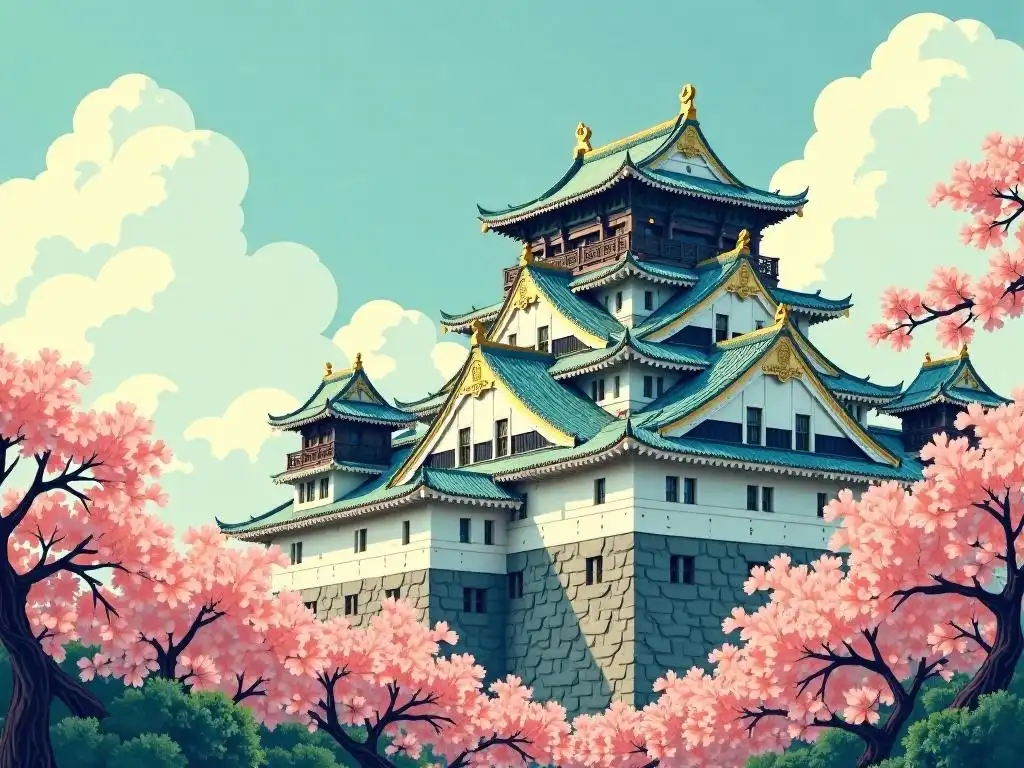
Welcome to Feudal Japan History, where we invite you to embark on a fascinating journey through the rich tapestry of Japan’s feudal era. In our featured article, “The Cultural Legacy of Daimyo: Art, Architecture, and Influence,” we delve into the profound impact that daimyo had on the cultural landscape of Japan. From their majestic castles to their patronage of the arts, the influence of these powerful feudal lords extends far beyond their political prowess.
What secrets lie within their legacies? Join us as we uncover the intricate connections between power and culture that shaped a nation, and prepare to be captivated by the stories that await you!
Introduction to Daimyo Cultural Influence in Japan
The term Daimyo refers to the powerful feudal lords in Japan who ruled large domains during the feudal era, particularly from the 12th to the 19th century. Their influence extended far beyond mere political power; it shaped the very fabric of Japanese culture, art, and architecture. As key figures in a hierarchical society, daimyo were instrumental in fostering unique cultural developments, promoting art, and commissioning architectural marvels that reflected their status and aspirations. This article explores the multifaceted Daimyo cultural influence in Japan, providing an in-depth analysis of their contributions and legacy.
Overview of the Daimyo System in Feudal Japan
The daimyo system was a pivotal structure in feudal Japan, characterized by a network of loyalty and land ownership. Each daimyo governed a specific territory, known as a han, and was responsible for its economic and military management. This system was deeply intertwined with the samurai class, who served as the daimyo's warriors and administrators. The relationship between daimyo and samurai was crucial, as it ensured loyalty and stability within the domains.
Key Features of the Daimyo System:
- Land Ownership: Daimyo controlled vast tracts of land, which were cultivated by peasants. This agrarian economy formed the backbone of their wealth and power.
- Military Authority: They maintained their own armies of samurai, enabling them to protect their domains and assert their influence.
- Political Autonomy: Although the central government, especially during the Tokugawa shogunate, sought to maintain control, many daimyo exercised significant autonomy over their regions.
Significance of Daimyo in Japanese History and Culture
The impact of daimyo on Japanese history and culture cannot be overstated. They were not just rulers but patrons of culture, art, and traditions. Their contributions helped solidify various aspects of Japanese identity that are still celebrated today.
Contributions to Culture:
- Art Patronage: Many daimyo commissioned renowned artists to create unique works, fostering a rich artistic heritage.
- Architectural Innovations: They built magnificent castles and temples, which became symbols of power and cultural pride.
- Cultural Exchange: Daimyo often invited scholars, poets, and artists to their courts, promoting cultural exchange and the development of new ideas.
Historical Context of Daimyo and Their Domains
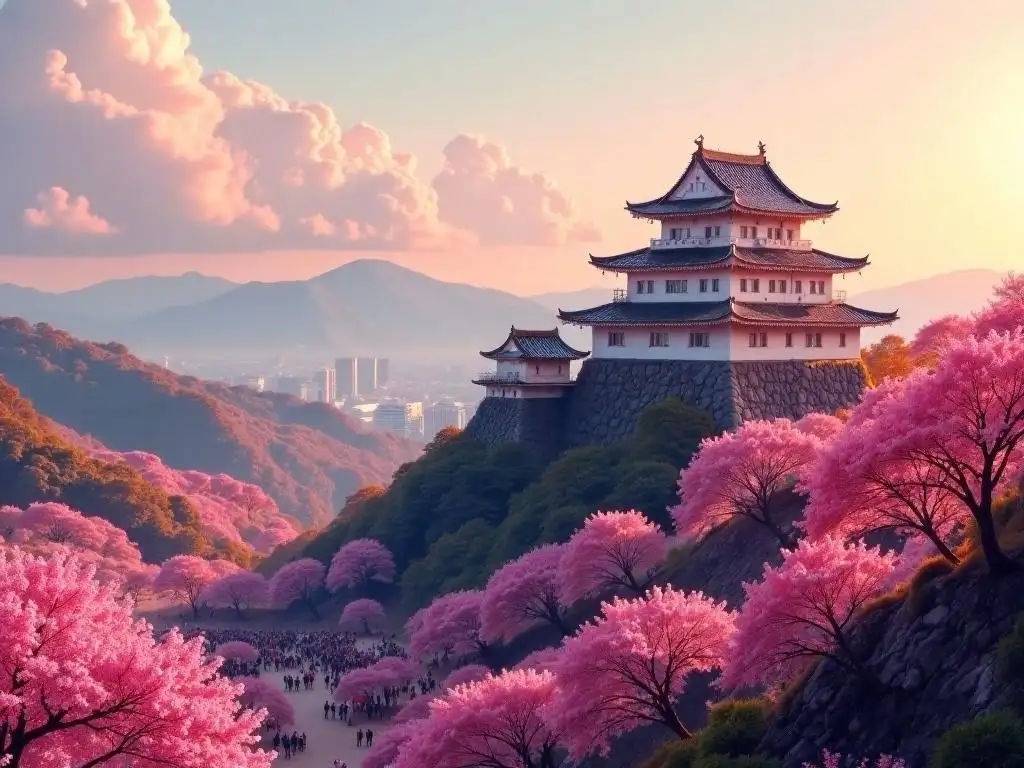
Understanding the historical context of the daimyo class provides insight into their rise and the influence they exerted throughout Japanese history. The feudal era was marked by constant conflict and shifting alliances, which shaped the power dynamics of the time.
Rise of the Daimyo Class in the Feudal Era
The emergence of the daimyo class can be traced back to the tumultuous periods of the late Heian and early Kamakura eras. As the central authority weakened, local leaders began to consolidate power, leading to the formation of the daimyo class.
- Feudal Instability: The Gempei War (1180-1185) and subsequent conflicts allowed ambitious warriors to seize control of lands and establish their own domains.
- Clan Rivalries: The rise of powerful clans, such as the Minamoto and Taira, set the stage for the eventual establishment of the shogunate system, further empowering the daimyo.
Political Power and Territorial Control of Daimyo
The political power of daimyo was a defining characteristic of the feudal system. They not only governed their domains but also played crucial roles in the broader political landscape of Japan.
- Territorial Control: Each daimyo's ability to manage and defend their territory was essential for maintaining their status and influence.
- Shifting Alliances: Daimyo often formed alliances through marriage and diplomacy, which could shift the balance of power significantly during times of conflict.
In understanding the legacy of the daimyo, it becomes clear that their cultural contributions and political maneuvers have left an indelible mark on Japan’s historical narrative. Their influence continues to resonate, shaping modern perceptions of Japanese culture and identity.
Art as a Reflection of Daimyo Cultural Influence
The daimyo, as powerful feudal lords in Japan, played a crucial role in shaping the cultural landscape of the country during the feudal era. Their influence extended far beyond mere governance; they were patrons of the arts, commissioning works that reflected their status and values. This cultural patronage not only showcased their wealth but also served as a means to convey their ideologies and aspirations to their subjects and peers.
The art produced under the auspices of the daimyo often incorporated themes of nature, warfare, and the samurai ethos, which were pivotal to the identity of the ruling class. Traditional Japanese art forms, such as painting, calligraphy, and ceramics, flourished during this period, with many pieces directly influenced by the tastes and preferences of the daimyo. The intricate designs and vivid imagery found in these artworks often told stories of valor and loyalty, embodying the bushido code that governed samurai conduct.
Moreover, the daimyo's cultural influence also fostered regional styles, as each domain developed its own artistic identity based on local traditions and resources. This resulted in a rich tapestry of cultural expressions across Japan, with each daimyo leaving a unique mark on the artistic heritage of their region.
Traditional Art Forms Sponsored by Daimyo
The sponsorship of traditional art forms by the daimyo was a significant aspect of their cultural legacy. Notably, ink painting (sumi-e) and woodblock printing (ukiyo-e) became popular under their patronage. Sumi-e, characterized by its simple brush strokes and emphasis on expressing the essence of the subject, often depicted landscapes, flora, and fauna, reflecting the daimyo's connection to nature and the ideals of harmony.
Ukiyo-e, or "pictures of the floating world," was another art form that gained prominence during the Edo period, often depicting scenes from everyday life, beautiful women, and kabuki actors. The daimyo commissioned these artworks not only for personal enjoyment but also as gifts to display their cultural sophistication and generosity to other lords and influential figures.
Additionally, the daimyo supported craftsmanship in ceramics, textiles, and metalwork, which were essential for both utilitarian purposes and decorative functions. The exquisite tea utensils and ceramics produced during this time are still revered today, representing the merging of aesthetic beauty and practical use.
Notable Artists and Art Movements Supported by Daimyo
Several notable artists and art movements emerged through the support of the daimyo, significantly impacting Japan's artistic development. Katsushika Hokusai, a master ukiyo-e artist, received patronage from various daimyo, enabling him to create iconic works that would later influence Western art movements. His series, "Thirty-Six Views of Mount Fuji," showcased the natural beauty of Japan and solidified the cultural significance of the landscape in Japanese art.
Another prominent figure, Kitagawa Utamaro, was celebrated for his portraits of beautiful women, known as bijin-ga. The daimyo's interest in such themes allowed Utamaro to flourish, producing works that captured the elegance and complexity of gender roles within Japanese society during the feudal period.
Moreover, the Rimpa School, known for its decorative style that emphasized bold colors and patterns, thrived under the sponsorship of various daimyo. Artists like Ogata Kōrin and Hon'ami Kōetsu were instrumental in developing this art movement, which reflected the cultural aspirations of the ruling class and their pursuit of beauty in everyday life.
Architectural Contributions of Daimyo
The architectural contributions of the daimyo serve as a testament to their cultural influence and power during the feudal era. Their castles and religious structures not only symbolized their authority but also embodied the aesthetic and functional ideals of the time. Through their architectural endeavors, the daimyo left a lasting legacy that continues to be celebrated in Japan today.
Castles as Symbols of Power and Cultural Heritage
Daimyo castles, or shiro, were monumental structures that symbolized the political power and military might of their owners. These castles were often strategically located to provide defense against potential invaders and showcased the technological advancements of their time, such as intricate moats and stone walls.
Architecturally, daimyo castles were designed with both functionality and aesthetics in mind. The most famous example is Himeji Castle, which is often regarded as the finest surviving example of Japanese castle architecture. Its elegant white façade and complex layout reflect the sophistication and artistic vision of the daimyo who commissioned its construction.
Many castles also incorporated traditional Japanese gardens, enhancing their beauty and providing a serene environment for the daimyo and their guests. These gardens often featured carefully arranged rocks, water features, and plantings that echoed the principles of Japanese aesthetics, emphasizing harmony with nature.
Temples and Shrines: Religious Architecture of the Daimyo
In addition to castles, the daimyo played a significant role in the construction and maintenance of temples and shrines, which were vital to the spiritual life of their domains. The daimyo often funded the building of Buddhist temples and Shinto shrines, demonstrating their commitment to religion and spirituality as part of their cultural identity.
Notable examples include the Tōdai-ji Temple in Nara, which houses a giant Buddha statue and reflects the grandeur associated with powerful patrons. Similarly, many daimyo commissioned shrines that incorporated local legends and traditions, fostering a sense of community and cultural continuity.
The architectural style of these religious structures often featured ornate decorations, intricate woodwork, and beautifully painted sliding doors (fusuma), showcasing the artistic achievements of the time. Furthermore, the incorporation of Zen gardens in temple complexes illustrated the spiritual and philosophical ideals of the daimyo, emphasizing meditation and reflection.
The architectural contributions of the daimyo are an essential part of Japan's cultural heritage, reflecting their power, beliefs, and artistic sensibilities. Through castles and temples, they not only established their dominance but also enriched the cultural landscape of feudal Japan.
The Influence of Daimyo on Japanese Society and Culture
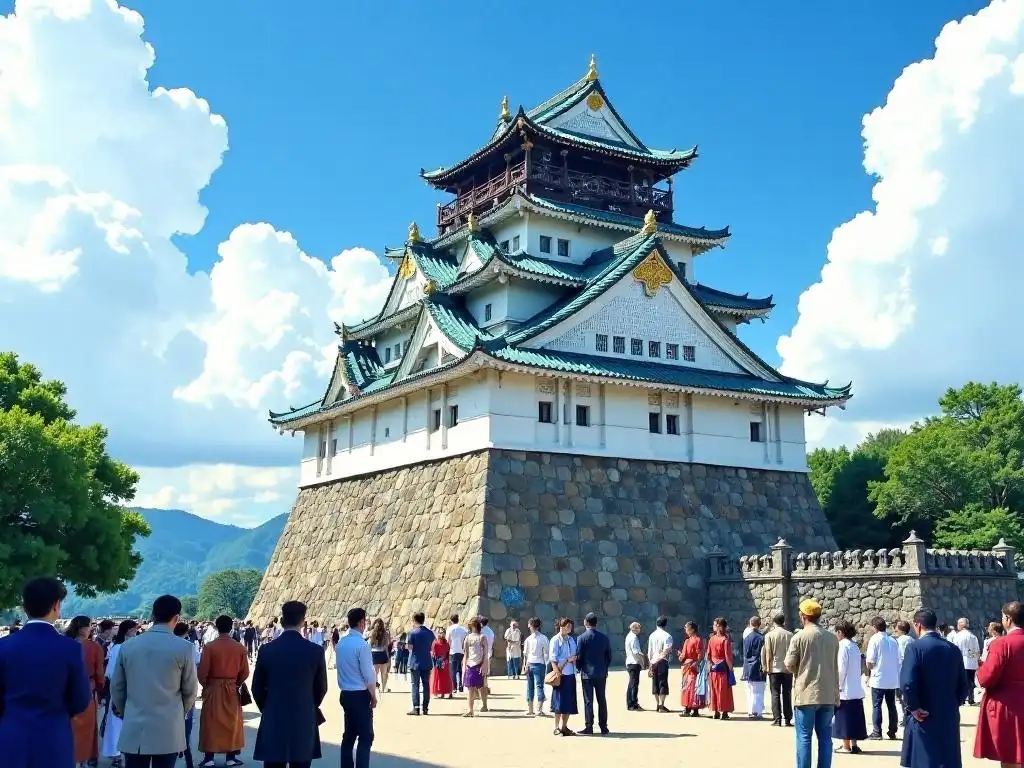
The daimyo were powerful feudal lords who played a crucial role in shaping Japanese society and culture during the feudal era. Their influence extended beyond military might and political governance; they were also key patrons of the arts, education, and social structures. As local rulers, daimyo governed large territories, which allowed them to implement their vision of culture and society, directly impacting the daily lives of their subjects. Their ability to foster regional identities contributed to the rich tapestry of Japan's cultural heritage.
Daimyo often commissioned elaborate temples, shrines, and castles, which became symbols of their power and cultural aspirations. These structures not only served practical purposes but also acted as centers for community life, fostering a sense of identity and belonging among the people. The cultural influence of daimyo is evident in the traditions and practices that continued long after their rule, creating a lasting legacy that informs Japanese culture today.
Economic Impact of Daimyo on Regional Development
The economic strategies employed by daimyo significantly influenced regional development throughout Japan. By overseeing agricultural production and trade, they established systems that maximized local resources and enhanced economic growth. Daimyo would often invest in infrastructure, such as roads and irrigation systems, which improved agricultural yields and facilitated trade. This investment not only enriched their domains but also contributed to the overall prosperity of the regions they ruled.
Trade networks flourished under the daimyo, who would often engage in commerce with neighboring domains and even foreign entities. The establishment of markets and the promotion of artisanal crafts led to the economic diversification of many regions. Consequently, the wealth generated by these economic activities allowed daimyo to support cultural endeavors, further enhancing their influence over society.
Daimyo's Role in the Promotion of Education and Literacy
Daimyo recognized the importance of education and literacy in maintaining control over their territories and fostering loyalty among their subjects. Many lords established schools and encouraged the study of literature, philosophy, and the arts. This promotion of education was not limited to the samurai class; commoners were also afforded access to learning, which contributed to a more educated populace.
Scholarship flourished under the patronage of daimyo, leading to the development of various cultural disciplines, including poetry, calligraphy, and historical studies. The diffusion of knowledge through these educational initiatives laid the groundwork for Japan's later intellectual advancements. The emphasis on education by the daimyo had a profound and lasting impact on the social fabric of Japan, promoting a culture that valued learning and intellectual pursuit.
The Cultural Exchange Between Daimyo and Common People
The relationship between daimyo and the common people was marked by a dynamic cultural exchange that enriched both parties. While daimyo held power and authority, they were also influenced by the customs, traditions, and aspirations of their subjects. Festivals, rituals, and local art forms became avenues for cultural interaction, allowing common people to express their identity while simultaneously influencing their rulers.
Daimyo often participated in local festivals and ceremonies, showcasing their commitment to the well-being of their subjects. This engagement fostered a sense of unity and shared cultural identity, as the common people contributed to the cultural landscape through folk traditions, crafts, and performances. This reciprocal relationship helped to create a diverse and vibrant culture that reflected the multifaceted nature of Japanese society.
Legacy of Daimyo Cultural Influence in Modern Japan
The cultural legacy of the daimyo continues to resonate in modern Japan, influencing various aspects of contemporary society. The values, traditions, and artistic expressions established during the feudal era have shaped Japan's national identity and cultural consciousness. Many modern Japanese artists, architects, and scholars draw inspiration from the rich history and cultural practices of the daimyo, ensuring that their contributions are not forgotten.
Preservation of Daimyo Heritage in Contemporary Society
Efforts to preserve the heritage of the daimyo can be seen in various forms, from the conservation of historical sites to the revival of traditional arts. Many castles and temples built during the feudal era have been restored and are recognized as cultural treasures. These sites serve not only as reminders of the past but also as educational resources for future generations, fostering a deeper understanding of Japan's history.
Cultural festivals often celebrate the traditions and customs associated with the daimyo, providing opportunities for communities to connect with their heritage. These events play a crucial role in maintaining cultural continuity and promoting appreciation for the historical contributions of the daimyo in shaping Japanese culture.
Influence of Daimyo Culture on Modern Japanese Art and Architecture
The aesthetics and philosophies rooted in the daimyo era continue to inform modern Japanese art and architecture. Contemporary artists often reference the themes, motifs, and techniques developed during the feudal period, creating works that resonate with both historical significance and modern sensibilities. The use of natural materials, attention to detail, and integration of nature in design are hallmarks of this influence.
Architects also draw inspiration from the spatial organization and harmony found in traditional daimyo residences and castles. This influence is evident in modern buildings that seek to balance functionality with aesthetic appeal, reflecting the ideals of beauty and simplicity that were central to the culture of the daimyo.
The Role of Daimyo in Shaping Japanese National Identity
The legacy of the daimyo extends into the realm of national identity, as their actions and cultural contributions have played a significant role in the formation of what it means to be Japanese. The values of loyalty, honor, and duty that were emphasized by the samurai class, and by extension the daimyo, continue to resonate in contemporary Japanese society.
As Japan navigated its modernization in the late 19th and early 20th centuries, the cultural practices and historical narratives associated with the daimyo helped to forge a sense of continuity and connection to the past. Understanding the role of the daimyo in Japan's historical narrative fosters a collective identity that acknowledges the complexity of Japan's cultural heritage, blending tradition with modernity.
Conclusion: The Enduring Impact of Daimyo Cultural Influence in Japan
The legacy of the daimyo in Japan extends far beyond their political and military significance during the feudal era. These powerful feudal lords were instrumental in shaping the cultural landscape of Japan, influencing various aspects of art, architecture, and societal norms that resonate even today. The intricate relationship between the daimyo and their domains fostered a unique cultural synthesis, blending indigenous traditions with influences from the broader Asian continent.
Their patronage of the arts led to the flourishing of distinctive forms of Japanese culture, such as the tea ceremony, Noh theater, and traditional crafts like pottery and textile production. The architectural styles that emerged during this period, characterized by elegance and functionality, still inform contemporary Japanese design principles. Furthermore, the daimyo's role in promoting education and scholarship helped lay the groundwork for Japan's later modernization.
As Japan transitions from its feudal past to a modern nation-state, the cultural legacies of the daimyo continue to be celebrated and studied. Their influence can still be seen in festivals, rituals, and the preservation of historic sites, reminding us of a time when local power holders shaped the nation's identity and culture.
Summary of Key Points on Daimyo Legacy
- Cultural Patronage: Daimyo supported various art forms, including painting, literature, and performing arts, significantly contributing to Japan's rich cultural tapestry.
- Architectural Innovation: The construction of castles and temple complexes by daimyo reflected both military might and aesthetic grace, blending functionality with beauty.
- Local Identity Formation: Each daimyo cultivated a unique local culture within their domain, promoting regional pride and identity that persists in modern Japan.
- Education and Scholarship: Many daimyo established schools and promoted the study of Confucianism and other intellectual disciplines, advancing education in their regions.
- Influence on Modern Japan: The cultural practices and artistic expressions fostered by the daimyo set foundational principles for Japan's contemporary cultural identity.
Final Thoughts on the Importance of Daimyo in Japanese Cultural History
The significance of the daimyo in Japanese cultural history cannot be overstated. As influential leaders, they not only governed and protected their territories but also acted as cultural custodians and innovators. Their contributions to art and architecture during the feudal period have left a lasting impact on Japan's national identity and cultural heritage.
By examining the cultural legacy of the daimyo, we gain deeper insights into the complexities of Japanese history and the interplay between power, culture, and society. The daimyo's influence serves as a reminder of the intricate tapestry of Japanese culture, where politics and art converge, shaping a unique narrative that continues to evolve. Understanding this legacy enriches our appreciation of Japan's historical journey and the enduring cultural practices that emerged from the feudal era.
- Introduction to Daimyo Cultural Influence in Japan
- Overview of the Daimyo System in Feudal Japan
- Significance of Daimyo in Japanese History and Culture
- Historical Context of Daimyo and Their Domains
- Art as a Reflection of Daimyo Cultural Influence
- Architectural Contributions of Daimyo
- The Influence of Daimyo on Japanese Society and Culture
- Legacy of Daimyo Cultural Influence in Modern Japan
- Conclusion: The Enduring Impact of Daimyo Cultural Influence in Japan
- What were the primary roles of the Daimyo in feudal Japan?
- How did the Daimyo contribute to Japanese art and culture?
- What is the impact of Daimyo architecture on modern Japan?
- How did the Daimyo influence social hierarchies in feudal Japan?
- What is the legacy of the Daimyo in contemporary Japanese society?
Frequently Asked Questions
What were the primary roles of the Daimyo in feudal Japan?
Daimyo were powerful feudal lords who governed large estates, served the shogun, and played a crucial role in Japan's political and military structure during the feudal era.
How did the Daimyo contribute to Japanese art and culture?
The Daimyo were significant patrons of the arts, commissioning works that reflected their status and wealth, which led to the development of distinct styles in painting, architecture, and crafts.
What is the impact of Daimyo architecture on modern Japan?
Many historic castles and structures built by the Daimyo serve as cultural landmarks today, showcasing the architectural styles and technological advancements of their time.
The Daimyo were at the top of the social hierarchy, establishing a system that defined roles and responsibilities, which contributed to class distinctions that persisted throughout Japanese history.
What is the legacy of the Daimyo in contemporary Japanese society?
The cultural and artistic legacies of the Daimyo can still be seen in modern Japanese festivals, traditional crafts, and the preservation of historical sites, highlighting their lasting influence on Japan's identity.
Final Reflection: The Enduring Legacy of Daimyo Cultural Influence in Japan
The cultural influence of the Daimyo remains profoundly relevant today, as it shapes not only our understanding of Japan's rich history but also its contemporary artistic and architectural expressions. The intricate relationship between power, art, and culture during the feudal era has left an indelible mark on Japanese society, reminding us that the past continually informs the present. As we navigate a world increasingly defined by globalization, the unique contributions of the Daimyo serve as a beacon of cultural identity and resilience.
The legacy of the Daimyo is not merely a relic of history; it continues to resonate in modern Japan's cultural landscape. From traditional festivals to contemporary art forms, the influence of these feudal lords is woven into the fabric of Japanese life. Their patronage of the arts fostered a unique aesthetic that still inspires artists and architects today. As the philosopher Jun'ichirō Tanizaki once said, It is the Japanese spirit that has been nurtured by the beauty of the past, and it is this spirit that will guide us into the future.
This ongoing dialogue between history and modernity highlights the importance of understanding our cultural roots.
As we reflect on the lessons of the Daimyo's cultural influence, I invite you to explore how these historical narratives can enrich your own life. Consider how the values of creativity, craftsmanship, and cultural appreciation can shape your personal journey. Engage with the arts, support local traditions, and recognize the beauty in your own cultural heritage. By doing so, we not only honor the legacy of the Daimyo but also contribute to the vibrant tapestry of our shared human experience.
Unveil the Rich Tapestry of Daimyo Culture!
Thank you for taking the time to explore the fascinating cultural legacy of the Daimyo. Your interest has not only deepened your appreciation for Japan's feudal history but also opened the door to further understanding this vibrant era. Now, let's take actionable steps to immerse ourselves fully in this rich heritage!
- Dive deeper: Visit a local museum or explore online exhibitions showcasing the remarkable art and architecture of the Daimyo to experience these treasures firsthand.
- Share your insights: Engage with fellow history enthusiasts by discussing this article on social media or in community groups dedicated to Japanese history.
- Explore the unexpected: Discover lesser-known Daimyo by researching specific clans or influential figures who have left a significant mark on culture and society.
What aspect of Daimyo culture intrigues you the most—art, architecture, or their lasting influence on modern Japan? We would love to hear your thoughts!