
The Role of the Emperor: A Figurehead in the Shadow of Shogunate Power

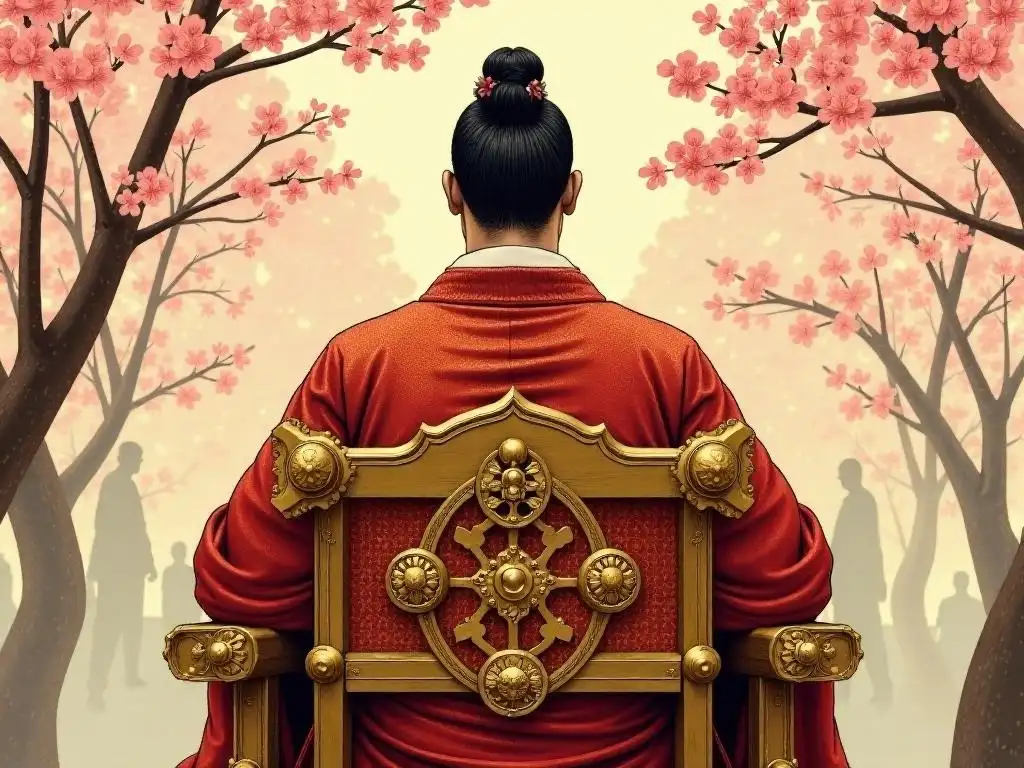
Welcome to Feudal Japan History, where we embark on a compelling journey through the intricate tapestry of Japan’s feudal era. As we delve into the role of the Emperor, you’ll uncover the fascinating dynamics between this revered figure and the formidable shogunate that often overshadowed imperial authority. What secrets lie behind the gilded façade of imperial power?
Join us as we illuminate the complexities of political history, revealing how the Emperor navigated a world where his influence was both sacred and suppressed. Prepare to explore a narrative that challenges your understanding and invites you to see history through a captivating lens!
Introduction to the Role of the Emperor in Feudal Japan
The role of the Emperor in feudal Japan is a complex narrative woven into the fabric of the country's history. While often regarded as the spiritual and cultural leader of the nation, the Emperor's political authority diminished significantly during the rise of the shogunate, leading to a unique power dynamic where the Emperor became more of a figurehead.
This article explores the intricate relationship between the Emperor and the shogunate, shedding light on how this interplay shaped the political landscape and societal structures of feudal Japan. Understanding the Emperor's role not only provides insights into the governance of the time but also highlights the tension between tradition and power that defined this era.
Overview of Feudal Japan’s Political Landscape
Feudal Japan, spanning from the 12th to the 19th century, was characterized by a hierarchical structure of power that revolved around military leaders known as shoguns. The political landscape during this time was marked by:
- Shogunate Rule: The shoguns held the real power, effectively sidelining the Emperor from political affairs.
- Daimyo Influence: Regional lords (daimyo) controlled vast territories, maintaining their own armies and exercising significant local power.
- Bushido Code: The samurai class followed a strict code of ethics, which guided their loyalty to their lords and influenced the social hierarchy.
This structure established a system where the Emperor’s role became largely ceremonial, while the shogunate managed the day-to-day governance of the country.
Significance of the Emperor’s Position in Society
Despite the Emperor's diminished political power, his role remained significant in several ways:
- Cultural Symbol: The Emperor was viewed as a divine figure, embodying the unity of the nation and its cultural heritage.
- Religious Authority: The Emperor performed important religious rituals that reinforced the spiritual foundation of Japanese society.
- Legitimacy: The shogunate often sought the Emperor’s approval to legitimize their rule, highlighting the enduring symbolic power of the throne.
This multifaceted position allowed the Emperor to maintain a unique influence, even as the real governance shifted to military leaders.
Understanding the historical context is crucial for grasping the evolution of the Emperor's authority in feudal Japan.
The Rise of the Emperor in Early Japan
In the early periods of Japanese history, particularly during the Yamato period (4th to 7th centuries), the Emperor held significant power. The establishment of the imperial lineage marked the beginning of a centralized authority, where:
- Divine Heritage: The Emperor was believed to be a descendant of the sun goddess Amaterasu, which conferred a sense of divine right to rule.
- Political Leadership: Early Emperors wielded substantial political and military power, directly influencing the governance of the state.
However, this authority began to wane as regional powers started to emerge.
The Shift to Shogunate Power
The transition from imperial power to shogunate dominance was gradual but profound, marked by key developments:
- Heian Period Decline: As the Heian period progressed (794-1185), the power of the aristocracy grew, leading to the rise of military clans.
- Minamoto Clan Ascendancy: The Minamoto clan’s victory in the Genpei War (1180-1185) established the first shogunate, fundamentally altering the balance of power.
- Military Governance: Shoguns like Minamoto no Yoritomo created a system of governance that relegated the Emperor to a largely ceremonial role.
This shift heralded a new era in Japan's political history, where real power resided with the shoguns.
Key Events Influencing the Emperor's Role
Several pivotal events further shaped the Emperor's role throughout feudal Japan:
- The Kamakura Shogunate (1185-1333): This period solidified the shogunate's power while the Emperor remained a symbolic figure.
- The Ashikaga Shogunate (1336-1573): The Ashikaga shoguns recognized the Emperor's status while effectively controlling political matters.
- The Meiji Restoration (1868): Although this event marked the beginning of the end for shogunate rule, it also reinstated the Emperor as a central figure in Japan's modernization efforts.
These events illustrate the dynamic and often tumultuous relationship between the Emperor and the shogunate, underscoring the complexities of governance in feudal Japan.
The Emperor as a Symbol of Unity
The Emperor of Japan during the feudal era served not only as a political entity but also as a powerful symbol of unity for the Japanese people. Although the actual political power was often held by the shogunate, the Emperor's image transcended the political landscape. He was perceived as the divine descendant of the sun goddess Amaterasu, which provided a spiritual legitimacy that bolstered the state’s authority.
In times of turmoil or conflict, the Emperor's presence was invoked to unify the various clans and factions. His imperial edicts and proclamations were a means to rally support and instill a sense of national identity among the populace. This role as a unifying figure was crucial, especially during periods of civil strife, as people looked to the Emperor as a focal point of hope and stability.
Moreover, the Emperor's symbolic role extended to the realm of governance, where his endorsement was necessary for the legitimacy of the shogunate. Even as a figurehead, the Emperor's support lent credibility to the ruling shogun, reinforcing the idea that, while the shogun wielded military power, the Emperor remained the heart of the nation.
Cultural Importance of the Emperor in Feudal Society
Within feudal society, the Emperor was regarded as the ultimate cultural authority. Festivals, rituals, and arts often revolved around the imperial court, reflecting the deep-rooted respect and reverence for the Emperor as a cultural figure. This cultural importance was evident in the promotion of traditional arts such as Noh theater, poetry, and calligraphy, which were often patronized by the court.
The Emperor's court was a center for the development of Japanese aesthetics and cultural practices, influencing the samurai class and the common people alike. The cultural narratives surrounding the Emperor were pivotal in shaping Japanese identity, emphasizing values such as honor, loyalty, and the significance of ancestry that resonated throughout feudal society.
Additionally, the imperial lineage was a source of pride and continuity for the Japanese people. The belief in the Emperor’s divine descent fostered a sense of belonging and collective identity among the clans, reinforcing their loyalty not only to their local leaders but also to the Emperor himself.
The Emperor's Influence on Religion and Spirituality
The Emperor's role in religion and spirituality was a cornerstone of his authority in feudal Japan. As the high priest of the Shinto religion, the Emperor was intimately involved in rituals that were believed to maintain harmony between the gods and the people. This sacred connection underscored his divine right to rule and legitimized his position, even in a primarily military governance structure.
Shinto rituals led by the Emperor sought to protect the nation from calamities and misfortunes, emphasizing the belief that the Emperor could mediate between the divine and the earthly realms. This spiritual authority played a significant role in reinforcing social order and cultural values, as the populace believed that their well-being was linked to the Emperor's spiritual health.
Furthermore, the Emperor's relationship with Buddhism, which gained prominence during certain periods of feudal Japan, demonstrated his complex role in the spiritual landscape. Emperors often supported Buddhist institutions, contributing to the intertwining of Shinto and Buddhist practices, which enriched the spiritual life of the nation.
The Emperor's Role in Ceremonial Practices
Ceremonial practices were essential to the Emperor's role in feudal Japan, serving as a means of demonstrating power and continuity. The Emperor presided over numerous ceremonies that marked important seasonal changes and events, such as the New Year celebrations and agricultural festivals. These rituals underscored the Emperor's connection to the land and its people, reinforcing his role as the provider of blessings for good harvests and stability.
During the Heian period, elaborate court ceremonies became a hallmark of imperial authority, showcasing the Emperor’s cultural and political significance. The ceremonies were not just rituals; they were a display of the imperial court's sophistication and a means to assert the Emperor's position in the hierarchy of feudal Japan.
Additionally, these ceremonial practices often involved the samurai class, linking the military elite with the imperial authority. Through participation in these events, samurai demonstrated their loyalty to the Emperor, reinforcing the social order while highlighting the Emperor's role as a central figure of unity and continuity.
The Power Dynamics: Emperor vs. Shogun
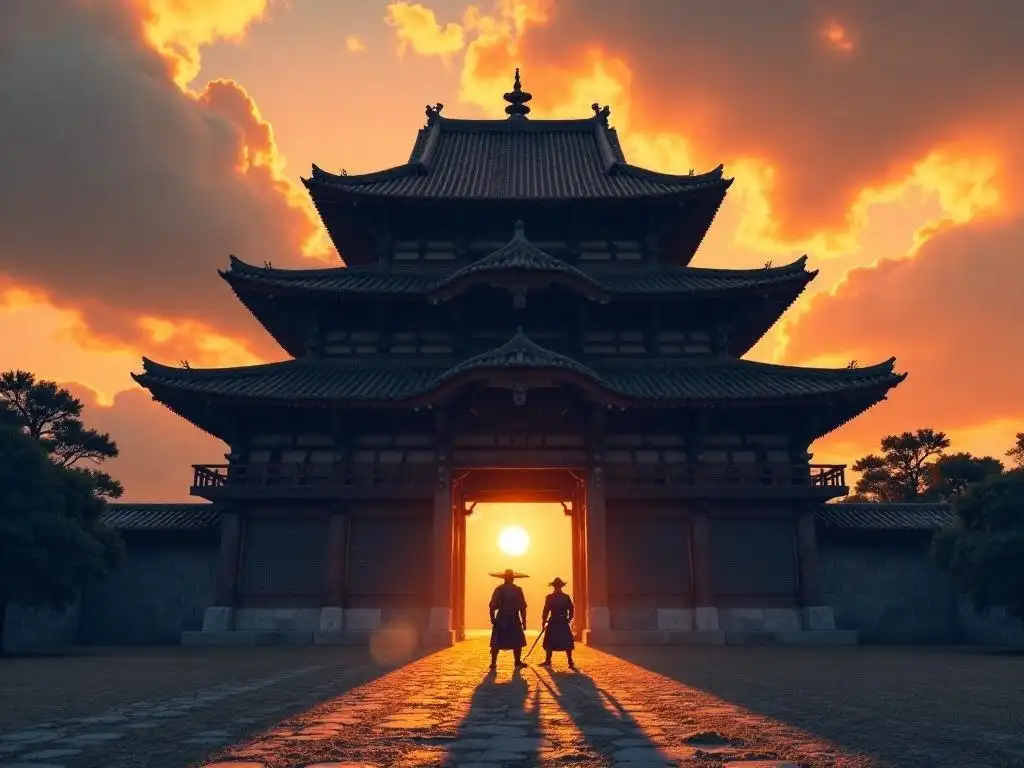
The relationship between the Emperor and the shogun was characterized by a complex interplay of power dynamics. While the Emperor was revered as the sovereign ruler, the shogunate wielded actual political and military power. This duality created a unique political landscape where the Emperor existed as a figurehead, while the shogunate operated the machinery of governance.
Understanding the Shogunate System
The shogunate system emerged as a military government in Japan, beginning in the late 12th century. At the helm was the shogun, a title given to the supreme military commander, who held significant authority over the samurai and the provinces. This system was established in response to the need for stability during periods of conflict, such as the Genpei War, where military leaders arose to protect their interests and maintain order.
Under the shogunate, the Emperor's role was relegated to a ceremonial position, with real power residing with the shogun and his council. The shogun managed the administration, taxation, and military affairs, often using the Emperor's name to legitimize their actions. This complex relationship allowed the shogunate to maintain control while preserving the Emperor's symbolic status.
The Contrast Between Imperial and Shogunate Authority
The contrast between imperial and shogunate authority was stark. The Emperor, as a spiritual and cultural figure, represented continuity and tradition, while the shogun embodied military power and pragmatism. This dichotomy often led to tensions, as the shogunate sought to consolidate power without completely undermining the Emperor's position.
While the Emperor's decrees could still influence the populace, the shogun’s decisions dictated the political landscape. The shogunate maintained a delicate balance of power, often paying lip service to the Emperor while exercising control over land, resources, and military forces. This dynamic allowed for a coexistence that, although fraught with underlying tensions, ultimately enabled feudal Japan to flourish.
Case Studies of Specific Emperors and Their Influence
Examining specific emperors reveals the nuances of imperial influence within the confines of shogunate power. For instance, Emperor Go-Daigo, who reigned in the early 14th century, attempted to regain political control from the Ashikaga shogunate by launching a rebellion known as the Genko War. His efforts, although ultimately unsuccessful, highlighted the struggles of the Emperor to reclaim authority and the enduring desire for a more direct rule.
In contrast, Emperor Meiji, who ascended to the throne in 1867, successfully navigated the transition from feudalism to modernity. His reign marked the end of the Tokugawa shogunate and the restoration of imperial power during the Meiji Restoration. This transformation not only redefined the Emperor's role but also propelled Japan into the modern era, demonstrating that even in a primarily figurehead position, the Emperor could still wield significant influence over the course of the nation’s history.
These case studies illustrate the complexity of the Emperor's role in relation to shogunate power, revealing that, despite the limitations imposed by the shogunate, the Emperor remained a pivotal figure in Japan's historical narrative.
The Limitations of Imperial Power
The role of the emperor in feudal Japan was largely ceremonial and symbolic, especially during the height of shogunate power. Despite being viewed as the divine ruler and the highest authority in the land, the emperor's actual political influence was significantly curtailed by the rising power of the shogunate. The interplay between the emperor and the shogun created a complex hierarchy where the emperor's legitimacy was often overshadowed by the military and administrative prowess of the shoguns.
The limitations on imperial power can be traced back to the establishment of the Kamakura shogunate in the late 12th century. The emperor, while still considered the sovereign, became more of a figurehead, with real political power resting in the hands of the shogun and his military governors. This shift marked the beginning of a long period where the emperor's capabilities to influence governance were significantly restricted.
The Emperor’s Political Constraints
The emperor's political constraints were evident in several key areas. Firstly, the emperor was often relegated to a role that involved performing religious and cultural duties rather than engaging in military or political decision-making. The shogunate established a centralized military government, the bakufu, which operated independently of the imperial court. This bifurcation of power meant that the emperor had little say in matters of state.
Additionally, the emperor's authority was undermined by the shogunate's control of military forces. The shogun commanded the samurai, the warrior class responsible for enforcing law and order, thus ensuring that the emperor's decrees could be ignored or overridden. The reliance on the shogunate for military support further limited the emperor's ability to assert authority, leading to a significant power imbalance.
How the Shogunate Marginalized the Emperor
The shogunate actively marginalized the emperor by establishing a parallel power structure that diminished the court's influence. This marginalization was evident in various practices, such as the control over appointments to key positions within the imperial court. The shogunate often placed its loyalists in positions of influence, ensuring that the emperor remained surrounded by advisors who were more aligned with the shogunate's interests than the imperial lineage.
Moreover, the shogunate's military campaigns and political maneuvers often disregarded the emperor's wishes. For instance, during the Genpei War, which led to the rise of the Kamakura shogunate, the emperor was effectively sidelined as the power struggle unfolded. The shogunate's ability to manipulate the narrative of legitimacy further solidified its position, as it could claim to act in the emperor's name while simultaneously stripping him of actual power.
The Role of Advisors and Court Nobility
The advisors and court nobility played a crucial role in the dynamics between the emperor and the shogunate. These individuals, often members of the aristocratic Fujiwara family or other noble clans, acted as intermediaries between the emperor and the shogunate. Their allegiance often shifted, reflecting the broader political landscape, and they frequently found themselves torn between loyalty to the emperor and the shogunate.
As the emperor's direct influence waned, these advisors became instrumental in negotiating the delicate balance of power. They were tasked with maintaining the illusion of imperial authority while navigating the realities of shogunal governance. The court nobility, while still holding ceremonial importance, often had to concede to the shogun's demands, leading to a gradual erosion of the emperor's status as a political entity.
The Evolution of the Emperor's Role Over Time
The evolution of the emperor's role in Japan's feudal era reflects the shifting political landscape and the varying degrees of influence held by the imperial institution. Over the centuries, the emperor's position transformed from a powerful ruler to a largely symbolic figure, illustrating the complexities of feudal governance.
Changes in the Emperor's Influence During the Kamakura Period
During the Kamakura period (1185–1333), the emperor's influence experienced significant changes. This era marked the establishment of the first shogunate, which redefined the political landscape. The emperor retained a degree of religious authority and was still viewed as the legitimate ruler; however, his practical power was severely curtailed.
The Kamakura shogunate operated with the emperor's nominal support but quickly began to exercise real power through military governance. The emperors of this time were often relegated to the role of figureheads, with the shogunate making crucial decisions regarding warfare and governance. While the emperor retained some ceremonial functions, such as the bestowing of titles and conducting rituals, these actions had little impact on the day-to-day operations of the state.
The Muromachi Era: A Period of Transformation
The Muromachi era (1336–1573) was a time of further transformation for the emperor's role. During this period, the Ashikaga shogunate rose to power, and the emperor's status continued to evolve. The Ashikaga shogunate was somewhat more inclusive, at least in terms of incorporating the imperial court into its governance structures. This led to a brief resurgence of imperial influence as the Ashikaga shoguns sought legitimacy through their connection to the emperor.
However, this period was also marked by political fragmentation and civil strife, as various regional warlords (daimyōs) vied for control. The emperor's role became increasingly ceremonial, and although certain emperors attempted to reclaim authority, they often found themselves thwarted by powerful daimyōs who held military might. The delicate balance of power continued to shift, further entrenching the idea of the emperor as a figurehead.
The Decline of Imperial Power in the Edo Period
The Edo period (1603–1868) saw the culmination of the emperor's decline as a political power. With the establishment of the Tokugawa shogunate, the emperor's role was relegated to that of a symbolic leader, embodying the state’s spiritual and cultural identity while lacking any real political authority. The Tokugawa shogunate focused on consolidating its power, and the emperor became increasingly isolated within the imperial court.
During this era, the emperor engaged primarily in religious and cultural activities, with the shogunate firmly controlling the military and political apparatus. The shogunate maintained a façade of loyalty to the emperor, using his image to legitimize its rule while ensuring that real power remained firmly in shogunal hands. This period solidified the emperor's status as a mere figurehead, leading to a long-lasting perception of the imperial institution as an entity largely disconnected from governance.
The Legacy of the Emperor’s Role in Japanese History
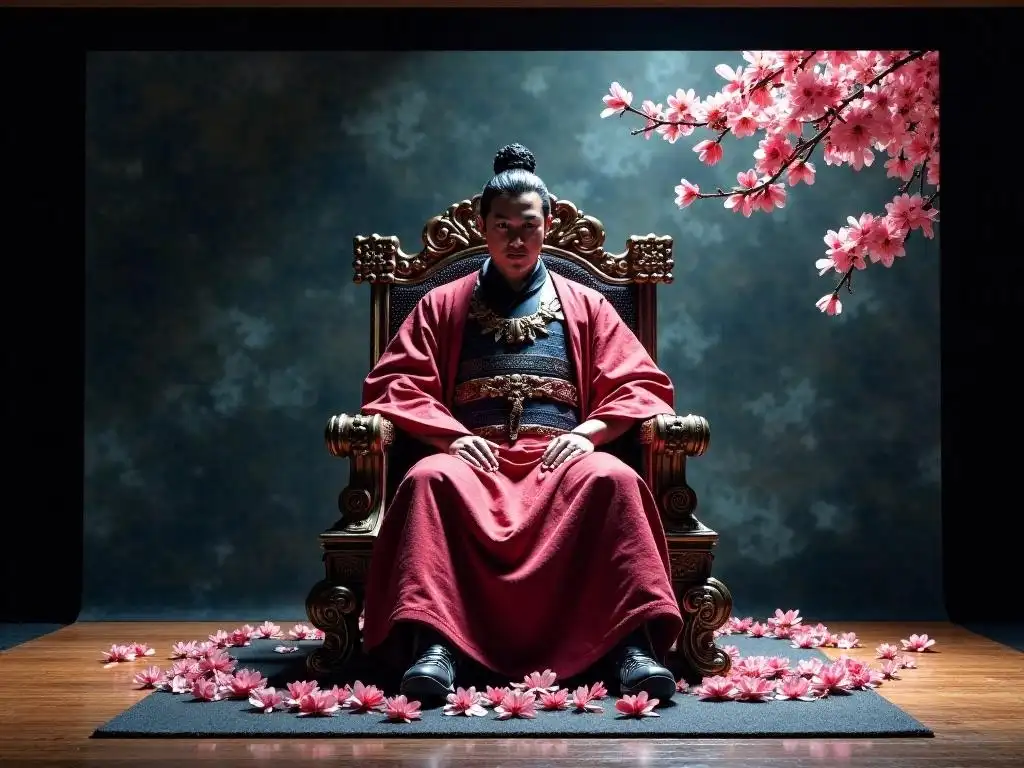
The legacy of the emperor’s role in Japan is deeply intertwined with the country’s history, particularly during the feudal era. While the emperor was traditionally seen as the spiritual and symbolic leader of Japan, his actual power diminished significantly during the rise of the shogunate. Initially, the emperor wielded considerable influence, serving as the focal point of political and religious life. However, as military leaders like the shoguns gained power, the role of the emperor transformed into that of a figurehead, often relegated to ceremonial functions.
Despite this diminishment of power, the emperor remained a crucial symbol of unity and continuity throughout Japan's political upheavals. This legacy is marked by a complex relationship between the imperial institution and the ruling shogunate. Even as the shoguns exercised de facto control, they sought legitimacy through the emperor, who would grant titles and endorsements to reinforce their authority. This interplay established a unique political dynamic that would persist for centuries, shaping Japan's governance and societal structures.
Furthermore, the emperor's role in Japanese history is not merely limited to the feudal period. The symbolic significance of the emperor carried through the Meiji Restoration, where the emperor was restored to a position of prominence, albeit under different circumstances. The legacy of the emperor’s figurehead status during feudal times laid the groundwork for the modern perceptions of the imperial institution, emphasizing its enduring relevance in Japanese society.
How the Emperor's Figurehead Status Shaped Modern Japan
The emperor's figurehead status during the feudal era has significantly influenced the development of modern Japan. Following the fall of the shogunate in the late 19th century, the Meiji Restoration marked a pivotal shift, where the emperor was positioned as a central figure in the nation's modernization efforts. This transformation was crucial in uniting the country under a central authority and fostering a sense of national identity.
While the shogunate had functioned as the real power broker, the emperor's return to prominence allowed for the consolidation of power and the establishment of a centralized government. The concept of the emperor as a unifying symbol rather than a governing authority paved the way for the establishment of a constitutional monarchy, which incorporated elements of Western governance while retaining traditional Japanese elements.
Moreover, the emperor's figurehead status has perpetuated a unique cultural narrative that persists in contemporary Japan. The reverence for the emperor as a symbol of continuity and national pride remains evident in various aspects of Japanese culture, including festivals, rituals, and national holidays. This legacy has shaped Japan's political landscape, influencing the relationship between the government and the imperial institution in the post-war era.
The Lasting Cultural Impact of the Emperor in Japanese Society
The cultural impact of the emperor in Japanese society extends far beyond his political role, resonating deeply within the fabric of Japanese identity. Historically, the emperor was seen as a divine figure, with Shinto beliefs attributing a sacred status to the imperial lineage. This perception has fostered a cultural reverence for the emperor that persists in modern society.
The ceremonies and rituals associated with the emperor, such as the enthronement and seasonal festivals, continue to play a vital role in Japanese culture. These events not only celebrate the emperor's symbolic importance but also reinforce a sense of continuity and tradition amidst the rapid changes of the modern world. The emperor embodies the historical consciousness of Japan, serving as a reminder of the nation's rich heritage.
In addition, the emperor's role as a patron of the arts and culture has left a lasting impression on Japanese aesthetics. From poetry and literature to traditional crafts, the imperial family has historically supported cultural endeavors, fostering an appreciation for Japan's artistic expressions. This cultural legacy is reflected in contemporary practices, as many Japanese people continue to engage with traditional art forms, reinforcing the connection to their imperial past.
The Transition from Feudalism to Modern Governance
The transition from feudalism to modern governance in Japan was a complex process that saw the emperor's role evolve dramatically. The end of the feudal system in the late 19th century was marked by the Meiji Restoration, which sought to dismantle the shogunate's power and restore the emperor as the sovereign leader of Japan. This transition was not merely political but also ideological, as it aimed to modernize Japan in the face of Western imperialism.
As the Meiji government instituted reforms, the emperor became a symbol of national unity and modernization. The establishment of a constitutional monarchy under the Meiji Constitution in 1889 formalized the emperor's role as the head of state, although real political power remained with the elected officials and the military. This duality highlighted the emperor's transition from a figurehead of feudal authority to a constitutional monarch, symbolizing Japan's commitment to modernization while retaining its historical identity.
The transition also involved significant social changes, as the government sought to promote nationalism and unify the diverse regions of Japan under a single imperial identity. Educational reforms emphasized loyalty to the emperor, reshaping the societal landscape and embedding the imperial institution within the national consciousness. Thus, the transition from feudalism to modern governance not only altered the political structure of Japan but also deepened the cultural significance of the emperor as a symbol of national identity.
Conclusion: The Emperor's Enduring Symbolism
The emperor's enduring symbolism in Japan is a testament to the complexities of the nation's history. Throughout the feudal era, the emperor existed as a figurehead, with the shogunate wielding actual political power. However, this status did not diminish the emperor's significance; instead, it allowed him to become a crucial symbol of continuity and cultural identity.
Summary of the Emperor's Role and Influence
The emperor's role in feudal Japan evolved from being a central political figure to a symbolic leader with limited power. This transition laid the foundation for the emperor's restoration during the Meiji Restoration, where he was reestablished as a symbol of national unity. The delicate balance between the emperor's symbolic authority and the shogunate's political control shaped Japan's historical trajectory and influenced its modern governance.
Reflecting on the Legacy of the Emperor in Contemporary Japan
Reflecting on the legacy of the emperor in contemporary Japan reveals a deep-rooted respect for the imperial institution, despite the drastic changes that have occurred over the centuries. The emperor remains a revered figure, symbolizing the nation's rich heritage and cultural identity. His role as a unifying force continues to resonate within Japanese society, ensuring that the legacy of the emperor endures as an integral part of Japan's historical narrative and national identity.
References and Further Reading
To deepen your understanding of the Emperor's role in feudal Japan and the broader context of shogunate structures, a variety of resources are available. These texts and articles provide comprehensive insights into the political dynamics, cultural nuances, and societal frameworks that shaped this pivotal era in Japanese history. Below, you'll find recommended books and academic articles that explore these topics in detail.
Suggested Books on Feudal Japan and the Emperor's Role
-
"The Making of Modern Japan" by Judith H. Markowitz
This book offers a detailed exploration of Japan's transition from feudalism to modernity, with a focus on the shifting power dynamics between the Emperor and the shogunate.
-
"Japan: A Short History" by Mikiso Hane
A concise yet informative overview of Japanese history, this book includes a thorough examination of the political role of the Emperor during the feudal era.
-
"The Shogun's Daughter" by John D. C. McDonald
This historical novel provides a unique narrative perspective on the life of a shogun's family member, shedding light on the socio-political climate of feudal Japan and the Emperor's symbolic role.
-
"Warriors of Japan: The Role of the Samurai in Japanese History" by John A. D. O’Brien
This book discusses the samurai's relationship with the Emperor and the political implications of their loyalty, highlighting the complexities of feudal power structures.
-
"Emperor and Nation in Japan: The Role of the Emperor in the Modernization of Japan" by Melissa T. E. Lee
This text delves into the historical evolution of the Emperor's role, from a figurehead in the feudal period to a symbol of national unity in modern Japan.
Academic Articles for In-Depth Study of Shogunate Structures
-
"The Role of the Emperor in the Kamakura Period: A Study of Political Symbolism" by Hiroshi Yamamoto
This article analyzes the symbolic significance of the Emperor during the Kamakura period, emphasizing the contrast between imperial authority and the shogunate's actual control.
-
"Shogunal Power and Imperial Authority: The Politics of the Ashikaga Era" by Akiko Tanaka
A focused study on the Ashikaga shogunate, this article examines how imperial authority was maintained as a facade while real power lay with the shogunate.
-
"Feudal Japan: Governance and Society" by Taro Fujimoto
This comprehensive article provides insights into the governance structures of feudal Japan, discussing the Emperor's diminishing role alongside the rise of shogunal power.
-
"The Emperor's Face: A Symbol of Authority in Feudal Japan" by Yuki Saito
This scholarly piece explores how the Emperor's image was used to legitimize shogunal rule, reinforcing the idea of the Emperor as a figurehead.
-
"Decentralization of Power in Feudal Japan: The Rise of the Shogunate" by Kenji Nakamura
Analyzing the historical context, this article examines the gradual shift in power from the Emperor to the shogunate, providing a thorough understanding of the political landscape during this period.
These resources will serve as valuable tools for anyone seeking to understand the intricate relationship between the Emperor and the shogunate, illuminating the complexities of feudal Japan's political history.
- Introduction to the Role of the Emperor in Feudal Japan
- Historical Context of the Emperor's Authority
- The Emperor as a Symbol of Unity
- The Power Dynamics: Emperor vs. Shogun
- The Limitations of Imperial Power
- The Evolution of the Emperor's Role Over Time
- The Legacy of the Emperor’s Role in Japanese History
- Conclusion: The Emperor's Enduring Symbolism
- References and Further Reading
Frequently Asked Questions
What was the primary role of the Emperor in feudal Japan?
The Emperor's role in feudal Japan was largely ceremonial and symbolic, serving as a figurehead while actual power was held by the Shogun and military leaders.
How did the Shogunate impact the Emperor's influence?
The rise of the Shogunate diminished the Emperor's authority, as the Shogun exercised real political and military power, relegating the Emperor to a position of spiritual significance.
Were there any periods when the Emperor regained power?
Yes, during the Meiji Restoration in the late 19th century, the Emperor regained political power, marking the end of the feudal era and the beginning of modernization in Japan.
How did the public perceive the Emperor during feudal times?
The Emperor was often viewed as a divine figure, representing the unity of the nation, even though his actual political influence was very limited during the feudal period.
What cultural significance did the Emperor hold in feudal Japan?
Despite his lack of political power, the Emperor was a cultural symbol, embodying the traditions and spiritual values of Japan, influencing art, religion, and literature throughout the era.
Final Reflection: The Enduring Legacy of the Emperor's Role in Feudal Japan
The intricate relationship between the Emperor and the Shogunate in feudal Japan remains a compelling narrative that resonates profoundly in today's discussions about power and authority. The Emperor, often seen as a mere figurehead, symbolizes the complexities of governance and the delicate balance between tradition and political reality. This dynamic serves as a poignant reminder that even those who appear to wield little power can influence the course of history in profound ways.
Culturally, the Emperor's role has shaped Japan's identity and continues to echo in contemporary society. The reverence for the Emperor as a cultural and spiritual leader persists, influencing national pride and unity. As we reflect on this historical interplay, we can appreciate the words of historian John W. Hall: The Emperor was not merely a puppet; he was a symbol of continuity and tradition, a figure who held the nation together in times of turmoil.
This observation underscores the importance of the Emperor's role beyond mere political power, highlighting how symbols can unify and inspire a nation.
As we contemplate the lessons from the Emperor's role in feudal Japan, I invite you to reflect on the significance of leadership in your own life. Consider how symbols of authority and tradition shape your understanding of power and responsibility. Whether in personal relationships, community involvement, or professional settings, the essence of leadership often lies not in overt control but in the ability to inspire and unite. Embrace the lessons of history, and let them guide you in becoming a figure of influence and integrity in your own sphere.
Unveil the Legacy of Leadership in Feudal Japan!
Thank you for diving into the intriguing dynamics of the Emperor's role amid the powerful shogunate! Your engagement with this unique historical perspective enriches your understanding of Japan's past. Now, it’s time to take the next steps in uncovering more about this fascinating era.
Here are some actionable suggestions to deepen your exploration:
- Explore more resources: Visit our curated section of articles on feudal leadership and the complexities of power dynamics.
- Share your findings: Discuss this topic with friends or join our online community forum to exchange ideas and insights about the relationship between the Emperor and the shogunate.
- Dig deeper: Pick up a book or watch a documentary that focuses on the interactions between the Emperor and the shogunate—discover the stories behind the power struggles that shaped Japan!
As you reflect on this pivotal time, consider this: How do you think the influence of the Emperor has shaped modern Japanese culture?