
The Importance of Honor and Reputation in Feudal Japan's Military Tactics

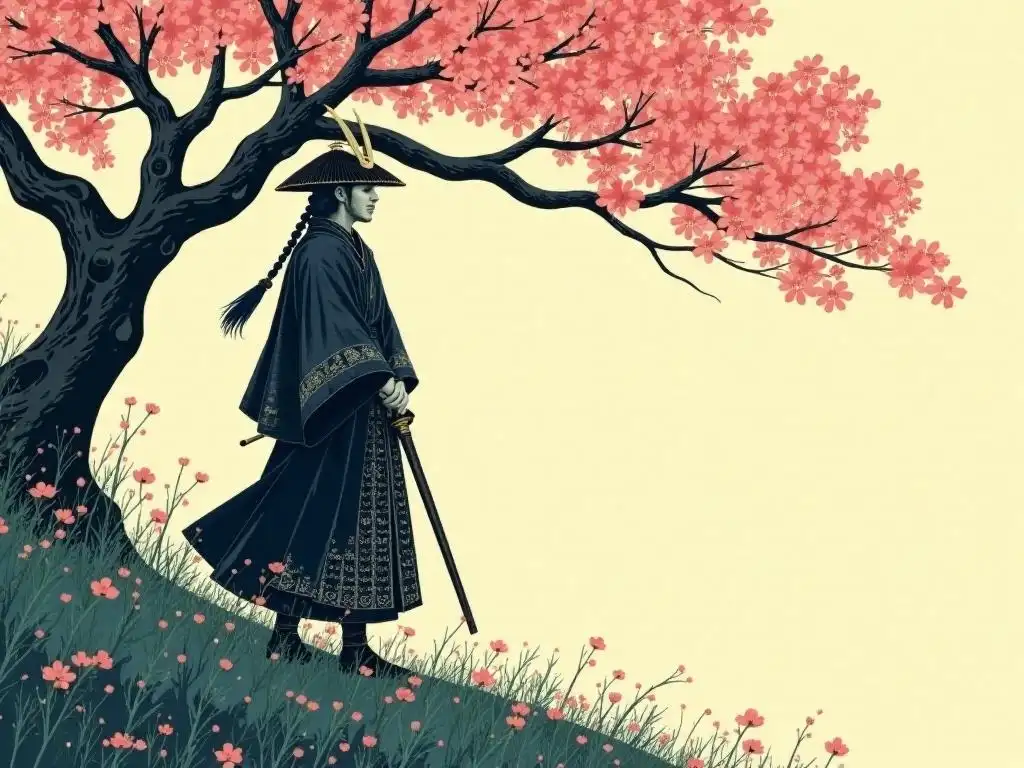
Welcome to Feudal Japan History, where we embark on a captivating journey through the intricate tapestry of Japan's feudal era. Here, we delve into the profound concepts of honor and reputation, pivotal elements that shaped military tactics and societal dynamics during this fascinating period. Are you ready to uncover how these ideals influenced the warriors of old and the very fabric of their culture? Join us as we explore the depths of military history and reveal the secrets that forged a legacy of valor and loyalty. Your adventure begins now—dive deeper to discover the untold stories that await!
In the intricate tapestry of feudal Japan, honor and reputation were not merely personal attributes; they were foundational elements that shaped military tactics and strategies. The samurai class, revered as the elite warriors of this era, operated within a cultural framework where the concepts of honor (名誉, meiyo) and reputation (評判, hyōban) dictated not only individual behavior but also the broader dynamics of warfare. This article delves into how these principles influenced military strategies, decisions, and the very fabric of feudal society, providing insights into the martial ethos that defined Japan's tumultuous history.
Introduction to Honor and Reputation in Feudal Japan
Definition of Honor and Reputation
In feudal Japan, honor and reputation were integral to the identity of the samurai. Honor was viewed as a reflection of one's character, often tied to loyalty, courage, and the fulfillment of duty. Reputation, on the other hand, encompassed how individuals were perceived within their community and among rivals. Together, these concepts formed the bedrock of the samurai code, influencing their actions both on and off the battlefield.
- Honor: The intrinsic value attributed to one's actions and adherence to the bushido code.
- Reputation: The external recognition and esteem granted by peers and society.
Historical Context of Honor in Japanese Culture
The roots of honor in Japanese culture can be traced back to the influences of Shintoism and Buddhism, where concepts of purity, loyalty, and respect played significant roles. The samurai emerged during the Heian period (794-1185), but it was during the Kamakura period (1185-1333) that the samurai's role transformed into a military class bound by a strict code of conduct. This era solidified the idea that a samurai's worth was measured by their honor and reputation, impacting social structures and interactions.
Overview of Feudal Japan's Military Structure
Feudal Japan's military was characterized by a hierarchical structure, where loyalty and fealty to a lord were paramount. The samurai served as vassals to their daimyo (feudal lords), and their honor was often tied to the success and reputation of their lord. This relationship created a complex web of alliances and rivalries, where honor could dictate the outcomes of battles and the fates of entire clans.
- Daimyo: Powerful feudal lords who held land and commanded samurai.
- Samurai: Elite warriors bound by the bushido code, emphasizing loyalty and honor.
- Ashigaru: Foot soldiers, often conscripted from lower classes, who supported samurai forces.
The Role of Honor in Military Strategy
Honor as a Driving Force in Samurai Warfare
In battles, the pursuit of honor often superseded tactical advantages. Samurai warriors would engage in combat to uphold their own and their lord's honor, sometimes leading to reckless decisions that prioritized glory over strategy. The idea of dying with honor was often preferred to surviving with a tarnished reputation, which could bring shame not just to the individual but also to their family and clan.
The Concept of Bushido and Its Influence on Tactics
Bushido, the "way of the warrior," encapsulated the ethical framework guiding samurai conduct. This code emphasized virtues such as loyalty, courage, and honor, significantly influencing military tactics. Under bushido, samurai were trained not only in martial skills but also in the importance of maintaining their honor in every action, which could dictate their strategies in battle. The principles of bushido helped to forge a unique approach to warfare where the psychological impact of honor was as crucial as physical prowess.
Case Studies of Honor-Driven Military Decisions
Throughout feudal Japan's history, numerous battles exemplified the impact of honor on military decisions. For instance, the Battle of Sekigahara (1600), which determined the future of Japan, was not only a clash of armies but also a defining moment in the contest for honor among the samurai. The decisions made by key figures during this battle were heavily influenced by their desire to uphold their reputations, shaping the course of history.
These elements collectively illustrate the profound significance of honor and reputation in shaping military tactics in feudal Japan, revealing a complex interplay between cultural values and warfare strategies that defined an era.
Reputation and Its Impact on Warfare
Reputation played a pivotal role in the military strategies and tactics of feudal Japan, particularly among the samurai class. It was not merely a reflection of individual prowess but an essential element that could dictate the outcomes of battles and the very survival of clans.
A samurai's reputation influenced their standing within their clan and the broader military community, impacting recruitment, morale, and the willingness of allies to engage in combat. The fear of losing reputation could deter even the most skilled warrior from taking unnecessary risks, as a tarnished name could lead to shame and a loss of status, which were both seen as worse than death.
Moreover, the reputation of a clan could instill fear in adversaries, potentially leading to victories achieved without bloodshed. Warriors would often engage in acts designed to bolster their reputation, influencing their tactical decisions on the battlefield. As a result, reputation became a double-edged sword, where maintaining a strong image was crucial but could also lead to overconfidence and reckless decisions if not managed carefully.
The Significance of Reputation Among Samurai Clans
Among samurai clans, reputation was everything. It shaped not only individual identities but also the collective ethos of the clan. Clans with a storied reputation for bravery and honor could command respect and loyalty from their own warriors, making them more formidable in battle. This reputation was often built over generations, through both valorous deeds and strategic marriages that reinforced their status.
The importance of reputation became particularly evident during clan conflicts, where the desire to uphold familial honor could lead to fierce battles. Clans known for their honor were often sought after as allies, while those with a tarnished name found it difficult to form alliances or recruit warriors. The pressure to maintain this reputation often led to complex social dynamics, where decisions in warfare were influenced as much by the need to preserve honor as by strategic considerations.
How Reputation Affects Alliances and Rivalries
Reputation was a key factor in the formation of alliances and the nature of rivalries between samurai clans. A clan with a strong reputation often attracted allies who wished to be associated with their prestige, creating a network of mutual defense and support. Conversely, clans with poor reputations found themselves isolated, struggling to forge partnerships that could bolster their military strength.
Rivalries were also deeply affected by reputation. Clans would often engage in battles not only to secure territory or resources but also to restore or protect their honor. The desire to avenge perceived slights or to maintain superiority could lead to prolonged conflicts, with each clan fighting not just for victory but for the preservation of their esteemed reputation. These dynamics underscored the intricate relationship between honor, reputation, and military strategy in feudal Japan.
Examples of Tactical Decisions Influenced by Reputation
Several historical examples illustrate how reputation influenced tactical decisions in feudal Japan. One notable instance is the battle of Kawanakajima, where the renowned warlord Uesugi Kenshin, known for his honor and tactical brilliance, faced Takeda Shingen. Their clashes were not only battles for territory but also contests of reputation. Each leader sought to outmaneuver the other, not just to win the battle but to enhance their respective legacies.
Another example can be seen in the tactics employed during the Siege of Osaka. The Tokugawa shogunate, striving to maintain its reputation and power, executed a strategy that involved overwhelming force to decisively crush the opposition. This was motivated not just by military necessity but by the need to send a clear message about the consequences of defiance against their authority, thereby reinforcing their reputation across the land.
Honor and Reputation in Battle Tactics
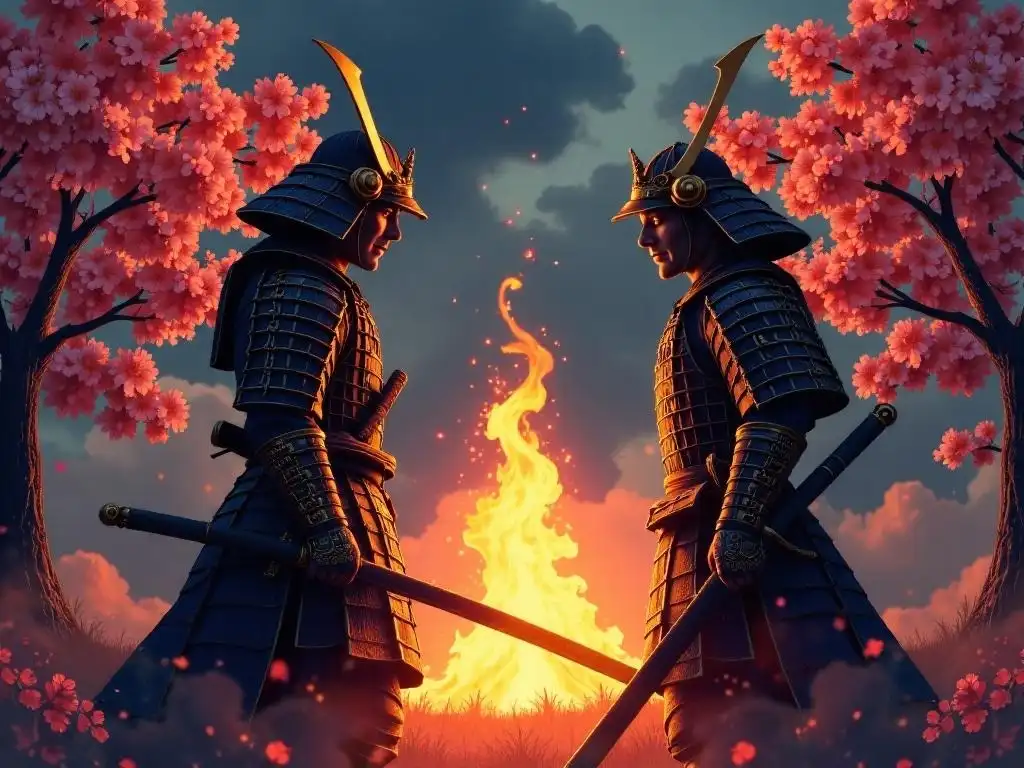
Honor was a fundamental principle guiding the actions of samurai on the battlefield, intricately linked to their reputation. The commitment to uphold one’s honor often dictated military tactics and decisions, shaping the samurai's approach to combat and strategy. The nuances of honor and reputation were not only moral imperatives but also practical considerations that could influence the outcome of conflicts.
Pre-Battle Strategies: Maintaining Honor Before Combat
Before engaging in battle, samurai leaders would often employ strategies to ensure that their honor was maintained. This could include formal declarations of war, where they outlined their reasons for conflict in a manner that emphasized justice and righteousness. Such declarations served to justify their actions, both to their warriors and to the wider community, reinforcing their reputation as honorable combatants.
Additionally, samurai would engage in rituals and preparations that underscored their commitment to honor. This might involve specific ceremonies or oaths taken before battle, aimed at invoking the spirit of their ancestors and solidifying their resolve. These pre-battle strategies were designed not only to prepare for combat but also to uphold the clan's reputation, ensuring that their actions would be viewed as noble and justified.
Honor in the Face of Defeat: Tactical Withdrawals and Retaliation
The concept of honor also shaped responses to defeat in battle. Rather than surrendering, samurai would often opt for strategic withdrawals, a decision grounded in the belief that maintaining life and honor was preferable to facing capture. This tactical retreat was a way to preserve their reputation, allowing them the opportunity to regroup and retaliate at a later time, thus avoiding the shame of outright defeat.
When faced with humiliation, samurai might choose to enact swift retaliation against their adversaries. This response was rooted in a desire to reaffirm their honor and restore their reputation, demonstrating that they could not be easily subdued. Such actions, while risky, were viewed as necessary to maintain the integrity of their clan's name and the samurai code of conduct.
The Role of Honor in Choosing Battlefields
The choice of battlefield was significantly influenced by considerations of honor and reputation. Samurai leaders often sought locations that would provide them with a tactical advantage while also allowing for a display of valor. High ground, for instance, was preferred, as it symbolized strength and superiority. Moreover, battles were often fought in front of notable landmarks or within sacred grounds, enhancing the honor associated with the engagement.
Additionally, the decision to engage in combat at specific locations could reflect a desire to uphold the clan's honor by avoiding battles perceived as dishonorable, such as ambushes or surprise attacks against weaker foes. This adherence to principles of honor shaped not only the tactics employed but also the broader narrative of military engagements, embedding honor deeply within the fabric of feudal Japan's martial culture.
Consequences of Dishonor in Feudal Japan
Dishonor in feudal Japan carried severe consequences that extended beyond the battlefield and permeated every facet of social and military life. The samurai, who were the warrior class, viewed honor (or meiyo) as a fundamental aspect of their identity. Losing honor could result in a plethora of ramifications that not only affected individual warriors but also their clans and the broader social order.
Dishonor often led to a loss of status, respect, and even livelihood, forcing individuals into a state of social exile or isolation. The concepts of honor and reputation were intricately woven into the fabric of samurai culture, making the consequences of dishonor particularly grave.
Social and Military Ramifications of Losing Honor
In the tightly-knit social structure of feudal Japan, a samurai's honor was paramount. When a samurai was dishonored, the ramifications were immediate and far-reaching. Socially, they faced ostracism; their reputation would suffer, leading to a breakdown of alliances and friendships. A dishonored samurai could find it challenging to secure employment or support from their peers, as loyalty was deeply tied to one's honor.
Militarily, the loss of honor could lead to diminished morale within a clan. Soldiers would be less inclined to follow a leader who had lost their honor, fearing that their own reputations could be compromised by association. This could result in weakened military effectiveness and a loss of strategic advantage, as loyalty and camaraderie are essential for successful military campaigns. Furthermore, dishonored warriors might be forced into acts of desperation, making reckless decisions that could jeopardize their forces.
Historical Examples of Dishonor and Its Aftermath
Several historical instances exemplify the consequences of dishonor in feudal Japan. One notable case is that of the Takeda clan during the late 16th century. After the death of their leader, Takeda Shingen, the clan faced significant challenges, including the loss of honor when they failed to avenge their leader's death against the Uesugi clan. This failure led to the eventual decline of the Takeda power, illustrating how dishonor can catalyze a fall from prominence.
Another example is the infamous incident of the 47 Ronin, where a group of samurai sought to avenge their master's dishonor after he was compelled to commit seppuku (ritual suicide). Their actions were driven by an unwavering commitment to restore their lord's honor, showcasing how dishonor could incite extreme loyalty and sacrifice among samurai, but also lead to tragic outcomes, such as their own deaths following the successful revenge.
The Relationship Between Dishonor and Tactical Failures
Dishonor often correlated with tactical failures in feudal Japan's military engagements. When leaders or warriors faced dishonor, it could cloud their judgment, leading to poor decision-making on the battlefield. For instance, commanders who felt the weight of dishonor might resort to desperate measures, such as launching ill-fated attacks or ignoring strategic advice, which could result in catastrophic losses.
Moreover, the psychological burden of dishonor could undermine the confidence of an entire army. Troops led by a dishonored commander might hesitate to engage in battle, fearing the repercussions of defeat would further tarnish their leader's reputation. This hesitation could provide opponents with the upper hand, demonstrating the profound impact that honor and reputation had on tactical success in feudal Japan.
Conclusion: The Lasting Legacy of Honor and Reputation in Military Tactics
Summary of Key Points on Honor and Reputation
The concepts of honor and reputation were integral to the military tactics of feudal Japan. The consequences of dishonor were severe, leading to social isolation and military ineffectiveness. Historical examples illustrate how dishonor could precipitate the decline of powerful clans and instigate acts of vengeance among samurai. Furthermore, the relationship between dishonor and tactical failures underscores the critical importance of maintaining a good reputation in military engagements.
The Influence of Honor in Modern Japanese Military Perspectives
The legacy of honor and reputation in feudal Japan continues to influence modern Japanese military perspectives. While contemporary military practices have evolved, the underlying principles of loyalty, respect, and the importance of maintaining one's honor remain vital. Modern Japanese society still holds these values in high regard, reflecting the enduring impact of feudal ideals on current military ethos and national identity.
Final Thoughts on the Importance of Honor and Reputation in Feudal Japan's Military History
The exploration of honor and reputation in feudal Japan reveals a complex interplay between personal identity, social structure, and military effectiveness. The samurai's unwavering commitment to these ideals shaped not only their individual destinies but also the course of Japanese history. As such, the importance of honor and reputation remains a critical area of study for understanding the military tactics and cultural values that defined an era. The lessons learned from this period continue to resonate, offering insights into the enduring significance of honor in both historical and contemporary contexts.
- Introduction to Honor and Reputation in Feudal Japan
- Overview of Feudal Japan's Military Structure
- The Role of Honor in Military Strategy
- Reputation and Its Impact on Warfare
- Honor and Reputation in Battle Tactics
- Consequences of Dishonor in Feudal Japan
- Conclusion: The Lasting Legacy of Honor and Reputation in Military Tactics
- What role did honor play in feudal Japan's military tactics?
- How did reputation affect a samurai's standing in society?
- In what ways did honor and reputation intersect in feudal Japan?
- How did the concepts of honor and reputation influence conflicts between clans?
- Were there any specific rituals tied to honor and reputation in feudal Japan?
Frequently Asked Questions
What role did honor play in feudal Japan's military tactics?
Honor was a central tenet of samurai culture, guiding their actions and decisions on the battlefield. It dictated their conduct and influenced strategies, often prioritizing bravery over survival.
How did reputation affect a samurai's standing in society?
A samurai's reputation was vital; it determined their status, influence, and opportunities for advancement. A strong reputation could lead to prestige and rewards, while a tarnished one could result in disgrace.
In what ways did honor and reputation intersect in feudal Japan?
Honor and reputation were interlinked, as a samurai's honorable actions contributed to their overall reputation. Maintaining reputation was often linked to upholding personal and family honor.
How did the concepts of honor and reputation influence conflicts between clans?
Honor and reputation often escalated conflicts, as clans would engage in battles to defend their dignity or retaliate against perceived slights. This led to a cycle of vengeance rooted in the desire to uphold status.
Were there any specific rituals tied to honor and reputation in feudal Japan?
Yes, rituals such as seppuku (ritual suicide) were practiced to preserve or restore honor. These acts were often performed to avoid disgrace or as a response to failure, underscoring the importance of reputation.
Final Reflection: The Enduring Legacy of Honor and Reputation in Feudal Japan
The principles of honor and reputation were not merely abstract concepts in feudal Japan; they were the very foundation upon which military tactics and societal interactions were built. Today, as we navigate a world often characterized by rapid change and shifting values, the significance of these principles remains strikingly relevant. In an era where personal and professional reputations can be forged or shattered in an instant, the lessons from feudal Japan remind us of the enduring power of integrity and the impact of our actions on our legacy.
The cultural landscape shaped by honor and reputation in feudal Japan continues to resonate in contemporary society, influencing everything from leadership styles to interpersonal relationships. The samurai's unwavering commitment to their code of honor serves as a poignant reminder of the importance of maintaining one's integrity in the face of adversity. As the renowned philosopher Yamamoto Tsunetomo once said, The way of the samurai is found in death.
This quote encapsulates the profound dedication to honor that defined the samurai ethos, illustrating how the stakes of reputation were often life and death, a sentiment that echoes in our own struggles for authenticity and respect.
As we reflect on the lessons of honor and reputation from feudal Japan, let us consider how we can embody these values in our own lives. Take a moment to evaluate your actions and their alignment with your principles. In a world that often prioritizes expediency over integrity, strive to cultivate a reputation built on respect, honesty, and honor. By doing so, you not only honor the legacy of those who came before us but also pave the way for a future where these timeless values continue to thrive.
Embrace the Legacy: Honor & Reputation in Action!
Thank you for diving into the intricate world of feudal Japan's military tactics with us! By exploring the vital role of honor and reputation, you've uncovered how these values shaped strategies and decisions. Now it's time to take that knowledge further!
Here are some actionable steps you can take to deepen your understanding and appreciation of this fascinating topic:
- Reflect on the Values: Consider how concepts of honor and reputation apply to modern life. Take a moment to write down ways these principles influence your decisions today.
- Share Your Insights: Engage in discussions about this article with friends or family who have an interest in history. Meaningful conversations can help solidify your understanding and spark further curiosity!
- Explore More Resources: Delve deeper into the history of feudal Japan by checking out our recommended readings and documentaries on the topic.
What aspects of honor and reputation do you believe are most important in today’s society, and what lessons can we draw from the past?