
The Economic Consequences of Agricultural Policies in Feudal Japan

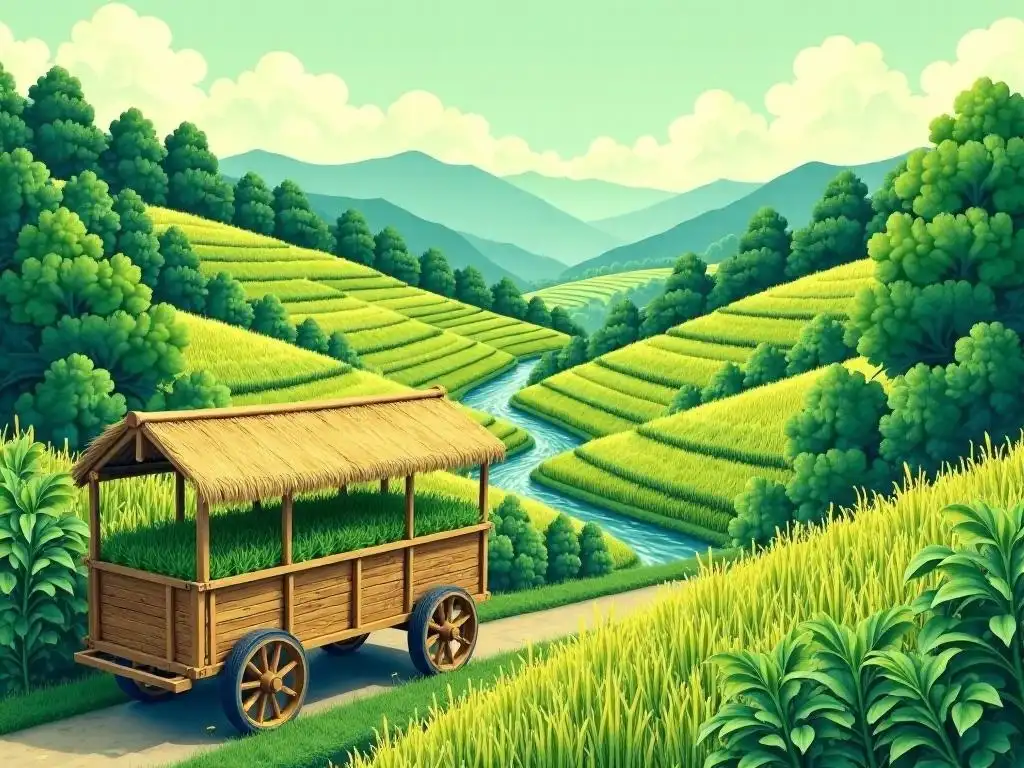
Welcome to Feudal Japan History, where we embark on a captivating journey through the intricate tapestry of Japan’s feudal era. Here, we delve deep into the historical, cultural, and societal dimensions that shaped this fascinating period. In our featured article, "The Economic Consequences of Agricultural Policies in Feudal Japan," we unravel the profound impact of these policies on the nation’s economy and daily life.
What strategies did feudal lords employ to manage their lands, and how did these choices reverberate through society? Join us as we explore the answers and uncover the layers of history that continue to influence Japan today.
Introduction to Feudal Japan Agricultural Policies
The agricultural policies of Feudal Japan played a significant role in shaping the economic landscape of the era, influencing everything from land ownership structures to taxation systems and food distribution. Understanding these policies is crucial for grasping the broader implications they had on Japanese society, culture, and economy during this period.
This article delves into the intricate web of agricultural policies in Feudal Japan, examining their historical context, economic impact, and the societal frameworks that supported them. By highlighting key policies and their consequences, we aim to provide a comprehensive overview of the topic, shedding light on the ways these agricultural decisions influenced the lives of the Japanese people and the evolution of the feudal system itself.
Overview of Feudal Japan: A Historical Context
Feudal Japan, spanning roughly from the late 12th century to the early 19th century, was characterized by a decentralized governmental structure dominated by powerful landowners, or daimyōs. This era saw the rise of the samurai class and a rigid social hierarchy, where land and agricultural production were central to both wealth and power. The interplay between local governance and agricultural policies was intricate, as these policies were often designed to maximize productivity while maintaining social order.
- Key Features of Feudal Japan:
- Decentralized Power: Authority was split among various daimyōs.
- Samurai Class: A warrior elite that served the landowners.
- Rigid Class Structure: Society was divided into distinct classes, including peasants, artisans, and merchants.
Importance of Agriculture in Feudal Japan's Economy
Agriculture was the backbone of Feudal Japan's economy, with rice being the primary staple crop. The economic structure relied heavily on agricultural output, making it essential for sustenance, trade, and taxation. The productivity of the land directly influenced the wealth of the ruling classes and the stability of the society at large.
- Economic Contributions of Agriculture:
- Rice as Currency: Rice was not only food but also a medium of exchange.
- Trade and Barter: Surplus production allowed for trade, fostering economic relationships.
- Taxation Basis: Agricultural output served as the main basis for taxation, affecting local economies.
Defining Agricultural Policies in Feudal Japan
Agricultural policies in Feudal Japan encompassed a range of regulations and practices that governed land use, crop production, and the distribution of agricultural goods. These policies were often enacted by the ruling class to maintain control over agricultural resources and ensure a steady flow of taxes and food supplies.
- Key Elements of Agricultural Policies:
- Land Use Regulations: Rules concerning what crops could be grown and how land was managed.
- Taxation Structures: Frameworks for collecting taxes based on agricultural output.
- Support for Farmers: Policies aimed at improving agricultural methods and technologies.
Key Agricultural Policies in Feudal Japan
The agricultural policies in Feudal Japan had profound implications on the economy and society. By understanding these key policies, we can better appreciate their impact on the daily lives of the Japanese people and the overall structure of feudal society.
The Role of Land Ownership and Tenancy Agreements
Land ownership was a critical issue in Feudal Japan, with daimyōs controlling vast estates while peasants worked as tenants. Tenancy agreements often dictated the relationship between landowners and farmers, influencing agricultural productivity and economic stability.
- Types of Tenancy:
- Sharecropping: Farmers received a portion of the harvest in exchange for labor.
- Fixed Rent Tenancy: Farmers paid a set amount of rice or money regardless of the harvest.
Taxation Policies and Their Economic Impact
Taxation was primarily based on agricultural output, with rice as the main tax commodity. The policies surrounding taxation were designed to maximize revenue for the ruling class while often placing a significant burden on peasant farmers.
- Taxation Models:
- Fixed Percentage: A set percentage of the harvest was collected as tax.
- Variable Rates: Tax rates could fluctuate based on the harvest, affecting peasant livelihoods.
Government Regulations on Rice Production and Distribution
The government imposed regulations on rice production and distribution to ensure food security and maintain social order. These regulations affected everything from planting schedules to the distribution of harvested rice, influencing both local economies and broader trade networks.
- Regulatory Measures:
- Planting Restrictions: Policies determining the types of rice that could be cultivated.
- Distribution Controls: Limitations on how rice could be sold or traded, ensuring local availability.
By examining these aspects, we can see how the agricultural policies in Feudal Japan were integral to its economic framework, shaping the lives of its people and the trajectory of its history.
Economic Impact of Agricultural Policies
The agricultural policies implemented during feudal Japan had profound economic consequences that shaped the agricultural landscape and influenced the broader socio-economic structure. These policies often aimed at maximizing productivity, regulating land use, and ensuring the stability of the agrarian economy. The impact of these policies can be understood through several lenses, including agricultural productivity, the rural economy, and the social hierarchies that emerged as a result.
Influence on Agricultural Productivity and Innovation
Agricultural productivity in feudal Japan was heavily influenced by the policies enacted by various governing bodies. The Tokugawa shogunate, for instance, implemented policies that encouraged rice cultivation as a staple crop, which was pivotal for both sustenance and trade. Innovations in agricultural techniques, such as the introduction of improved irrigation systems and crop rotation methods, were often stimulated by these policies.
The promotion of specific agricultural practices led to significant increases in yield, contributing to a more stable food supply. However, the focus on rice also meant that other crops were sometimes neglected, leading to a lack of diversity in agricultural production. This focus on efficiency and productivity, while beneficial in the short term, occasionally made the agricultural sector vulnerable to crises, such as famines or natural disasters, which could devastate harvests and disrupt local economies.
Effects on Rural Economy and Peasant Life
The rural economy in feudal Japan was intricately tied to agricultural policies. Peasants, who made up the majority of the population, were often the most affected by these policies. Taxation systems, such as the koku system, imposed substantial burdens on farmers, requiring them to pay taxes in the form of rice. This not only affected their livelihoods but also influenced their social standing and rights within the feudal hierarchy.
Life for peasants was characterized by hardship, with many engaged in subsistence farming. However, agricultural policies also led to improvements in some aspects of rural life. For example, certain policies incentivized communal farming practices, which fostered cooperation among villagers. As a result, while the economic pressures were significant, there were also instances of community resilience and innovation that emerged in response to these challenges.
The Relationship Between Agricultural Policies and Social Hierarchies
Agricultural policies in feudal Japan played a crucial role in shaping social hierarchies. The distribution of land and the control of agricultural production were closely linked to class structures. Samurai and landowners often benefitted from policies that favored their interests, leading to a concentration of wealth and power in the hands of a few. In contrast, the peasantry remained largely disenfranchised, facing restrictions on land ownership and mobility.
The stratification of society was reinforced by agricultural policies that dictated not only who could farm what but also how much they could earn from their labor. This relationship between agriculture and social hierarchy created a rigid class system where mobility was limited, and social status was often inherited rather than earned. Over time, these dynamics contributed to tensions between different classes, as the disparities in wealth and power became more pronounced.
Case Studies: Specific Policies and Their Economic Consequences

To understand the economic consequences of agricultural policies in feudal Japan, it is essential to examine specific case studies that illustrate the complexities and variations in implementation.
Analysis of the Koku System and Its Economic Implications
The koku system was a unique taxation framework that measured land productivity based on the amount of rice it could yield. This system had significant economic implications, as it determined the wealth of landholders and the obligations of peasants. Landowners, often samurai, received a fixed amount of rice per koku, which established their economic power and social status.
Peasants, on the other hand, were required to pay taxes based on this system, which could be excessively burdensome, especially during poor harvest years. This system created a cycle of debt and dependency, whereby many peasants were forced to borrow against future harvests, leading to a precarious economic situation.
The Impact of Land Reforms during the Edo Period
During the Edo period, various land reforms were implemented to increase agricultural productivity and stabilize the economy. These reforms aimed to redistribute land and enhance the efficiency of agricultural practices. For instance, the introduction of the "Shōen" system allowed for the privatization of land, encouraging landowners to improve their land and invest in better farming techniques.
While these reforms had the potential to increase productivity, they also deepened disparities between wealthier landowners and poorer peasants. The concentration of land ownership often led to exploitative practices, as wealthier landowners sought to maximize profits at the expense of their laborers. As a result, while the reforms achieved some economic goals, they also perpetuated social inequalities.
Localized Agricultural Policies and Regional Economic Variations
Localized agricultural policies varied significantly across different regions of Japan, influenced by geography, climate, and local customs. For example, in the fertile plains of the Kanto region, policies focused on rice cultivation led to economic prosperity, whereas in the harsher terrains of the north, policies had to adapt to different crops, such as barley and wheat.
These regional differences resulted in varied economic outcomes, with some areas thriving due to favorable conditions and effective policies, while others struggled with poor harvests and inadequate support. The disparities in agricultural wealth also contributed to regional tensions, as some areas felt neglected or overtaxed compared to their more prosperous neighbors. This localized approach to agricultural policy highlights the complexity of economic strategies in feudal Japan and their profound effects on the overall economic landscape.
Long-term Effects of Agricultural Policies in Feudal Japan
The agricultural policies implemented during the feudal era in Japan had profound long-term effects that shaped the country's economic landscape. One of the most significant outcomes was the establishment of a structured agrarian society, where land ownership became a pivotal factor in wealth accumulation and social hierarchy. The policies favored landowners, predominantly the samurai class, who controlled agricultural production. This created a system where the productivity of land directly influenced the power dynamics within the feudal hierarchy.
Furthermore, these policies fostered a dependency on rice cultivation, which became the staple crop and a measure of wealth. The heavy emphasis on rice not only shaped agricultural practices but also influenced cultural aspects, such as rituals and festivals centered around rice planting and harvest. The rigidity of these policies led to a lack of agricultural diversification, making the economy vulnerable to fluctuations in rice production due to climatic changes or natural disasters.
As Japan transitioned from the feudal era to modernization, many of the agricultural practices and societal structures established during this period continued to exert influence. The legacy of these policies can be seen in Japan's contemporary agricultural systems and land ownership patterns, which still reflect historical inequities.
Transition from Feudal Agricultural Practices to Modern Systems
The transition from feudal agricultural practices to modern systems in Japan was a complex process influenced by various socio-economic factors. During the Meiji Restoration in the late 19th century, the Japanese government recognized the need to modernize agriculture to compete with Western powers. This led to significant reforms aimed at increasing productivity and efficiency.
One of the critical changes was the implementation of land reforms that redistributed land from aristocratic landowners to tenant farmers. This shift aimed to empower farmers and encourage more intensive farming practices. As a result, agricultural techniques improved, with the introduction of modern machinery and farming methods. The government also invested in agricultural education, providing farmers with knowledge about crop rotation, fertilization, and pest control.
However, the transition was not without challenges. Many farmers struggled with the new tax burdens imposed by the government and faced difficulties in adapting to modern agricultural practices. Despite these challenges, the modernization efforts ultimately led to increased agricultural output and laid the groundwork for Japan’s industrialization.
Lasting Economic Consequences of Historical Policies
The historical agricultural policies of feudal Japan produced several lasting economic consequences that are still relevant today. One significant impact was the establishment of a land tenure system that entrenched social hierarchies. The concentration of land ownership among the samurai and wealthy landowners created a socio-economic divide that persisted long after the feudal system ended.
Additionally, the focus on rice production as the primary agricultural output limited the diversification of crops. This monoculture approach made the agricultural sector susceptible to market fluctuations and environmental challenges. The reliance on rice also influenced Japan's trade dynamics, as the country became dependent on rice imports during times of shortage.
Moreover, the economic policies contributed to regional disparities in wealth and development. Areas with fertile land and favorable conditions for rice cultivation thrived, while less productive regions lagged behind. This uneven development can still be observed in contemporary Japan, where certain prefectures maintain agricultural prominence, while others struggle economically.
Lessons Learned from Feudal Japan's Agricultural Policy Impacts
The agricultural policies of feudal Japan offer several important lessons relevant to contemporary agricultural practices and policy-making. One key lesson is the importance of diversification in agriculture. The reliance on a single crop, as seen in feudal Japan's focus on rice, can lead to economic vulnerability. Modern agricultural policies should promote crop diversity to enhance resilience against pests, diseases, and climate change.
Another lesson is the significance of equitable land distribution. Historical policies favored a small elite, creating long-lasting socio-economic inequalities. Ensuring fair access to land and resources can empower farmers and foster sustainable agricultural development.
Additionally, the need for adaptation and education in agriculture is paramount. Just as the Meiji reforms aimed to educate farmers about modern practices, today’s agricultural policies should include training programs to help farmers adapt to new technologies and sustainable practices.
Conclusion: Reflections on Feudal Japan Agricultural Policies Impact
The agricultural policies of feudal Japan had profound and lasting impacts on the country's economic structure, social hierarchy, and agricultural practices. These policies not only shaped the agrarian landscape of the time but also laid the foundation for future economic developments. Understanding these historical impacts provides valuable insights into the evolution of Japan’s agricultural systems and their relevance in today’s context.
Summary of Key Findings
The economic consequences of agricultural policies in feudal Japan were characterized by a rigid land tenure system, a focus on rice monoculture, and the establishment of socio-economic hierarchies that persisted through modernization. The transition from feudal practices to modern agricultural systems highlighted the importance of land reform, farmer education, and diversification. The lessons learned from this historical context underscore the need for equitable policies and sustainable practices in contemporary agriculture.
Future Research Directions on Agricultural Policies in Feudal Japan
Future research on agricultural policies in feudal Japan could explore several avenues. One potential direction is a comparative analysis of agricultural practices across different regions of Japan during the feudal era to understand how local conditions influenced policy outcomes. Additionally, examining the role of agricultural policies in shaping rural communities and their socio-economic structures could provide deeper insights into the feudal system's legacy.
Another area of interest might be the impact of external factors, such as trade and foreign influence, on Japan's agricultural policies. Investigating how these interactions affected agricultural production and economic development could enrich our understanding of the feudal era's complexities. Finally, analyzing the long-term effects of these policies on contemporary agriculture could offer valuable lessons for current policy-making in Japan and beyond.
- Introduction to Feudal Japan Agricultural Policies
- Key Agricultural Policies in Feudal Japan
- Economic Impact of Agricultural Policies
- Case Studies: Specific Policies and Their Economic Consequences
- Long-term Effects of Agricultural Policies in Feudal Japan
- Conclusion: Reflections on Feudal Japan Agricultural Policies Impact
- What were the main agricultural policies in Feudal Japan?
- How did agricultural policies affect the economy of Feudal Japan?
- What role did rice play in the agricultural policies of Feudal Japan?
- How did agricultural policies impact the social structure of Feudal Japan?
- Were there any negative consequences of agricultural policies in Feudal Japan?
Frequently Asked Questions
What were the main agricultural policies in Feudal Japan?
Feudal Japan's agricultural policies focused on land distribution, taxation, and rice production, which were crucial for maintaining the economy and supporting the samurai class.
How did agricultural policies affect the economy of Feudal Japan?
The economic consequences of these policies led to increased agricultural productivity, which in turn supported the growth of trade and the overall prosperity of feudal lords.
What role did rice play in the agricultural policies of Feudal Japan?
Rice was the central commodity in agricultural policies, serving as a main staple and a basis for measuring wealth and status among the feudal lords and peasants.
These policies reinforced the hierarchical social structure, as wealth from agriculture was concentrated in the hands of the samurai class, while peasants remained largely in servitude.
Were there any negative consequences of agricultural policies in Feudal Japan?
Yes, the rigid agricultural policies often led to over-taxation and peasant uprisings, highlighting the economic disparities and social tensions within the feudal system.
Final Reflection: Understanding the Lasting Impact of Feudal Japan's Agricultural Policies
The exploration of agricultural policies in Feudal Japan reveals a profound connection between governance and economic stability. In today's world, where agricultural practices and policies continue to shape economies and societies, understanding the historical context of these policies is crucial. The lessons learned from Feudal Japan's agricultural strategies remind us that the decisions made by those in power can have far-reaching consequences, influencing not just the economy but also the social fabric of a nation.
Clearly, the agricultural policies of Feudal Japan have left an indelible mark on its cultural and social landscape. The rigid class structures and land ownership laws established during this period not only dictated the economic prosperity of the time but also shaped societal norms and relationships that persisted long after the feudal system ended. As historian William McNeill aptly stated, The history of agriculture is the history of civilization itself.
This observation underscores the ongoing influence of agricultural policies, as they continue to inform contemporary discussions about food security, sustainability, and economic equity.
As we reflect on the intricate relationship between agricultural policies and their economic consequences, I invite you to consider how these historical insights can inform our present and future. What lessons can we draw from the past to create more equitable and sustainable agricultural practices today? By engaging with the history of Feudal Japan, we can better appreciate the importance of thoughtful policy-making and its potential to shape a more just and prosperous society for generations to come.
Unearth the Impact: Take Action on Agricultural Heritage!
Thank you for diving into the fascinating world of agricultural policies in feudal Japan! Your interest in this topic not only sheds light on history but also helps us understand the intricate ties between economics and agriculture in shaping societies. Now, let’s take that knowledge and turn it into meaningful action!
Here are some exciting steps you can take to deepen your understanding and engage with this rich historical narrative:
- Explore local agricultural practices: Visit a nearby farm or community garden to discover how traditional farming methods are preserved and practiced today.
- Share your insights: Discuss the economic implications of agricultural policies in feudal Japan with friends or on social media to spark conversations and debates.
- Join a historical group: Connect with fellow history enthusiasts or agricultural societies to exchange perspectives and learn more together.
Which aspects of feudal Japan’s agricultural policies do you believe resonate most with today's economic landscape? We invite you to share your thoughts in the comments!