
How Tokugawa Economic Policies Addressed Population Growth and Urbanization

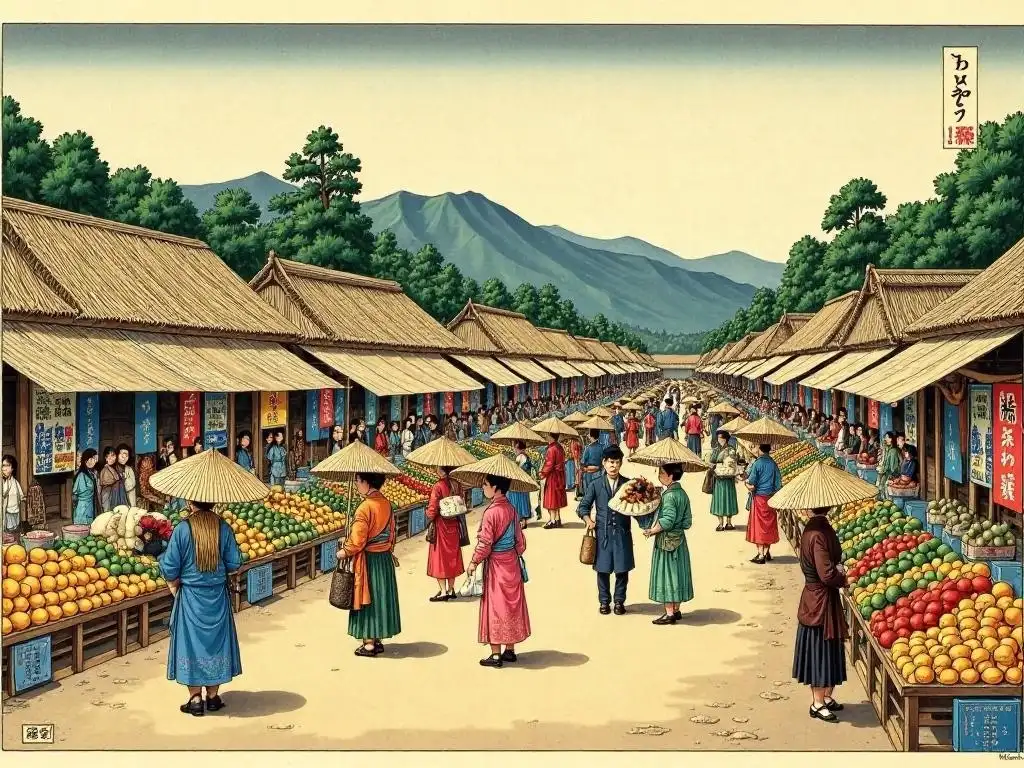
Welcome to Feudal Japan History, where we embark on a captivating journey through the intricate tapestry of Japan's feudal era. Here, we delve into the historical, cultural, and societal nuances that shaped this fascinating period. In our featured article, " How Tokugawa Economic Policies Addressed Population Growth and Urbanization," we explore the transformative strategies implemented during Tokugawa Japan that not only influenced economic stability but also laid the groundwork for urban expansion.
What innovative measures did the Tokugawa shogunate adopt to navigate the challenges of a burgeoning population? Join us as we unravel the complexities of these economic policies and their profound impact on Japan's evolution. Your exploration begins now!
- Introduction to Tokugawa Japan Economic Policies
- The Context of Population Growth in Tokugawa Japan
- Key Tokugawa Economic Policies Addressing Population Growth
- The Relationship Between Economic Policies and Urbanization
- Challenges Faced by Tokugawa Economic Policies
- The Legacy of Tokugawa Economic Policies on Modern Japan
- Conclusion
- Frequently Asked Questions
- Final Reflection: The Enduring Legacy of Tokugawa Economic Policies
- Embrace the Legacy: Dive Deeper into Tokugawa Innovations!
Introduction to Tokugawa Japan Economic Policies
The Tokugawa Shogunate, which ruled Japan from 1603 to 1868, marked a pivotal era in the nation's history characterized by significant economic transformation and social stability. During this period, Japan experienced profound changes influenced by population growth and urbanization, prompting the need for effective economic policies.
The Tokugawa economic policies not only addressed the challenges posed by increasing population density in urban centers but also laid the foundation for a more structured and organized economy. This article delves into the intricate economic strategies implemented during the Tokugawa era, exploring how they shaped the societal landscape and contributed to the overall development of Japan.
Overview of the Tokugawa Shogunate
The Tokugawa Shogunate, also known as the Edo period, was established by Tokugawa Ieyasu after his victory at the Battle of Sekigahara in 1600. The Shogunate centralized power, establishing a feudal system that maintained peace and stability across the archipelago. This system was marked by:
- Daimyo System: Regional lords, or daimyo, were granted land and autonomy, yet were required to pledge loyalty to the Shogunate and participate in the alternate attendance system (sankin-kōtai), which kept them and their families in Edo (now Tokyo) for part of the year.
- Strict Social Hierarchy: Society was divided into classes: samurai, farmers, artisans, and merchants. Each class had specific roles and obligations, which helped to maintain order.
- Isolationist Policies: The Sakoku policy restricted foreign trade and influence. This isolation allowed domestic industries to develop, though it also limited Japan's international engagement.
The stability of the Tokugawa Shogunate facilitated economic growth, with agriculture flourishing and towns emerging as vital centers of trade. As urban areas expanded, the need for sound economic policies became increasingly evident.
Importance of Economic Policies in Tokugawa Japan
The economic policies during the Tokugawa era were crucial for managing the effects of population growth and urbanization. Key aspects of these policies included:
- Agricultural Innovations:
- Adoption of new farming techniques and crops, leading to increased productivity.
- Development of irrigation systems that expanded arable land.
- Market Regulation:
- Establishment of a system to regulate prices and control the distribution of goods, which helped stabilize the economy and prevent inflation.
- Promotion of local markets and fairs, enhancing trade relationships among towns and regions.
- Infrastructure Development:
- Investment in roads and transportation networks, facilitating the movement of goods and people.
- Construction of post stations along major routes to support trade and travel.
- Financial Systems:
- Introduction of currency reforms and the establishment of banking institutions, which improved the flow of money and credit.
- Creation of tax systems that were more efficient and less burdensome on the peasantry, allowing for better resource allocation.
These policies not only addressed immediate economic challenges but also contributed to a sense of national identity and cultural development. The careful balance of tradition and innovation during this period set the stage for Japan's eventual modernization in the Meiji era.
The Context of Population Growth in Tokugawa Japan
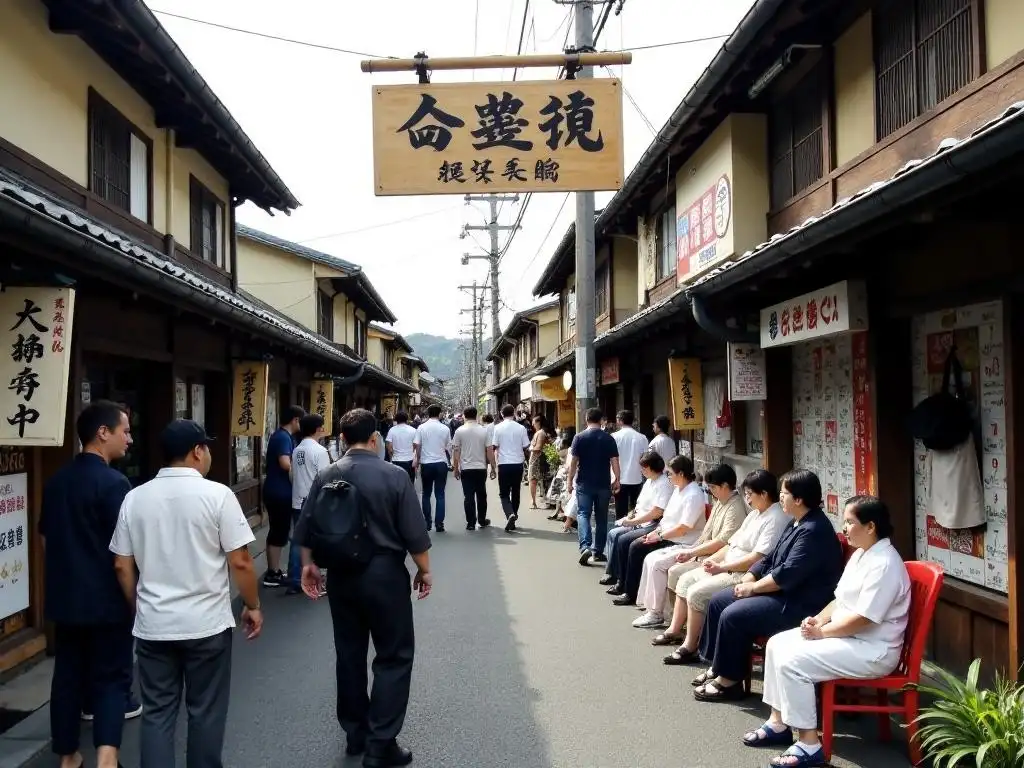
The Tokugawa period, spanning from 1603 to 1868, was a time of significant transformation in Japan. One of the most notable changes during this era was the sharp increase in population, which had profound implications for the economy, society, and urbanization across the country. The Tokugawa shogunate implemented a series of economic policies aimed at managing this growth and its associated challenges.
Factors Contributing to Population Increase
Several key factors contributed to the population increase in Tokugawa Japan:
- Agricultural Advancements: The introduction of new agricultural techniques, including the use of fertilizers and improved irrigation methods, led to increased crop yields. This agricultural productivity supported a larger population by ensuring food security.
- Peace and Stability: The long-lasting peace established by the Tokugawa shogunate, known as the Pax Tokugawa, reduced the frequency of wars and conflicts that had plagued earlier periods. This stability allowed families to grow and thrive without the constant threat of violence.
- Improved Health and Sanitation: Improvements in health care and sanitation, although rudimentary by modern standards, contributed to lower mortality rates. Public health measures, such as the reduction of epidemics through better hygiene and the establishment of basic medical practices, helped sustain population growth.
- Migration and Mobility: The Tokugawa government encouraged internal migration, allowing people to move to areas with better economic opportunities. This mobility facilitated population distribution and concentrated people in urban centers, enhancing economic activity and cultural exchange.
- Cultural Shifts: The rise of the merchant class and changes in social dynamics fostered a culture that valued family and community, further encouraging population growth. The emphasis on education and literacy also played a role, as families began to invest more in the upbringing and education of their children.
These factors combined to create an environment conducive to population growth, setting the stage for the urbanization that would follow.
Impact of Population Growth on Urbanization
The population increase during the Tokugawa period had a significant impact on urbanization, leading to the development of vibrant cities and changing social structures:
- Expansion of Urban Centers: Major cities such as Edo (modern Tokyo), Osaka, and Kyoto experienced rapid growth as people migrated from rural areas seeking opportunities. Edo, in particular, became one of the largest cities in the world, with a population exceeding one million by the mid-18th century.
- Economic Diversification: As urban populations grew, so did the economy. The rise of a merchant class facilitated the development of commerce and trade. The establishment of markets and trade routes allowed for the exchange of goods and services, contributing to a more complex economic landscape.
- Cultural Flourishing: Urbanization brought about a cultural renaissance. The influx of people into cities led to the emergence of new art forms, literature, and entertainment, including kabuki theater and ukiyo-e woodblock prints. Urban centers became hubs of cultural exchange and innovation.
- Social Stratification: Population growth in cities also resulted in increased social stratification. The rise of a wealthy merchant class created tensions with the traditional samurai class, leading to shifts in power dynamics. The urban poor often faced hardship, which in turn influenced social policies and economic measures implemented by the Tokugawa government.
- Infrastructure Development: The demands of a growing urban population necessitated significant infrastructure development. Roads, bridges, and public buildings were constructed to accommodate the increased movement of people and goods. This infrastructure not only supported urbanization but also facilitated further economic growth.
The Tokugawa economic policies played a crucial role in addressing the challenges posed by population growth and urbanization, shaping the trajectory of Japan’s societal and economic development during this transformative period. By fostering agricultural advancements, encouraging migration, and supporting urban infrastructure, the Tokugawa shogunate laid the groundwork for a modernizing Japan.
Key Tokugawa Economic Policies Addressing Population Growth

Agricultural Reforms and Their Role in Sustaining Population
During the Tokugawa period (1603-1868), Japan experienced significant population growth, which necessitated a series of comprehensive agricultural reforms. These reforms were critical in ensuring food security and sustaining the burgeoning population. The Tokugawa shogunate implemented policies that improved agricultural productivity, which not only supported the immediate needs of the people but also laid the groundwork for urbanization and economic expansion.
Rice Production and Taxation Policies
Rice served as the staple food of Japan and the backbone of its economy. The Tokugawa shogunate established a taxation system based on rice production, known as the koku system, where one koku was equivalent to about 180 liters of rice, enough to feed one person for a year. This system incentivized farmers to maximize their rice output, as taxes were directly linked to production levels.
- Fixed Tax Rates: The shogunate set fixed tax rates that provided predictability for farmers and encouraged them to invest in better farming techniques.
- Incentives for Increased Yield: The introduction of improved agricultural practices, such as crop rotation and the use of fertilizers, further boosted rice yields. By the mid-19th century, rice production had increased significantly, helping to support a growing population.
This focus on enhancing rice production not only contributed to food security but also stimulated trade in rice, reinforcing its central role in Tokugawa Japan's economy.
Land Reclamation Initiatives
In addition to improving existing agricultural practices, the Tokugawa government undertook land reclamation initiatives to increase arable land. These efforts were particularly pronounced in regions like Edo (modern-day Tokyo) and Osaka, where urbanization created a demand for agricultural products.
- Flood Control Projects: The construction of irrigation systems and flood control measures enabled the reclamation of previously unusable land. This not only increased the land available for cultivation but also protected existing farmland from natural disasters.
- Community Involvement: Local communities often participated in these reclamation projects, fostering a sense of ownership and responsibility toward land management. As a result, agricultural output expanded, directly supporting the growing urban centers.
Through these measures, land reclamation played a crucial role in accommodating the needs of the expanding population and fostering economic growth.
Trade Policies and Economic Expansion
Tokugawa Japan's trade policies were pivotal in facilitating economic expansion during the feudal era. The shogunate's approach to both domestic and international trade significantly shaped the economic landscape of the period, influencing population growth and urbanization.
Domestic Trade Regulations
The Tokugawa shogunate established a series of domestic trade regulations aimed at ensuring stability and encouraging commerce. These regulations included:
- Sankin-kōtai System: This system required daimyō (feudal lords) to spend alternate years in Edo. This policy not only centralized power but also stimulated trade as daimyō brought goods to the capital for consumption and exchange.
- Market Regulations: The shogunate implemented policies that standardized weights and measures, reducing trade barriers and fostering a more robust market environment. This increased trade between regions, allowing surplus goods to flow to areas where demand was high.
As a result, domestic trade flourished, and the rise of merchant classes began to shape the economic fabric of Tokugawa society, further supporting urbanization.
International Trade Relations and Their Effects
While Tokugawa Japan is often characterized by its isolationist policies, particularly the Sakoku (closed country) policy, there were still crucial international trade relations that influenced the economy. The limited engagement with foreign powers had significant effects:
- Dutch Trade in Nagasaki: The Dutch were allowed limited access to Japanese markets through the port of Nagasaki. This trade brought in new technologies and goods, fostering local industries and contributing to economic diversification.
- Impact on Urban Centers: The influx of foreign goods and ideas, albeit restricted, helped stimulate local demand and encouraged the development of urban centers. Cities like Edo and Osaka became bustling trade hubs, attracting populations seeking opportunities.
These international trade relations, while constrained, played a role in integrating Japan into a broader economic context, affecting both population dynamics and urban development during the Tokugawa period.
Urban Development Policies
During the Tokugawa period (1603-1868), urban development policies were instrumental in managing the population growth and urbanization that characterized this era. The government recognized the importance of revitalizing cities to enhance trade, improve living conditions, and maintain social order. Urban areas became the heart of economic activity, and the Tokugawa shogunate fostered an environment conducive to the flourishing of cities such as Edo (modern-day Tokyo), Osaka, and Kyoto.
The shogunate implemented various policies aimed at promoting urban growth, including regulatory frameworks that governed land use, commerce, and residential development. These policies were designed to facilitate the movement of goods, services, and people, thereby contributing to a more dynamic urban economy. As a result, cities transformed into centers of culture and commerce, attracting a diverse population and leading to significant demographic shifts.
Infrastructure Improvements and City Planning
Infrastructure improvements were paramount to the success of urban development during the Tokugawa era. The government invested in building and upgrading roads, bridges, and waterways, which enhanced transportation networks and facilitated trade. The famous Tokaido Road, which connected Edo to Kyoto, was one of the key routes that supported commercial activities and the movement of people. This road not only enabled the swift transport of goods but also encouraged regional markets to develop along its length.
City planning during this period was characterized by organized layouts, which included designated areas for commerce, residence, and public spaces. For instance, the establishment of castles in strategic locations created administrative and military hubs that also served as focal points for urban development. The layout of cities often featured blocks of houses surrounding a central market or temple, reflecting the social and economic functions of these urban centers. The careful planning aimed to accommodate the growing population while maintaining order and accessibility.
Promotion of Merchant Classes and Urbanization
The Tokugawa shogunate actively promoted the emergence of a merchant class, which played a crucial role in urbanization. Recognizing the economic potential of merchants, the government implemented policies that encouraged trade and commerce. This included granting privileges to certain merchant groups, allowing them to thrive and contribute to the economy. The rise of the chōnin (townspeople) class, particularly in Edo, marked a significant shift in social dynamics, as these merchants became influential players in the urban economy.
The promotion of merchant activities led to the establishment of bustling marketplaces and a variety of services catering to urban residents. As merchants accumulated wealth, they began to invest in cultural pursuits such as theater, literature, and festivals, enriching the urban cultural landscape. This cultural flourishing further attracted residents from rural areas, contributing to the overall urbanization trend.
The Tokugawa economic policies that focused on urban development, infrastructure improvements, and the promotion of merchant classes were pivotal in addressing the challenges posed by population growth and urbanization. These strategies not only stimulated economic activity but also laid the groundwork for the complex social structures that defined feudal Japan.
The Relationship Between Economic Policies and Urbanization
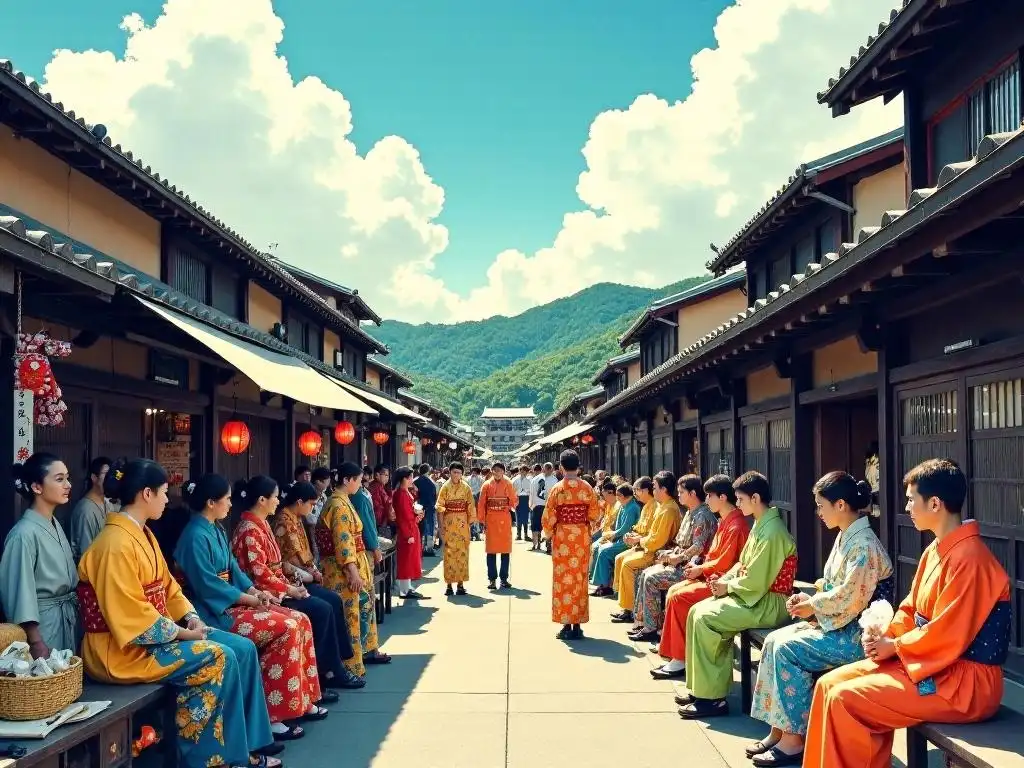
The Tokugawa shogunate, which ruled Japan from 1603 to 1868, implemented a series of economic policies that significantly influenced urbanization during this period. These policies were crafted to manage population growth, stabilize the economy, and foster the development of cities. The interplay between these policies and urbanization is crucial for understanding the socio-economic landscape of Tokugawa Japan.
How Economic Policies Stimulated Urban Growth
The economic policies established by the Tokugawa shogunate were multifaceted and designed to create a stable society. Key aspects included:
- Agricultural Reforms: The emphasis on agricultural productivity led to increased food production. The introduction of new farming techniques and crops allowed for surplus generation, which supported growing urban populations.
- Market Development: Tokugawa policies encouraged the establishment of markets and trade networks. The growth of merchant classes and the emergence of a market economy stimulated economic activity in urban areas. Merchants played a pivotal role in supplying goods to cities, which in turn attracted more residents.
- Transportation Infrastructure: The improvement of roads and waterways facilitated trade and movement of people. The construction of the Tokaido Road, connecting Edo (modern Tokyo) to Kyoto, allowed for easier access between urban centers, thereby boosting commerce and population migration.
- Taxation Policies: The shogunate's taxation policies were designed to stabilize income for the samurai class while ensuring sufficient revenue for the government. These taxes often encouraged landowners to invest in their lands and communities, leading to better local economies, which ultimately drew people to urban areas.
- Cultural Policies: The promotion of culture and education during the Tokugawa era also contributed to urbanization. As cities became centers of culture, learning, and arts, they attracted people seeking better opportunities and lifestyles, further accelerating urban growth.
These interrelated policies created a conducive environment for urban centers to flourish, reflecting a dynamic relationship between economic strategies and urbanization.
Case Studies of Major Urban Centers in Tokugawa Japan
To illustrate the effects of Tokugawa economic policies on urbanization, we can examine several major urban centers during this era:
- Edo (Tokyo):
- Edo emerged as the political and cultural heart of Japan under Tokugawa rule. By the mid-19th century, it had become the most populous city in the world, with a population exceeding one million.
- Economic policies, such as the promotion of trade and the establishment of a vibrant merchant class, contributed significantly to its growth. The city's strategic location facilitated commerce, attracting both people and resources.
- Osaka:
- Known as the "Nation's Kitchen," Osaka was a vital commercial hub due to its role in rice markets. The Tokugawa shogunate's agricultural policies boosted rice production, which, combined with favorable trade conditions, led to rapid urban expansion.
- Osaka's unique position as a center of commerce attracted merchants and laborers, resulting in a diverse urban population.
- Kyoto:
- As the imperial capital, Kyoto retained its cultural significance throughout the Tokugawa period. Economic policies focused on preserving traditional crafts and arts, which attracted artisans and traders.
- The city's population experienced growth as it became a center for education and culture, drawing in individuals from various regions seeking knowledge and artistic pursuits.
- Nagoya:
- Nagoya developed as a significant military and commercial center under the Tokugawa shogunate. Its strategic location between Edo and Osaka made it an ideal marketplace.
- The shogunate's transportation policies enhanced Nagoya's connectivity, leading to increased trade and urban population growth.
These case studies demonstrate how Tokugawa economic policies not only addressed the challenges posed by population growth but also actively facilitated urbanization, shaping the socio-economic landscape of Japan during this period. The legacy of these policies can still be observed in Japan's urban development today.
Challenges Faced by Tokugawa Economic Policies

The Tokugawa shogunate, which ruled Japan from 1603 to 1868, implemented a range of economic policies aimed at fostering stability, supporting population growth, and managing urbanization. However, these policies encountered several significant challenges that ultimately shaped Japan's socio-economic landscape during this period. Understanding these challenges provides a deeper insight into the complexities of Tokugawa Japan's economic policies.
One of the primary challenges faced by Tokugawa economic policies was the emergence of economic disparities among different social classes. The rigid class structure of feudal Japan, comprising the samurai, farmers, artisans, and merchants, contributed to unequal wealth distribution. While the shogunate aimed to stabilize the economy, certain policies inadvertently exacerbated these disparities.
- Wealth Concentration: The policies favored the merchant class, particularly during the Edo period, which led to a concentration of wealth among merchants in urban areas. In contrast, the rural farming population struggled to keep up with rising taxes and costs of living, resulting in increased poverty among the peasantry.
- Urban vs. Rural Divide: The rapid urbanization of cities like Edo (modern-day Tokyo) created stark contrasts between urban and rural living conditions. Urban centers became hubs of commerce and culture, while rural areas often faced stagnation and economic hardship. This divide contributed to social unrest and dissatisfaction among the peasantry.
- Tax Burdens: The Tokugawa regime imposed heavy taxes on agricultural production to maintain the shogunate's financial stability. This taxation system placed a significant burden on farmers, leading to widespread discontent and occasional uprisings, such as the 1787-1788 famine-related riots.
The economic policies of Tokugawa Japan, while aimed at promoting stability and growth, inadvertently fostered an environment of inequality and social tension that would have lasting implications for the society.
Resistance to Economic Changes from Traditionalists
In addition to economic disparities, the Tokugawa shogunate faced considerable resistance to its economic changes from traditionalist factions within society. The deeply rooted customs and values of feudal Japan posed significant barriers to implementing progressive economic policies.
- Cultural Resistance: Many traditionalists viewed the rise of commerce and the merchant class as a threat to the established social order. The samurai class, in particular, held a disdain for commerce, believing it undermined the virtues of honor and loyalty that defined their status. This cultural resistance often manifested in reluctance to embrace new economic practices.
- Conservatism in Governance: The Tokugawa shogunate's governance was heavily influenced by Confucian ideals, which prioritized agrarian values and the importance of the samurai class. As a result, policies promoting urbanization and trade were often met with skepticism and opposition from conservative factions who feared that these changes would erode traditional values.
- Economic Stagnation: Despite efforts to stimulate growth through policies such as the promotion of regional markets and infrastructure development, the resistance from traditionalists often led to stagnation in certain sectors. The reluctance to adopt innovative agricultural techniques or embrace new trade routes limited economic advancement.
The resistance to economic changes from traditionalists highlights the complexities of implementing progressive economic policies in Tokugawa Japan. Balancing the need for modernization with the preservation of tradition posed significant challenges that influenced the trajectory of Japan's economic evolution during this era.
The Legacy of Tokugawa Economic Policies on Modern Japan

The Tokugawa shogunate, which ruled Japan from 1603 to 1868, implemented a series of economic policies that profoundly influenced not only the society of their time but also laid the groundwork for modern Japan. These policies aimed to manage the population growth and urbanization that characterized the period, ultimately fostering a unique economic environment that would resonate through the ages. Understanding this legacy involves examining both the long-term effects on population dynamics and the influence on contemporary economic policies.
Long-term Effects on Population Dynamics
The Tokugawa era saw significant demographic changes, influenced heavily by the shogunate's economic policies. Here are some key aspects of these changes:
- Population Growth Trends:
- During the Tokugawa period, Japan experienced a remarkable population increase, rising from approximately 12 million in 1600 to about 30 million by the end of the Edo period in 1868. This growth was fueled by several factors, including improvements in agricultural productivity due to better farming techniques and crop rotation systems.
- Urbanization:
- Cities such as Edo (now Tokyo), Osaka, and Kyoto flourished, with Edo becoming one of the largest cities in the world. By implementing policies that encouraged commerce and trade, the Tokugawa shogunate facilitated the migration of people from rural to urban areas, contributing to the growth of a merchant class and an urban culture.
- Economic Stability and Social Structure:
- The Tokugawa economic policies aimed to stabilize the economy through a controlled market and regulated trade. The introduction of rice as a standard currency helped streamline the economic transactions, leading to a more organized social structure. This stability encouraged families to have more children, knowing that the economic environment was favorable for raising a larger household.
- Public Health and Welfare:
- The government also took measures to improve public health, which indirectly influenced population dynamics. Initiatives such as vaccination campaigns against smallpox and food distribution during famines helped reduce mortality rates, contributing to sustained population growth.
Influence on Contemporary Economic Policies
The foundations laid by Tokugawa economic policies continue to resonate within Japan's contemporary economic framework. Below are key influences observed today:
- Market Regulation and Agricultural Policies:
- Modern Japan's agricultural policies reflect the Tokugawa emphasis on rice production and market regulation. The historical significance of rice as a staple crop has influenced contemporary policies aimed at protecting the agricultural sector, including subsidies and import restrictions.
- Urban Planning and Infrastructure:
- The urbanization experienced during the Tokugawa period has shaped modern urban planning efforts. The focus on developing infrastructure to support growing urban populations can be traced back to the Tokugawa emphasis on commerce and trade, leading to the establishment of extensive transportation networks.
- Economic Management and Governance:
- The Tokugawa shogunate's centralized economic governance has parallels in modern Japan's bureaucratic approach to economic management. The coordination between government and business sectors seen today echoes the Tokugawa model of managing resources and trade.
- Cultural Attitudes Towards Work and Community:
- The work ethic and community-focused values developed during the Tokugawa era continue to influence Japanese society. Today's emphasis on teamwork, loyalty, and community engagement in business settings can be linked back to the societal structures established during this period.
The economic policies of Tokugawa Japan not only adeptly addressed the challenges of population growth and urbanization but also forged a legacy that has shaped modern Japan's economic landscape. The intricate balance of regulation and growth established during the Tokugawa era remains a relevant aspect of Japan's ongoing economic narrative.
Conclusion
Summary of Key Points on Tokugawa Economic Policies
The Tokugawa shogunate, which reigned from 1603 to 1868, is often remembered for its unique approach to governance and economic management. Here are the key points regarding Tokugawa Japan's economic policies and their impact on population growth and urbanization:
- Agricultural Reforms: The Tokugawa government implemented policies that prioritized agricultural productivity. Increased rice production not only ensured food security but also supported population growth.
- Market Development: The establishment of a more structured market system allowed for greater trade and commerce, facilitating urban development. Cities like Edo (Tokyo) flourished as commercial hubs.
- Transportation Networks: Improvements in infrastructure, such as roads and waterways, enhanced trade routes. This connectivity encouraged the movement of people and goods, further stimulating urbanization.
- Social Stratification: The rigid class system, while limiting social mobility, created distinct economic roles. Merchants gained prominence and wealth, contributing to the urban economy despite their low social status.
- Taxation Policies: The shogunate's taxation strategies, particularly the focus on rice as a currency, impacted both agricultural output and urban commerce.
This combination of agricultural focus, market expansion, and infrastructure improvement effectively managed the challenges posed by rising populations and urban centers during the Tokugawa period.
Final Thoughts on the Impact of Economic Strategies on Population and Urbanization
The economic policies of Tokugawa Japan were pivotal in shaping not only the economy but also the societal structure and urban landscape of the era. The strategic focus on agriculture laid a strong foundation for population growth, as it ensured a stable food supply. As cities expanded and markets flourished, the socioeconomic dynamics shifted, leading to a burgeoning merchant class that contributed to urban prosperity.
The Tokugawa shogunate's ability to adapt its economic strategies in response to the challenges of population growth and urbanization set a precedent for future governance. By fostering a balance between agrarian needs and urban demands, the shogunate created a resilient economic framework that would influence Japan long after the end of feudal rule.
The examination of Tokugawa Japan's economic policies reveals a complex interplay between governance, economic management, and societal evolution. This era not only laid the groundwork for modern Japan but also offers valuable insights into the relationship between economic strategies and urban growth that remain relevant today.
Frequently Asked Questions
What were the main economic policies during Tokugawa Japan?
The Tokugawa economic policies focused on agricultural productivity, trade regulation, and taxation reforms, which aimed to stabilize the economy and support population growth.
How did Tokugawa policies impact urbanization?
The economic policies encouraged urbanization by promoting market towns and commercial hubs, leading to the rise of cities as centers of trade and culture during the feudal era.
What role did agriculture play in Tokugawa Japan's economy?
Agriculture was the backbone of the Tokugawa economy, as improved farming techniques and land management significantly increased food production, supporting a growing population.
How did the Tokugawa shogunate control trade?
The shogunate implemented strict trade regulations and established a monopoly over foreign and domestic trade, ensuring that economic benefits remained within the ruling class and society.
The economic policies contributed to the rise of a merchant class and an increase in social mobility, reshaping the traditional feudal structure and impacting social dynamics in Japan.
Final Reflection: The Enduring Legacy of Tokugawa Economic Policies
The economic policies of Tokugawa Japan remain profoundly relevant today, as they illustrate how strategic governance can shape societal growth and urbanization. In an era where many nations grapple with rapid population growth and urban challenges, the Tokugawa shogunate's approach offers valuable lessons on balancing economic development with social stability. The intricate policies that emerged during this period not only fostered a thriving economy but also laid the groundwork for Japan's modern urban landscape.
The influence of Tokugawa economic policies can still be felt in contemporary discussions about urban planning and resource management. These policies demonstrated the importance of sustainable practices and the need for a well-structured economic framework to support a growing population. As noted by historian William M. Tsutsui, The Tokugawa era was a time of remarkable economic growth, but it was also a period marked by careful management of resources and social order.
This observation highlights the delicate balance that must be maintained to ensure that growth does not come at the expense of societal well-being.
As we reflect on the lessons from Tokugawa Japan, let us consider how we can apply these insights to our own lives and communities. How can we foster sustainable growth while addressing the challenges of urbanization? I invite you to think critically about the policies and practices that shape your environment and to engage in discussions that promote thoughtful solutions. By embracing the wisdom of the past, we can pave the way for a future that honors both economic vitality and social harmony.
Embrace the Legacy: Dive Deeper into Tokugawa Innovations!
Thank you for taking the time to explore how Tokugawa economic policies have shaped Japan's historical trajectory. You’ve gained insights into how governance influenced population growth and urbanization, and now it’s time to transform that knowledge into action!
Here are a few ways you can deepen your understanding and engage with the topic:
- Join a local history group or online community focused on Feudal Japan to discuss and expand your insights with others who are passionate about this era.
- Explore additional resources, such as literature and documentaries, that illuminate the fascinating interplay between economy and society during the Tokugawa period.
- Share your thoughts on social media! Post a quote or insight from this article and invite your friends to engage in a conversation about Japan's rich history.
What aspect of Tokugawa policies do you find most intriguing, and how do you think they continue to influence modern Japan?