
The Influence of Nature: How Geography Shaped Farming Practices in Feudal Japan


Welcome to Feudal Japan History, where we embark on a captivating journey through one of the most intriguing eras in Japanese history. In our featured article, "The Influence of Nature: How Geography Shaped Farming Practices in Feudal Japan," we delve into the intricate relationship between the land and the feudal way of life. Discover how Japan's diverse landscapes not only influenced agricultural techniques but also molded the cultural and societal structures of the time. Join us as we uncover the secrets of nature's role in shaping the very fabric of feudal society—your exploration of this fascinating world begins now!
Introduction to Geography and Farming in Feudal Japan
The intricate relationship between geography and agriculture is a cornerstone of understanding the social and economic dynamics of feudal Japan. The country's diverse landscape, encompassing mountains, river valleys, and coastal areas, played a pivotal role in shaping farming practices and, by extension, the lives of its farmers.
This article delves into the significance of geographical factors in the agricultural sector during the feudal era, highlighting how these natural elements influenced not only crop production but also the cultural and societal frameworks of the time. By examining the geographical influence on feudal farming, we can gain insights into the ways in which nature and human activity intertwined to create a unique agricultural landscape.
Understanding the Importance of Geography in Agriculture
Geography is more than just a backdrop to human activity; it actively influences the methods of cultivation, types of crops grown, and the overall productivity of agricultural practices. In feudal Japan, the interplay between topography, climate, and available resources dictated the agricultural techniques employed by farmers. The distinct regional characteristics shaped not only the physical landscape but also the societal structures and economic systems that emerged.
- Topography affected soil types and drainage systems, determining what crops could thrive in various regions.
- Climate variations influenced growing seasons and the types of crops cultivated, which were essential for sustaining local populations.
- Natural resources, such as water from rivers and seas, provided vital support for irrigation and fishing, enhancing food security.
The synergy between these geographical factors underscored the adaptability and resilience of feudal farmers, who developed innovative techniques to maximize yields in accordance with their environment.
Overview of Feudal Japan's Farming Practices
Farming in feudal Japan was characterized by a blend of traditional methods and localized innovations, driven by the geographical context of each region. Key aspects of feudal Japanese farming practices included:
- Rice cultivation: As a staple food, rice became the cornerstone of agricultural output, with specific regions specializing in its production.
- Crop rotation and diversification: Farmers often practiced crop rotation to maintain soil fertility and reduce pest infestations, leading to a diverse array of crops.
- Irrigation systems: Ingenious irrigation techniques harnessed natural waterways to support rice paddies and other crops, showcasing the farmers' deep understanding of their environment.
These practices not only reflect the ingenuity of feudal Japan's agricultural strategies but also highlight the profound impact of geography on farming life.
The Role of Natural Landscapes in Agricultural Development
Japan's varied natural landscapes significantly influenced agricultural development, with each geographical feature offering unique challenges and opportunities for farming communities.
Mountains and Their Impact on Farming Techniques
The mountainous terrain of Japan posed challenges for agriculture, yet it also inspired innovative farming techniques. In many areas, steep slopes necessitated the creation of terraced fields, allowing farmers to cultivate crops in otherwise inhospitable landscapes. This adaptation not only maximized arable land but also improved water management through effective irrigation systems.
- Terraced farming helped prevent soil erosion, a common issue in hilly regions, while enhancing productivity.
- Crop selection in mountainous areas often included hardier varieties that could withstand cooler temperatures and shorter growing seasons.
Farmers in these regions developed a deep connection with their land, utilizing local knowledge to thrive despite the geographical limitations.
River Valleys: Fertile Grounds for Rice Cultivation
River valleys in Japan are renowned for their fertility, largely due to the nutrient-rich silt deposited by seasonal flooding. These areas became the backbone of rice cultivation, supporting the dense population that characterized feudal society. The accessibility of water from rivers allowed for:
- Extensive rice paddies, which required careful irrigation management to ensure optimal growing conditions.
- Floodplain agriculture, where farmers took advantage of natural flooding cycles to replenish soil nutrients.
The abundance of resources in river valleys facilitated trade and transportation, further embedding agriculture into the social fabric of feudal Japan.
Coastal Areas and Fishing: Complementing Agricultural Practices
In addition to farming, coastal areas played a crucial role in the diet and economy of feudal Japan. The proximity to the ocean allowed for a thriving fishing industry that complemented agricultural practices. Coastal communities often relied on:
- Aquaculture and fishing as supplemental sources of food, providing a varied diet that included seafood alongside staple crops.
- Trade with inland farmers, creating a symbiotic relationship that enriched both agricultural and fishing communities.
This interplay between farming and fishing not only diversified the economy but also fostered cultural exchanges and community ties that were vital to the feudal way of life.
By examining these geographical influences on farming practices, we gain a deeper appreciation for the complex tapestry of life in feudal Japan, where nature and human ingenuity coalesced to shape a resilient agricultural society.
Climate's Influence on Agricultural Output
The climate of Japan plays a pivotal role in determining agricultural practices and outputs, profoundly affecting the livelihoods of farmers during the feudal era. Japan's geography features a diverse range of climate zones, from the subarctic conditions of Hokkaido to the subtropical climate of Okinawa. This climatic variation means that different regions have different growing seasons, types of crops, and farming techniques.
The temperate climate in central and western Japan, characterized by warm summers and cold winters, allowed for the cultivation of rice as a staple crop. Rice paddies flourished in the alluvial plains, benefiting from the rich, fertile soil deposited by rivers. Conversely, in the northern regions, where shorter growing seasons prevail, farmers adapted by cultivating hardier crops such as barley and millet, which require less time to mature. The climatic nuances of each region led to distinct agricultural practices that were crucial to the sustenance and economy of feudal Japan.
Seasonal Variations and Crop Selection
Seasonal variations are a significant factor influencing crop selection in feudal Japan. The farming calendar was intricately linked to the changing seasons, with specific tasks assigned to different times of the year. In spring, farmers would begin the planting cycle, primarily focusing on rice, which required meticulous preparation and timing due to its dependence on warm weather and abundant water supply. The summer months were dedicated to nurturing these crops, with the hot and humid conditions fostering rapid growth.
As the seasons changed to autumn, farmers would harvest their rice, marking a crucial period in the agricultural cycle. However, this seasonal rhythm also allowed for the cultivation of secondary crops. For example, after the rice harvest, many farmers would plant crops like sweet potatoes or soybeans, taking advantage of the remaining warm weather. This practice not only maximized the use of arable land but also diversified their agricultural output, providing a buffer against potential crop failures.
The Role of Monsoons and Typhoons in Farming
Monsoons and typhoons significantly influenced farming practices in feudal Japan, with their impacts felt across the agricultural landscape. The summer monsoon brought heavy rains that were critical for rice cultivation, filling paddies and ensuring adequate water supply. However, the unpredictable nature of these weather patterns posed both benefits and challenges. While the rains were essential for crop growth, they could also lead to flooding, damaging crops and disrupting the farming calendar.
Typhoons, occurring primarily in late summer and early autumn, presented even more severe threats. These storms could uproot plants, erode soil, and destroy infrastructure, leading to devastating losses for farmers. In response, farmers developed various strategies to mitigate these risks, such as constructing stronger dikes and utilizing crop rotation to ensure that not all crops were susceptible to damage at once. The ability to adapt to these climatic challenges was crucial for the survival of agricultural communities during the feudal era.
Cultural Adaptations to Geographic Challenges
Japan's diverse geography has necessitated numerous cultural adaptations among its farming communities. The interplay between the land's physical characteristics and the agricultural practices developed over centuries reflects the resilience and ingenuity of farmers in overcoming environmental obstacles. Cultural practices were often shaped by the regional geography, influencing everything from crop selection to community organization.
Innovations in Irrigation Systems
The necessity of effective irrigation systems became apparent as farmers sought to maximize productivity in varying geographical conditions. In the rice-growing regions, particularly in the flat river valleys, farmers constructed elaborate irrigation channels to manage water flow. These systems allowed them to divert river water to their fields, ensuring that rice paddies remained hydrated throughout the growing season.
In more hilly or mountainous regions, where rainfall could be scarce and unpredictable, farmers innovated by creating terraced fields. These terraces not only helped in managing water runoff but also reduced soil erosion, allowing for the cultivation of rice and other crops in areas that would otherwise be unsuitable for farming. Additionally, the development of communal irrigation systems fostered cooperation among farmers, strengthening social ties and enhancing agricultural efficiency.
Terracing: Maximizing Arable Land in Hilly Regions
Terracing emerged as a vital agricultural technique in Japan's hilly and mountainous terrains, where flat land was limited. By creating stepped fields along the contours of the hills, farmers were able to transform steep slopes into arable land. This method not only maximized the use of available land but also helped to prevent soil erosion, a common issue in sloped areas.
The terraced fields not only provided physical benefits but also played a significant role in the cultural landscape. They became emblematic of the farmers' relationship with their environment, showcasing their ability to adapt to geographic challenges. The breathtaking landscapes of terraced rice fields, particularly in regions like the Nagano and Yamagata prefectures, are a testament to the ingenuity of feudal Japanese farmers who maximized their agricultural potential despite the constraints imposed by geography.
Regional Variations in Farming Practices
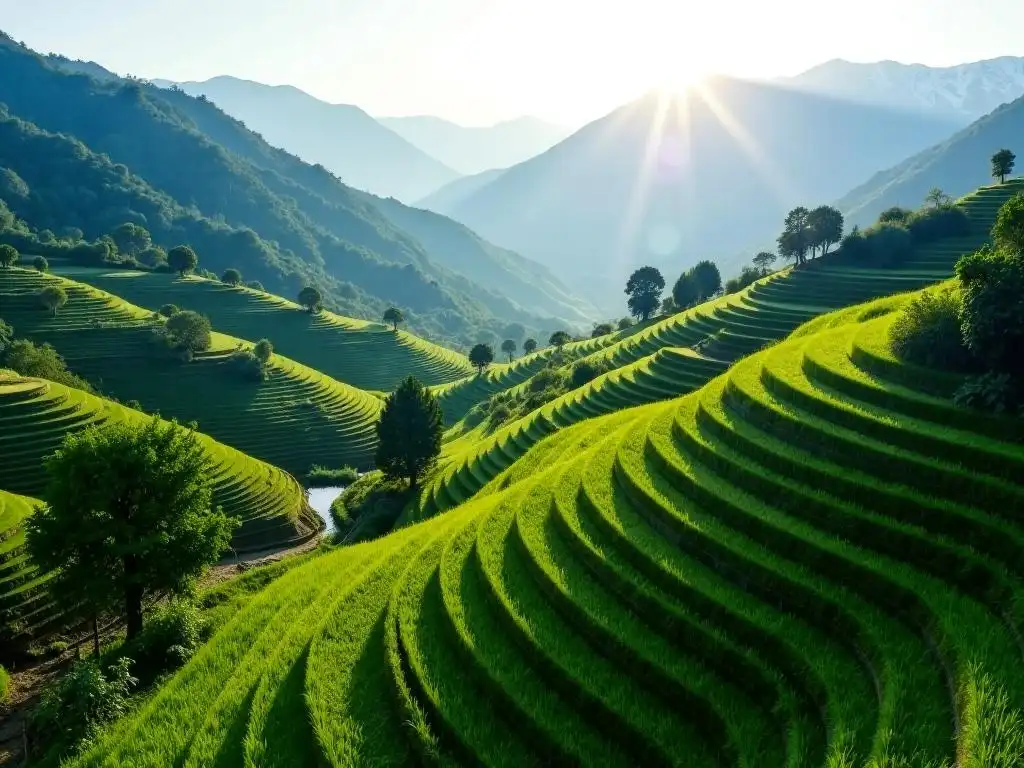
The diverse geography of Japan significantly influenced farming practices across its various regions. The archipelago's unique topography, including mountains, plains, and coastlines, created distinct agricultural conditions that dictated the types of crops grown and the methods employed. As a result, farmers adapted their practices to suit local environments, leading to a rich tapestry of regional agricultural traditions.
In the northern regions, such as Hokkaido, the cooler climate and shorter growing seasons favored crops like barley and buckwheat, while in the warmer southern areas, rice became the staple crop due to the favorable temperatures and abundant rainfall. These variations exemplify how geography directly impacted the agricultural output and the livelihoods of farmers.
The Difference Between Kanto and Kansai Regions
The Kanto and Kansai regions illustrate the regional differences in farming within Japan. Kanto, encompassing the metropolitan area of Tokyo, is known for its extensive rice paddies and fertile plains, benefitting from the warm climate and rich alluvial soil. Farmers in this area primarily focused on rice cultivation, which was central to the local diet and economy. The technological advancements during the feudal era, including irrigation systems, further enhanced rice production, making the Kanto region a significant agricultural hub.
In contrast, the Kansai region, home to cities like Kyoto and Osaka, displayed a more diverse agricultural landscape. The mountainous terrain and varied climate allowed for the cultivation of multiple crops, including wheat, beans, and fruits. The presence of rivers provided essential irrigation, enabling farmers to grow a variety of produce. This diversity not only contributed to the local economy but also enriched the culinary traditions of the region, showcasing how geographical differences shaped agricultural practices.
How Geography Influenced Crop Diversity Across Japan
Geography played a crucial role in determining the crop diversity throughout Japan. The archipelago's varied climate zones, ranging from the humid subtropical conditions in the south to the cooler temperate climates in the north, allowed for the cultivation of a wide range of agricultural products.
- Northern Regions: In places like Hokkaido, farmers primarily grew barley, potatoes, and millet, which were better suited to the shorter growing seasons and cooler temperatures.
- Central Regions: Areas like Nagano and Gifu took advantage of the mountainous terrain, cultivating rice, buckwheat, and various vegetables.
- Southern Regions: The warm, humid climate of Kyushu and Shikoku supported the growth of sugarcane, fruits, and rice, reflecting the agricultural adaptability to local conditions.
This geographical influence on crop diversity not only shaped the dietary habits of the population but also affected trade patterns and the economic foundation of different regions, highlighting the intricate relationship between nature and farming practices in feudal Japan.
The Societal Impact of Geographic Farming Practices
The geographic farming practices in feudal Japan had profound implications for society. The way in which farmers adapted to their local environments not only determined their economic success but also influenced their social standing and roles within the feudal hierarchy.
The Role of Farmers in Feudal Society
Farmers were the backbone of feudal Japanese society, responsible for producing the food that sustained the population. Their role extended beyond mere agricultural labor; they were integral to the economic stability of their communities. In a society that heavily relied on agriculture, farmers were often linked to the samurai class through a system of land tenancy and taxation.
The success or failure of farming practices directly impacted the wealth of local lords, which in turn affected the farmers' social status. While some farmers enjoyed a certain level of autonomy and prosperity, others faced harsh conditions and heavy taxation, leading to a complex social dynamic where the farmers' fortunes were inextricably tied to their geographic circumstances.
How Geography Shaped the Social Hierarchy of Farmers
Geographical factors also played a significant role in shaping the social hierarchy of farmers. Regions with fertile land and favorable climates tended to produce wealthier farmers, who could afford better living conditions and greater status within their communities. For instance, farmers in the Kanto region, with its rich alluvial plains, often enjoyed more prosperity compared to their counterparts in mountainous regions like the Chugoku area, where agricultural yields were lower.
Additionally, the geographic isolation of certain areas could lead to the development of distinct local cultures and social structures. Farmers in remote regions often formed tight-knit communities, with strong traditions and cooperative practices that were essential for survival. This local solidarity sometimes contrasted with the more hierarchical relationships found in wealthier, urbanized farming regions, illustrating how geography influenced not only farming practices but also the broader social fabric of feudal Japan.
Conclusion: The Long-lasting Effects of Geography on Japanese Farming
The geography of Japan has played a pivotal role in shaping the agricultural practices that defined the feudal era. The nation's mountainous terrain and diverse climate zones have not only determined what crops could be cultivated but also influenced the methods and technologies employed by farmers. The long-lasting effects of these geographical factors are evident in the traditional practices that have persisted through the centuries, impacting both the economy and the cultural identity of rural communities.
The reliance on rice cultivation, for instance, became a cornerstone of Japanese society, deeply intertwined with social hierarchies and local governance. Furthermore, the unique adaptations to geographic challenges, such as terraced farming in hilly regions, highlight the ingenuity of farmers in maximizing arable land. This legacy continues to influence modern agricultural strategies, demonstrating the enduring relationship between geography and farming practices.
Reflections on Agricultural Practices Through the Lens of Geography
Examining agricultural practices through the lens of geography reveals a complex interplay between environment and human activity. In feudal Japan, the distribution of fertile plains versus mountainous areas dictated not only the types of crops that could be grown but also the demographic patterns of rural communities. The fertile Kanto Plain, for example, became a hub for rice production, supporting larger populations and fostering urbanization in nearby areas.
Additionally, specific regional climates—such as the heavy rainfall in the western regions—allowed for the cultivation of unique crops like barley and millet, which were crucial for local diets. The distinct agricultural practices that emerged in different regions provide insight into how farmers adapted to their environments, showcasing a profound respect for the land that continues to resonate in Japanese culture today.
Modern Implications of Historical Geography in Farming
The historical geography of feudal Japan has valuable implications for contemporary farming practices. Understanding how past farmers navigated the challenges posed by their environment can inform modern agricultural techniques, particularly in the face of climate change. For instance, the traditional methods of crop rotation and organic farming that were developed in response to local soil conditions are now recognized as sustainable practices.
Moreover, as Japan grapples with declining rural populations and aging farmers, lessons learned from historical geography can aid in revitalizing rural economies through eco-tourism and sustainable agricultural initiatives. The knowledge of regional farming methods, combined with modern technology, positions Japan to innovate while honoring its agricultural heritage.
Further Reading and Resources on Geography and Farming in Feudal Japan
For those interested in delving deeper into the intricate relationship between geography and agriculture in feudal Japan, a wealth of resources is available that explore both historical contexts and modern implications.
Recommended Books and Articles
- "The Geography of Thought: How Asians and Westerners Think Differently...and Why": by Richard E. Nisbett
- "Rice as Self: Japanese Identities through Time": by Takashi Yagisawa
- "The Making of Modern Japan" by J. A. A. Stockwin
These texts provide comprehensive insights into how geographical factors have shaped agricultural practices and societal structures throughout Japan's history.
Online Resources for In-depth Understanding
- Japan Agricultural Cooperatives (JA): Offers information on traditional farming practices and modern agricultural developments in Japan.
- National Diet Library, Japan: A repository of historical documents that include agricultural practices and geographical studies relevant to feudal Japan.
- Japanese Historical Society: Focuses on various aspects of Japanese history, including agriculture, with a digital archive of scholarly articles and papers.
These resources can assist readers in gaining a fuller understanding of how geography influenced farming practices in feudal Japan and continues to impact agriculture in the present day.
- Introduction to Geography and Farming in Feudal Japan
- The Role of Natural Landscapes in Agricultural Development
- Climate's Influence on Agricultural Output
- Cultural Adaptations to Geographic Challenges
- Regional Variations in Farming Practices
- The Societal Impact of Geographic Farming Practices
- Conclusion: The Long-lasting Effects of Geography on Japanese Farming
- Further Reading and Resources on Geography and Farming in Feudal Japan
- What role did geography play in feudal farming in Japan?
- How did the landscape affect the social structure in feudal Japan?
- What crops were primarily grown in feudal Japan due to geographical conditions?
- How did natural disasters influence farming practices during the feudal era?
- Were there any technological advancements in farming related to geography?
Frequently Asked Questions
What role did geography play in feudal farming in Japan?
Geography significantly shaped farming practices by determining the types of crops that could be cultivated. Natural features like mountains and rivers influenced irrigation techniques and land use.
The diverse landscapes led to different agricultural practices, creating regional disparities. This resulted in a hierarchical social structure where landowners controlled resources based on geographical advantages.
What crops were primarily grown in feudal Japan due to geographical conditions?
Regions with fertile plains primarily cultivated rice as it was a staple food. In contrast, mountainous areas focused on barley and millet, reflecting the impact of local geography on crop selection.
How did natural disasters influence farming practices during the feudal era?
Natural disasters such as typhoons and earthquakes led to crop failures, prompting farmers to adapt their practices. This often resulted in a shift towards more resilient farming methods to withstand environmental challenges.
Yes, regional innovations in farming tools and techniques were often responses to geographical challenges. For example, terracing in hilly areas allowed for effective cultivation of sloped land, maximizing agricultural output.
Final Reflection: The Lasting Impact of Geography on Feudal Farming
The intricate relationship between geography and farming practices in feudal Japan remains profoundly relevant today. As we navigate the complexities of modern agriculture and environmental sustainability, understanding how geographical factors shaped the agricultural landscape of the past offers invaluable insights. The lessons learned from feudal Japan remind us that our environment plays a crucial role in determining not only what we grow but how we thrive as a society.
Clearly, the influence of geography on farming practices has left an indelible mark on Japan's cultural and social fabric. The unique topography and climate of the Japanese archipelago fostered diverse agricultural techniques that were adapted to local conditions, creating a rich tapestry of farming traditions. This historical context continues to resonate, as contemporary farmers face similar challenges in adapting to their environments. The land is the foundation of our culture; it shapes our identity and sustains our communities.
As we reflect on the lessons from feudal Japan, let us consider how we can apply these insights to our own lives and communities. Take a moment to think about the geographical influences in your surroundings and how they shape your own practices, whether in farming, gardening, or even urban planning. Embrace the wisdom of the past as we forge a sustainable future, recognizing that our relationship with the land is a vital part of our shared human experience.
Embrace the Power of Nature in Your Own Life!
Thank you for immersing yourself in the fascinating world of feudal Japan and understanding how geography profoundly influenced farming practices. You've just discovered the connection between nature and agriculture that has shaped cultures for centuries! Now, let's channel that inspiration into actionable steps you can take today.
- Start a garden: Experiment with planting local crops that thrive in your environment; witness firsthand how geography affects growth!
- Explore sustainable farming methods: Research techniques that mimic natural ecosystems and promote biodiversity, such as permaculture.
- Share your knowledge: Discuss your insights with friends or online communities—your experiences could inspire others!
How will you leverage the lessons from nature to cultivate a more sustainable and fruitful lifestyle?