
The Impact of Western Influence on Japanese Clothing in the Late Feudal Era

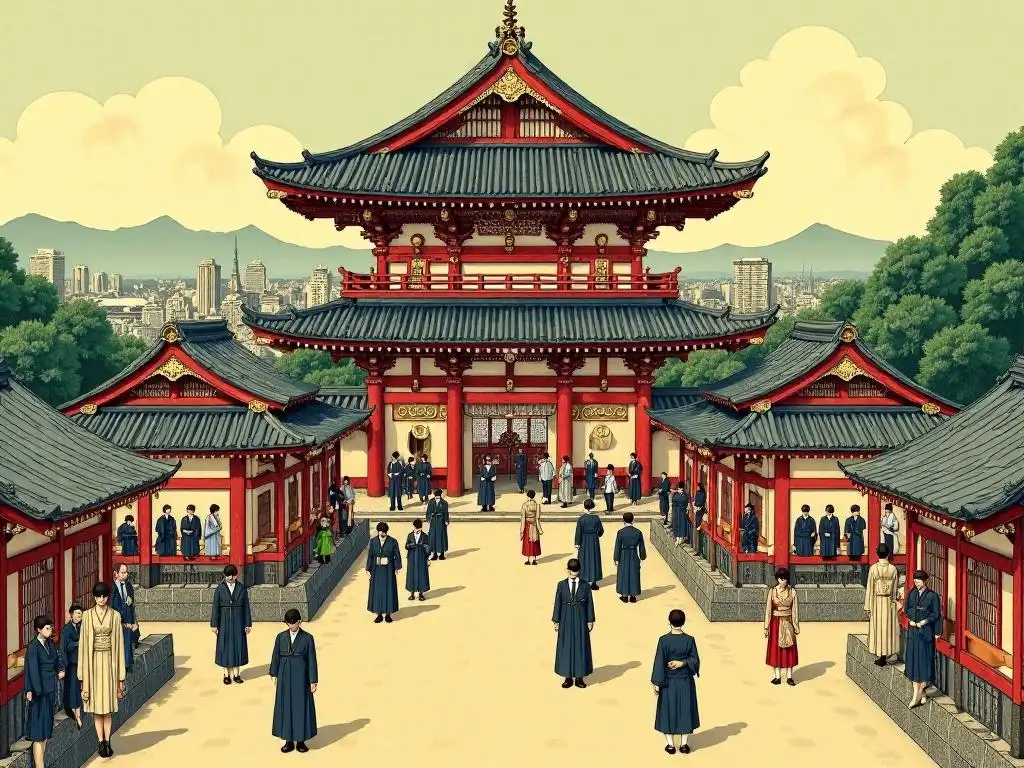
Welcome to Feudal Japan History, where we embark on an intriguing journey through the captivating layers of Japan's feudal era. Delve into our latest article, "The Impact of Western Influence on Japanese Clothing in the Late Feudal Era," and discover how the threads of Western fashion interwove with traditional Japanese attire, reshaping societal norms and cultural expressions. As we explore this fascinating intersection of influences, you'll uncover stories that transcend time and reveal the complexities of identity during a pivotal moment in history. Join us as we unravel the rich tapestry of Japan's past—your exploration starts here!
Introduction to Western Influence on Japanese Clothing
The late feudal era of Japan, spanning from the 17th to the 19th centuries, marked a pivotal moment in the country's history, characterized by significant isolation and subsequent engagement with Western cultures. This period not only shaped Japan’s political landscape but also left an indelible mark on its cultural expressions, including clothing.
The Western influence on Japanese clothing during this time represents a fascinating intersection of tradition and modernity, showcasing how external factors can transform indigenous practices. As Japan began to open its doors to foreign ideas and goods, the evolution of clothing styles reflected broader societal changes, highlighting the dynamic interplay between local customs and global trends.
Overview of the Late Feudal Era in Japan
The late feudal era in Japan, often referred to as the Edo period (1603-1868), was a time of relative peace and stability under the Tokugawa shogunate. This period fostered a unique cultural identity, heavily influenced by Confucian ideals and a strict social hierarchy. The class system, which divided society into four main categories—samurai, farmers, artisans, and merchants—played a crucial role in determining clothing styles and materials.
During this time, clothing was not merely a means of protection from the elements but a powerful symbol of one's status and identity. Traditional garments such as the kimono were meticulously designed, reflecting intricate patterns, colors, and fabrics that conveyed wealth and social standing. However, as Japan became increasingly aware of foreign cultures, particularly through trade with the Dutch and English, the rigidity of these traditions began to soften, paving the way for new influences.
Significance of Clothing in Japanese Society
Clothing in Japanese society served multiple purposes beyond mere functionality. It was a visual representation of cultural values, social status, and even regional identity. The kimono, for instance, was more than an article of clothing; it was a canvas for artistic expression, showcasing the wearer’s taste and cultural knowledge.
As Western styles began to infiltrate, they challenged the established norms surrounding clothing. The adoption of Western garments not only altered physical appearances but also signified shifting attitudes towards modernity and globalization. The integration of Western fashion elements into traditional attire became a means of navigating the complexities of identity during a transformative period in Japan's history.
Historical Context of Western Influence
Early Encounters with the West
Japan's first notable contact with the West came in the mid-16th century with the arrival of Portuguese traders and missionaries. This initial interaction introduced Western goods, including textiles, which gradually piqued the interest of the Japanese elite. However, it wasn't until the late Edo period that Western influence significantly penetrated Japanese culture, largely due to the political and economic pressures from Western nations seeking trade agreements.
A critical moment in this cultural exchange occurred when Commodore Matthew Perry arrived in Japan in 1853, demanding the opening of Japanese ports to American trade. This event marked the end of Japan's isolationist policies and ushered in a wave of Western ideas, including those related to fashion and clothing.
Key Events Leading to Cultural Exchange
Several key events facilitated the cultural exchange between Japan and the West:
- Treaty of Kanagawa (1854): This treaty opened Japanese ports to American ships and initiated diplomatic relations, allowing Western goods and customs to flow into Japan.
- Meiji Restoration (1868): The restoration of imperial rule led to rapid modernization and Westernization efforts, profoundly affecting all aspects of Japanese life, including clothing.
- Exhibitions and Cultural Exchanges: International exhibitions showcased Western fashion, further influencing Japanese designers and consumers.
Through these events, Western influence on Japanese clothing not only emerged but evolved, leading to a complex tapestry of styles that would define the transition from the feudal era to modern Japan.
Styles of Japanese Clothing Before Western Influence
Before the arrival of Western influence, Japanese clothing was characterized by a rich tapestry of traditional styles rooted in centuries of cultural practices. The garments were not merely items of clothing but were imbued with deep cultural significance, often reflecting the wearer’s social status, gender, and even the season. The most prominent traditional attire included the kimono, hakama, and yukata, each with unique designs and meanings.
The kimono, the most iconic of Japanese garments, is a long robe with wide sleeves, typically made from silk. It is adorned with intricate patterns and colors that can vary significantly depending on the occasion and the wearer’s age. The hakama, a pleated skirt-like garment worn over the kimono, was popular among both men and women, particularly during formal events. The yukata, a casual summer kimono made from cotton, illustrates the practicality of clothing in response to climatic conditions.
Moreover, layering techniques were prevalent, with many individuals wearing several garments to create a complex look that conveyed both aesthetic beauty and social cues. Each piece of clothing held its own cultural narrative, contributing to a harmonious expression of identity within the rich fabric of Japanese society.
Traditional Garments and Their Significance
Traditional Japanese garments were not only functional but also symbolic, playing an essential role in various cultural rituals and ceremonies. The kimono, for instance, was often worn during significant life events such as weddings, coming-of-age ceremonies, and funerals, with specific colors and styles designated for each occasion.
The significance of colors and patterns was profound; for example, certain colors were believed to bring good fortune or signify purity. Patterns often included motifs from nature, such as cherry blossoms or cranes, which held deeper meanings related to beauty, longevity, and harmony. The way a kimono was tied and the choice of obi (the sash) were also crucial, as they could indicate the wearer’s age and marital status.
In addition to personal significance, traditional garments were a reflection of broader societal values. The art of kimono-making involved meticulous craftsmanship, and the process of selecting and wearing these garments was steeped in tradition, highlighting the importance of beauty and harmony in Japanese culture.
Cultural Symbols in Japanese Attire
Japanese attire is rich in cultural symbolism, with each element of clothing serving as a visual representation of deeper meanings. For instance, the obi not only serves a practical purpose but is also a symbol of the wearer's social status and marital status, with more elaborate and intricately designed obis typically reserved for formal occasions.
The patterns and colors chosen for a kimono can convey messages about the wearer’s mood, personality, and cultural affiliations. Seasonal motifs, such as autumn leaves or winter snowflakes, reflect a deep connection to nature and the changing seasons, emphasizing the Japanese appreciation for the natural world.
Moreover, the practice of wearing specific colors during particular seasons or festivals speaks to the cultural significance of timing and tradition in Japanese society. For example, bright colors and floral patterns are typically favored during the spring season, symbolizing renewal and growth, while darker hues may be reserved for more somber occasions. This intricate layering of meaning within Japanese clothing illustrates how attire serves as a reflection of cultural identity and societal values.
The Introduction of Western Fashion
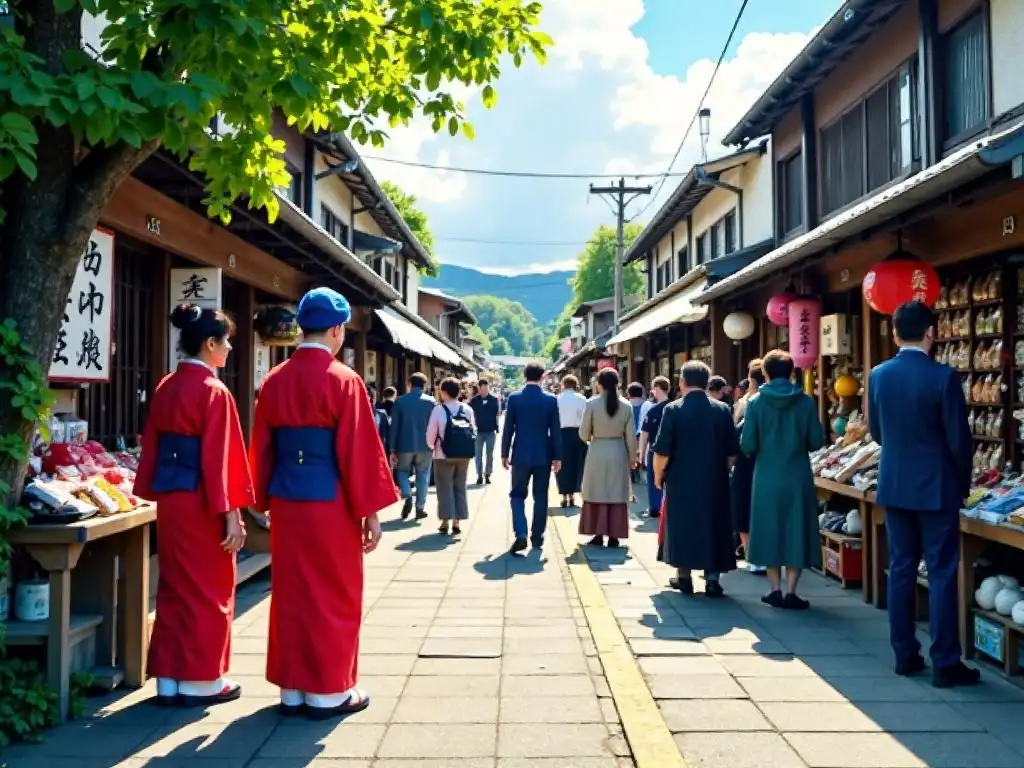
The late feudal era in Japan witnessed the gradual introduction of Western fashion, primarily during the Meiji Restoration period (1868-1912). The opening of Japan to foreign trade and interaction led to the influx of Western clothing styles, fundamentally altering the landscape of Japanese attire. As Japan sought to modernize and engage with the West, Western influence on Japanese clothing became increasingly prevalent.
The initial adoption of Western clothing was met with mixed reactions; while many embraced the practicality and modernity of Western styles, others viewed them as a threat to traditional customs and identity. This tension sparked a complex dialogue about cultural preservation versus modernization, which played a crucial role in shaping the evolution of Japanese fashion.
Western Clothing Styles and Their Characteristics
Western clothing introduced a range of styles and characteristics that differentiated it from traditional Japanese attire. Key elements included tailored suits, trousers, and dresses, which emphasized a more structured silhouette compared to the flowing lines of kimonos. Fabrics such as wool and cotton became standard, moving away from the silk that was predominantly used in traditional garments.
Western clothing also brought about changes in functionality and comfort. For instance, the practicality of trousers allowed for greater mobility, particularly for women, who began to adopt Western-style dresses that offered more freedom of movement. Additionally, accessories such as hats, gloves, and shoes became popular, further diversifying clothing options.
The influence of Western fashion was not limited to clothing alone; it extended to hairstyles and overall presentation. For example, the introduction of shorter hairstyles for men and women marked a significant departure from traditional norms, reflecting a broader shift towards modernity and global interconnectedness.
Transition from Traditional to Western-Inspired Designs
The transition from traditional Japanese clothing to Western-inspired designs was a gradual but transformative process. This shift was marked by the blending of styles, where traditional elements were incorporated into Western designs, resulting in unique hybrid garments. For instance, the wafuku (traditional clothing) began to be paired with Western styles, leading to the creation of outfits that combined kimonos with Western accessories.
Fashion innovators and designers played a critical role in this transition, experimenting with fabrics, cuts, and designs that merged both cultural identities. The emergence of the Yukata with Western-style prints and the adaptation of kimono designs into modern dresses illustrated this evolving landscape of clothing in Japan.
Furthermore, the acceptance of Western clothing among various social classes signified a broader cultural shift. While traditional attire remained prevalent during formal occasions, everyday wear began to reflect Western influences, leading to a more eclectic approach to fashion. This fusion ultimately paved the way for contemporary Japanese fashion, which continues to celebrate both its traditional roots and modern innovations, representing a unique cultural identity shaped by historical influences.
The Effects of Western Influence on Japanese Clothing
The late feudal era in Japan, particularly during the Edo period (1603-1868), was marked by a gradual yet profound transformation in clothing styles due to Western influence. As trade routes opened and contact with Western nations increased, Japanese clothing began to reflect a blend of traditional aesthetics and foreign elements. This period saw not only changes in fabric and materials but also significant shifts in the overall design, cuts, and societal norms related to clothing.
Western influence led to the introduction of new textiles and techniques, allowing for more diverse clothing options. The incorporation of Western styles prompted a reevaluation of traditional garments, leading to innovations that would ultimately shape modern Japanese fashion. Additionally, these changes impacted gender norms, challenging existing perceptions of masculinity and femininity as clothing became a medium for self-expression and cultural amalgamation.
Changes in Fabric and Materials Used
One of the most significant changes brought about by Western influence was the introduction of new fabrics and materials to Japan. Traditionally, Japanese clothing was primarily made from silk, cotton, and hemp. However, the arrival of Western textiles, such as wool and linen, expanded the range of clothing materials available.
- Silk and Cotton: Previously the mainstay of Japanese garments, these fabrics were prized for their quality and beauty. They continued to be used but began to be complemented by Western materials.
- Wool and Linen: With Western trade, these materials gained popularity, especially for colder climates and formal attire. Wool, in particular, became a favored fabric for suits and outerwear.
- Synthetic Fibers: As the late feudal era progressed into the Meiji period (1868-1912), synthetic fabrics began to emerge, further revolutionizing clothing manufacturing and availability.
This diversification in materials not only enhanced the functionality of clothing but also introduced new textures and colors, which were previously unimagined in Japanese fashion.
Evolution of Clothing Cuts and Styles
The influence of Western fashion was also evident in the evolution of clothing cuts and styles. Traditional Japanese garments, such as the kimono, underwent significant adaptations:
- Tailoring Techniques: Western tailoring methods introduced structured cuts that contrasted sharply with the flowing lines of traditional kimonos. This led to the development of garments that conformed more closely to the body, such as fitted jackets and trousers.
- Layering and Silhouettes: The layering techniques commonly used in Western fashion inspired new layering styles in Japanese clothing. While traditional kimono wear involved multiple layers, the emphasis shifted towards more streamlined silhouettes that were easier to wear in daily life.
- Fashion Forward: As a result of these influences, Japanese designers began experimenting with asymmetrical designs and innovative draping techniques, merging Eastern and Western aesthetics in unique ways.
This evolution in cuts and styles not only reflects a shift in fashion but also signifies a broader cultural integration during a time of change in Japan.
The Impact on Gender Norms in Clothing
The late feudal era marked a significant transformation in gender norms related to clothing, influenced heavily by Western styles. Traditional Japanese attire was distinctly gendered, with men and women wearing specific garments that reflected their roles in society. However, Western influence began to blur these distinctions:
- Men's Fashion: The introduction of Western suits challenged traditional male attire. The adoption of tailored suits allowed men to express individuality and professionalism, diverging from the kimono's formal connotations.
- Women's Fashion: Women began to adopt Western dresses, which often emphasized different body shapes compared to kimonos. This shift allowed for more varied expressions of femininity, moving away from the restrictive elements of traditional clothing.
- Cross-Dressing and Fluidity: The late feudal era also saw a rise in the concept of cross-dressing, where individuals would experiment with clothing outside their gender norms. This cultural phenomenon illustrated the loosening grip of rigid gender roles and allowed for a broader acceptance of diverse identities.
The impact of Western influence on gender norms in clothing paved the way for a more fluid understanding of identity and self-expression, which continues to resonate in modern Japanese fashion.
Case Studies of Western Influence on Specific Garments
The examination of specific garments reveals how Western influence transformed traditional Japanese clothing. Case studies of the kimono and the introduction of Western suits and dresses illustrate these changes.
The Kimono: Adaptations and Innovations
The kimono, a symbol of Japanese culture, experienced notable adaptations due to Western influence. While it remained a staple garment, its design and usage evolved significantly:
- Material Innovation: The incorporation of Western textiles led to the creation of kimonos made from wool and linen, making them more suitable for various climates and occasions.
- Stylistic Modifications: Designers began to experiment with different cuts, lengths, and embellishments, incorporating Western design elements such as collars and cuffs into the kimono's traditional form.
- Contemporary Interpretations: Today, the kimono is often worn in hybrid styles, blending traditional and modern elements. This evolution reflects a continued dialogue between Japan's cultural heritage and contemporary fashion trends.
The Introduction of Western Suits and Dresses
The introduction of Western suits and dresses had a profound impact on Japanese fashion, particularly during the Meiji Restoration:
- Formal Attire: Western suits became synonymous with modernity and professionalism, particularly for men in business and political spheres. This adoption marked a departure from the traditional kimono, which was often viewed as less formal in specific contexts.
- Women's Dresses: Western dresses, characterized by their structured designs and varied silhouettes, gained popularity among women. This shift allowed women to explore new styles that emphasized personal expression rather than solely adhering to traditional forms.
- Cultural Exchange: The popularity of these garments exemplified a cultural exchange that was both innovative and transformative, blending Western influences with Japanese sensibilities to create a unique fashion landscape.
The late feudal era in Japan witnessed significant changes in clothing, driven by Western influences. These transformations in materials, cuts, and gender norms not only altered how clothing was perceived and worn but also laid the groundwork for the complex interplay between tradition and modernity in Japanese fashion today.
Cultural Reactions to Western Influence
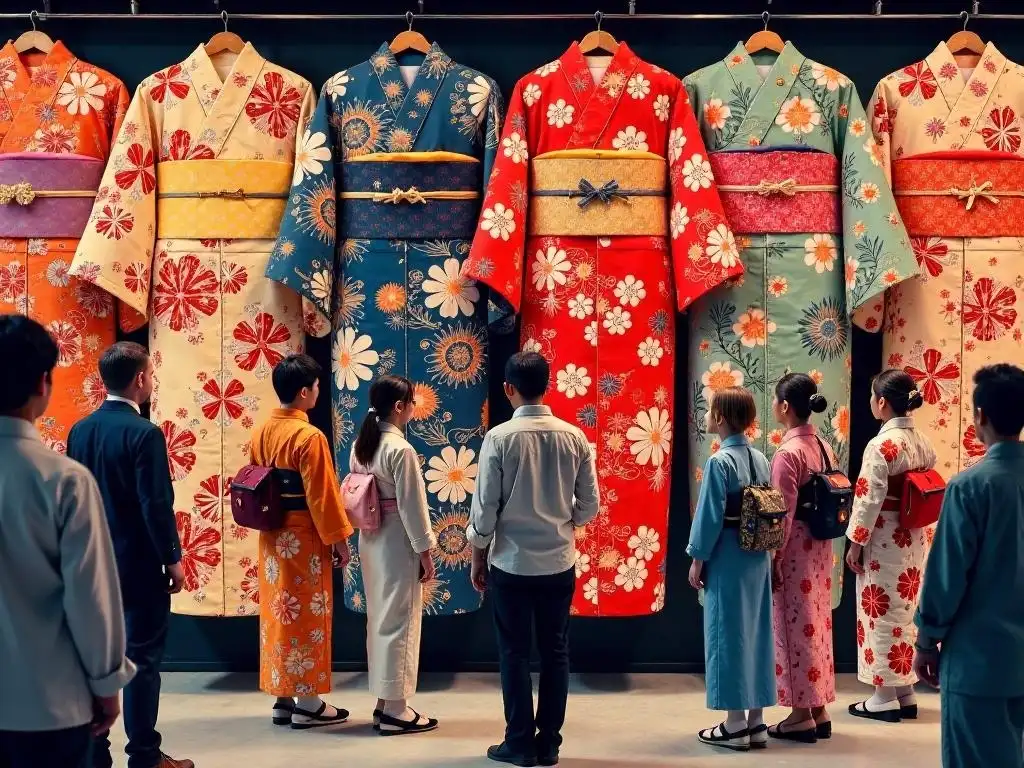
The late feudal era in Japan was a time of significant cultural transformation, driven in part by increasing interactions with Western countries. As Western influence penetrated Japanese society, it elicited a spectrum of reactions ranging from acceptance to resistance. This interplay of ideas and traditions not only altered the fabric of Japanese clothing but also reflected deeper societal shifts.
The initial contact with Western culture brought novel materials, designs, and concepts of fashion. However, the introduction of these foreign elements was met with skepticism by many who held traditional views. The clash between the old and the new led to a cultural dialogue where various factions within society debated the merits and drawbacks of Western influence. This dialogue was characterized by a sense of curiosity, apprehension, and, at times, outright rejection of foreign ideas.
Acceptance and Resistance in Japanese Society
The reactions to Western influence varied significantly across different social strata in Japan. The ruling class and merchants were often more open to adopting Western styles, seeing them as symbols of modernity and progress. For instance, the adoption of Western coats and trousers among samurai and urban merchants signified not only a shift in fashion but also a desire to align themselves with the evolving global landscape.
Conversely, the lower classes and more traditional factions, such as rural communities, exhibited resistance. They viewed Western clothing as a threat to their cultural identity and heritage. This resistance was compounded by nationalist sentiments that emerged during this period, which emphasized the importance of preserving Japanese traditions in the face of foreign encroachment.
The duality of acceptance and resistance shaped Japanese clothing during this period, leading to a unique hybridization of styles. Traditional garments like kimono began to incorporate Western elements, while Western clothing was sometimes adapted to include Japanese motifs and designs.
The Role of Western Influence in Modernizing Japan
Western influence played a pivotal role in the modernization of Japan, particularly in the realm of clothing and fashion. As Japan opened its ports following the Meiji Restoration in 1868, the influx of Western goods and styles prompted a reevaluation of traditional attire. The government actively promoted Western dress as a means to foster national pride and to present a modern image to the world.
This modernization was evident in the adoption of Western fabrics such as wool and cotton, which were incorporated into traditional garments. Additionally, the introduction of Western-style clothing, including suits and dresses, became increasingly popular among the elite and urban populations. This shift not only transformed personal attire but also influenced social customs and behaviors, as the act of dressing in Western fashion became associated with modernity and progress.
The impact of Western influence extended beyond clothing, affecting various aspects of daily life, including social interactions and cultural practices. As Japan embraced these new ideas, the fashion industry began to flourish, leading to the emergence of tailors and designers who specialized in both Western and fusion styles.
Conclusion: The Lasting Legacy of Western Influence on Japanese Clothing
The influence of Western culture on Japanese clothing during the late feudal era marked a significant turning point in the history of fashion in Japan. This period of cultural exchange led to enduring changes that continue to resonate in contemporary Japanese society.
Reflection on the Transformation of Japanese Fashion
The transformation of Japanese fashion during this era reflects broader societal shifts. The blending of Western and traditional elements resulted in a dynamic fashion landscape characterized by innovation and adaptability. Today, this legacy can be seen in the ongoing popularity of contemporary designers who draw inspiration from both Western and traditional Japanese aesthetics.
The evolution of clothing styles is not merely a reflection of changing tastes but also a testament to Japan's ability to incorporate and reinterpret foreign influences while maintaining a strong sense of cultural identity.
The Continual Blend of Tradition and Modernity
The legacy of Western influence on Japanese clothing is an ongoing narrative that encapsulates the continual blend of tradition and modernity. Contemporary fashion in Japan continues to thrive on this synthesis, where traditional garments such as the kimono are often reimagined with modern cuts and fabrics, creating a unique fusion that honors the past while embracing the future.
As Japan moves forward, the dialogue between Western influence and traditional aesthetics persists, ensuring that the evolution of clothing remains a vibrant and integral part of its cultural identity. This ongoing interplay not only highlights Japan's rich history but also its remarkable capacity for innovation and cultural adaptation.
Further Reading on Japanese Clothing and Cultural Exchange
The evolution of Japanese clothing during the late feudal era is a fascinating topic that reflects broader cultural exchanges and societal changes. To enhance your understanding of how Western influences shaped Japanese fashion, consider delving into a variety of resources that explore the intricate interplay between these cultures.
Books and articles from scholars specializing in Japanese history and cultural studies provide valuable insights into the transformation of traditional garments, such as the kimono, in response to foreign influences. Additionally, exploring art and literature from the period can reveal how these changes were perceived and integrated into Japanese society.
By examining various perspectives on clothing, social status, and identity, readers can appreciate the complexity of cultural exchange and its lasting impact on Japanese fashion.
Recommended Resources for Exploring Japanese Fashion History
-
Books
-
Kimono: Fashioning Culture by A. K. Shimizu
This book offers an in-depth analysis of the kimono's evolution, including the impact of Western styles on its design and use.
-
Fashioning the Japanese: The Western Influence on Japanese Clothing by L. T. Igarashi
An essential read that details the Western impact on Japanese fashion, exploring specific garments and societal changes.
-
-
Academic Journals
-
Journal of Japanese Studies
Look for articles discussing the influence of Western fashion on Japanese society during the late feudal era.
-
Asian Fashion Studies
This journal often features research on the historical context of clothing in Asia, including Japan’s cultural exchanges.
-
-
Online Resources
-
Museum Websites
Institutions like the Kyoto Costume Institute offer extensive online exhibitions and resources related to historical clothing.
-
Documentaries and Lectures
Platforms like YouTube provide access to lectures and documentaries that discuss the impact of Western culture on Japanese clothing.
-
Related Topics in Feudal Japan's Daily Life and Society
-
Social Hierarchy and Clothing
In feudal Japan, clothing was a reflection of one's social status. The samurai class wore distinct garments, which set them apart from farmers and merchants. Understanding this hierarchy is crucial to grasping the significance of clothing in society.
-
Cultural Exchange through Trade
The arrival of Western traders and missionaries opened up new avenues for cultural exchange, which influenced not only fashion but also art, cuisine, and technology in Japan. This topic reveals the broader context of Japan's interaction with the West.
-
The Role of Women in Fashion
Women's clothing during the late feudal era underwent significant changes due to Western influence. Examining how women adapted or resisted these changes provides insights into gender roles and societal expectations.
-
Textile Production and Trade
The production of textiles was a critical industry in feudal Japan, and the introduction of Western fabrics had a profound impact on local production methods and materials used in clothing. This topic can illustrate the shift towards more diverse clothing styles.
By exploring these related topics, readers can gain a more comprehensive understanding of the multifaceted relationship between Western influence and Japanese clothing during the late feudal era.
- Introduction to Western Influence on Japanese Clothing
- Historical Context of Western Influence
- Styles of Japanese Clothing Before Western Influence
- The Introduction of Western Fashion
- The Effects of Western Influence on Japanese Clothing
- Case Studies of Western Influence on Specific Garments
- Cultural Reactions to Western Influence
- Conclusion: The Lasting Legacy of Western Influence on Japanese Clothing
- Further Reading on Japanese Clothing and Cultural Exchange
- What was the Western influence on Japanese clothing during the late feudal era?
- How did Japanese society respond to Western clothing styles?
- What were the primary factors contributing to the introduction of Western clothing?
- Did the adoption of Western clothing affect Japanese identity?
- What are some examples of Western clothing influences seen in Japan today?
Frequently Asked Questions
What was the Western influence on Japanese clothing during the late feudal era?
The Western influence introduced new fabrics and styles, blending traditional Japanese designs with European fashions. This fusion began to alter the aesthetic and practicality of clothing in Japan.
How did Japanese society respond to Western clothing styles?
The response was mixed; some embraced the modernization of attire while others resisted, valuing traditional garments. This led to a cultural dialogue between innovation and heritage.
What were the primary factors contributing to the introduction of Western clothing?
Key factors included increased trade, diplomatic relations, and the arrival of Western missionaries and merchants, which all helped to expose Japan to foreign styles and ideas.
Did the adoption of Western clothing affect Japanese identity?
Yes, the adoption of Western clothing sparked debates about national identity and modernity, as many viewed it as a challenge to traditional norms and values.
What are some examples of Western clothing influences seen in Japan today?
Today, elements like suits, dresses, and casual wear reflect the long-standing impact of Western fashion, blending seamlessly with Japanese aesthetics to create a unique style.
Final Reflection: Embracing Change Through Western Influence on Japanese Clothing
The fusion of Western influence on Japanese clothing during the late feudal era serves as a powerful reminder of how cultures can evolve and adapt in the face of external forces. Today, as globalization continues to shape our world, the lessons learned from this historical period resonate more than ever. The way Japan embraced Western styles while maintaining its unique identity illustrates the dynamic interplay between tradition and innovation, showcasing that change can lead to growth rather than loss.
Cultural exchanges have always been a catalyst for transformation, and the late feudal era exemplifies this beautifully. The introduction of Western clothing styles not only altered the fabric of Japanese fashion but also sparked broader social changes that reverberated through society. As we reflect on this period, we can appreciate how these influences paved the way for modern Japanese fashion, which now stands as a testament to the country's ability to blend the old with the new. Fashion is the armor to survive the reality of everyday life.
– Bill Cunningham. This quote encapsulates the essence of how clothing can reflect and adapt to societal changes, a theme that remains relevant in our contemporary world.
As we move forward, let us take a moment to reflect on the importance of embracing influences from outside our own cultures. Consider how you can incorporate diverse perspectives and styles into your own life, fostering a spirit of openness and creativity. Whether through fashion, art, or personal relationships, the ability to blend different influences can lead to a richer, more vibrant existence. Embrace the lessons of the past and allow them to inspire you to create a future that honors both tradition and innovation.
Unveil Your Fashion Inspirations!
Thank you for diving into the fascinating intersection of Western influence and Japanese clothing during the late feudal era. Your curiosity enriches our understanding of cultural evolution and style. Now that you've explored this intriguing topic, it's time to take action and further enhance your knowledge!
- Discover a local exhibition or museum showcasing traditional Japanese attire to appreciate the craftsmanship firsthand.
- Engage with our community by sharing your thoughts on how Western styles might influence modern fashion in Japan — we encourage you to comment below!
- Explore additional resources on the cultural exchanges of feudal Japan by visiting our website to broaden your understanding.
Which elements of Western influence in Japanese clothing resonate with you the most, and in what ways do you believe they have shaped contemporary fashion today?