
Fencing and Dance: The Duality of Martial Arts and Performance in Samurai Culture

Welcome to Feudal Japan History, where we invite you to embark on a journey through the captivating landscapes of Japan’s feudal era. Here, you will uncover the intricate layers of history, culture, and society that shaped a remarkable civilization.
In our featured article, “ Fencing and Dance: The Duality of Martial Arts and Performance in Samurai Culture,” we delve into the fascinating world of samurai martial arts and performance, revealing how these warriors blended the art of combat with the elegance of dance. Prepare to be intrigued as we explore this unique intersection of strength and grace, and let your curiosity guide you deeper into the enchanting stories that await!
- Introduction to Samurai Martial Arts and Performance
- The Historical Context of Samurai Martial Arts
- The Art of Fencing in Samurai Culture
- Dance as a Form of Performance in Samurai Society
- The Duality of Martial Arts and Performance
- The Cultural Impact of Samurai Martial Arts and Performance
- Conclusion: The Legacy of Samurai Martial Arts and Performance
- References
- Frequently Asked Questions
- Final Reflection: The Harmonious Dance of Samurai Martial Arts and Performance
- Embrace the Art: Ignite Your Passion for Samurai Culture!
Introduction to Samurai Martial Arts and Performance
The Samurai culture of feudal Japan is a rich tapestry woven from threads of honor, discipline, and artistry. Within this intricate framework, martial arts and performance stand out as two seemingly distinct but deeply intertwined aspects that define the identity of the samurai.
This article seeks to delve into the duality of these elements, exploring how the rigorous training in martial arts coexisted with, and often complemented, the aesthetic expressions found in traditional dance and performance arts. By examining the historical significance and cultural implications of these practices, we aim to illuminate the ways in which samurai martial arts and performance shaped not only the lives of the warriors but also the broader society of feudal Japan.
Understanding the Concept of Samurai Culture
Samurai culture is often romanticized as one characterized by strict codes of conduct, loyalty, and valor. However, it encompasses much more than just the battlefield prowess of these elite warriors.
- Bushido Code: At the heart of samurai culture lies the Bushido code, a set of ethical guidelines that emphasized virtues such as loyalty, honor, and self-discipline. This code not only governed their behavior in combat but also influenced their artistic pursuits.
- Holistic Training: Samurai were not just fighters; they were also scholars, poets, and artists. Their training was holistic, encompassing not only physical combat skills but also intellectual and artistic disciplines. This dual focus ensured a well-rounded warrior capable of both leading in battle and engaging in cultural pursuits.
- Integration of Arts: The integration of martial arts and performance in samurai culture reflects a broader understanding of life. For samurai, mastering the sword was as essential as mastering the art of poetry or dance. This duality allowed them to express their emotions and ideals through various forms of art, creating a unique synergy between their martial and artistic identities.
The Importance of Martial Arts and Performance in Feudal Japan
In feudal Japan, martial arts and performance were not merely pastimes; they were vital components of samurai life that served multiple purposes.
- Cultural Expression: Performance arts such as Noh and Kabuki were essential in conveying the samurai ethos and storytelling. These art forms often depicted heroic tales of valor and tragedy, resonating with the samurai's own experiences and ideals.
- Training and Discipline: Martial arts training instilled a sense of discipline and focus that was crucial for success on the battlefield. The rigorous practice of techniques and forms paralleled the precision and grace found in dance, emphasizing the importance of control and fluidity.
- Social Status and Identity: Engaging in both martial arts and performance elevated a samurai's social standing. Mastery in these areas was a reflection of their training, discipline, and cultural refinement, solidifying their role as leaders and role models within society.
The duality of martial arts and performance in samurai culture is a testament to the complexity and depth of feudal Japanese society. By exploring these intertwined aspects, we gain a richer understanding of how samurai navigated their identities in a world that demanded both strength and grace.
The Historical Context of Samurai Martial Arts
Origins of Samurai Martial Arts
The origins of Samurai martial arts and performance can be traced back to the early feudal period in Japan, specifically during the Heian era (794-1185). The need for skilled warriors emerged as clans vied for power and land. Samurai, originally serving as provincial warriors, began to adopt martial disciplines that would later evolve into formalized systems of combat.
- Influence of Chinese Martial Arts:
- The introduction of Chinese martial arts through cultural exchanges played a pivotal role in shaping the techniques practiced by samurai. Early texts like the Wujing Zongyao influenced Japanese martial arts, providing foundational techniques and philosophies.
- Development of Kenjutsu:
- By the late Heian and early Kamakura periods (1185-1333), Kenjutsu, the art of the sword, began to take form. Samurai trained rigorously, emphasizing techniques that would be essential in both battle and performance aspects of their culture.
- Integration with Spiritual Practices:
- Samurai martial arts were not purely physical; they incorporated spiritual training and philosophies, including Zen Buddhism. This amalgamation fostered a unique connection between martial prowess and artistic expression.
Evolution of Martial Arts Techniques in Samurai Culture
The evolution of martial arts techniques in samurai culture reflects a blend of practicality and artistry. As Japan transitioned through various historical periods, martial arts adapted to the changing needs of the samurai.
- Muromachi Period (1336-1573):
- During this time, the rise of the Ashikaga shogunate saw an increase in the formalization of martial arts. Schools such as the Kashima Shinto-ryu emerged, focusing on sword techniques and strategy.
- Renaissance of Martial Arts:
- The Sengoku period (1467-1600), characterized by constant warfare, led to innovations in combat techniques. Schools began to emphasize not only the sword but also various weapons such as the naginata and bo staff, reflecting a more holistic approach to martial arts.
- The Edo Period (1603-1868):
- With peace established under the Tokugawa shogunate, the focus shifted towards the refinement of techniques and the artistic aspects of martial arts. This era witnessed the codification of various styles, leading to the development of practices like Iaido and Kendo, which emphasized precision and form as much as combat efficiency.
Key Historical Figures in Samurai Martial Arts
The history of samurai martial arts is marked by several key figures whose contributions shaped the discipline and its perception within Japanese society.
- Miyamoto Musashi:
- Perhaps the most renowned samurai, Musashi was a master swordsman and strategist whose dual-wielding technique and philosophy are documented in his famous work, The Book of Five Rings. His approach to combat emphasizes adaptability, making him a central figure in the evolution of samurai martial arts.
- Yagyu Munenori:
- A prominent swordsman and educator, Munenori was instrumental in the establishment of the Yagyu Shinkage-ryu school. His teachings integrated martial arts with a deep philosophical understanding, further cementing the connection between martial practice and performance.
- Tenshin Shoden Katori Shinto-ryu:
- Founded by Choisai Ienao in the 15th century, this school is considered one of the oldest martial arts traditions in Japan. Its comprehensive curriculum includes various weapons and battlefield tactics, illustrating the diverse nature of samurai martial arts.
The historical context of samurai martial arts is rich and complex, encompassing origins that blend practicality with performance, evolution through various periods, and contributions from significant figures that shaped the discipline into what it is today. The duality of martial arts and performance remains a defining feature of samurai culture, echoing through time in both combat and artistic expression.
The Art of Fencing in Samurai Culture
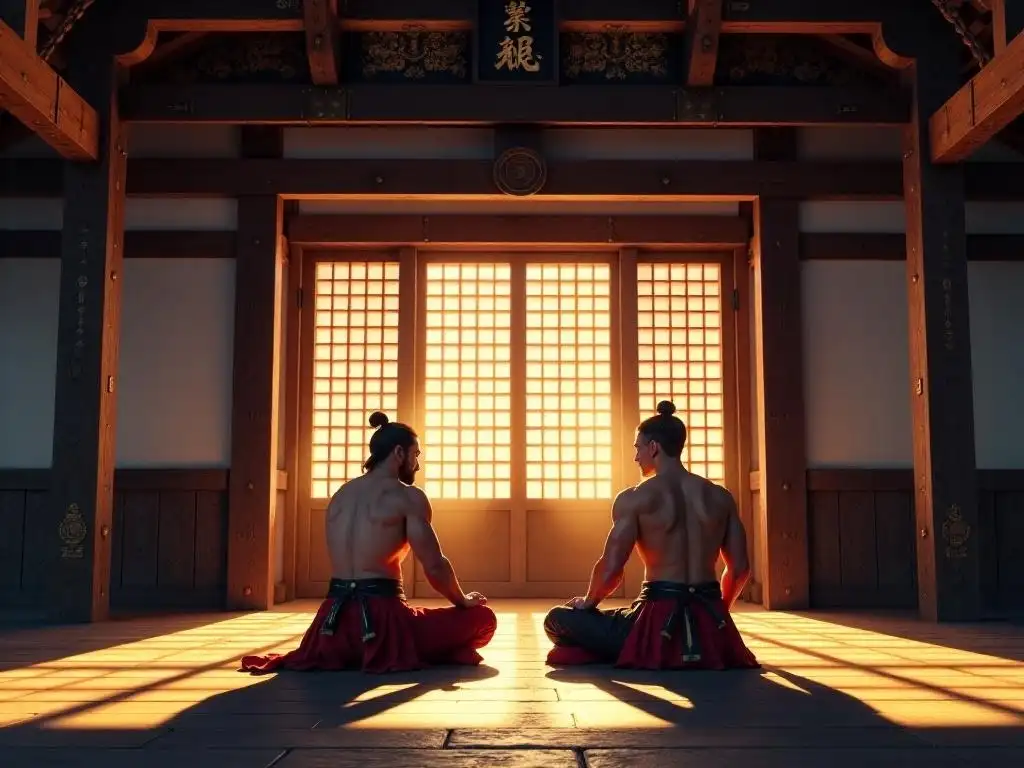
Fencing, particularly in the form of kenjutsu, played a pivotal role in the lives of samurai during Japan's feudal era. This martial art was not just a method of combat; it was a discipline that encompassed philosophy, strategy, and the development of character. The samurai's relationship with fencing reflects a broader cultural appreciation for skill, honor, and the art of performance, making it an integral part of their identity.
Overview of Kenjutsu: The Way of the Sword
Kenjutsu, the traditional Japanese art of swordsmanship, is often regarded as the quintessential form of samurai martial arts. The term "kenjutsu" translates to "the technique of the sword," and it encompasses a variety of techniques and philosophies related to the use of the katana.
- Historical Origins: Kenjutsu traces its roots back to the Heian period (794-1185), evolving through the centuries as samurai sought to perfect their combat skills. The techniques were often refined in response to the changing dynamics of warfare.
- Philosophical Underpinnings: At its core, kenjutsu is not merely about physical prowess; it incorporates Zen principles that emphasize mental clarity, focus, and the harmony between the mind and body. This philosophical aspect elevates fencing to an art form, where each movement is deliberate and meaningful.
- Cultural Significance: Kenjutsu was not only a practical skill for battle but also a means of expressing the samurai's honor and integrity. Rituals often accompanied training, instilling a sense of discipline and respect that permeated samurai culture.
Techniques and Styles of Kenjutsu
Kenjutsu comprises various techniques and styles, each with distinct characteristics and training methodologies. Here are some key elements:
- Kata: The foundation of kenjutsu training lies in kata, predefined forms that simulate combat scenarios. Practicing kata helps students internalize movements and develop precision and fluidity.
- Major Schools:
- Kashima Shinto-ryu: Known for its focus on strategy and timing, this school emphasizes the importance of understanding an opponent's intentions.
- Muso Jikiden Eishin-ryu: This style is famous for its iaijutsu techniques, which involve drawing the sword quickly and efficiently, embodying the principle of decisive action.
- Niten Ichi-ryu: Founded by the legendary swordsman Miyamoto Musashi, this school teaches the use of two swords simultaneously, a technique that exemplifies innovation in combat.
- Training Methods: Samurai engaged in rigorous training routines that included sparring sessions (tachi uchi no kurai) and the use of wooden swords (bokken) to practice techniques safely. Modern kenjutsu schools still emphasize these training methods, preserving traditions while adapting to contemporary contexts.
The Role of Fencing in Samurai Training and Warfare
Fencing was a cornerstone of samurai training, integral to their preparation for battle and their overall development as warriors.
- Combat Skills: Mastery of kenjutsu was essential for survival on the battlefield. Samurai relied on their fencing skills to engage in close-quarters combat, where agility, speed, and reflexes were paramount. The ability to execute techniques with precision could mean the difference between life and death.
- Strategic Thinking: The practice of kenjutsu also fostered critical thinking and strategic planning. Samurai learned to read their opponents, anticipate movements, and adapt their techniques accordingly. This mental aspect of fencing translated into broader strategic skills applicable in warfare and governance.
- Cultural Performances: Beyond its practical applications, fencing was often showcased in cultural performances and demonstrations. These events highlighted the beauty and discipline of the martial art, reinforcing the samurai's status as both a warrior and a performer. Such exhibitions also served to promote the values of honor and respect within samurai culture.
The duality of martial arts and performance in samurai culture is exemplified through the art of fencing. Kenjutsu remains a powerful symbol of the samurai's legacy, intertwining skill, philosophy, and cultural expression in a manner that continues to resonate to this day.
Dance as a Form of Performance in Samurai Society
The Significance of Traditional Dance in Samurai Culture
In the rich tapestry of samurai culture, traditional dance emerged as a vital form of expression, transcending mere entertainment. These performances were not only showcases of artistic skill but also served as vehicles for cultural transmission and social cohesion. Dance held a significant place in samurai rituals, often intertwined with religious ceremonies and seasonal festivals.
One of the most notable forms of dance was Bugaku, which was performed at court and during special events. Bugaku is characterized by its slow, deliberate movements and elaborate costumes, often depicting tales of gods and heroes. This dance not only entertained but also reinforced the values of loyalty, honor, and the samurai code, or Bushido. The samurai, through their participation in these dances, demonstrated their cultural sophistication and commitment to their societal roles.
Moreover, traditional dance offered a form of psychological preparation for battle. The rhythmic movements and elaborate choreography instilled discipline and focus, allowing samurai to channel their energies in both martial and artistic pursuits.
Types of Dance Associated with Samurai
Samurai culture embraced various dance forms, each with unique characteristics and purposes. Some of the prominent types include:
- Noh: A classical Japanese theatrical form that combines drama, dance, and music. Noh plays often depict historical events or folklore, allowing samurai to connect with their heritage. The slow, stylized movements and masks used in Noh emphasize emotion and character, serving as a reflection of samurai ideals.
- Kabuki: Although emerging later than the samurai era, Kabuki incorporates elements of samurai culture and themes. Known for its vibrant costumes and exaggerated movements, Kabuki performances often feature samurai characters, highlighting their valor and struggles. The energetic style of Kabuki also reflects the martial spirit inherent in samurai life.
- Odori: A more informal dance style, Odori is often performed at festivals and celebrations. While it was not exclusively for samurai, many members of the samurai class participated in Odori, showcasing their community ties and cultural engagement. The dance often involved simple, lively movements, encouraging participation from all levels of society.
Each of these dance forms illustrates the duality of martial arts and performance in samurai culture, reinforcing social hierarchies while providing an avenue for personal expression.
Symbolism and Themes in Samurai Dance
The themes and symbolism present in samurai dance are deeply rooted in the values of the samurai class. Many dances convey messages of loyalty, bravery, and the transient nature of life, often drawing on Buddhist concepts. For instance:
- Transience of Life: Dances that depict fallen warriors or fleeting moments of beauty symbolize the impermanence of existence, a core tenet of Buddhist philosophy. This theme resonates with samurai, who lived under the constant shadow of death in battle.
- Honor and Loyalty: Many performances highlight the virtues of loyalty to one's lord and family. Dances often depict heroic deeds or the sacrifices made by samurai, reinforcing the importance of these values within their code of conduct.
- Nature and Spirituality: Nature is frequently a theme in samurai dance, with movements mimicking elements such as flowing water or rustling leaves. This connection to the natural world reflects the samurai's respect for the environment and the spiritual beliefs that underpin their existence.
The interplay of dance and samurai culture reflects a complex relationship that enriches our understanding of samurai martial arts and performance. Through traditional dance, samurai not only expressed their martial prowess but also engaged with the deeper cultural and spiritual aspects of their society, creating a legacy that continues to resonate in contemporary Japanese culture.
The Duality of Martial Arts and Performance
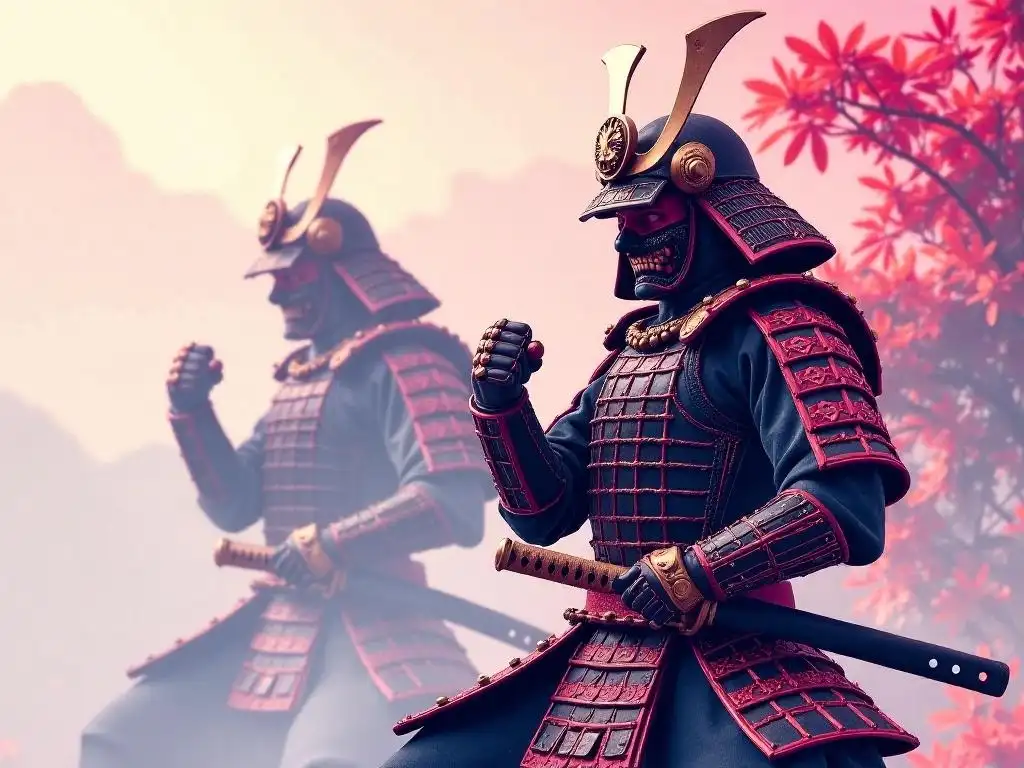
The intricate relationship between martial arts and performance in samurai culture embodies a fascinating duality that intertwines combat and artistry. This duality is particularly evident in the practices of fencing, or kenjutsu, and traditional Japanese dance forms, such as Noh and Kabuki. Both disciplines share a common foundation rooted in discipline, precision, and a deep appreciation for aesthetics. Understanding this relationship allows us to appreciate the multifaceted nature of samurai culture and its lasting impact on Japanese society.
Interconnection Between Fencing and Dance
The connection between fencing and dance in samurai culture goes beyond mere physical movement; it encompasses mental discipline and the expression of emotions. Both practices require:
- Precision and Timing: Just as a dancer must synchronize movements with rhythm, a swordsman must time their strikes and defenses with accuracy to prevail in combat.
- Fluidity and Grace: The elegance of a dance is mirrored in the smooth transitions and fluid movements of a fencer, emphasizing beauty alongside effectiveness.
- Expression of Intent: In both dance and fencing, the ability to convey emotions and intentions through movement is crucial. A skilled practitioner can communicate strength, vulnerability, or aggression, captivating an audience or intimidating an opponent.
This interconnection highlights how samurai martial arts and performance are not disparate entities but rather complementary expressions of the same cultural ethos.
How Samurai Martial Arts Influence Dance Movements
Samurai martial arts have significantly influenced various Japanese dance forms, where the movements and techniques often reflect the principles found in kenjutsu. For example:
- Posture and Stance: The stability and balance crucial in martial arts are mirrored in dance forms. Dancers adopt similar stances that reflect the grounded nature of a samurai preparing for combat.
- Kinetic Expression: The dynamic movements in traditional dances often incorporate stances and strikes reminiscent of martial arts techniques. This can be seen in the way dancers execute turns, jumps, and extensions that parallel the fluid motions of a sword fight.
- Choreographed Combat: Many dance pieces incorporate simulated combat sequences, blending martial arts techniques with artistic expression to narrate stories of valor, honor, and conflict.
This synthesis of martial arts and dance not only enriches the aesthetic experience but also serves as a reminder of the samurai's multifaceted identity as both warriors and artists.
The Role of Discipline and Aesthetics in Both Practices
Discipline stands at the core of both samurai martial arts and performance arts. The rigorous training regimens in kenjutsu instill a sense of focus and perseverance that is equally essential in dance. Key aspects include:
- Mental Fortitude: Practitioners of both disciplines cultivate mental strength, learning to maintain composure under pressure and to channel emotions effectively.
- Aesthetic Appreciation: The beauty inherent in both fencing and dance is celebrated through careful attention to form, movement quality, and the overall visual presentation. This aesthetic is not merely superficial; it reflects a deeper understanding of harmony and balance, values that are integral to samurai philosophy.
The convergence of discipline and aesthetics in samurai martial arts and performance creates a rich tapestry that illustrates the samurai's complex identity. This duality continues to resonate in modern interpretations, influencing contemporary martial artists and performers alike, and ensuring that the legacy of samurai culture endures.
The Cultural Impact of Samurai Martial Arts and Performance
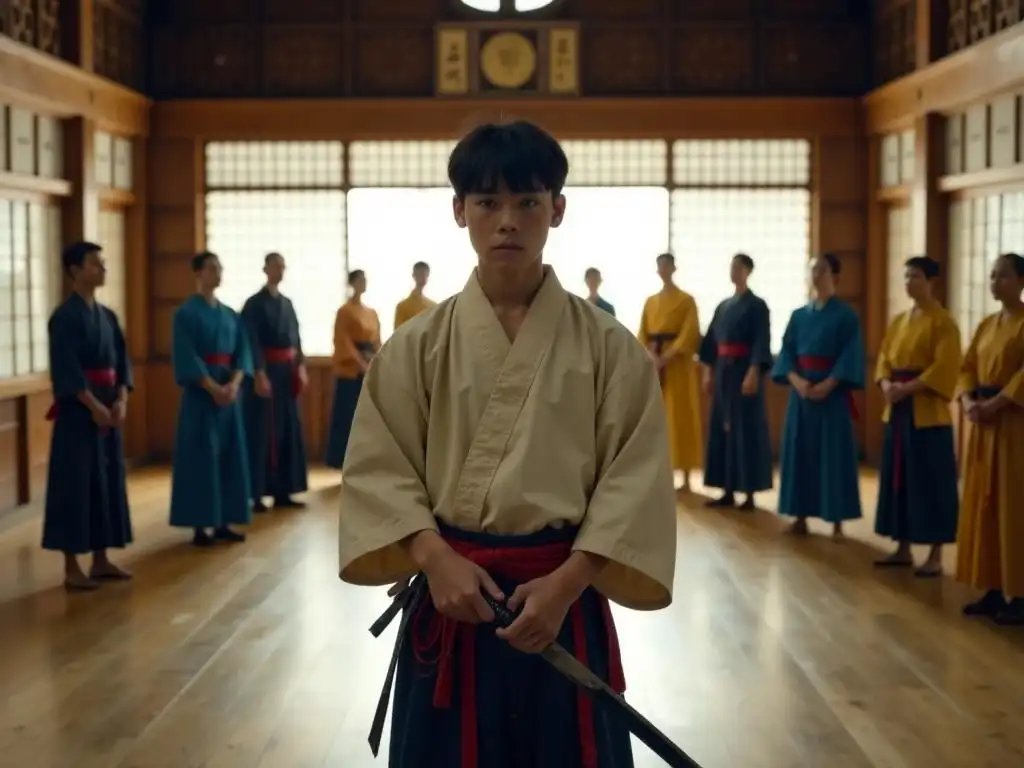
The interplay between martial arts and performance within Samurai culture has left an indelible mark on both historical and contemporary practices in Japan and beyond. This duality reflects not only the skills required for combat but also the artistic expressions that have shaped cultural identities. By exploring the influence of Samurai martial arts and performance, we can better understand their significant cultural impact.
Influence on Modern Martial Arts and Dance
Samurai martial arts have evolved into various modern disciplines, many of which retain the philosophical and technical foundations established during the feudal era. Techniques and practices from traditional martial arts, such as Kenjutsu (swordsmanship) and Iaijutsu (the art of drawing the sword), have been incorporated into contemporary forms like Kendo, Aikido, and even Judo.
- Kendo: This modern martial art emphasizes the spirit of the Samurai, utilizing techniques derived from Kenjutsu while maintaining a strong focus on discipline and respect. Kendo practitioners wear traditional armor and engage in sparring, embodying the Samurai's fighting spirit.
- Aikido: Founded by Morihei Ueshiba, this martial art integrates the philosophy of harmony and self-defense, drawing upon ancient Samurai techniques. Aikido emphasizes fluid movements and the redirection of an opponent's force, mirroring the grace and efficiency of Samurai combat.
In the realm of dance, the influence of Samurai culture is evident in traditional Japanese performance arts such as Noh and Kabuki. These theatrical forms often incorporate elements of martial arts, showcasing the fluidity and precision characteristic of Samurai movements. For example, the choreography in Kabuki may reflect the combat techniques of the Samurai, reinforcing the connection between martial skill and performance art.
Preservation of Samurai Traditions in Contemporary Japan
The legacy of Samurai martial arts and performance continues to thrive in contemporary Japan, where preservation efforts are paramount. Various organizations and schools have dedicated themselves to maintaining these traditions, ensuring that the values and skills associated with Samurai culture are passed down through generations.
- Dojo Culture: Traditional dojos serve as hubs for training in various Samurai martial arts. Here, students learn not only combat techniques but also the underlying philosophies of respect, discipline, and perseverance that characterized the Samurai ethos.
- Festivals and Performances: Cultural events, such as the annual "Katsuura Fire Festival," include demonstrations of traditional martial arts and performances that celebrate Samurai heritage. Participants often don period costumes, reenacting historical battles and showcasing martial skills, thereby keeping the spirit of the Samurai alive in the public consciousness.
Moreover, schools in Japan have integrated martial arts into their physical education programs, allowing younger generations to experience the discipline and artistry of Samurai combat. This educational approach fosters a deeper appreciation for Samurai culture and its historical significance.
The Global Recognition of Samurai Arts
The fascination with Samurai culture has transcended borders, leading to a global recognition of Samurai martial arts and performance. This phenomenon can be attributed to the following factors:
- Media Representation: Films, anime, and video games have played a crucial role in popularizing Samurai martial arts worldwide. Iconic characters and narratives often draw upon traditional combat techniques, captivating audiences and sparking interest in the underlying cultural practices.
- International Competitions: Events such as the World Kendo Championships and the International Aikido Federation have facilitated a global exchange of knowledge and skills. These competitions not only promote the martial arts but also highlight the cultural heritage of the Samurai, fostering a deeper understanding among practitioners from diverse backgrounds.
- Workshops and Seminars: Many martial arts instructors travel internationally, offering workshops that teach the intricacies of Samurai techniques and philosophies. This exchange of knowledge further solidifies the global appreciation for Samurai arts, encouraging practitioners to immerse themselves in the rich history of these disciplines.
The cultural impact of Samurai martial arts and performance is profound and multifaceted. From shaping modern disciplines to preserving traditions in contemporary society, the legacy of the Samurai continues to resonate worldwide, ensuring that their martial prowess and artistic expressions remain celebrated and respected.
Conclusion: The Legacy of Samurai Martial Arts and Performance
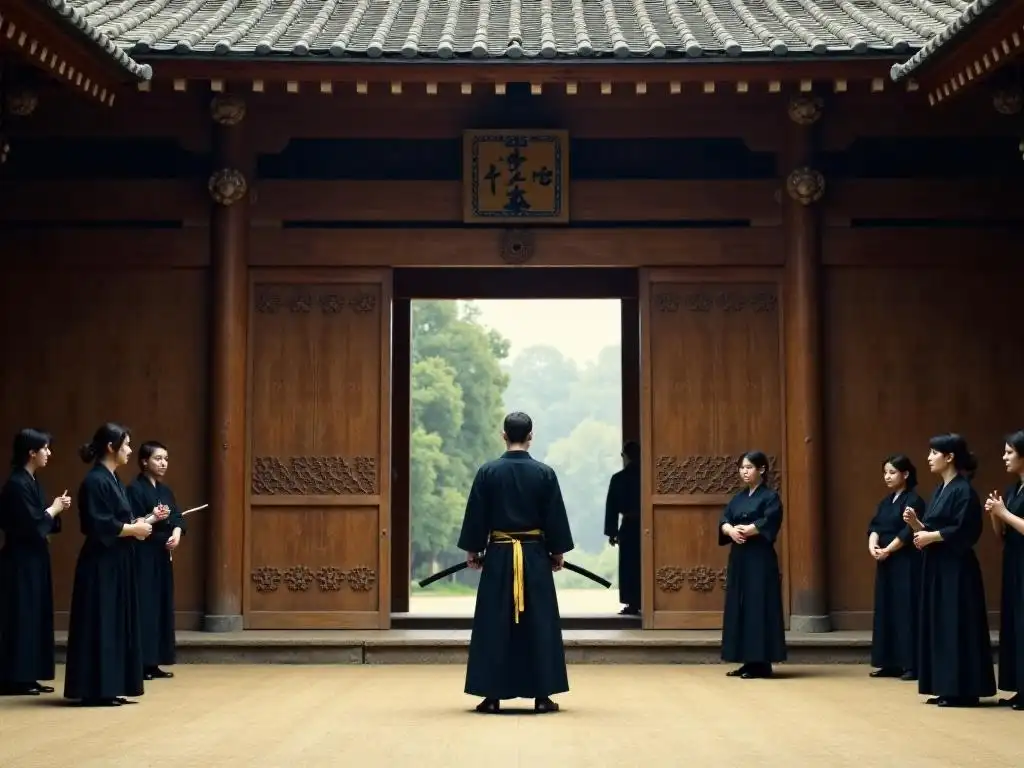
The legacy of samurai martial arts and performance is a testament to the rich cultural tapestry of feudal Japan. This duality is not merely a historical curiosity; it serves as a profound reflection of the values, aesthetics, and philosophies that defined the samurai class. The integration of martial arts and performance art is emblematic of the samurai's belief in the harmony of mind, body, and spirit, which remains influential in contemporary Japanese culture.
Reflection on the Dual Nature of Samurai Culture
The samurai were not only warriors but also custodians of culture and art. Their training in martial arts was complemented by a dedication to the performing arts, including dance, poetry, and Noh theater. This duality can be observed in several ways:
- Martial Arts as Discipline: The rigorous training involved in samurai martial arts, such as Kenjutsu (swordsmanship) and Iaijutsu (the art of drawing the sword), emphasized discipline, focus, and mental fortitude. These qualities were essential for survival in battle.
- Performance as Expression: On the other hand, the performance aspects of samurai culture allowed for emotional and aesthetic expression. Traditional dances, often performed during festivals and ceremonies, were not only entertainment but also portrayed stories of valor, honor, and the samurai's connection to their ancestors.
This intermingling of martial prowess and artistic expression illustrates how samurai culture valued both physical strength and creative sensitivity. As a result, today's martial arts practitioners and performers in Japan often draw inspiration from this historical duality, emphasizing a holistic approach to both disciplines.
Future Perspectives on Martial Arts and Dance in Japan
As we look toward the future, the interplay between martial arts and dance continues to evolve in Japan. Here are some key perspectives on how this duality may develop:
- Cultural Preservation: Organizations dedicated to preserving traditional samurai arts are increasingly important. They offer workshops and educational programs that not only teach techniques but also emphasize the historical context and cultural significance of these practices.
- Modern Interpretations: Contemporary artists and martial artists are blending traditional forms with modern elements, creating innovative performances that resonate with today's audiences. For example, some choreographers are incorporating martial arts into modern dance, showcasing the fluidity and power of samurai techniques.
- Global Influence: The global interest in martial arts has led to a fusion of styles and practices. International practitioners are exploring the connections between samurai martial arts and performance, leading to cross-cultural exchanges that enrich both fields.
- Wellness and Mindfulness: The principles of martial arts, such as discipline and focus, are increasingly recognized for their benefits in mental health and wellness practices. Integrating these principles into dance and performance art can create new avenues for personal growth and community engagement.
The legacy of samurai martial arts and performance remains a vibrant part of Japan's cultural heritage. As we continue to explore this duality, it is clear that the samurai's influence on both martial arts and the performing arts will persist, offering insights into the intricacies of discipline, creativity, and cultural identity in Japan.
References
Suggested Reading on Samurai Martial Arts and Performance
-
"The Book of Five Rings" by Miyamoto Musashi
This classic text, penned by the renowned swordsman Miyamoto Musashi, offers profound insights into the philosophy behind martial arts, blending technique with spiritual understanding. Musashi's reflections on strategy and the mental aspects of combat are essential for anyone interested in the martial arts of the samurai.
-
"Hagakure: The Book of the Samurai" by Yamamoto Tsunetomo
A quintessential samurai text that not only delves into the warrior's code but also discusses the intersection of martial arts and the arts of performance. It presents a reflection on the samurai lifestyle, emphasizing the importance of aesthetics in both combat and daily life.
-
"Samurai: The Last Warrior" by John Man
This book provides an engaging narrative of the samurai's evolution and their dual roles as warriors and cultural figures. The author explores how martial prowess coexisted with artistic expression, offering readers a comprehensive view of samurai society.
-
"The Zen of Swordsmanship" by Taisaburo Yoshida
Focusing on the spiritual and meditative aspects of samurai martial arts, this book illustrates how fencing and dance share a common ground in discipline, precision, and mindfulness, drawing parallels between physical movement and mental clarity.
Notable Sources for Further Exploration of Samurai Culture
-
"The Samurai: A Military History" by Stephen Turnbull
Turnbull provides an exhaustive history of the samurai class, detailing their martial practices and cultural contributions. This work is invaluable for understanding the broader context of samurai martial arts within Japanese history.
-
"Bushido: The Soul of Japan" by Inazo Nitobe
This seminal work outlines the ethical framework of the samurai, merging discussions of martial arts with concepts of honor, loyalty, and aesthetics. Nitobe's exploration of bushido is critical for grasping the motivations behind samurai actions, both in combat and performance.
-
"Samurai Ascendancy: The Rise of the Samurai" by James A. W. Smith
A detailed examination of the samurai's rise to power, this book includes a discussion on their martial techniques and how these influenced Japanese arts, including dance and theater.
-
"The Art of War" by Sun Tzu (translated by various authors)
While not exclusively about samurai, this ancient text is foundational for understanding strategies that influenced samurai martial arts. The principles outlined in this work have permeated Japanese martial philosophy and continue to resonate in both combat and artistic practices.
Frequently Asked Questions
What role did martial arts play in samurai culture?
Martial arts were integral to samurai culture, serving not only as a means of combat training but also as a way to cultivate discipline and spiritual growth.
Fencing, specifically kenjutsu, is a traditional form of sword fighting practiced by samurai, emphasizing both technique and strategy in combat scenarios.
What is the significance of dance in samurai performance?
Dance in samurai culture was more than entertainment; it represented poise, grace, and the artistic expression of martial skills, reflecting a holistic approach to their training.
How did samurai martial arts influence Japanese culture?
The principles of samurai martial arts have deeply influenced Japanese culture, permeating areas such as theater, literature, and philosophy, emphasizing values like honor and discipline.
Are there modern practices that stem from samurai martial arts?
Yes, modern disciplines such as kendo and aikido are directly influenced by samurai martial arts, preserving the techniques and values of the feudal era while adapting them for contemporary practice.
Final Reflection: The Harmonious Dance of Samurai Martial Arts and Performance
The intricate relationship between martial arts and performance in samurai culture is more relevant today than ever, as we seek to understand the balance between discipline and artistry. In a world where the lines between physical prowess and creative expression often blur, the samurai's duality serves as a powerful reminder of the beauty that can emerge from the fusion of strength and grace. This understanding not only enriches our appreciation of historical practices but also invites us to explore the depths of our own capabilities.
The influence of samurai martial arts and performance continues to resonate in contemporary society, shaping our perceptions of discipline, honor, and creativity. The duality embodied by the samurai inspires modern practitioners and performers alike, encouraging them to find their own balance between the rigorous training of martial arts and the expressive freedom of performance. As the renowned martial artist Bruce Lee once said, The successful warrior is the average man, with laser-like focus.
This quote encapsulates the essence of what it means to embody both the warrior's spirit and the artist's heart, reminding us that mastery comes from dedication and passion.
As you reflect on the lessons drawn from the samurai's unique blend of martial arts and performance, consider how you can integrate these principles into your own life. Embrace the challenge of balancing discipline with creativity, and allow yourself to explore the depths of your own potential. Whether through physical practice, artistic expression, or personal growth, let the spirit of the samurai inspire you to cultivate a life that honors both strength and beauty. The journey is yours to embark upon—may it be filled with discovery, resilience, and grace.
Embrace the Art: Ignite Your Passion for Samurai Culture!
Thank you for diving into the fascinating interplay between fencing and dance in the rich tapestry of samurai culture! By exploring this duality, you’ve unearthed the artistry and discipline that defined a pivotal era in history. Now, let’s take that inspiration further and immerse yourself deeper into the world of samurai tradition.
Here are a few actionable steps you can take right now:
- Join a local martial arts class that emphasizes both fencing techniques and the fluidity of movement, blending strength with grace.
- Attend a cultural workshop or event dedicated to traditional Japanese arts, where you can witness live demonstrations and engage with skilled practitioners.
- Share your insights and experiences related to samurai culture on social media to spark conversations and connect with fellow enthusiasts!
What aspect of the samurai’s unique blend of martial and performing arts intrigues you the most, and how do you plan to explore it further?