
Heroes and Villains of the Genpei War: A Closer Look at Key Figures

Welcome to Feudal Japan History, where we embark on an intriguing journey through the captivating world of Japan's feudal era. In this exploration, we delve into the Genpei War, a pivotal conflict that shaped the course of the nation. Join us as we uncover the heroes and villains who played essential roles in this tumultuous period, examining the key figures whose actions and decisions reverberate through history. Are you ready to discover the complex tapestry of alliances, betrayals, and legendary battles? Let’s dive deeper into the stories that defined an era and continue to resonate today.
- Introduction to the Genpei War
- Heroes of the Genpei War
- Villains of the Genpei War
- The Dynamics of Heroism and Villainy
- The Legacy of the Genpei War Key Figures
- Conclusion
- Frequently Asked Questions
- Final Reflection: The Enduring Legacy of the Genpei War's Key Figures
- Unveil the Legends of the Genpei War!
Introduction to the Genpei War
The Genpei War (1180-1185) marks a significant turning point in Japanese history, symbolizing the end of the Heian period and the rise of the samurai class. This conflict between the Taira and Minamoto clans was not merely a battle for power; it was a struggle that encapsulated the shifting dynamics of Japanese society, culture, and politics. Understanding the Genpei War key figures provides invaluable insights into the motivations, strategies, and consequences of this era. With a rich tapestry of heroes and villains, each character contributed to the war's narrative, forever shaping Japan's historical landscape.
Overview of the Genpei War
The Genpei War erupted as a culmination of longstanding rivalries and power struggles between the Taira and the Minamoto clans. Triggered by a power vacuum following the decline of imperial authority, the conflict saw both clans vying for dominance over Japan. The Taira, who were firmly entrenched in the government, and the Minamoto, who sought to challenge their supremacy, engaged in a series of battles that showcased not only martial prowess but also the evolving nature of warfare during this period.
Key events during the Genpei War include:
- The Battle of Uji (1180): The opening clash that set the stage for the larger conflict.
- The Battle of Kurikara (1183): A pivotal victory for the Minamoto that shifted the momentum.
- The Battle of Dan-no-ura (1185): The final confrontation that sealed the fate of the Taira clan.
The war concluded with the decisive victory of the Minamoto, leading to the establishment of the Kamakura shogunate, which would govern Japan for the next century. This transformation marked the beginning of a new era, where military leaders would hold significant power over the imperial court.
Importance of Key Figures in the Conflict
The Genpei War is distinguished not only by its battles but also by the remarkable individuals who played crucial roles in shaping its course. These key figures, both heroes and villains, brought unique motivations, leadership styles, and strategies to the forefront of this conflict. Understanding their contributions allows us to appreciate the complexities of the war and its impact on Japanese history.
Some of the most notable figures include:
- Minamoto no Yoritomo: The ambitious leader of the Minamoto clan, whose strategic acumen and relentless pursuit of power led to the eventual establishment of the Kamakura shogunate.
- Taira no Kiyomori: The formidable head of the Taira clan, whose arrogance and desire for control ultimately contributed to his clan's downfall.
- Minamoto no Yoshitsune: A legendary warrior and younger brother of Yoritomo, known for his tactical brilliance and heroic deeds, which became the stuff of legends.
These characters, among others, not only influenced the outcome of the Genpei War but also left enduring legacies that continue to be explored and celebrated in Japanese culture today. Through a detailed examination of their lives and actions, we can gain a deeper understanding of the broader implications of the Genpei War on Japan's political and social evolution.
Heroes of the Genpei War
Minamoto no Yoritomo: The Rise of a Leader
Minamoto no Yoritomo emerged as a pivotal figure in the Genpei War, leading the Minamoto clan against the Taira clan during this tumultuous period (1180-1185). Born in 1147, Yoritomo was initially exiled by the Taira, but he capitalized on the discontent among the warrior class and rallied support for his cause. His strategic acumen and ability to forge alliances were crucial in establishing a strong base of power.
Yoritomo's leadership style was characterized by a blend of military prowess and political savvy. He effectively utilized the strengths of his followers, integrating various clans into his coalition. His victory in the pivotal Battle of Dan-no-ura in 1185 marked the culmination of the Genpei War, leading to the downfall of the Taira clan. Following this victory, Yoritomo established the Kamakura shogunate, which became the first military government in Japan, setting the foundation for feudal rule.
Key Contributions:
- Strategic Alliances: Yoritomo's ability to unite disparate clans under the Minamoto banner was instrumental in the war's outcome.
- Battle Strategies: His tactical innovations during battles, such as utilizing surprise assaults and terrain advantages, showcased his military genius.
- Political Reforms: Post-war, he implemented significant reforms that centralized power and diminished the influence of the imperial court, changing the course of Japanese governance.
Yoshitsune: The Legendary Warrior
Yoshitsune, the half-brother of Yoritomo, is often romanticized as the quintessential hero of the Genpei War. Born in 1159, he displayed extraordinary martial skills from a young age, earning a reputation as a formidable warrior. His exploits during the war, particularly his victories against the Taira, solidified his status as a legendary figure in Japanese history.
One of Yoshitsune's most notable achievements was his tactical brilliance at the Battle of Ichi-no-Tani, where he executed a daring nighttime raid that led to a significant Minamoto victory. His ability to inspire his troops and lead them into battle with unmatched courage made him a beloved figure among the samurai.
However, Yoshitsune's relationship with Yoritomo was complex. Despite their shared goals, tensions arose as Yoritomo grew wary of his brother's popularity and potential threat to his authority. This culminated in Yoshitsune's tragic downfall, as he became a fugitive, hunted by his brother's forces until his eventual death in 1189.
Noteworthy Achievements:
- Masterful Tactician: His innovative strategies, including the use of terrain and psychological warfare, were key to several Minamoto victories.
- Cultural Icon: Yoshitsune's story has inspired countless works of literature, theater, and art, symbolizing the archetypal hero in Japanese culture.
- Tragic Heroism: His life and death serve as a poignant reminder of the complexities of loyalty and ambition in feudal Japan.
The Role of Other Heroes: Supporting Figures in the Minamoto Clan
While Yoritomo and Yoshitsune are often highlighted as the primary figures of the Genpei War, several supporting heroes played critical roles in the Minamoto clan's success. These individuals, though less celebrated, contributed significantly to the military campaigns and the overall strategies employed during the conflict.
- Minamoto no Noriyori: A cousin of Yoritomo and a capable general, Noriyori commanded troops in several key battles. His leadership at the Battle of Dan-no-ura was instrumental in securing the Minamoto's final victory over the Taira forces.
- Taira no Kiyomori: Although primarily associated with the opposing Taira clan, Kiyomori’s actions and decisions significantly influenced the course of the Genpei War. His overreach and underestimation of the Minamoto’s resolve ultimately led to the Taira's downfall.
- Other Notable Samurai: Various lesser-known samurai and warriors from the Minamoto clan, such as Yoshinaka and Yukiie, contributed their bravery and skills, often leading their own forces to pivotal victories that helped turn the tide against the Taira.
The collective efforts of these heroes, alongside Yoritomo and Yoshitsune, forged a legacy that would shape Japan's political landscape for centuries. Their stories reflect the complexities of loyalty, ambition, and the warrior spirit that defined the Genpei War.
Villains of the Genpei War
The Genpei War (1180-1185), a pivotal conflict in Japanese history, was marked not only by its battles but also by a cast of characters whose actions and motivations shaped its outcome. While heroes often receive the spotlight, the villains of this war played crucial roles in the unfolding drama, embodying ambition, betrayal, and the ruthless pursuit of power. This section delves into some of the key villains, exploring their motivations and the impact they had on the course of the Genpei War.
Taira no Kiyomori: The Ambitious Antagonist
Taira no Kiyomori stands out as one of the most notorious figures in the Genpei War, known for his ambition and ruthless tactics. Rising to power during the late Heian period, Kiyomori was a master strategist, leveraging both military prowess and political acumen to elevate the Taira clan. His ambition culminated in several key actions that would label him as a central villain of the conflict.
- Consolidation of Power: Kiyomori's ascension was marked by the systematic dismantling of rival clans, particularly the Minamoto. His ruthless elimination of adversaries, including the execution of Minamoto leaders, showcased his willingness to engage in violence to secure dominance.
- Control Over the Imperial Court: Kiyomori effectively manipulated the imperial court, installing his daughter as the consort to Emperor Takakura. This maneuver not only fortified his family's power but also positioned him as the de facto ruler of Japan, undermining the authority of the emperor.
- Impact on the War: His overreaching ambition led to widespread resentment, particularly among the Minamoto clan, which fueled the fire of rebellion. Kiyomori's actions ultimately contributed to the Taira's downfall, as the very strategies that elevated them to power sowed the seeds of their destruction.
The Taira Clan: Key Villains and Their Impact
The Taira clan, under Kiyomori's leadership, was a dominant force during the Genpei War, but they were not alone in their villainy. Several key figures within the clan contributed to the dark narrative of this conflict.
- Taira no Tomomori: Kiyomori’s grandson, Tomomori, was instrumental in the battles against the Minamoto. Known for his ferocity in combat, he played a pivotal role in several key battles, including the infamous naval conflict at Dan-no-ura. His unwavering loyalty to the Taira, combined with a fierce reputation, solidified his status as a significant antagonist in the war.
- Taira no Shigehira: Another prominent member of the Taira clan, Shigehira was known for his valiant efforts during the war. However, his pride and refusal to negotiate with the Minamoto led to catastrophic losses for the Taira, ultimately contributing to their downfall. His insistence on fighting to the bitter end amplified the clan's villainous image.
- Legacy of the Taira Clan: The actions of the Taira clan, driven by ambition and power struggles, left a lasting impact on Japanese history. Their downfall marked the end of the Heian period and the rise of the Kamakura shogunate, transforming the political landscape of Japan.
Betrayals and Conflicts: Villainy in the Genpei War
The Genpei War was not just a battle between opposing clans but also a tapestry of betrayal and shifting allegiances. The conflict was riddled with acts of treachery that defined the nature of villainy during this tumultuous period.
- Internal Strife: Betrayals within the Taira clan itself revealed the fragility of their power. Rivalries and personal ambitions often led to conflicts that weakened their unity. Notably, some members sought alliances with the Minamoto, showcasing the treachery that existed even among the ranks of purported allies.
- Minamoto Betrayals: The Minamoto clan, while often seen as the heroes of the story, were not without their own acts of villainy. Strategic betrayals, including the defection of key Taira supporters to the Minamoto side, played a vital role in shifting the war's momentum. These acts were driven by personal gain and the desire for revenge against the Taira's oppressive regime.
- Cultural Reflections: The betrayals and conflicts of the Genpei War have been immortalized in various forms of Japanese literature and theater, particularly in the Heike Monogatari and Nō plays. These works portray the complex emotional landscape of loyalty, betrayal, and the consequences of ambition, serving as a reminder of the multifaceted nature of villainy during this era.
In examining the villains of the Genpei War, it becomes evident that ambition, betrayal, and conflict were intrinsic to the narrative of this critical period in Japanese history. The actions of figures like Taira no Kiyomori and the Taira clan not only shaped the outcome of the war but also left an indelible mark on Japan's political landscape, highlighting the dark side of power struggles in feudal society.
The Dynamics of Heroism and Villainy
The Genpei War, a pivotal conflict that took place between 1180 and 1185, not only shaped the political landscape of Japan but also gave rise to a rich tapestry of characters, each embodying the dynamics of heroism and villainy. This era saw the rise of the samurai class and the establishment of the Kamakura Shogunate, with key figures whose actions were marked by valor, betrayal, loyalty, and ambition. The blurred lines between heroism and villainy in this context prompt a deeper examination of how these individuals were perceived during and after the war.
The Complexity of Character: Heroes and Villains Intertwined
In the narrative of the Genpei War, characters often oscillate between the roles of hero and villain, shaped by their decisions and the perspectives of those chronicling their deeds. For instance, Minamoto no Yoritomo, heralded as a hero for his leadership in the Minamoto clan's fight against the Taira, also displayed ruthless tendencies in consolidating power. His strategic brilliance and martial skills earned him admiration, yet his methods in dealing with enemies and rivals could be perceived as villainous.
Conversely, Taira no Kiyomori, often vilified for his arrogance and tyranny, also showed moments of profound leadership and loyalty to his clan. His initial successes in the war were overshadowed by his later failures and the perception of his overwhelming ambition as a source of strife. This juxtaposition of traits illustrates how the context of the Genpei War could frame an individual as either a hero or a villain based on the prevailing narratives.
The interplay of heroism and villainy is further complicated by the impact of historical accounts. The Heike Monogatari, an epic recounting of the Taira clan's downfall, portrays Kiyomori as a tragic figure, invoking sympathy even as it highlights his flaws. In contrast, Yoritomo's legacy, preserved through samurai lore, often emphasizes his role as the archetypal hero. This duality emphasizes the notion that the same actions can be interpreted through varying lenses depending on the storyteller's bias.
Moral Ambiguities in the Genpei War Key Figures
The Genpei War key figures are enveloped in moral ambiguities that challenge the simplistic categorization of heroes and villains. A key example is Nasu no Yoichi, a celebrated archer of the Minamoto clan, whose legendary shot that struck the enemy’s fan is emblematic of martial prowess and valor. However, his actions were also rooted in the broader conflict of war, where the act of killing for glory raises ethical questions about the nature of heroism in warfare.
Similarly, Fujiwara no Yoshitsune, revered for his tactical genius and bravery, faced condemnation from some quarters for his defiance against established authority, namely his brother Yoritomo. His eventual downfall further complicates his legacy, as he is both a hero to the oppressed and a villain to those who valued loyalty to familial bonds and clan hierarchy.
The Genpei War also highlighted the role of women, such as Tomoe Gozen, who defied gender norms of the time by fighting valiantly on the battlefield. Her depiction oscillates between that of a fierce warrior and a tragic figure, reflecting the complexities of her character in a deeply patriarchal society.
This moral ambiguity continues to provoke discussions among historians and enthusiasts of Feudal Japan History. The Genpei War serves as a reminder that historical narratives are often multi-faceted, with figures who embody both heroism and villainy, reflecting the intricate human emotions and motivations at play during this tumultuous period.
As we delve deeper into the lives of these key figures, it becomes evident that the legacies of the Genpei War are not simply tales of good versus evil, but rather intricate stories of ambition, betrayal, and the human condition itself.
The Legacy of the Genpei War Key Figures
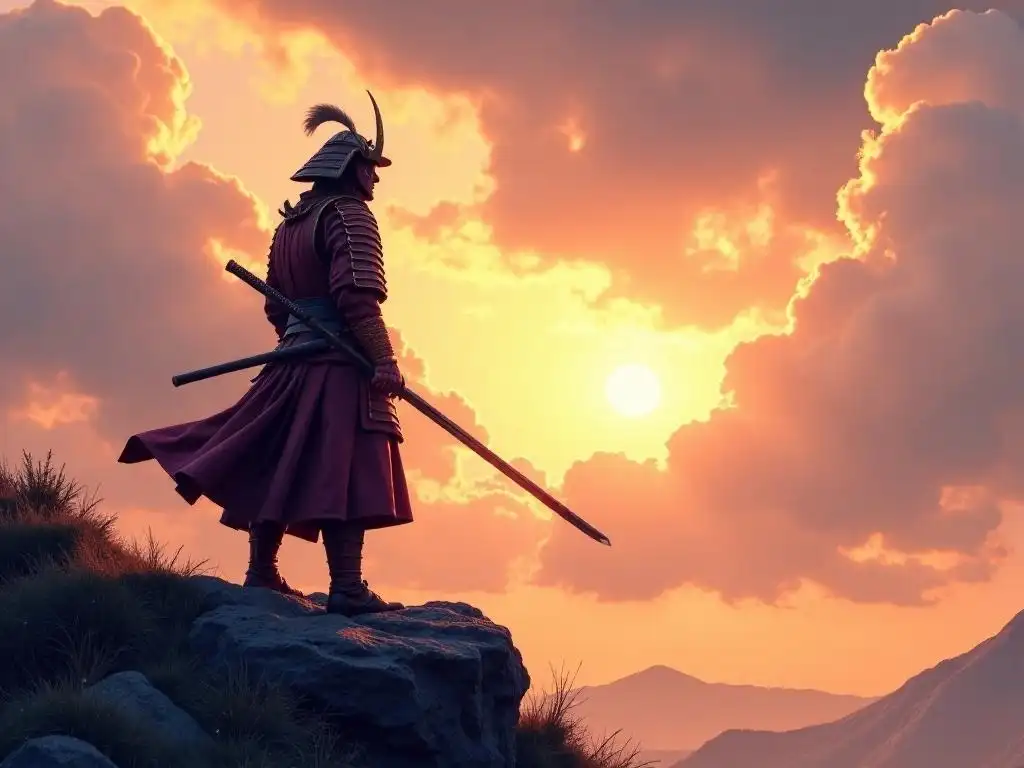
Historical Impact on Feudal Japan
The Genpei War (1180-1185) was a significant conflict between the Taira and Minamoto clans that shaped the political landscape of Japan, marking the transition from the Heian period to the Kamakura period. The key figures of this war, such as Minamoto no Yoritomo and Taira no Kiyomori, played crucial roles that not only influenced the outcome of the conflict but also set the foundation for the future governance of Japan.
Minamoto no Yoritomo
Minamoto no Yoritomo emerged as a pivotal leader during the Genpei War. His strategic acumen and military prowess led to several critical victories, including the decisive Battle of Dan-no-ura. Following his victory, Yoritomo established the Kamakura shogunate in 1192, effectively laying the groundwork for military governance in Japan. This marked a significant shift from the aristocratic Heian rule toward a feudal system that emphasized loyalty to the shogunate and samurai class.
- Key Contributions:
- Established the first shogunate, which centralized military power.
- Implemented a system of land management that empowered samurai and created a loyal military class.
- Fostered a new political structure that diminished the power of the imperial court.
Taira no Kiyomori
On the opposing side, Taira no Kiyomori was instrumental in the Taira clan's early successes. His rise to power exemplified the wealth and influence that could be achieved through military might and strategic alliances. Kiyomori's reign saw the consolidation of power within the Taira clan, but his aggressive tactics and arrogance ultimately led to their downfall.
- Key Contributions:
- Expanded Taira influence through successful military campaigns.
- Strengthened the clan’s economic power, which allowed for cultural patronage.
- His downfall serves as a cautionary tale about the perils of overreaching ambition in feudal politics.
The legacy of these key figures extends beyond their immediate military achievements; they set the stage for the samurai culture that would dominate Japanese society for centuries. The feudal system established during and after the Genpei War created a societal framework that emphasized loyalty, honor, and the warrior code, which would resonate throughout Japanese history.
Cultural Representations of Heroes and Villains in Literature and Art
The Genpei War has also left an indelible mark on Japanese culture, inspiring countless works of literature and art that portray its heroes and villains. These representations not only reflect the historical figures involved but also encapsulate the values and ideals of the time.
Literature
Epic tales such as the "Heike Monogatari" (The Tale of the Heike) narrate the events of the Genpei War, presenting both Taira and Minamoto figures as complex characters embodying virtues and flaws.
- Minamoto no Yoshitsune: Often depicted as a tragic hero, his bravery and tactical genius are celebrated, while his relationship with his brother Yoritomo adds layers of familial conflict, exploring themes of loyalty and betrayal.
- Taira no Kiyomori: His portrayal often oscillates between a tyrant and a noble leader, reflecting societal views on power and its consequences.
Art
Visual representations of the Genpei War have also flourished, particularly in ukiyo-e woodblock prints and paintings. These artworks often glorify battles, showcasing the valor of heroes and the tragic fates of their adversaries.
- Symbolism: The use of colors and dramatic poses in these artworks often serves to highlight the emotional weight of the conflict—red for blood and valor, blue for loyalty and sorrow.
- Cultural Significance: Art serves as a medium to immortalize the figures of the Genpei War, influencing generations' perceptions of heroism and villainy.
The cultural legacy of the Genpei War key figures is deeply embedded in Japan’s historical narrative, influencing literature, art, and the broader understanding of feudal values. The interplay of heroism and villainy in these representations invites ongoing reflection on the moral complexities of power and conflict.
Conclusion
Reflection on the Key Figures of the Genpei War
The Genpei War (1180-1185) stands as a pivotal conflict in Japanese history, not only for its military significance but also for the profound impact of its key figures. The war was characterized by the fierce rivalry between the Taira and Minamoto clans, whose leaders exemplified both heroism and villainy.
Key Figures and Their Legacy:
- Minamoto no Yoritomo: As the primary leader of the Minamoto clan, Yoritomo's strategic brilliance and leadership were key to their eventual victory. His establishment of the Kamakura shogunate marked the beginning of a new era in Japanese governance.
- Taira no Kiyomori: A formidable adversary, Kiyomori's ambition and ruthlessness made him a villain in the eyes of many. His downfall serves as a cautionary tale of power unchecked by wisdom.
- Minamoto no Yoshitsune: Often celebrated as a heroic figure, Yoshitsune's tactical prowess in battles like the Battle of Dan-no-ura cemented his legacy. His story transcends the war, embodying the archetype of the tragic hero in Japanese folklore.
These figures not only shaped the course of the Genpei War but also defined the moral and ethical narratives that emerged from the conflict. The contrasting traits of these heroes and villains reflect the complexities of loyalty, honor, and ambition in feudal Japan.
The Enduring Influence of Heroes and Villains in Japanese History
The legacies of the key figures from the Genpei War continue to resonate in Japanese culture and history. Their stories have influenced literature, theater, and even modern media, highlighting the themes of heroism and betrayal that are timeless in human experience.
Cultural Impact:
- Literature and Theater: The tales of Yoritomo, Kiyomori, and Yoshitsune have inspired countless works, from The Tale of the Heike to Noh and Kabuki plays, where their narratives are retold and reinterpreted.
- Modern Media: Today, the characters and events of the Genpei War are frequently depicted in films, anime, and video games, showcasing the enduring fascination with these historical figures.
- Historical Reflection: The dichotomy of heroes and villains in the Genpei War serves as a lens through which to examine contemporary issues of leadership and morality in Japan. The lessons learned from these historical figures remain relevant, encouraging discussions about power dynamics and ethical governance.
The Genpei War key figures exemplify the complexities of human nature, and their stories continue to shape the cultural and historical landscape of Japan. Their enduring influence serves as a reminder of the lessons that history can teach us about heroism, villainy, and the intricate tapestry of societal values.
Frequently Asked Questions
What was the Genpei War?
The Genpei War was a conflict between the Minamoto and Taira clans in late 12th-century Japan, marking a significant shift from imperial rule to military governance.
Who are the key figures of the Genpei War?
Key figures include Minamoto no Yoritomo, the leader of the Minamoto clan, and Taira no Kiyomori, a prominent Taira leader, both of whom played pivotal roles in shaping the war's outcome.
What were the main causes of the Genpei War?
The war resulted from political strife, power struggles among noble families, and the declining influence of the imperial court, leading to a fight for dominance over Japan.
How did the Genpei War impact Japanese society?
The conflict led to the establishment of the Kamakura shogunate, changing the political landscape of Japan and initiating a period of military rule that affected social structures and cultural development.
Are there any notable battles from the Genpei War?
Yes, notable battles include the Battle of Dan-no-ura, which was a decisive naval battle that ultimately determined the fate of the Taira clan, marking the end of the war and the rise of the Minamoto clan.
Final Reflection: The Enduring Legacy of the Genpei War's Key Figures
The Genpei War, a pivotal conflict in Japanese history, continues to resonate today as we explore the complexities of heroism and villainy. The figures who emerged from this tumultuous period not only shaped the course of Japan's political landscape but also left behind narratives that challenge our understanding of morality and leadership. As we reflect on the actions and motivations of these key figures, we recognize that their legacies are not confined to the past; they echo in the values and conflicts we face in our contemporary world.
The stories of the Genpei War's key figures serve as a mirror reflecting our own societal struggles and aspirations. From the valor of Minamoto no Yoshitsune to the cunning of Taira no Kiyomori, these characters embody the duality of human nature and the complexities of power dynamics. Their tales remind us that history is not merely a collection of dates and events but a rich tapestry of human experience. As historian John W. Hall aptly stated, History is not just what happened; it is also how we interpret what happened.
This interpretation shapes our cultural narratives and influences our understanding of leadership and morality today.
As we conclude our exploration of the Genpei War's key figures, I invite you to reflect on the lessons these historical narratives impart. Consider how the themes of loyalty, ambition, and the struggle for power resonate in your own life. Whether in personal relationships, professional endeavors, or societal engagement, the choices we make can echo through time, just as those of Yoshitsune and Kiyomori have. Embrace the opportunity to learn from their stories, and let them inspire you to navigate your own path with courage and integrity.
Unveil the Legends of the Genpei War!
Thank you for diving into the world of the Genpei War and exploring the heroes and villains who shaped this pivotal moment in feudal Japan's history. Your time spent here enriches our understanding of these remarkable figures and their legacies. Now, it’s your turn to deepen this journey—let’s take action!
- Join our community: Connect with other history enthusiasts by sharing your thoughts on your favorite figure from this era in the comments below.
- Share the knowledge: Spread the word by sharing this article with friends or on social media to inspire others to learn about the complexities of the Genpei War.
- Explore further: Discover more about the cultural and historical context of this fascinating conflict by checking out our related articles.
What insights about the Genpei War would you share to inspire a new generation of historians?