
Cherry Blossom Festivals: A Cultural Symbol of Renewal in Feudal Japan

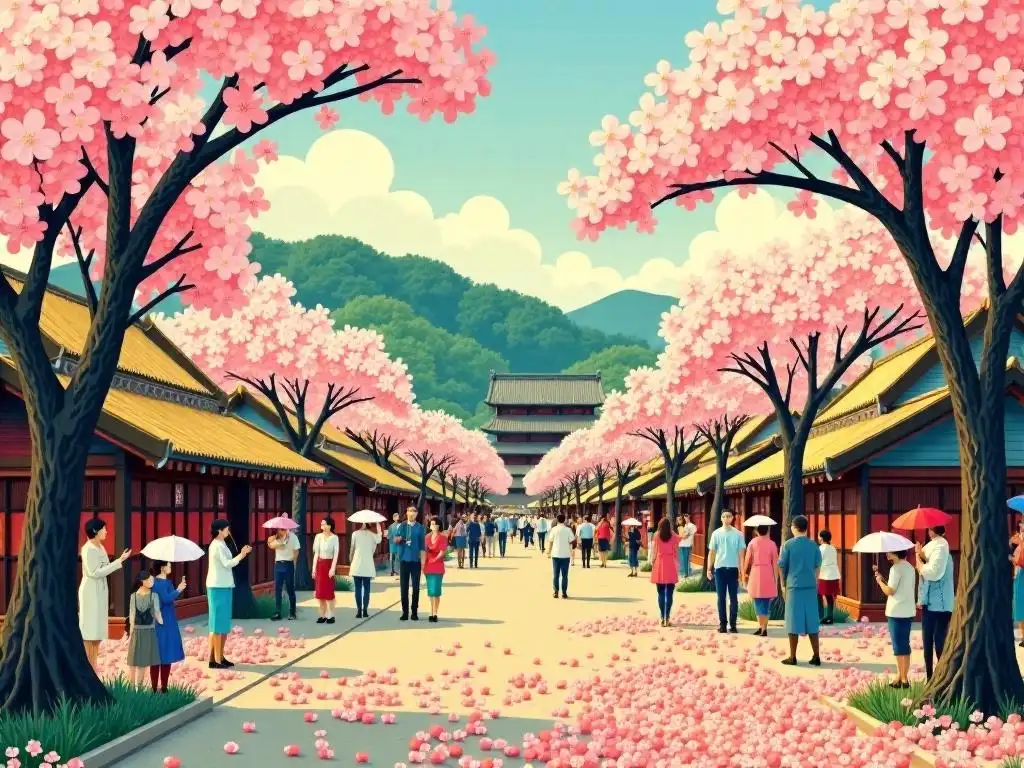
Welcome to Feudal Japan History, where we invite you to embark on a fascinating journey through the intricate tapestry of Japan’s feudal era. Here, history comes alive as we delve into the cultural and societal nuances that shaped this remarkable period. In our featured article, "Cherry Blossom Festivals: A Cultural Symbol of Renewal in Feudal Japan," we explore the enchanting traditions surrounding these festivals that embody the essence of renewal and beauty.
What secrets do these blossoms hold, and how did they influence the lives of those in feudal society? Join us as we uncover the captivating stories behind the petals and discover the profound significance of these celebrations. Your adventure into the rich history of feudal Japan starts here!
-
Cherry Blossom Festivals in Feudal Japan: An Overview of Cultural Significance
- The Historical Context of Cherry Blossom Festivals
- Cultural Symbolism of Cherry Blossoms
- Celebrations and Traditions Surrounding Cherry Blossom Festivals
- Key Rituals and Practices During Cherry Blossom Festivals
- Regional Variations of Cherry Blossom Celebrations in Feudal Japan
- The Influence of the Samurai on Cherry Blossom Festivals
- Artistic Expressions Inspired by Cherry Blossom Festivals
- Literature and Poetry: Celebrating Cherry Blossoms
- Visual Arts: Paintings and Prints of Cherry Blossom Festivals
- The Legacy of Cherry Blossom Festivals in Modern Japan
- Continuation of Traditions: Cherry Blossom Festivals Today
- Cherry Blossom Festivals as a Cultural Heritage
- Conclusion: The Enduring Symbol of Renewal in Japanese Culture
- Frequently Asked Questions
- Final Reflection: Embracing Renewal Through Cherry Blossom Festivals
- 🌸 Embrace the Beauty: Join the Cherry Blossom Movement!
Cherry Blossom Festivals in Feudal Japan: An Overview of Cultural Significance
The Cherry Blossom Festivals, or Hanami, are a quintessential aspect of Japanese culture, deeply rooted in the historical and social fabric of feudal Japan. These festivals celebrate the blooming of cherry blossoms, symbolizing the transient beauty of life and the cyclical nature of existence.
In an era characterized by samurai codes, agricultural practices, and shifting political landscapes, the appreciation of cherry blossoms transcended mere aesthetics, becoming a profound cultural phenomenon that encapsulated both hope and reflection. As we delve into the significance of these festivals, we will explore their historical context, cultural symbolism, and the intricate ways in which they influenced Japanese society during the feudal period.
The Historical Context of Cherry Blossom Festivals
Origins of Cherry Blossom Appreciation in Japan
The tradition of cherry blossom appreciation dates back over a thousand years, with its roots deeply embedded in Japanese history. The earliest records of Hanami can be traced to the Nara period (710-794), when aristocrats would gather under blooming cherry trees to compose poetry and enjoy nature. The practice gained prominence during the Heian period (794-1185), particularly among the elite, where it became associated with refined aesthetics and cultural sophistication.
As time progressed, the appreciation for cherry blossoms spread beyond the aristocracy, becoming a popular activity among the general populace during the feudal era. The samurai class, in particular, found solace and inspiration in the ephemeral nature of the blossoms, often reflecting their own values of honor and duty. This connection between cherry blossoms and the samurai ethos further solidified the festivals' significance in Japanese culture.
The Role of Cherry Blossoms in Feudal Society
In feudal Japan, cherry blossoms played a multifaceted role in society. Beyond their aesthetic appeal, the blossoms served as a reminder of the fleeting nature of life, resonating deeply with the samurai's bushido code, which emphasized the importance of living honorably and embracing mortality. Festivals often involved communal gatherings, where people would share food, drink, and poetry, reinforcing social bonds and fostering a sense of community.
Moreover, the timing of the cherry blossom bloom was closely tied to agricultural practices. Farmers would use the arrival of cherry blossoms as an indicator of seasonal changes, marking the start of the planting season. As such, the festivals represented not only a celebration of beauty but also a vital connection to the cycle of life and the agricultural calendar.
Cultural Symbolism of Cherry Blossoms
Cherry Blossoms as a Metaphor for Life and Death
Cherry blossoms are often regarded as a poignant metaphor for life and death in Japanese culture. Their brief, beautiful bloom symbolizes the transient nature of life; just as the blossoms flourish for a short time before falling, so too do human lives ebb and flow. This duality reflects a profound acceptance of mortality, encouraging individuals to appreciate the present moment.
This metaphor extends to the samurai, who embraced the idea of mono no aware, a sensitivity to the ephemeral beauty of life. As they gathered to celebrate the cherry blossoms, they were reminded of their own mortality and the importance of living with purpose and honor. Thus, cherry blossom festivals became a space for reflection, allowing participants to confront the cycles of life and death.
The Influence of Cherry Blossom Festivals on Japanese Aesthetics
The visual and thematic elements of cherry blossoms have significantly influenced Japanese aesthetics, shaping art, literature, and design throughout history. The delicate beauty of the blossoms has inspired countless artists and poets, leading to an explosion of creative expression during the feudal era.
In art, cherry blossoms are often depicted in paintings, textiles, and ceramics, serving as a prominent motif that encapsulates the essence of Japanese beauty. In literature, poets like Matsuo Bashō celebrated the blossoms in their works, capturing the fleeting moments of beauty that define human experience. Furthermore, architectural designs often incorporate cherry blossoms, creating harmonious spaces that reflect the natural world and its transient beauty.
Overall, the cultural significance of cherry blossom festivals in feudal Japan reflects a deep appreciation for nature, community, and the profound connections between life, death, and beauty. As we explore the various dimensions of these festivals, it becomes clear that they are not merely celebrations of flora, but rather a rich tapestry of historical, social, and artistic expressions that continue to resonate in contemporary Japan.
Celebrations and Traditions Surrounding Cherry Blossom Festivals
Cherry blossom festivals, or "hanami," were not merely social gatherings in feudal Japan; they represented a profound connection between nature and the cultural identity of the people. These festivals often took place in spring, coinciding with the blooming of cherry trees, and marked a season of renewal and hope. Festivities typically involved gatherings of family and friends beneath blooming cherry trees, where people would enjoy food, drink, and poetry, appreciating the transient beauty of the blossoms.
During these celebrations, various activities were common, such as traditional music performances, dance, and even theatrical shows. Food was an essential aspect of these festivals; special dishes were prepared, often including seasonal delicacies like sakura mochi (sweet rice cakes wrapped in cherry blossoms) and sake, which was consumed in abundance. This communal experience fostered a sense of unity and appreciation for the fleeting nature of life, encapsulated by the short-lived cherry blossoms.
Key Rituals and Practices During Cherry Blossom Festivals
The rituals and practices associated with cherry blossom festivals were deeply rooted in Shinto beliefs and the reverence for nature. One of the primary rituals involved the "matsuri," or festival, where offerings were made to deities to ensure a good harvest and to express gratitude for the beauty of nature. Families would set up picnic spots under the cherry trees and engage in various traditional activities, including:
- Poetry Recitation: Participants would compose and share haiku or tanka poems inspired by the beauty of the blossoms.
- Tea Ceremonies: Some festivals included serene tea ceremonies, emphasizing mindfulness and connection to nature.
- Processions: Some regions would host parades featuring floats adorned with cherry blossoms, showcasing local traditions and crafts.
These practices highlighted the blend of spiritual reverence and community celebration, encapsulating the essence of feudal Japanese culture.
Regional Variations of Cherry Blossom Celebrations in Feudal Japan
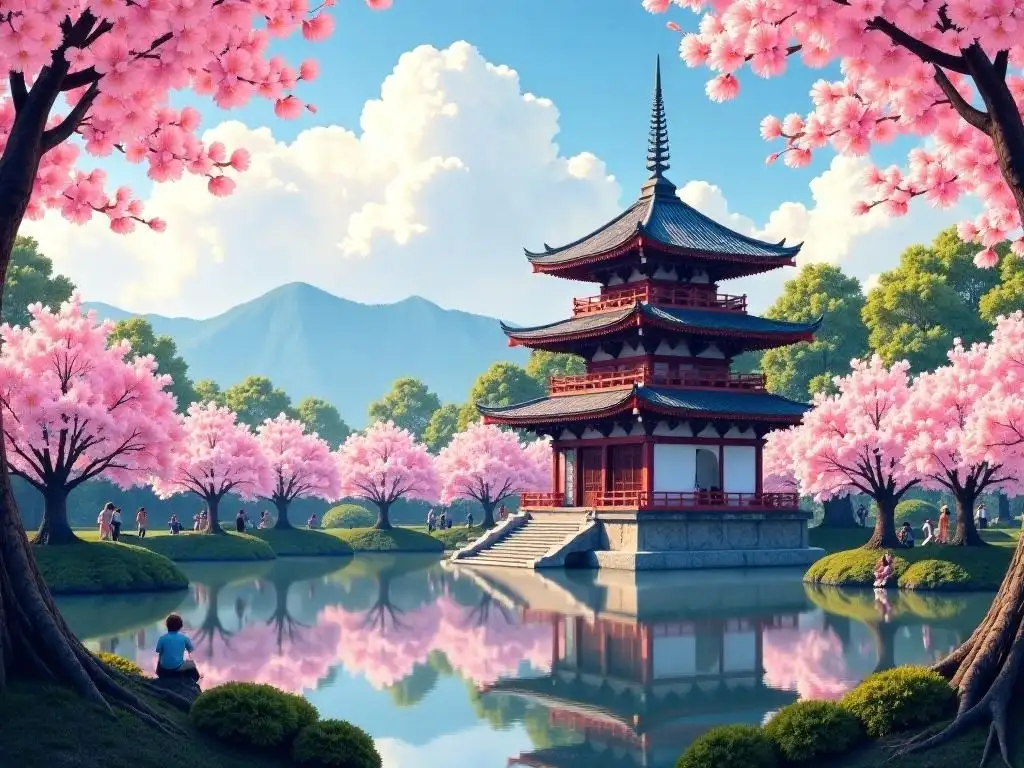
While the concept of hanami was widespread, regional variations existed throughout Japan, reflecting local customs, beliefs, and practices. For instance:
- Kyoto: Known for its grand cherry blossom gardens, the celebrations here often included elaborate performances of traditional music and dance, with a heavy emphasis on aesthetics and refinement.
- Edo (Tokyo): The Edo period saw the popularity of cherry blossom viewing parties among the merchant class, leading to boisterous gatherings with food stalls and entertainment, showcasing a more vibrant and festive atmosphere.
- Hokkaido: In the northern regions, cherry blossoms bloomed later, leading to unique rituals that incorporated local flora and fauna, emphasizing the connection of the blossoms to the seasonal changes in the environment.
These variations not only illustrate the diversity of cultural expressions within feudal Japan but also highlight the local adaptations of a shared national symbol.
The Influence of the Samurai on Cherry Blossom Festivals
The samurai class profoundly influenced cherry blossom festivals, intertwining their values and philosophies with the existing cultural practices. As the elite warrior class, samurai were often seen as custodians of Japanese culture, promoting the significance of cherry blossoms as symbols of honor, courage, and the transient nature of life. Their participation in these festivals elevated the status of hanami, transforming it into a more formal and revered occasion.
How Samurai Culture Shaped Festival Practices
Samurai culture emphasized principles such as loyalty, honor, and the acceptance of mortality, which resonated deeply with the ephemeral nature of cherry blossoms. During festivals, samurai would often engage in poetic recitations, using the beauty of the blossoms as a metaphor for life’s fleeting moments. This association led to the creation of various ceremonial practices, including:
- Sword Displays: Exhibiting swords and martial skills beneath cherry trees became a way for samurai to demonstrate their prowess while celebrating the beauty of nature.
- Artistic Expression: Many samurai were also patrons of the arts, encouraging the creation of paintings, calligraphy, and poetry that celebrated cherry blossoms, thus embedding these themes into the cultural fabric of the time.
These practices not only reinforced the samurai’s bond with nature but also ensured that cherry blossom festivals were imbued with deeper philosophical meanings.
Cherry Blossom Festivals as a Reflection of Samurai Values
Cherry blossom festivals served as a poignant reflection of samurai values, particularly the ideal of "mono no aware," or the awareness of the impermanence of things. This concept resonated with the samurai's understanding that life, much like the blossom, is beautiful yet fleeting. The gatherings allowed samurai to express their appreciation for beauty while confronting the realities of life’s transience.
Moreover, these festivals became a means for samurai to display their social status and cultural sophistication. By engaging in hanami, samurai reinforced their connection to nature, demonstrated their knowledge of poetry and art, and embodied the values of their class. Thus, cherry blossom festivals were not only cultural celebrations but also a canvas for the samurai to express their identity, honor, and philosophical beliefs, leaving an indelible mark on Japan’s cultural history.
Artistic Expressions Inspired by Cherry Blossom Festivals
The beauty of cherry blossoms, or sakura, has long captivated the hearts and minds of the Japanese people, leading to a rich tapestry of artistic expressions throughout the feudal era. Cherry blossom festivals served not only as occasions for celebration but also as profound sources of inspiration for various forms of art. From literature to visual arts, these festivals encapsulated the ephemeral beauty of life and the transient nature of existence, themes deeply embedded in Japanese culture.
The aesthetics of cherry blossoms symbolize renewal and the fleeting nature of beauty, which resonated deeply in the artistic expressions of the time. Artists and poets alike sought to capture the essence of these blossoms, creating works that celebrated the arrival of spring and the joy of new beginnings. The festivals provided a backdrop for these creative endeavors, infusing them with a sense of community and shared experience.
Literature and Poetry: Celebrating Cherry Blossoms
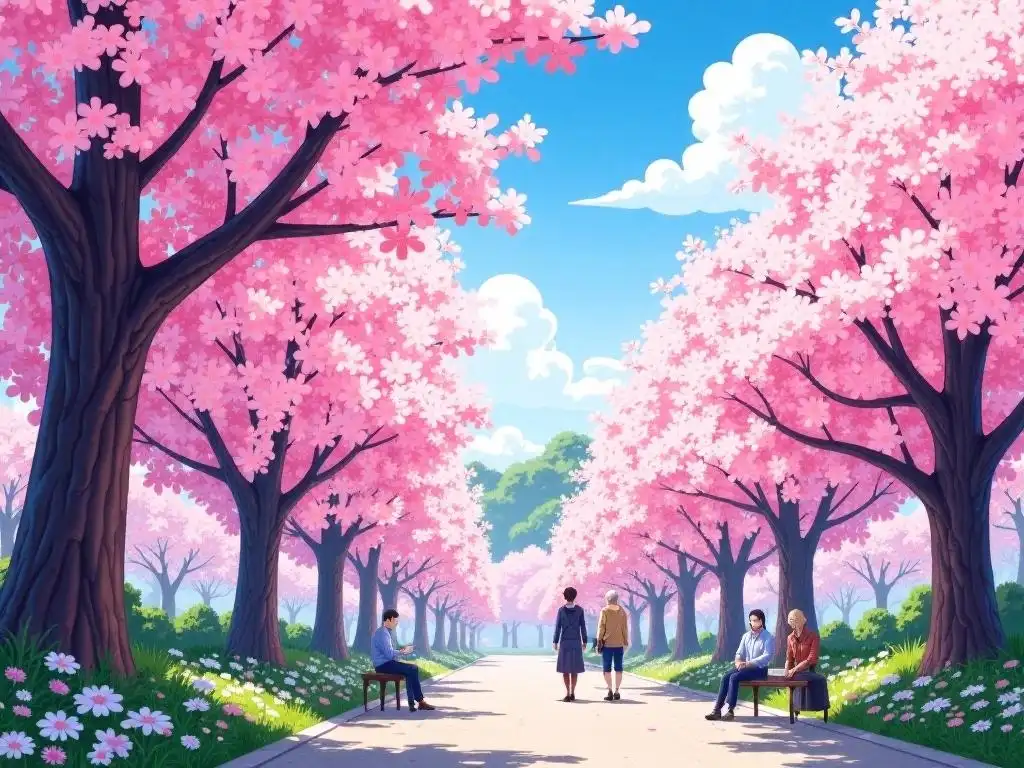
Cherry blossom festivals greatly influenced Japanese literature and poetry, particularly in the form of haiku and waka. Poets like Matsuo Bashō and Yosa Buson penned verses that reflected the beauty of sakura in bloom, often intertwining personal reflections with observations of the natural world. For instance, Bashō's famous haiku:
An old silent pond...
A frog jumps into the pond,
Splash! Silence again.
While not directly about cherry blossoms, this poem exemplifies the connection between nature and fleeting moments, themes prevalent in works celebrating cherry blossoms.
During the feudal era, poets would compose verses during hanami (flower viewing) gatherings, where people would gather under cherry trees to appreciate the blossoms. This practice created a communal atmosphere, fostering a sense of connection among participants. Literary works often depicted the beauty of the blossoms in conjunction with the changing seasons, emphasizing the impermanence of life—a central tenet in Japanese culture.
Visual Arts: Paintings and Prints of Cherry Blossom Festivals
The visual arts flourished during the feudal period, and cherry blossom festivals served as a prominent subject for painters and printmakers. Ukiyo-e, a genre of woodblock prints, became particularly popular, showcasing scenes of cherry blossoms in full bloom. Artists like Katsushika Hokusai and Utagawa Hiroshige created iconic pieces that captured the beauty of cherry blossoms against the backdrop of everyday life in Edo-period Japan.
One notable print by Hiroshige, "Cherry Blossoms at Yoshino," exemplifies the delicate beauty of sakura and its integration into the landscape. These artworks not only celebrated the beauty of cherry blossoms but also reflected the cultural significance of the festivals as communal events. The vibrant colors and intricate details in these works invited viewers to partake in the experience of hanami, fostering a deep appreciation for nature's ephemeral beauty.
Moreover, paintings often depicted the rituals and festivities surrounding cherry blossom viewing, illustrating the harmony between nature and human activities. This artistic focus helped to solidify the cherry blossom's status as a cultural symbol, representing renewal, beauty, and the passage of time in Japanese society.
The Legacy of Cherry Blossom Festivals in Modern Japan
As Japan transitioned into the modern era, the legacy of cherry blossom festivals continued to thrive, evolving into a celebration that resonates with contemporary society. These festivals have maintained their significance, drawing millions of visitors each year to parks and gardens across the country. The enduring appeal of cherry blossoms as a cultural symbol of renewal speaks to the strength of tradition in Japanese society.
Continuation of Traditions: Cherry Blossom Festivals Today
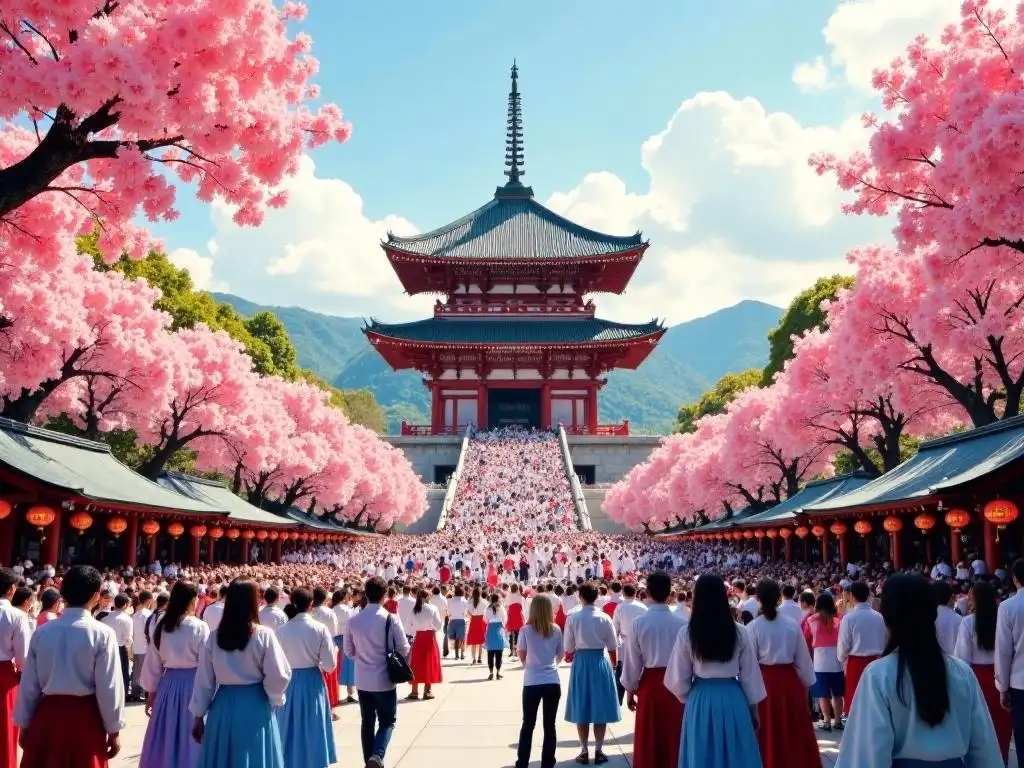
Today, cherry blossom festivals are celebrated with enthusiasm across Japan, particularly in urban areas such as Tokyo and Kyoto. Events often feature food stalls, traditional performances, and activities that bring communities together to celebrate the arrival of spring. Hanami parties remain a cherished tradition, where families and friends gather under blooming cherry trees, sharing food and drinks while enjoying the beauty of the blossoms.
In addition to local celebrations, cherry blossom festivals have gained international recognition, with cities around the world hosting their own events. This global appreciation reflects the universal allure of sakura and its cultural significance, transcending geographical boundaries and fostering a sense of connection among diverse communities.
Cherry Blossom Festivals as a Cultural Heritage
Cherry blossom festivals are not merely seasonal celebrations; they are an integral part of Japan's cultural heritage. Recognizing their importance, efforts have been made to preserve and promote these traditions, ensuring that future generations appreciate the beauty and significance of cherry blossoms.
The festivals embody the essence of Japanese aesthetics, emphasizing the beauty of impermanence and the appreciation of nature. They serve as a reminder of the cultural values deeply rooted in Japanese society, such as harmony, community, and respect for the environment.
Cherry blossom festivals in feudal Japan laid the groundwork for a rich cultural legacy that continues to thrive today. Through artistic expressions in literature and visual arts, and the ongoing celebration of these festivals, the spirit of sakura remains a vibrant aspect of Japan’s cultural identity.
Conclusion: The Enduring Symbol of Renewal in Japanese Culture
The cherry blossom festivals in Feudal Japan represent more than just the fleeting beauty of the blossoms; they symbolize the essence of renewal, transience, and the cyclical nature of life. Each spring, as the cherry trees burst into bloom, they remind the Japanese people of the beauty that can be found in impermanence.
This cultural significance was deeply embedded in the societal fabric of the time, influencing poetry, art, and even philosophy. The festivals provided a communal space for reflection, celebration, and the reaffirmation of cultural identity among the people, reinforcing the notion that life, much like the cherry blossoms, is beautiful yet temporary.
The festivals served as a unifying event, where samurai, farmers, and townsfolk alike would gather to appreciate the blossoms, engage in festivities, and partake in rituals that honored nature's cycles. This collective experience fostered a sense of belonging and continuity amidst the social hierarchies and tumultuous changes of the feudal era. Through these celebrations, the cherry blossoms became a powerful symbol of hope and renewal, echoing the resilience of the Japanese spirit.
Reflection on the Importance of Cherry Blossom Festivals in Feudal Japan
Reflecting on the importance of cherry blossom festivals during Feudal Japan reveals how integral they were to the cultural and social landscapes of the time. These festivals not only marked the arrival of spring but also provided an opportunity for people to connect with their heritage and each other. The tradition of hanami, or flower viewing, was a communal activity that transcended social classes, allowing everyone to partake in the beauty of nature together.
In a society where duty and honor were paramount, the cherry blossom festivals offered a momentary escape from the rigors of daily life. The poetry and art inspired by the blossoms often expressed deeper emotions and philosophical musings, emphasizing the fleeting nature of beauty and life. Notably, famous poets like Matsuo Bashō captured the essence of these sentiments in their haikus, further intertwining nature with the human experience.
Moreover, the festivals were vital in fostering a collective memory and cultural identity. They linked generations, allowing older traditions to be passed down while adapting to the changing societal norms. As such, cherry blossom festivals were not merely celebrations of nature but also vital components of cultural continuity and societal cohesion.
Final Thoughts on Cultural Preservation and Renewal Through Festivals
The cherry blossom festivals in Feudal Japan stand as a testament to the power of cultural preservation and renewal through communal celebration. As these festivals have evolved over centuries, they have maintained their core significance while adapting to contemporary values and practices. Today, the spirit of hanami continues to thrive, drawing people together in appreciation of nature and the transient beauty of life.
These celebrations remind us of the importance of honoring traditions that connect us to our past while embracing the inevitability of change. In a rapidly modernizing world, the cherry blossom festivals symbolize a bridge between history and the present, encouraging individuals to reflect on their cultural roots and the universal themes of renewal and hope.
Ultimately, cherry blossom festivals serve as a vibrant illustration of how cultural practices can withstand the tests of time, allowing communities to preserve their heritage while celebrating the beauty of the natural world. The legacy of these festivals in Feudal Japan continues to inspire and resonate, embodying the enduring spirit of renewal that defines Japanese culture.
Frequently Asked Questions
What were Cherry Blossom Festivals in Feudal Japan?
Cherry Blossom Festivals were celebrations held during the blooming season of cherry trees, symbolizing renewal and the transient nature of life, deeply rooted in Japanese culture.
How did Cherry Blossom Festivals reflect societal values?
These festivals highlighted the importance of nature in society, encouraging appreciation of beauty and the fleeting moments of life, which were central to Japanese aesthetics.
Who participated in the Cherry Blossom Festivals?
Participation included nobility, samurai, and commoners, showcasing a shared cultural experience that transcended social classes, promoting a sense of community.
What activities were involved in the festivals?
Activities included hanami (flower viewing), poetry recitals, and feasting, fostering a sense of joy and reflection on the beauty of life during the cherry blossom season.
How did Cherry Blossom Festivals influence Japanese art and literature?
The festivals inspired many artworks and literary pieces, symbolizing themes of ephemerality and beauty, which became prominent in the works of famous poets and artists of the era.
Final Reflection: Embracing Renewal Through Cherry Blossom Festivals
The significance of Cherry Blossom Festivals in Feudal Japan resonates profoundly in today's world, reminding us of the beauty of renewal and the transient nature of life. As we navigate through modern challenges, these festivals serve as a poignant reminder to appreciate fleeting moments and celebrate the cycles of nature. The cherry blossom, with its delicate petals, symbolizes not only the ephemeral beauty of life but also the resilience and hope that spring brings after the harshness of winter.
The cultural impact of Cherry Blossom Festivals extends beyond their historical roots, continuing to inspire contemporary society in various ways. These festivals foster a sense of community, encouraging people to come together in appreciation of nature's beauty and the shared experiences that bind us. As noted by the renowned poet Matsuo Bashō, “Every day is a journey, and the journey itself is home.” > This sentiment encapsulates the essence of cherry blossoms, inviting us to reflect on our own journeys and the moments of beauty we encounter along the way.
As you contemplate the themes of renewal and community embodied in Cherry Blossom Festivals, I invite you to seek out the moments of beauty in your own life. Take a moment to pause, reflect, and appreciate the transient experiences that shape your journey. Whether through nature, art, or personal connections, let the spirit of the cherry blossom inspire you to embrace change and celebrate the renewal that each season brings.
🌸 Embrace the Beauty: Join the Cherry Blossom Movement!
Thank you for exploring the enchanting world of cherry blossom festivals and their rich symbolism in Japanese culture. Today, you have uncovered how these stunning blooms represent renewal and the resilience of tradition. Now, it’s time to elevate your appreciation for this beautiful celebration!
- Plan a visit to a local cherry blossom festival: Experience the magic firsthand and connect with your community’s heritage.
- Share your thoughts and photos on social media to inspire others and celebrate the beauty of renewal.
- Dive deeper: Read more about the cultural significance of cherry blossoms and discover how different societies celebrate the arrival of spring.
What do these blossoms signify for you, and how will you incorporate their spirit of renewal into your own life? 🌼 Let’s discuss in the comments!