
The Exchange of Goods: What Japan Imported from the West


Welcome to Feudal Japan History! Dive into the captivating world of Japan's feudal era, where trade not only shaped economies but also bridged cultures. In our featured article, "The Exchange of Goods: What Japan Imported from the West," we unravel the intricate web of trade that defined foreign relations during this transformative period. What surprising goods and ideas crossed the seas, and how did they influence Japanese society? Join us on this journey to discover the rich tapestry of imports that shaped the very essence of feudal Japan. Your exploration begins now!
During the feudal era, Japan witnessed a complex interplay of trade and cultural exchange with Western nations, fundamentally altering its economic landscape and social fabric. This period, marked by the rise of influential clans and the consolidation of power under the shogunate, also opened Japan’s doors to foreign goods and ideas. The keyword "Japan feudal era trade imports" encapsulates the essence of this dynamic interaction, as it highlights the various products that flowed into Japan from the West and their significance in shaping Japanese society.
From the introduction of new technologies to the adoption of foreign customs, the imports during this era were not merely goods; they represented the beginnings of globalization in Japan. As we delve deeper into the specifics of what Japan imported from Western countries, we will uncover how these exchanges influenced everything from daily life to warfare and governance.
In this article, we will explore the various categories of goods that Japan imported, the motivations behind these trades, and the broader implications of these interactions on Japanese culture and society during the feudal era. Join us as we embark on a comprehensive exploration of Japan’s feudal trade dynamics with the West, illuminating the intricate web of relationships that defined this pivotal period in history.
- Introduction to Japan's Feudal Era Trade Imports
- Historical Context of Japan-West Interactions
- Major Categories of Imports from the West
- The Impact of Trade on Japanese Society
- Notable Figures in Japan's Trade with the West
- Challenges and Controversies in Trade Relations
- Conclusion: Lasting Effects of Japan's Feudal Era Trade Imports
- Additional Resources on Japan's Trade History
-
Frequently Asked Questions
- What were the main goods imported by Japan during the feudal era?
- How did the Japan feudal era trade imports impact society?
- Which Western countries were involved in trade with Japan during the feudal period?
- What role did the samurai play in trade during the feudal era?
- How did the government regulate trade and imports in feudal Japan?
- Final Reflection: The Enduring Legacy of Japan's Feudal Era Trade Imports
- Unveil New Perspectives on Cultural Exchange!
Introduction to Japan's Feudal Era Trade Imports
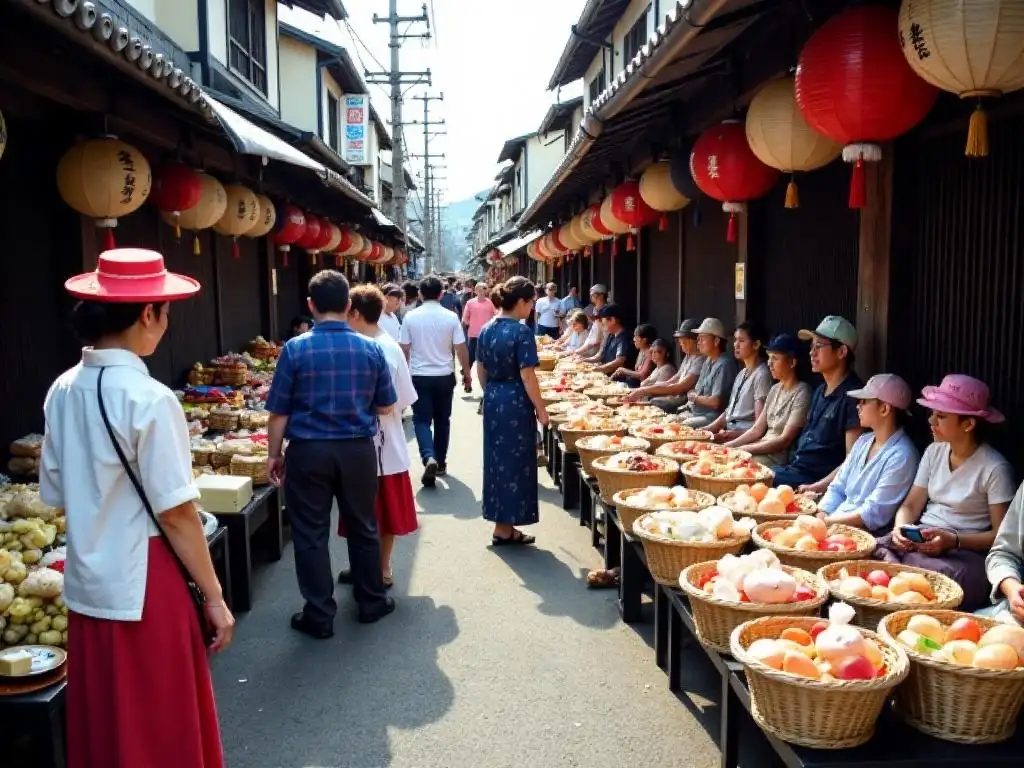
The exchange of goods during the Japan feudal era was a complex interplay of social, economic, and cultural factors. Trade, particularly with Western nations, significantly influenced the trajectory of Japan's development during this period. Understanding what Japan imported from the West provides a clearer picture of how these interactions shaped the nation’s identity and its eventual modernization.
Overview of Japan's Feudal Era
Japan's feudal era, spanning roughly from the 12th to the 19th century, was characterized by a hierarchical social structure dominated by samurai warriors, feudal lords (daimyō), and a rigid class system. This period saw the rise of powerful clans and the establishment of a decentralized political structure, where local lords held significant power over their domains.
Key Features of the Feudal Era:
- Political Structure: Power was fragmented among various daimyō, leading to a system where loyalty and military service were paramount.
- Cultural Flourishing: Despite political strife, arts and culture thrived, with the development of unique Japanese forms of theater, poetry, and visual arts.
- Isolationism: Particularly during the Edo period (1603-1868), Japan adopted a policy of sakoku (closed country), limiting foreign contact and trade primarily to the Dutch and Chinese.
This historical backdrop set the stage for Japan's engagement with Western nations and the imports that would follow.
Significance of Trade in Feudal Japan
Trade in feudal Japan was not merely an economic activity; it played a crucial role in shaping societal structures and cultural exchanges.
- Economic Growth: The exchange of goods contributed to local economies, encouraging the growth of merchant classes and urban centers. Cities like Osaka became bustling trade hubs, facilitating commerce.
- Cultural Exchange: Through trade, Japan was introduced to foreign ideas, technologies, and customs. This exchange was vital for the evolution of Japanese society, influencing everything from cuisine to art.
- Diplomatic Relations: Trade also served as a means of establishing and maintaining diplomatic ties with foreign powers. The limited trade with the West during the late feudal period, particularly through the Portuguese and Dutch, opened avenues for cultural and technological exchanges.
The significance of trade cannot be overstated; it was integral to the development of Japan's feudal society, enabling it to adapt and transform in response to external influences.
Introduction to Western Imports
During Japan's feudal era, the imports from the West were varied and influential, marking a shift in the country's economic and cultural landscape.
Notable Western Imports:
- Firearms: The introduction of firearms, particularly from the Portuguese in the 16th century, revolutionized warfare in Japan. The use of matchlock guns altered traditional samurai combat strategies.
- Textiles: Western textiles, including wool and cotton fabrics, were introduced to Japan, leading to changes in clothing fashions. The blending of Western and Japanese styles can still be observed in some modern garments.
- Navigation Tools: Advances in navigation, including compasses and maps, were among the critical imports that aided Japanese maritime trade.
- Culinary Ingredients: Items such as sugar, which was previously unknown in Japan, began to influence local cuisine, leading to the evolution of traditional dishes.
The impact of these imports was profound, as they not only enhanced Japan's military capabilities and economic practices but also contributed to cultural exchanges that would lay the groundwork for modernization in the Meiji period.
The exchange of goods during Japan's feudal era, particularly imports from the West, played a pivotal role in shaping the nation’s trajectory, influencing its military, economy, and culture. Understanding these dynamics is crucial for comprehending the historical narrative of Japan’s engagement with the wider world.
Historical Context of Japan-West Interactions
Timeline of Japan's Opening to Western Trade
The timeline of Japan's opening to Western trade is marked by significant events that shifted the nation from isolation to engagement with foreign powers. Here’s a detailed overview of key milestones:
- 1543: The Portuguese arrive in Japan, marking the beginning of European influence. They introduce firearms and trade goods, which capture the interest of the samurai class.
- 1600: The English ship Discovery, captained by William Adams, lands in Japan. Adams becomes the first Englishman to settle in Japan and plays a crucial role in establishing trade relations.
- 1635: The Tokugawa shogunate implements the Sakoku policy, enforcing national isolation and limiting foreign interaction. Only the Dutch and Chinese are allowed to trade at Nagasaki.
- 1854: Commodore Matthew Perry of the United States arrives in Tokyo Bay, forcing Japan to open its ports through the Convention of Kanagawa. This marks the end of over two centuries of isolation.
- 1868: The Meiji Restoration begins, leading to rapid modernization and expansion of trade relations with Western countries.
This timeline illustrates the gradual shift from a policy of isolation to a period of substantial international interaction, setting the stage for Japan’s feudal era trade imports.
Key Historical Events Influencing Trade
Several pivotal events shaped Japan's trade landscape during the feudal era, particularly concerning imports from the West:
- Arrival of the Portuguese: The introduction of European goods, such as firearms, textiles, and new navigation techniques, transformed Japanese warfare and trade practices. The Portuguese also initiated trade in silver and spices, which were highly valued in Japan.
- Dutch Trading Rights: After the Sakoku policy was enacted, the Dutch East India Company was granted exclusive trading rights in Nagasaki. This allowed Japan limited access to Western goods, including scientific instruments, books, and various luxury items.
- The Opium Wars (1839-1860): Although not directly involving Japan, the Opium Wars highlighted the impact of Western trade on Asian economies. Japan observed the consequences of foreign intervention and began contemplating its trade policies and defense mechanisms.
- The Treaty of Kanagawa (1854): This treaty not only opened Japan to American trade but also led to subsequent treaties with other Western powers. It allowed for the importation of Western technology and goods, significantly influencing Japanese society and economy.
These events collectively illustrate how external pressures and interactions transformed Japan’s trade dynamics during the feudal era, particularly regarding imports from the West.
The Role of the Sakoku Policy
The Sakoku policy, implemented during the Tokugawa shogunate (1603-1868), played a crucial role in shaping Japan's interactions with the West. This policy enforced strict regulations on foreign trade and limited Japan's exposure to Western influences. Here are the key aspects of the Sakoku policy:
- Isolationist Stance: The primary goal was to maintain political stability and prevent the spread of Christianity. This isolationist approach limited contact with foreign nations, restricting trade primarily to the Dutch and Chinese.
- Controlled Trade: The Dutch were allowed to trade at a single port in Nagasaki, which facilitated a controlled exchange of goods. This arrangement enabled Japan to import valuable Western items, such as clocks, medicine, and books on science and technology, while minimizing cultural and religious influence.
- Impact on Domestic Economy: While the Sakoku policy restricted international trade, it also fostered the development of Japan's domestic economy. Local industries thrived as they adapted to the limited foreign goods available, leading to a unique blend of Japanese and Western influences in crafts and technology.
- End of Isolation: The policy began to crumble with the arrival of Commodore Perry in 1854, revealing Japan's vulnerability and prompting a reassessment of its trade policies. The eventual dismantling of the Sakoku policy allowed for a more open and dynamic trade environment, ultimately leading to Japan's rapid modernization.
The Sakoku policy profoundly influenced Japan's feudal era trade imports by creating a controlled environment for foreign goods while simultaneously laying the groundwork for future engagements with the West. This complex interplay of isolation and limited interaction set the stage for Japan's eventual emergence as a global trading power.
Major Categories of Imports from the West
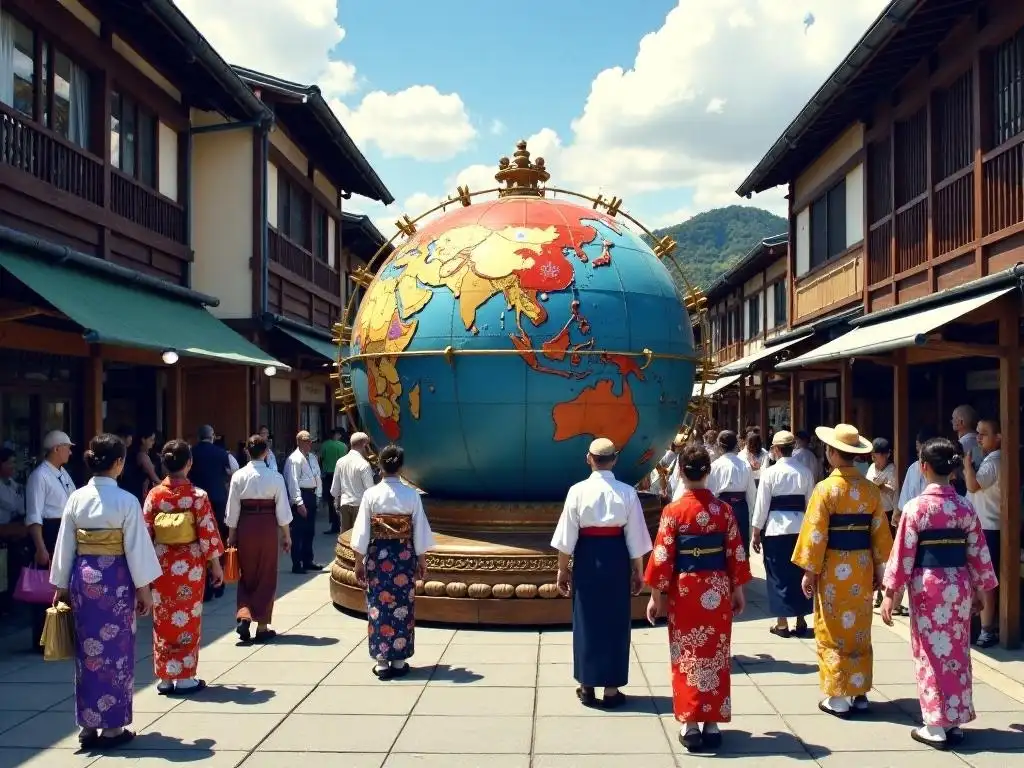
During the Japan feudal era, trade with the West introduced a variety of goods that significantly influenced Japanese society and culture. The most notable imports can be categorized into agricultural products, textiles and fabrics, and various other materials that reshaped economic practices and daily life. This section examines the major categories of imports from the West, starting with agricultural products and textiles.
Agricultural Products
Introduction of New Crops
The influx of agricultural products during the Japan feudal era included several new crops that were previously unknown in Japan. Notably, sweet potatoes and corn were introduced from the Americas, significantly diversifying the Japanese agricultural landscape. These crops were not only more resilient but also provided an alternative food source during times of drought or famine.
- Sweet Potatoes: Grown in the 17th century, sweet potatoes became crucial in regions where rice cultivation was challenging due to climate or soil conditions. They offered a reliable source of carbohydrates and helped improve food security.
- Corn: Introduced later, corn provided another staple that could thrive in various environments, contributing to a more varied diet.
This agricultural exchange had profound implications for food production and consumption patterns, leading to the development of new culinary traditions that incorporated these Western crops.
Impact on Japanese Agriculture
The introduction of Western agricultural products positively impacted Japanese farming practices. The adoption of new crop rotation methods and the diversification of crops led to improved soil health and increased yields. This shift not only enhanced food availability but also stimulated local economies by allowing farmers to engage in trade.
- Increased Crop Diversity: Farmers began cultivating a wider variety of produce, leading to a more resilient agricultural system.
- Economic Growth: The surplus of crops enabled trade with neighboring regions, fostering economic interdependence and growth.
Overall, these agricultural imports played a crucial role in transforming Japan's feudal economy and supporting its population.
Textiles and Fabrics
Western Fabrics in Feudal Japan
Alongside agricultural imports, textiles and fabrics from the West were highly sought after during the feudal era. The introduction of cotton and wool fabrics revolutionized clothing production in Japan. These materials were more accessible and versatile than traditional silk, which had dominated the market.
- Cotton: Imported from Southeast Asia, cotton became increasingly popular for everyday wear due to its comfort and durability. It allowed for the production of garments that were suitable for both the common folk and the samurai class.
- Wool: This fabric provided warmth and was particularly appreciated in colder regions, further expanding the variety of clothing available to the populace.
The influx of Western fabrics fostered a shift in textile production and consumption, as local artisans began to experiment with these materials.
Influence on Japanese Clothing Styles
The Western influence on textiles also led to a transformation in Japanese clothing styles. As new fabrics became available, traditional garments were adapted, leading to a blend of styles that mirrored global trends.
- Costume Evolution: The kimono, a staple of Japanese attire, began to incorporate Western fabric patterns and designs, resulting in unique hybrid garments.
- Fashion Trends: The desire for Western-style clothing among the upper classes introduced new fashion norms, influencing social status and cultural identity.
The exchange of goods during the Japan feudal era, particularly in the realms of agriculture and textiles, not only enriched the Japanese economy but also transformed cultural practices. The imports from the West laid the foundation for a dynamic interaction that would shape Japan's future development.
Industrial Goods
During the feudal era, Japan's interactions with the West introduced a variety of industrial goods that significantly impacted its economy and technological landscape. These imports were not only practical but also played a crucial role in transforming traditional Japanese industries. The demand for new materials and tools often led to innovations that would shape the course of Japanese craftsmanship and production methods.
Tools and Machinery
Western tools and machinery were among the most significant industrial imports during the feudal period. These items included advanced agricultural tools, spinning wheels, and metalworking equipment, which improved efficiency in various sectors. The introduction of iron plows, for example, revolutionized farming practices, enabling farmers to cultivate land more effectively.
Additionally, the importation of machinery such as textile looms and printing presses facilitated advancements in the textile industry and publishing. The adoption of these tools not only streamlined production but also heightened the quality of Japanese goods, allowing them to compete in both domestic and international markets.
Introduction of Western Technology
The arrival of Western technology marked a pivotal shift in Japan's industrial capabilities. Innovations brought by European traders and missionaries included techniques for shipbuilding, metallurgy, and even early forms of steam power. This technology transfer was not merely about the tools themselves but also encompassed the knowledge and skills necessary to operate and maintain them.
One notable influence was the introduction of Western military technology, which included firearms and cannons. The availability of such weaponry altered the balance of power within Japan, leading to changes in warfare strategies and the eventual unification of the country under the Tokugawa shogunate. Overall, the introduction of Western technology during the feudal era laid the groundwork for Japan's rapid modernization in the late 19th century.
Cultural and Artistic Imports
The cultural and artistic exchanges between Japan and the West during the feudal era were profound and transformative. These interactions enriched Japanese culture and opened new avenues for artistic expression, leading to a unique blend of Eastern and Western aesthetics.
Western Art and Literature
The influx of Western art and literature had a significant impact on Japanese intellectual and artistic circles. Western painting techniques, such as oil painting and perspective, inspired Japanese artists to experiment with new styles and methods. As a result, traditional Japanese art forms began to incorporate elements of realism and depth, creating a distinctive fusion that captivated audiences.
Literature also saw an evolution, as Western novels and philosophical texts were translated into Japanese. This exposure to new ideas and narratives sparked a literary renaissance, encouraging writers to explore themes of individualism, emotion, and societal critique, which were less emphasized in traditional Japanese literature.
The Influence on Japanese Arts and Crafts
The influence of Western imports extended beyond fine arts into various crafts. Craftsmen began to adopt Western designs and materials, leading to innovations in pottery, textiles, and architecture. For instance, the introduction of Western motifs and techniques in ceramics led to the creation of unique hybrid styles that showcased both Japanese craftsmanship and Western influences.
Moreover, the blending of cultural elements inspired new forms of performance art and traditional crafts, such as the incorporation of Western musical instruments into Japanese music. This cultural exchange fostered an environment of creativity and experimentation, resulting in a more diverse and dynamic artistic landscape that would continue to evolve well into the modern era.
The cultural and artistic imports from the West during Japan's feudal era significantly shaped the country's aesthetic and intellectual development, laying the groundwork for the rich cultural tapestry that Japan is known for today.
The Impact of Trade on Japanese Society
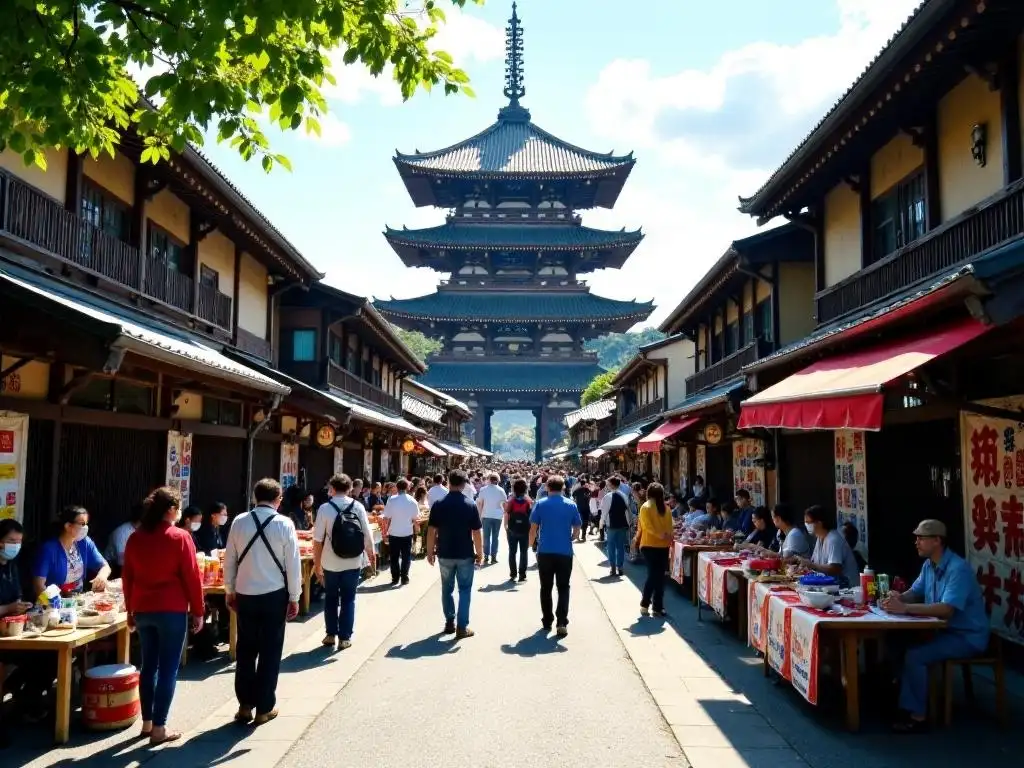
The exchange of goods during the feudal era significantly influenced various aspects of Japanese society. As Japan engaged in trade with Western nations, the influx of imported goods brought about profound economic, social, and cultural changes. These interactions reshaped the very fabric of feudal Japan, leading to transformations that would set the stage for future development.
Economic Changes Due to Imports
The introduction of Western goods had a transformative effect on Japan's economy during the feudal era. Key imports included textiles, firearms, and metalwork, which not only diversified the available products but also stimulated local industries.
- Textiles: The importation of fabrics such as silk and wool led to the evolution of Japanese textile production. Local artisans began to incorporate Western techniques and styles, which enhanced the quality and variety of Japanese textiles.
- Firearms: The arrival of European firearms marked a turning point in military strategy. The Japanese samurai class adopted matchlock guns, which changed the dynamics of warfare and necessitated new forms of training and organization within the feudal system.
- Metalworking: Western metalworking techniques influenced Japanese craftsmanship, particularly in weaponry and tools. This led to improved production capabilities and the emergence of specialized workshops.
The cumulative effect of these imports contributed to a burgeoning economy, as trade routes expanded and markets grew, fostering a more interconnected society.
The influx of goods and wealth from trade had a notable impact on Japan's social structure, particularly the class dynamics that characterized feudal society.
- Rise of Merchant Class: The growing trade economy allowed merchants to accumulate wealth, which gradually shifted the balance of power within the social hierarchy. Traditionally, the samurai class held the highest status, but as merchants grew richer, they began to gain influence, leading to tensions and a reevaluation of class roles.
- Samurai Adaptation: Faced with the rise of the merchant class, samurai had to adapt. Some samurai became involved in trade themselves, blurring the lines between warrior and merchant. This shift not only altered their economic status but also challenged the traditional values associated with the samurai ethos.
- Peasant Life: For the peasantry, trade brought both opportunities and challenges. While some peasants benefited from increased demand for agricultural products, others faced higher taxes and pressures from both samurai and merchants. The complexity of these interactions illustrated the nuanced impacts of trade on different social strata.
Cultural Exchange and Adaptation
The trade exchanges with Western nations facilitated a rich cultural exchange, leading to significant adaptations in Japanese society.
- Western Influence: Imported goods often came with new ideas and technologies. For instance, the introduction of Western art styles influenced Japanese artists, who began to incorporate different techniques and themes into their works. This cross-pollination of ideas created a unique fusion of artistic expression.
- Philosophy and Science: Increased contact with Western scholars and traders introduced new philosophical concepts and scientific knowledge. This intellectual exchange spurred curiosity and innovation, challenging traditional Japanese thought and leading to advancements in various fields, including medicine and astronomy.
- Cuisine: The import of new food items and cooking techniques significantly impacted Japanese cuisine. Ingredients like sugar, potatoes, and various spices began to appear in traditional dishes, enriching the culinary landscape of feudal Japan.
The trade interactions during Japan's feudal era were pivotal in shaping the economic, social, and cultural trajectory of the nation. The exchange of goods not only transformed industries but also redefined social structures and facilitated a dynamic cultural evolution, laying the groundwork for Japan's future modernization.
Notable Figures in Japan's Trade with the West
The exchange of goods during Japan's feudal era was significantly influenced by a handful of notable figures who played pivotal roles in shaping trade relations with Western countries. These individuals, comprising merchants, diplomats, and missionaries, facilitated the flow of not only goods but also ideas and cultural practices that would leave a lasting impact on Japanese society.
Key Merchants and Traders
Merchants were the backbone of Japan's trade with the West, acting as intermediaries between Japanese producers and foreign buyers. Their activities were crucial in importing various goods, ranging from textiles to firearms. Here are some key figures in this realm:
- William Adams: A British navigator who became the first Englishman to reach Japan in 1600. Adams established strong ties with Tokugawa Ieyasu, the shogun, and was instrumental in introducing Western shipbuilding techniques. His influence helped to open the door for further trade with the English.
- Dejima Merchants: Located in Nagasaki, Dejima served as the sole trading post between Japan and the Netherlands. Dutch traders such as Jan Joosten and Gerrit van Santen were notable figures who traded silk, spices, and other goods, significantly impacting Japan's economy.
- The Portuguese Traders: Early Portuguese merchants, like Fernão Mendes Pinto, were among the first Europeans to establish trade relations with Japan. They introduced key imports such as firearms and tobacco, which would change the landscape of Japanese society and warfare.
Influential Diplomats and Their Contributions
Diplomats played a crucial role in formalizing trade agreements and fostering international relations. Their efforts often led to the establishment of treaties that facilitated commerce and cultural exchange. Noteworthy diplomats include:
- Mitsukuri Sōgen: A Japanese envoy who traveled to the Netherlands in the late 19th century. Although slightly beyond the feudal era, Sōgen's work in laying the groundwork for future diplomatic relations cannot be overlooked. His efforts contributed to Japan's understanding of Western politics and trade practices.
- Uesugi Kenshin: While primarily known as a warlord, Kenshin also engaged in diplomatic relations with the Portuguese. His negotiations helped to establish trade routes that benefited both Japanese and Portuguese merchants, particularly in the exchange of goods like rice and silk.
- Kuroda Nagamasa: A samurai and statesman who played a vital role in negotiations with the Spanish. His contributions helped to solidify trade partnerships that brought in silver and other precious metals, enhancing Japan's wealth during the feudal period.
The Role of Foreign Missionaries
Foreign missionaries were not just religious figures; they were also significant players in the exchange of goods and ideas during Japan's feudal era. Their interactions with Japanese society often led to the introduction of new products and cultural practices. Some influential missionaries included:
- Francis Xavier: The first Jesuit missionary to arrive in Japan in 1549. Xavier not only sought to spread Christianity but also facilitated trade by introducing Western goods, such as clocks and scientific instruments, to Japanese merchants.
- Alessandro Valignano: Another Jesuit, Valignano played a significant role in promoting trade and cultural exchange between Japan and Europe. He established schools and fostered relationships that would pave the way for further imports of Western technology and ideas.
- The Spanish Franciscans: These missionaries contributed to the import of various goods, including European textiles and agricultural products. Their efforts in establishing missions often coincided with trade activities, highlighting the interconnectedness of commerce and religion during this period.
The exchange of goods between Japan and the West during the feudal era was shaped by the efforts of key merchants, diplomats, and missionaries. Their contributions not only influenced trade but also transformed Japan's cultural and societal landscape, marking a significant era in the nation's history.
Challenges and Controversies in Trade Relations

The exchange of goods between Japan and the West during the feudal era was not without its challenges and controversies. While trade brought about significant benefits and innovations, it also sparked resistance, cultural clashes, and complex dynamics, particularly involving the samurai class. Understanding these challenges provides a clearer picture of how Japan navigated its interactions with Western nations.
Resistance to Western Goods
Despite the potential advantages of Western imports, there was notable resistance among certain factions within Japanese society. This resistance stemmed from various factors:
- Cultural Preservation: Many Japanese viewed Western goods and ideas as a threat to traditional Japanese culture. The samurai class, in particular, prioritized preserving their customs and social structures, leading to skepticism about Western imports.
- Economic Concerns: Local artisans feared that the influx of Western products would undermine their livelihoods. For example, the introduction of Western textiles and manufactured goods often clashed with traditional Japanese craftsmanship, causing alarm among local producers.
- Political Opposition: Leaders such as Tokugawa Ieyasu recognized the potential for Western influence to disrupt the political landscape. This resulted in policies aimed at restricting Western imports and limiting foreign interactions, as seen in the Sakoku (closed country) policy, which was instituted to maintain control over trade and foreign relations.
Cultural Clashes and Adaptations
The arrival of Western goods led to significant cultural clashes, yet it also prompted adaptations within Japanese society. Some key aspects include:
- Artistic Influences: Western art styles began to permeate Japanese aesthetics, leading to the development of Yōga (Western-style painting). Artists such as Yokoyama Taikan incorporated Western techniques, blending them with traditional Japanese forms.
- Consumer Behavior: The introduction of foreign goods, such as clocks, eyeglasses, and firearms, caused shifts in consumer preferences. The desire for Western products among the elite and samurai class signaled a gradual acceptance of foreign innovations, despite initial resistance.
- Education and Knowledge: The importation of Western books and scientific instruments sparked a wave of intellectual curiosity. This led to the establishment of new educational institutions that embraced Western knowledge, helping to bridge the cultural divide.
The Role of the Samurai Class in Trade Dynamics
The samurai class played a crucial role in shaping the trade dynamics between Japan and the West during the feudal era. Their influence can be examined through several lenses:
- Gatekeepers of Trade: As the ruling elite, samurai were often the decision-makers regarding foreign relations and trade agreements. Their preferences and policies significantly influenced which Western goods were accepted or rejected.
- Military Innovations: The samurai class recognized the importance of Western military technology, particularly firearms. This acceptance of certain imports demonstrated a pragmatic approach to trade, as they sought to strengthen their military capabilities in response to potential threats.
- Cultural Brokers: Some samurai became cultural intermediaries, facilitating the exchange of ideas and goods between Japan and the West. These individuals often traveled abroad, gaining exposure to foreign cultures, which they then brought back to Japan, influencing both trade practices and cultural perceptions.
The challenges and controversies surrounding Japan's feudal era trade with the West were multifaceted. Resistance to Western goods, cultural clashes, and the pivotal role of the samurai class all contributed to a complex trade environment that shaped Japan's interactions with foreign nations. Understanding these dynamics is essential for appreciating the broader impacts of trade during this period.
Conclusion: Lasting Effects of Japan's Feudal Era Trade Imports
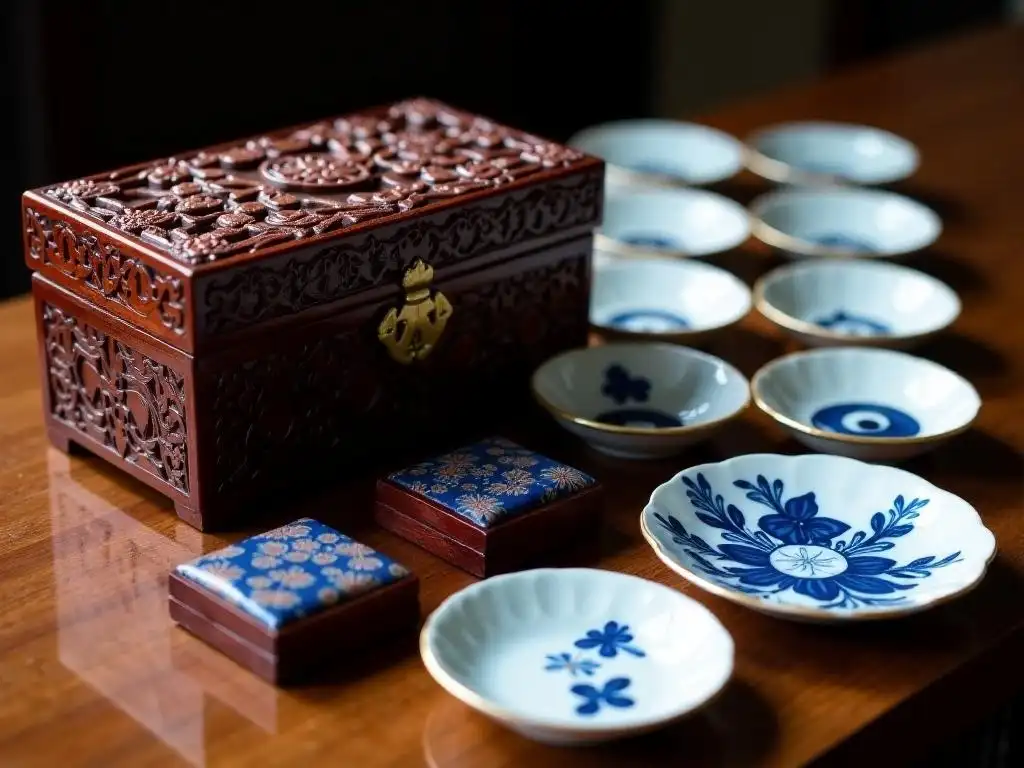
Summary of Key Learnings
The trade dynamics during Japan's feudal era, particularly the importation of goods from the West, significantly shaped both the economy and cultural landscape of the nation. Key imports included:
- Textiles: Western fabrics like wool and linen introduced new materials for clothing.
- Technology: Firearms and shipbuilding techniques transformed military and naval capabilities.
- Culinary Goods: New spices and food items, such as potatoes and corn, expanded the Japanese diet.
These imports not only facilitated economic growth but also led to cultural exchanges that influenced art, philosophy, and daily life. The interplay of foreign goods with local traditions resulted in a unique blend of customs that characterized Japan's feudal society.
The Legacy of Japan-West Trade Relations
The implications of Japan's feudal era trade with the West extend far beyond the immediate economic benefits. The interactions established foundational relationships that would impact Japan's future. Notably:
- Cultural Exchange: Western influences seeped into Japanese art and literature, fostering new styles and genres. For instance, the introduction of Dutch painting techniques led to unique adaptations in ukiyo-e prints.
- Political Awareness: Exposure to Western political ideas prompted intellectual movements within Japan, leading to discussions about governance and reform that would later culminate in the Meiji Restoration.
- Economic Transformation: The establishment of trade routes enabled Japan to diversify its economy, paving the way for industrialization in the late 19th century.
The trade imports during Japan's feudal era not only enriched the nation materially but also left a lasting legacy that influenced its cultural identity and global standing. The foundation laid during this period continues to resonate in modern Japan, illustrating the profound effects of its historical interactions with the West.
Additional Resources on Japan's Trade History
Recommended Readings
To gain a deeper understanding of Japan's trade dynamics during the feudal era, several key texts provide valuable insights. Here’s a curated list of recommended readings:
- "Japan's Economic History: 1600-2000" by Tetsuji Okazaki and others
- This book offers a comprehensive overview of Japan's economic transformation, focusing on trade practices and the impact of Western imports during the feudal period.
- "The Making of Modern Japan" by Gerald Curtis
- Curtis explores the historical evolution of Japan, including the influence of Western trade and cultural imports, with a focus on the feudal era's transition to modernization.
- "Japan: A Cultural Portrait" by John S. Brownlee
- This work delves into Japan's rich cultural tapestry, highlighting the role of trade in shaping its societal values and artistic expressions during the feudal era.
- "The Dutch in Japan: 1600-1850" by Henk Schulte Nordholt
- This book provides an in-depth look at the Dutch trade presence in Japan and its significance in the broader context of Japan's imports from the West.
- "The World of the Shining Prince: Court Life in Ancient Japan" by Ivan Morris
- While focusing on the Heian period, this book sets the stage for understanding how earlier trade practices influenced Japan's feudal culture and interactions with foreign entities.
Suggested Documentaries and Films
Visual storytelling can enrich our understanding of Japan's feudal trade history. Here are some recommended documentaries and films that explore this theme:
- "The Samurai: The Last Warrior"
- This documentary provides an overview of the samurai class and their role in trade during the feudal era, showcasing how imports from the West influenced their lifestyle and warfare.
- "Japan: The Land of the Rising Sun"
- A captivating documentary that traverses Japan's rich history, including the impact of Western imports on Japanese society and economy during the feudal period.
- "Shogun" (1980 Miniseries)
- Based on James Clavell's novel, this dramatization captures the complex interactions between Western traders and feudal Japan, highlighting the cultural exchanges that took place.
- "The Last Samurai" (2003)
- While a fictional narrative, this film provides insights into the clash of cultures and the influence of Western ideas and goods on Japan's traditional values during the late feudal era.
- "The Silk Road: Past, Present, and Future"
- This documentary series touches on the historical trade routes, including Japan's interactions with Western nations, emphasizing the exchange of goods and cultural practices.
These resources will help deepen your understanding of Japan's feudal era trade imports and their profound impact on society and culture.
Frequently Asked Questions
What were the main goods imported by Japan during the feudal era?
Japan primarily imported luxury items such as silk, spices, and firearms. These foreign goods significantly influenced local culture and trade practices.
How did the Japan feudal era trade imports impact society?
The importation of goods led to increased wealth and the emergence of a merchant class, which altered traditional social structures and contributed to urban development.
Which Western countries were involved in trade with Japan during the feudal period?
During the feudal era, Portugal, the Netherlands, and Spain were key players in Japan's trade, introducing new products and technologies that shaped Japanese society and economy.
What role did the samurai play in trade during the feudal era?
While primarily known as warriors, samurai also engaged in trade activities, especially in the exchange of imported goods, to enhance their status and wealth within society.
How did the government regulate trade and imports in feudal Japan?
The shogunate established strict regulations on trade, controlling imports to maintain political stability and protect local economies from foreign influence and competition.
Final Reflection: The Enduring Legacy of Japan's Feudal Era Trade Imports
The exchange of goods during Japan's feudal era was not merely a transaction of commodities; it was a profound interaction that shaped the nation's identity and its place in the world. Today, as we navigate a global economy that is more interconnected than ever, the lessons from Japan's historical trade practices resonate deeply. The imports from the West during this period were not just about acquiring foreign products; they represented a cultural exchange that influenced art, technology, and societal structures, ultimately paving the way for Japan's modernization.
The impact of these imports continues to echo through Japan's cultural landscape, reminding us of the importance of openness and adaptability in an ever-changing world. The fusion of Western goods and ideas with traditional Japanese practices created a unique tapestry that enriched the nation’s heritage. As we reflect on this historical exchange, we are reminded of the words of the philosopher Confucius: Real knowledge is to know the extent of one's ignorance.
This quote underscores the value of learning from others and embracing new ideas, a principle that was vital during the feudal era and remains essential today.
As we look to the future, let us take a moment to reflect on how we can apply the lessons learned from Japan's feudal era trade imports in our own lives. Consider how openness to new ideas and cultures can enhance your personal and professional experiences. Embrace the spirit of curiosity and exchange, allowing it to guide your interactions and decisions. By doing so, we not only honor the past but also cultivate a richer, more diverse future for ourselves and our communities.
Unveil New Perspectives on Cultural Exchange!
Thank you for diving into the fascinating world of Japan's trade with the West! By exploring these exchanges, you've unlocked insights into how cultures grow and evolve. Now, let's take that curiosity a step further!
Here are a few actions you can take to deepen your understanding and share this knowledge with others:
- Explore further: Read books or watch documentaries about Western influences on Japanese culture! This will expand your perspective on how these trade exchanges shaped modern Japan.
- Share your insights: Engage in discussions or share your thoughts on social media about Japan’s unique import story. Your contributions can enrich the broader conversation!
- Connect with enthusiasts: Join local or online communities that focus on Japanese history and culture. Sharing experiences can lead to enlightening dialogues!
What aspect of Japan's cultural exchange with the West surprised you the most, and in what ways do you think it continues to influence today's society?