
The Globalization of Japanese Tea Culture: From Feudal Japan to the World

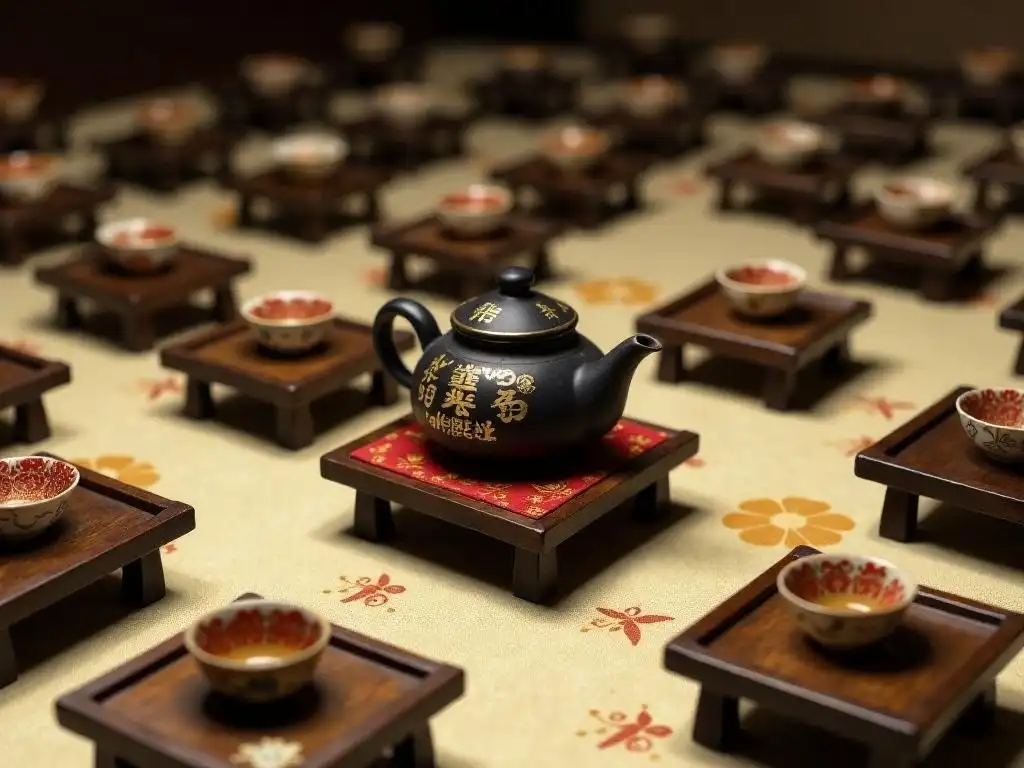
Welcome to Feudal Japan History, where we delve into the rich tapestry of Japan’s feudal era, exploring its historical, cultural, and societal intricacies. Today, we invite you to embark on a fascinating journey through the Japanese tea culture history. Discover how this beloved tradition blossomed from the heart of feudal Japan and spread across the globe, transforming not only palates but also cultural practices worldwide. Join us as we unravel the threads of this captivating story, and prepare to be intrigued by the profound connections between tea and the evolution of Japanese society. Your exploration begins now!
Introduction to Japanese Tea Culture History
Japanese tea culture is a rich tapestry woven through centuries of history, tradition, and societal evolution. Emerging during the feudal era, tea has transformed from a simple beverage into a profound cultural phenomenon that embodies the essence of Japanese aesthetics, spirituality, and communal values.
As we delve into the Japanese tea culture history, we will explore the intricate ways in which this cultural practice has evolved, transcended borders, and influenced societies around the globe. From its origins in the secluded gardens of feudal Japan to its current status as a global symbol of hospitality and tranquility, the journey of tea reflects broader historical narratives and cultural exchanges that have shaped Japan's identity.
Overview of Japanese Tea Culture
Japanese tea culture encompasses various practices, rituals, and philosophies centered around the preparation, serving, and appreciation of tea. Unlike simple consumption, it is a holistic experience that combines art, mindfulness, and social interaction. The most notable expression of this culture is the tea ceremony, or chanoyu, which emphasizes harmony, respect, purity, and tranquility—principles that resonate deeply within Japanese society.
- Key Elements of Japanese Tea Culture:
- Tea Varieties: Primarily focused on matcha (powdered green tea) and sencha (steamed green tea).
- Ceremonial Practices: Involves the meticulous preparation and serving of tea, often accompanied by seasonal sweets.
- Aesthetic Philosophy: Incorporates the concepts of wabi-sabi, emphasizing beauty in simplicity and imperfection.
The globalization of Japanese tea culture has seen these traditions adapt and flourish outside Japan, influencing various culinary and cultural practices worldwide.
Significance of Tea in Feudal Japan
During feudal Japan, tea was not merely a beverage but a symbol of status and a tool for diplomacy. It played a vital role in the social fabric, particularly among the samurai and elite classes. The act of drinking tea became a refined ritual, facilitating important discussions and fostering relationships among feudal lords and warriors.
- Roles of Tea in Feudal Society:
- Cultural Exchange: Tea gatherings served as opportunities for political alliances and cultural exchanges.
- Spiritual Practices: Monks utilized tea to enhance meditation and promote clarity during long hours of spiritual practice.
- Symbol of Hospitality: Offering tea became a standard practice to express respect and goodwill towards guests.
These aspects highlight how tea was intricately linked to the power dynamics and cultural expressions of the time, paving the way for its enduring legacy.
The Origins of Tea in Japan
Introduction of Tea to Japan
The introduction of tea to Japan can be traced back to the early 9th century, attributed to Buddhist monks who brought tea seeds and knowledge from China. This initial exposure set the stage for tea to grow and flourish in Japanese society, particularly among the monastic communities.
- Historical Milestones:
- 9th Century: First recorded mention of tea in Japan by the monk Saicho.
- 12th Century: The samurai class begins to adopt tea as part of their culture, influenced by Zen Buddhism.
As the popularity of tea spread, it became a significant aspect of Japanese life, gradually evolving into the sophisticated cultural practices we recognize today.
Early Adoption Among the Samurai Class
The samurai class played a crucial role in the early adoption and evolution of tea culture in Japan. Recognizing its value not only for refreshment but also for its stimulating properties, samurai incorporated tea into their daily rituals and gatherings.
- Influence on Samurai Culture:
- Mindfulness and Focus: Tea drinking became a meditative practice, enhancing concentration during battles and strategy sessions.
- Social Status: Mastery of tea ceremonies became a mark of prestige, allowing samurai to demonstrate their cultural refinement.
This early adoption laid the groundwork for the sophisticated tea practices that would develop over the centuries, shaping the very essence of Japanese tea culture as we know it today.
The Evolution of Japanese Tea Culture During the Feudal Era
The evolution of Japanese tea culture during the feudal era is a fascinating journey that intertwines with the broader social and political changes of the time. Initially introduced to Japan from China in the early 9th century, tea was primarily consumed by Buddhist monks for its stimulating effects. However, it was during the Kamakura period (1185-1333) that tea began to gain popularity among the samurai class. The shift from a religious beverage to a social one marked the beginning of its integration into Japanese culture.
As the feudal system solidified, tea became associated with the warrior elite. The practice of tea drinking evolved alongside the establishment of the tea ceremony, which emphasized mindfulness and aesthetics. The introduction of powdered tea (matcha) further transformed tea culture, as it became central to the rituals of the samurai and eventually the aristocracy. Throughout the Muromachi period (1336-1573), tea ceremonies developed into an art form, reflecting the values of simplicity and harmony that characterized Zen Buddhism.
The Sengoku period (1467-1603) saw tea culture flourish amidst the chaos of civil war, as powerful warlords hosted extravagant tea gatherings to showcase their wealth and status. These gatherings were not only social events but also served as political platforms. The establishment of the tea ceremony as a formalized practice during this period solidified its cultural significance, leading to the foundational philosophies that would influence Japanese aesthetics for centuries.
The Development of Tea Cultivation in Japan
Tea cultivation in Japan began in earnest during the Heian period (794-1185), but it was the Kamakura period that saw the establishment of the first tea plantations. The introduction of tea seeds from China allowed Japanese farmers to experiment with different cultivation methods. Regions such as Uji, Shizuoka, and Yame became renowned for their high-quality tea production, benefiting from the unique climate and soil conditions that favored tea plants.
By the 13th century, the practice of cultivating tea had become more widespread, and the methods were refined through the influence of Zen monks who recognized the beverage's calming effects. The importance of shading tea plants to enhance flavor led to the development of techniques that are still used today. These innovations contributed to the distinctive taste and quality of Japanese green tea, particularly matcha, which requires meticulous care and attention during its cultivation.
The growing demand for tea spurred economic development in various regions, promoting trade and agricultural advancements. While tea remained a luxury item for the elite, its cultivation spread among commoners, leading to a broader appreciation for tea in Japanese society. This grassroots movement set the stage for the eventual globalization of Japanese tea culture.
The Rise of Tea Houses and Ceremonies
The rise of tea houses and ceremonies in feudal Japan marked a significant cultural shift, transforming tea drinking into an art form that emphasized aesthetics, simplicity, and social interaction. The first tea houses, known as "chashitsu," were modest structures that provided a serene environment for tea gatherings. These spaces were designed to promote tranquility and reflection, embodying the Zen principles that permeated Japanese culture.
During the 15th century, the tea ceremony evolved into a highly ritualized practice, guided by strict protocols and aesthetic principles. Notably, the influence of tea master Sen no Rikyū, who refined the tea ceremony into an expression of spiritual and artistic values, played a crucial role in shaping its form. He emphasized the importance of humility, respect, and harmony, principles that remain integral to the tea ceremony today.
The tea ceremony became a platform for social engagement, allowing participants to connect on a deeper level. It fostered a sense of community and provided an opportunity for cultural exchange among different social classes. As tea houses proliferated across Japan, they became hubs of artistic expression, where poetry, calligraphy, and flower arranging coalesced with tea preparation, enriching the overall experience.
Key Elements of Japanese Tea Culture
The Aesthetic Philosophy of Tea Ceremonies
The aesthetic philosophy of tea ceremonies is rooted in the concepts of wabi-sabi, which celebrates imperfection and transience. This philosophy encourages an appreciation for the simple, natural beauty found in everyday objects, reflected in the choice of utensils and the overall ambiance of the tea room. Each element, from the tea bowl to the arrangement of flowers, is selected with intent, aiming to create a harmonious and serene environment.
The tea ceremony emphasizes mindfulness and presence, inviting participants to immerse themselves in the moment. This practice fosters a deep connection to nature, as practitioners are encouraged to observe the changing seasons and the subtleties of their surroundings. The ceremony becomes a meditative experience, where the act of preparing and serving tea transcends mere consumption, embodying a spiritual journey aligned with Zen principles.
Additionally, the concept of "ichi-go ichi-e," meaning "one time, one meeting," underscores the ephemeral nature of each tea gathering. This philosophy highlights the importance of cherishing each moment, as it will never be replicated. The aesthetic choices made during the ceremony reflect this philosophy, as they aim to evoke a sense of tranquility and appreciation for the present.
Tools and Utensils Used in Japanese Tea Preparation
The tools and utensils used in Japanese tea preparation are integral to the tea ceremony, each serving a specific purpose and contributing to the overall experience. Key items include:
- Chawan (tea bowl): A fundamental vessel for preparing and enjoying matcha, often chosen for its beauty and unique characteristics.
- Chasen (bamboo whisk): Essential for frothing matcha, the chasen is carefully crafted from a single piece of bamboo, highlighting the artisan's skill.
- Chashaku (tea scoop): This bamboo scoop is used to measure the precise amount of matcha, ensuring consistency in flavor and strength.
- Natsume (tea caddy): A container for holding matcha, often beautifully decorated, representing the aesthetics of the ceremony.
- Kyōsan (water kettle): The kettle used to heat water, typically made from iron or ceramic, which plays a crucial role in the brewing process.
Each tool is not only functional but also reflects the principles of beauty and simplicity that define Japanese culture. The careful selection and handling of these utensils are integral to the ceremony, as they embody the respect and mindfulness central to the practice.
The Role of Matcha in Japanese Tea Tradition
Matcha holds a special place in Japanese tea tradition, serving as the cornerstone of the tea ceremony. This finely powdered green tea is celebrated not only for its unique flavor but also for its cultural significance. The process of preparing matcha, which involves whisking the powder with hot water, becomes a meditative practice, emphasizing precision and attention to detail.
Historically, matcha was favored by Zen monks for its ability to enhance focus and promote calmness during meditation. Its popularity among the samurai class further solidified its status as a prestigious beverage. The ritualistic preparation of matcha embodies the principles of the tea ceremony, transforming a simple act into a spiritual and artistic expression.
Today, matcha has transcended its traditional boundaries, becoming a global phenomenon. It is now incorporated into various culinary creations, from lattes to desserts, yet its roots in Japanese tea culture remain deeply respected. The continued appreciation for matcha reflects not only its rich history but also its enduring relevance in contemporary society.
The Influence of Zen Buddhism on Japanese Tea Culture
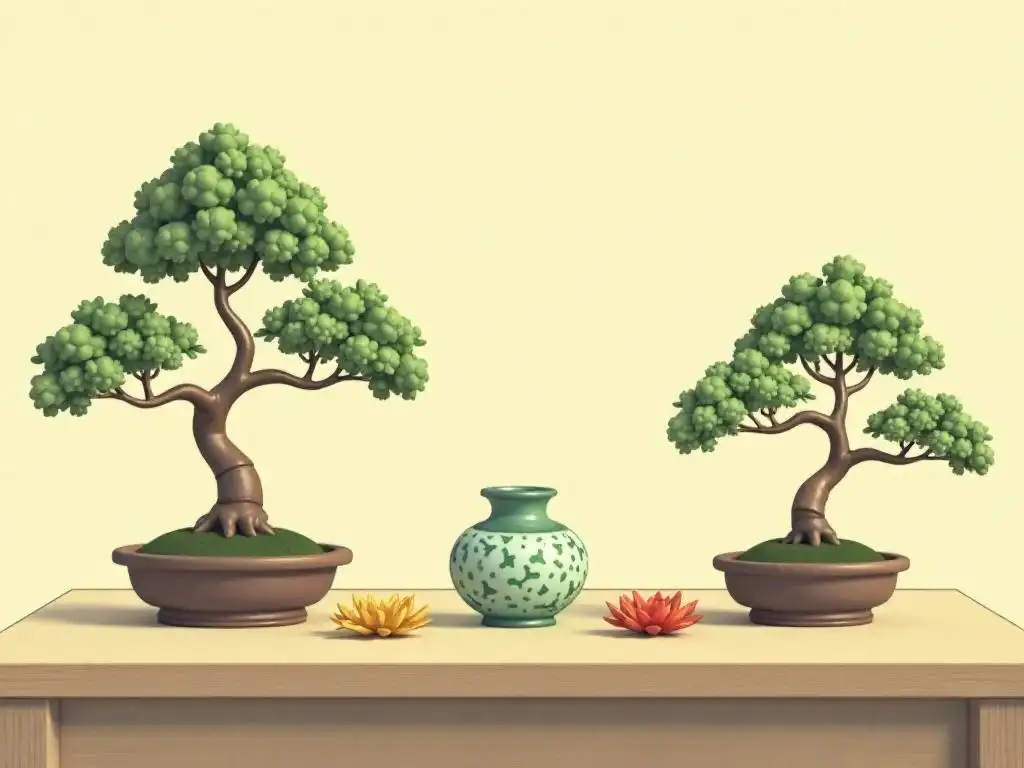
Zen Buddhism has profoundly shaped Japanese tea culture, infusing it with spiritual significance and aesthetic values. Emerging in the 12th century, Zen emphasizes direct experience and mindfulness, principles that resonate deeply with the tea-drinking practices that developed during the feudal era. The tea ceremony, or chanoyu, embodies these Zen principles, transforming tea preparation and consumption into a meditative practice. This influence not only transformed the ritual of tea drinking but also established a framework for aesthetics in Japanese culture, evident in the simplicity and naturalness that characterize both Zen and tea ceremonies.
The Philosophy of Zen and Its Impact on Tea Practices
At the core of Zen philosophy is the concept of mindfulness—being fully present in the moment. This philosophy directly impacts tea practices, where each action taken during the tea ceremony is performed with intention and awareness. The preparation of tea is not simply about brewing a beverage; it becomes a form of meditation.
The careful selection of utensils, the precise movements of the tea master, and the serene environment all contribute to a heightened sense of presence. This synthesis of spirituality and daily practice reinforces the idea that tea drinking is a pathway to enlightenment, creating a unique cultural ritual that extends beyond mere consumption.
Rituals and Meditative Aspects of Tea Drinking
The rituals surrounding tea drinking in Zen Buddhism are intricate and purpose-driven, designed to cultivate a sense of peace and tranquility. Each step of the tea ceremony, from the cleaning of utensils to the serving of tea, is laden with symbolic meaning. For instance, the act of whisking matcha is not merely a means to an end but an opportunity for practitioners to immerse themselves in the moment.
These rituals often include elements such as the arrangement of flowers, the choice of tea bowls, and the ambient setting, all of which contribute to an atmosphere conducive to meditation. By engaging in these practices, participants experience a deep connection to the present, fostering mindfulness and reflection, which are central tenets of Zen philosophy.
Globalization of Japanese Tea Culture
The globalization of Japanese tea culture has been a gradual process, influenced by historical events, trade, and cultural exchanges. From its origins in Japan to its current status as a global phenomenon, Japanese tea culture has transcended its local roots, influencing and being influenced by various cultures around the world. This section explores the key factors that have contributed to the spread and evolution of Japanese tea culture on a global scale.
Early Exposure of Japanese Tea to the Western World
The introduction of Japanese tea to the Western world can be traced back to the 16th century, when Portuguese traders and missionaries first encountered tea in Japan. Following this initial exposure, tea began to gain popularity in Europe, particularly in Britain, as it became associated with social status and refinement.
The British East India Company played a significant role in this process, facilitating trade and introducing Japanese green tea, especially sencha and matcha, to European markets. The fascination with Japanese tea was further fueled by its association with Zen practices and the aesthetic principles of wabi-sabi, appealing to Western sensibilities seeking authenticity and simplicity.
The Role of Japanese Immigrants in Spreading Tea Culture
Japanese immigrants have been pivotal in the dissemination of tea culture beyond Japan's shores. Starting in the late 19th and early 20th centuries, waves of Japanese immigrants settled in countries such as the United States, Brazil, and Peru, carrying with them their rich traditions of tea preparation and consumption.
These immigrants established teahouses and tea gardens, where they introduced local communities to the nuances of Japanese tea culture, including the tea ceremony and various tea varieties. This grassroots effort not only preserved traditional practices but also adapted them to local tastes, further embedding Japanese tea culture into the global culinary landscape.
Modern Global Trends in Japanese Tea Consumption
In recent years, Japanese tea culture has experienced a renaissance, driven by a growing global interest in health and wellness. Green tea, particularly matcha, has become a trendy ingredient in various culinary applications, from lattes to desserts. The rise of wellness culture has led to increased awareness of the health benefits associated with Japanese teas, such as antioxidants and calming properties.
Furthermore, the aesthetics of Japanese tea culture, characterized by its simplicity and elegance, has captivated a diverse audience, leading to the emergence of tea ceremonies and workshops worldwide. As consumers seek authentic experiences, the appreciation for Japanese tea culture continues to flourish, bridging cultural divides and fostering a deeper understanding of its historical and philosophical roots.
The Impact of Japanese Tea Culture on Global Practices
Japanese tea culture has significantly influenced tea practices around the world, transcending geographical boundaries and cultural differences. The meticulous rituals surrounding the Japanese tea ceremony, known as chanoyu, embody values of harmony, respect, purity, and tranquility. These principles resonate with tea enthusiasts globally, leading to adaptations of Japanese practices in various local contexts.
For instance, the aesthetics of the tea ceremony—characterized by simplicity and natural beauty—have inspired international tea rooms and cafes to adopt minimalist designs that emphasize calmness and reflection. Furthermore, the emphasis on mindfulness during tea preparation and consumption has motivated many to incorporate meditative practices into their tea drinking experiences.
As a result, Japanese tea culture has not only enriched local customs but has also contributed to the growing popularity of specialty teas worldwide, prompting a renaissance in artisanal tea production and consumption.
Comparison of Japanese Tea Ceremonies with Other Cultures
When comparing Japanese tea ceremonies to those of other cultures, distinct differences and similarities emerge. In Japan, the tea ceremony is a highly ritualized event that emphasizes a deep respect for the tea, the utensils, and the guests. It involves precise movements, a serene environment, and often includes seasonal elements that reflect nature's beauty.
In contrast, Chinese tea culture, while also rich in tradition, places a greater emphasis on the variety of teas and brewing methods rather than on a formalized ceremony. The Chinese tea ceremony can be more fluid and less scripted compared to its Japanese counterpart.
Meanwhile, British tea culture, known for its afternoon tea tradition, focuses on social interaction and the enjoyment of tea with pastries and sandwiches. Though lacking the spiritual depth of Japanese tea ceremonies, British customs highlight the social aspect of tea drinking.
Overall, while the rituals and philosophies may differ, the universal appreciation for tea as a medium for connection remains a shared theme across various cultures.
The Fusion of Japanese Tea Culture with Western Customs
The fusion of Japanese tea culture with Western customs has resulted in a unique blend that appeals to modern sensibilities. As Japanese tea gained popularity in the West, particularly matcha, numerous cafes and restaurants began incorporating elements of Japanese aesthetics and practices into their offerings.
For instance, matcha lattes and other tea-infused beverages have become staples in many Western coffee shops, merging traditional Japanese ingredients with contemporary drink trends. This fusion has also led to the creation of hybrid ceremonies, where the structured practices of the Japanese tea ceremony are adapted to fit casual social gatherings, making the experience more accessible to a wider audience.
Moreover, workshops and classes focused on the art of the Japanese tea ceremony have proliferated in Western countries, promoting greater awareness and appreciation for the meticulous nature of tea preparation. As a result, a new cultural appreciation for Japanese tea is developing, bridging the gap between tradition and modernity.
Challenges and Preservation of Japanese Tea Culture
Despite its global popularity, Japanese tea culture faces numerous challenges that threaten its traditional practices. As globalization spreads, rapid urbanization and changing lifestyles have led to a decline in the number of practitioners who uphold the intricate rituals of the tea ceremony. Younger generations, influenced by modern conveniences and fast-paced living, often overlook the deep cultural significance and artistry involved in traditional tea preparation.
Threats to Traditional Practices in a Globalized World
The commodification of tea and the rise of mass-produced tea products pose significant threats to the authenticity of Japanese tea culture. With the influx of inexpensive, low-quality tea options, the focus on high-quality, artisanal tea is diminished. This shift often leads to a lack of understanding and appreciation for the nuances of traditional tea preparation and consumption.
Additionally, the pressure to adapt Japanese tea culture to suit global tastes can dilute its rich heritage, resulting in a loss of authenticity. The challenge lies in balancing the preservation of traditional practices while making them relevant and appealing to a modern audience.
Efforts to Preserve Authentic Japanese Tea Culture
In response to these challenges, various organizations and tea practitioners are actively working to preserve authentic Japanese tea culture. Educational programs and workshops aimed at teaching the intricacies of the tea ceremony are gaining traction, fostering a deeper understanding of its cultural significance.
Cultural exchanges and international collaborations also play a crucial role in promoting authentic practices. Events such as tea festivals and exhibitions offer platforms for practitioners to showcase traditional techniques and engage with a global audience.
Moreover, initiatives that emphasize sustainable and ethical tea farming practices help to ensure that high-quality tea remains accessible and valued. By emphasizing the importance of quality over quantity, these efforts aim to cultivate a renewed appreciation for Japanese tea culture and its historical roots, ensuring its survival in an ever-changing world.
Conclusion: The Future of Japanese Tea Culture
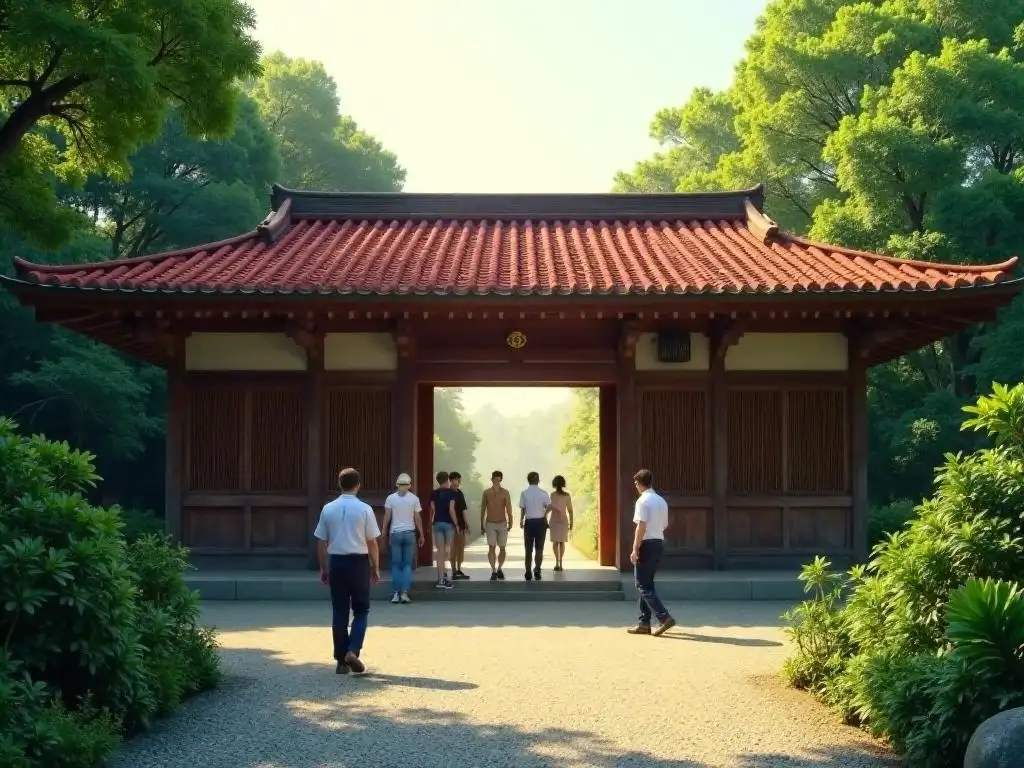
The globalization of Japanese tea culture has created a vibrant and dynamic landscape that continues to evolve. As interest in Japanese tea spreads beyond its borders, both traditional practices and contemporary adaptations are influencing how tea is perceived and enjoyed worldwide. The future of this cultural heritage hinges on the balance between preserving its rich history and embracing modern trends. This dual approach allows for the continuous adaptation of Japanese tea culture, ensuring its relevance and accessibility to diverse audiences.
Continuing the Legacy of Japanese Tea in Modern Society
In today's fast-paced world, the appreciation for Japanese tea culture is experiencing a renaissance. Many people are turning toward traditional practices as a means of mindfulness and relaxation. This renewed interest is evident in various settings, from homes to cafes, where tea ceremonies are being incorporated as a form of art and social interaction.
Moreover, innovative businesses are creating unique tea blends that combine traditional Japanese flavors with global influences, making the tea experience more accessible to younger generations and international audiences. This blend of tradition and modernity ensures that the essence of Japanese tea culture remains intact while allowing it to flourish in contemporary society.
The Role of Education and Cultural Exchange in Preserving History
Education plays a crucial role in preserving Japanese tea culture as it fosters a deeper understanding and appreciation among both locals and international enthusiasts. Institutions and cultural organizations are increasingly offering workshops, courses, and seminars focused on various aspects of tea culture, including its history, ceremonies, and preparation techniques.
Cultural exchange programs also contribute significantly to the preservation of this heritage. By facilitating interactions between Japanese tea masters and international communities, these programs help disseminate knowledge and techniques that enhance cross-cultural appreciation. Such exchanges not only enrich the participants’ understanding but also create lasting connections that promote the continued legacy of Japanese tea culture.
References and Further Reading on Japanese Tea Culture History
Recommended Books and Articles
- "The Book of Tea" by Okakura Kakuzō: This classic text explores the philosophy and aesthetic of tea culture, intertwining it with Japanese aesthetics.
- "Japanese Tea Ceremony: A Cultural History" by Genshitsu Sen: This book provides a comprehensive overview of the historical development of the tea ceremony in Japan.
- "Tea: A Global History" by Iain Gately: This work examines the role of tea across various cultures, including its significant impact on Japanese society.
- "Chanoyu: The Japanese Tea Ceremony" by Aiko Hoshino: This book offers insights into the rituals and significance of the tea ceremony within Japanese culture.
Notable Tea Festivals and Cultural Events in Japan
- Uji Tea Festival (Kyoto): Celebrated annually, this festival showcases Uji’s renowned matcha and features tea tastings, ceremonies, and cultural performances.
- Shizuoka Tea Festival: Held in the largest tea-producing region of Japan, this event highlights various types of Japanese tea and includes educational workshops and tastings.
- Hōnen Matsuri (Honjo): This unique festival celebrates the harvest of rice and tea, featuring traditional ceremonies and a parade that reflects the importance of tea in local culture.
- Kumamoto Tea Festival: A vibrant event that celebrates the diverse flavors of Kumamoto tea, offering tastings, workshops, and cultural exhibitions.
These festivals not only honor the rich traditions of Japanese tea culture but also serve as a platform for cultural exchange, allowing both locals and visitors to engage with this cherished heritage.
- Introduction to Japanese Tea Culture History
- The Origins of Tea in Japan
- The Evolution of Japanese Tea Culture During the Feudal Era
- Key Elements of Japanese Tea Culture
- The Influence of Zen Buddhism on Japanese Tea Culture
- Globalization of Japanese Tea Culture
- The Impact of Japanese Tea Culture on Global Practices
- Challenges and Preservation of Japanese Tea Culture
- Conclusion: The Future of Japanese Tea Culture
- Continuing the Legacy of Japanese Tea in Modern Society
- The Role of Education and Cultural Exchange in Preserving History
- References and Further Reading on Japanese Tea Culture History
- What is the significance of tea in Feudal Japan?
- How did Japanese tea culture evolve during the feudal era?
- What role did trade play in the globalization of Japanese tea culture?
- How did social hierarchies affect tea consumption in Feudal Japan?
- What are the key elements of the Japanese tea ceremony?
Frequently Asked Questions
What is the significance of tea in Feudal Japan?
Tea played a vital role in Feudal Japan, symbolizing social status and cultural refinement. It was often associated with Zen Buddhism and the tea ceremony, emphasizing mindfulness and aesthetics.
How did Japanese tea culture evolve during the feudal era?
During the feudal era, Japanese tea culture transitioned from a luxury for the elite to a more widespread practice. The introduction of matcha and the establishment of the tea ceremony greatly influenced its cultural significance.
What role did trade play in the globalization of Japanese tea culture?
Trade was crucial in spreading Japanese tea culture beyond its borders. It facilitated the exchange of tea varieties and practices, allowing for the global appreciation of Japanese tea and its ceremonial aspects.
In Feudal Japan, tea consumption was often dictated by social hierarchies. The elite enjoyed access to high-quality teas and elaborate ceremonies, while lower classes had limited access, influencing the cultural landscape of tea.
What are the key elements of the Japanese tea ceremony?
The Japanese tea ceremony emphasizes harmony, respect, purity, and tranquility. Key elements include the preparation and serving of matcha, specific utensils, and the overall aesthetic experience that fosters mindfulness.
Final Reflection: The Enduring Legacy of Japanese Tea Culture
The journey of Japanese tea culture from its feudal roots to its global presence is a testament to the power of tradition and adaptation. Today, as we sip matcha lattes in bustling urban cafes or participate in serene tea ceremonies, we witness how this ancient practice has transcended borders and continues to resonate with a diverse audience. The rich history of Japanese tea culture not only enriches our palates but also invites us to reflect on the values of mindfulness, harmony, and respect that it embodies.
Cultural exchange has never been more vital in our interconnected world, and Japanese tea culture serves as a beautiful example of this phenomenon. The rituals and philosophies surrounding tea have influenced countless aspects of daily life, from culinary arts to wellness practices. As we embrace these traditions, we also recognize the importance of preserving their essence amidst modernization. Tea is the magic elixir that brings people together, transcending language and culture.
This quote encapsulates the unifying power of tea, reminding us that even in our fast-paced lives, we can find moments of connection and tranquility through shared experiences.
As we move forward, I invite you to reflect on how the lessons of Japanese tea culture can be woven into your own life. Consider taking a moment each day to pause, appreciate, and connect with those around you, just as the tea ceremony encourages. Whether it's through a simple cup of tea or a mindful practice, let the spirit of Japanese tea culture inspire you to cultivate harmony and presence in your daily interactions. Together, we can honor this rich history while embracing its relevance in our modern world.
Embrace the Journey of Japanese Tea Culture!
Thank you for taking the time to explore the fascinating evolution of Japanese tea culture with us! We hope you’ve gained valuable insights into how this rich tradition has transcended borders and time. Now, it's your turn to be a part of this incredible journey.
Here’s how you can connect, explore, and share the beauty of Japanese tea culture:
- Discover Your Perfect Cup: Visit a local tea shop or café that specializes in Japanese teas. **Try out various blends** and find the one that resonates with you!
- Host a Tea Ceremony: Gather friends or family and host your very own Japanese tea ceremony. **Experience the art and enjoyment** of this cultural tradition right at home.
- Join the Conversation: Engage with fellow tea enthusiasts online! **Discuss your favorite teas** or experiences through social media or relevant forums to continue the dialogue around this exquisite culture.
What aspects of Japanese tea culture resonate most with you, and how will you incorporate them into your daily life?