
The Influence of Edo Culture on Modern Japanese Identity

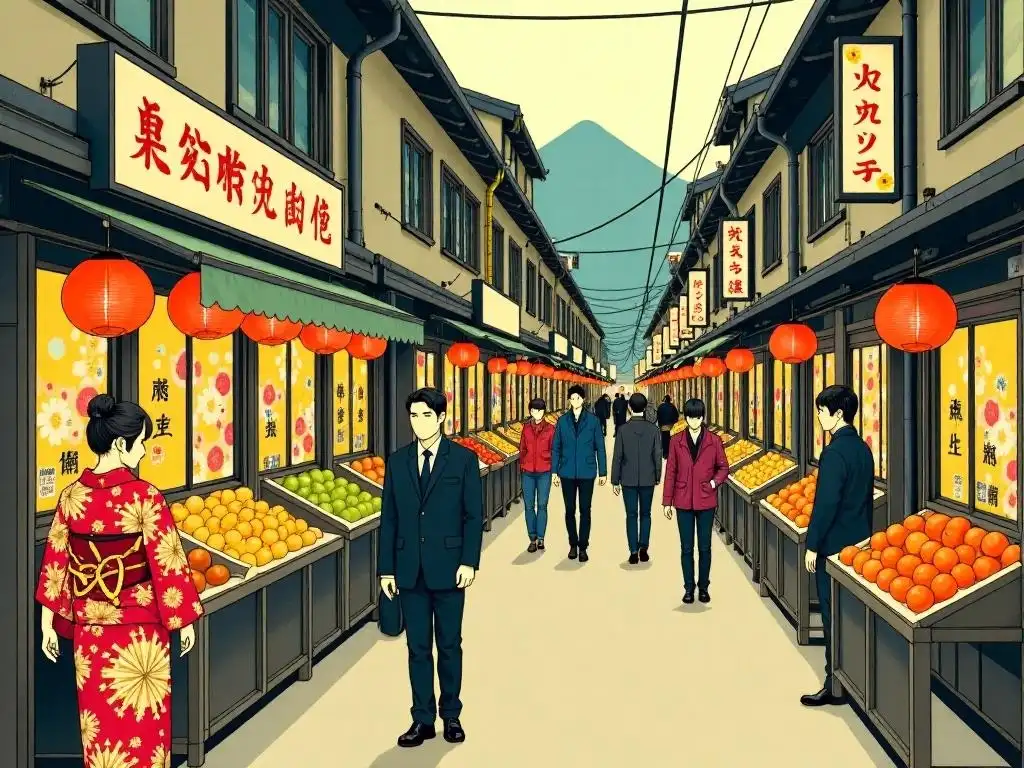
Welcome to Feudal Japan History, where we take you on an illuminating journey through the rich tapestry of Japan's feudal era. In this exploration, we delve deep into the Edo culture, a pivotal force that continues to shape modern Japanese identity. What elements of this fascinating period still resonate in today’s society? Join us as we unravel the intricate connections between past and present, and discover how the echoes of Edo culture influence contemporary life in Japan. Prepare to be captivated by the stories that have defined a nation—let’s embark on this enriching adventure together!
Introduction to Edo Culture and Modern Japanese Identity
The Edo period (1603-1868) marks a pivotal era in Japanese history, characterized by profound transformations that shaped the cultural, social, and political landscape of Japan. During this time, a unique culture emerged, often referred to as Edo culture, which laid the groundwork for many aspects of what is now considered modern Japanese identity. This article aims to explore the intricate connections between Edo culture and contemporary Japanese society, highlighting how elements from this historical period continue to influence various facets of modern life, from art and literature to social behavior and values.
Edo culture is not just a relic of the past; it represents a rich tapestry of traditions and innovations that have been woven into the fabric of modern Japan. By examining the lasting impacts of this era, we can gain a deeper understanding of how historical events and cultural shifts have shaped the identity of the Japanese people today. This exploration will include an in-depth look at the historical context of the Edo period, the cultural developments that flourished during this time, and how these influences manifest in contemporary Japan.
Historical Context of the Edo Period
Overview of Edo Period History
The Edo period began with the unification of Japan under Tokugawa Ieyasu after the tumultuous Sengoku period, a time marked by civil war and social upheaval. This era is characterized by relative peace, political stability, and economic growth, allowing for the flourishing of arts and culture. The Tokugawa shogunate established a strict social hierarchy, which influenced various aspects of daily life and governance. Key historical developments of the Edo period include:
- Political Consolidation: The establishment of the Tokugawa shogunate centralized power, leading to a more stable political environment.
- Isolation Policy (Sakoku): Japan's self-imposed isolation from foreign influences, which lasted for over two centuries, allowed for the unique development of internal culture.
- Economic Growth: The rise of a merchant class and urbanization in cities like Edo (modern-day Tokyo) contributed significantly to cultural vibrancy.
Cultural Developments in Edo
Edo culture is renowned for its rich artistic expressions and social innovations, many of which continue to resonate in modern Japan. Some key cultural developments include:
- Literature: The period saw the rise of popular literature, including ukiyo-zōshi (books of the floating world), which depicted the lives of the urban merchant class. Authors like Matsuo Bashō and Ihara Saikaku made significant contributions.
- Visual Arts: The emergence of ukiyo-e (woodblock prints) revolutionized visual arts, capturing the beauty of landscapes, kabuki actors, and everyday life.
- Theatrical Arts: Kabuki and bunraku (puppet theater) flourished, providing entertainment and reflecting societal norms and values.
- Culinary Innovations: The Edo period also marked advancements in Japanese cuisine, with the development of sushi and ramen, which are now staples of modern Japanese food culture.
Through these developments, Edo culture established a foundation that not only defined a distinct Japanese identity during its time but also continues to influence contemporary society, making it a crucial element in understanding modern Japanese identity.
Transformation of Edo Culture into Modern Identity
The Edo period, which lasted from 1603 to 1868, was a time of significant transformation in Japan. During this era, the country experienced relative peace, economic growth, and a flourishing of culture. The values, practices, and aesthetics that emerged during these years have had a lasting impact on the modern Japanese identity.
As Japan transitioned from feudalism to a more modern state, many elements of Edo culture were preserved and adapted. This adaptation allowed for a seamless integration of traditional practices into contemporary life, shaping the national identity. From the arts and literature to social norms and community structures, the essence of Edo culture continues to resonate in modern Japan.
The emergence of various art forms, such as ukiyo-e (woodblock prints) and kabuki theater, reflects the Edo period's emphasis on beauty and craftsmanship. These art forms not only provide a window into historical societal values but also influence modern expressions of identity. As Japan has evolved, the cultural legacies of the Edo period remain relevant, often serving as a source of inspiration in areas like fashion, design, and popular culture.
Preservation of Edo Cultural Practices
The preservation of Edo cultural practices is evident across various facets of modern Japanese life. Traditional arts, such as tea ceremonies, ikebana (flower arranging), and calligraphy, are still actively practiced and celebrated as vital components of Japanese culture. Educational institutions often incorporate these practices into their curriculums, ensuring that younger generations appreciate and engage with their heritage.
Moreover, festivals and rituals rooted in Edo traditions are regularly celebrated, fostering a sense of continuity and community among participants. For instance, the Sanja Matsuri in Asakusa, Tokyo, showcases traditional Edo-era practices, including elaborate floats and processions, linking the past with the present.
In contemporary Japan, many artisans strive to maintain the techniques and aesthetics of Edo crafts, such as pottery and textile production. This dedication to preserving traditional methods not only honors their ancestors but also supports a thriving cultural economy, allowing for the transmission of skills and knowledge through generations.
Influence on Modern Japanese Aesthetics
Edo culture has significantly influenced modern Japanese aesthetics, permeating fields such as architecture, fashion, and design. The minimalist principles that characterize modern Japanese design can trace their roots back to the Edo period, where simplicity and harmony with nature were paramount. This is evident in traditional wooden architecture, which emphasizes natural materials and open spaces, creating a sense of tranquility.
In fashion, the kimono, which was popular during the Edo period, continues to influence contemporary clothing styles. Designers often incorporate traditional patterns and techniques into modern apparel, blending heritage with innovation. This fusion not only highlights a respect for the past but also contributes to a distinctly Japanese visual identity in the global fashion landscape.
Furthermore, the concept of wabi-sabi, which embraces imperfection and transience, has its origins in Edo aesthetics. This philosophy encourages a deep appreciation for natural beauty and is reflected in various aspects of modern design, from home interiors to graphic arts.
Edo Values and Modern Japanese Society
The values that emerged during the Edo period have left an indelible mark on modern Japanese society. Key elements such as work ethic, social hierarchy, and community engagement are still evident today, shaping interpersonal relationships and societal norms.
Work Ethic and Social Hierarchy
The Edo period was characterized by a strong work ethic, rooted in the samurai's sense of duty and the merchant class's entrepreneurial spirit. This work ethic has persisted into modern Japan, where diligence and perseverance are highly valued traits. The concept of "gaman," or enduring hardship with patience and dignity, reflects this enduring influence, encouraging individuals to strive for excellence in their pursuits.
Social hierarchy was also a defining feature of Edo culture, with a clear structure that dictated societal roles. Although Japan has become more egalitarian in recent times, remnants of this hierarchy can still be observed in workplace dynamics and societal interactions. Respect for authority and seniority remains prevalent, influencing corporate culture and interpersonal relationships.
Community and Family Structures
Community and family structures from the Edo period continue to impact modern Japanese society. The importance of family ties and community cohesion, emphasized during Edo times, persists today. Traditional family structures, often characterized by multi-generational living arrangements, foster strong support networks that are vital during life's challenges.
Moreover, community festivals and events, rooted in Edo cultural practices, promote social cohesion and a sense of belonging. These gatherings encourage participation and engagement among neighbors, reinforcing the communal bonds that were essential to Edo society.
The influence of Edo culture on modern Japanese identity is profound and multifaceted. By preserving traditional practices, embracing aesthetic values, and embodying the work ethic and community spirit of the Edo period, contemporary Japan continues to celebrate and integrate its rich historical heritage into daily life.
The Role of Edo Culture in Pop Culture
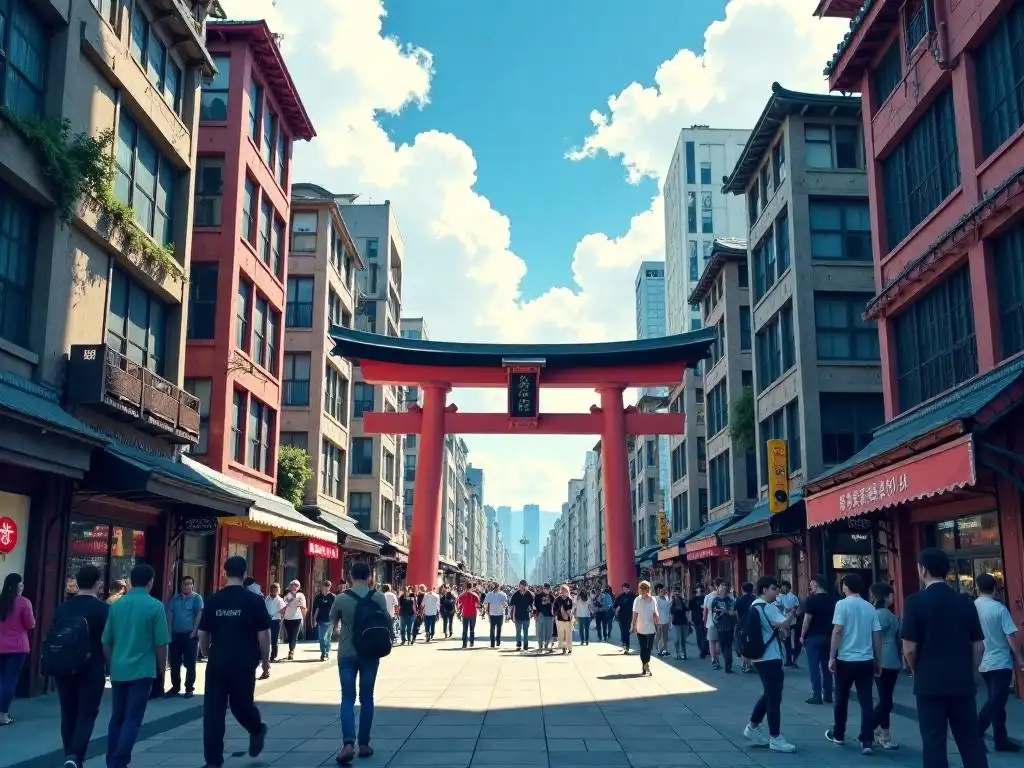
Edo culture, which flourished during Japan's Edo period (1603-1868), has left a lasting imprint on modern Japanese identity, particularly within the realm of pop culture. This rich historical backdrop, characterized by advancements in arts, literature, and urban lifestyle, continues to resonate in various contemporary cultural expressions. Notably, the aesthetics, themes, and philosophies of Edo culture can be observed in modern anime, manga, literature, and fashion, illustrating a profound connection to Japan's historical roots.
The influence of Edo culture is evident in the resurgence of traditional art forms such as ukiyo-e, woodblock printing, and kabuki theatre, which have been reinterpreted and integrated into modern media. Characters and narratives often draw upon historical figures and events from the Edo period, introducing audiences to Japan's past while encouraging a sense of national pride and cultural appreciation.
Moreover, the Edo period's emphasis on urbanization and consumer culture has paved the way for contemporary trends, such as the rise of themed cafes and entertainment districts that echo the vibrant atmosphere of Edo's bustling streets. This interplay between the past and present showcases how Edo culture continues to shape modern Japanese identity, fostering a unique blend of historical appreciation and contemporary creativity.
Edo Influences in Media and Entertainment
The impact of Edo culture on media and entertainment is profound and multifaceted. In the world of anime and manga, series often explore themes of honor, loyalty, and social hierarchy—concepts deeply rooted in the Edo period's societal structure. Popular works like "Rurouni Kenshin" and "Samurai Champloo" incorporate historical elements, drawing from the rich tapestry of Edo culture to create engaging narratives that resonate with both domestic and international audiences.
The resurgence of traditional performing arts, such as kabuki and noh, in modern theatrical productions also highlights Edo influences. These forms of entertainment have been adapted to fit contemporary tastes, yet they retain core elements of storytelling and performance that originated during the Edo period. This blending of old and new allows audiences to experience Japan's cultural heritage in a format that feels relevant today.
Furthermore, contemporary video games like "Ghost of Tsushima" and "Sekiro: Shadows Die Twice" are setting a new standard for historical representation, incorporating Edo cultural aesthetics while providing engaging gameplay experiences. Such games not only entertain but also educate players about Japan’s rich history, ensuring that the influence of Edo culture persists in the digital age.
Global Influence of Edo Culture
Edo culture's influence extends beyond Japan's borders, having a significant impact on global perceptions of Japanese culture. The intricate designs of ukiyo-e prints have inspired countless Western artists, including the likes of Vincent van Gogh and Claude Monet, who incorporated Japanese aesthetics into their own works during the 19th century. This cross-cultural exchange highlights how Edo culture has transcended geographical boundaries, shaping global art movements and styles.
Fashion trends rooted in Edo culture also continue to make waves internationally. Traditional garments like kimono and yukata have been reimagined by contemporary designers, blending Western fashion sensibilities with traditional Japanese elements. This fusion not only elevates the visibility of Edo aesthetics but also fosters a greater understanding and appreciation of Japanese culture worldwide.
Moreover, the rise of Japanese cuisine, particularly sushi and ramen, has roots in the Edo period, where food culture thrived alongside urbanization. As these culinary delights gain popularity globally, they serve as a vehicle for cultural exchange, further embedding Edo influences within modern identities around the world.
Case Studies: Edo Culture in Modern Japanese Identity
Edo culture's lasting impact on modern Japanese identity can be examined through various case studies that highlight its relevance in contemporary society. These case studies illustrate how traditions, arts, and values from the Edo period have been preserved, adapted, and celebrated in today's Japan, emphasizing the ongoing connection between the past and present.
From festivals celebrating Edo culture, such as Sanja Matsuri, to the revival of traditional crafts like indigo dyeing and pottery, these examples showcase the efforts to maintain cultural heritage while integrating it into modern life. Additionally, the role of education in teaching students about Edo history and culture underscores the importance placed on understanding one's roots in the formation of modern Japanese identity.
Personal Narratives and Testimonials
Personal narratives and testimonials from individuals who have engaged with Edo culture reveal the profound impact of this historical period on their identities. Many people express a sense of pride and belonging when they participate in traditional arts, crafts, and festivals that showcase Edo influences. For instance, participants in the Sanja Matsuri festival often recount feelings of connection to their ancestors and appreciation for the cultural practices that have been passed down through generations.
Additionally, individuals who practice traditional crafts or martial arts rooted in the Edo period often describe how these activities foster a deeper understanding of their cultural heritage. These personal stories reflect the broader societal sentiment that values the preservation and celebration of Edo culture as a crucial aspect of modern Japanese identity.
Through these narratives, it becomes evident that Edo culture is not merely a relic of the past but a living, breathing entity that continues to shape the identities and experiences of people in contemporary Japan. These personal connections to Edo culture reinforce its significance in understanding the evolution of modern Japanese identity and its ongoing relevance in today's world.
Conclusion: The Lasting Legacy of Edo Culture
The Edo period, spanning from 1603 to 1868, left an indelible mark on modern Japanese identity. This era was characterized by peace, stability, and isolation, which allowed for the flourishing of arts, culture, and societal structures that still resonate today. Edo culture, with its unique blend of traditional values and innovative expressions, established the groundwork for contemporary Japanese aesthetics, social practices, and even political thought.
One of the most significant legacies of Edo culture is its artistic contributions. Traditional arts such as ukiyo-e (woodblock prints), kabuki (theater), and tea ceremonies continue to influence modern art forms and practices. The visual language developed during this time informs contemporary Japanese design, from fashion to architecture. The appreciation for beauty and impermanence—concepts rooted in Edo aesthetics—remains central in modern Japanese culture.
Furthermore, the Edo period's social structures, including the importance of community and familial ties, have shaped contemporary social norms. The values of respect, harmony, and collective responsibility fostered during this time continue to influence modern Japanese society. The emphasis on education and literacy, which blossomed during the Edo period, has also played a crucial role in Japan's post-war economic recovery and the development of a highly educated workforce.
The rich tapestry of Edo culture is woven into the fabric of modern Japanese identity. Its lasting legacy is evident in the arts, societal values, and even the approaches to governance and community life, illustrating how a historical era can profoundly shape the identity of a nation.
Further Reading and Resources
For those interested in delving deeper into the influence of Edo culture on modern Japanese identity, several resources can provide valuable insights:
- Books:
- Edo Culture: Daily Life and Diversions in Urban Japan, 1600-1868 by Edward G. Seidensticker - This book explores the daily life and cultural practices of Edo, providing a comprehensive overview of the period.
- The World of the Shining Prince: Court Life in Ancient Japan by Ivan Morris - While focused on earlier periods, this book provides context for understanding the evolution of Japanese culture leading into the Edo period.
- Articles and Journals:
- The Journal of Japanese Studies often features articles on Edo culture and its lasting impact on contemporary Japan.
- The Bulletin of the Museum of Fine Arts, Boston includes studies on Edo art and its influence on modern artistic practices.
- Online Resources:
- The National Museum of Japanese History has extensive resources and exhibitions related to the Edo period, including digital archives.
- Websites like Japan-Guide.com provide accessible information on various aspects of Edo culture and its relevance today.
Engaging with these resources will enhance your understanding of how Edo culture has shaped modern Japanese identity, providing both historical context and contemporary relevance.
- Introduction to Edo Culture and Modern Japanese Identity
- Historical Context of the Edo Period
- Transformation of Edo Culture into Modern Identity
- Edo Values and Modern Japanese Society
- The Role of Edo Culture in Pop Culture
- Case Studies: Edo Culture in Modern Japanese Identity
- Conclusion: The Lasting Legacy of Edo Culture
- Further Reading and Resources
Frequently Asked Questions
What is Edo culture?
Edo culture refers to the cultural and artistic developments that flourished during the Edo period (1603-1868) in Japan, characterized by its urbanization, theater, and literature.
How has Edo culture influenced modern Japanese identity?
Edo culture has significantly shaped modern Japanese identity by instilling values of aesthetics, social structures, and artistic expressions that continue to resonate in contemporary Japan.
What are some key elements of Edo culture?
Key elements of Edo culture include Kabuki theater, Ukiyo-e prints, and the rise of merchant classes, which all contributed to a rich tapestry of artistic and social life.
The rigid class system of the Edo period laid the groundwork for modern Japanese society, influencing social norms, work ethics, and the importance of hierarchy in contemporary culture.
Why is the Edo period significant in Japanese history?
The Edo period is significant due to its long-lasting peace, economic growth, and cultural development, which established many foundations of what we recognize as Japanese identity today.
Final Reflection: Embracing the Legacy of Edo Culture in Modern Japanese Identity
The enduring influence of Edo culture on modern Japanese identity is not just a historical footnote; it is a vibrant thread woven into the fabric of contemporary society. As we navigate the complexities of globalization and cultural exchange, the values, aesthetics, and philosophies that emerged during the Edo period continue to resonate, shaping how individuals and communities define themselves today. The echoes of this rich cultural heritage remind us that our identities are not static but rather dynamic, evolving through the interplay of history and modernity.
Edo culture has profoundly influenced Japan's artistic expressions, social structures, and even its approach to nature and community. The principles of simplicity, beauty, and harmony that characterized the Edo period are reflected in modern Japanese art, fashion, and design, creating a unique blend of tradition and innovation. As noted by cultural historian Yujiro Nakamura, The essence of Edo culture is not lost; it is reborn in every generation, reminding us of our roots while encouraging us to forge our own paths.
This ongoing dialogue between past and present invites us to explore how we can honor our heritage while embracing the future.
As you reflect on the themes discussed in this article, consider how the lessons of Edo culture can inspire your own journey. How can you integrate the values of creativity, resilience, and community into your life? Take a moment to appreciate the beauty of your own cultural identity and the influences that have shaped it. By acknowledging and celebrating these connections, you can contribute to a richer, more diverse narrative that honors the past while looking forward to a vibrant future.
Embrace the Legacy: Connect with Edo Culture Today!
Thank you for taking the time to explore the fascinating influence of Edo culture on modern Japanese identity. You've discovered how this rich history shapes contemporary life and values, and now it's time to take action!
Here’s how you can deepen your connection to this vibrant culture:
- Visit a local museum or attend a cultural event that showcases artifacts and traditions from the Edo period, allowing you to gain firsthand experience.
- Share your insights about Edo culture with your friends or on social media to spark conversations and inspire others to learn more.
- Consider exploring traditional Japanese arts such as calligraphy or the tea ceremony – you might discover a newfound passion!
What aspect of Edo culture resonates with you the most, and how do you see its influence reflected in today's Japan?