
Seasonal Fashion Changes: Dressing for Japan's Four Distinct Seasons

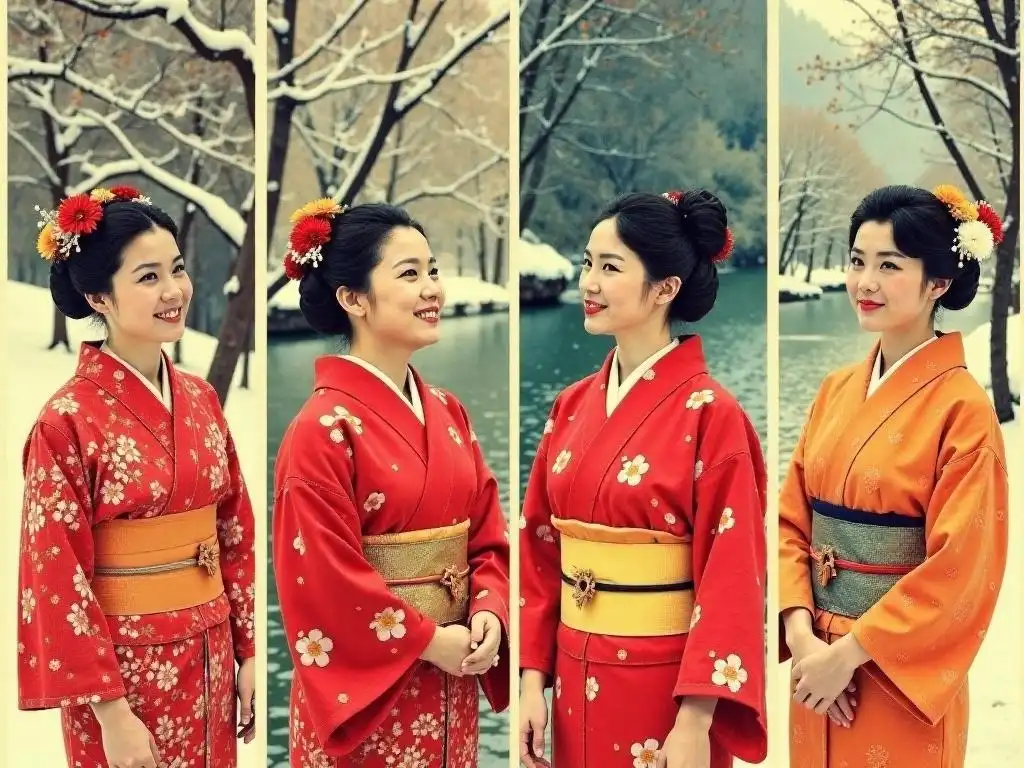
Welcome to Feudal Japan History, where we embark on a captivating journey through the intricate tapestry of Japan’s feudal era. Today, we delve into the world of Japan seasonal fashion trends, exploring how the changing seasons influenced clothing choices and societal norms. From the delicate fabrics of spring to the layered garments of winter, each season tells a unique story that reflects the cultural richness of this remarkable period. Are you ready to uncover the secrets of Japan's seasonal wardrobe? Let's dive deeper into the fascinating interplay between fashion and tradition in the heart of feudal society!
- Introduction to Japan's Seasonal Fashion Trends
- Spring Fashion in Japan
- Summer Fashion in Japan
- Autumn Fashion in Japan
- Winter Fashion in Japan
- Regional Variations in Japan's Seasonal Fashion
- The Influence of Festivals on Seasonal Fashion
- Conclusion: Embracing Japan's Seasonal Fashion Trends
-
Frequently Asked Questions
- What are the main seasonal fashion trends in Japan?
- How does the climate affect fashion choices in Japan?
- Are there traditional clothing styles associated with each season in Japan?
- How do modern fashion trends in Japan interact with traditional styles?
- Where can I find more information about Japan's seasonal fashion?
- Final Reflection: Embracing Japan's Seasonal Fashion Trends
- Embrace the Seasons of Style in Japan!
Introduction to Japan's Seasonal Fashion Trends
Japan's rich tapestry of seasonal fashion trends reflects the profound connection between its clothing and the natural environment, cultural traditions, and societal changes. Each of the four distinct seasons—spring, summer, autumn, and winter—brings with it unique influences that shape the garments worn by the people.
This article delves into the intricate relationship between Japan's climate and fashion, exploring how seasonal changes dictate not only the materials and styles used but also the cultural significance behind these choices. Understanding Japan's seasonal fashion trends is essential not only for appreciating the beauty of its clothing but also for grasping the underlying historical and cultural narratives that these trends embody.
Overview of Seasonal Influences on Clothing in Japan
In Japan, fashion is not merely about aesthetics; it is deeply intertwined with the seasons, each of which inspires specific styles and fabrics.
- Spring (Haru) 🌸
- Materials: As the weather warms, lighter fabrics such as cotton and silk become prevalent.
- Styles: Traditional garments like the kimono often feature floral patterns, symbolizing renewal and beauty.
- Cultural Significance: Spring is celebrated with festivals such as Hanami, where people gather to enjoy cherry blossoms, often dressed in vibrant, seasonal clothing.
- Summer (Natsu) ☀️
- Materials: Lightweight, breathable fabrics like yukata (a casual summer kimono) are favored to combat the heat.
- Styles: Bright colors and bold patterns reflect the vibrant festivals and fireworks that characterize this season.
- Cultural Significance: Summer festivals ( matsuri) are common, where traditional attire is worn, emphasizing a connection to heritage and communal joy.
- Autumn (Aki) 🍂
- Materials: As temperatures drop, thicker fabrics like wool and cotton blends come into play.
- Styles: Colors transition to earthy tones, often reflecting the changing leaves. Layering becomes popular, with garments like hifu (a type of vest) adding warmth.
- Cultural Significance: Autumn festivals celebrate the harvest, and clothing often features motifs that symbolize prosperity and gratitude.
- Winter (Fuyu) ❄️
- Materials: Heavier textiles such as wool, silk, and even fur are utilized for warmth.
- Styles: Traditional garments like hifu or layered kimono styles are common, often adorned with intricate patterns.
- Cultural Significance: Winter brings celebrations such as New Year ( Shogatsu), where specific attire is worn to mark the occasion, emphasizing renewal and hope.
Importance of Understanding Japan's Fashion History
Understanding Japan's fashion history is crucial for several reasons:
- Cultural Appreciation: By learning about seasonal fashion trends, one gains insight into the values and traditions that shape Japanese society. Each garment tells a story, reflecting historical events, social structures, and regional variations.
- Influence on Modern Fashion: Many contemporary designers draw inspiration from traditional Japanese clothing. Recognizing these influences can enhance the appreciation of modern Japanese fashion and its global impact.
- Environmental Awareness: Japan's fashion trends are a testament to the country's adaptive nature. Observing how clothing evolves with the seasons can inspire sustainable practices in fashion, encouraging a deeper respect for nature and resources.
Japan's seasonal fashion trends are a vibrant expression of its cultural heritage and environmental consciousness. By exploring these trends, we not only celebrate the artistry of clothing but also the profound connections between people, nature, and history.
Spring Fashion in Japan
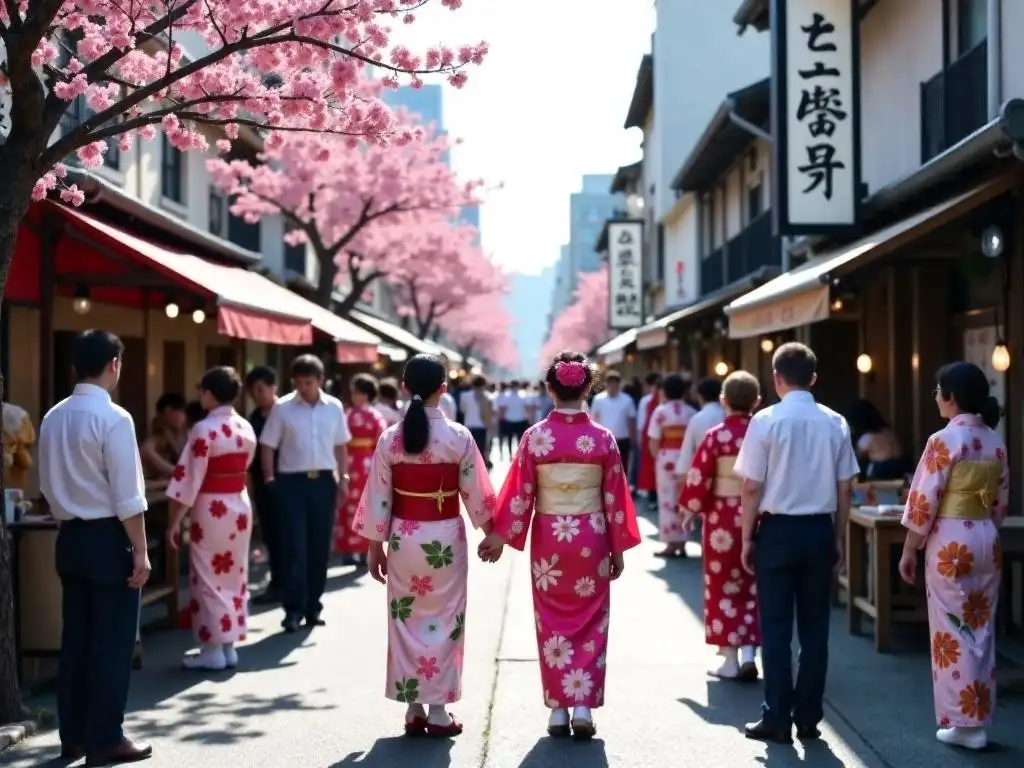
Spring in Japan is not only a time for renewal and growth but also a vibrant season that showcases the beauty of traditional and modern fashion. The blooming cherry blossoms symbolize the arrival of spring, influencing clothing choices and fashion trends throughout the nation. As the weather warms, Japanese seasonal fashion trends begin to emerge, reflecting the cultural significance of spring festivities and the changing landscape.
Traditional Attire for Spring Celebrations
Spring is marked by various festivals and celebrations in Japan, and traditional attire plays a significant role in these events. During this season, the kimono becomes a prominent choice for many, symbolizing the connection to Japanese heritage and culture.
Kimono Styles and Fabrics for Spring
Kimonos worn in spring often feature lighter fabrics and are designed to provide comfort as temperatures rise. Common fabric choices include:
- Cotton: Ideal for warmer days, cotton kimonos are breathable and easy to maintain.
- Silk: For formal occasions, silk kimonos are favored for their luxurious feel and beautiful drape.
Styles:
- Hōmongi: A formal kimono with elegant patterns, often worn during celebrations like hanami (flower viewing) parties.
- Yukata: A casual summer kimono, typically made from cotton, is also popular in spring, especially during festivals.
The colors and patterns of kimonos during spring often reflect the season's beauty, with motifs like cherry blossoms, butterflies, and flowing water. Traditionally, pastel shades and floral patterns dominate the landscape of spring fashion, evoking a sense of freshness and renewal.
Modern Spring Fashion Trends in Japan
In contemporary Japan, fashion is a dynamic interplay between traditional elements and modern influences. Spring fashion trends are characterized by a blend of functionality and aesthetics, with an emphasis on comfort as well as style.
Key Colors and Patterns for Spring Season
Modern spring fashion in Japan embraces a palette that reflects the natural beauty of the season. Key colors include:
- Soft Pinks: Resembling cherry blossoms, this color is a staple in spring collections.
- Light Greens: Representing fresh leaves and new growth.
- Sky Blues: Capturing the clear spring skies.
Patterns:
- Floral Prints: Continually popular, floral designs range from subtle to bold, allowing for personal expression.
- Abstract Designs: Many designers experiment with unique patterns, breaking traditional norms while still paying homage to nature.
Japanese seasonal fashion trends also incorporate layering techniques, allowing for adaptability throughout the fluctuating spring temperatures. Outfits often include:
- Lightweight Jackets: Perfect for chilly mornings or evenings.
- Flowy Skirts and Pants: Providing comfort while allowing movement, often paired with stylish tops.
Spring fashion in Japan is a beautiful blend of tradition and modernity, characterized by vibrant colors, intricate patterns, and a deep appreciation for the seasonal changes. As the cherry blossoms bloom, so too does a rich tapestry of fashion that reflects the cultural essence of Japan.
Summer Fashion in Japan
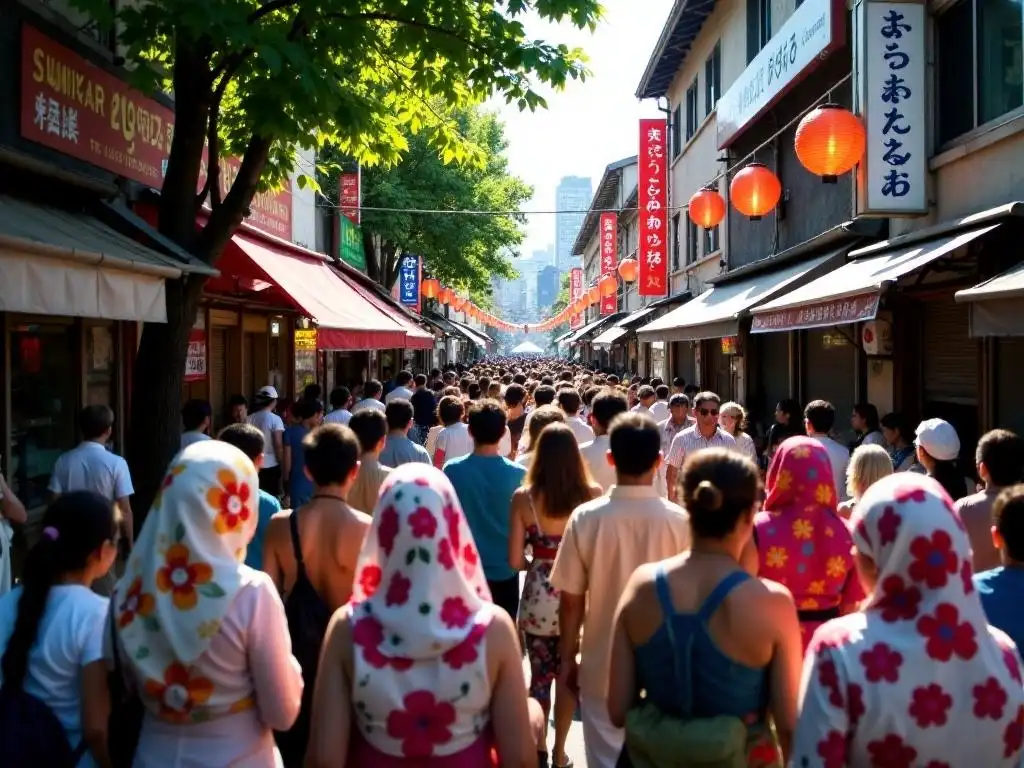
Summer in Japan is characterized by warmth and humidity, which significantly influences fashion choices. The vibrant season not only brings a change in weather but also presents an opportunity for diverse expressions of style. From traditional garments to contemporary trends, summer fashion in Japan is a reflection of cultural heritage and modern aesthetics.
Traditional Summer Clothing: Yukata and Jinbei
During the summer months, traditional Japanese clothing, particularly the yukata and jinbei, holds a special place in the hearts of many. These garments are not only comfortable but also embody the spirit of Japanese summer festivities.
Materials and Comfort for Hot Weather
- Yukata: The yukata is a casual summer kimono made from lightweight cotton. Traditionally worn during summer festivals and hanabi (fireworks) displays, the yukata is available in a variety of colors and patterns, often featuring floral and nature-inspired designs. The fabric is breathable, making it suitable for the hot and humid conditions typical of Japanese summers.
- Design Features:
- Short sleeves
- Simple ties instead of complicated obi
- Often adorned with vibrant prints
- Design Features:
- Jinbei: Jinbei consists of a top and shorts, traditionally worn by men and boys. Made from cotton or linen, jinbei are designed for comfort, allowing for ease of movement during hot weather.
- Design Features:
- Lightweight and loose-fitting
- Often features bold colors and patterns
- Typically worn during festivals or at home
- Design Features:
Both yukata and jinbei highlight the importance of comfort and practicality in clothing choices during the summer months in Japan.
Contemporary Summer Fashion Trends
In addition to traditional attire, contemporary fashion trends during the summer reflect a mix of global influences and unique Japanese styles. The emphasis on comfort and functionality remains strong, but modern designs also embrace bold aesthetics and innovative fabrics.
Popular Styles and Accessories for Summer
- Lightweight Fabrics: Contemporary summer clothing often utilizes materials such as linen, rayon, and breathable cotton blends to enhance comfort. These fabrics are ideal for the high temperatures and humidity of Japanese summers.
- Street Fashion: Japanese street fashion continues to evolve, with styles that incorporate cultural elements alongside global trends. Popular street styles include:
- Harajuku Style: Known for its eclectic mix of colors and patterns, this style often combines traditional elements with modern fashion.
- Athleisure: Comfortable and functional, athleisure wear has gained popularity, allowing for stylish outfits that are perfect for both casual outings and active lifestyles.
- Accessories: Accessories play a crucial role in summer fashion. Items such as wide-brimmed hats, sunglasses, and lightweight scarves are popular choices. Additionally, traditional accessories like uchiwa (hand fans) are often used to stay cool during outdoor events.
- Footwear: Footwear trends shift toward open-toed sandals, flip-flops, and traditional geta (wooden sandals) during the summer, all designed for comfort and ventilation.
Japan's seasonal fashion trends during the summer reflect a harmonious blend of traditional and contemporary influences, emphasizing comfort, style, and cultural significance.
Autumn Fashion in Japan
As the leaves begin to change color and the air turns crisp, autumn in Japan brings a unique charm that influences the seasonal fashion trends. This period is not only marked by the changing landscape but also by a rich tapestry of traditional and modern attire that reflects the beauty of the season. Understanding autumn fashion in Japan offers insights into how cultural heritage and contemporary styles intertwine, creating a vibrant scene of clothing choices.
Autumn Traditional Attire: Kimono Variations
Seasonal Colors and Textiles in Autumn
During autumn, traditional Japanese clothing, particularly the kimono, showcases a stunning array of colors and fabrics that resonate with the season's natural beauty.
- Color Palette: Autumn kimonos often feature hues inspired by the changing foliage, such as deep reds, golds, oranges, and browns. These colors symbolize the warmth of the season and the transition towards winter.
- Fabric Choices: Common textiles for autumn kimonos include silk and wool blends, which provide warmth while maintaining elegance.
Diverse styles of kimonos are worn during this season, including:
- Hōmongi: A semi-formal kimono adorned with patterns that look like falling leaves.
- Tachiwaki: A more casual kimono suitable for daily wear, often with simpler designs.
In addition to kimonos, accessories such as obis (sashes) and obiage (obi scarves) are also selected to complement the seasonal theme, often showcasing motifs like chrysanthemums or maple leaves, which are iconic in autumn imagery.
Modern Autumn Fashion Trends
In contemporary fashion, Japan's autumn trends blend traditional elements with modern aesthetics, creating a unique style that resonates with various demographics.
- Street Fashion: Tokyo's Harajuku district exemplifies how modern autumn fashion incorporates layers and textures. Popular styles include oversized sweaters paired with skirts or layered looks featuring long coats.
- Incorporation of Traditional Patterns: Many modern designers draw inspiration from traditional motifs, integrating them into casual wear, such as T-shirts and jackets that feature kimono fabrics or patterns.
Modern autumn fashion also emphasizes functionality alongside style:
- Outerwear: Lightweight trench coats and tailored jackets are popular choices, allowing for easy layering as temperatures fluctuate.
- Footwear: Ankle boots and stylish sneakers are favored for their versatility and comfort during the cooler months.
Layering Techniques and Styles for Fall
Layering is a critical aspect of autumn fashion in Japan, allowing individuals to adapt to the fluctuating temperatures while maintaining a chic appearance.
- Base Layers: Start with thin, breathable fabrics such as cotton or lightweight thermals to trap warmth without bulk.
- Middle Layers: Incorporate cardigans, blouses, or turtlenecks, which can be easily added or removed depending on the weather.
- Outer Layers: Finish the look with statement outerwear like trench coats or stylish bombers, which not only provide warmth but also serve as a fashion statement.
Additionally, accessories play a vital role in autumn layering:
- Scarves: Chunky knit or silk scarves can add both warmth and a pop of color to any outfit.
- Hats: Beanies or wide-brimmed hats can enhance the overall look while offering protection from cooler winds.
This layering technique not only showcases individual style but also reflects the cultural significance of fashion in Japan, where seasonal changes are celebrated through clothing choices.
Embracing Japan's seasonal fashion trends in autumn allows individuals to express their personal styles while honoring the rich traditions that have shaped the country's clothing history.
Winter Fashion in Japan
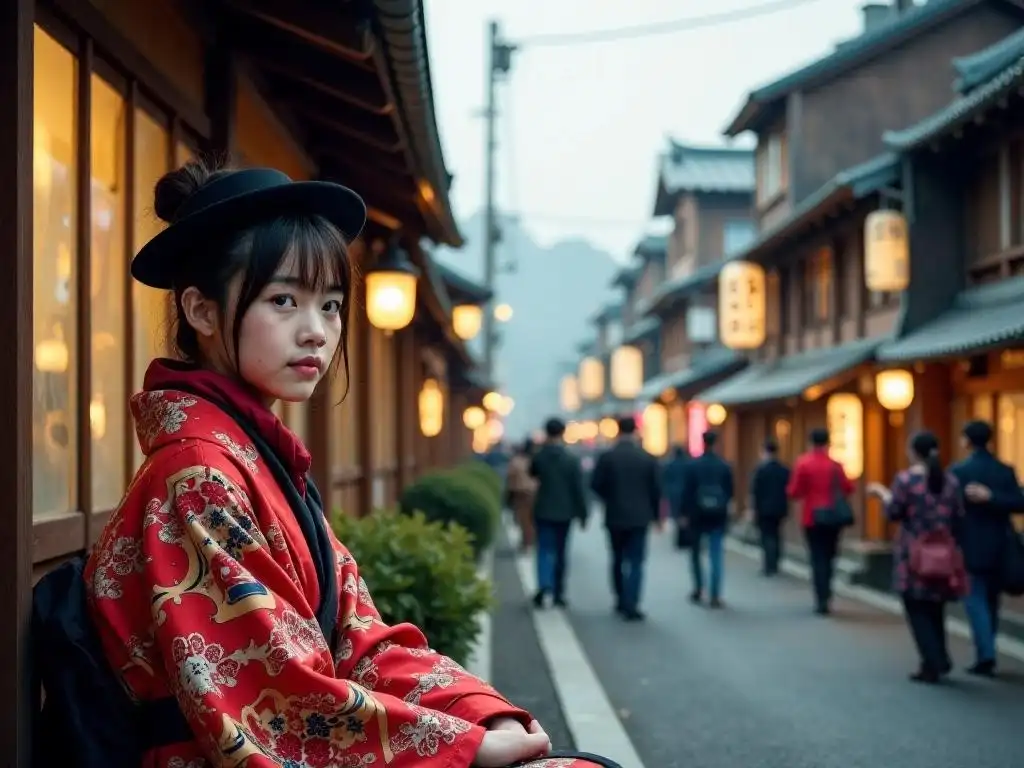
The winter season in Japan brings a unique blend of traditional and contemporary fashion that reflects both the climate and cultural practices. As the temperatures drop, clothing choices become more layered and focused on insulation while still maintaining an aesthetic that honors Japan's rich heritage.
Traditional Winter Clothing: Heavy Kimonos and Shawls
Insulating Fabrics and Styles for Cold Weather
In feudal Japan, the winter wardrobe was heavily influenced by the need for warmth and protection against the cold. Traditional winter clothing often featured heavy kimonos made from layered fabrics that provided both insulation and elegance. These kimonos were typically crafted from materials such as:
- Silk: Known for its luxurious feel and warmth, silk kimonos often came in darker colors and intricate patterns suitable for winter festivities.
- Wool: Increasingly popular in later periods, wool kimonos offered a practical solution to keep warm during the harsh winters.
- Cotton: Heavier cotton fabrics were also used for casual wear, especially among the working class.
To enhance warmth, many would wear shawls or stoles made from fur or thick woven textiles. The common practice was to layer these garments, which not only provided warmth but also allowed for versatility in style.
Furthermore, obi, or traditional sashes, were often used not just for aesthetic purposes but also to secure layers of clothing, ensuring a snug fit against the cold.
Current Winter Fashion Trends
As Japan moves through the ages, winter fashion has evolved dramatically. While traditional elements remain woven into modern styles, the influence of global fashion trends has led to an exciting amalgamation of old and new.
Street Style and Seasonal Accessories
Today's winter fashion in Japan showcases a vibrant street style that combines practicality with artistic expression. In urban areas, people often embrace the following trends:
- Layering: This technique remains central, with individuals combining oversized sweaters, long coats, and thermal wear to create chic outfits that can be adapted for varying temperatures throughout the day.
- Accessories: The use of accessories such as beanies, scarves, and gloves is prevalent. These items are often in bold colors or unique patterns, reflecting personal style while providing warmth.
- Footwear: Winter footwear trends include stylish yet functional choices like snow boots, which are designed to handle the cold while keeping the wearer fashionable.
Moreover, urban dwellers frequently opt for tech-savvy fabrics that provide additional warmth without bulk, such as thermal leggings or jackets with insulation technology. The blend of functional and fashionable elements makes Japan's winter fashion scene dynamic and reflective of its cultural heritage.
As the seasons change, Japan's approach to seasonal fashion trends not only highlights its historical roots but also showcases its ability to adapt and innovate in an ever-evolving global landscape.
Regional Variations in Japan's Seasonal Fashion
How Climate Influences Regional Clothing Choices
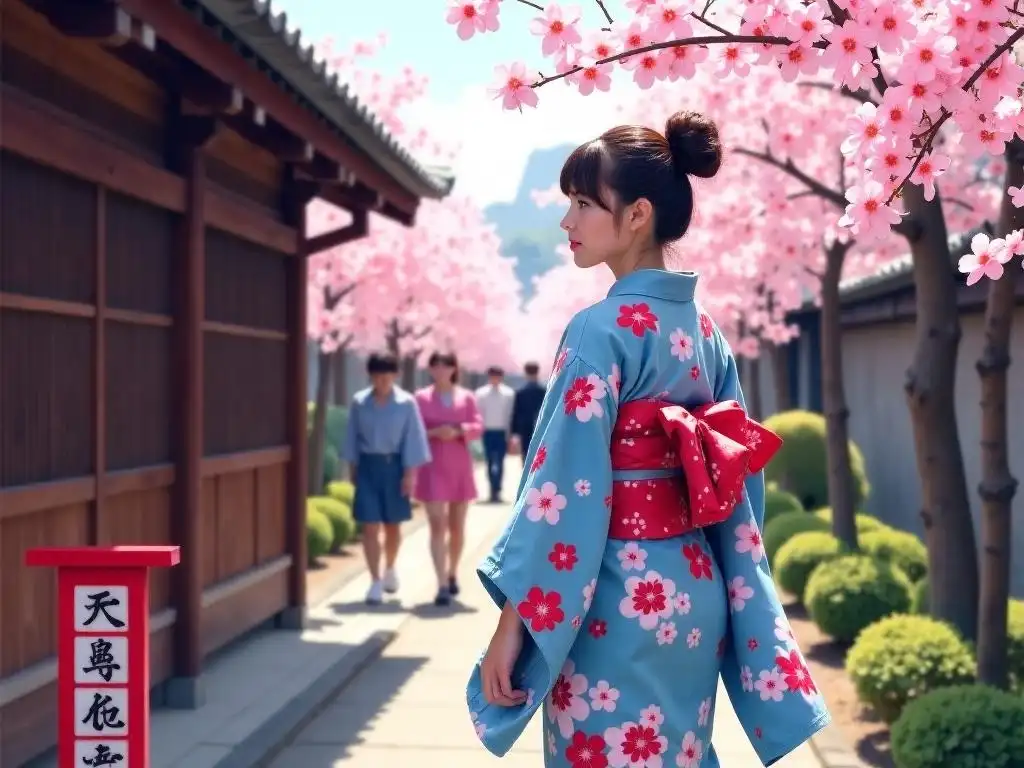
Japan's diverse climate plays a crucial role in shaping regional clothing choices throughout the four distinct seasons. From the subtropical warmth of Okinawa to the frigid winters of Hokkaido, the clothing worn by the Japanese people adapts accordingly, reflecting both practicality and aesthetic considerations.
- Hokkaido: Characterized by its cold, snowy winters, Hokkaido's fashion trends heavily emphasize warmth and insulation. Thick, layered clothing such as fur-lined coats and down jackets are common, with traditional garments like kotatsu (heated tables) often paired with warm yukata for indoor comfort during the winter months.
- Kanto Region: Home to Tokyo, this region experiences a mix of humid summers and cool winters. Seasonal fashion trends include lightweight cotton kimono during summer festivals and layered outfits in winter, often featuring woolen scarves and thermal undershirts to combat the chill.
- Kansai Region: In cities like Kyoto and Osaka, where cultural heritage meets modernity, seasonal fashion blends traditional elements with contemporary trends. For example, during cherry blossom season, many opt for colorful hanbok-inspired outfits, while winter sees the rise of stylish trench coats paired with kimono-style belts.
- Okinawa: With its tropical climate, Okinawa's fashion is characterized by light, breathable fabrics such as linen and cotton. Summer trends often include short-sleeved shirts and flowy dresses, while winter garments are minimal, focusing on light jackets or sweaters that provide just enough warmth for the milder temperatures.
Understanding these climatic influences not only highlights the practical aspects of clothing choices in Japan but also reveals how regional identities are expressed through seasonal fashion trends.
Unique Fashion Trends in Different Prefectures
Japan's cultural diversity is reflected in the unique fashion trends that emerge from its various prefectures. Each area boasts distinct textiles, colors, and styles that celebrate local heritage and seasonal changes.
- Kyoto:
- Known for its traditional craftsmanship, Kyoto is famous for its kimono production. During spring, vibrant sakura-themed kimonos are popular, while autumn brings out rich, earthy tones inspired by the changing leaves.
- Osaka:
- This urban center is known for its street fashion. In summer, T-shirts with bold graphics and lightweight shorts dominate, while winter sees a rise in layered outfits featuring hoodies and fashionable outerwear.
- Hokkaido:
- The northern prefecture showcases its unique Ainu culture through fashion. Traditional Ainu clothing often features intricate patterns and is worn during seasonal festivals, especially in summer when cultural gatherings peak.
- Okinawa:
- With a strong influence from its Ryukyu heritage, Okinawa's fashion incorporates bright colors and floral prints. Hibiscus-patterned shirts are a staple in summer, while light kimonos are preferred for evening events.
- Fukuoka:
- Known for its Hakata textiles, Fukuoka's fashion trends often highlight woven fabrics and intricate designs. During the summer, Hakata-style yukata with bold patterns are worn, especially during local festivals.
The uniqueness of fashion trends in different prefectures not only reflects regional climates but also showcases the rich tapestry of Japan's cultural heritage. By embracing seasonal changes and local traditions, Japan continues to evolve its fashion narrative, making it a compelling subject for those interested in Japan seasonal fashion trends.
The Influence of Festivals on Seasonal Fashion
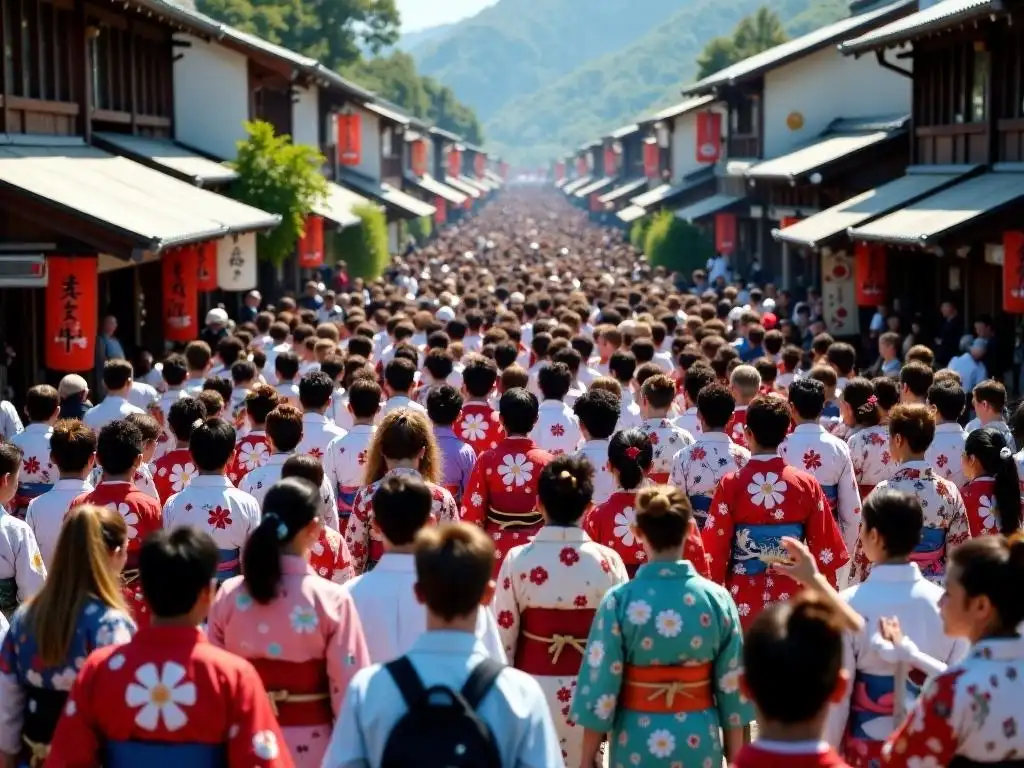
Festivals have played a pivotal role in shaping Japan's seasonal fashion trends throughout its feudal era. These vibrant celebrations are not merely events; they are reflections of cultural heritage and community values, deeply influencing clothing styles that coincide with different seasons. As various festivals take place, they create opportunities for the expression of identity and tradition through fashion, often resulting in distinct styles that are adapted to the season.
The interplay between festivals and fashion is particularly noticeable in the way traditional garments are worn and modified. For instance, during the cherry blossom season, which is celebrated with Hanami festivals, many people don colorful kimono decorated with floral patterns that represent the transient beauty of sakura. These seasonal nuances emphasize the connection between clothing and the natural environment, showcasing how festivals dictate not only the attire but also the materials and colors used during specific times of the year.
Moreover, festivals often introduce unique accessory trends, such as the use of specific obijime (obi cords) or kanzashi (hair ornaments), which may be particularly popular during certain celebrations. These accessories can signify participation in a festival and enhance the overall aesthetic of traditional garments. The cyclical nature of these festivals means that they continually reshape and reintroduce fashion elements, ensuring that Japan's rich textile heritage remains dynamic and relevant.
Major Festivals and Their Impact on Clothing
Japan is renowned for its diverse array of festivals, each with distinct themes and cultural significance, which in turn influences clothing choices. Here are some of the major festivals and their associated fashion impacts:
- Hanami (Cherry Blossom Viewing)
- Season: Spring
- Fashion Impact: Kimono adorned with cherry blossom motifs, pastel colors, and lightweight fabrics are commonly worn during Hanami. This festival encourages the use of seasonal colors that reflect the blooming cherry trees, promoting an overall aesthetic of renewal and beauty.
- Gion Matsuri
- Season: Summer
- Fashion Impact: Held in Kyoto, this festival features elaborate floats and traditional clothing. Participants often wear yukata, a casual summer kimono made from cotton, which is ideal for the warm weather. The yukata is often decorated with vibrant patterns, showcasing the lively spirit of summer festivities.
- Tsukimi (Moon Viewing)
- Season: Autumn
- Fashion Impact: This festival celebrates the harvest moon, and traditional attire often includes hifu (a type of sleeved jacket) or haori (a short coat). The colors lean towards deep, rich hues like burgundy and gold, mirroring the seasonal changes in nature and the bountiful harvest.
- Shichi-Go-San
- Season: Autumn
- Fashion Impact: Celebrating the growth of children, this festival sees young boys and girls dressed in formal kimono. The attire is often characterized by intricate designs and vibrant colors, symbolizing prosperity and good fortune.
- Oshogatsu (New Year's)
- Season: Winter
- Fashion Impact: New Year celebrations emphasize formal wear, with families often donning shinto attire. The garments are typically made of luxurious fabrics and adorned with auspicious symbols, representing new beginnings and hope for the coming year.
These festivals not only showcase the beauty of traditional clothing but also highlight the importance of seasonal fashion trends in Japanese culture. By understanding the connection between festivals and clothing, one can appreciate how these events serve as a catalyst for evolving fashion practices across Japan's distinct seasons.
Seasonal Fashion Trends Inspired by Traditional Events
As the seasons shift in Japan, so too does the fashion landscape, largely influenced by the cultural events that punctuate the year. Here are key seasonal fashion trends that have emerged as a result of traditional events:
- Spring:
- Trend: Light fabrics and floral patterns
- Details: As Hanami marks the arrival of spring, fashion trends gravitate towards lighter materials such as silk and cotton, with intricate floral patterns symbolizing the fleeting beauty of cherry blossoms. The use of pastel colors becomes prevalent, creating a fresh, uplifting aesthetic.
- Summer:
- Trend: Casual and breathable garments
- Details: Summer festivals like Gion Matsuri promote the use of yukata, which are not only practical for the heat but also allow for greater freedom of movement. Designers introduce contemporary twists on traditional patterns, merging classic designs with modern aesthetics.
- Autumn:
- Trend: Rich, earthy tones and layering
- Details: The onset of Tsukimi and Shichi-Go-San brings about a shift to deeper colors such as burnt orange, dark green, and gold. Layering becomes a popular choice, with hifu and haori adding warmth and elegance, reflecting the richness of the autumn harvest.
- Winter:
- Trend: Formal and luxurious fabrics
- Details: During Oshogatsu, the emphasis is on formal attire featuring heavier materials like brocade and velvet. Traditional motifs are often enhanced with gold embroidery, symbolizing prosperity and celebration. This trend not only preserves cultural significance but also elevates the fashion narrative during the colder months.
The seasonal fashion trends in Japan are intricately woven with the fabric of its festivals. Each event not only marks a celebration but also serves as a crucial touchstone for fashion evolution, reflecting the cultural values and aesthetic preferences that characterize Japanese society. By embracing these traditions, contemporary fashion continues to flourish, ensuring that the legacy of Japan's feudal era remains vibrant and relevant.
Conclusion: Embracing Japan's Seasonal Fashion Trends
As we conclude our exploration of Japan's seasonal fashion trends, it becomes evident that clothing in Japan is deeply intertwined with its rich cultural heritage and the natural environment. The careful consideration of seasonal changes not only reflects the aesthetic sensibilities of the Japanese people but also demonstrates a profound respect for nature and tradition. By embracing the cyclical nature of the seasons, individuals in Japan express their identity and connection to their surroundings through fashion choices.
The intricate layering of garments, the use of natural materials, and the incorporation of seasonal colors are all hallmarks of Japan's fashion landscape. This attention to detail and harmony with nature is what sets Japanese fashion apart on the global stage. As we look forward, it is crucial to understand how these traditions will evolve while continuing to honor their historical roots.
The Cultural Significance of Seasonal Dressing in Japan
Seasonal dressing in Japan is more than just a practical response to climate; it is an expression of cultural identity. Historically, the kimono, with its elaborate designs and colors, served as a canvas for seasonal motifs, reflecting the beauty of nature throughout the year. Each season not only influences the textiles and colors chosen but also the overall aesthetic of the attire, which includes:
- Spring: Bright, pastel hues and floral patterns symbolize renewal and the beauty of cherry blossoms.
- Summer: Lightweight fabrics, such as yukata, often feature vibrant colors and bold prints, celebrating the warmth and festivities of summer.
- Autumn: Rich, earthy tones and textures reflect the changing leaves, with patterns often inspired by harvest themes.
- Winter: Layered garments with warm, muted colors embrace the cold while showcasing intricate designs often associated with winter motifs.
This cultural significance extends beyond the personal to the communal. Fashion events, festivals, and traditional ceremonies often feature seasonal attire, reinforcing social bonds and cultural practices. The emphasis on seasonal fashion also encourages a mindful consumption of resources, as individuals are prompted to curate their wardrobes based on the changing seasons.
Future Directions in Japan’s Fashion Trends and Sustainability
Looking ahead, Japan's fashion trends are poised to embrace sustainability while maintaining the essence of seasonal dressing. As global awareness of environmental issues rises, Japanese designers and consumers are increasingly prioritizing sustainable practices. This shift is characterized by several key developments:
- Use of Organic Materials: There is a growing trend towards using organic and eco-friendly materials that reflect the seasonal themes without compromising the environment.
- Upcycling and Reusing: Many brands are adopting upcycling techniques, transforming old garments into new pieces that honor traditional designs while minimizing waste.
- Seasonal Capsule Wardrobes: A focus on minimalism is emerging, encouraging individuals to invest in a few high-quality pieces that can be styled for various occasions throughout the seasons.
Furthermore, the integration of technology in fashion design is opening new avenues for innovation. Brands are utilizing digital platforms to promote sustainable seasonal collections, enabling consumers to make informed choices.
Japan's seasonal fashion trends are evolving, influenced by cultural heritage and environmental consciousness. As individuals and designers navigate these changes, the essence of seasonal dressing will continue to thrive, celebrating both tradition and the future. By embracing these trends, Japan not only preserves its unique identity but also pioneers a path towards a more sustainable fashion industry.
Frequently Asked Questions
What are the main seasonal fashion trends in Japan?
Japan's seasonal fashion trends are influenced by its four distinct seasons, with styles changing dramatically from summer's lightweight fabrics to winter's layered clothing.
How does the climate affect fashion choices in Japan?
The climate plays a crucial role in determining fashion, as seasonal variations dictate the materials and designs used, emphasizing comfort and practicality.
Are there traditional clothing styles associated with each season in Japan?
Yes, traditional clothing such as kimonos and yukatas are often worn during specific seasons, showcasing unique designs and patterns that reflect the natural beauty of each time of year.
How do modern fashion trends in Japan interact with traditional styles?
Modern fashion in Japan often blends traditional elements with contemporary styles, resulting in a unique fusion that celebrates both heritage and current trends.
Where can I find more information about Japan's seasonal fashion?
For a deeper understanding of Japan's seasonal fashion, the article on "Feudal Japan History" provides a comprehensive exploration of historical influences and contemporary trends.
Final Reflection: Embracing Japan's Seasonal Fashion Trends
The beauty of Japan's seasonal fashion trends lies in their ability to reflect the changing environment and cultural nuances that accompany each season. As we navigate through the vibrant cherry blossoms of spring, the warm hues of summer, the rich tapestry of autumn leaves, and the serene whites of winter, we are reminded that fashion is not merely about clothing; it is a celebration of nature's cycles and an expression of our identity.
The relevance of this topic today is profound, as more individuals seek to connect with their surroundings and express their personal style in harmony with the seasons.
The influence of Japan's seasonal fashion extends beyond mere aesthetics; it shapes cultural identity and fosters a sense of community. As we witness the rise of sustainable practices and the appreciation for traditional craftsmanship, the importance of dressing according to the seasons becomes even more significant. Fashion is the armor to survive the reality of everyday life.
This quote resonates deeply, as it encapsulates how our clothing choices can empower us to embrace the world around us, reflecting both our inner selves and the cultural narratives we inhabit.
As you consider the insights shared in this article, I invite you to reflect on how you can incorporate Japan's seasonal fashion trends into your own wardrobe. Think about the colors, textures, and styles that resonate with you during each season. Allow your clothing choices to tell your story and connect you to the beauty of nature and the rich cultural heritage that surrounds you. Embrace the opportunity to express yourself through fashion, and let each season inspire you to create a personal style that is both meaningful and vibrant.
Embrace the Seasons of Style in Japan!
Thank you for exploring the fascinating world of seasonal fashion in Japan! We hope this article has inspired you to appreciate the beauty and uniqueness of dressing for each season in this incredible country. Now, it’s time to take your newfound knowledge and transform your wardrobe or plan your next adventure.
Here are some actionable steps you can take today:
- Revamp your wardrobe: Start by incorporating elements from each season into your style—try layering with cozy pieces in autumn or opt for light, breathable fabrics in summer!
- Plan a seasonal trip to Japan: Discover how locals dress throughout the year and immerse yourself in the culture. Select a season and create a travel itinerary that highlights traditional festivals and events unique to that time.
- Share your thoughts: Join our community! Post about your favorite seasonal fashion trends on social media using #FashionInJapan and tag us, or leave a comment below sharing how the changing seasons influence your style!
What seasonal fashion piece are you most excited to add to your wardrobe this year?