
The Influence of Zen Buddhism on Noh Theater: Spirituality in Performance

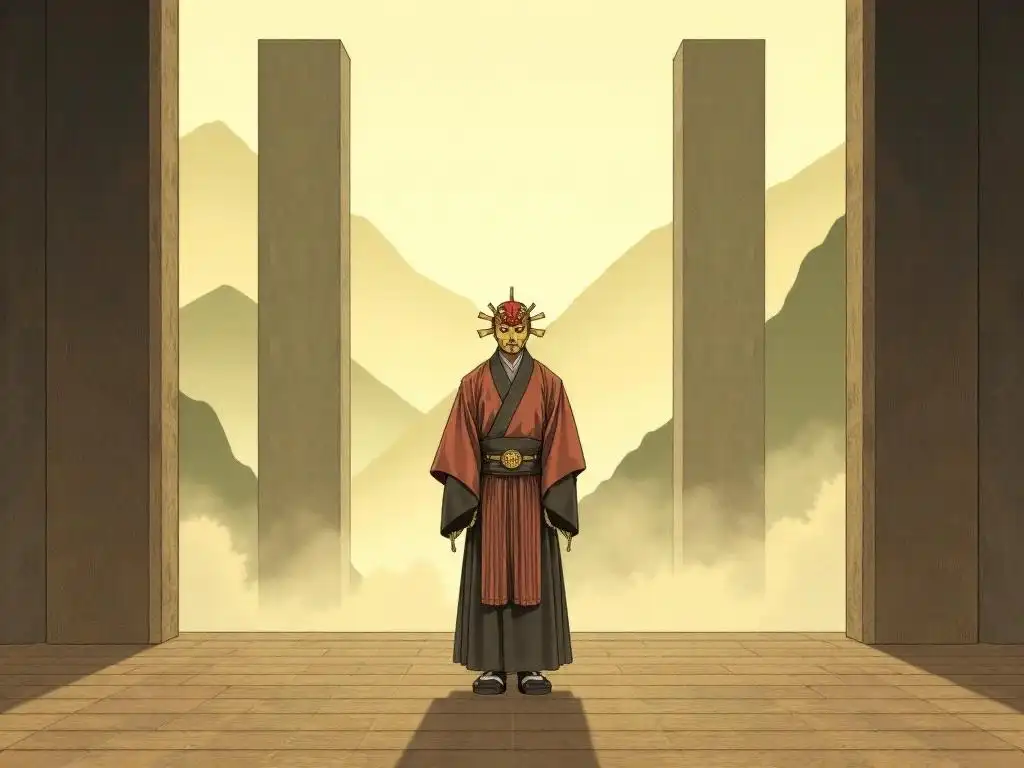
Welcome to Feudal Japan History, where we invite you to embark on a fascinating journey through the intricate tapestry of Japan’s feudal era. Here, you will uncover the profound connections between Zen Buddhism and Noh Theater, as we delve into how spirituality transforms performance into a transcendent experience. What secrets lie within the delicate movements and haunting melodies of Noh? Join us as we explore this captivating intersection of culture and spirituality, and prepare to be inspired by the layers of meaning that await you in our latest article.
Introduction to Zen Buddhism and Noh Theater
The intricate relationship between Zen Buddhism and Noh Theater represents a profound aspect of Japan's cultural and spiritual heritage. Zen Buddhism, with its emphasis on meditation, simplicity, and mindfulness, has significantly shaped various facets of Japanese art, particularly in the realm of performance. Noh Theater, one of the oldest forms of classical Japanese theater, embodies elements of Zen through its unique storytelling, expressive movements, and minimalist aesthetics. This article delves into the spiritual underpinnings of Noh, exploring how Zen principles have influenced its development and the profound experiences it offers to both performers and audiences.
Overview of Zen Buddhism
Zen Buddhism emerged as a distinct school of thought within the broader context of Mahayana Buddhism, emphasizing direct experience and meditation as pathways to enlightenment. Originating in China as Chan Buddhism and later flourishing in Japan, Zen focuses on the practice of zazen (sitting meditation) and the realization of one's true nature. Key tenets of Zen include:
- Mindfulness: The practice of being present in the moment.
- Simplicity: Aesthetic and lifestyle choices that eschew excess.
- Non-duality: The understanding that separation between self and other is an illusion.
These principles not only provide a framework for personal enlightenment but also permeate various forms of Japanese art, encouraging a deeper connection to the spiritual and the profound.
Historical Context of Noh Theater
Noh Theater, developed during the 14th century, is a unique artistic expression that combines drama, music, and dance. It serves as a conduit for storytelling that draws heavily on themes from Japanese mythology, history, and literature. The historical development of Noh can be traced through several key phases:
- Origins: Rooted in the early forms of Japanese entertainment, such as sarugaku.
- Formalization: Under the patronage of the Ashikaga shogunate, Noh began to adopt a more structured form.
- Zen Influence: As Zen Buddhism gained prominence, its principles began to infuse the performances, shaping the aesthetic and emotional expression of the theater.
Noh’s evolution reflects not only the artistic trends of the time but also the spiritual currents flowing through Japanese society, with Zen Buddhism playing a pivotal role.
The Intersection of Zen Buddhism and Noh Theater
The convergence of Zen Buddhism and Noh Theater is evident in the shared values of stillness, introspection, and the pursuit of transcendence. Noh performances often convey profound philosophical messages that resonate with Zen teachings. This intersection manifests in several ways:
- Themes: Exploration of impermanence, suffering, and enlightenment.
- Performance Style: The deliberate pacing and restrained movements echo the Zen focus on mindfulness and presence.
- Audience Engagement: Noh invites the audience to partake in a meditative experience, encouraging reflection and emotional resonance.
Through this synergy, Noh Theater not only entertains but also serves as a vehicle for spiritual exploration, allowing audiences to engage with the deeper aspects of existence.
The Principles of Zen Buddhism in Noh Theater
Key Zen Concepts Influencing Performance
Several core Zen concepts significantly influence the artistry of Noh Theater, shaping its narrative and performance style. These include:
- Wabi-Sabi: The beauty of imperfection and transience, encouraging acceptance of the natural cycle of life.
- Mu: The concept of 'emptiness' or 'nothingness,' which allows for profound expression beyond mere words.
- Satori: The sudden enlightenment that can occur through direct experience, often reflected in the emotional depth of Noh performances.
These principles create a rich tapestry of meaning within Noh, inviting both performers and audiences to explore their own spiritual journeys.
Meditation and Mindfulness in Noh
The practice of meditation and mindfulness is integral to both Zen Buddhism and Noh Theater. Performers engage in rigorous training that emphasizes:
- Focus and Concentration: Essential for executing the precise movements and emotional expressions characteristic of Noh.
- Presence: A deep awareness of the present moment, allowing performers to fully embody their roles and connect with the audience.
- Breath Control: Regulated breathing techniques that enhance performance and promote a calm state of mind.
By incorporating these meditative practices, Noh not only becomes a form of artistic expression but also a path toward personal and collective mindfulness.
The Aesthetic of Simplicity and Stillness
The aesthetic of simplicity and stillness pervades Noh Theater, drawing directly from Zen principles. This aesthetic is characterized by:
- Minimalist Sets: The use of sparse stage elements that focus the audience's attention on the performance.
- Subtle Movements: The deliberate and measured gestures that convey deep emotions without excess.
- Quietude: The silences and pauses that punctuate performances, allowing space for reflection and emotional processing.
This approach not only enhances the spiritual experience of the performance but also aligns closely with Zen's emphasis on simplicity and the profound beauty found in stillness. Through these elements, Noh Theater becomes a meditative space where spirituality and art converge, offering insights into the human condition and the nature of existence.
Spirituality and Symbolism in Noh Theater
Noh theater, a traditional form of Japanese drama, intricately weaves spirituality and symbolism into its performances, making it a profound expression of cultural and religious beliefs. Central to Noh is the influence of Zen Buddhism, which emphasizes mindfulness, simplicity, and a deep connection with nature. This spiritual framework informs every aspect of Noh, from the content of the plays to the very manner in which they are performed.
The spiritual essence of Noh is often represented through its themes, which deal with the human condition, the transience of life, and the pursuit of enlightenment. Each performance invites the audience to engage in a reflective experience, often leading to moments of introspection. Characters in Noh plays frequently embody spiritual concepts, navigating between the physical and ethereal worlds, thus mirroring the Zen pursuit of understanding reality beyond superficial appearances.
Representation of Zen Ideals in Noh Plays
Zen ideals permeate the narratives found in Noh theater, often illustrating philosophical concepts such as impermanence (mujo) and the unity of all existence. Many plays depict characters who confront their mortality, engage in self-reflection, or seek redemption. For example, the play "Tōru" explores the theme of longing and unattainable desires, echoing Zen teachings about the futility of attachment and the importance of letting go.
Moreover, the narratives often incorporate elements of nature and the cosmos, symbolizing the interconnectedness of all beings. This reflects the Zen belief that understanding one's place within the universe is key to achieving spiritual harmony. Through these stories, Noh theater serves not only as entertainment but also as a medium for conveying profound spiritual lessons.
Use of Symbolism and Metaphor in Performance
Symbolism in Noh theater is meticulously crafted, with each element on stage serving a purpose beyond the immediate visual. Costumes, masks, and props are imbued with layers of meaning, often reflecting Zen concepts. For instance, the use of the "higuma" (bear mask) can symbolize raw, primal energy and the struggle with one's baser instincts, inviting deeper contemplation on the nature of self.
Metaphors in dialogue and action are equally significant. The slow, deliberate movements of the actors often symbolize the quest for inner peace, while the pauses in speech can represent moments of meditation or contemplation. This layered use of symbolism transforms Noh into a spiritual journey, where every performance encourages the audience to explore their own understanding of life and existence.
The Role of Nature and the Universe in Noh
Nature plays a pivotal role in Noh theater, often serving as a backdrop that enhances the spiritual atmosphere of performances. The incorporation of natural elements such as trees, water, and mountains reflects Zen's reverence for the environment and the belief in its profound connection to human life. This connection is often emphasized through the use of specific settings that evoke feelings of tranquility or melancholy, aligning with the emotional state of the characters.
Moreover, the cyclical patterns of nature are mirrored in the structure of Noh plays, which often follow a rhythm that resonates with the seasons or the passage of time. This not only reinforces the theme of impermanence but also invites audiences to reflect on their own lives within the greater context of the universe. The presence of nature in Noh thus becomes a spiritual symbol, reminding viewers of their place within the vast tapestry of existence.
The Impact of Zen Buddhism on Noh Performance Techniques
The influence of Zen Buddhism extends into the performance techniques of Noh theater, shaping the way actors express their characters and convey emotions. This impact is evident in several key areas, including movement, vocalization, and stage design. Each element is carefully crafted to enhance the spiritual experience of both performers and spectators.
Movement and Gesture: A Zen Approach
In Noh theater, movement is characterized by its deliberate, slow, and precise execution. This approach aligns with Zen principles, emphasizing mindfulness and presence in each action. The actors' gestures are not mere representations of emotions but rather embody the essence of the character’s inner journey.
The concept of "nō" (to be) is central, where each movement becomes a meditation in itself. For instance, a simple turn of the head or a hand gesture is performed with intentionality, allowing the audience to sense the weight of the moment. This practice invites viewers to engage in a shared experience of contemplation, mirroring the Zen practice of being fully present in the now.
Vocal Techniques Reflecting Zen Philosophy
Vocalization in Noh is distinct and deeply expressive, often characterized by a unique style that reflects Zen philosophy. The use of chant, combined with a controlled yet emotive vocal delivery, allows performers to convey nuanced feelings and thoughts. This technique requires actors to focus intensely on their breath and voice, mirroring the Zen practice of breath awareness.
The tonal quality of the voice also plays a significant role, with variations in pitch and volume evoking different emotional states. This dynamic vocal landscape not only enhances the storytelling but also aligns with the Zen principle of expressing one's true self, fostering a deeper connection between the performer and the audience.
Stage Design and Minimalism in Noh
Stage design in Noh theater adheres to principles of minimalism, a concept that resonates with Zen aesthetics. The simplicity of the stage, often adorned with only essential elements, allows for a focused viewing experience that encourages reflection. This minimalism is not merely a stylistic choice but a deliberate effort to strip away distractions, inviting audiences to engage with the spiritual themes presented.
The use of natural materials, such as wood and fabric, further enhances this aesthetic, fostering a connection to the natural world. The sparse setting allows the performers and their actions to take center stage, embodying the Zen philosophy of finding beauty in simplicity and the essence of existence in the absence of excess. Thus, every aspect of Noh stage design contributes to a holistic spiritual experience, reinforcing the profound relationship between Zen Buddhism and this traditional form of Japanese theater.
Case Studies of Zen Influence in Notable Noh Plays
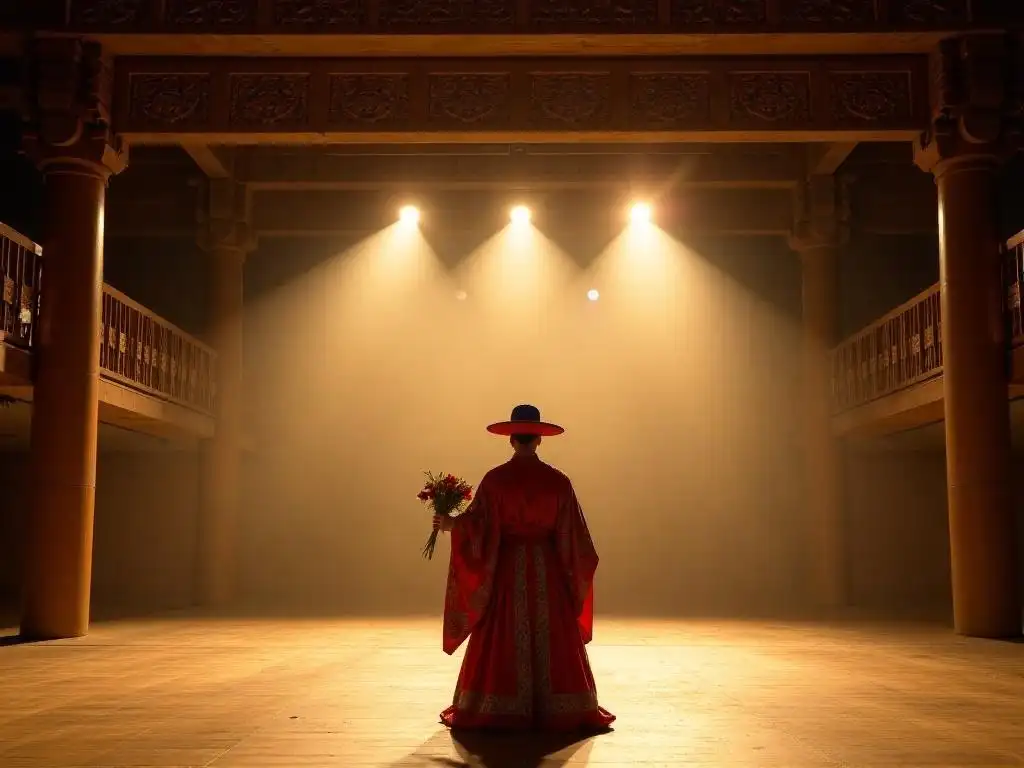
Zen Buddhism has significantly shaped the thematic and spiritual frameworks of various Noh plays. This influence can be traced through specific works that embody Zen principles, exploring themes of impermanence, enlightenment, and the nature of existence. In this section, we delve into notable examples like "Atsumori" and "The Tale of the Heike," examining how Zen philosophy permeates their narratives and performances. Additionally, we will discuss the lasting legacy of Zen-inspired Noh theater in modern interpretations, showcasing how these ancient principles continue to resonate with contemporary audiences.
Analysis of "Atsumori" and its Zen Elements
"Atsumori," one of the most celebrated Noh plays, serves as a poignant illustration of Zen's influence. The narrative centers on the tragic story of a young warrior, Atsumori, who is slain in battle, and the subsequent encounter between his ghost and the warrior who killed him. The play embodies key Zen themes, particularly the notion of impermanence (無常, mujō), which underscores the fleeting nature of life and the inevitability of death.
The central scene, where the ghost of Atsumori expresses his longing for the world of the living, highlights the transient nature of human experiences. Through the performance, audiences are invited to reflect on the interconnectedness of life and death, a core principle in Zen thought. The use of slow, deliberate movements and minimalist staging in "Atsumori" further emphasizes the Zen aesthetic, promoting a meditative atmosphere that encourages introspection and emotional resonance.
Exploration of "The Tale of the Heike" and Spiritual Themes
"The Tale of the Heike" is another pivotal work that showcases the deep intertwining of Zen Buddhism and Noh theater. This play recounts the rise and fall of the Taira clan, illustrating the impermanence of power and fortune. Central to its narrative are the Buddhist concepts of karma and rebirth, reflecting the idea that one's actions in this life influence their existence in future lives.
Throughout the performance, moments of stillness and silence are strategically placed to allow the audience to absorb the weight of the unfolding tragedy. This aligns with Zen practices that emphasize mindfulness and presence. The character of the blind biwa player, who recounts the story, embodies the Zen ideal of seeing beyond the physical realm to grasp deeper spiritual truths. The haunting melodies and lyrical language enhance the meditative quality of the play, inviting viewers to contemplate the nature of existence and the cycle of life and death.
The Legacy of Zen-Inspired Noh Theater in Modern Performances
The influence of Zen Buddhism extends beyond historical Noh plays, permeating modern performances and interpretations. Contemporary Noh theater often revisits traditional works while integrating new elements that resonate with today's audiences. The Zen principles of simplicity and mindfulness remain at the forefront, guiding performers to create experiences that are both spiritually enriching and artistically compelling.
Modern Noh companies frequently explore themes of Zen through innovative staging, choreography, and sound design. For instance, contemporary adaptations of classic plays may employ multimedia elements while retaining the core Zen philosophy that celebrates the beauty of impermanence and the profundity of silence. This ongoing legacy highlights Noh theater's adaptability and its capacity to convey timeless spiritual messages in a rapidly changing world.
The Role of Zen Buddhism in the Evolution of Noh Theater
Zen Buddhism has played a crucial role in the evolution of Noh theater, shaping its aesthetic, performance style, and thematic content. The integration of Zen ideas into Noh not only enriched the art form but also fostered a unique cultural identity that reflects Japan's spiritual heritage. This section examines the historical shifts that have influenced Noh's development, the contemporary practices that continue to draw from Zen, and the overall cultural significance of this relationship.
Historical Shifts: From Traditional to Contemporary Noh
The historical trajectory of Noh theater reveals a gradual incorporation of Zen Buddhist ideals, particularly during the Muromachi period (1336-1573), when Zen flourished among the samurai class. Initially, Noh was influenced by earlier forms of theater and religious rituals, but with the patronage of Zen monks and samurai, it began to adopt a more refined aesthetic characterized by minimalism and deep spiritual reflection.
As Noh evolved, its performances increasingly emphasized the connection between the physical and spiritual realms, mirroring the Zen pursuit of enlightenment. The shift from purely narrative-driven plays to those that explore existential themes marked a significant turning point in Noh's history. This transformation enabled Noh to transcend mere entertainment, becoming a medium for spiritual expression and philosophical exploration.
The Ongoing Influence of Zen in Contemporary Noh Practices
In contemporary Noh practices, the influence of Zen Buddhism remains strong. Modern practitioners continue to emphasize the importance of Zen principles such as mindfulness and presence in their performances. Workshops and training programs often incorporate Zen meditation techniques to help actors cultivate awareness, focus, and emotional depth, which are essential for authentic Noh performances.
Additionally, many contemporary Noh productions experiment with integrating Zen-inspired themes into new works, reflecting the ongoing relevance of Zen in today's cultural landscape. By bridging traditional practices with modern sensibilities, contemporary Noh artists honor the legacy of Zen while inviting new generations to engage with this rich artistic tradition.
Zen Buddhism's Contribution to Noh's Cultural Significance
The contribution of Zen Buddhism to the cultural significance of Noh theater cannot be overstated. By intertwining spiritual philosophy with artistic expression, Noh serves as a vehicle for exploring profound questions about existence, consciousness, and the nature of reality. The ritualistic aspects of Noh, informed by Zen practices, create a unique space where performers and audiences alike can engage in a shared spiritual experience.
This cultural significance extends beyond the theater itself; Noh has become a symbol of Japan's artistic heritage and a reflection of its philosophical underpinnings. As globalization continues to influence the arts, Noh theater's deep-rooted connection to Zen Buddhism offers a distinctive lens through which to understand Japanese culture, making it a vital part of the nation's identity and a source of inspiration for artists worldwide.
Conclusion: The Lasting Legacy of Zen Buddhism in Noh Theater
The interplay between Zen Buddhism and Noh theater is a remarkable testament to the depth and complexity of Japanese cultural expression. Zen principles have infused Noh with a unique spiritual dimension, shaping not only its artistic forms but also the audiences' experiences. The contemplative nature of Zen is reflected in Noh’s minimalist aesthetics, emphasizing silence and stillness, enabling performers and spectators alike to engage in a meditative experience that transcends the ordinary.
Noh theater continues to serve as a medium for exploring themes of impermanence, enlightenment, and the nature of existence, all central tenets of Zen philosophy. The legacy of this relationship is profound, creating a distinct form of performance that resonates with both traditional audiences and contemporary spectators seeking deeper meaning in art.
Summary of Key Insights on Zen and Noh
- Spiritual Foundations: Zen Buddhism provides a spiritual framework that informs the thematic and aesthetic choices in Noh. The emphasis on simplicity, mindfulness, and the profound acceptance of impermanence is crucial in both practices.
- Performance Aesthetics: The minimalist approach of Noh is heavily influenced by Zen, with its focus on subtlety, elegance, and the unsaid. The choreography, music, and even the use of masks are designed to evoke a meditative state in both performers and viewers.
- Audience Experience: Zen encourages a reflective engagement with the performance, inviting audiences to contemplate their own existence and the transient nature of life, which is mirrored in the narratives of Noh plays.
- Cultural Significance: The integration of Zen into Noh theater has helped preserve a unique aspect of Japanese cultural identity, allowing it to adapt and remain relevant across centuries while maintaining its spiritual essence.
The Future of Zen Influence in Traditional Japanese Theater
As traditional Japanese theater continues to evolve, the influence of Zen Buddhism remains a vital component in shaping its future. New generations of artists and practitioners are exploring innovative ways to incorporate Zen principles into their work, potentially leading to the emergence of hybrid forms that fuse traditional techniques with modern themes.
This ongoing dialogue between Zen and the performing arts is crucial in ensuring that the spiritual heritage of Noh is not only preserved but also revitalized. Workshops, performances, and educational programs that emphasize Zen philosophy in theater can inspire fresh interpretations and adaptations, keeping the spirit of this ancient art form alive in contemporary contexts.
Final Thoughts on Spirituality in Performance
The relationship between Zen Buddhism and Noh theater offers profound insights into the concept of spirituality in performance. By stripping away the superfluous and focusing on the essence of human experience, both Zen and Noh invite individuals to engage in a journey of self-discovery.
As audiences engage with the meditative aspects of Noh, they are encouraged to reflect on their own lives and beliefs. This spiritual dimension transforms Noh from mere entertainment into a powerful medium for contemplation and connection, embodying the timeless quest for understanding and meaning.
References
Suggested Reading on Zen Buddhism and Noh Theater
- "Zen and the Art of Noh: The Japanese Theatre as Spiritual Practice": by Hiroshi Matsumoto – This book explores the deep connections between Zen philosophy and the performance elements of Noh theater.
- "Noh: The Classical Theatre of Japan": by Richard Emmert – A comprehensive introduction to Noh theater, including its historical development and spiritual underpinnings.
- "The Zen of Noh: A Study of Zen Influence on Japanese Drama": by Susan H. B. L. Tanaka – This text provides an analysis of how Zen Buddhism has shaped the thematic and aesthetic elements of Noh.
Additional Resources for Further Exploration
- Online Archives of Noh Performances: A collection of recorded Noh performances that highlight Zen influences in the art form.
- Zen Practice Centers in Japan: Many centers offer workshops that explore the intersection of Zen practices and traditional arts, including Noh. Engaging in these experiences can deepen understanding and appreciation of both disciplines.
- Documentary Films on Noh Theater: Visual resources that showcase live performances and interviews with practitioners, shedding light on the spiritual aspects of Noh influenced by Zen Buddhism.
- Introduction to Zen Buddhism and Noh Theater
- The Principles of Zen Buddhism in Noh Theater
- Spirituality and Symbolism in Noh Theater
- The Impact of Zen Buddhism on Noh Performance Techniques
- Case Studies of Zen Influence in Notable Noh Plays
- The Role of Zen Buddhism in the Evolution of Noh Theater
- Conclusion: The Lasting Legacy of Zen Buddhism in Noh Theater
- References
- What is the relationship between Zen Buddhism and Noh Theater?
- How does Zen Buddhism enhance the performance of Noh Theater?
- What are the key elements of Noh Theater influenced by Zen Buddhism?
- How did the historical context shape the connection between Zen Buddhism and Noh Theater?
- Can you give examples of Zen themes in Noh plays?
Frequently Asked Questions
What is the relationship between Zen Buddhism and Noh Theater?
Zen Buddhism has significantly influenced Noh Theater, particularly in its themes of spirituality and aesthetic simplicity. The emphasis on mindfulness and inner peace in Zen is reflected in the performances.
How does Zen Buddhism enhance the performance of Noh Theater?
The principles of Zen Buddhism, such as minimalism and meditative presence, create a unique atmosphere in Noh performances, allowing audiences to engage more deeply with the spiritual aspects of the art form.
What are the key elements of Noh Theater influenced by Zen Buddhism?
Key elements include the use of silence, stillness, and symbolic gestures, which echo Zen practices and encourage audiences to find meaning beyond the literal narrative.
How did the historical context shape the connection between Zen Buddhism and Noh Theater?
During the Muromachi period, the rise of Zen Buddhism paralleled the development of Noh Theater, leading to a cultural exchange that infused Noh with Zen philosophies regarding life and death.
Can you give examples of Zen themes in Noh plays?
Many Noh plays explore themes of transience, illusion, and the nature of existence, which are central to Zen thought. Works like "Atsumori" reflect on life, death, and spiritual enlightenment.
Final Reflection: The Spiritual Harmony of Zen Buddhism in Noh Theater
The profound connection between Zen Buddhism and Noh Theater remains strikingly relevant today, as both art forms invite us to explore the depths of human experience through simplicity and mindfulness. In a world increasingly marked by chaos and distraction, the principles of Zen—such as presence, stillness, and the beauty of impermanence—offer a sanctuary for reflection and understanding. This timeless relationship between spirituality and performance not only enriches our cultural heritage but also serves as a reminder of the power of art to transcend the mundane.
The influence of Zen Buddhism on Noh Theater has shaped not only the aesthetics of performance but also the very essence of how we perceive and engage with art. The meditative qualities inherent in Noh performances encourage audiences to embrace silence and introspection, fostering a deeper connection to the narratives being portrayed. As the playwright and philosopher Antonin Artaud once said, "> The theater is a place where the spirit can be liberated." This liberation is precisely what Zen Buddhism offers to Noh, allowing both performers and spectators to experience a profound sense of unity and peace.
As we reflect on the teachings of Zen Buddhism and their manifestation in Noh Theater, I invite you to consider how these principles can be integrated into your own life. Take a moment to pause, breathe, and appreciate the beauty of the present moment, just as a Noh performer embodies the essence of their character. By embracing mindfulness and simplicity, we can cultivate a deeper understanding of ourselves and the world around us, allowing the spirit of Zen to illuminate our paths forward.
Experience the Harmony of Zen and Noh: Take Action!
Thank you for exploring the intricate world of Zen Buddhism and its profound influence on Noh theater! We hope you found joy in discovering the spiritual elements that shape these timeless performances. Now, it’s time to bring that inspiration into your own life and exploration.
Here are some engaging actions you can take right now:
- Attend a local Noh performance to experience the tranquil beauty and mindfulness firsthand—connect with this unique art form!
- Explore the fundamentals of Zen meditation to cultivate your own sense of peace; start with just five minutes a day and gradually deepen your practice.
- Share your newfound knowledge: Discuss what you've learned about the synergy between Zen and Noh with friends or on social media.
What aspect of Zen Buddhism resonates most with you, and how do you see its influence manifesting in your life?