
The Influence of Religion on Family Structures in Feudal Japan


Welcome to Feudal Japan History, where we embark on an extraordinary journey through the intricate tapestry of Japan’s feudal era. Here, history unfolds in rich detail, revealing the profound connections between religion and family structures that shaped daily life and societal norms. In our featured article, "The Influence of Religion on Family Structures in Feudal Japan," we delve deep into how spiritual beliefs intertwined with familial roles, influencing everything from rituals to inheritance.
Prepare to uncover the fascinating interplay of faith and family as you explore the depths of this pivotal period in Japanese history. The story awaits—are you ready to dive in?
Introduction to Religion and Family in Feudal Japan
The intricate relationship between religion and family structures in feudal Japan provides a fascinating lens through which to understand the social fabric of this historical period. Religion was not merely a set of beliefs or rituals; it permeated every aspect of life, influencing how families were organized, how they functioned, and how they interacted with the broader society.
The interplay between Shinto, Buddhism, and Confucianism shaped family dynamics, created roles and responsibilities, and established moral codes that governed daily life. Understanding these influences is crucial for grasping the essence of family life during the feudal era and the values that were preserved for generations.
Overview of Feudal Japan's Historical Context
Feudal Japan, spanning from the late 12th century to the 19th century, was marked by a strict class system and a warrior culture. The period saw the rise of the samurai class, who upheld the code of bushido, emphasizing loyalty, honor, and familial duty. The political landscape was characterized by powerful shogunates, which created a decentralized form of governance where local lords (daimyos) held significant power over their domains.
This era's societal structure was heavily influenced by various religious beliefs, which provided frameworks for authority and community. The family was central to this structure, serving as the primary unit of social organization. Kinship ties and lineage were of paramount importance, with families often maintaining their status through strategic marriages and alliances.
Importance of Religion in Daily Life
Religion played a vital role in the daily lives of people in feudal Japan, guiding their actions, beliefs, and interactions. Rituals and ceremonies were integral to both personal and communal life, marking significant events such as births, marriages, and deaths.
Families often engaged in religious practices to ensure prosperity, health, and protection. Shrines and temples were common spaces for worship, where families would pray for blessings and guidance. The intertwining of religion and family life created a cohesive community identity, fostering a sense of belonging and shared values among the populace.
Key Religious Influences on Family Structures
Shinto Beliefs and Family Dynamics
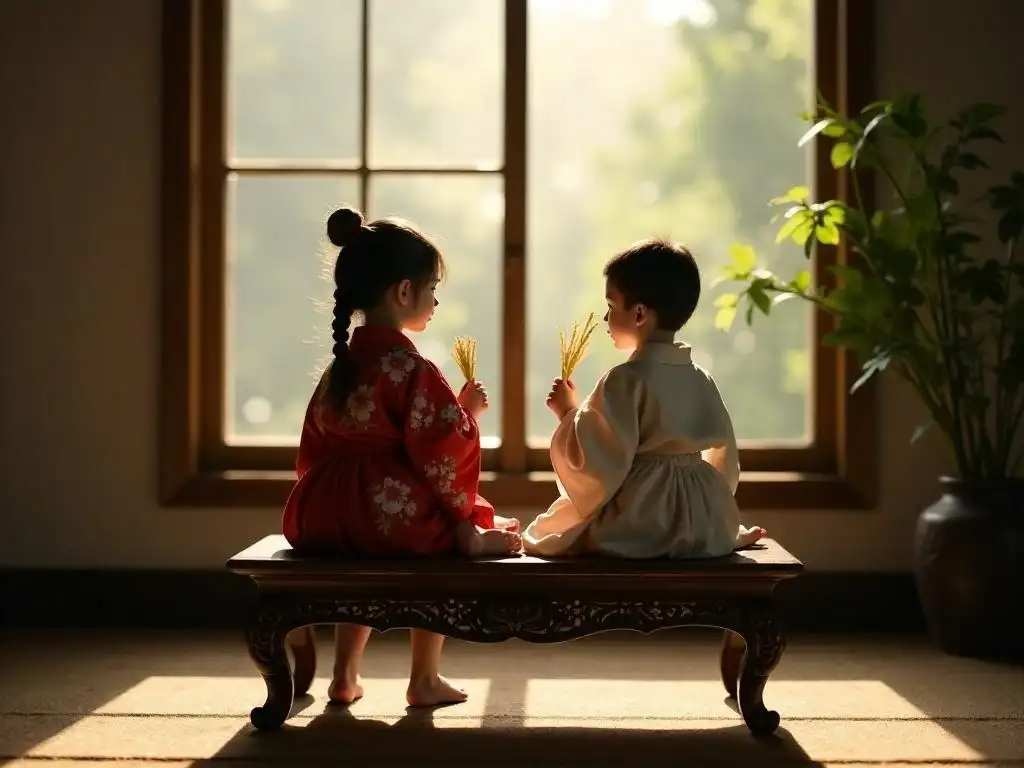
Shinto, the indigenous spirituality of Japan, deeply influenced family structures through its emphasis on kami (spirits) and ancestral veneration. Families would honor their ancestors, believing that their spirits continued to protect and guide them. This practice reinforced familial bonds and the importance of lineage, as the family's honor was closely tied to their ancestral heritage.
In Shinto, rituals often involved household shrines where offerings were made to kami. This not only fostered a sense of spiritual connection but also established the family as a central unit of worship, reinforcing the idea that family and spirituality were inseparable.
Buddhist Practices and Their Impact on Family Life
Buddhism introduced a different set of practices and beliefs that significantly impacted family life in feudal Japan. The concepts of karma and reincarnation influenced how families viewed their responsibilities toward one another and their ancestors. funerary practices became essential, with families investing in rituals to ensure their deceased relatives' peaceful passage into the afterlife.
Moreover, Buddhist teachings on compassion and interdependence fostered a sense of communal responsibility, encouraging families to support one another and their communities. This collective approach to family life created a network of mutual aid and reinforced the importance of maintaining harmony within the household.
Confucianism and Its Role in Family Hierarchy
Confucianism, introduced to Japan from China, profoundly affected social structures, particularly the family. It emphasized respect for elders, filial piety, and a clear hierarchy within family roles. The Confucian ideal of the family as a microcosm of society established the foundation for governance and order.
In a Confucian framework, the eldest male often held authority within the family, making decisions for the collective good. This hierarchical structure not only maintained order within the family but also reflected the broader societal norms of loyalty and duty, shaping the moral compass of feudal Japan.
Understanding the religious influences on family structures in feudal Japan highlights the intricate ways in which belief systems shaped personal relationships, societal roles, and cultural practices, providing a rich tapestry of history that continues to resonate in modern Japanese society.
The Structure of Families in Feudal Japan
In feudal Japan, family structures were heavily influenced by the prevailing societal norms and religious beliefs. The family unit was not merely a domestic space but a crucial social entity that reflected the hierarchical nature of Japanese society. The traditional family structure typically consisted of an extended family, which included not just the nuclear family but also grandparents, aunts, uncles, and cousins, all living together or in close proximity. This arrangement fostered a sense of unity and shared responsibility, emphasizing collective well-being over individualism.
The patriarchal nature of Japanese society during this period meant that the family was often organized around male authority figures, typically the oldest male, who made key decisions regarding family affairs. Women, while integral to family life, were generally expected to adhere to predefined roles that emphasized domestic responsibilities, child-rearing, and support of the male head of the household. Religion played a significant role in defining and reinforcing these family roles, intertwining spiritual beliefs with everyday practices.
Traditional Family Units: The Role of the Extended Family
The extended family was a cornerstone of social stability in feudal Japan. This structure allowed for a pooling of resources, labor, and emotional support, which was vital for survival in a period marked by social and political turbulence. In many cases, the extended family was not just a biological unit but a strategic alliance that could strengthen social ties and economic status within the community.
Religious practices were often communal, reinforcing the bonds within these extended families. Festivals and observances typically involved participation from various family members, thereby enhancing intergenerational relationships. For instance, during significant religious events, such as Shinto festivals, families would come together to honor their ancestors and deities, fostering a sense of collective identity and shared purpose.
Moreover, the roles within extended families were often defined by religious expectations. For example, elders were revered not only for their wisdom but also for their spiritual authority, acting as intermediaries between the family and the divine. This dynamic further solidified the importance of the extended family in maintaining social order and spiritual continuity in feudal Japan.
Gender Roles within Religious Contexts
Gender roles in feudal Japan were closely tied to the religious ideologies that permeated society. Shinto, the indigenous spirituality of Japan, emphasized the importance of purity and fertility, often associating these qualities with women. As a result, women's roles were largely defined by their ability to bear children and manage the household, which were seen as sacred duties.
Buddhism, which also influenced family dynamics during this period, introduced different perspectives on gender roles. While it often reinforced the notion of male superiority, certain sects acknowledged the potential for women to attain spiritual enlightenment. However, the prevailing societal norms still relegated women to subordinate positions within both the family and religious structures.
The influence of these religious ideologies was evident in family life. Rituals and practices often reflected gender-specific expectations, with men participating in duties such as ancestral rites and women managing household altars and offerings. This division of labor within religious contexts helped to perpetuate traditional gender roles, reinforcing a hierarchical family structure that mirrored broader societal norms.
The Influence of Samurai Culture on Family Organization
Samurai culture had a profound impact on family organization in feudal Japan, shaping not only social hierarchies but also familial responsibilities. The loyalty and honor that defined samurai principles extended into family life, where loyalty to family and clan was paramount. This loyalty was often emphasized through the practice of arranged marriages, which were strategic alliances aimed at strengthening familial ties and enhancing social standing.
In samurai families, the concept of "bushido," or the way of the warrior, played a crucial role in defining family relationships. Fathers were expected to instill a sense of duty and honor in their sons, preparing them for roles as warriors and heads of families. This emphasis on martial values influenced familial expectations, where honor and loyalty to the family name often took precedence over individual desires.
Moreover, the samurai class's rigid social structure reinforced the patriarchal family model. The male head of the household was responsible not only for the family's welfare but also for upholding its honor within the broader societal context. This created a dynamic where family members were often viewed as extensions of the male head’s status, reinforcing the importance of maintaining family honor through adherence to samurai values.
Religion as a Unifying Force in Family Life
Religion served as a unifying force in family life during the feudal era, providing a shared framework of beliefs and practices that strengthened familial bonds. The intertwining of daily life with religious observance created a rhythm that dictated family interactions and community engagements. Religious festivals, rituals, and ancestor worship were not merely spiritual practices but integral aspects of family identity and cohesion.
Families commonly participated in rituals that celebrated seasonal changes, agricultural cycles, and significant life events, such as births and weddings. These practices fostered a sense of belonging and community, reinforcing the idea that family life was deeply intertwined with the spiritual realm. The collective participation in religious activities helped to affirm family ties and instill shared values among members.
Rituals and Ceremonies: Strengthening Family Bonds
Rituals and ceremonies played a pivotal role in reinforcing family bonds in feudal Japan. Key life events, such as births, marriages, and funerals, were marked by specific rituals that not only honored the individual but also the family as a whole. These ceremonies often involved elaborate preparations and communal participation, highlighting the importance of family solidarity.
For example, the "Mizuko kuyo," a ritual honoring deceased children, exemplified the profound connection between family and spiritual beliefs. This ceremony allowed families to express their grief collectively while reinforcing the notion of continuity and remembrance. Such rituals were critical in maintaining emotional ties among family members, providing a sense of closure and shared understanding of loss.
Furthermore, seasonal festivals, often intertwined with agricultural practices, brought families together to celebrate their shared heritage and beliefs. The communal nature of these celebrations fostered intergenerational relationships and allowed families to reaffirm their cultural identity. Through these rituals, families could navigate the complexities of life while reinforcing their collective spiritual and familial identity.
The Role of Ancestor Worship in Family Structures
Ancestor worship was a significant aspect of religious life in feudal Japan, deeply embedded in family structures and practices. Honoring ancestors was seen as a way to maintain familial connections with those who had passed, ensuring their presence within the family unit. This practice was vital for reinforcing family identity, as it emphasized continuity and respect for lineage.
Families would often maintain household altars, or "butsudan," where they would present offerings to deceased relatives. These acts of reverence not only reinforced the importance of ancestors in guiding and protecting the family but also created a sense of responsibility for the living members to uphold family honor. The belief that ancestors could influence the fortunes of their descendants further solidified the practice of ancestor worship as a critical family obligation.
Moreover, ancestor worship reflected the hierarchical nature of family structures in feudal Japan. The spirits of the most revered ancestors were often invoked during family rituals, highlighting the importance of lineage and heritage. This practice reinforced the idea that familial duty extended beyond the immediate family, encompassing the broader lineage and its historical significance. In this way, ancestor worship served as a cornerstone of family life, intertwining religious beliefs with daily practices and social structures.
Case Studies of Religious Influence on Families

In feudal Japan, religion played a significant role in shaping family structures and dynamics across different social classes. The intertwining of Buddhist, Shinto, and Confucian ideals influenced not only personal beliefs but also the societal expectations that governed family life. Through case studies, we can observe how various religious practices impacted family roles, hierarchies, and rituals within both samurai and peasant families.
Example of a Samurai Family: Religion and Social Status
Samurai families often exemplified the complex relationship between religion and social status. Adhering primarily to Buddhism, samurai households would engage in rituals that underscored their warrior ethos while also adhering to Confucian principles emphasizing loyalty, honor, and duty. For instance, the practice of ancestor worship was central to samurai families, where rituals were performed to honor deceased warriors. This not only reinforced family lineage but also enhanced the family's social prestige within the samurai class.
Additionally, the influence of Zen Buddhism became a cornerstone of samurai education and ethics. The pursuit of Zen teachings encouraged a disciplined lifestyle and shaped the samurai's identity as both a warrior and a spiritual practitioner. Educational practices within these families often incorporated lessons from Buddhist texts, reinforcing values such as self-control, mindfulness, and the importance of family duty, ultimately guiding their social interactions and responsibilities.
Peasant Families: Religion in Daily Practices and Challenges
In contrast, peasant families experienced a different religious landscape, where Shinto practices were more prevalent. Shinto rituals often revolved around agriculture, with families participating in festivals and ceremonies aimed at ensuring bountiful harvests. These communal activities reinforced family bonds, as they were often celebrated collectively, fostering a sense of unity and shared purpose among neighbors.
However, the daily struggles faced by peasant families, such as poverty and natural disasters, often challenged their religious convictions. The reliance on local deities for protection and favor was a common practice, as families would engage in rituals to appease these spirits. This belief system provided a framework for understanding their hardships and a means of coping with life's uncertainties. The integration of religion into daily life not only served as a source of comfort but also as a way to navigate the complexities of their socio-economic status.
The Evolution of Family Structures Due to Religious Changes
The interplay between religion and family in feudal Japan was not static; it evolved significantly over time, particularly as new religious movements emerged and foreign influences began to seep into Japanese society. These changes led to shifts in family dynamics and structures, reflecting broader societal transformations.
Shifts in Family Dynamics with the Rise of Zen Buddhism
The rise of Zen Buddhism during the Kamakura period (1185-1333) marked a pivotal shift in family dynamics, particularly among the samurai class. Zen teachings emphasized individual enlightenment and personal discipline, which began to influence familial relationships. Parents increasingly promoted the pursuit of spiritual knowledge over traditional Confucian values that prioritized hierarchical obedience.
As a result, children were encouraged to explore their spiritual paths independently, leading to a more egalitarian family structure, at least in theory. This shift not only affected parental expectations but also changed how siblings interacted with one another. The emphasis on personal mastery and introspection created a family environment that valued individual growth, thereby reshaping the traditional roles within samurai households.
Impact of Western Influence on Japanese Religion and Family Structures
The arrival of Western influences in the late 19th century brought significant changes to Japanese religion and subsequently to family structures. Western ideologies introduced concepts of individualism and rights, which began to challenge the collective identity rooted in traditional Japanese families. The introduction of Christianity, alongside Western educational practices, prompted families to reassess their religious affiliations and the roles of each member.
For many, this led to a gradual decline in the prominence of ancestral worship and Shinto practices, as families began to adopt new values that prioritized personal belief systems over communal ones. The shift towards nuclear family models also gained traction during this period, reflecting Western familial structures. As a result, the traditional extended family system in Japan underwent considerable transformation, with changing expectations for gender roles and parental authority.
This evolution illustrated how Western influences not only altered religious practices but also redefined family structures, laying the groundwork for modern Japanese society.
Conclusion: The Lasting Impact of Religion on Family Structures in Feudal Japan
The intricate relationship between religion and family structures in feudal Japan has had a profound and enduring impact on Japanese society. Throughout this era, religious beliefs and practices shaped the dynamics of familial roles, lineage, and social responsibilities. Shintoism, Buddhism, and Confucianism were particularly influential, each contributing unique elements that defined family life.
Religious affiliations dictated not only the spiritual practices within families but also the societal expectations regarding filial piety, ancestor worship, and the hierarchical structure of family roles. For instance, Shinto rituals emphasized the importance of family lineage and ancestral connections, fostering a deep respect for heritage that persists in modern Japanese culture. Similarly, Buddhism introduced concepts of impermanence and spiritual duty, which influenced familial relationships and the treatment of the elderly and deceased.
Ultimately, the legacy of these religious influences can be seen in contemporary Japan, where traditional family values coexist with modern societal changes. The respect for family lineage, the obligation to care for the elderly, and the practice of honoring ancestors remain vital aspects of Japanese culture, illustrating the lasting impact of feudal religious beliefs on family structures.
Summary of Key Points on Religion and Family in Feudal Japan
- Religious Diversity: Feudal Japan was characterized by a blend of Shinto, Buddhism, and Confucianism, each contributing to family dynamics and values.
- Filial Piety: Confucian ideals emphasized respect for elders and loyalty to family, shaping expectations of behavior within family units.
- Ancestral Worship: Shinto practices fostered a strong connection to ancestry, leading families to engage in rituals that honored their forebears.
- Gender Roles: Religion reinforced specific gender roles within families, with men often seen as providers and women as caretakers, reflecting broader societal hierarchies.
- Impact on Society: The intertwining of religion and family structures influenced social organization, class stratification, and community relationships in feudal Japan.
Reflection on the Cultural Legacy of Feudal Family Structures
The cultural legacy of feudal family structures remains palpable in modern Japan. Many aspects of feudal family dynamics, particularly those influenced by religion, continue to inform contemporary social practices and values. The importance placed on ancestor worship, for example, is evident in modern rituals such as Obon, where families honor the spirits of their ancestors through festivals and ceremonies.
Additionally, the Confucian emphasis on filial piety persists in the way families interact, particularly in the care of elderly relatives. This enduring respect for family and lineage showcases how deeply ingrained these feudal beliefs have become within Japanese culture.
Moreover, the historical context of family structures during the feudal era has influenced Japan's approach to social organization and community values. The balance between traditional family roles and modern societal demands reflects an ongoing negotiation of identity, rooted in a complex history shaped by religious influences.
In essence, the family structures of feudal Japan, deeply intertwined with religious beliefs, continue to resonate within the fabric of contemporary Japanese society, demonstrating the profound and lasting impact of religion on family life throughout history.
- Introduction to Religion and Family in Feudal Japan
- Overview of Feudal Japan's Historical Context
- Importance of Religion in Daily Life
- Key Religious Influences on Family Structures
- The Structure of Families in Feudal Japan
- Religion as a Unifying Force in Family Life
- Case Studies of Religious Influence on Families
- The Evolution of Family Structures Due to Religious Changes
- Conclusion: The Lasting Impact of Religion on Family Structures in Feudal Japan
- What role did religion play in family structures during feudal Japan?
- How did Shinto practices affect family life in feudal Japan?
- What impact did Buddhism have on the roles of family members in feudal Japan?
- Were there any specific family rituals associated with religion in feudal Japan?
- How did the samurai class integrate religion into their family structures?
Frequently Asked Questions
What role did religion play in family structures during feudal Japan?
Religion significantly influenced family dynamics, as Buddhism and Shinto beliefs shaped family values, rituals, and the social hierarchy within households.
How did Shinto practices affect family life in feudal Japan?
Shinto emphasized the importance of ancestral worship, which reinforced family ties and encouraged rituals that honored ancestors, fostering a strong sense of family identity.
What impact did Buddhism have on the roles of family members in feudal Japan?
Buddhism introduced concepts of karma and reincarnation, which often affected family responsibilities and relationships, promoting values of compassion and respect within the household.
Were there any specific family rituals associated with religion in feudal Japan?
Yes, many families practiced rituals such as annual memorial services for ancestors, which were essential for preserving family lineage and cultivating spiritual connections.
How did the samurai class integrate religion into their family structures?
The samurai class often adhered to a code of conduct influenced by Zen Buddhism, which emphasized discipline, loyalty, and honor, greatly impacting their family relationships and responsibilities.
Final Reflection: The Enduring Legacy of Religion and Family in Feudal Japan
The intricate relationship between religion and family in feudal Japan continues to resonate in today's society. As we explore how spiritual beliefs shaped familial roles and dynamics during this historical period, we uncover a profound truth: the values instilled by religion have lasting implications on contemporary family structures. The interplay of Shinto and Buddhism not only influenced the social fabric of feudal Japan but also laid the groundwork for understanding family hierarchies and responsibilities that persist in various forms today.
The impact of religious beliefs on family structures in feudal Japan is a testament to the power of tradition in shaping societal norms. The reverence for ancestors and the emphasis on filial piety created a framework that defined family interactions and obligations. This legacy is evident in modern Japanese culture, where respect for family and heritage remains paramount. As noted by historian John W. Hall, The family is the primary unit of social organization, and its values are deeply intertwined with the spiritual beliefs of the community.
This observation underscores the ongoing influence of historical religious practices on contemporary family life, reminding us that the past is never truly behind us.
As we reflect on the lessons from feudal Japan, let us consider how our own beliefs and values shape our family dynamics today. I invite you to examine your own familial relationships and the role that your beliefs play in them. Whether through the lens of religion or personal philosophy, understanding the historical context of family structures can inspire us to foster stronger, more compassionate connections with our loved ones. Embrace the opportunity to learn from the past, and let it guide you in nurturing a family environment that honors both tradition and individuality.
Explore the Profound Impact of Religion on Family Dynamics!
Thank you for diving into the fascinating world of family structures in feudal Japan! Your engagement with this topic sheds light on how deeply intertwined religion and family life were during this era. Now, it’s time to take your understanding further and explore practical steps you can take.
Here’s how to deepen your insights:
- Read further: Delve into additional articles on the social dynamics of feudal Japan to uncover unique family case studies and perspectives.
- Join a discussion: Participate in forums or social media groups focusing on Japanese history, and share your thoughts on the relationship between religion and family structures.
- Reflect and write: Consider keeping a journal of your insights or starting a blog to explore how historical family dynamics compare to modern practices.
What aspect of religion’s influence on family life in feudal Japan surprised you the most? Let’s discuss your thoughts in the comments below!