
The Aesthetic Principles of Zen Gardens: Crafting Peace in Feudal Japan


Welcome to Feudal Japan History, where the past comes alive through a captivating exploration of Japan’s feudal era. Here, you'll uncover the intricate layers of history, culture, and society that defined a remarkable period. Dive into our featured article, “The Aesthetic Principles of Zen Gardens: Crafting Peace in Feudal Japan,” and discover how these serene landscapes served as reflections of the spiritual and artistic ideals of the time.
What secrets do these meticulously designed gardens hold? Join us on this journey to unveil the harmony and tranquility that shaped not just a landscape, but an entire way of life in feudal Japan. Your adventure into the depths of cultural history begins now!
Introduction to Zen Gardens in Feudal Japan
Zen gardens, also known as Japanese rock gardens or karesansui, represent a unique intersection of art, nature, and spirituality that flourished during the feudal era of Japan. These minimalist landscapes, characterized by their meticulous arrangement of rocks, gravel, and moss, were not merely decorative; they served as a medium for meditation and contemplation. The intricate designs of Zen gardens embody the principles of simplicity and tranquility, reflecting the philosophical underpinnings of Zen Buddhism that permeated the culture of feudal Japan.
Through this exploration, we will delve into the fundamental aspects of Zen gardens in feudal Japan, examining their historical context, philosophical foundations, and the rich symbolism inherent in their design. Understanding these elements offers a deeper appreciation of how Zen gardens were crafted to foster peace and harmony, serving as a sanctuary for reflection amid the complexities of feudal life.
Understanding the Concept of Zen Gardens
Zen gardens are a distinctive form of Japanese landscape art that emphasizes the interplay between natural elements and human creativity. Unlike traditional gardens that feature a wide variety of plants and flowers, Zen gardens are often composed of carefully raked gravel or sand, which represents water, alongside strategically placed rocks that symbolize mountains or islands.
The design of these gardens is rooted in the idea of creating a miniature landscape that can be appreciated from a distance, allowing for a meditative experience as one contemplates the arrangement. This minimalist approach is a reflection of the Zen philosophy, which values simplicity and the beauty found in natural forms.
Historical Context of Zen Gardens in Feudal Japan
The origins of Zen gardens can be traced back to the 6th century, when Zen Buddhism was introduced to Japan from China. During the Kamakura period (1185-1333), Zen gardens began to establish their presence among the elite classes, particularly in the monastic settings where they were used as places for meditation and introspection.
By the Muromachi period (1336-1573), the aesthetic of Zen gardens became more refined, with notable examples such as the Ryoan-ji rock garden in Kyoto emerging as masterpieces of this art form. The influence of the samurai class and their appreciation for Zen culture further propelled the popularity of these gardens, resulting in a proliferation of Zen temple gardens across Japan.
The Philosophy Behind Zen Gardens
The Influence of Zen Buddhism on Garden Design
At the heart of Zen gardens lies the profound influence of Zen Buddhism, which emphasizes mindfulness, meditation, and the pursuit of enlightenment. This spiritual practice informs every aspect of garden design, encouraging a deep connection with nature and a serene environment conducive to contemplation.
The elements within a Zen garden are meticulously selected and arranged to evoke particular feelings or thoughts, guiding the observer toward a meditative state. For instance, the act of raking gravel into patterns not only creates visual harmony but also serves as a meditative practice in itself, reinforcing the connection between physical activity and mental clarity.
Symbolism in Zen Gardens: Nature and Spirituality
Zen gardens are rich in symbolism, where each element is imbued with meaning. Rocks, for example, can represent mountains or islands, while the gravel symbolizes water, embodying the essence of nature in a simplified form. This abstraction allows for a personal interpretation of the landscape, inviting individuals to reflect on their own experiences and spiritual journeys.
Furthermore, the arrangement of these elements often follows the principles of asymmetry and balance, reflecting the natural order of the universe. This balance is not just aesthetic; it represents the harmony between humanity and nature, a core tenet of Zen philosophy. By engaging with these symbols, one can uncover the deeper spiritual messages and connections that Zen gardens offer, making them not only a place of beauty but also a profound space for personal growth and reflection.
Key Elements of Zen Gardens
Zen gardens, also known as karesansui or dry landscape gardens, embody the essence of tranquility and meditation, reflecting the philosophical underpinnings of Zen Buddhism. These gardens are meticulously designed, integrating various elements that evoke a sense of peace and harmony with nature. The key components of Zen gardens include rocks, gravel, water features, and carefully selected plant life. Each element serves a purpose, contributing to the overall aesthetic and spiritual experience. By understanding these key elements, one can appreciate the depth and intentionality behind the serene beauty of Zen gardens in feudal Japan.
Rocks and Gravel: The Foundation of Zen Aesthetics
Rocks and gravel are fundamental to the structure of Zen gardens, representing mountains and rivers in a stylized manner. The placement of rocks isn't random; each stone is carefully chosen and positioned to symbolize stability and permanence.
- Rocks: Often, larger rocks are used to create focal points, while smaller stones complement the arrangement, evoking natural landscapes. The shapes and textures of the rocks contribute to the overall aesthetic, with rough surfaces symbolizing rugged mountains and smooth stones representing softer terrains.
- Gravel: The gravel, typically raked into patterns that mimic the flow of water, serves both an aesthetic and meditative purpose. The act of raking the gravel is a form of meditation itself, inviting practitioners to focus their minds while creating harmonious patterns that embody the tranquility of flowing water.
Overall, rocks and gravel form the backbone of Zen garden design, establishing a landscape that invites contemplation and reflection.
Water Features: Symbolic Representation in Zen Gardens
While many Zen gardens are devoid of actual water, they often incorporate symbolic water features that represent the essence of water in the natural world. These features are crucial in enhancing the spiritual and philosophical elements of the garden.
- Symbolism: Water symbolizes purity, tranquility, and the flow of life. Even in its absence, the design elements hint at water's presence, suggesting streams, ponds, or oceans through strategic placement of stones and gravel patterns.
- Water Basins: Some gardens include water basins (tsukubai), traditionally used for ritual purification. These basins are often surrounded by carefully arranged rocks and plants, further emphasizing the connection between water and the Zen experience.
In this way, water features in Zen gardens serve not only as visual elements but also as metaphors for spiritual cleansing and enlightenment.
Plant Life: Selecting Flora for Tranquility and Balance
The selection of plant life in Zen gardens is deliberate, focusing on species that evoke a sense of calm and balance. Plants are often used sparingly, reflecting the garden's minimalist philosophy.
- Types of Plants: Common choices include moss, bamboo, and pines, which are valued for their resilience and ability to thrive in limited conditions. These plants symbolize endurance and the beauty of impermanence.
- Arrangement: The placement of flora is carefully considered to enhance the overall aesthetic and maintain balance. Plants are arranged to create a sense of harmony with the surrounding elements, ensuring that they complement rather than overpower the garden's serene ambiance.
By thoughtfully selecting and arranging plant life, Zen gardens cultivate an environment conducive to meditation and reflection, reinforcing the principles of tranquility and balance.
The Design Principles of Zen Gardens
The design principles of Zen gardens are rooted in simplicity, balance, and intentionality. These principles guide the arrangement of elements, creating spaces that foster contemplation and connection with nature. Understanding these principles can deepen your appreciation for the artistry and philosophy behind Zen gardens in feudal Japan.
Simplicity and Minimalism in Garden Layout
Simplicity and minimalism are core tenets of Zen garden design. The gardens are stripped of unnecessary elements, focusing on a few carefully chosen components that convey profound meaning.
- Less is More: This approach encourages a meditative experience, allowing visitors to engage with each element without distraction. The absence of clutter creates a sense of spaciousness and tranquility, inviting introspection.
- Functional Beauty: Each element serves a purpose, whether aesthetic or symbolic. This functional beauty reinforces the idea that simplicity can lead to a deeper understanding of nature and oneself.
By embracing simplicity, Zen gardens create a serene environment that encourages mindfulness and reflection.
Asymmetry: The Art of Balance in Zen Design
Asymmetry plays a vital role in Zen garden design, challenging conventional notions of balance and order. This principle reflects the natural world's inherent irregularities and imperfections.
- Dynamic Balance: Instead of striving for symmetrical arrangements, Zen gardens utilize asymmetry to create dynamic balance. This design technique fosters a sense of movement and life, drawing the eye toward various focal points while allowing for a harmonious composition.
- Natural Inspiration: Asymmetry mimics the randomness found in nature, providing a more authentic representation of the landscape. This approach encourages visitors to appreciate the beauty of imperfection and the transience of life.
Through the use of asymmetry, Zen gardens embody a sense of fluidity and natural harmony, inviting contemplation of the world around us.
Negative Space: The Role of Empty Areas in Creating Peace
Negative space, or the areas left intentionally empty in a Zen garden, is crucial for evoking a sense of peace and contemplation. These empty spaces serve multiple purposes.
- Breathing Room: Negative space allows the viewer's eye to rest, creating a feeling of openness and calm. It emphasizes the importance of space in meditation, highlighting the idea that emptiness can be as meaningful as filled areas.
- Encouraging Reflection: These voids invite personal interpretation and reflection, allowing visitors to engage with the garden on a deeper level. The absence of elements encourages a focus on the present moment, fostering mindfulness.
Incorporating negative space into Zen gardens enhances their tranquility and encourages a meditative state, aligning with the overall purpose of these serene landscapes.
Crafting a Zen Garden: Step-by-Step Guide
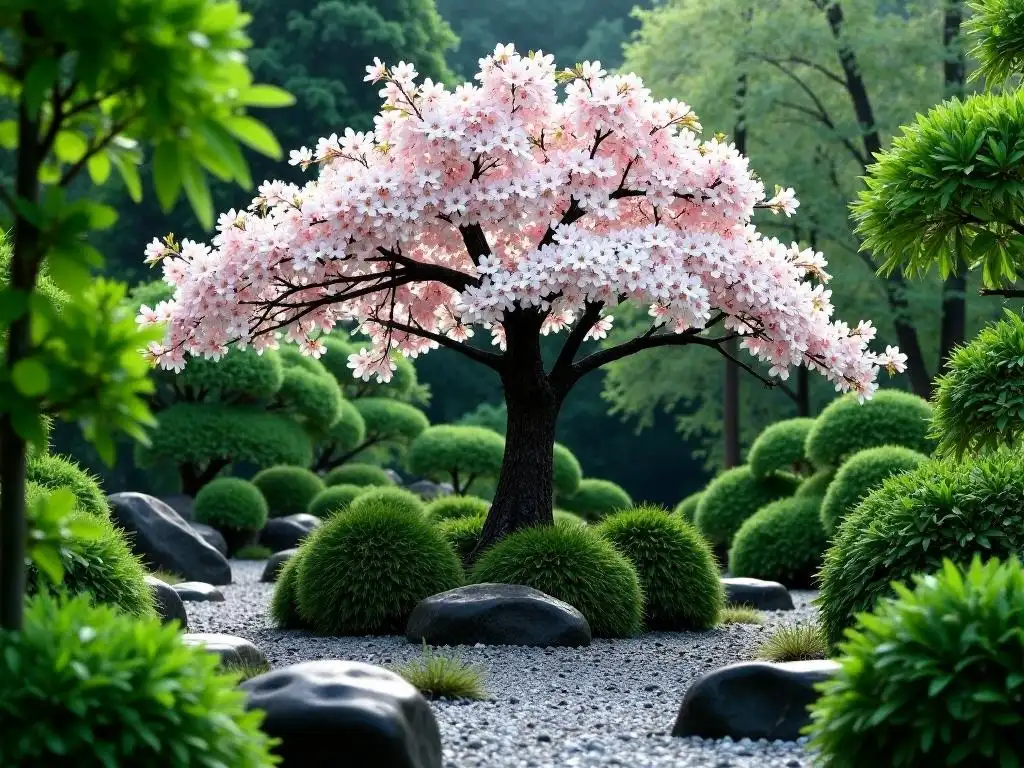
Creating a Zen garden is a meditative process that combines nature and artistry to cultivate tranquility. This step-by-step guide will help you craft your own serene retreat, embodying the aesthetic principles rooted in feudal Japan.
Planning Your Space: Choosing the Right Location
Selecting the right location for your Zen garden is crucial for achieving a peaceful ambiance. Consider the following aspects:
- Sunlight and Shade: Choose a spot that receives a balanced mix of sunlight and shade to create varying environments throughout the day. This can enhance the garden's aesthetic appeal.
- Accessibility: The location should be easily accessible for maintenance while also offering a secluded feel, allowing for personal reflection and meditation.
- Surroundings: Assess the surrounding environment. Ideally, your garden should harmonize with existing natural features, such as trees, rocks, or water sources, to create a seamless blend with nature.
Selecting Materials: What You Need for Your Zen Garden
When selecting materials for your Zen garden, focus on simplicity and natural elements. Here’s a list of essential materials:
- Gravel or Sand: These materials represent water and are fundamental for raking patterns that symbolize waves or ripples.
- Rocks: Choose stones that vary in size and shape to create focal points. Large boulders can symbolize mountains, while smaller stones can represent islands.
- Plants: Incorporate low-maintenance plants, such as moss, bamboo, or evergreens, that align with the minimalist aesthetic.
- Wooden Elements: Consider adding wooden benches or paths made from untreated wood to maintain a natural appearance.
Creating the Layout: Arranging Elements for Harmony
The arrangement of elements in your Zen garden is vital for achieving harmony and balance. Follow these guidelines:
- Simplicity: Maintain a minimalist approach by limiting the number of elements. Too much clutter can disrupt the sense of peace.
- Focal Points: Create focal points using strategically placed rocks or a water feature to draw the eye and provide a sense of direction.
- Raked Patterns: Use a rake to create patterns in the gravel or sand. These patterns can represent rippling water or waves, enhancing the tranquil atmosphere.
- Balance: Ensure a balanced layout by distributing visual weight evenly. Place larger rocks on one side and complement them with smaller elements on the opposite side.
Maintenance Tips: Keeping Your Zen Garden Peaceful
To ensure your Zen garden remains a tranquil retreat, adhere to these maintenance tips:
- Regular Raking: Rake the gravel or sand regularly to maintain clean lines and patterns. This activity can also serve as a form of meditation.
- Weeding: Keep the garden free of weeds to preserve its serene appearance. This may require periodic checks and removal of unwanted growth.
- Pruning: Trim plants as needed to maintain their shape and prevent overgrowth, ensuring that they complement the overall aesthetic.
- Seasonal Adjustments: Adapt your garden for the changing seasons by introducing seasonal elements, such as autumn leaves or spring blooms, to keep it dynamic yet peaceful.
The Cultural Significance of Zen Gardens in Feudal Japan
Zen gardens hold profound cultural significance in feudal Japan, reflecting the philosophical and social paradigms of the time. They served not only as aesthetic spaces but also as profound expressions of spiritual and cultural values.
Zen Gardens as a Reflection of Social Hierarchies
In feudal Japan, Zen gardens often mirrored the social hierarchies prevalent in society. The intricacy and scale of a garden could signify the status of its owner.
- Elite Gardens: Nobility and samurai often maintained expansive Zen gardens, featuring intricate designs and rare materials, as they reflected their status and wealth.
- Monastic Gardens: Smaller, simpler gardens were typical in monasteries, emphasizing humility and meditation over grandeur. These gardens served as spaces for monks to contemplate and practice Zen principles.
The Role of Zen Gardens in Samurai Culture
The samurai class, known for its adherence to discipline and aesthetics, found deep meaning in Zen gardens. These gardens served as:
- Meditative Spaces: Samurai utilized Zen gardens for meditation, helping to cultivate inner peace and focus before battles or important decisions.
- Training Grounds: The act of raking and maintaining the garden was seen as a form of discipline, parallel to the rigorous training in martial arts.
- Symbolic Representation: The elements within the gardens often symbolized the samurai’s relationship with nature, reinforcing their values of harmony, balance, and respect for the natural world.
Zen Gardens in Temples: Sacred Spaces for Meditation
Zen gardens were integral to the architecture and aesthetics of Buddhist temples in feudal Japan, providing sacred spaces for meditation and spiritual reflection.
- Enhancing Spirituality: The simplicity of Zen gardens complemented the spiritual practices in temples, encouraging visitors to engage in meditation and contemplation.
- Architectural Harmony: Gardens were designed to harmonize with temple structures, creating a unified environment that fostered a sense of peace and tranquility.
- Ritual Practices: Monks often incorporated rituals into their interactions with the gardens, such as tea ceremonies, which further emphasized the gardens' role in spiritual life.
Zen gardens in feudal Japan thus served as multifaceted spaces, embodying cultural values while providing a means for personal and communal reflection.
The Evolution of Zen Gardens Beyond Feudal Japan
Zen gardens, known for their serene landscapes and minimalist design, have transcended their origins in feudal Japan, evolving into a global symbol of tranquility and reflection. Initially developed by Zen Buddhist monks during the Kamakura period (1185–1333), these gardens served as a spiritual practice, enabling meditation and contemplation. As Japan transitioned through various historical phases, the aesthetics and principles of Zen gardens began to influence garden design beyond their traditional context.
With the Meiji Restoration in the late 19th century, Japan opened its doors to the West, leading to a fascination with Japanese culture, including Zen gardens. This period saw the introduction of Zen garden principles in Western landscapes, where elements such as gravel, rocks, and minimalist plantings were adopted to create serene spaces. The aesthetic simplicity of Zen gardens resonated with modern design philosophies, promoting a lifestyle centered on peace and mindfulness.
Today, Zen gardens can be found in various forms around the world, often adapted to local climates and cultural contexts. This evolution reflects a broader appreciation for the principles of harmony and balance that Zen gardens embody, transcending their geographical origins and enriching global gardening practices.
Influence on Modern Japanese Gardens
Modern Japanese gardens have been significantly influenced by the traditional Zen garden design, integrating its principles while embracing contemporary aesthetics. The emphasis on natural elements, asymmetry, and a careful balance of light and shadow continues to characterize these gardens. Many modern Japanese gardens feature simplified layouts that evoke the essence of Zen gardens, yet they often include additional plant species and materials to suit the changing tastes of garden enthusiasts.
Furthermore, the integration of technology and sustainable practices has led to innovative designs that maintain the contemplative spirit of Zen gardens while addressing environmental concerns. This fusion of tradition and modernity allows for the creation of spaces that foster relaxation and reflection, continuing the legacy of Zen aesthetics in a rapidly changing world.
Global Adaptations of Zen Garden Principles
The principles of Zen gardens have inspired myriad adaptations worldwide, from urban parks to private backyards. In the United States and Europe, many landscape designers incorporate Zen-inspired elements into modern gardens, utilizing gravel, stones, and water features to create serene environments. These adaptations often emphasize simplicity and natural beauty, aligning with the original intentions of Zen gardens.
In addition, various cultures have blended their own aesthetic principles with those of Zen gardens, resulting in unique interpretations. For instance, in South America, some gardens incorporate local flora and materials while maintaining the minimalist ethos of Zen design. This cross-cultural exchange showcases the universal appeal of Zen principles, demonstrating how they can be harmoniously integrated into diverse cultural contexts.
Conclusion: The Lasting Legacy of Zen Gardens in Feudal Japan
Zen gardens in feudal Japan were not merely aesthetic creations; they represented a profound connection between nature, spirituality, and the human experience. Rooted in the principles of Zen Buddhism, these gardens served as a space for meditation and reflection, encouraging individuals to engage with their surroundings on a deeper level. The legacy of these gardens endures, shaping not only Japanese culture but also influencing global perceptions of tranquility and beauty.
Reflections on Peace and Aesthetics in Japanese Culture
The aesthetic principles of Zen gardens reflect a broader cultural ethos that values simplicity, harmony, and a deep appreciation for nature. These gardens invite contemplation and mindfulness, serving as a reminder of the fleeting nature of existence. The use of carefully arranged rocks, raked gravel, and minimalist plantings encapsulates the Japanese concept of wabi-sabi, which finds beauty in imperfection and transience. This philosophical underpinning invites individuals to pause and reflect, offering a space for personal insight and peace.
The Ongoing Relevance of Zen Gardens Today
In a fast-paced world where stress and distraction abound, the relevance of Zen gardens continues to resonate. They provide a sanctuary for urban dwellers seeking solace amidst the chaos of modern life. Many people today are drawn to the principles of Zen garden design, seeking to create their own peaceful retreats at home or in public spaces. The rise of mindfulness practices has also contributed to the resurgence in interest in Zen gardens, as individuals look for ways to cultivate inner peace and harmony.
As we continue to navigate the complexities of contemporary living, the enduring legacy of Zen gardens serves as a reminder of the profound beauty found in simplicity and the importance of nurturing a connection to nature. Their influence will likely persist, inspiring future generations to embrace the tranquility and aesthetic principles first crafted in feudal Japan.
- Introduction to Zen Gardens in Feudal Japan
- The Philosophy Behind Zen Gardens
- Key Elements of Zen Gardens
- The Design Principles of Zen Gardens
- Crafting a Zen Garden: Step-by-Step Guide
- The Cultural Significance of Zen Gardens in Feudal Japan
- The Evolution of Zen Gardens Beyond Feudal Japan
- Conclusion: The Lasting Legacy of Zen Gardens in Feudal Japan
Frequently Asked Questions
What are Zen gardens in feudal Japan?
Zen gardens, or Karesansui, are dry landscape gardens that embody simplicity and tranquility, reflecting the Zen Buddhist principles of meditation and contemplation during Japan's feudal era.
How were Zen gardens designed in feudal Japan?
Zen gardens were meticulously designed using rocks, gravel, and minimal plant life to create a sense of harmony and balance. The arrangement aimed to evoke natural landscapes, promoting a meditative environment.
What role did Zen gardens play in feudal Japanese culture?
Zen gardens served as spaces for meditation and reflection, integral to the spiritual practices of Zen Buddhism, and were often found in temples and the residences of the samurai class.
How do Zen gardens reflect the aesthetic principles of feudal Japan?
The aesthetic principles of Zen gardens emphasize simplicity, asymmetry, and natural beauty, embodying the concept of wabi-sabi, which appreciates the beauty of imperfection and transience.
Can Zen gardens be found outside of Japan?
Yes, while originating in feudal Japan, Zen gardens have influenced landscape design worldwide, with many modern interpretations appearing in gardens, parks, and private residences across different cultures.
Final Reflection: The Enduring Tranquility of Zen Gardens in Feudal Japan
The exploration of Zen gardens in feudal Japan reveals not only the aesthetic principles that shaped these serene landscapes but also their profound relevance in today's fast-paced world. In an era where chaos often reigns, the simplicity and intentionality of Zen gardens serve as a powerful reminder of the importance of mindfulness and peace. The artistry of these gardens transcends time, inviting us to pause, reflect, and reconnect with nature in a meaningful way.
The influence of Zen gardens extends far beyond their historical context, permeating contemporary culture and social practices. These tranquil spaces have inspired countless individuals to seek solace and clarity in their lives. As we navigate the complexities of modern existence, the principles of balance, harmony, and minimalism found in Zen gardens encourage us to cultivate our own inner peace. In the midst of movement and chaos, keep stillness inside of you.
– Deepak Chopra. This sentiment resonates deeply, reminding us that the essence of Zen is not confined to a physical space but is a state of being we can all strive to achieve.
As we conclude our journey through the aesthetic principles of Zen gardens, I invite you to reflect on how these timeless teachings can be integrated into your own life. Consider creating a personal sanctuary, whether through a physical garden, a quiet corner in your home, or a moment of stillness in your day. Let the lessons of Zen gardens inspire you to cultivate peace, mindfulness, and beauty in your surroundings, allowing the tranquility of feudal Japan to flourish within your heart and mind.
Embrace the Tranquility of Zen Gardens Today!
Thank you for exploring the serene beauty of Zen gardens with us! We hope you found inspiration in the aesthetic principles that promote peace and mindfulness. Now it’s time to bring a touch of that tranquility into your life. Here’s how you can start:
- Create your own mini Zen garden: Gather some sand, stones, and a small container to craft your personal oasis. Dedicate a few moments each day to tend to it as a practice of mindfulness.
- Explore local botanical gardens: Visit nearby gardens that may feature Zen-inspired areas. Reflect on their design and consider how they cultivate a sense of calm.
- Share your journey: Discuss your experiences or discoveries about Zen gardens on social media or in local community groups. Inspire others to seek peace through this beautiful aesthetic.
What steps will you take to incorporate a sense of tranquility into your daily routine? We’d love to hear your thoughts in the comments below!