
The Evolution of Samurai Training: From Tradition to Modernity

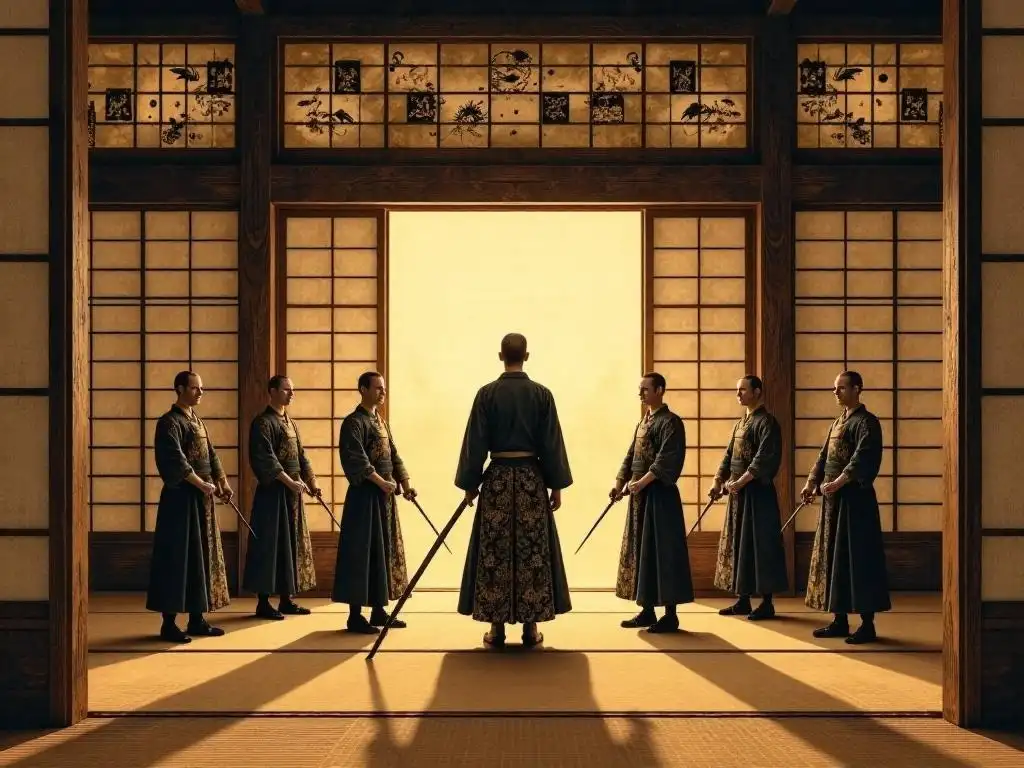
Welcome to Feudal Japan History, where we invite you to embark on a captivating journey through Japan's rich feudal era. Here, we delve deep into the intricate tapestry of historical, cultural, and societal aspects that shaped a nation. Our featured article, "The Evolution of Samurai Training: From Tradition to Modernity," uncovers the fascinating shifts in techniques and philosophies that defined the legendary samurai warriors.
What drove these changes, and how do they resonate in today's world? Prepare to discover the secrets behind the discipline and honor of the samurai as you explore our expert-driven insights that will leave you yearning for more!
Introduction to Samurai Training Evolution
The evolution of samurai training is a fascinating journey that reflects not only the martial prowess of Japan's iconic warriors but also the profound cultural, social, and philosophical shifts that shaped the nation throughout its feudal era. From the early days of the samurai in the Heian period to their transformation during the Kamakura period and beyond, training was not merely a means of honing combat skills but a comprehensive process that intertwined physical discipline, ethical conduct, and spiritual growth.
This article delves into the intricate history of samurai training, examining its origins, the influence of bushido, and the ways in which these practices have adapted to modern times. By exploring the samurai training evolution history, we gain insight into the enduring legacy of these warriors and their impact on Japanese society.
Overview of Samurai Training in Feudal Japan
In feudal Japan, the samurai were more than just warriors; they were esteemed members of the social hierarchy, serving as military nobility. Training was rigorous and multifaceted, encompassing various disciplines:
- Martial Arts: Mastery of weapons such as the katana, naginata, and yumi (bow) was essential.
- Strategy and Tactics: Understanding battlefield strategies and the art of war was crucial for effective leadership.
- Physical Conditioning: Samurai engaged in physical training to ensure peak fitness and agility.
- Mental Discipline: Meditation and other practices helped cultivate focus and resilience.
Training varied significantly across different regions and time periods, adapting to the socio-political landscape of the era.
Importance of Samurai Training in Japanese Society
Samurai training held a critical role in shaping not just the samurai class but also Japanese society as a whole. The disciplined lifestyle of the samurai instilled values such as loyalty, honor, and courage, which permeated the culture. The training process was often seen as a rite of passage, reinforcing the samurai's commitment to their lords and communities.
Moreover, the emphasis on bushido, or the "way of the warrior," underscored the ethical foundations of samurai training, guiding their actions both on and off the battlefield. This code of conduct influenced various aspects of Japanese life, from politics to the arts, leaving a lasting legacy that resonates even today.
Historical Context of Samurai Training
The historical context of samurai training is marked by significant developments that shaped its evolution. Understanding this backdrop is essential for grasping the complexities of how training practices emerged and transformed over time.
The Origins of Samurai Training in the Heian Period
The roots of samurai training can be traced back to the Heian period (794-1185), when the samurai first began to emerge as a distinct warrior class. During this time, the focus was primarily on cavalry skills and archery, as battles were fought on horseback. Training was often informal, passed down through family lineages and clans, with an emphasis on practical experience in combat.
As the Heian period progressed, the need for more structured training methods became apparent, setting the stage for the evolution of samurai education.
The Role of Bushido in Shaping Training Practices
Bushido, the ethical code of the samurai, played a pivotal role in shaping training practices throughout the feudal era. This code emphasized virtues such as loyalty, honor, and self-discipline, which were integral to the samurai's identity.
Training was not only about physical prowess; it also encompassed moral and philosophical teachings. This holistic approach ensured that samurai were not only skilled fighters but also honorable individuals, capable of making ethical decisions in the heat of battle.
Evolution of Samurai Training during the Kamakura Period
The Kamakura period (1185-1333) marked a significant turning point in the evolution of samurai training. With the establishment of the Kamakura shogunate, a more formalized structure for samurai training emerged.
Key developments during this period included:
- Establishment of Dojos: Training facilities were created where samurai could hone their skills in a communal environment.
- Integration of Zen Buddhism: The influence of Zen principles led to the incorporation of meditation and mindfulness practices in training, enhancing mental focus and discipline.
- Codification of Techniques: As the need for standardized training grew, various martial arts techniques were codified, leading to the establishment of distinct schools and styles.
These changes not only influenced the effectiveness of samurai training but also laid the groundwork for future generations, ensuring that the legacy of the samurai would endure through time.
Traditional Samurai Training Methods
The training of samurai was a rigorous and multifaceted process that combined physical prowess, mental fortitude, and mastery of various weapons. This training was not merely about combat skills; it was a holistic approach to developing a warrior's character and philosophy. Traditional samurai training methods were deeply rooted in the values of bushido, the way of the warrior, which emphasized loyalty, honor, and discipline.
Samurai training typically began in childhood and continued into adulthood, often involving extensive mentorship from seasoned warriors. Training encompassed three main components: physical training, mental training, and weapons training. Each of these components was essential for developing a well-rounded samurai capable of both physical combat and strategic thinking.
Physical Training: Techniques and Exercises
Physical training for samurai included a variety of exercises designed to enhance strength, agility, and endurance. Samurai practiced rigorous routines that often involved:
- Martial Arts: Techniques from various forms of jujutsu and kenjutsu were integral. Practitioners focused on grappling, striking, and unarmed combat skills.
- Endurance Training: Running, swimming, and climbing were common to build stamina and resilience. Long-distance running, in particular, was emphasized as it prepared samurai for the demands of battle.
- Strength Training: Samurai utilized body weight exercises, such as push-ups and squats, alongside traditional exercises with weights, like lifting heavy wooden training swords (bokken) to build strength.
This physical conditioning was designed not only to prepare samurai for combat but also to instill a sense of discipline and perseverance that would serve them in all aspects of life.
Mental Training: Philosophy and Strategy
Mental training was a crucial aspect of a samurai's education, involving the study of philosophy, strategy, and ethics. Key elements of this training included:
- Bushido: The code of honor and conduct that samurai adhered to was central to their identity. Training involved the study of texts and teachings that emphasized loyalty, bravery, and self-discipline.
- Strategic Thinking: Samurai learned military strategy and tactics through historical texts, such as Sun Tzu's The Art of War. They engaged in simulated battles and strategized on various scenarios to prepare for real-life confrontations.
- Meditation and Mindfulness: Practices such as Zen meditation were adopted to cultivate focus, clarity, and inner peace. This mental discipline was essential for maintaining composure in the chaos of battle.
The combination of these mental training methods helped samurai to develop a strategic mindset that was as vital as their physical capabilities.
Weapons Training: Mastery of the Katana and Other Arms
Weapons training was perhaps the most iconic aspect of samurai education, with a strong emphasis on the mastery of the katana, the sword that symbolizes the samurai's spirit. Training included:
- Kenjutsu: The art of swordsmanship, involving rigorous drills and sparring to develop precision, speed, and technique. Practitioners spent years honing their skills, often under the guidance of a master.
- Bojutsu and Naginatajutsu: In addition to the katana, samurai trained in the use of other weapons such as the long staff (bo) and the naginata (polearm). Mastery of these weapons added versatility and adaptability in combat.
- Kata Practice: Samurai engaged in kata, or pre-arranged forms, to refine their techniques and understand the flow of combat. These choreographed movements were crucial for mastering timing and distance in battle.
Through these rigorous training regimens, samurai developed not only technical skills but also a deep respect for their weapons, which were seen as an extension of their own spirit.
The Transition from Traditional to Modern Samurai Training
The transition from traditional samurai training to modern practices reflects the broader changes in Japanese society, particularly during the Meiji Restoration and subsequent periods. This evolution saw a marked shift in the role and perception of samurai and their training methods.
Impact of the Meiji Restoration on Samurai Training
The Meiji Restoration of 1868 was a pivotal moment in Japanese history that dramatically affected samurai training. The restoration aimed to modernize Japan and strengthen it against foreign powers, leading to the dissolution of the samurai class as a distinct social order. Key impacts included:
- Abolition of the Samurai Class: The government disbanded the samurai, stripping them of their privileges and stipends. This resulted in a loss of traditional training institutions and the decline of the rigorous samurai training methods.
- Military Modernization: With a focus on creating a conscript army, the government adopted Western military training practices. This shift emphasized modern warfare techniques over traditional samurai combat training.
- Cultural Shift: The values and practices associated with bushido began to evolve, as the samurai identity transformed into a more symbolic and cultural legacy rather than a practical warrior class.
As a result, traditional training methods began to fade, replaced by modern military practices that prioritized efficiency and effectiveness over the historical samurai ethos.
The Decline of Samurai Training Practices in the 20th Century
In the 20th century, the decline of samurai training practices continued, influenced by various factors:
- World Wars: The impact of World War I and World War II further diminished the samurai's role in society. The focus shifted towards national military service, with training based on modern warfare tactics rather than traditional samurai skills.
- Changing Social Dynamics: As Japan industrialized and modernized, the social structure changed. The samurai's historical significance waned, and their training methods were not widely practiced outside of niche martial arts schools.
- Cultural Displacement: With the rise of Western influences, many traditional practices, including samurai training, were seen as outdated or irrelevant, leading to a decline in interest among the general populace.
Despite these challenges, elements of samurai training persisted in martial arts schools, where enthusiasts sought to preserve the techniques and philosophies of the past.
Revival of Traditional Samurai Training in Modern Japan
In recent decades, there has been a resurgence of interest in traditional samurai training in modern Japan. This revival can be attributed to several factors:
- Cultural Heritage: As Japan seeks to preserve its cultural heritage, traditional martial arts, including kendo and iaido, have gained popularity. These disciplines reflect the techniques and philosophies of the samurai.
- Mindfulness and Personal Development: Many practitioners are drawn to the mental and spiritual aspects of samurai training, emphasizing discipline, focus, and personal growth. The practice of martial arts has become a means of self-improvement and stress relief.
- Global Interest: The global fascination with Japanese culture, including samurai films and literature, has led to a wider appreciation of samurai training practices outside Japan. This interest has fostered the establishment of dojos worldwide, where traditional techniques are taught.
As a result, traditional samurai training is experiencing a renaissance, blending historical practices with modern interpretations, ensuring that the legacy of the samurai continues to influence future generations.
Modern Interpretations of Samurai Training
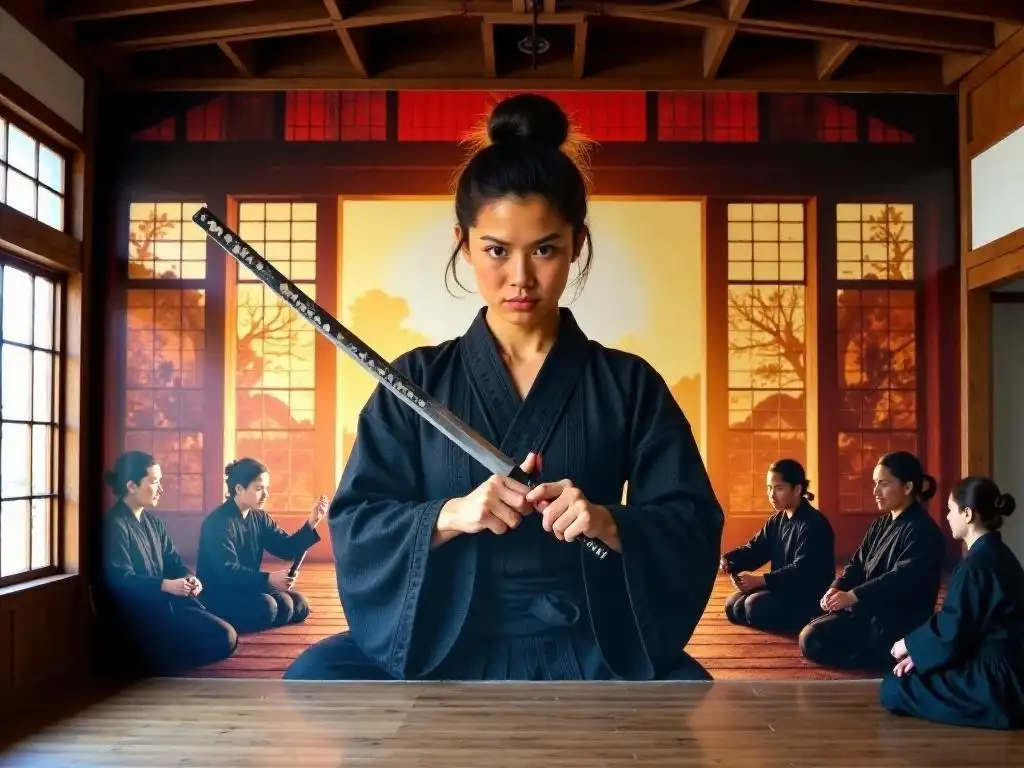
The evolution of samurai training has transcended its historical roots, paving the way for modern interpretations that blend traditional techniques with contemporary practices. Today, samurai training is not only a means of mastering martial arts but also a holistic approach to self-discipline, mental fortitude, and personal development. Various dojos across Japan and the world have started to incorporate the philosophy of bushido, or the way of the warrior, which emphasizes virtues such as honor, loyalty, and respect.
Furthermore, modern interpretations often include a focus on mental training and mindfulness, recognizing that the samurai's way was as much about the mind as it was about physical prowess. This has led to the integration of meditation and breathing techniques, helping practitioners cultivate a deeper understanding of themselves and their connection to the martial arts they practice.
Incorporation of Martial Arts in Contemporary Training
Contemporary training programs have embraced various martial arts disciplines influenced by samurai traditions, such as kendo, iaido, and judo. These practices focus on different aspects of combat and self-defense, allowing practitioners to explore the comprehensive skill set originally developed by the samurai.
- Kendo emphasizes swordsmanship and the philosophical aspects of combat, promoting mental discipline and respect among practitioners.
- Iaido focuses on the art of drawing the sword, highlighting precision, control, and the aesthetics of movement.
- Judo, while not a direct descendant of samurai training, incorporates principles of leverage and balance, reflecting the strategic thinking inherent in samurai combat.
Many modern martial arts schools now offer training programs that draw on these styles, often tailoring the curriculum to suit the needs of contemporary students while honoring the historical significance of samurai techniques.
The Influence of Samurai Training on Modern Japanese Culture
The legacy of samurai training continues to influence various aspects of modern Japanese culture. It manifests in traditional arts such as tea ceremonies, calligraphy, and zen gardens, where the principles of discipline and aesthetics are paramount. Additionally, samurai films and literature have kept the samurai ethos alive in popular culture, inspiring generations of individuals to embrace the samurai way of life.
Furthermore, samurai training has contributed to the development of corporate culture in Japan, where the values of teamwork, perseverance, and respect are emphasized—echoing the values held by the samurai. This cultural integration underscores the enduring impact of samurai training on Japan's social fabric.
Global Interest in Samurai Training and Its Practices
The global interest in samurai training has surged in recent years, with many foreign practitioners eager to learn about this rich heritage. Seminars, workshops, and exhibitions have been organized worldwide, showcasing the techniques and philosophies of samurai training. This interest is not merely academic; many individuals seek authentic experiences that connect them to the spirit of the samurai.
Social media and the internet have also played a pivotal role in spreading awareness about samurai training. Online communities and video platforms have allowed enthusiasts to share their training experiences, techniques, and historical insights, fostering a global network of samurai training practitioners.
Challenges and Controversies in Samurai Training Evolution
As samurai training continues to evolve, it faces several challenges and controversies that reflect the complexities of balancing tradition and modernity.
Preservation of Traditional Practices vs. Modern Adaptations
One of the primary challenges is the preservation of traditional practices while adapting to contemporary contexts. Some purists argue that the essence of samurai training is being diluted or commercialized in modern adaptations. They emphasize the need for strict adherence to traditional methodologies, fearing that this might result in a loss of authenticity.
Conversely, proponents of modern adaptations contend that evolution is essential for the survival of samurai training. They argue that integrating contemporary training techniques and philosophies can make the practice more relevant and accessible to new generations, ensuring its continuation in a rapidly changing world.
The Debate on Cultural Appropriation and Samurai Training
Cultural appropriation is another contentious issue surrounding samurai training, especially as it gains popularity outside Japan. Critics argue that non-Japanese practitioners may not fully understand or respect the cultural significance of samurai training, potentially trivializing its historical context. This has led to debates about the ownership of cultural practices and the ethical implications of sharing them globally.
Supporters of global samurai training advocate for a respectful and informed approach, emphasizing that sharing these practices can foster cross-cultural understanding and appreciation. They believe that, when approached with the right mindset, global interest in samurai training can contribute to the preservation of its traditions.
The Future of Samurai Training in a Globalized World
Looking ahead, the future of samurai training in a globalized world remains uncertain but promising. As practitioners continue to seek authentic experiences, there may be a resurgence of interest in traditional practices that honor the samurai legacy.
Moreover, the globalization of martial arts could lead to new forms of collaboration and exchange, enriching the practice and understanding of samurai training globally. The challenge will be to navigate the fine line between maintaining the integrity of these traditions while also allowing for the evolution that modernity demands. As the world becomes increasingly interconnected, the samurai training evolution may ultimately reflect a dynamic and inclusive approach that respects its roots while embracing the future.
Conclusion: The Legacy of Samurai Training Evolution
The evolution of samurai training represents a fascinating journey through Japan's feudal history, revealing the intricate relationship between martial prowess, cultural identity, and societal values. From its origins in the Heian period, where the emphasis was placed on poetic skills and etiquette, to the intense physical training and strategic warfare of the Sengoku period, samurai training has continuously adapted to the needs of the time. This transformation not only reflects the pragmatic necessities of warfare but also highlights the philosophical underpinnings that shaped the samurai ethos.
The decline of the samurai class during the Meiji Restoration marked a significant turning point, yet the legacy of their training methods and principles endures. Modern martial arts, which draw heavily from traditional samurai techniques, continue to be practiced worldwide, emphasizing discipline, respect, and mastery. This ongoing influence underscores the importance of understanding samurai training as a critical component of Japan's cultural heritage.
Reflection on the Historical Significance of Samurai Training
Samurai training was not merely about physical combat; it was a holistic approach to education that integrated mental, spiritual, and ethical dimensions. The rigorous training regimens fostered not only martial skills but also character development, promoting values such as loyalty, honor, and perseverance. These ideals were crucial in a society marked by constant conflict and political upheaval, shaping the samurai's role as both warriors and leaders.
Moreover, the historical significance of samurai training is evident in its impact on Japanese culture and society. The samurai code, known as Bushido, has influenced various aspects of Japanese life, from literature and the arts to modern business practices. By examining the training of samurai, we gain insights into the broader societal norms and values that have persisted through centuries, informing contemporary Japanese identity.
Future Directions for Research and Understanding of Samurai Training History
As interest in samurai culture continues to grow, there remain numerous avenues for future research into the history of samurai training. Scholars can explore the regional variations in training practices, which were influenced by local customs and the specific needs of different clans. Additionally, a comparative analysis with other warrior classes around the world could yield valuable insights into the universal aspects of martial training and its cultural significance.
Furthermore, the integration of modern technology in preserving and teaching traditional martial arts presents an exciting area of study. Virtual reality training, online resources, and global martial arts communities are reshaping how samurai techniques are taught and understood today. Investigating these developments can shed light on how the legacy of samurai training evolves in the contemporary world, ensuring that this rich history continues to inform and inspire future generations.
The evolution of samurai training is a multifaceted subject that warrants ongoing exploration, bridging the past with the present while contributing to a deeper understanding of Japan's social history.
- Introduction to Samurai Training Evolution
- Historical Context of Samurai Training
- Traditional Samurai Training Methods
- The Transition from Traditional to Modern Samurai Training
- Modern Interpretations of Samurai Training
- Challenges and Controversies in Samurai Training Evolution
- Conclusion: The Legacy of Samurai Training Evolution
- What is the significance of samurai training in feudal Japan?
- How did samurai training evolve over the centuries?
- What were the primary components of traditional samurai training?
- Are there any modern practices that stem from samurai training?
- How does the history of samurai training influence contemporary Japanese culture?
Frequently Asked Questions
What is the significance of samurai training in feudal Japan?
Samurai training was crucial for developing discipline, martial skills, and loyalty among the warrior class, shaping the societal structure of feudal Japan.
How did samurai training evolve over the centuries?
Over time, samurai training transitioned from traditional combat techniques to include modern practices, blending ancient martial arts with contemporary training methods.
What were the primary components of traditional samurai training?
Traditional samurai training included kenjutsu (swordsmanship), horseback riding, and strategic warfare, emphasizing both physical prowess and mental discipline.
Are there any modern practices that stem from samurai training?
Yes, modern martial arts, such as kendo and iaido, have roots in samurai training, maintaining principles of respect, honor, and self-control.
How does the history of samurai training influence contemporary Japanese culture?
The history of samurai training continues to impact Japanese culture by instilling values of courage, honor, and a deep appreciation for tradition in various aspects of society today.
Final Reflection: Embracing the Legacy of Samurai Training Evolution
The evolution of samurai training is not just a historical narrative; it is a testament to the resilience and adaptability of cultural practices in the face of modernity. As we explore how samurai training has transformed from its traditional roots to contemporary interpretations, we recognize its enduring relevance in a world that often seems disconnected from its past. The principles of discipline, honor, and mastery that defined the samurai ethos continue to resonate today, reminding us of the importance of cultivating these values in our own lives.
The influence of samurai training extends far beyond the dojo; it permeates various aspects of our cultural and social landscape. From martial arts schools that teach the physical techniques of the samurai to leadership programs that draw on their philosophies, the legacy of these warriors is alive and well. As we reflect on this ongoing influence, we are reminded of the words of Miyamoto Musashi: The ultimate aim of martial arts is not having to use them.
This encapsulates the essence of samurai training—an internal journey toward self-mastery and peace, rather than mere combat skills.
As we look to the future, I invite you to reflect on how the lessons of samurai training can be integrated into your own life. Consider what it means to embody the spirit of the samurai in your daily actions—whether through discipline in your personal goals, respect in your relationships, or courage in the face of challenges. Embrace the evolution of this rich tradition not just as a historical account, but as a living philosophy that can guide you toward a more purposeful and honorable existence.
Embrace the Journey of Samurai Wisdom Today!
Thank you for immersing yourself in the fascinating evolution of samurai training. You've gained valuable insights into how these ancient warriors transformed their skills and philosophies over the centuries. Now, it's time to take that knowledge and put it into action!
Here’s how you can continue your exploration of this rich heritage:
- Dive deeper into samurai history by exploring our collection of articles and resources on feudal Japan. Discover untold stories and unique perspectives!
- Join our community on social media to share your thoughts and connect with fellow enthusiasts. Discuss your favorite aspects of samurai culture and their training methods!
- Practice mindfulness and discipline inspired by samurai principles in your daily life. Consider incorporating a short meditation or a focused practice to cultivate inner strength.
What aspect of samurai training resonates most with you, and how do you plan to incorporate their wisdom into your life?