
Learning Through Ritual: The Impact of Cultural Practices on Education

Welcome to Feudal Japan History, where we embark on a captivating journey through the intricate tapestry of Japan's feudal era. Here, we delve into the cultural practices in Japanese education, revealing how centuries-old rituals have shaped the learning experiences of countless generations. What hidden influences did these practices have on daily life and society? Join us as we uncover the profound impact of tradition on education and explore the rich legacy that continues to resonate today. Your exploration starts now—dive deeper into the world of learning through ritual!
- Introduction to Cultural Practices in Japanese Education
- Historical Context of Education in Feudal Japan
- Key Cultural Practices in Japanese Education
- The Impact of Cultural Practices on Student Learning
- Case Studies of Cultural Practices in Japanese Schools
- Modern Relevance of Cultural Practices in Japanese Education
- Conclusion: The Lasting Legacy of Cultural Practices in Japanese Education
-
Frequently Asked Questions
- What are the main cultural practices in Japanese education?
- How do rituals enhance the learning experience in Japan?
- What role does discipline play in Japanese educational practices?
- How do traditional values influence modern Japanese educational methods?
- What impact do cultural practices have on student performance in Japan?
- Final Reflection: The Enduring Power of Cultural Practices in Education
- Embrace Cultural Wisdom for a Richer Education!
Introduction to Cultural Practices in Japanese Education
In the intricate tapestry of Feudal Japan, education was not merely about the acquisition of knowledge; it was deeply intertwined with cultural practices that shaped society. The educational system during this period reflected the values, traditions, and rituals that defined Japanese life, emphasizing not only intellectual growth but also moral and social development.
This article delves into the influence of cultural practices on education in Feudal Japan, exploring how these customs provided a framework for learning and personal growth. By examining the historical context and significance of these practices, we aim to highlight their enduring impact on Japanese education and society.
Overview of Education in Feudal Japan
The education system in Feudal Japan was primarily hierarchical and closely aligned with the social structure of the time. It was largely dominated by the samurai class, who prioritized learning as a means of cultivating virtue and discipline. Formal education was typically conducted through temples and private academies, where students were instructed in various subjects, including literature, philosophy, and martial arts.
- Key Features of Education:
- Confucian Influence: The teachings of Confucius played a significant role in shaping educational philosophies, promoting moral integrity and respect for authority.
- Literacy Rates: While literacy was generally low among the peasantry, the samurai class enjoyed higher literacy levels due to their access to education.
- Rituals in Learning: Educational practices often included rituals that emphasized respect for knowledge and teachers, underscoring the idea that education was a sacred endeavor.
These elements combined to create a unique educational environment where cultural practices were not just supplementary but foundational to the learning process.
Importance of Cultural Practices in Learning
Cultural practices in Japanese education were vital in promoting not only academic achievement but also social cohesion and ethical development. These rituals and customs fostered a sense of identity and belonging among students, reinforcing core values that were essential for their roles within society.
- Rituals and Their Impact:
- Ceremonial Events: Events such as the Shichi-Go-San (Seven-Five-Three) ceremony celebrated milestones in children's educational journeys, marking their growth and commitment to learning.
- Group Learning: Collaborative learning practices, including group discussions and collective rituals, encouraged camaraderie and mutual respect among peers.
- Moral Education: Integrating cultural values into the curriculum ensured that students not only learned about academic subjects but also about ethics, responsibility, and societal roles.
The cultural practices embedded within the educational system of Feudal Japan were essential in shaping both the individual and the collective identity of society. Understanding these practices provides valuable insights into the broader cultural framework that influenced education and continues to resonate in modern Japanese society.
Historical Context of Education in Feudal Japan
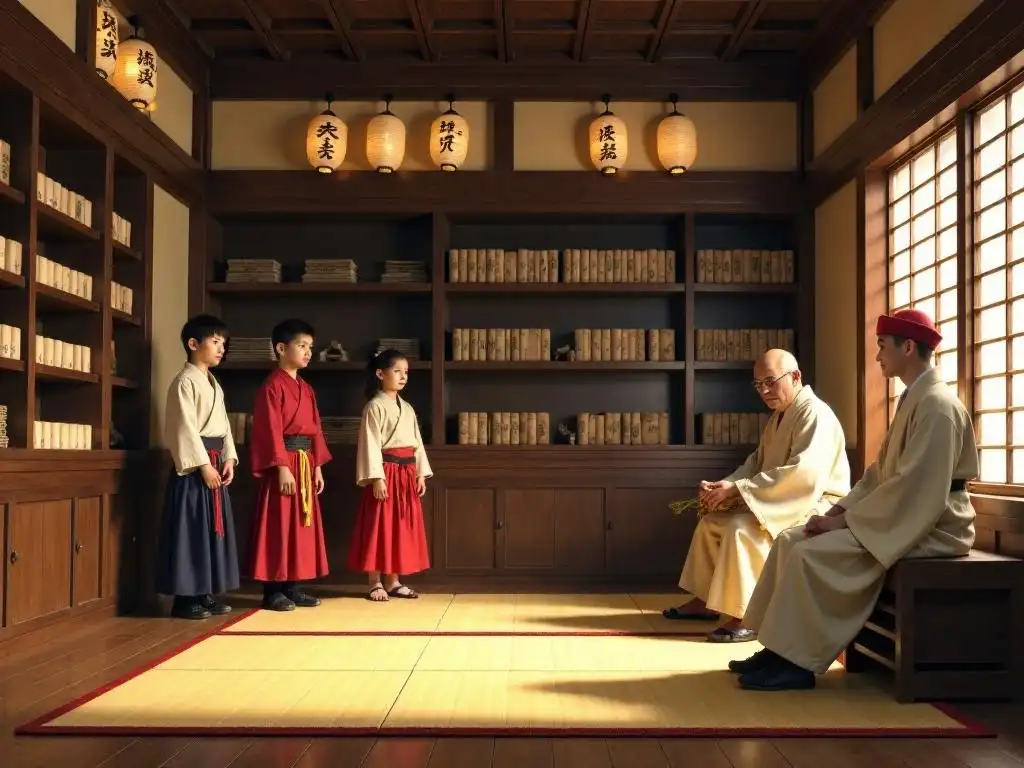
Education in feudal Japan underwent significant transformations from the 12th to the 19th centuries, influenced by various cultural, political, and religious factors. The structure of society during this period, characterized by a rigid class hierarchy, played a crucial role in shaping the educational landscape.
The samurai class, at the top of the social hierarchy, prioritized education as a means to cultivate virtues such as loyalty, honor, and discipline. This emphasis on moral education was essential for preparing samurai for their roles as military leaders and administrators. In contrast, the lower classes had limited access to education, often restricted to practical skills and local traditions rather than formalized study.
The Role of Confucianism in Japanese Education
Confucianism, which was imported from China, greatly influenced Japanese educational practices, especially during the Edo period (1603-1868). The principles of Confucian thought centered around ethics, social harmony, and the importance of education in cultivating virtuous citizens. Key aspects of Confucianism's impact on education in Japan include:
- Moral Education: Confucianism emphasized the cultivation of moral character. Educational institutions, particularly those catering to the samurai class, focused on teaching students virtues such as filial piety, loyalty, and righteousness. This moral framework shaped the conduct of individuals within society.
- Meritocracy: The Confucian belief in merit-based advancement led to the establishment of examinations and educational qualifications for government positions. This system encouraged the pursuit of knowledge and the development of skills among the samurai and emerging merchant classes.
- Curriculum Focus: The curriculum in Confucian-inspired schools included classical texts, poetry, history, and philosophy. By studying these subjects, students were expected to gain not only knowledge but also the moral and ethical frameworks necessary for leadership.
Overall, Confucianism's influence on Japanese education fostered a culture that valued learning and moral development, which persisted well beyond the feudal era.
Influence of Shinto and Buddhism on Educational Practices
Shinto and Buddhism also played vital roles in shaping the educational practices of feudal Japan, intertwining religious beliefs with the learning process. Both religions contributed unique perspectives on education that influenced cultural practices in Japanese education.
- Shinto Influence:
- Rituals and Festivals: Shinto rituals and festivals were often incorporated into educational settings, creating a framework for learning that was deeply connected to Japanese cultural identity. These events provided opportunities for communal learning and reflection on moral values.
- Nature and Spirituality: Shinto teachings emphasized the importance of nature and spiritual connection. Educational practices often included lessons on the natural world, fostering a sense of respect and reverence for the environment among students.
- Buddhist Influence:
- Meditation and Mindfulness: Buddhist practices, such as meditation, became integral to the educational experience, promoting mental discipline and focus. This approach aimed to cultivate not just intellectual skills but also emotional and spiritual well-being.
- Philosophical Education: Buddhist philosophy introduced concepts of compassion, impermanence, and interconnectedness, enriching the moral teachings within educational settings. Students were encouraged to reflect on these ideas as part of their learning process.
Together, Shinto and Buddhism contributed to a holistic educational framework that combined moral, spiritual, and intellectual development. The integration of these cultural practices in Japanese education created a distinctive approach that emphasized the importance of character and community in the learning process.
The historical context of education in feudal Japan reveals a complex interplay of cultural practices that shaped the educational landscape. The influences of Confucianism, Shinto, and Buddhism not only provided moral and ethical guidance but also enriched the educational experience, making it a vital aspect of Japanese society during this era.
Key Cultural Practices in Japanese Education
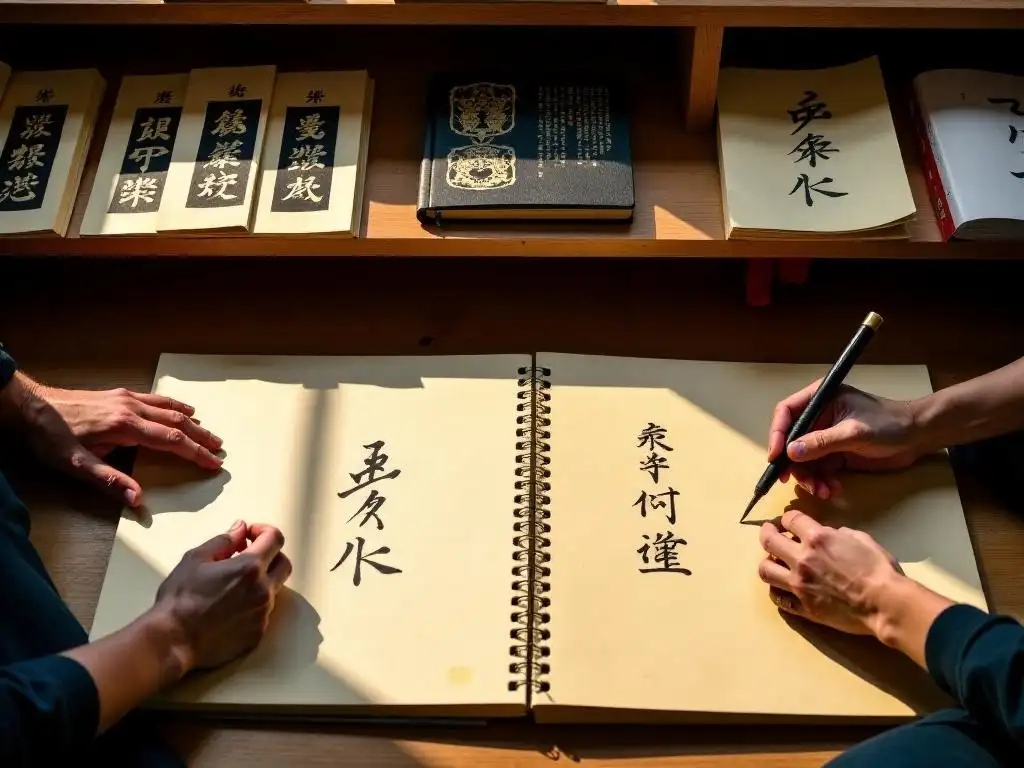
Cultural practices in Japanese education play a crucial role in shaping the values, behaviors, and learning experiences of students. These practices are deeply rooted in historical traditions and are often interwoven with rituals and ceremonies that enhance the educational landscape.
Rituals and Ceremonies in Learning
Rituals and ceremonies are integral to Japanese education, serving not only as formalities but also as vital elements that instill values and impart knowledge. They provide a framework within which students can engage with their culture and traditions, fostering a sense of belonging and identity.
Seasonal Festivals and Their Educational Importance
Seasonal festivals, known as matsuri, are celebrated across Japan and serve as significant educational moments for students. These festivals often coincide with the agricultural calendar, reflecting the deep connection between nature and education. For example:
- Hinamatsuri (Doll Festival): Celebrated on March 3rd, this festival teaches children about the importance of family and cultural history. Schools often incorporate activities that allow students to create and display hina dolls, fostering creativity and teamwork.
- Tanabata (Star Festival): This festival involves writing wishes on colorful strips of paper, which are then hung on bamboo. It encourages students to reflect on their aspirations and encourages literacy through writing activities.
These festivals provide hands-on learning experiences that go beyond traditional classroom settings, allowing students to explore their cultural heritage.
Initiation Rites in Schools
Initiation rites mark significant transitions in a student's educational journey, often symbolizing the passage from childhood to a more responsible role within the school community. Common practices include:
- Shichi-Go-San (Seven-Five-Three): This rite of passage celebrates children at the ages of three, five, and seven. Schools may hold ceremonies to honor these ages, emphasizing the importance of growth and educational milestones.
- Entrance and Graduation Ceremonies: These ceremonies are steeped in tradition and often include speeches, performances, and the presentation of certificates. They reinforce the value placed on education and the achievements of students, creating a sense of pride and motivation.
Traditional Arts as Educational Tools
Traditional arts in Japan are not just forms of expression; they serve as profound educational tools that teach discipline, perseverance, and respect for cultural heritage. Many schools incorporate these arts into their curricula to provide students with a holistic education.
The Role of Tea Ceremony in Learning Discipline
The tea ceremony, or chanoyu, is a highly ritualized practice that embodies several educational principles. Through the meticulous process of preparing and serving tea, students learn about:
- Attention to Detail: Each movement in the ceremony must be performed with precision, fostering a strong sense of discipline and focus.
- Respect and Etiquette: The ceremony emphasizes the importance of respect for both the tea and the participants, instilling values of humility and gratitude.
By engaging in tea ceremonies, students gain insights into Japanese aesthetics and philosophy, enriching their cultural understanding.
Calligraphy and Its Cultural Significance
Calligraphy, known as shodo, is another traditional art form that plays a significant role in education. It teaches students about:
- Patience and Practice: Mastering calligraphy requires consistent practice and patience, qualities that are essential for academic success.
- Cultural Heritage: Calligraphy is not merely an artistic endeavor; it is a form of expression that embodies the beauty of the Japanese language and its history.
Through calligraphy, students develop fine motor skills, concentration, and an appreciation for the written word, connecting them to their cultural roots while enhancing their educational experience.
Cultural practices in Japanese education, through rituals, ceremonies, and traditional arts, provide a rich and immersive learning environment. They not only impart knowledge but also foster essential life skills and values that shape the character of students throughout their educational journey.
The Impact of Cultural Practices on Student Learning
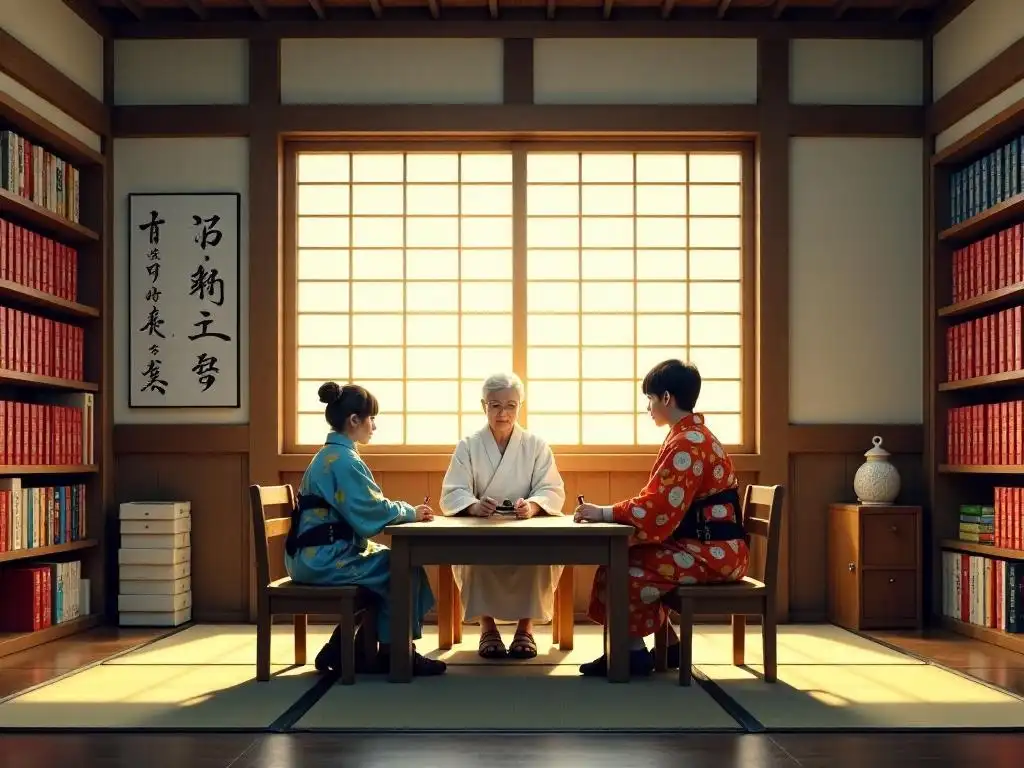
Cultural practices in Japanese education have historically played a significant role in shaping students' learning experiences. These practices are deeply rooted in the traditions and values of Japanese society, often influencing not only what is taught but also how it is learned. By integrating rituals and cultural norms into educational settings, Japanese schools have developed a unique learning environment that prioritizes cognitive skills, social values, and ethical behavior.
Enhancing Cognitive Skills Through Rituals
Rituals in Japanese education serve as a powerful tool for enhancing cognitive skills among students. These practices often involve structured activities that promote critical thinking, memory retention, and problem-solving abilities.
- Daily Ceremonies and Routines: In many schools, daily rituals such as morning assemblies or cleaning practices foster a sense of discipline and focus. For example, morning assemblies often include a moment for students to reflect on their goals for the day, enhancing their ability to concentrate and plan effectively.
- Traditional Arts and Crafts: Incorporating traditional arts, such as calligraphy (書道, shodō) and tea ceremonies (茶道, sadō), into the curriculum encourages students to develop fine motor skills and attention to detail. These activities require patience and practice, reinforcing cognitive skills through the mastery of complex tasks.
- Group Learning through Ritualized Activities: Group activities, like team sports or collaborative projects, are often framed within a cultural context that emphasizes harmony (和, wa) and cooperation. This setting not only enhances cognitive skills through teamwork but also prepares students for future collaborative endeavors in their personal and professional lives.
- Integration of Nature in Learning: Many Japanese educational rituals include elements of nature, such as outdoor classes or seasonal festivals. These experiences enhance observational skills and foster a deeper understanding of environmental science, ultimately contributing to holistic cognitive development.
Cultural practices in Japanese education also play a crucial role in instilling social values and ethical behavior in students. The integration of these values into the education system helps to cultivate responsible and conscientious members of society.
- Emphasis on Respect and Courtesy: Rituals such as bowing and using polite language are integral to Japanese culture. In educational settings, these practices are reinforced, teaching students the importance of respect for others. This cultural norm helps develop empathy and social awareness among students.
- Community Involvement and Service: Service-oriented rituals, such as school festivals and community clean-up days, encourage students to engage with their local communities. These activities foster a sense of belonging and responsibility, helping students understand the importance of contributing to society.
- Conflict Resolution through Traditional Practices: Cultural practices often provide frameworks for conflict resolution. For instance, traditional storytelling (昔話, mukashibanashi) may be used in classroom discussions to illustrate moral dilemmas and ethical decision-making. This approach enables students to navigate social issues and develop critical ethical reasoning skills.
- Intergenerational Learning: Engaging with elders through rituals, such as visiting local shrines or participating in cultural festivals, allows students to learn from the wisdom of previous generations. This intergenerational exchange reinforces respect for tradition while promoting values such as humility and gratitude.
Cultural practices in Japanese education significantly impact student learning by enhancing cognitive skills and fostering essential social values and ethics. Through the integration of rituals into the educational framework, Japan has cultivated a rich learning environment that not only emphasizes academic achievement but also the holistic development of its students.
Case Studies of Cultural Practices in Japanese Schools
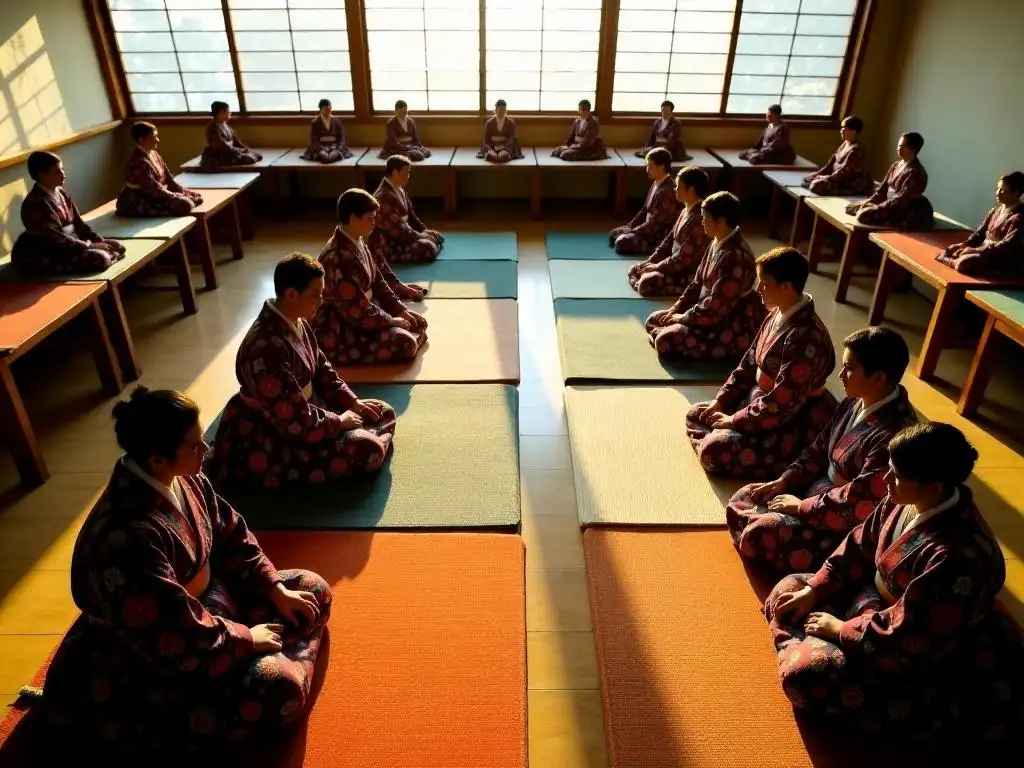
Examination of Historical Schools and Their Methods
The evolution of educational practices in Japan has been significantly impacted by various cultural rituals and traditions that have been integrated into the schooling system. One of the most notable historical schools is the Confucian academies that emerged during the Edo period (1603-1868). These institutions emphasized moral education, discipline, and respect for authority, reflecting Confucian ideals. The curriculum focused on classical texts, ethics, and the importance of community, shaping the character of students and instilling a sense of duty.
Additionally, the Sōka Gakkai, founded in the mid-20th century, introduced unique educational methods that incorporated Buddhist principles. Their approach emphasized critical thinking alongside spiritual development, with rituals such as chanting incorporated into daily routines. This blend of education and spirituality aimed to foster not only intellectual growth but also emotional and social intelligence, highlighting the significance of cultural practices in shaping educational outcomes.
In Japan's traditional arts schools, such as those teaching Ikebana (flower arranging) and Tea Ceremony, the educational experience is deeply intertwined with cultural rituals. Students learn through hands-on practice and participate in guided rituals that reinforce respect for nature, aesthetics, and discipline. These schools emphasize the process of learning through repetition and mastery, demonstrating how cultural practices enhance the educational experience.
Success Stories: Transformative Educational Rituals
Numerous schools in Japan have successfully implemented cultural practices that have transformed the educational landscape. One prominent example is the integration of Shinto rituals in various school activities. For instance, many schools begin the academic year with a Shinto ceremony to pray for students' success and well-being. This not only cultivates a sense of community but also instills a spiritual dimension to education, creating a deeper connection between students and their cultural heritage.
Another successful practice can be observed in schools that emphasize the importance of team-based activities such as sports festivals (undōkai). These events are not merely competitions but rather communal celebrations that foster teamwork, perseverance, and school spirit. Through these rituals, students learn valuable life skills, such as collaboration and resilience, which are essential both in and out of the classroom.
Moreover, the practice of morning assemblies often includes cultural performances like calligraphy or traditional music, which serve to both educate and inspire students. These assemblies not only enhance students’ appreciation for Japanese culture but also promote a sense of pride in their heritage. The integration of such cultural practices into the daily school routine serves as a powerful reminder of the values embedded in Japanese society, ultimately enriching the educational experience.
The case studies of cultural practices in Japanese education demonstrate the profound impact that historical methods and transformative rituals have on student learning and development. These practices are not merely supplementary; they play a crucial role in shaping the educational ethos, fostering community, and preserving cultural heritage in Japan.
Modern Relevance of Cultural Practices in Japanese Education
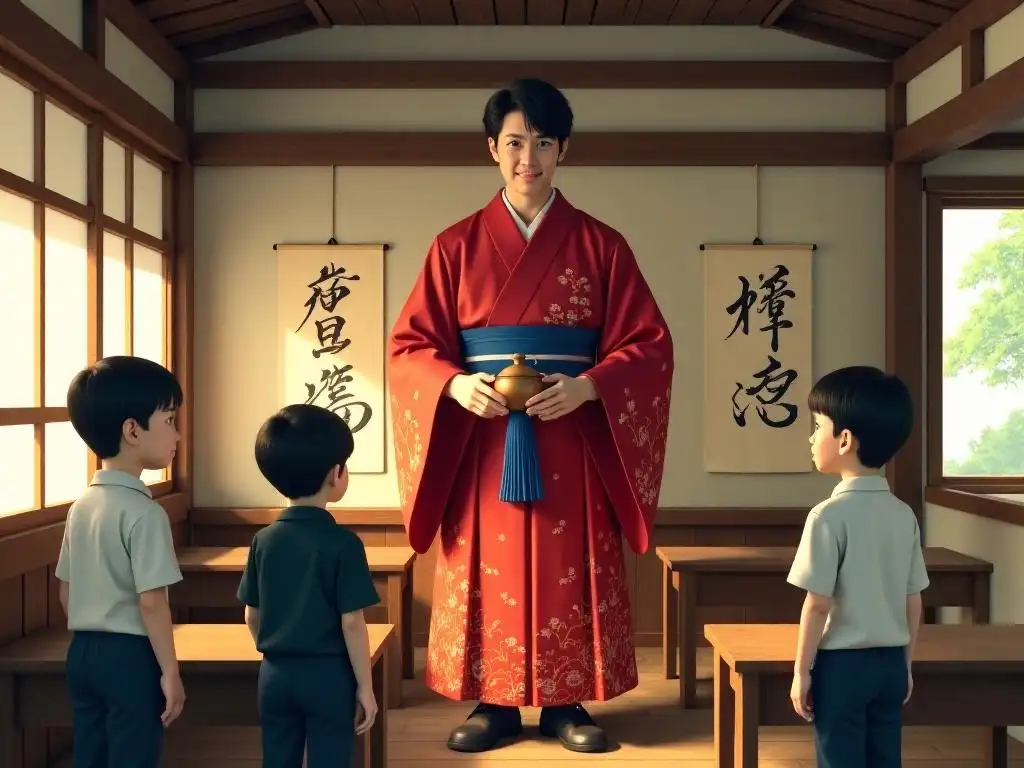
Continuation of Traditional Practices in Contemporary Schools
In Japan, the legacy of feudal cultural practices continues to influence modern educational environments. While the methods of teaching have evolved, many traditional elements remain ingrained in the educational system. For instance, the concept of “wa” (和), which signifies harmony, plays a crucial role in fostering a cooperative learning atmosphere. This principle is not only about group work but also extends to conflict resolution and mutual respect among students.
- Morning Assemblies: Many schools hold daily morning assemblies that reflect traditional values. These gatherings often include rituals such as the singing of the national anthem and the recitation of school songs, promoting a sense of unity and school spirit reminiscent of communal gatherings in feudal Japan.
- Seasonal Festivals: Schools organize events that celebrate traditional Japanese festivals, such as Hanami (花見, cherry blossom viewing) or Tanabata (七夕, star festival). These occasions serve educational purposes by teaching students about their cultural heritage and the importance of nature in Japanese society.
- Calligraphy and Tea Ceremony: The practice of calligraphy ( shodō) and the Japanese tea ceremony ( chanoyu) are incorporated into school curricula. These activities not only teach artistic skills but also emphasize patience, precision, and the significance of mindfulness—values deeply rooted in Japan's historical context.
The integration of these practices into contemporary education ensures that students are not only academically equipped but also culturally literate and connected to their heritage.
Adaptation of Cultural Rituals in Today’s Educational Systems
As Japan continues to modernize, the adaptation of cultural rituals in education reflects a blend of tradition and innovation. Educators are increasingly recognizing the need to keep cultural practices relevant while addressing the demands of a globalized world.
- Project-Based Learning: Many schools are incorporating project-based learning that aligns with cultural practices. For example, students might engage in a project that involves researching traditional crafts, which allows them to connect with their roots while developing critical thinking and collaboration skills.
- Incorporating Technology: Modern technology is also being utilized to teach cultural practices. Interactive platforms can help students learn about historical rituals through virtual reality experiences or gamified learning, making cultural education more engaging and accessible to the younger generation.
- Global Perspectives: While maintaining cultural practices, there is a growing emphasis on global education. Schools are beginning to teach students about the importance of cultural exchange and diversity, thus preparing them for a more interconnected world.
The adaptation of cultural rituals within Japan's educational systems highlights the importance of balancing traditional values with contemporary educational needs. This dynamic approach not only preserves Japan's rich heritage but also empowers students to thrive in an ever-changing global landscape.
Conclusion: The Lasting Legacy of Cultural Practices in Japanese Education
Summary of Key Insights
The cultural practices in Japanese education have been deeply intertwined with the nation's historical context, particularly during the feudal era. Rituals such as Shinto ceremonies, Buddhist teachings, and Confucian principles have not only shaped the moral framework of educational practices but also influenced the curriculum and pedagogical approaches. Here are some key insights:
- Integration of Spirituality: Spiritual rituals have played a significant role in promoting discipline and respect among students. For instance, the daily morning assembly often included Shinto prayers, instilling a sense of community and reverence for nature.
- Confucian Influence: The Confucian emphasis on morality and ethics permeated educational institutions, fostering a culture of respect for teachers and elders. This cultural practice emphasized the importance of character development alongside academic achievement.
- Community Involvement: Festivals and communal events served as informal educational settings, where life skills and cultural values were imparted through hands-on experiences. This approach not only reinforced formal education but also strengthened community bonds.
- Art and Aesthetics: Traditional arts such as ikebana (flower arranging) and calligraphy were integrated into the curriculum, enhancing creative expression while also teaching patience and precision. These practices cultivated a holistic approach to education, allowing students to appreciate aesthetics alongside academics.
Future Prospects for Cultural Practices in Education
Looking ahead, the role of cultural practices in Japanese education continues to evolve, presenting new opportunities and challenges. Here are some prospects for the future:
- Integration of Technology: As educational technology becomes more prevalent, there is potential for blending traditional practices with modern teaching methods. For example, virtual reality could be used to simulate historical rituals, providing students with immersive learning experiences that retain cultural significance.
- Globalization and Cultural Exchange: With increasing globalization, Japanese education may see a fusion of cultural practices. While this could enrich the educational experience, it also raises questions about the preservation of traditional values and practices.
- Focus on Emotional and Social Learning: Recognizing the importance of emotional intelligence, educational institutions might amplify cultural practices that foster empathy, cooperation, and emotional expression. This approach aligns with global educational trends emphasizing social and emotional learning (SEL).
- Sustainability and Environmental Education: As environmental issues gain prominence, traditional cultural practices that emphasize harmony with nature could be revitalized in educational contexts. Incorporating lessons from historical practices can inspire students to engage with contemporary environmental challenges.
Cultural practices in Japanese education not only reflect the rich historical tapestry of the nation but also hold significant potential for shaping future educational paradigms. By embracing these practices, educators can cultivate a more holistic and culturally aware learning environment.
Frequently Asked Questions
What are the main cultural practices in Japanese education?
Japanese education is heavily influenced by cultural practices such as ceremonial rituals, group harmony, and the value of respect for teachers and elders, which foster a strong sense of community and discipline among students.
How do rituals enhance the learning experience in Japan?
Rituals in Japanese education, like the morning assembly and seasonal festivals, promote unity and cultural identity, helping students develop a deeper understanding of their heritage while enhancing their social and emotional skills.
What role does discipline play in Japanese educational practices?
Discipline is a cornerstone of Japanese education, instilling values of hard work, perseverance, and respect. This is often reinforced through structured daily routines and school rituals, which contribute to a focused learning environment.
How do traditional values influence modern Japanese educational methods?
Modern Japanese education still reflects traditional values such as collectivism and respect for authority. These values shape classrooms into nurturing spaces where cooperation and group achievements are highly valued over individual accomplishments.
What impact do cultural practices have on student performance in Japan?
Cultural practices are believed to enhance student performance by fostering a strong sense of belonging, encouraging collaborative learning, and promoting positive attitudes toward education, ultimately leading to higher academic achievement.
Final Reflection: The Enduring Power of Cultural Practices in Education
Cultural practices in Japanese education are not merely traditions; they are vital threads woven into the fabric of learning that resonate with contemporary educational paradigms. As we navigate an increasingly globalized world, the significance of these practices becomes even more pronounced. They remind us that education is not just about the transfer of knowledge but also about the cultivation of values, community, and identity. The lessons learned from these rituals underscore a striking truth: education is deeply intertwined with culture, shaping not only the minds of students but also the society they will help to build.
The impact of cultural practices in education extends far beyond the classroom, influencing social dynamics and fostering a sense of belonging. In my own experience, I have witnessed how rituals such as morning assemblies and seasonal festivals create a cohesive environment that enhances learning. These practices instill discipline, respect, and a shared sense of purpose among students. As noted by educational theorist John Dewey, Education is not preparation for life; education is life itself.
This sentiment encapsulates the idea that the rituals we embrace in educational settings are reflections of our values and aspirations, shaping the future of our communities.
As we reflect on the lessons drawn from cultural practices in Japanese education, I invite you to consider how you can incorporate similar rituals into your own learning or teaching experiences. Think about the values you wish to instill and the sense of community you want to foster. By embracing and adapting these practices, we can create enriching educational environments that honor our cultural heritage while preparing us for the challenges of tomorrow. Let us take the time to reflect on our own rituals and their potential to transform education into a more meaningful and connected experience.
Embrace Cultural Wisdom for a Richer Education!
Thank you for exploring the intricate relationship between cultural practices and education. By delving into the role of rituals in learning, you’ve uncovered valuable insights into how traditions can shape educational experiences. Now, it's time to take that knowledge a step further!
Here are some practical actions you can take to incorporate cultural wisdom into your own learning journey:
- Organize a cultural exchange event in your community or school, celebrating diverse traditions that can enhance educational experiences.
- Research traditional rituals from various cultures—consider documenting your findings and sharing them with friends or on social media to inspire others.
- Join a local or online group dedicated to discussing and sharing educational practices rooted in cultural traditions to broaden your understanding and expand your network.
What ritual, either from your own culture or another, do you believe has the most potential to enrich modern education? **We invite you to share your thoughts below! **