
The Role of Technology in Perry's Arrival and Its Aftermath

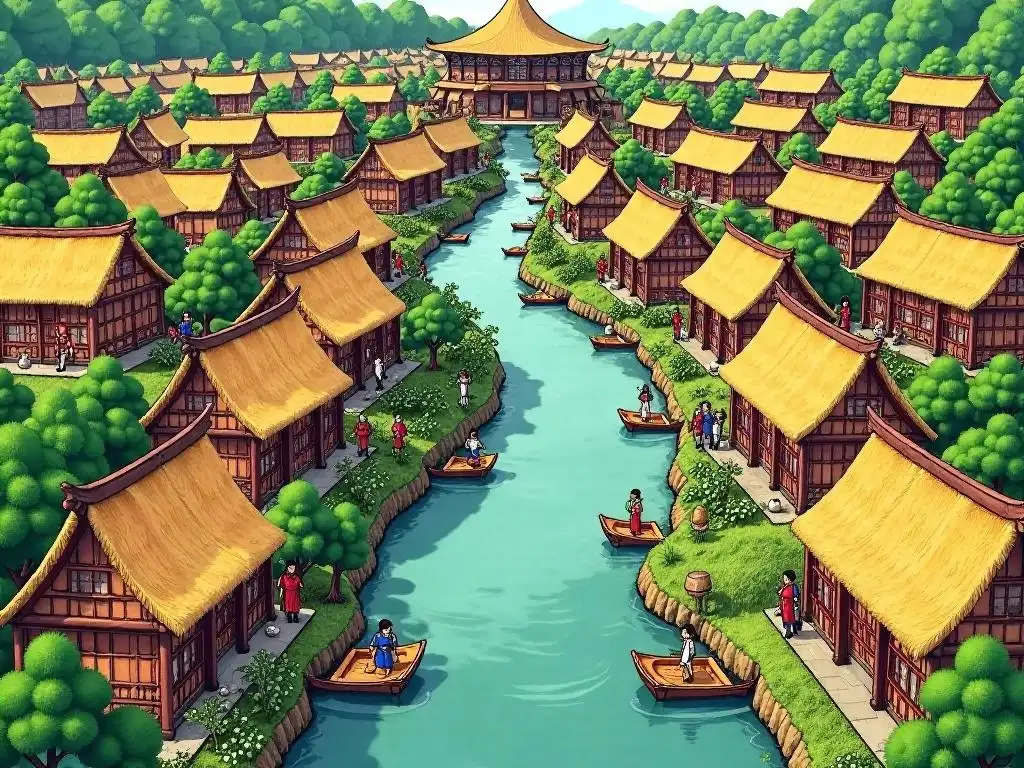
Welcome to Feudal Japan History, where we embark on a captivating journey through the intricate tapestry of Japan's feudal era. Dive deep into the impact of technology on Japan's feudal era, a theme that unravels the complexities of foreign relations and technological advancements during this pivotal time. In our featured article, "The Role of Technology in Perry's Arrival and Its Aftermath," we explore how innovation reshaped Japan's interactions with the world.
Are you ready to uncover the secrets of a transformative period that forever altered the course of Japanese history? Join us as we delve into the past, where each click reveals another layer of this fascinating narrative!
Introduction to Commodore Perry's Arrival
The arrival of Commodore Matthew Perry in Japan in 1853 marked a pivotal moment in the nation's history, signifying the end of over two centuries of self-imposed isolation under the Tokugawa shogunate. This event was not merely a diplomatic breakthrough but also a technological watershed that transformed Japan's feudal society.
The impact of technology on Japan's feudal era can be seen through various lenses, including maritime exploration, steam power, and communication innovations that fundamentally altered the trajectory of Japanese society and its engagement with the world. As Japan was thrust into the global arena, the technological advancements that Perry brought with him played a crucial role in shaping the responses of Japanese leaders and the population, ultimately leading to significant social, political, and cultural changes.
Overview of Perry's Expedition to Japan
Commodore Perry's expedition was characterized by a show of naval strength, with four ships—known as the "Black Ships" due to their black hulls—arriving in Tokyo Bay. This show of force was a calculated move to compel Japan to end its isolationist policies and open its ports to American trade.
The expedition was not just a diplomatic mission; it was also a demonstration of the advanced naval technology of the time, which included steam-powered vessels and sophisticated navigational tools. Perry's ability to traverse the vast Pacific Ocean with relative ease underscored the technological advancements that had been made since the feudal era's reliance on wind-powered ships.
Significance of the Year 1853 in Japan's History
The year 1853 stands as a landmark in Japanese history, marking the beginning of a series of events that would lead to the Meiji Restoration in 1868. Perry's arrival was a catalyst that forced Japanese leaders to reconsider their isolationist stance and the implications of Western technology and culture. The subsequent Treaty of Kanagawa in 1854 not only opened Japan to foreign trade but also initiated a period of rapid modernization and industrialization. This year symbolizes the intersection of feudal traditions and the encroaching modern world, highlighting the profound changes that technology would soon unleash on Japanese society.
The Impact of Technology on Japan's Feudal Era
Technological Advancements in Maritime Exploration
During the early 19th century, maritime exploration underwent significant transformations, driven by advancements in shipbuilding and navigation. The introduction of iron-hulled ships and more accurate navigational instruments enabled explorers and traders to traverse the seas with greater efficiency and safety. For Japan, which had relied on traditional wooden ships for centuries, this shift was monumental. The arrival of Perry's steam-powered vessels was a clear indication of the technological gap between Japan and the Western powers, prompting Japanese leaders to recognize the necessity of adopting these new technologies to maintain sovereignty and security.
The Role of Steam Power in Perry's Ships
Steam power revolutionized naval warfare and trade during the 19th century. Perry's ships, equipped with steam engines, offered speed and maneuverability that traditional sailing ships could not match. This technological superiority not only facilitated Perry's mission but also served as a stark reminder to the Japanese of the changing dynamics in naval power. The implications of steam power extended beyond military applications; it heralded a new era of transportation that would eventually lead to the modernization of Japan's infrastructure and economy, laying the groundwork for the rapid industrialization that followed.
Communication Innovations: From Telegraph to Diplomacy
The mid-19th century also saw significant advancements in communication technologies, such as the telegraph, which played a critical role in facilitating diplomatic relations between Japan and the United States. The ability to transmit messages quickly and efficiently altered the pace of negotiations and decision-making processes. For Japan, the adoption of telegraphic communication was essential in navigating the complexities of international diplomacy, allowing for a more responsive engagement with foreign powers. This technological shift not only transformed Japan's foreign relations but also influenced internal governance and the flow of information, ultimately contributing to the modernization of its feudal structures.
The Response of Japan's Feudal Society
The arrival of Commodore Matthew Perry in 1853 marked a significant turning point in Japan's feudal era, prompting a complex response from its hierarchical society. As Perry's black ships entered Tokyo Bay, they brought with them not only the immediate threat of foreign intervention but also a stark contrast in technological advancement that Japan had to confront. Japan's feudal society, deeply rooted in tradition and isolationist policies, found itself at a crossroads, grappling with the implications of Western technology and ideas.
The initial response was characterized by a mix of fear, curiosity, and resistance. The shogunate, which had maintained a policy of sakoku (closed country) for over two centuries, faced internal debates about whether to engage with the outside world. Many samurai and feudal lords were protective of their way of life, viewing Western advancements as a potential catalyst for the erosion of their social order. However, the technologically superior presence of Perry and his fleet forced Japan to reassess its position on foreign relations and technological adoption.
Initial Reactions to Perry's Technological Superiority
Upon witnessing the might of Perry's vessels, Japanese leaders were struck by the technological superiority that these ships represented. The steam-powered warships, equipped with advanced cannons and navigational tools, contrasted sharply with Japan's traditional wooden ships. This superiority prompted a mixture of admiration and alarm among samurai and government officials.
In the face of this technological prowess, initial reactions ranged from outright denial to pragmatic acceptance. Some officials proposed a cautious engagement with the West, suggesting that Japan could learn from their advancements without completely abandoning its cultural heritage. Others, however, advocated for a defensive posture, arguing that Japan needed to fortify itself against potential aggression. This dichotomy set the stage for future debates about modernization and reform within Japanese society.
The Clash of Cultures: Traditional Japan vs. Western Technology
The arrival of Perry not only signified a confrontation between two nations but also illustrated a broader cultural clash. Traditional Japanese society, with its emphasis on honor, loyalty, and a deep-seated sense of community, came face-to-face with the individualistic and innovation-driven ethos of the West. This encounter raised questions about identity, values, and the future direction of Japan.
As Western technology began to infiltrate Japanese life, it challenged long-held beliefs about progress and tradition. The adoption of Western military technology, industrial techniques, and modern governance structures forced Japanese leaders to navigate a delicate balance between retaining their cultural identity and embracing necessary changes. This clash of cultures ultimately paved the way for significant societal transformations, culminating in the Meiji Restoration, where Japan sought to adopt and adapt Western innovations while striving to maintain its unique cultural essence.
The Aftermath of Perry's Arrival
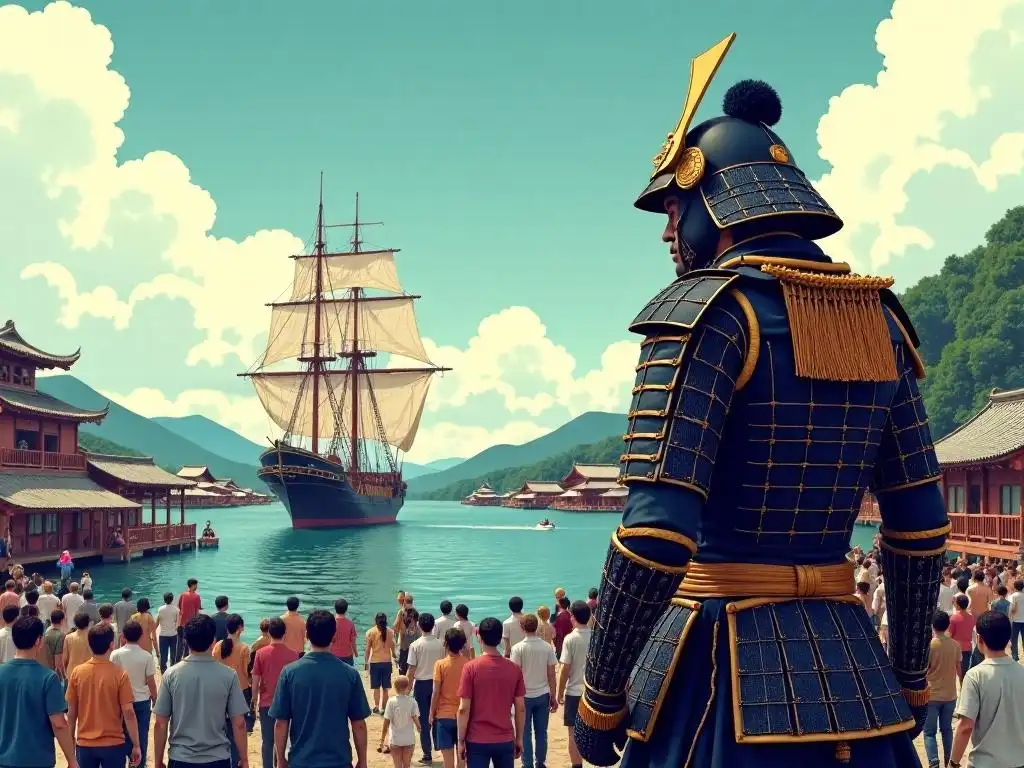
The aftermath of Perry's arrival was marked by rapid changes across various sectors of Japanese society. The once-isolated feudal system began to adapt to the realities of a changing world, driven largely by the need to address the technological gap that had been starkly illuminated by Perry's expedition. This period not only saw shifts in military capabilities but also significant economic transformations influenced by new technologies.
Changes in Military Technology and Strategy
In response to the lessons learned from Perry's encounter, Japan recognized the urgent need to modernize its military. The realization that traditional samurai warfare techniques were ill-suited for confronting Western powers led to a series of reforms. By adopting Western military technology, including rifles, artillery, and naval shipbuilding techniques, Japan began to reshape its armed forces.
The establishment of military academies and a conscription system represented a significant departure from the feudal reliance on samurai warriors. These changes not only improved Japan's military effectiveness but also fostered a sense of national unity and identity that transcended feudal loyalties. The success of Japan in the First Sino-Japanese War (1894-1895) and the Russo-Japanese War (1904-1905) can be traced back to these foundational changes initiated in the wake of Perry's arrival.
Economic Shifts Driven by Technological Influence
The technological influence that followed Perry's arrival also catalyzed profound economic shifts within Japan. The introduction of Western industrial practices prompted the establishment of factories and modern infrastructure, leading to a significant transformation of the Japanese economy.
As Japan opened its markets to foreign goods, it began to integrate into the global economy. This shift fostered a burgeoning merchant class and spurred urbanization as people migrated from rural areas to cities in search of employment in new industries. The introduction of railroads, telegraphs, and improved shipping methods further facilitated trade and commerce, allowing Japan to emerge as a competitive player on the world stage.
The impact of technology on Japan's feudal era, particularly in the wake of Commodore Perry's arrival, was profound and multifaceted. It not only altered military strategies and economic structures but also initiated a cultural dialogue that would shape the future of Japan as it moved toward modernization.
Long-term Effects of Technology on Japan's Transformation
The arrival of Commodore Matthew Perry in 1853 marked a pivotal moment in Japanese history, catalyzing profound transformations that would reverberate through the nation's socio-political landscape for decades. The introduction of advanced Western technologies not only challenged the existing feudal systems but also laid the groundwork for Japan’s transition into a modern state. The long-term effects of these technological advancements can be traced through various domains, including military, industrial, and infrastructural developments.
One of the most significant impacts was the modernization of Japan's military capabilities. The introduction of steam-powered warships and advanced weaponry led to the dissolution of the samurai-dominated military structures, ultimately culminating in the establishment of a modern army. This shift not only enhanced Japan's defensive and offensive capabilities but also fostered a sense of national pride and identity, crucial for the emerging modern state.
In addition, technology facilitated the growth of industries and infrastructure. Railroads and telegraph lines were rapidly constructed, connecting remote regions and enabling faster communication and trade. This infrastructural development was vital for economic expansion, allowing Japan to transition from a predominantly agrarian society to an industrial powerhouse.
The Transition from Isolation to Modernization
Japan's long-standing policy of isolation, known as Sakoku, effectively severed the nation from global trade and technological advancements for over two centuries. However, Perry’s arrival forced the Japanese government to confront the realities of modernity. The Kanagawa Treaty of 1854, which followed Perry's expedition, marked the end of this isolationist policy, opening Japan to foreign trade and technologies.
The initial resistance to Western influences quickly transformed into a necessity for survival. The Meiji leaders recognized that to compete with Western powers, Japan had to adopt and adapt to their technologies. This led to the establishment of various government programs that focused on learning from Western nations, resulting in the importation of machinery, expertise, and ideas.
Furthermore, the transition was not just technological but also cultural. The rapid influx of new ideas and practices challenged traditional Japanese values and norms, compelling society to reassess its identity. This cultural shift was pivotal as it laid the groundwork for the modernization movement that defined the Meiji Restoration.
How Technology Shaped Japan's Meiji Restoration
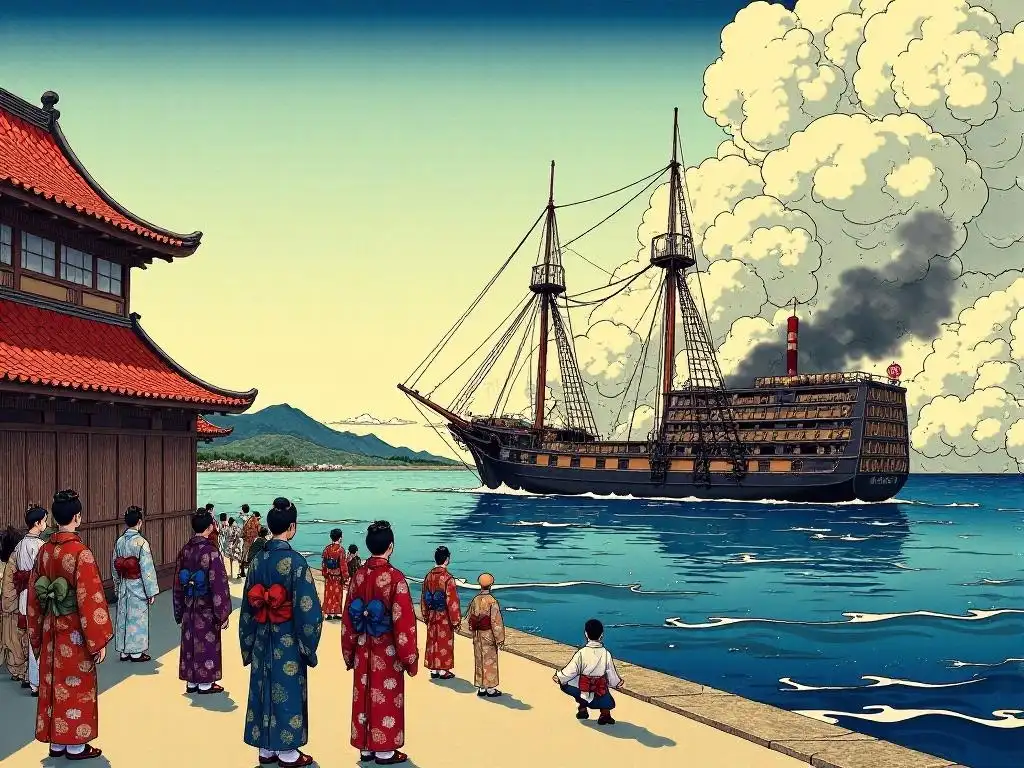
The Meiji Restoration of 1868 was a direct response to the pressures exerted by the West, and technology played a crucial role in this transformative period. The Meiji government actively sought to modernize the nation by adopting Western technologies across various sectors, including military, education, and industry.
The establishment of the Imperial Army and Navy, heavily influenced by Western military practices, showcased the importance of technological integration in national defense. Furthermore, the introduction of modern education systems, which included the study of science and technology, prepared a new generation of Japanese citizens to embrace and innovate upon these advancements.
Industrialization was another cornerstone of the Meiji Restoration, driven by the establishment of factories and the promotion of Western-style manufacturing processes. Significant investments in infrastructure, such as railroads and telegraphs, facilitated communication and transportation, further enhancing Japan's economic landscape.
As a result, Japan emerged as a formidable player on the world stage, successfully competing with Western powers and asserting its sovereignty.
Cultural Exchanges: Technology as a Bridge
The arrival of foreign technologies also paved the way for cultural exchanges between Japan and the West. These exchanges were not merely one-sided; Japan contributed its own innovations and cultural elements, creating a dynamic interplay of ideas.
For instance, the introduction of Western art, literature, and philosophy influenced Japanese culture, leading to the emergence of new artistic movements such as Nihonga, which fused traditional Japanese techniques with Western styles. This blending of cultures was significant in shaping a modern Japanese identity that respected its historical roots while embracing new influences.
Additionally, the adoption of Western technologies in daily life, from railways to telephones, transformed the social fabric of Japanese society. People began to experience new lifestyles, leading to shifts in social structures and relationships. As technology acted as a bridge, it facilitated greater interaction between different social classes, contributing to a more egalitarian society.
Conclusion
Summary of the Impact of Technology on Japan's Feudal Era
The impact of technology on Japan's feudal era was profound and multifaceted. Commodore Perry's arrival catalyzed a series of changes that dismantled centuries of isolation and prompted an urgent need for modernization. The integration of Western technologies reshaped Japan’s military, economy, and society, leading to the eventual dissolution of the feudal class system and the rise of a modern nation-state.
Reflection on the Legacy of Perry's Arrival in Modern Japan
Reflecting on the legacy of Perry's arrival, it is evident that this moment was not just an endpoint of isolation but the beginning of Japan's journey into modernity. The technological exchanges initiated during this period laid the foundation for Japan's rapid industrialization and development in the subsequent decades.
Today, Japan stands as a testament to the transformative power of technology, showcasing how it can bridge gaps, foster growth, and redefine national identities in the face of global challenges. The impact of technology on Japan's feudal era serves as a reminder of the delicate balance between tradition and progress, a theme that continues to resonate in modern Japanese society.
- Introduction to Commodore Perry's Arrival
- The Impact of Technology on Japan's Feudal Era
- The Response of Japan's Feudal Society
- The Aftermath of Perry's Arrival
- Long-term Effects of Technology on Japan's Transformation
- The Transition from Isolation to Modernization
- How Technology Shaped Japan's Meiji Restoration
- Cultural Exchanges: Technology as a Bridge
- Conclusion
- What was the significance of Commodore Perry's arrival in Japan?
- How did technology influence Japan during the feudal era?
- What were some technological advancements introduced by the West?
- How did the Japanese respond to the technological changes?
- What is the overall impact of technology on Japan's feudal era?
Frequently Asked Questions
What was the significance of Commodore Perry's arrival in Japan?
Commodore Perry's arrival in 1853 marked the end of Japan's isolationist policies, leading to increased trade and diplomatic relations with Western nations.
How did technology influence Japan during the feudal era?
The introduction of Western technology during the feudal era transformed military practices, transportation, and communication, significantly impacting Japan's socio-political landscape.
What were some technological advancements introduced by the West?
Technological advancements included steamships, railroads, and telegraph systems, which facilitated faster movement of goods and information, altering Japan's economic structure.
How did the Japanese respond to the technological changes?
The Japanese embraced certain Western technologies while preserving their cultural identity, leading to a unique blend of modernization and tradition during the Meiji Restoration.
What is the overall impact of technology on Japan's feudal era?
The impact of technology during this period was profound, as it not only reshaped the military and economy but also initiated a broader cultural exchange that influenced Japan's future development.
Final Reflection: The Transformative Impact of Technology on Japan's Feudal Era
In examining the impact of technology on Japan's feudal era, we uncover a pivotal moment in history that reshaped the nation's trajectory. The arrival of Commodore Perry and his steam-powered ships not only marked the end of Japan's isolation but also heralded a new age of industrialization and modernization. This historical juncture serves as a striking reminder of how technological advancements can catalyze profound societal change, challenging established norms and opening doors to new possibilities.
The influence of technology during this period continues to resonate in today's cultural and social landscape. The interplay between innovation and tradition remains a defining characteristic of modern Japan, where the echoes of Perry's arrival can still be felt. As we reflect on this transformative era, we are reminded of the words of historian John W. Dower: The encounter with the West was not merely a clash of civilizations; it was a collision of technologies that forever altered Japan's path.
This observation underscores the importance of understanding how technological forces can shape national identity and cultural evolution, prompting us to consider the ongoing implications of such encounters in our own time.
As we contemplate the lessons from this pivotal moment in history, I invite you to reflect on the role of technology in your own life and society. How do the advancements we embrace today mirror those of the past? What responsibilities do we carry as stewards of technology in shaping our future? By engaging with these questions, we can honor the legacy of the past while actively participating in the ongoing dialogue about technology's role in our world. Let us be inspired to harness innovation thoughtfully, ensuring that it serves to unite and uplift rather than divide and diminish.
Unveil the Impact of Technology on Perry's Journey!
Thank you for diving into the fascinating intersection of technology and history with us! Your engagement is key in uncovering the powerful influence technology had on Perry's arrival and its aftermath. Now, let's harness this knowledge and take meaningful steps to further explore this pivotal moment in history.
Here are some ways you can deepen your understanding and contribute to the conversation:
- Join our community: Sign up for our newsletter to receive exclusive insights and updates on the intricate history of Japan and related historical events.
- Explore further: Discover more about the technological advancements of the 19th century and how they influenced various cultures around the world.
- Share your thoughts: Engage in discussions with friends or in our comments section—what role do you think technology played in shaping significant world events?
What aspect of Perry's arrival do you find most surprising, and how do you think technological changes continue to influence our world today?