
The Hidden Histories of Japanese Artisans Interacting with Westerners

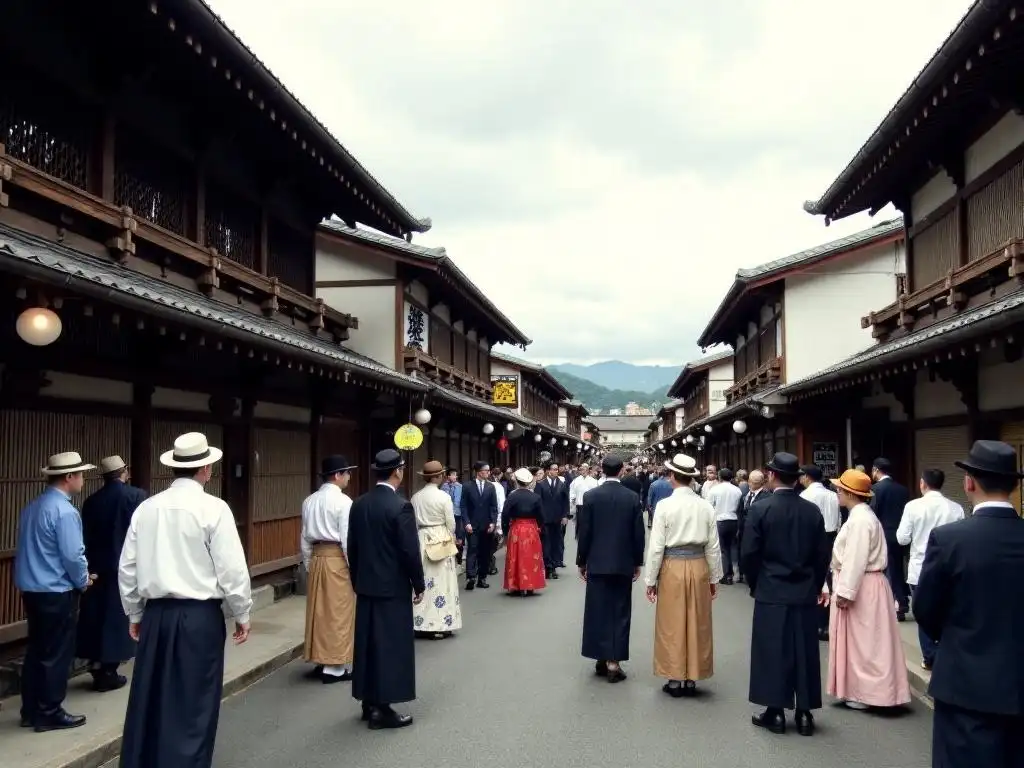
Welcome to Feudal Japan History, where we embark on a captivating journey through the intricate tapestry of Japan's feudal era! In our featured article, "The Hidden Histories of Japanese Artisans Interacting with Westerners," we delve into the fascinating dynamics between skilled Japanese artisans and their Western counterparts. What secrets lie behind their exchanges? How did these interactions shape not only art but the very fabric of society? Unravel the threads of history with us as we unveil the stories that have long been overshadowed—your adventure into the rich cultural exchanges of feudal Japan begins here!
Introduction to Japanese Artisans and Their Role in History
The intricate tapestry of Japan's feudal era is not only woven with the tales of samurai and shoguns but is also significantly enriched by the contributions and interactions of Japanese artisans. These skilled craftsmen, who honed their talents over generations, played a crucial role in shaping both the cultural and economic landscapes of Japan.
As Japan gradually opened its doors to the West, particularly during the 16th to 19th centuries, the dynamics of these artisans' interactions with Westerners became a fascinating chapter in the history of foreign relations. This article delves into the nuanced relationships between Japanese artisans and Westerners, examining how these exchanges influenced art, culture, and commerce during a transformative period in Japan's history.
Definition of Japanese Artisans
Japanese artisans, known as "shokunin," are skilled craftsmen who specialize in various traditional arts and trades, such as pottery, textiles, woodworking, and metalworking. The term embodies not only technical expertise but also a deep-rooted philosophy of craftsmanship and dedication to quality. Shokunin are often seen as custodians of cultural heritage, preserving ancient techniques while adapting to new influences. Their work reflects a blend of aesthetic beauty and functional design, making their contributions invaluable to both Japanese society and the world beyond.
Overview of the Feudal Era in Japan
The feudal era in Japan, spanning from the late 12th century to the mid-19th century, was marked by a rigid social hierarchy and a decentralized political structure dominated by powerful samurai clans. This period fostered a unique environment for the development of various art forms and crafts. As the economy grew, so too did the demand for quality goods, leading to the rise of specialized artisan communities. Feudal Japan was characterized by the emergence of distinct regional styles and techniques, which artisans meticulously cultivated and passed down through generations.
Importance of Interactions with Westerners
The interactions between Japanese artisans and Westerners during Japan's period of isolation (Sakoku) and subsequent opening to foreign trade had profound implications for both parties. For artisans, these exchanges provided opportunities to showcase their skills and gain access to new materials and techniques. Conversely, Westerners were introduced to Japan's rich artistic traditions, leading to a mutual exchange of ideas and influences. Understanding this interaction is essential for recognizing how it shaped the evolution of Japanese art and craft, as well as the perception of Japan in the West.
The Historical Context of Japan-West Interactions
The Arrival of Westerners in Japan
The arrival of Westerners in Japan can be traced back to the mid-16th century, with Portuguese traders and Jesuit missionaries being among the first to establish contact. This marked a significant turning point in Japan's history, as it opened the door for new cultural exchanges. The influx of Western goods, technology, and ideas began to influence Japanese artisans, who were both intrigued and challenged by these foreign innovations. This period of initial contact laid the groundwork for a complex relationship that would evolve over the following centuries.
Key Events that Shaped Artisan Interactions
Several key events shaped the interactions between Japanese artisans and Westerners. For instance, the 1853 arrival of Commodore Matthew Perry and his "Black Ships" heralded the end of Japan's isolationist policies and ushered in the Meiji Restoration. This period saw an influx of Western influences in art, design, and technology, prompting artisans to adapt and innovate. Notable examples include the introduction of Western painting techniques and the fusion of traditional crafts with modern styles, creating unique hybrid forms of art.
The Impact of the Sakoku Policy on Trade and Culture
The Sakoku policy, implemented in the early 17th century, severely restricted foreign influence and trade in Japan. While it protected Japanese culture from external domination, it also created a paradox where limited interactions with the Dutch and Chinese allowed select Western influences to seep into the artisan world. This period of isolation was crucial in preserving traditional techniques while also fostering a sense of curiosity and adaptability among artisans. As trade reopened in the mid-19th century, artisans would find themselves at a crossroads, balancing their heritage with the new inspirations brought by Westerners.
Profiles of Notable Japanese Artisans and Their Western Collaborations
Artisan Craftsmen: An Overview
Japanese artisans have played a significant role in shaping the cultural landscape of both Japan and the West. Their craftsmanship, honed over centuries, encompasses a range of disciplines including pottery, textiles, woodworking, and printmaking. With the arrival of Westerners during the Edo period (1603-1868) and the subsequent Meiji Restoration (1868), Japanese artisans began to interact more closely with foreign craftsmen and artists. This interaction led to a mutual exchange of techniques, styles, and ideas, enriching both Japanese and Western art forms.
Japanese artisans were not only skilled craftsmen but also cultural ambassadors, showcasing the intricacies and beauty of Japanese aesthetics to the world. Their works often incorporated traditional motifs and methods, yet adapted to the preferences of Western consumers. Through exhibitions, trade, and personal collaborations, these artisans left an indelible mark on Western art, contributing to movements such as Impressionism and Art Nouveau, which drew inspiration from Japanese aesthetics.
Case Study: Katsushika Hokusai and Their Influence on Western Art
Katsushika Hokusai, one of the most renowned ukiyo-e printmakers, is a prime example of how Japanese artisans influenced Western art. His iconic works, such as "The Great Wave off Kanagawa," captivated Western artists in the 19th century. Hokusai's innovative use of perspective, vibrant color, and dynamic composition introduced new artistic concepts to Western audiences.
Hokusai's prints were widely collected by artists like Vincent van Gogh and Claude Monet, who admired the unique qualities of Japanese art. Van Gogh, in particular, drew inspiration from Hokusai's compositions, incorporating similar elements into his own work. This cross-cultural exchange not only transformed Western art but also solidified Hokusai's legacy as a pivotal figure in the history of art.
Case Study: Tansu Kagawa and Their Innovations in Craftsmanship
Tansu Kagawa, a lesser-known yet influential figure, exemplifies the fusion of Japanese craftsmanship and Western design. Active during the late 19th century, Kagawa specialized in the creation of intricate wooden storage chests, known as tansu. These versatile chests were not only functional but also served as decorative art pieces.
Kagawa's engagement with Western clients led to innovations in design and functionality, blending traditional Japanese aesthetics with Western practicality. His work often featured detailed carvings and lacquer finishes, appealing to the tastes of Western collectors. Kagawa’s ability to adapt and innovate allowed him to thrive in a rapidly changing market, showcasing the adaptability of Japanese artisans in the face of Western influence.
Traditional Japanese Techniques Adopted by Western Artists
The interaction between Japanese artisans and Western artists resulted in the adoption of several traditional Japanese techniques by the latter. One notable example is the use of woodblock printing, which captivated Western artists with its precision and vibrancy. Artists began to explore this technique, leading to the creation of unique prints that combined Japanese methods with Western themes.
Another technique that gained traction was the application of color layering in watercolor painting. Western artists learned to incorporate the delicate layering methods seen in Japanese ink wash painting, which allowed for greater depth and subtlety in their works. These techniques, once confined to Japanese art, became integral to the evolution of Western artistic practices.
Western Techniques Influencing Japanese Craftsmanship
Conversely, Western techniques significantly influenced Japanese craftsmanship during the late 19th and early 20th centuries. The introduction of oil painting and perspective techniques prompted Japanese artists to experiment with new mediums and styles. This shift was evident in the works produced by artists like Yokoyama Taikan, who integrated Western oil painting techniques into traditional Nihonga (Japanese-style painting).
Additionally, the use of perspective and three-dimensional space began to permeate Japanese art, as artisans sought to create more lifelike representations. This blending of Eastern and Western techniques not only enhanced the visual language of Japanese art but also marked a significant turning point in its evolution.
The Fusion of Styles: Unique Artworks Created Through Collaboration
The collaboration between Japanese artisans and Western artists led to the creation of unique artworks that showcased a fusion of styles and techniques. One remarkable example is the rise of Japonisme in the late 19th century, characterized by Western artists incorporating Japanese motifs and aesthetics into their own works. This movement featured a blend of traditional Japanese elements with Western artistic principles, resulting in vibrant and innovative pieces.
Collaborative endeavors also emerged in the field of ceramics, where Japanese potters collaborated with Western designers to produce hybrid pieces that appealed to both markets. These unique creations often combined traditional Japanese glazing techniques with Western forms, resulting in functional art that celebrated the best of both worlds.
The hidden histories of Japanese artisans and their interactions with Westerners reveal a rich tapestry of cultural exchange. Through collaboration, adaptation, and innovation, these artisans have shaped artistic practices across the globe, leaving a lasting legacy that continues to inspire today.
Cultural Exchange: The Impact on Japanese Society
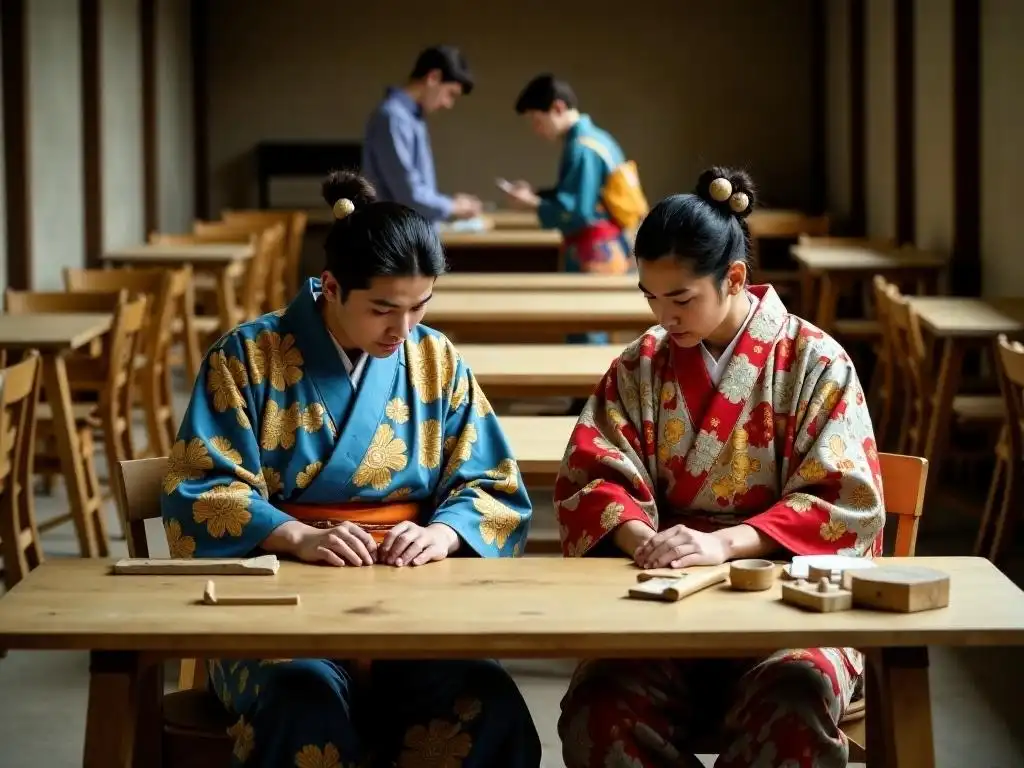
The interactions between Japanese artisans and Westerners during the late Edo and early Meiji periods marked a profound cultural exchange that significantly impacted Japanese society. This exchange not only introduced new artistic techniques and materials but also fostered a greater appreciation for craftsmanship and innovation within Japanese culture. As artisans began to adapt Western styles and methods, their work started to reflect a fusion of traditional Japanese aesthetics with new foreign influences, leading to a richer and more diverse artistic landscape.
One of the most notable effects of this cultural exchange was the introduction of Western artistic concepts such as perspective and shading in painting, which were previously foreign to Japanese art. This shift encouraged Japanese artisans to explore and experiment with their traditional practices, resulting in unique art forms that incorporated both Eastern and Western elements. The blending of these two worlds allowed for new genres to emerge, such as ukiyo-e prints that depicted Western subjects and themes, showcasing the adaptability and creativity of Japanese artisans.
Changes in Artisan Communities Due to Western Influence
The arrival of Westerners in Japan prompted significant changes within artisan communities. As trade and cultural exchange increased, artisans found themselves exposed to new materials, techniques, and artistic trends. This exposure led to a re-evaluation of traditional practices as artisans sought to incorporate Western methods into their work. For instance, the introduction of oil paints and watercolor techniques enriched the palettes of Japanese painters, while Western-style engraving and lithography offered new avenues for artistic expression.
Furthermore, the demand for Japanese crafts in the Western markets compelled artisans to innovate. They began to produce works that appealed to foreign tastes while still retaining elements of their cultural heritage. This duality allowed artisan communities to thrive economically, as they adapted their craft to meet the evolving demands of a global audience. However, this shift also led to tensions within these communities, as some artisans resisted changes that they felt compromised their traditional identities.
The Role of Artisans in Bridging Cultural Gaps
Artisans played a crucial role in bridging cultural gaps between Japan and the West. Through their craftsmanship, they became informal ambassadors of Japanese culture, demonstrating the richness of their traditions while simultaneously engaging with foreign ideas. This interaction was particularly visible in the realm of ceramics, textiles, and lacquerware, where artisans began to create hybrid forms that appealed to both Japanese and Western sensibilities.
Moreover, artisans often participated in international exhibitions, showcasing their skills and cultural heritage to a global audience. These events allowed them to establish connections with foreign artists and patrons, facilitating a two-way exchange of ideas and techniques. By doing so, artisans not only elevated their craft but also contributed to a greater understanding and appreciation of Japanese culture abroad.
The Legacy of Japanese Artisans and Western Interactions
The legacy of interactions between Japanese artisans and Westerners continues to influence contemporary art and craftsmanship in Japan. The blending of styles and techniques that emerged from these exchanges has led to a unique artistic vocabulary that informs modern practices. Today, many artists and craftsmen draw inspiration from both traditional Japanese methods and Western innovations, creating works that reflect a diverse cultural heritage.
Lasting Influences in Modern Art and Craftsmanship
Modern Japanese art and craftsmanship exhibit lasting influences from the historical interactions with Westerners. Many contemporary artists incorporate Western techniques, such as abstraction and modernist principles, while still honoring traditional Japanese aesthetics. This synthesis is evident in various art forms, from painting and sculpture to fashion and architecture, demonstrating the enduring impact of cultural exchange.
Additionally, the revival of interest in traditional crafts has led to a resurgence of artisanal practices that were influenced by Western styles. Craftsmen and women today often blend these techniques with modern sensibilities, resulting in innovative products that celebrate the rich history of Japanese artistry while appealing to contemporary tastes.
Preservation of Traditional Techniques in Contemporary Society
Despite the significant Western influences on Japanese artisans, there has been a concerted effort to preserve traditional techniques within contemporary society. Organizations and educational institutions dedicated to the arts actively promote the teaching and practice of traditional crafts, ensuring that these skills are passed down to future generations.
Moreover, many artisans consciously choose to maintain traditional methods in their work, viewing them as essential to their identity and cultural heritage. This dedication to preservation not only honors the past but also positions traditional techniques within the modern marketplace, allowing them to coexist with contemporary innovations.
How History Shapes Current Japan-West Relationships
The historical interactions between Japanese artisans and Westerners have shaped the current Japan-West relationships in profound ways. The cultural exchange has fostered a mutual respect and appreciation for each other's artistic traditions, paving the way for continued collaboration and dialogue.
Today, as globalization continues to influence art and culture, the legacy of these interactions remains relevant. The ability of artisans to adapt and innovate in response to foreign influences is a testament to the resilience and creativity of Japanese culture. This dynamic relationship serves as a foundation for ongoing exchanges, enriching both Japanese artistry and Western appreciation for it.
Conclusion: The Enduring Impact of Artisan Interactions
The interactions between Japanese artisans and Westerners throughout history have left a profound and lasting impact on both Japanese culture and the global art scene. These exchanges were not merely transactional; they represented a complex dialogue that shaped artistic practices, techniques, and philosophies. By examining the intricate relationships forged through trade, diplomacy, and cultural exchange, it becomes evident that the influence of these artisans extends far beyond the confines of their time, resonating in contemporary art and society.
The nuanced understanding that emerged from these interactions fostered a sense of appreciation and admiration for Japanese craftsmanship in Western societies. This led to the popularization of Japanese aesthetics, inspiring movements such as Japonisme in the late 19th century, which saw Western artists incorporating elements of Japanese art into their own works. The resulting blend of styles not only enriched Western art but also reinforced the importance of cross-cultural dialogue in shaping artistic innovation.
Reflection on the Historical Significance
The historical significance of Japanese artisans' interactions with Westerners cannot be overstated. From the arrival of the Portuguese in the 16th century to the Meiji Restoration's opening of Japan to the world, each encounter brought new ideas and techniques that transformed traditional Japanese art forms. Artisans, such as potters, textile makers, and woodblock print artists, adapted and evolved their crafts in response to Western influences while simultaneously imparting their unique skills and styles to foreign audiences.
Moreover, these interactions played a crucial role in the evolution of Japan's national identity. As Japanese artisans showcased their work to Westerners, they navigated the delicate balance between preserving their cultural heritage and embracing new ideas. This process not only enriched their artistic practices but also contributed to a broader understanding of Japan as a complex and dynamic society.
Final Thoughts on the Future of Japanese Artisans and Global Influence
Looking ahead, the future of Japanese artisans holds immense potential as globalization continues to reshape cultural interactions. With the rise of digital platforms, artisans can now reach wider audiences, transcending geographical barriers and fostering a renewed interest in traditional crafts. This presents an opportunity for Japanese artisans to innovate while staying grounded in their rich heritage.
Furthermore, as contemporary issues such as sustainability and ethical production gain prominence, Japanese artisans are uniquely positioned to contribute to global conversations around these themes. By leveraging their time-honored techniques and philosophies, they can inspire new approaches to art and craftsmanship that resonate with a global audience. The enduring impact of past interactions serves as a foundation for future collaborations, ensuring that the legacy of Japanese artisans continues to thrive in an interconnected world.
References and Further Reading
Suggested Books on Japanese Artisans and Western Interactions
- "Japan and the West: The Many Faces of a Cultural Encounter" by John Dower
- This book explores the multifaceted interactions between Japan and Western countries, focusing on cultural exchanges and influences.
- "The Arts of Japan: An Illustrated History" by Yutaka Yoshida
- A comprehensive overview of Japanese art history, including the impact of Western interactions on traditional practices.
- "Japonisme: The Japanese Influence on Western Art Since 1858" by Theodore Reff
- This work delves into the phenomenon of Japonisme and its significance in shaping Western art movements.
Academic Journals and Articles for In-Depth Study
- "Japanese Studies" - A peer-reviewed journal that publishes research on various aspects of Japanese history, culture, and art, providing valuable insights into artisan interactions.
- "The Journal of Asian Studies" - This journal frequently features articles examining the cultural exchanges between Japan and the West, offering scholarly perspectives on the topic.
Online Resources for Exploring Japanese Art History
- The National Museum of Modern Art, Tokyo - An excellent resource for exploring Japanese art, with online exhibitions and archives that showcase the evolution of craftsmanship and Western influences.
- The Kyoto National Museum - Offers a wealth of information on traditional Japanese arts and crafts, including the historical context of artisan interactions with Westerners.
- The Digital Museum of Japanese Art - A platform that provides access to a vast collection of artworks, articles, and research materials related to Japanese art history and international influences.
- Introduction to Japanese Artisans and Their Role in History
- The Historical Context of Japan-West Interactions
- Profiles of Notable Japanese Artisans and Their Western Collaborations
- Methods and Techniques Shared Between Japanese Artisans and Westerners
- Cultural Exchange: The Impact on Japanese Society
- The Legacy of Japanese Artisans and Western Interactions
- Conclusion: The Enduring Impact of Artisan Interactions
- References and Further Reading
- What role did Japanese artisans play in their interactions with Westerners?
- How did the arrival of Westerners affect Japanese art and craft?
- What were some key art forms developed through the interactions between Japanese artisans and Westerners?
- Did the interactions with Westerners have a lasting impact on Japanese society and culture?
- What is the significance of studying the histories of Japanese artisans and their interactions with Westerners?
Frequently Asked Questions
What role did Japanese artisans play in their interactions with Westerners?
Japanese artisans significantly contributed to cultural exchanges by introducing their craftsmanship and aesthetic techniques to Western audiences, fostering mutual appreciation and influence.
How did the arrival of Westerners affect Japanese art and craft?
The arrival of Westerners introduced new materials and techniques, which led to the fusion of styles, resulting in innovative art forms that blended traditional Japanese methods with Western influences.
What were some key art forms developed through the interactions between Japanese artisans and Westerners?
Notable art forms included lacquerware, ceramics, and textiles, which showcased the unique blend of Japanese traditions and Western artistic trends.
Did the interactions with Westerners have a lasting impact on Japanese society and culture?
Yes, the interactions led to a cultural exchange that influenced Japanese identity, art education, and the adoption of Western technologies, shaping modern Japanese society.
What is the significance of studying the histories of Japanese artisans and their interactions with Westerners?
Studying these histories allows us to understand the complex dynamics of cultural exchange, revealing how artisans navigated global influences while preserving their cultural heritage.
Final Reflection: Unveiling the Interwoven Legacies of Japanese Artisans and Westerners
In exploring the intricate relationships between Japanese artisans and Westerners, we uncover a tapestry of cultural exchange that remains profoundly relevant today. The historical interactions between these two worlds not only shaped artistic practices but also fostered a dialogue that transcends time and geography. As we navigate an increasingly globalized society, understanding these connections can inspire us to appreciate the rich diversity of influences that shape our contemporary art and culture.
The legacy of Japanese artisans continues to resonate within our cultural landscape, influencing everything from design aesthetics to culinary arts. These interactions have cultivated a unique appreciation for craftsmanship and innovation that persists in modern society. As we reflect on this ongoing influence, we are reminded of the words of the renowned artist Katsushika Hokusai: All things are the result of the interaction of the heavens and the earth.
This quote encapsulates the essence of how cultural exchanges can lead to the birth of new ideas and forms, highlighting the importance of collaboration and mutual respect.
As we conclude this exploration, I invite you to reflect on the lessons learned from the histories of Japanese artisans and their Western counterparts. Consider how these narratives of collaboration can inspire your own creative endeavors and interactions with diverse cultures. Embrace the opportunity to learn from one another, fostering a spirit of curiosity and openness that honors the legacies of those who came before us. Let us carry forward the torch of cultural exchange, ensuring that the stories of artisans continue to illuminate our paths in the future.
Uncover the Legacy: Engage with Japanese Artisans Today!
Thank you for journeying through the rich tapestry of Japan's artisan history! You've gained insights into the profound interactions between Japanese artisans and Western visitors, unveiling stories steeped in culture and creativity. Now, it's time to take action and connect with this fascinating heritage.
Here are a few ways you can further immerse yourself in this legacy:
- Explore local galleries or exhibitions showcasing Japanese art and crafts. Discover how these artisans continue to influence contemporary art.
- Join online communities dedicated to Japanese craftsmanship, where you can share experiences and learn from others who are passionate about this rich tradition.
- Host a themed gathering with friends to create art inspired by Japanese techniques. Combining creativity with cultural appreciation can spark wonderful conversations.
What piece of Japanese artistry resonates with you the most, and how do you see it influencing your life? We invite you to share your thoughts in the comments!