
The Allure of Onnagata: Male Actors Portraying Female Characters in Kabuki

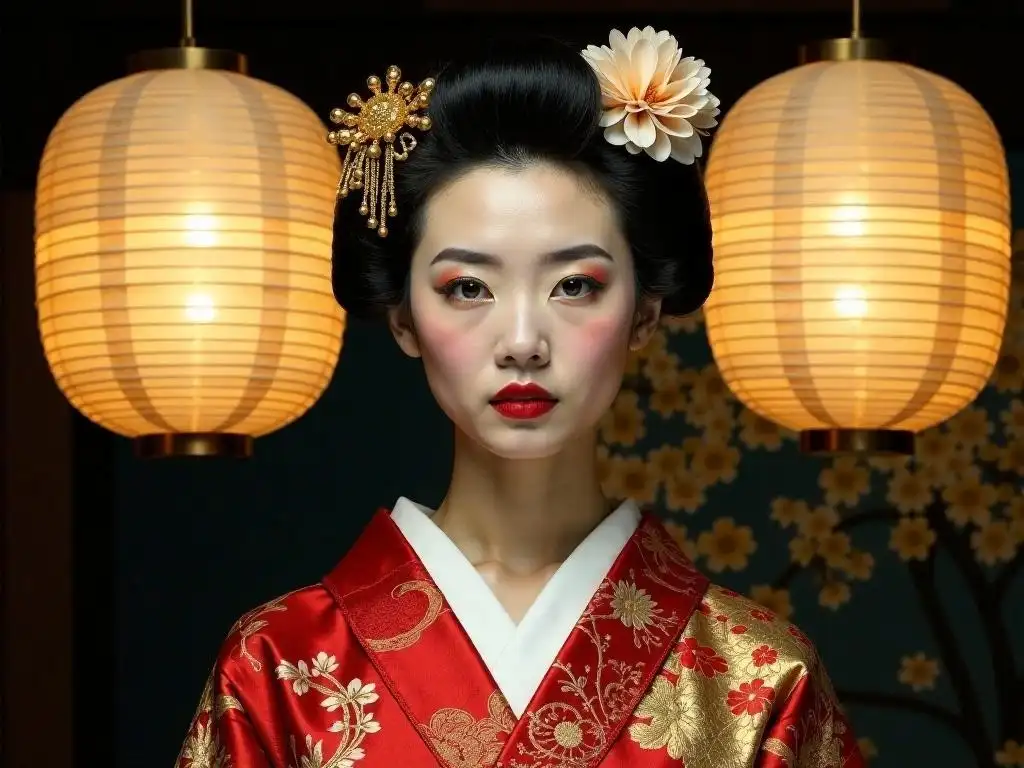
Welcome to Feudal Japan History, where we invite you to embark on a captivating journey through the enchanting tapestry of Japan’s feudal era. Here, we delve into the intricate historical, cultural, and societal dimensions that shaped this remarkable period.
In our featured article, "The Allure of Onnagata: Male Actors Portraying Female Characters in Kabuki," we uncover the fascinating world of onnagata—the male actors who mesmerized audiences by embodying female roles in this iconic theatrical form. Prepare to be intrigued as we explore the artistry and significance behind these performances, sparking your curiosity to delve deeper into the rich legacy of Kabuki theater and its impact on Japanese culture.
Introduction to Onnagata in Kabuki Theater
The world of Kabuki theater is a fascinating tapestry of drama, artistry, and cultural significance, with one of its most intriguing features being the portrayal of female characters by male actors known as onnagata. This unique practice not only highlights the complexities of gender performance in traditional Japanese theater but also reflects the societal norms and artistic conventions of the time.
In this article, we will delve deep into the allure of onnagata, exploring their historical context, the significance of their roles in Kabuki performances, and the distinct characteristics that define their art. By examining these elements, we aim to uncover the rich layers of meaning behind the onnagata tradition and its lasting impact on Japanese culture.
Definition of Onnagata
Onnagata, literally translating to "woman's form," refers to male actors who specialize in portraying female roles in Kabuki theater. These performers are renowned for their ability to embody the nuances of femininity, employing not only their acting skills but also intricate makeup, costumes, and specific movement techniques. The onnagata tradition is deeply rooted in the aesthetics of Kabuki, where the portrayal of women by men adds a layer of artistry that is both captivating and complex.
The Historical Context of Onnagata in Japanese Theater
The practice of onnagata has its origins in the early days of Kabuki, which emerged in the early 17th century. Initially, Kabuki was performed by female actors; however, due to moral concerns and government regulations, women were banned from the stage in 1629. This led to the rise of male actors taking on female roles, creating a unique space for onnagata within Kabuki. Notable onnagata such as Ichikawa Danjuro and Kikugoro Onoe have become legendary figures, influencing generations of actors and shaping the conventions of female representation in theater.
The Role of Onnagata in Kabuki Performance
Significance of Onnagata in Kabuki Traditions
Onnagata hold a significant position in Kabuki traditions, serving not only as entertainers but also as cultural intermediaries who navigate the ideals of beauty, grace, and emotion associated with femininity. Their performances often reflect societal values and gender dynamics, allowing audiences to engage with complex themes through the lens of gender portrayal. The onnagata's ability to convey deep emotional resonance has made them essential to the storytelling in Kabuki, often portraying tragic or strong female characters that resonate with audiences.
Characteristics of Onnagata Performances
The performances of onnagata are characterized by a meticulous attention to detail that encompasses several elements:
- Costume and Makeup: Onnagata costumes are elaborately designed, often featuring vibrant colors and intricate patterns that enhance the visual appeal. Their makeup, particularly the kumadori style, emphasizes their delicate features and enhances their portrayal of femininity.
- Movement and Gesture: Onnagata employ specific movement techniques that mimic traditional female behaviors, such as graceful postures and fluid gestures. This physicality is essential to their performance, as it helps convey the emotional depth of their characters.
- Vocal Techniques: The onnagata's voice is also carefully modulated to reflect female tones, incorporating high pitches and softer inflections that resonate with the audience's perception of femininity.
Through these characteristics, onnagata performances create a compelling experience that challenges and enriches the audience's understanding of gender roles within the context of Kabuki theater.
In this exploration of onnagata, we will further examine the cultural significance and enduring legacy of these remarkable performers in the realm of traditional Japanese theater.
Historical Evolution of Onnagata in Kabuki
The history of Onnagata in Kabuki theater reflects a fascinating evolution of gender representation and performance art in Japan. Initially emerging in the early 17th century, the practice of male actors portraying female characters has undergone significant transformations, influenced by societal norms, artistic values, and the changing landscape of Japanese theater. The allure of Onnagata lies not only in the skill of the performers but also in the cultural significance of their roles and the intricate techniques developed over centuries.
Early Origins of Male Actors in Female Roles
The roots of Onnagata can be traced back to the beginnings of Kabuki theater. In the early 1600s, Kabuki was characterized by its vibrant performances, featuring both male and female roles. However, due to government regulations aimed at controlling public morality, women were banned from performing on stage by the early 1620s. As a result, male actors began to take on female roles, marking the inception of Onnagata.
These early male performers, often referred to as "onnagata," were tasked with embodying the delicate and nuanced characteristics of women, requiring them to master various aspects of femininity, including voice modulation, movement, and emotional expression. This shift not only showcased the artistry of male actors but also highlighted the societal perceptions of gender during this period, as men were expected to adhere to strict codes of conduct that defined masculinity and femininity.
The Rise of Onnagata in Edo Period Kabuki
The Edo period (1603-1868) saw the flourishing of Kabuki theater, and with it, the rise of Onnagata as a distinct and revered role. As the art form gained popularity, Onnagata became synonymous with elegance and refinement. The portrayal of female characters was not merely an act of impersonation; it evolved into a highly stylized performance art, emphasizing beauty, grace, and emotional depth.
During this period, notable Onnagata, such as Ichikawa Danjuro and Nakamura Utaemon, emerged, elevating the craft and setting new standards for performance. Their ability to convey the complexities of female characters resonated with audiences, allowing them to explore themes of love, sacrifice, and societal expectations through the lens of femininity. The allure of Onnagata became a hallmark of Kabuki, attracting both admiration and critical acclaim, solidifying their place in the cultural narrative of Japan.
Techniques and Training of Onnagata Actors
The skills required to portray female characters in Kabuki are vast and demanding, necessitating a rigorous training regimen and mastery of specific performance techniques. Onnagata actors undergo extensive training to achieve the level of artistry required to convincingly depict femininity on stage.
The Rigorous Training Regimen for Onnagata
Training to become an Onnagata is an arduous process that often begins at a young age. Aspiring actors typically enter a Kabuki theater school where they undergo years of disciplined training. This training encompasses various elements, including:
- Physical Conditioning: Actors engage in exercises to develop flexibility and grace, mimicking the subtle movements associated with female characters.
- Vocal Training: Mastery of voice modulation is crucial, as Onnagata must learn to produce a high, delicate voice that aligns with traditional portrayals of women.
- Emotional Expression: Actors are trained to convey a wide range of emotions authentically, often drawing from traditional Japanese aesthetics and cultural norms regarding femininity.
The journey of an Onnagata is not just about performance; it is an intimate exploration of gender identity and expression, requiring immense dedication and practice.
Key Performance Techniques Employed by Onnagata
Onnagata actors utilize a variety of performance techniques that distinguish their craft from other roles in Kabuki theater. Some of the key techniques include:
- Mise-en-scène: The careful arrangement of stage elements and actor positioning to create visually captivating scenes that enhance the portrayal of femininity.
- Kata (Forms): Onnagata adhere to specific kata, or forms, that dictate movement and expression, ensuring a consistent representation of female characters.
- Costume and Makeup: The use of elaborate costumes and makeup plays a vital role in the transformation process, allowing Onnagata to embody their characters fully. The application of makeup follows traditional practices, enhancing features to align with idealized feminine beauty.
These techniques, combined with the actor's innate talent and years of training, culminate in performances that capture the essence of the female experience, making Onnagata a celebrated and integral part of Kabuki theater.
Cultural Impact of Onnagata in Japanese Society
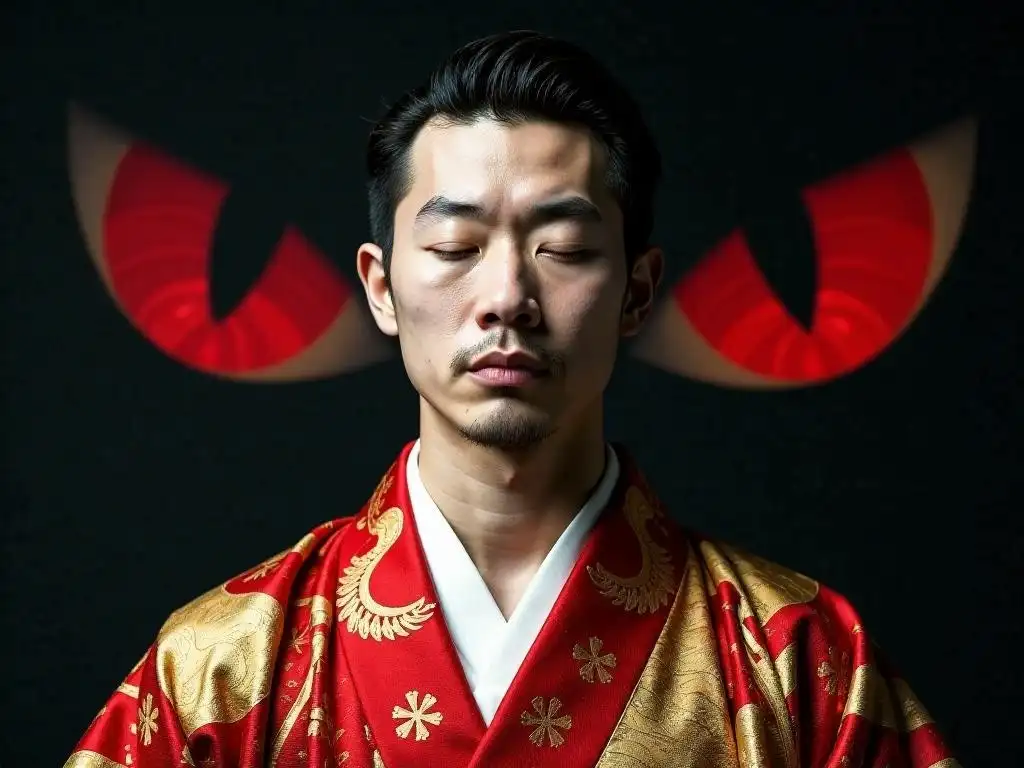
The phenomenon of Onnagata, male actors who portray female roles in Kabuki theater, has had a profound cultural impact on Japanese society, particularly during the Edo period (1603-1868). This unique practice challenged traditional gender norms and provided a platform for exploring complex themes of femininity and masculinity. The presence of Onnagata not only captivated audiences but also allowed for a nuanced representation of gender within the rigid societal structures of feudal Japan.
Onnagata performances offered a glimpse into the idealized notions of womanhood, depicting virtues such as grace, beauty, and emotional depth. As these male actors meticulously crafted their portrayals, they influenced societal perceptions of what it meant to be female, often reinforcing but also subtly questioning established gender roles. The allure of Onnagata extended beyond the theater, permeating literature, art, and everyday life, creating a cultural phenomenon that resonated with the populace.
Additionally, the popularity of Onnagata paved the way for discussions on gender fluidity and the performative aspects of identity. This discourse, though muted in the context of feudal Japan, laid the groundwork for future generations to engage with concepts of gender in more progressive ways, ultimately contributing to the evolution of gender roles in modern Japan.
Perceptions of Gender Roles in Feudal Japan
In feudal Japan, gender roles were distinctly defined, with men occupying positions of power and authority while women were often relegated to domestic spheres. The Onnagata tradition, however, provided a unique lens through which these roles could be examined and challenged. By embodying female characters, male actors not only entertained but also invited audiences to reconsider the rigid boundaries of gender expectations.
Through their performances, Onnagata revealed the complexities of gender identity and expression. They utilized a range of techniques, from voice modulation to elaborate costumes, to create authentic portrayals of women, which contributed to a broader understanding of femininity in Japanese culture. This artistic endeavor sparked conversations around the nature of gender, prompting individuals to reflect on the societal constructs that dictated their lives.
The portrayal of women by Onnagata also served to humanize female experiences, allowing audiences to empathize with characters they might otherwise dismiss. This interplay between performance and perception played a crucial role in shaping societal attitudes towards gender during the Edo period, marking a significant cultural shift in the understanding of women's roles.
The Influence of Onnagata on Contemporary Views of Gender
The legacy of Onnagata continues to influence contemporary discussions surrounding gender in Japan and beyond. By breaking down traditional gender barriers, Onnagata performances have contributed to a growing recognition of gender as a fluid and performative construct rather than a binary classification. This shift has encouraged modern audiences to embrace diverse expressions of identity and challenge preconceived notions of gender roles.
In contemporary Japan, the impact of Onnagata can be seen in various forms of art, including theater, film, and literature, where gender ambiguity and fluidity are increasingly explored. The acceptance of non-traditional gender representations reflects a societal evolution that traces its roots back to the Onnagata tradition. As society grapples with issues of gender identity and equality, the historical context provided by Onnagata performances remains relevant, serving as a reminder of the ongoing journey toward understanding and acceptance.
Famous Onnagata and Their Contributions to Kabuki
The world of Kabuki theater boasts a rich history of remarkable Onnagata, whose contributions have left indelible marks on the art form. These actors not only excelled in their craft but also shaped the very essence of Kabuki, elevating it into a respected cultural institution.
Notable Onnagata Actors in History
One of the most celebrated Onnagata in history is Ichikawa Danjūrō IX, known for his exquisite portrayal of female characters. His performances in the late 19th and early 20th centuries redefined the art of Onnagata, emphasizing emotional depth and authenticity. Danjūrō's ability to convey complex female emotions resonated with audiences, ensuring his legacy endures in the annals of Kabuki history.
Another influential figure is Kikugorō Nakamura II, who was renowned for his elegant performances and mastery of female roles. His dedication to the craft not only won him acclaim but also inspired future generations of actors, solidifying the Onnagata tradition within Kabuki. Nakamura's innovative techniques and artistic vision helped to elevate the status of Kabuki theater, embedding Onnagata in its cultural fabric.
These actors, among others, have significantly contributed to the evolution of Kabuki, ensuring that the art of Onnagata remains a vital aspect of this traditional Japanese theater.
Iconic Performances That Shaped Onnagata Legacy
Several iconic performances have played a pivotal role in shaping the Onnagata legacy within Kabuki theater. For instance, the portrayal of Yoshitsune and the Thousand Cherry Trees by Ichikawa Danjūrō IX is often heralded as a landmark performance. His ability to embody the delicate yet strong qualities of women captivated audiences, setting a new standard for Onnagata performances.
Similarly, performances of The Tale of the Heike showcased the emotional depth and complexity of female characters, further solidifying the position of Onnagata within the genre. The mastery displayed in these productions highlighted the artistry of male actors in depicting femininity, challenging and enriching the narratives within Kabuki.
These performances not only entertained but also influenced cultural perceptions of gender, leaving a lasting impact on the evolution of Kabuki theater and the Onnagata tradition. The legacy of these iconic portrayals continues to resonate, inspiring both actors and audiences in contemporary interpretations of Kabuki.
The Allure of Onnagata: Aesthetic and Emotional Appeal
The concept of Onnagata, where male actors portray female characters in Kabuki theater, has long captivated audiences with its unique blend of aesthetic beauty and emotional depth. This art form transcends mere performance; it creates a rich tapestry of gender representation that challenges societal norms and evokes profound responses from viewers. The allure of Onnagata lies not only in the skillful portrayal of femininity but also in its ability to resonate on a deeper emotional level, offering insights into the complexities of gender and identity.
Visual Aesthetics of Onnagata in Kabuki Costumes and Makeup
The visual appeal of Onnagata performances is deeply rooted in the elaborate costumes and intricate makeup that male actors don to portray female characters. Traditionally, the costumes are ornate, featuring vibrant colors, delicate fabrics, and intricate patterns that enhance the beauty and elegance of the character being portrayed. The use of silk, brocade, and other luxurious materials reflects the high status of the characters, often noblewomen or courtesans, and adds to the visual richness of the performance.
Makeup, too, plays a crucial role in the transformation of the male actor into a female persona. The application of white foundation, red and black accents, and carefully crafted eye designs serves to highlight the delicate features and create an ethereal quality. The makeup techniques used by Onnagata artists are passed down through generations, emphasizing the artistry and skill involved in this transformation. This painstaking attention to detail not only enhances the visual experience but also immerses the audience in the world of Kabuki, where illusion and reality intertwine.
Emotional Resonance of Onnagata Performances with Audiences
The emotional impact of Onnagata performances is profound, as these male actors bring to life complex female characters with depth and sensitivity. Audiences are often moved by the emotional nuances portrayed in the performances, which can range from tragic sorrow to joyous celebration. The ability of Onnagata to convey a wide spectrum of emotions challenges traditional notions of masculinity and femininity, inviting viewers to engage with the characters on an empathetic level.
Moreover, the performances often resonate with themes of love, sacrifice, and societal constraints, which are universally relatable. This emotional connection is further enhanced by the actors' mastery of movement and expression, as they embody the grace and poise of their characters. The Onnagata's ability to evoke empathy allows audiences to reflect on their own experiences and emotions, creating a deeply personal and immersive theater experience.
Conclusion: The Enduring Legacy of Onnagata in Kabuki Theater
The legacy of Onnagata in Kabuki theater is characterized by its enduring impact on both the art form and Japanese culture. This unique practice not only showcases the richness of Kabuki but also challenges and expands the understanding of gender performance in theater. As audiences continue to appreciate the beauty and complexity of Onnagata performances, the tradition remains a vibrant part of Japan's cultural heritage.
Reflections on the Future of Onnagata in Modern Kabuki
As modern Kabuki evolves, the role of Onnagata is being reexamined and redefined. Contemporary productions may incorporate modern themes and styles, but the core principles of Onnagata endure. With increasing global interest in diverse expressions of gender and identity, there is potential for Onnagata to reach new audiences and inspire future generations of performers. The challenge lies in balancing tradition with innovation while maintaining the emotional and aesthetic essence that defines this unique form of theatrical art.
The Lasting Influence of Onnagata on Japanese Cultural Heritage
The influence of Onnagata extends beyond the realm of Kabuki, permeating various aspects of Japanese cultural heritage. This practice has inspired literature, visual arts, and even contemporary performances, reflecting the fluidity of gender and the complexity of human experience. The Onnagata tradition serves as a reminder of the rich tapestry of Japan's history, where art becomes a vehicle for exploring and expressing the intricate layers of identity. As we look to the future, the legacy of Onnagata continues to resonate, affirming its significance in the ongoing dialogue about gender and performance in Japan and beyond.
- Introduction to Onnagata in Kabuki Theater
- The Role of Onnagata in Kabuki Performance
- Historical Evolution of Onnagata in Kabuki
- Techniques and Training of Onnagata Actors
- Cultural Impact of Onnagata in Japanese Society
- Famous Onnagata and Their Contributions to Kabuki
- The Allure of Onnagata: Aesthetic and Emotional Appeal
- Conclusion: The Enduring Legacy of Onnagata in Kabuki Theater
Frequently Asked Questions
What is Onnagata in Kabuki theater?
Onnagata refers to male actors who specialize in portraying female characters on stage in Kabuki theater, a traditional Japanese performance art known for its elaborate costumes and stylized movements.
Why are Onnagata performances significant in Kabuki?
The performances of Onnagata are significant because they showcase the artistic skill and versatility of male actors, while also challenging traditional gender roles in Japanese culture during the feudal era.
How do Onnagata actors prepare for their roles?
Onnagata actors undergo extensive training to master feminine gestures, voice modulation, and the nuances of female characters, ensuring their portrayals are both authentic and expressive.
What role did Onnagata play in the evolution of Kabuki?
Onnagata played a crucial role in the evolution of Kabuki by contributing to its aesthetic development and helping to establish a unique theatrical identity that incorporated elements of both gender performance and visual artistry.
Are there any famous Onnagata actors in history?
Yes, there are several famous Onnagata actors, such as Ichikawa Danjuro and Tamasaburo Bando, who are celebrated for their masterful portrayals of women and have significantly influenced the Kabuki tradition over the years.
Final Reflection: The Enduring Allure of Onnagata in Kabuki Theater
The exploration of Onnagata in Kabuki theater reveals a profound connection between gender performance and cultural expression that remains strikingly relevant today. As we navigate an increasingly complex understanding of gender identity and representation, the artistry of male actors portraying female characters invites us to reconsider the boundaries of gender in performance and society. The allure of Onnagata not only captivates audiences but also challenges our perceptions of masculinity and femininity, showcasing the fluidity of identity in a way that resonates with contemporary discussions on gender.
Cultural narratives are shaped by the stories we tell and the roles we embody. The tradition of Onnagata has influenced not just the realm of theater but also broader societal attitudes towards gender roles. This unique form of performance art has sparked conversations about the nature of femininity and the expectations placed on both men and women. As noted by renowned theater scholar, The Onnagata tradition allows us to see the beauty in the performance of gender, transcending the limitations of biological sex.
This ongoing dialogue reflects the power of Kabuki to inspire change and foster understanding in a world that often grapples with rigid gender norms.
As we reflect on the lessons of Onnagata, I invite you to consider how you can embrace the fluidity of identity in your own life. What roles do you play, and how do they shape your understanding of yourself and others? Let the artistry of Onnagata inspire you to challenge conventions and explore the depths of your own identity. In doing so, we can all contribute to a richer, more inclusive narrative that celebrates the diverse expressions of humanity.
Dive Deeper into the World of Onnagata!
Thank you for taking the time to explore the fascinating tradition of Onnagata in Kabuki theater. You've uncovered a unique art form that challenges gender norms and highlights the beauty of performance. Now, it’s time to embrace this cultural richness and continue your journey!
Here’s how you can connect further with the allure of Onnagata:
- Explore a Local Kabuki Performance: Find a show near you and experience the magic in person! Immerse yourself in the artistry and dedication of these talented performers.
- Start a Discussion: Share what intrigued you most about Onnagata with friends or family. Engaging in conversations can lead to deeper insights and a greater appreciation for this captivating tradition.
- Research Related Art Forms: Broaden your knowledge! Investigate other theatrical practices that explore gender expression and discover how they relate to Onnagata.
What aspect of Onnagata do you find most captivating, and how do you believe it influences our understanding of gender roles in performance art? We invite you to share your thoughts below!