
The Role of Aesthetics: How WabiSabi Influences Japanese Tea Ceremonies

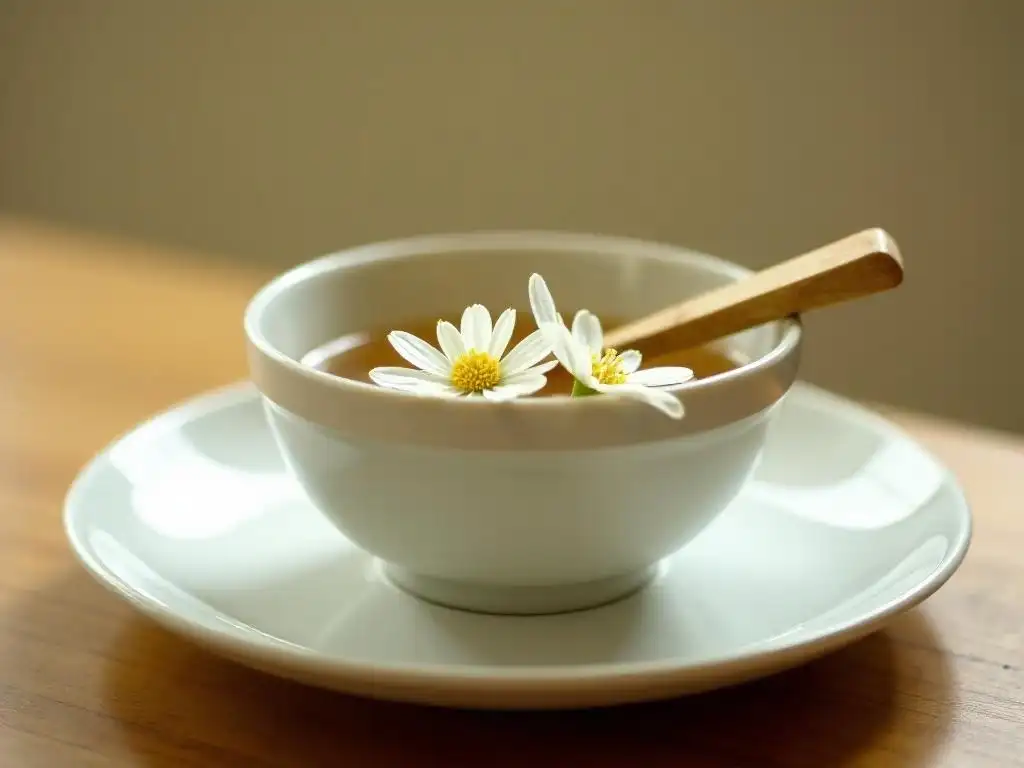
Welcome to Feudal Japan History, where we invite you to embark on a journey through the enchanting world of Japan's feudal era. Delve into the intricate tapestry of historical, cultural, and societal aspects that shaped this fascinating period. In our featured article, "The Role of Aesthetics: How Wabi Sabi Influences Japanese Tea Ceremonies," we uncover the profound beauty of imperfection and transience that defines Wabi Sabi, revealing its deep-rooted significance in the art of tea.
Are you ready to explore how this aesthetic philosophy transforms everyday rituals into extraordinary experiences? Let's dive deeper into the essence of Wabi Sabi and its enchanting presence in Japanese culture!
Introduction to Wabi Sabi in Japanese Tea Ceremonies
The concept of Wabi Sabi is a profound and intricate philosophy that permeates various aspects of Japanese culture, particularly manifested in the traditional tea ceremony, or chanoyu. This aesthetic is rooted in the appreciation of imperfection and transience, emphasizing a beauty that is found in simplicity and the natural world. In the context of Japanese tea ceremonies, Wabi Sabi serves as a guiding principle, shaping not only the physical environment but also the emotional experience of participants.
Wabi Sabi encourages practitioners to embrace the humble and the rustic, celebrating the unique qualities of materials and the fleeting nature of life. Elements such as uneven tea bowls, asymmetrical flower arrangements, and the serene surroundings of a tea room all speak to this aesthetic. The tea ceremony transforms into an art form that reflects the ethos of Wabi Sabi, where the act of preparing and sharing tea becomes a meditative practice that fosters mindfulness and connection.
As we delve into the intricate relationship between Wabi Sabi and Japanese tea ceremonies, we will explore how this aesthetic philosophy shapes the rituals, objects, and overall experience of tea drinking. By understanding this deep-seated influence, we can appreciate not only the visual elements but the profound cultural significance that Wabi Sabi brings to this cherished tradition.
Understanding Aesthetics in Japanese Culture
Japanese aesthetics are deeply intertwined with the nation's history, philosophy, and cultural practices. Central to this aesthetic is the notion of harmony and balance, which manifests in various forms, including architecture, art, and, notably, the tea ceremony. Here, we will outline key aspects of aesthetics that define Japanese culture:
- Simplicity: The Japanese aesthetic values minimalism, promoting a sense of calm and clarity. This is reflected in the design of tea rooms and utensils, where every element is purposefully chosen to enhance the experience rather than distract from it.
- Nature: A profound connection to nature is evident in Japanese aesthetics. Elements such as natural materials, seasonal flowers, and organic shapes are integral to tea ceremonies, creating an atmosphere that fosters tranquility and reflection.
- Impermanence: The concept of mono no aware, or the awareness of the impermanence of things, is a critical aspect of Japanese aesthetics. This idea complements Wabi Sabi's embrace of transience, encouraging participants to appreciate the fleeting moments during the tea ceremony.
- Craftsmanship: The artistry involved in creating tea utensils and the careful preparation of tea exemplify the dedication to craftsmanship in Japanese culture. Each piece is often unique, embodying the imperfections that Wabi Sabi celebrates.
By examining these foundational elements, we gain insight into how aesthetics shape not only the tea ceremony but also the broader cultural landscape of Japan, offering a glimpse into the deeply-rooted values that define this rich heritage.
The Historical Context of Wabi Sabi
Wabi Sabi is a profound aesthetic philosophy that has evolved through centuries in Japan, intertwining itself with the cultural and spiritual fabric of the nation. Emerging during the medieval period, Wabi Sabi reflects the values and beliefs of a society deeply influenced by Zen Buddhism, which emphasizes a harmonious relationship with nature and the acceptance of life's impermanence. This aesthetic celebrates the beauty found in the mundane and the fleeting, offering a counterpoint to the more extravagant styles that were prevalent in earlier periods.
Historically, Wabi Sabi developed as a response to the rigid social structures and material excesses of the Heian period (794-1185). The samurai class and the rise of Zen Buddhism instigated a shift towards simplicity, humility, and a deeper appreciation for transient beauty. This aesthetic philosophy became particularly important during the Muromachi period (1336-1573), coinciding with the emergence of the tea ceremony as an art form, where Wabi Sabi's principles began to manifest in the utensils, surroundings, and practices involved in tea preparation and consumption.
Origins of Wabi Sabi Philosophy
The term "Wabi Sabi" itself is derived from two Japanese words: "Wabi," which initially referred to the loneliness of living in nature, and "Sabi," which denotes the beauty that comes with the passage of time and the natural wear and tear of objects. Over time, these concepts evolved to embody a worldview that embraces the beauty of imperfection and the transient nature of life.
Zen Buddhism played a crucial role in shaping these ideas, as it encourages mindfulness and living in the present moment. The philosophy of Wabi Sabi encourages individuals to find joy in simplicity and appreciate the inherent beauty in the imperfect, often encouraging a meditative approach to life. This perspective is especially significant in the context of Japanese tea ceremonies, where the act of preparing and enjoying tea becomes a form of artistic expression that reflects these deep-seated values.
Evolution of Aesthetic Principles in Japan
As Japan transitioned through various historical periods, the principles of Wabi Sabi underwent significant evolution. Initially, its concepts were linked to rustic aesthetics, emphasizing natural materials and simplicity. However, during the Momoyama period (1573-1603), Wabi Sabi began to merge with other artistic traditions, leading to a more refined expression in the context of the tea ceremony.
During this period, tea masters like Sen no Rikyū began to formalize the principles of Wabi Sabi within the tea ceremony, emphasizing not only the aesthetics of the utensils but also the overall experience of the ceremony itself. This evolution solidified Wabi Sabi as a key aesthetic principle in Japanese culture, influencing not just tea ceremonies, but also architecture, pottery, and various forms of art.
Key Elements of Wabi Sabi in Japanese Tea Ceremonies
Wabi Sabi profoundly shapes the practice of Japanese tea ceremonies, manifesting through specific elements that embody its core principles. Each of these elements contributes to the overall experience, inviting participants to engage with the ceremony in a way that fosters appreciation for the beauty of impermanence and simplicity.
Impermanence and Transience
Central to Wabi Sabi is the concept of impermanence, which reflects the transient nature of all things. In Japanese tea ceremonies, this principle is illustrated through the seasonal changes in the tea room's decor, the choice of tea utensils, and even the tea itself. Each ceremony is unique, emphasizing that no two experiences are the same.
The fleeting beauty of cherry blossoms, for instance, is often symbolically represented, reminding participants to cherish the moment as it unfolds. This focus on the ephemeral encourages a deeper connection to the present and cultivates an appreciation for the beauty inherent in change and decay.
Asymmetry and Irregularity
Asymmetry and irregularity are hallmark traits of Wabi Sabi aesthetics, evident in the design of tea utensils and the arrangement of the tea room. Unlike Western ideals of symmetry and perfection, Wabi Sabi celebrates the beauty of the uneven and the flawed.
Tea bowls, for example, are often intentionally crafted with slight imperfections or irregular shapes. These characteristics not only enhance their visual appeal but also serve as a reminder of the uniqueness of each object. In the context of tea ceremonies, this focus on asymmetry encourages participants to embrace the idea that beauty lies in imperfection, fostering a sense of authenticity and warmth.
Simplicity and Minimalism
Simplicity and minimalism are essential aspects of Wabi Sabi that resonate deeply within Japanese tea ceremonies. The overall design of the tea room is often stripped of excessive ornamentation, allowing for a tranquil environment that promotes mindfulness and reflection.
The choice of utensils is equally significant; each item is selected for its functionality and aesthetic qualities, often characterized by muted colors and natural materials. This minimalist approach to design encourages participants to focus on the essence of the tea ceremony itself, highlighting the interplay between the tea, the utensils, and the shared experience of those present. By embracing simplicity, Wabi Sabi invites individuals to appreciate the profound beauty found in everyday moments.
The Influence of Wabi Sabi on Tea Ceremony Practices
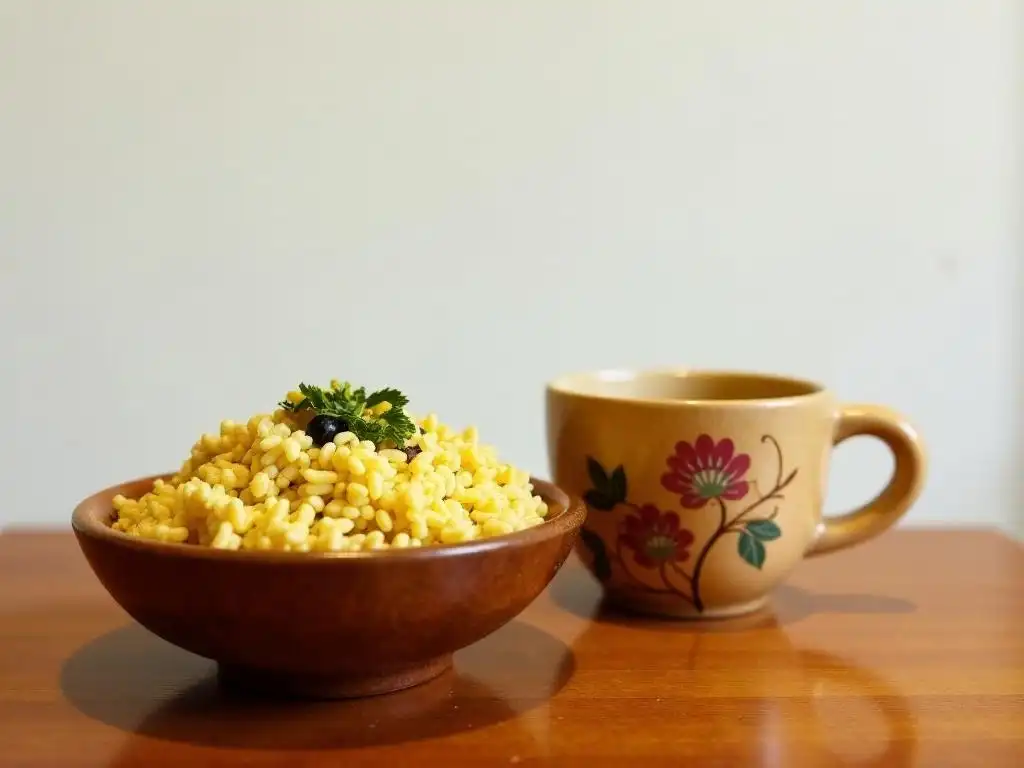
Wabi Sabi, a profound aesthetic philosophy rooted in Japanese culture, emphasizes the beauty found in imperfection, transience, and the natural world. This concept deeply influences the practices surrounding Japanese tea ceremonies, where mindfulness and appreciation for simplicity are paramount. The essence of Wabi Sabi encourages practitioners to embrace the beauty of the moment, fostering a deeper connection to the tea, the utensils, and the environment.
In the context of tea ceremonies, Wabi Sabi manifests in the rituals that prioritize authenticity and presence over perfection. Each movement, from the preparation to the serving of tea, is conducted with a sense of reverence, allowing participants to appreciate the fleeting nature of the experience. This philosophy cultivates an atmosphere where participants can find beauty in the ordinary, transforming the tea ceremony into a meditative practice that transcends mere consumption of tea.
Selection of Tea Utensils
The selection of tea utensils in a Wabi Sabi-inspired tea ceremony is a thoughtful process that reflects the core principles of the aesthetic. Utensils are often chosen for their unique imperfections, such as uneven glazes or asymmetrical shapes, which tell a story of their creation. This selection process encourages practitioners to appreciate the history and craftsmanship behind each piece, rather than seeking flawless perfection.
For instance, a tea bowl (chawan) may possess subtle irregularities that enhance its charm, reminding participants that beauty can be found in asymmetry and wear. The careful consideration of each utensil's character invites a dialogue between the user and the object, fostering a deeper appreciation for the materials and the skill involved in their making. This intentional selection elevates the tea ceremony from a mere ritual to an art form that celebrates the beauty of impermanence.
The Role of Nature in Tea Ceremonies
Nature plays a crucial role in the tea ceremony, aligning seamlessly with the Wabi Sabi aesthetic. The connection to the natural world is evident in the selection of tea ingredients, the seasonal themes of the ceremony, and the overall atmosphere created within the tea space. Practitioners often incorporate elements from nature, such as flowers, leaves, or stones, to enhance the sensory experience and evoke a sense of harmony and balance.
Seasons dictate not only the choice of tea but also the arrangement of floral displays and the ambiance of the tea room. For example, during spring, cherry blossoms might be highlighted, while autumn may feature vibrant maple leaves. This alignment with nature reinforces the notion of transience and the beauty in the fleeting moments of life, creating a rich tapestry of sensory experiences that resonate with participants on a profound level.
Creating an Atmosphere of Tranquility
An essential aspect of Wabi Sabi in tea ceremonies is the creation of an atmosphere that promotes tranquility and mindfulness. This serene environment is achieved through thoughtful consideration of sound, scent, and visual elements. The soft sounds of water boiling, the gentle clinking of utensils, and the faint aroma of tea leaves contribute to a calming ambiance that encourages participants to immerse themselves fully in the experience.
To foster tranquility, the tea room is often kept minimalistic, devoid of unnecessary distractions. The simplicity of the setting allows participants to focus on the ritual itself, promoting a sense of peace and contemplation. By cultivating this atmosphere, the tea ceremony becomes a sanctuary where individuals can escape the chaos of everyday life, allowing them to engage with the present moment and the beauty of each sip of tea.
Wabi Sabi Aesthetic in Tea Ceremony Spaces
Wabi Sabi aesthetics significantly influence the design and ambiance of tea ceremony spaces, known as chashitsu. These spaces are intentionally designed to reflect a sense of simplicity, natural beauty, and harmony with the environment. The principles of Wabi Sabi guide the layout, materials, and overall atmosphere, making these spaces not just functional but also deeply reflective of Japanese cultural values.
Design Principles of Tea Rooms (Chashitsu)
The design principles of chashitsu embody the essence of Wabi Sabi, focusing on simplicity, authenticity, and a connection to nature. Tea rooms are typically characterized by their intimate scale, humble materials, and understated elegance. The layout often encourages a seamless flow between the inside and outside, allowing natural elements to influence the space.
Key design features include tatami flooring, sliding shoji doors, and carefully positioned windows that frame views of the surrounding landscape. This integration of nature fosters a sense of tranquility and allows for a dynamic relationship between the tea ceremony and its environment. Each element is chosen with intention, reflecting the philosophy that beauty resides in simplicity and the essence of the moment.
Use of Natural Materials and Textures
Natural materials and textures are fundamental to the Wabi Sabi aesthetic in tea ceremony spaces. Wood, clay, and stone are commonly used, each chosen for their unique qualities and imperfections. The tactile nature of these materials adds depth and warmth to the space, inviting participants to engage with their surroundings on a sensory level.
For example, a wooden tea table may showcase the natural grain and knots, while ceramic tea bowls highlight the subtle variations in glaze. These elements not only enhance the visual appeal of the space but also reinforce the concept of authenticity, as each piece carries its own story. The use of natural materials creates a harmonious environment that encourages mindfulness and appreciation for the beauty of the world.
Importance of Lighting and Space
Lighting plays a crucial role in shaping the atmosphere of a tea ceremony space, aligning with Wabi Sabi principles to enhance the overall experience. Soft, diffused light creates a calming environment that invites participants to relax and focus on the ritual. Natural light, in particular, is cherished, as it brings a sense of connection to the outside world and highlights the changing seasons.
The spatial arrangement within the tea room is also significant, with an emphasis on openness and flow. This design encourages movement and interaction, allowing participants to engage with each other and the ceremony itself fully. By prioritizing both lighting and spatial considerations, the tea ceremony becomes a holistic experience that embodies the beauty of Wabi Sabi, encouraging a deeper appreciation for the subtleties of life.
The Impact of Wabi Sabi on the Experience of Tea Ceremonies
Wabi Sabi, a Japanese aesthetic philosophy centered on the acceptance of transience and imperfection, profoundly influences the experience of tea ceremonies. This philosophy encourages participants to appreciate the beauty found in the natural world, including the fleeting moments and the imperfections that often accompany life. The tea ceremony, or chanoyu, becomes a space where these principles are not only acknowledged but celebrated, transforming a simple act of drinking tea into a profound ritual of mindfulness and connection.
Enhancing Mindfulness and Presence
The concept of Wabi Sabi plays a crucial role in cultivating mindfulness during tea ceremonies. By focusing on the present moment, participants are encouraged to engage fully with the experience, from the preparation of the tea to the act of drinking it. This mindfulness fosters a deeper appreciation for the subtleties of flavor, aroma, and texture, leading to a more enriching sensory experience.
- Savoring Each Moment: The deliberate pacing of the ceremony allows individuals to reflect on each step, creating a space where time feels suspended and every action holds significance.
- Awareness of Surroundings: Participants are invited to observe their environment, whether it be the aesthetics of the tea room or the seasonal elements outside, reinforcing a sense of connection to nature.
Fostering Connection with Nature and Others
Wabi Sabi emphasizes a harmonious relationship with nature and the people involved in the tea ceremony. This connection is fostered through various elements:
- Natural Materials: The use of organic materials in the tea utensils, such as clay, bamboo, and natural fibers, serves to bridge the gap between the participants and the environment, imparting a sense of grounding.
- Shared Experience: The act of serving tea is an intimate gesture that encourages communication and connection among participants, promoting a sense of community as they share in the ritual.
Through Wabi Sabi, the tea ceremony becomes a celebration of both nature and human relationships, emphasizing the importance of experiencing beauty together.
Embracing the Beauty of Imperfection
One of the most significant aspects of Wabi Sabi is its acceptance and celebration of imperfection. In the context of tea ceremonies, this manifests in various ways:
- Unique Utensils: Each tea bowl and utensil often has its own distinct characteristics, such as uneven glazes or asymmetrical shapes, which tell a story and add to the charm of the ceremony.
- Transience of Nature: The fleeting beauty of seasonal flowers or the changing light throughout the day highlights the impermanent nature of life, encouraging participants to appreciate the moment rather than strive for perfection.
By embracing imperfection, tea ceremonies foster a more authentic experience, inviting participants to let go of their expectations and find beauty in the ordinary.
Contemporary Interpretations of Wabi Sabi in Tea Ceremonies
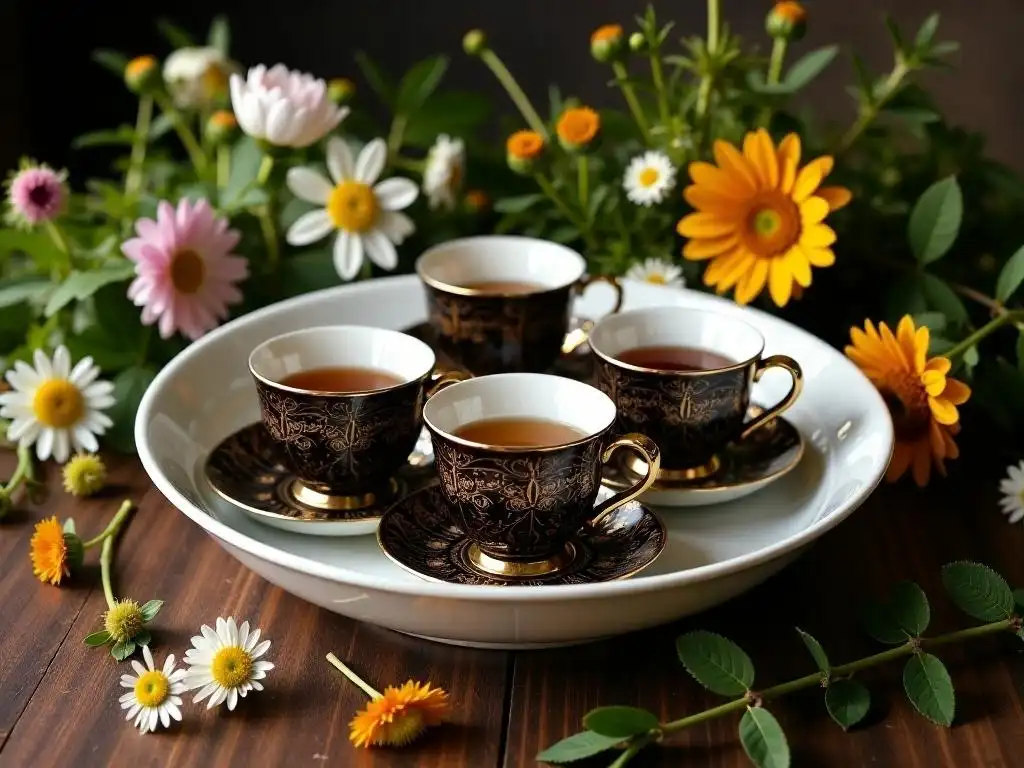
As society evolves, so does the interpretation of Wabi Sabi within tea ceremonies. Contemporary adaptations reflect both traditional values and modern sensibilities, blending the old with the new.
Modern Adaptations of Traditional Practices
Today’s tea ceremonies are increasingly influenced by Wabi Sabi, adapting traditional practices to resonate with contemporary audiences.
- Minimalist Designs: Many tea rooms now feature minimalist aesthetics that highlight simplicity and the beauty of unadorned space, allowing the essence of Wabi Sabi to shine through.
- Incorporating Technology: Some tea practitioners are using digital platforms to share their ceremonies with a wider audience, embracing technology while still honoring the core principles of Wabi Sabi.
These adaptations ensure that the essence of Wabi Sabi remains relevant, allowing new generations to engage with the philosophy in meaningful ways.
Influence of Wabi Sabi in Global Tea Culture
Wabi Sabi has transcended its Japanese origins and begun influencing tea cultures around the world.
- Global Appreciation for Imperfection: In many cultures, the aesthetic of Wabi Sabi resonates with a growing appreciation for handcrafted items, organic forms, and sustainable practices, promoting values that align with environmental consciousness.
- Cultural Exchange: As tea ceremonies are practiced globally, elements of Wabi Sabi are infused into various tea traditions, fostering a richer, more diverse understanding of tea culture.
This global embrace of Wabi Sabi underscores its universal appeal and relevance in contemporary society.
Future of Wabi Sabi in Japanese Tea Ceremonies
Looking ahead, the future of Wabi Sabi in Japanese tea ceremonies seems promising, reflecting an ongoing evolution that respects tradition while embracing innovation.
- Sustainability Practices: As environmental awareness grows, the integration of sustainable practices in tea ceremonies will likely become more prevalent, emphasizing the Wabi Sabi appreciation for natural materials and processes.
- Cultural Resilience: As a philosophy, Wabi Sabi offers a framework for navigating the complexities of modern life, suggesting that even amidst chaos, beauty can be found in simplicity and acceptance.
The enduring influence of Wabi Sabi ensures that Japanese tea ceremonies will continue to be a source of inspiration and reflection, inviting participants to engage deeply with both their inner selves and the world around them.
Conclusion: The Lasting Legacy of Wabi Sabi in Japanese Tea Ceremonies
The concept of Wabi Sabi has intricately woven itself into the fabric of Japanese tea ceremonies, leaving a profound legacy that transcends time. This philosophy, which embraces imperfection and transience, fundamentally shapes the aesthetics of the tea ceremony, influencing everything from the selection of tea utensils to the ambiance of the tea room. The appreciation of natural materials, asymmetry, and the beauty found in simplicity encapsulates the essence of Wabi Sabi, allowing practitioners to experience a deeper connection to the moment and to one another.
Through the lens of Wabi Sabi, each tea ceremony becomes not just a ritual but an expression of mindfulness and presence. The fleeting nature of the experience mirrors the impermanence of life itself, inviting participants to savor each sip and to appreciate the ephemeral beauty surrounding them. This legacy of Wabi Sabi continues to resonate, inviting both practitioners and admirers to reflect on the deeper meanings of beauty and existence.
Reflecting on the Importance of Aesthetics
Aesthetics play a crucial role in shaping the experiences within Japanese tea ceremonies. The careful consideration of visual elements—from the arrangement of tea utensils to the choice of seasonal flowers—reflects the principles of Wabi Sabi. Each aspect is deliberately curated to evoke a sense of tranquility and beauty that resonates with the participants. The understated elegance found in these ceremonies fosters an atmosphere conducive to contemplation, allowing individuals to engage with the present moment fully.
Moreover, the aesthetic choices made during a tea ceremony often tell a story. Each item used, whether it is a rustic teapot or an elegantly folded cloth, carries with it a history and a connection to nature. This narrative aspect encourages participants to appreciate not only the beauty in the objects but also the cultural heritage they represent. Thus, reflecting on aesthetics within the tea ceremony reveals the importance of visual harmony and emotional resonance in creating meaningful experiences.
The Continued Relevance of Wabi Sabi Today
In today's fast-paced world, the principles of Wabi Sabi remain remarkably relevant. As society increasingly gravitates toward perfectionism and mass production, the philosophy of Wabi Sabi offers a refreshing counterpoint. It encourages individuals to embrace imperfections, find beauty in the mundane, and appreciate the natural cycle of life, which includes decay and renewal.
Modern interpretations of Wabi Sabi can be seen in various aspects of life, including design, art, and even personal well-being. Home décor that favors hand-crafted items, uneven pottery, and natural textures echoes the Wabi Sabi ethos, promoting a sense of authenticity and connection to the earth.
Furthermore, the practice of mindfulness, often emphasized in yoga and meditation, aligns closely with the Wabi Sabi appreciation for the present moment and the fleeting nature of existence. As such, Wabi Sabi continues to inspire not only the rituals of tea ceremonies but also broader cultural movements that seek to cultivate a deeper appreciation for life's imperfections.
References and Further Reading on Wabi Sabi and Japanese Tea Ceremonies
- Koren, Leonard. Wabi-Sabi for Artists, Designers, Poets & Philosophers. Imperfect Publishing, 2008.
- Juniper, Andrew. The Japanese Tea Ceremony: A Cultural History. Thames & Hudson, 2000.
- D. T. Suzuki. Zen and Japanese Culture. Princeton University Press, 1970.
- Hasegawa, Yuko. Tea and the Art of Living: The Japanese Way. Tuttle Publishing, 2014.
- Okakura, Kakuzō. The Book of Tea. Tuttle Publishing, 2007.
- Introduction to Wabi Sabi in Japanese Tea Ceremonies
- Understanding Aesthetics in Japanese Culture
- The Historical Context of Wabi Sabi
- Key Elements of Wabi Sabi in Japanese Tea Ceremonies
- The Influence of Wabi Sabi on Tea Ceremony Practices
- Wabi Sabi Aesthetic in Tea Ceremony Spaces
- The Impact of Wabi Sabi on the Experience of Tea Ceremonies
- Contemporary Interpretations of Wabi Sabi in Tea Ceremonies
- Conclusion: The Lasting Legacy of Wabi Sabi in Japanese Tea Ceremonies
- References and Further Reading on Wabi Sabi and Japanese Tea Ceremonies
Frequently Asked Questions
What is Wabi Sabi in the context of Japanese tea ceremonies?
Wabi Sabi is a aesthetic philosophy that appreciates the beauty of imperfection and transience, deeply influencing the rituals and elements of simplicity in Japanese tea ceremonies.
How does Wabi Sabi manifest in the tea ceremony?
In tea ceremonies, Wabi Sabi is expressed through minimalist design, rustic tea utensils, and the natural beauty of the surroundings, emphasizing a connection with nature and the moment.
Why is Wabi Sabi important in Japanese culture?
Wabi Sabi reflects the Japanese worldview, embracing the transient nature of life, promoting mindfulness, and encouraging individuals to find beauty in the ordinary.
Can Wabi Sabi be observed outside tea ceremonies?
Yes, Wabi Sabi extends beyond tea ceremonies to various aspects of Japanese art, architecture, and daily life, influencing how people perceive and appreciate beauty in imperfection.
How can one incorporate Wabi Sabi into their own tea ceremonies?
To incorporate Wabi Sabi, focus on using simple, handmade utensils, create a serene environment, and embrace imperfect elements that encourage guests to appreciate the moment and the beauty of simplicity.
Final Reflection: Embracing Imperfection through Wabi Sabi in Japanese Tea Ceremonies
The essence of Wabi Sabi in Japanese tea ceremonies highlights the beauty found in imperfection and transience, reminding us that our experiences are enriched by their flaws and fleeting nature. In a world that often prioritizes perfection and uniformity, the teachings of Wabi Sabi resonate more than ever, inviting us to appreciate the subtle nuances of life that are often overlooked. This philosophy encourages us to find joy in simplicity and authenticity, making it a powerful lens through which we can view our daily interactions and experiences.
Culturally, Wabi Sabi has profoundly influenced not only the art of tea but also the broader Japanese aesthetic and social landscape. The appreciation for the imperfect and the ephemeral fosters a deeper connection to nature and to one another, creating a sense of community rooted in shared experiences. As noted by the philosopher Leonard Koren, “Wabi-sabi is about the acceptance of transience and imperfection.” > This acknowledgment of life's impermanence encourages us to cherish every moment, reminding us that beauty often lies in the most unexpected places.
As we reflect on the lessons of Wabi Sabi, let us strive to incorporate its principles into our own lives. Consider how you can embrace the imperfections around you—whether in your relationships, your work, or your personal journey. By doing so, you not only cultivate a deeper appreciation for the present moment but also foster a more compassionate and understanding perspective towards yourself and others. Let the philosophy of Wabi Sabi inspire you to find beauty in the imperfect and to celebrate the unique journey that is your life.
Embrace the Beauty of Imperfection Today!
Thank you for exploring the fascinating relationship between aesthetics and Japanese tea ceremonies. Your interest has unlocked a deeper understanding of how the philosophy of **Wabi-Sabi** transforms not only the tea experience but also our perception of beauty in everyday life. Now, let's take a step further together!
Here’s how you can dive into this enriching journey:
- Experience a Tea Ceremony: Attend a local tea ceremony to witness the principles of **Wabi-Sabi** in action. Appreciate the beauty found in simplicity and the unique character of each moment during your tea experience.
- Practice Mindfulness: Take a moment each day to reflect on the imperfections around you. Embrace them and consider how they contribute to the richness and beauty of your life.
- Share Your Thoughts: Engage in conversations about **Wabi-Sabi** with friends or family. Explore how this philosophy can influence not just tea, but also areas such as art, design, and daily living.
What is one imperfection in your life that you can celebrate today?