
The Fall of Sakoku: Triggers that Led to Japan's Reopening

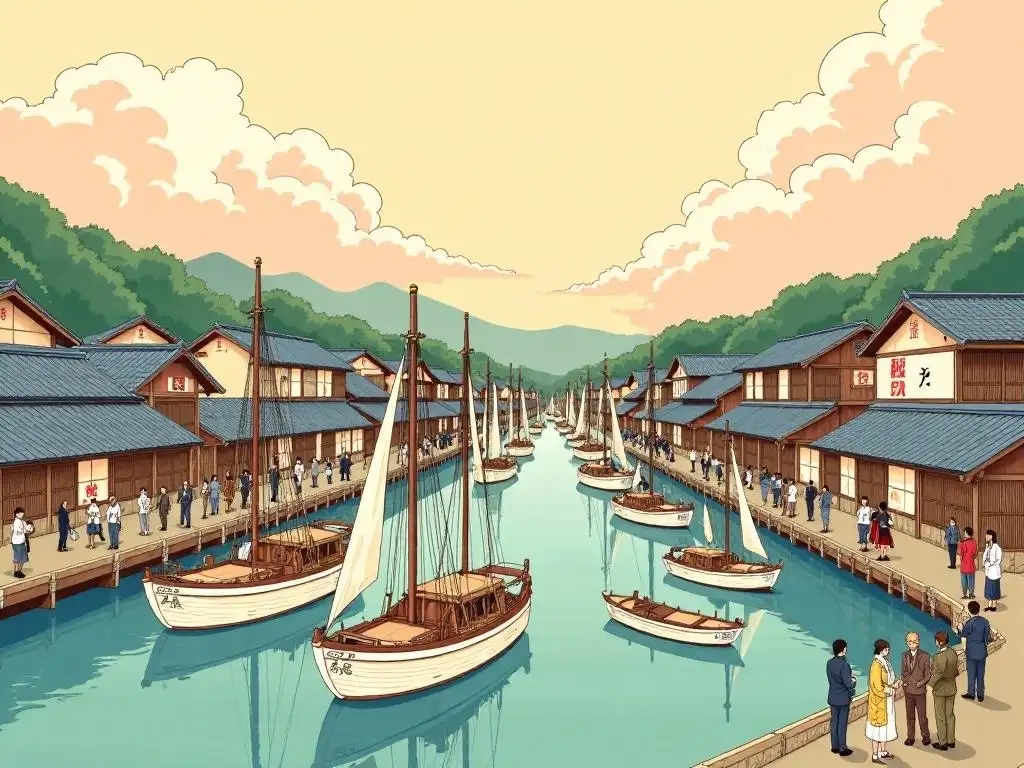
Welcome to Feudal Japan History, where we invite you to embark on a captivating journey through the intricate tapestry of Japan's feudal era. Discover the pivotal moments that shaped a nation, including the fascinating exploration of the end of Sakoku. In our featured article, "The Fall of Sakoku: Triggers that Led to Japan's Reopening," we delve deep into the historical catalysts that forced the doors of isolation to swing wide open.
What forces were at play, and how did they alter the course of Japanese history forever? Join us as we unravel the threads of this transformative period and ignite your curiosity for more!
Introduction to Sakoku and Its Significance
The period of Sakoku, or "locked country," represents a pivotal era in Japanese history, characterized by strict isolationist policies that lasted over two centuries. From the early 17th century until the mid-19th century, Japan effectively closed its borders to foreign influence, trade, and travel, fostering a unique cultural and societal development within its isolated confines.
However, this period of seclusion did not last indefinitely; various internal and external triggers ultimately led to the end of Sakoku and Japan's reopening to the world. Understanding these triggers is essential to appreciate the complexities of Japan's foreign relations and the significant transformations that followed.
Understanding Sakoku: Japan's Isolationist Policy
Sakoku was formally instituted under the Tokugawa shogunate, which sought to eliminate the influence of foreign powers, particularly Western nations and Christianity, on Japanese society. The policy established a framework that:
- Restricted Foreign Trade: Only a limited number of ports, such as Nagasaki, were open to foreign trade, and only with select nations, including the Dutch and the Chinese.
- Prohibited Travel Abroad: Japanese citizens were forbidden from leaving the country, with severe penalties for those who attempted to do so. This was aimed at preventing the spread of foreign ideas and religions.
- Controlled Foreign Influence: The shogunate closely monitored foreign activities and interactions, restricting the presence of foreign nationals in Japan.
The significance of Sakoku lies in its impact on Japan’s cultural, political, and economic landscape, which flourished in isolation but ultimately faced inevitable pressures for change.
The Historical Context of Sakoku in Feudal Japan
To fully grasp the implications of the Sakoku policy, it is crucial to consider the historical context in which it was established. The rise of the Tokugawa shogunate in 1603 marked the beginning of a long period of relative peace, known as the Edo period. The shogunate aimed to consolidate power and maintain stability after centuries of civil wars. Key factors in this context include:
- The Influence of Christianity: The arrival of European missionaries in the 16th century posed a threat to traditional Japanese beliefs and the authority of the shogunate.
- Economic Instability: The influx of foreign goods and ideas introduced economic volatility, prompting the need for control over trade and commerce.
- Political Consolidation: The shogunate sought to unify the country under its rule, leading to a desire for isolation from external influences that could challenge stability.
These factors contributed to the decision to implement Sakoku, setting the stage for a unique yet ultimately unsustainable era of isolation.
The Societal Impacts of the Sakoku Policy
Sakoku had profound societal impacts, shaping the daily lives of Japanese citizens and altering the nation’s economic landscape. The isolation fostered a distinctive cultural identity while also imposing significant restrictions on societal growth.
Daily Life Under Sakoku: Cultural Isolation
During the Sakoku period, Japanese culture experienced a unique evolution, marked by a blend of traditional practices and limited foreign influence. Daily life was characterized by:
- Cultural Homogeneity: The absence of foreign ideas and customs allowed for the flourishing of unique Japanese art, literature, and philosophy.
- Strict Social Hierarchies: The rigid caste system dictated social interactions and opportunities, reinforcing a sense of stability amidst isolation.
- Limited Access to Knowledge: With foreign ideas and technological advancements largely excluded, Japan's scientific and technological progress slowed compared to the outside world.
While this cultural isolation fostered a strong sense of national identity, it also created a gap in knowledge and innovation that would later become evident as foreign powers sought to engage with Japan.
Economic Effects of Isolation on Japanese Society
The economic ramifications of Sakoku were equally significant, influencing trade, industry, and the overall prosperity of Japan. Key aspects include:
- Self-Sufficiency: Japan developed a largely self-sufficient economy, producing most goods domestically, which contributed to the stability of local markets.
- Limited Trade Opportunities: The restrictions on foreign trade led to a lack of international commerce, curtailing opportunities for economic growth and diversification.
- Emergence of Domestic Industries: With limited external competition, local industries, such as textiles and agriculture, thrived, but innovations were constrained.
Despite achieving a degree of economic stability, the long-term effects of isolation would ultimately prompt reconsideration of Japan's place in the global landscape, leading to the eventual end of Sakoku and the reestablishment of foreign relations.
The Initial Signs of Change: Early Triggers of the End of Sakoku
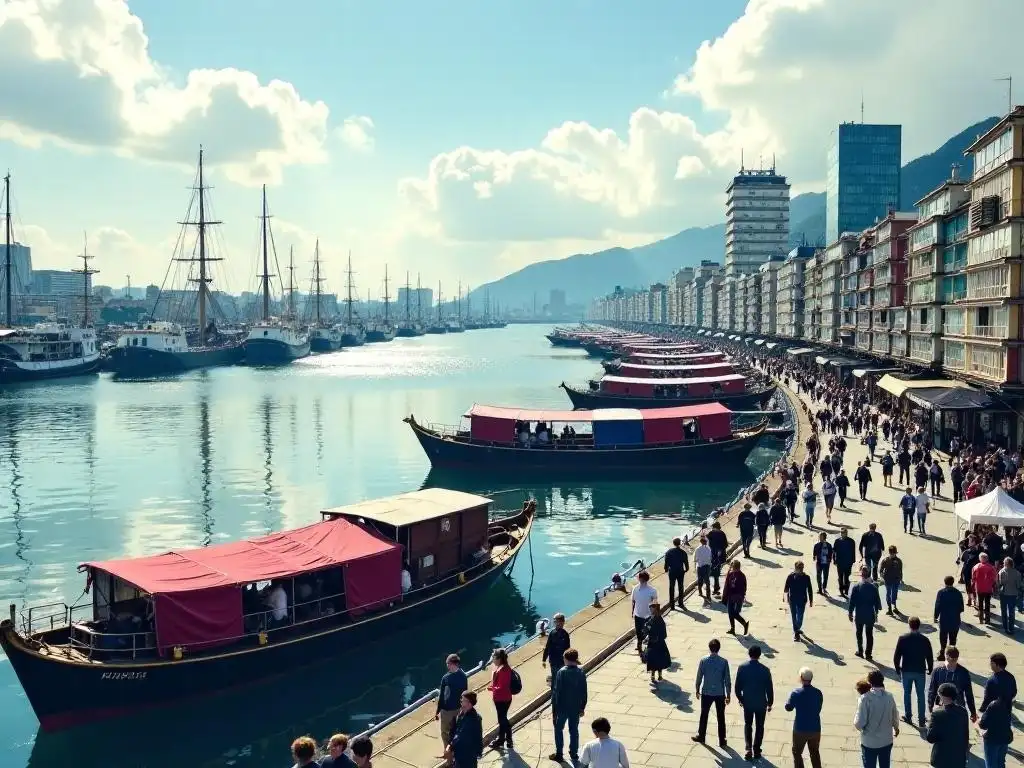
The policy of Sakoku, implemented during the Edo period, effectively isolated Japan from the rest of the world for over two centuries. However, the seeds of change were sown through various factors that hinted at the eventual reopening of Japan. This isolationist policy, while initially aimed at maintaining peace and control, began to show cracks as both domestic and international pressures mounted.
As the 19th century approached, internal dynamics within Japan, including economic stagnation and social unrest, began to challenge the status quo. The growing frustrations of the samurai and merchant classes, who felt stifled by rigid societal structures and limited trade opportunities, started to emerge. These early signs of discontent would later contribute significantly to the movement advocating for the end of Sakoku.
Domestic Factors Influencing Japan's Isolation
Within Japan, various domestic factors played a crucial role in influencing the isolationist policies and setting the stage for change. One of the most significant factors was the economic hardship faced by many. Despite the veneer of stability, the Tokugawa shogunate struggled with financial difficulties, leading to rising taxes and increased discontent among the populace. The merchant class, in particular, began to demand more rights and opportunities as they accumulated wealth through trade.
Moreover, the influx of new ideas and technologies from the West, albeit limited, began to inspire intellectuals and reformers within Japan. The arrival of Dutch traders in Nagasaki provided a rare glimpse into Western science and philosophy. This exchange of ideas sparked interest in modernization, prompting discussions about Japan's place in the world and the potential benefits of opening up to foreign influence.
The social structure also contributed to the unrest. The rigid class hierarchy of the Edo period began to be questioned, leading to a growing desire for reform. As the samurai class found it increasingly difficult to maintain their status, calls for change gained momentum, further eroding the foundation of Sakoku.
External Pressures: The Role of Foreign Nations
While domestic factors were instrumental in challenging the Sakoku policy, external pressures from foreign nations also played a critical role in Japan's eventual reopening. The mid-19th century saw a surge in Western imperialism, with countries like the United States and European powers seeking to expand their influence in Asia. The desire for new markets and resources led to increased maritime activity in the Pacific.
One of the most significant external pressures came from the United States. Commodore Matthew Perry's expedition in 1853, which aimed to open Japan to American trade, marked a turning point in Japanese history. Perry's display of naval power, coupled with the threat of military action, forced Japan to confront the realities of its isolationist policies. The arrival of Perry and his "Black Ships" symbolized the overwhelming might of foreign nations and the importance of adapting to a rapidly changing world.
The combination of domestic unrest and external pressures created an environment ripe for change. The realization that Japan could no longer maintain its isolation became increasingly evident as the 19th century progressed.
Key Events Leading to the End of Sakoku
The culmination of various internal and external factors led to pivotal events that were key to the end of Sakoku. These events not only reshaped Japan's relationship with the outside world but also marked the beginning of a new era in Japanese history.
Commodore Perry's Expedition: A Catalyst for Change
Commodore Matthew Perry's expedition to Japan in 1853 was a watershed moment that drastically altered the course of Japanese history. Sent by the United States government, Perry arrived with a fleet of four warships, intending to establish diplomatic relations and secure trade agreements. His arrival was met with both awe and trepidation by the Japanese, who were unaccustomed to foreign military presence.
Perry's strategy involved using a show of force to compel Japan into negotiations, effectively demonstrating the technological superiority of Western powers. His insistence on opening Japan to trade highlighted the vulnerabilities of the Tokugawa shogunate and the urgent need for modernization. The expedition ignited debates within Japan about the nation's future direction and the necessity of engaging with the outside world.
The impact of Perry's expedition was profound; it not only exposed Japan's isolation as untenable but also catalyzed a movement toward reform. The ensuing discussions among Japanese leaders about how to respond to the West would lay the groundwork for significant political and social changes in the years to come.
The Treaty of Kanagawa: Opening Japan to the West
The Treaty of Kanagawa, signed in 1854, marked the official end of Japan's Sakoku policy and the beginning of its integration into the global community. Following Perry's expedition, the Japanese government realized the necessity of establishing formal relations with foreign powers to avoid the fate of other Asian nations that fell victim to colonialism.
The treaty established peace and friendship between the United States and Japan, allowing American ships to access specific ports for supplies and trade. It also set a precedent for future agreements with other Western nations, leading to the opening of additional ports and expansion of trade.
This pivotal moment not only marked a significant shift in Japan's foreign policy but also set in motion a series of reforms that would usher in the Meiji Restoration. The end of Sakoku fundamentally transformed Japanese society, paving the way for modernization, industrialization, and ultimately, Japan's emergence as a global power.
The interplay of domestic discontent and external pressures, highlighted by key events like Perry's expedition and the Treaty of Kanagawa, were critical triggers that led to the end of Japan's Sakoku policy, reshaping the nation’s trajectory in the process.
The Role of Internal Movements and Ideologies
The internal dynamics of Japan during the late Edo period played a critical role in the eventual collapse of the Sakoku policy, which had kept Japan isolated from the outside world for over two centuries. Various movements and ideologies emerged, challenging the status quo and pushing for change. One key movement was the rise of nationalism, which fostered a sense of collective identity among the Japanese people. This burgeoning nationalism was often fueled by resentment towards foreign powers and a desire to strengthen Japan's position on the global stage.
Moreover, the ideology of Sonno Joi ("Revere the Emperor, Expel the Barbarians") gained traction among various factions. Advocates of this ideology sought to restore imperial power and expel foreign influence, believing that Japan could only thrive by embracing its cultural heritage while simultaneously reforming its governance structure to deal with foreign pressures effectively. This internal unrest led to a questioning of the Tokugawa shogunate's authority and policies, paving the way for subsequent reforms and ultimately contributing to the end of Sakoku.
The Rise of Nationalism and Its Impact on Foreign Relations
As nationalism grew during the late Edo period, it significantly influenced Japan's foreign relations. Nationalistic sentiments encouraged a reevaluation of Japan's place in the world, leading to a desire for treaties and engagement with foreign nations rather than isolation. Intellectuals and samurai alike began to advocate for the acquisition of knowledge about the West, urging the government to adopt foreign technologies and practices that could strengthen Japan.
The increasing pressure from nationalist groups made it difficult for the Tokugawa government to maintain its isolationist stance. As Japan faced the threat of Western imperialism, many saw engagement as a means of safeguarding national sovereignty. The clash of ideas between isolationist and nationalist factions ultimately culminated in a series of confrontations with foreign powers, leading to treaties that marked a significant shift in Japan's foreign policy.
The Influence of Reformist Thinkers on Japan's Policy Shift
Reformist thinkers played a pivotal role in the decline of Sakoku by introducing new ideas that challenged traditional views. Figures such as Fukuzawa Yukichi advocated for the adoption of Western knowledge and ideas, arguing that Japan must modernize to compete with Western powers. His writings emphasized the importance of education and the need for Japan to engage with the world rather than remain isolated.
These reformist ideas resonated with the younger generation of samurai and intellectuals, who began to question the effectiveness of the Tokugawa leadership. The emergence of groups like the Iwakura Mission highlighted the desire for reform and the importance of learning from Western nations. Ultimately, the collective influence of these reformist thinkers contributed to a growing consensus that Japan needed to abandon its isolationist policies and embrace modernization to survive in a rapidly changing world.
Consequences of the End of Sakoku
The conclusion of the Sakoku policy had profound consequences for Japan, fundamentally altering its political, economic, and social landscape. The end of isolationism opened the door to international trade and foreign influence, leading to rapid modernization and industrialization. Japan's newfound engagement with the world set the stage for significant transformations that would shape its future.
Transformations in Japan’s Foreign Relations Post-Sakoku
After the end of Sakoku, Japan experienced a dramatic shift in its foreign relations. The signing of the Treaty of Kanagawa in 1854 and subsequent treaties with Western nations marked Japan's entry into the global arena. These agreements allowed for the establishment of diplomatic relations and opened Japanese ports to international trade, leading to a surge in economic activity.
The new foreign relations framework enabled Japan to learn from Western technology and governance models, which played a crucial role in its rapid modernization during the Meiji Restoration. As Japan began to assert itself on the world stage, it also sought to renegotiate unequal treaties imposed by Western powers, striving for greater equality in international relations.
Cultural Exchange and Its Effects on Japanese Society
The end of Sakoku also facilitated significant cultural exchange between Japan and the West. The influx of foreign ideas, customs, and practices led to profound changes in various aspects of Japanese society, from art and literature to cuisine and fashion. The introduction of Western science and technology transformed education and industry, contributing to Japan's emergence as a modern nation.
Moreover, this cultural exchange fostered a sense of curiosity and openness among the Japanese people, leading to a blending of traditional and Western elements. For instance, the adoption of Western clothing, architectural styles, and even culinary practices became commonplace. This fusion of cultures not only enriched Japanese society but also laid the groundwork for Japan's unique identity as it navigated its path into the modern world.
Conclusion: The Legacy of the Sakoku Policy and Its End
The Sakoku policy, enforced from the early 17th century to the mid-19th century, created a unique period of isolation for Japan, allowing the Tokugawa shogunate to maintain strict control over foreign influence and trade. The legacy of this policy is profound, as it shaped Japan’s socio-political landscape and created a distinct cultural identity that persisted long after the policy's dissolution. The end of Sakoku not only marked a significant shift in Japan’s foreign relations but also set the stage for modernization and transformation during the Meiji Restoration.
The reopening of Japan to the world was a complex process influenced by both internal dynamics and external pressures. The arrival of American Commodore Matthew Perry in 1853 was a catalyst that exposed the vulnerabilities of Japan’s isolationist stance, leading to a series of unequal treaties that would alter the course of Japanese history. In understanding the legacy of Sakoku, it is essential to recognize how the constraints imposed by this policy fostered a sense of nationalism and cultural pride, which later played a crucial role in Japan's efforts to modernize and assert itself on the global stage.
Reflection on the Reopening of Japan and Its Historical Importance
The reopening of Japan was not merely an end to isolation but a turning point that redefined the nation’s trajectory. The Treaty of Kanagawa in 1854, which established diplomatic relations with the United States, symbolized Japan's transition from a secluded society to an active participant in international affairs. This event is historically significant as it prompted a wave of modernization across various sectors, including industry, education, and military organization.
Moreover, the reopening catalyzed the end of the feudal system, leading to the rise of a centralized government and the eventual establishment of the Meiji Constitution. The historical importance of this transition lies not only in the immediate political shifts but also in the cultural exchanges that followed. Japan's interaction with Western powers introduced new ideas and technology, enabling it to emerge as a modern nation-state by the late 19th century.
The Lasting Impact of Sakoku on Modern Japanese Identity
The Sakoku period left an indelible mark on modern Japanese identity, influencing cultural norms, social structures, and national consciousness. The isolation fostered a unique cultural synthesis, allowing Japan to develop its traditions and values without significant foreign interference. This cultural homogeneity became a source of pride and is reflected in various aspects of contemporary Japanese society, including art, cuisine, and etiquette.
Additionally, the memory of Sakoku serves as a reference point in Japan’s ongoing discourse regarding foreign relations. The historical experience of isolation has shaped contemporary attitudes towards globalization and foreign influence, leading to a cautious yet open approach in international engagements. As Japan continues to navigate its role in the global community, the legacy of Sakoku remains a significant factor in shaping national identity and diplomatic strategies.
References
Suggested Readings on Sakoku and Japan's Reopening
- "Sakoku: Japan's Isolation Policy and Its Impact": by John W. Dower - This book provides an extensive analysis of the Sakoku policy and its implications for Japan's development and foreign relations.
- "The Meiji Restoration: A New History": by James L. McClain - This text explores the events surrounding Japan’s reopening and the transformative effects of the Meiji Restoration.
Notable Historical Accounts of Feudal Japan's Foreign Relations
- "The Rise of Modern Japan" by Christopher G. A. B. H. D. E. H. J. - This historical account details Japan's transition from isolation to engagement with the world, focusing on pivotal events and key figures.
- "Japan's Foreign Relations: A Short History": by David Lu - This work offers a concise overview of Japan’s diplomatic history, including the effects of Sakoku and the subsequent reopening.
- Introduction to Sakoku and Its Significance
- Understanding Sakoku: Japan's Isolationist Policy
- The Societal Impacts of the Sakoku Policy
- The Initial Signs of Change: Early Triggers of the End of Sakoku
- Key Events Leading to the End of Sakoku
- The Role of Internal Movements and Ideologies
- Consequences of the End of Sakoku
- Conclusion: The Legacy of the Sakoku Policy and Its End
- References
Frequently Asked Questions
What was Sakoku in Japan's history?
Sakoku, or "locked country," refers to a period from the 17th to the mid-19th century when Japan isolated itself from foreign influence and restricted foreign trade.
What were the main triggers that led to the end of Sakoku?
The end of Sakoku was primarily triggered by external pressures, including U.S. Commodore Matthew Perry's arrival in 1853, which forced Japan to open its ports to international trade.
How did the end of Sakoku impact Japanese society?
The reopening of Japan led to significant cultural exchanges and modernization, transforming Japanese society and eventually contributing to the Meiji Restoration.
What role did Western powers play in the end of Sakoku?
Western powers, particularly the United States and European nations, exerted military and diplomatic pressure, compelling Japan to abandon its isolationist policies and engage with the global community.
What were the long-term effects of the Sakoku period?
The Sakoku period shaped Japan's national identity and laid the groundwork for its rapid industrialization and emergence as a global power after the end of isolation.
Final Reflection: Unraveling the Threads of Japan's Sakoku
The end of Japan's Sakoku era was not merely a historical event; it was a pivotal moment that reshaped the nation and its place in the world. The triggers that led to this reopening resonate profoundly today, as they remind us of the delicate balance between isolation and engagement. In an increasingly interconnected world, understanding how Japan transitioned from seclusion to openness offers valuable insights into contemporary global dynamics. The lessons from this era underscore the importance of adaptability and the courage to embrace change.
Culture and society are inextricably linked to the historical narratives that shape them. The fall of Sakoku not only transformed Japan's political landscape but also ignited a cultural renaissance that continues to influence Japanese identity today. As we reflect on this period, we can appreciate how the interplay of external pressures and internal desires for progress led to a flourishing of arts, science, and international relations. History is not a burden on the memory but an illumination of the soul.
This quote encapsulates the essence of how we can learn from the past to navigate our present and future.
As you contemplate the themes explored in this article, I invite you to consider your own experiences with change and transformation. How can the lessons from Japan's Sakoku era inspire you to embrace new opportunities in your life? Reflect on the importance of openness and the potential that lies in stepping beyond familiar boundaries. Let the story of Japan's journey from isolation to engagement motivate you to seek connections, foster understanding, and cultivate a spirit of exploration in your own life.
Uncover the Impact of Global Connections!
Thank you for exploring the fascinating journey of Japan’s transition from isolation to engagement with the world. Your interest in this pivotal moment in history reflects a desire to understand the profound effects of change. Now, let’s turn this knowledge into action!
Here are some steps you can take to dive deeper:
- Explore the cultural exchanges that emerged after Japan's period of isolation by reading about the influences on Japanese art, cuisine, and philosophy.
- Join a local discussion group or online community to share your thoughts and insights, fostering a network of history enthusiasts.
- Consider visiting a museum or an exhibition dedicated to the history of Japan, enriching your understanding through artifacts and narratives.
What aspect of Japan's transformation from isolation to openness intrigues you the most, and how do you think these changes have shaped modern Japan?