
The Role of Dutch Traders: Navigating Isolation in Edo Japan

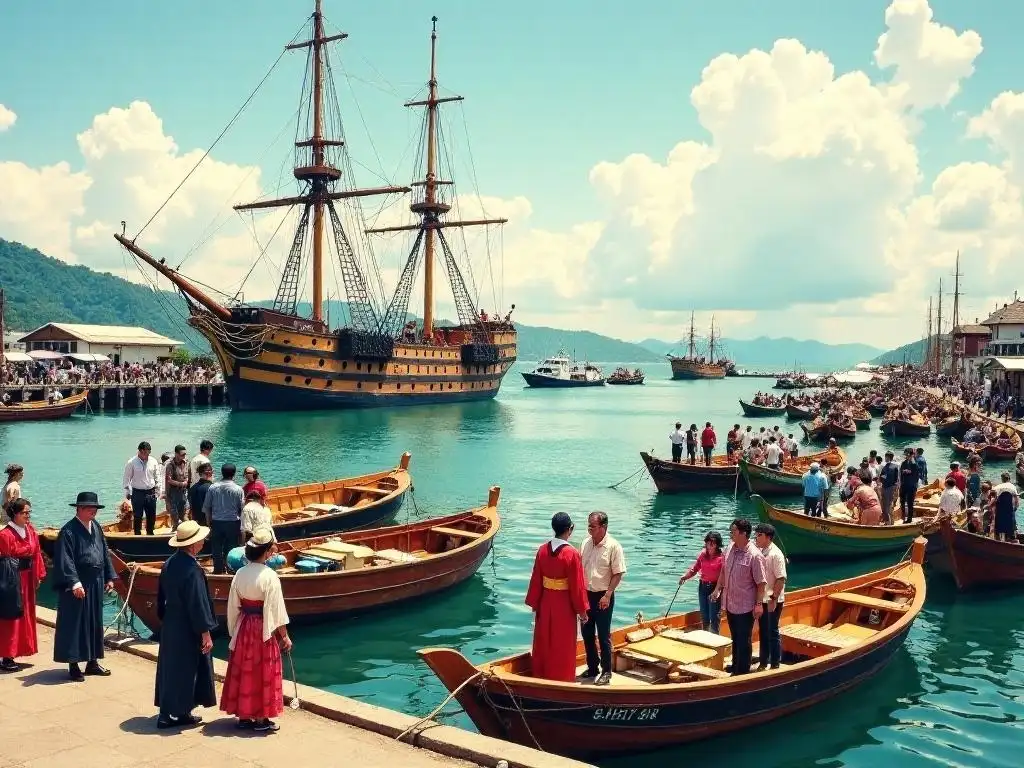
Welcome to Feudal Japan History, where we invite you to embark on a captivating journey through the intricate tapestry of Japan's feudal era. In our latest article, “The Role of Dutch Traders: Navigating Isolation in Edo Japan,” we delve into the fascinating dynamics of foreign relations during a time of seclusion. Discover how the Dutch traders, with their unique position, managed to bridge cultures and influence the course of history in Edo Japan.
What secrets did their interactions hold, and how did they navigate the complexities of isolation? Prepare to uncover the answers as you explore our expert-driven insights and immerse yourself in the rich narratives of this transformative period.
- Introduction to Dutch Traders in Edo Japan
- Historical Context of Dutch Traders in Japan
- The Unique Position of Dutch Traders in Edo Japan
- Economic Contributions of Dutch Traders
- Cultural Exchange Facilitated by Dutch Traders
- Challenges Faced by Dutch Traders in Edo Japan
- The Legacy of Dutch Traders in Japan
- Conclusion: The Enduring Impact of Dutch Traders in Edo Japan
- Frequently Asked Questions
- Final Reflection: The Enduring Legacy of Dutch Traders in Edo Japan
- Explore the Unseen Connections of Edo Japan!
Introduction to Dutch Traders in Edo Japan
The story of Dutch traders in Edo Japan is a fascinating chapter in the broader narrative of Japan's feudal era. During the Edo period (1603-1868), Japan adopted a policy of national seclusion, known as sakoku, which severely restricted foreign influence and trade. Yet, amidst this isolation, the Dutch managed to establish a unique and influential presence.
Their interactions with the Japanese not only facilitated essential trade but also introduced new ideas and technologies that would subtly impact Japanese society. This article delves into the intricate dynamics of Dutch traders during this isolationist period, exploring their role in a society that was both closed-off and yet curiously open to select foreign influences.
Overview of Edo Period Isolationism
The Edo period was marked by the Tokugawa shogunate's efforts to maintain social stability and control over its territories. To achieve this, a series of isolationist policies were implemented, which included:
- Restriction of Foreign Relations: Most foreign countries were effectively banned from engaging with Japan, leading to a high degree of self-sufficiency.
- Limited Trade: Only the Dutch and the Chinese were permitted to trade, and even then, only through the single port of Nagasaki.
- Cultural Control: The shogunate closely monitored foreign literature and ideas, restricting access to prevent the spread of potentially destabilizing influences.
This isolation allowed Japan to cultivate a unique culture and society, but it also posed challenges in terms of technological advancement and exposure to global ideas.
Importance of Foreign Trade in a Closed Society
Despite the restrictive policies of the Edo period, foreign trade remained crucial for Japan's economy and cultural exchange. The Dutch traders, in particular, played a significant role in this context due to several factors:
- Exclusive Trade Partners: As the only European nation allowed to trade with Japan, the Dutch became essential conduits for foreign goods, technology, and knowledge. They introduced:
- Scientific Instruments: Items that advanced navigation and medicine.
- Cultural Exchange: Literature and art that offered new perspectives to Japanese intellectuals.
- Economic Impact: The trade facilitated by the Dutch helped sustain the economy during a period when Japan was largely cut off from the rest of the world. This included:
- Import of Silver: Crucial for Japanese currency and trade.
- Export of Local Goods: Such as silk and porcelain, which were highly valued abroad.
In a society that prided itself on its isolation, the presence of Dutch traders underscores the complexities of Edo Japan's foreign relations, highlighting how even in seclusion, the nation was not entirely closed off from the world.
Historical Context of Dutch Traders in Japan
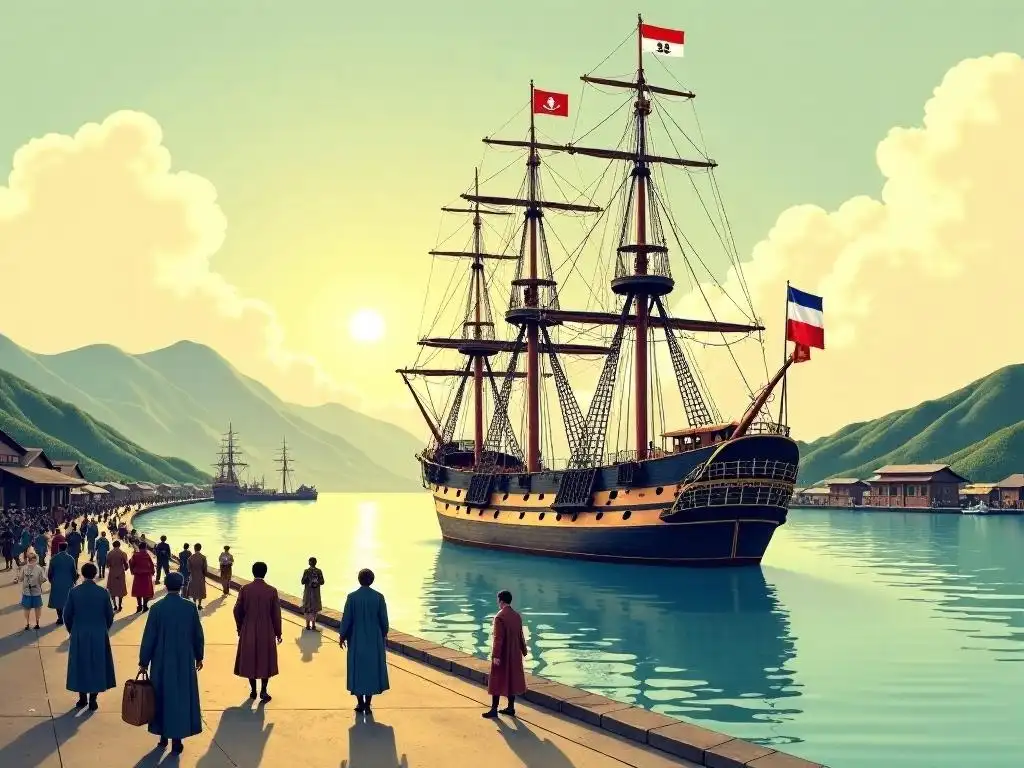
The Arrival of the Dutch in Japan
The arrival of Dutch traders in Japan can be traced back to the early 17th century, a pivotal moment that coincided with Japan's shift towards isolationism under the Tokugawa Shogunate. In 1600, the Dutch ship De Liefde, captained by Willem Adams, became the first European vessel to reach Japan. Adams, who was shipwrecked in Japan, gained favor with Tokugawa Ieyasu, the shogun, and subsequently opened the door for more Dutch interactions.
Unlike the Portuguese, who were seen as more intrusive due to their missionary activities, the Dutch were perceived as pragmatic traders focused solely on commerce. Their approach aligned well with the shogunate's desire to control foreign influence while still benefiting from trade. By 1609, the Dutch had established a trading post in Hirado, marking the beginning of a significant economic relationship that would evolve over the next several decades.
Establishment of Trade Relations with the Tokugawa Shogunate
The formal establishment of trade relations occurred in 1639 when the Tokugawa Shogunate permitted the Dutch to trade exclusively through the island of Dejima in Nagasaki. This small, fan-shaped island became the sole point of contact between Japan and the outside world, effectively embodying the shogunate's isolationist policies.
The Dutch traders, limited in their interactions, were required to adhere strictly to the regulations set by the shogunate. They could not leave Dejima freely, nor could they proselytize, which contrasted sharply with the activities of Spanish and Portuguese traders. In return for their compliance, the Dutch were granted exclusive rights to trade in various goods, including silk, spices, and silver. The trade was lucrative, and the Dutch became vital intermediaries in the exchange of goods between Japan and Southeast Asia, as well as Europe.
The Role of the Dutch East India Company
The Dutch East India Company (VOC) played a crucial role in shaping the dynamics of trade in Edo Japan. Founded in 1602, the VOC was instrumental in establishing a monopoly over the spice trade and expanding Dutch influence in Asia. Its strategic focus on Japan was primarily driven by the desire to tap into the lucrative markets for silk and other commodities.
The VOC's operations on Dejima were not just limited to trade; they also facilitated the exchange of knowledge, technology, and culture. Dutch traders introduced Western scientific advancements, including medicine and cartography, which had a lasting impact on Japanese society. Furthermore, the VOC maintained meticulous records of their interactions, providing invaluable insights into Japanese customs and the political climate of the time.
Despite the constraints imposed by the Tokugawa regime, the Dutch managed to carve out a niche for themselves, becoming the only Europeans allowed to engage in trade with Japan throughout the Edo period. This unique position not only bolstered the economy of the Tokugawa Shogunate but also allowed Japan to remain somewhat informed about developments in the outside world, albeit through a highly controlled lens.
The Dutch traders in Edo Japan navigated a complex landscape of isolationist policies, yet their adaptability and compliance with shogunal regulations enabled them to thrive as a crucial link between Japan and global trade networks during a time of significant cultural and political change.
The Unique Position of Dutch Traders in Edo Japan
Exclusivity of Dutch Trade under Sakoku
The Sakoku policy, implemented by the Tokugawa shogunate in the early 17th century, established Japan’s isolationist stance, severely restricting foreign influence and trade. However, amidst this policy, Dutch traders were granted a unique position, allowing them to operate within Japan while other foreign nations were largely excluded. This exclusivity stemmed from several factors:
- Strategic Alliances: The Dutch established diplomatic relationships that were more favorable compared to other foreign powers. Their willingness to comply with Japanese regulations and customs helped them gain a foothold in the closed market.
- Emphasis on Trade over Religion: Unlike the Spanish and Portuguese, who sought to spread Christianity, the Dutch maintained a secular presence focused solely on commerce. This distinction made them more acceptable to the shogunate, which sought to limit foreign religious influence.
- Limited Interaction: The Dutch were allowed to trade only in specific locations, primarily Dejima, and their interactions with the Japanese were strictly controlled. This limited exposure helped mitigate fears of foreign subversion.
Thus, the Dutch traders in Edo Japan became the sole representatives of Western commerce, navigating the complexities of isolation while fostering economic exchange.
Comparisons with Other Foreign Traders
The role of Dutch traders in Edo Japan can be better understood by comparing their situation with that of other foreign traders during the same period.
- Portuguese and Spanish Traders: Initially, the Portuguese were among the first Europeans to establish trade relations with Japan, bringing firearms, Christianity, and various goods. However, their missionary activities led to a backlash, resulting in increased restrictions. The Spanish faced similar challenges, and by the mid-17th century, both nations were expelled from Japan due to their religious agendas and the shogunate's desire to control foreign influence.
- English Traders: The English attempted to enter the Japanese market but had limited success. The East India Company made attempts to establish trade, yet they could not secure the same degree of access as the Dutch. Their efforts were thwarted by the isolationist policies of the shogunate, which viewed English missionaries and traders with suspicion.
- Chinese Traders: While the Chinese were allowed more extensive trade than the Dutch, their interactions were heavily regulated. The Chinese primarily traded silk and other luxury goods, but their presence did not challenge the Dutch's unique access and role as the primary conduit for Western knowledge and goods.
| Trader | Access Level | Main Goods | Religious Influence |
|---|---|---|---|
| Dutch | Exclusive (Dejima only) | Spices, textiles, books | None |
| Portuguese | Limited (expelled) | Firearms, silver | Strong |
| Spanish | Limited (expelled) | Silver, luxury goods | Strong |
| English | Minimal (limited attempts) | Textiles, spices | None |
| Chinese | Restricted | Silk, ceramics | None |
The Dutch thus emerged as a critical link between Japan and the outside world, facilitating trade while adhering to the shogunate’s isolationist policies.
The Role of Dejima as a Trading Post
Dejima, a small artificial island located in Nagasaki Bay, served as the primary trading post for Dutch traders during Japan's isolationist period. Its significance cannot be overstated, as it became the focal point for the exchange of goods, knowledge, and culture between Japan and the West.
- Geographical Advantage: Dejima was strategically situated to control trade routes and monitor foreign interactions. Its design allowed the Tokugawa shogunate to maintain a close watch on Dutch activities while promoting commerce.
- Cultural Exchange: While trade was the primary function of Dejima, it also became a cultural exchange hub. Dutch traders introduced Western science, medicine, and technology to Japan. This exchange enriched Japanese knowledge in various fields, including astronomy, medicine, and military technology.
- Regulated Environment: The shogunate enforced strict regulations on the Dutch, limiting their interactions with Japanese citizens and controlling what goods could be traded. The traders were confined to the island, and regular inspections ensured compliance with Japanese rules. This controlled environment allowed for a unique form of commerce that balanced isolation with the benefits of limited foreign exchange.
Dejima was not merely a trading post but a critical point of contact that facilitated the flow of goods and ideas during a time when Japan was largely closed off to the world. The Dutch traders in Edo Japan played an indispensable role in this intricate web of isolation and engagement.
Economic Contributions of Dutch Traders
The presence of Dutch traders in Edo Japan during the Tokugawa shogunate significantly influenced the Japanese economy and society, despite the country’s isolationist policies. The Dutch were the only Europeans allowed to trade with Japan, and their contributions extended beyond mere commerce. They played a pivotal role in introducing Western goods, knowledge, and technology, which had lasting impacts on various sectors of Japanese society.
Introduction of Western Goods and Knowledge
Dutch traders were primarily active in Nagasaki, where they operated from a single trading post on Dejima, an artificial island designed to isolate foreign merchants from the Japanese populace. This controlled environment allowed the shogunate to monitor foreign influence while still benefiting from international trade.
- Western Goods: The Dutch introduced a variety of goods that were previously unknown in Japan, including:
- Textiles: Cotton and silk fabrics that became highly sought after.
- Glassware: Imported glass products, which were both practical and decorative.
- Metallurgy: Tools and weapons made from superior European metals, enhancing local craftsmanship.
- Knowledge Transfer: The Dutch also acted as a crucial conduit for scientific and technological knowledge. They brought:
- Medical Practices: Western medicine, including the introduction of vaccines and new surgical techniques.
- Navigational Techniques: Advances in navigation helped improve Japanese maritime capabilities.
- Agricultural Science: New farming techniques and crop varieties, such as potatoes and sweet potatoes, which diversified the Japanese diet.
The exchange of knowledge was not limited to goods; it also included ideas, art, and philosophies that began to permeate Japanese culture.
Impact on Japanese Economy during the Edo Period
The economic impact of Dutch traders in Edo Japan can be observed through several key areas:
- Trade Balance: The Dutch maintained a trade balance that favored Japan, as they primarily exchanged Western goods for Japanese silver and other commodities. This influx of silver helped stabilize the Japanese economy.
- Market Expansion: The introduction of new goods from the West expanded the consumer market in Japan, fostering a culture of shopping and consumption. The availability of imported goods stimulated local industries to innovate and adapt.
- Employment Opportunities: The rise of trade activities led to the creation of jobs in various sectors, including shipping, manufacturing, and retail. This contributed to urbanization, particularly in port cities like Nagasaki and Edo.
- Cultural Exchange: The economic relationship with the Dutch facilitated cultural exchanges that influenced Japanese art, literature, and philosophy, leading to a more cosmopolitan society within the confines of isolation.
The overall economic contributions of Dutch traders helped Japan to gradually modernize, laying the groundwork for future developments that would arise in the late Edo period and beyond.
Case Study: Commodities Traded by Dutch Merchants
Examining specific commodities traded by the Dutch provides insight into their economic influence during the Edo period. Here are some key items:
| Commodity | Description | Impact on Japan |
|---|---|---|
| Silk | High-quality silk fabrics, a luxury item for the Japanese elite. | Boosted the textile industry and influenced fashion trends. |
| Spices | Various spices, including pepper and cinnamon, which were rare in Japan. | Enhanced culinary experiences, introducing new flavors. |
| Tobacco | Introduced as a popular leisure product. | Led to the establishment of a tobacco culture in Japan. |
| Clocks | Mechanical clocks, showcasing Western craftsmanship. | Sparked interest in science and technology among Japanese artisans. |
| Optical Devices | Telescopes and microscopes, used for scientific observation. | Stimulated interest in natural sciences and observation techniques. |
This case study highlights how Dutch traders not only provided luxury goods but also essential items that enriched Japanese life and culture. The trading activities of the Dutch were instrumental in shaping the economic landscape of Japan during the Edo period, creating a unique blend of Western and Japanese influences that would evolve over time.
Cultural Exchange Facilitated by Dutch Traders
Influence on Japanese Art and Science
The arrival of Dutch traders in Edo Japan not only marked a notable shift in foreign relations but also facilitated a rich cultural exchange that significantly influenced Japanese art and science. This interaction became particularly pronounced during the Edo period (1603-1868), a time characterized by Japan's isolationist policies under the Tokugawa shogunate.
One of the most notable impacts was in the realm of art. The Dutch, through their trade connections, introduced various Western artistic techniques and materials. For instance, the use of oil paints and perspective in painting began to permeate Japanese art, leading to hybrid styles. Artists like Utagawa Kuniyoshi and Katsushika Hokusai incorporated Western techniques, which contributed to the ukiyo-e genre's evolution.
In science, Dutch traders brought with them valuable knowledge, particularly in the fields of astronomy, anatomy, and botany. The Rangaku or "Dutch Learning" movement emerged as a significant intellectual current during this period. Scholars such as Mitsukuri Genpo and Sugita Genpaku made remarkable strides in translating Western texts, enabling Japanese scholars to access and integrate Western scientific knowledge. The introduction of Western anatomical drawings, for example, revolutionized the understanding of human physiology in Japan.
The Introduction of Western Medicine and Technology
The influence of Dutch traders extended profoundly into the realm of medicine and technology. As Japan faced various health crises, including outbreaks of diseases, the knowledge of Western medicine became increasingly valuable. The Dutch, who were the only Europeans permitted to trade with Japan during the Sakoku period, shared their medical practices and remedies.
One of the most significant contributions was the introduction of vaccination techniques. In the late Edo period, a smallpox epidemic prompted the Japanese to seek effective preventive measures. Dutch physicians introduced the practice of inoculation, which laid the groundwork for future public health initiatives in Japan.
Moreover, the Dutch brought a variety of technological innovations that enhanced Japanese industries. Tools and techniques related to shipbuilding, metallurgy, and agriculture were shared, contributing to advancements in these sectors. For example, the introduction of Western agricultural practices helped increase crop yields, which was vital for a nation focusing on self-sufficiency.
The Role of Dutch Literature and Language in Japan
The literary exchange between Dutch traders and Japanese scholars played a crucial role in shaping Japan’s understanding of Western thought and culture. With the establishment of a trading post at Dejima, the Dutch language became a gateway for Japanese intellectuals to engage with Western literature.
Dutch literature, including scientific texts, philosophical works, and fiction, was translated and studied by Japanese scholars. This led to the emergence of a distinct genre of Dutch literature in Japan, where works were adapted and interpreted through a Japanese lens. The translations not only provided access to Western ideas but also encouraged Japanese authors to explore new themes and narrative styles.
Additionally, the learning of the Dutch language became a prestigious endeavor among educated elites. It allowed scholars to engage directly with original texts, fostering a sense of curiosity and inquiry that transcended the isolationist policies of the time. The period saw the establishment of language schools and the publication of Dutch language textbooks, furthering the spread of knowledge and cultural exchange.
The presence of Dutch traders in Edo Japan catalyzed significant cultural exchanges that enriched Japanese art, medicine, technology, and literature, paving the way for a broader engagement with the world beyond Japan's shores. The legacy of this interaction continues to resonate in contemporary Japanese society, illustrating the profound impact of these foreign relations during a time of isolation.
Challenges Faced by Dutch Traders in Edo Japan
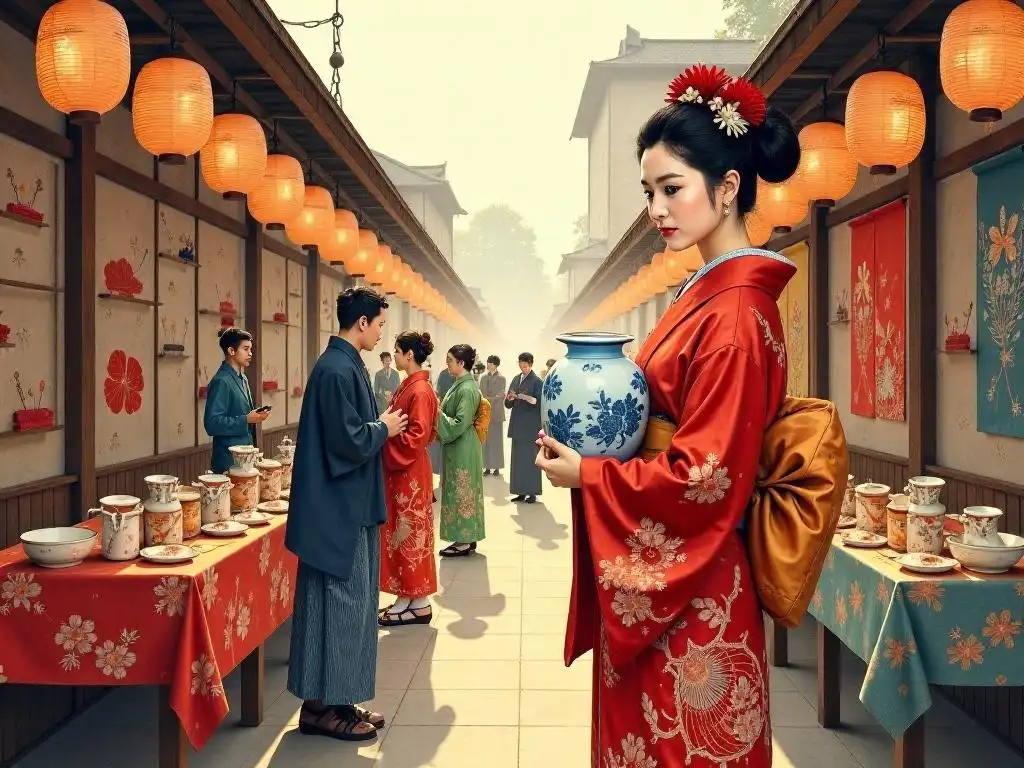
The Tokugawa Shogunate established a strict isolationist policy known as sakoku, which lasted from the early 17th century until the mid-19th century. This policy aimed to minimize foreign influence and control over Japan, fundamentally shaping the environment in which Dutch traders operated. Although the Dutch were granted a unique position as the sole European traders allowed to engage with Japan, they faced numerous challenges in navigating these isolationist policies.
- Limited Trade Opportunities:
- The Dutch could only trade at Nagasaki, a small port city, significantly restricting their economic activities. Moreover, they were confined to a designated area on Dejima, an artificial island built for foreign traders, which limited their direct interaction with the Japanese populace.
- The annual trading season was strictly regulated, typically occurring during specific months, thus capping the volume of trade.
- Regulations and Restrictions:
- The Shogunate imposed stringent regulations on the types of goods that could be imported and exported. For instance, while the Dutch could bring in textiles, medicines, and scientific instruments, luxury goods and firearms were highly restricted.
- Traders were required to navigate a complex web of bureaucratic processes, including inspections and permits, which could delay or complicate trade transactions.
- Censorship and Surveillance:
- The Dutch traders operated under constant surveillance by the Shogunate. Their communications were monitored, and they were expected to report on foreign developments, creating a climate of mistrust.
- Any misstep could lead to severe consequences, including expulsion from Japan or worse, highlighting the precarious nature of their position.
Cultural Barriers and Misunderstandings
Cultural differences between the Dutch traders and the Japanese presented significant challenges. Language barriers, differing customs, and contrasting worldviews often led to misunderstandings that could jeopardize trade relationships.
- Language and Communication:
- The Dutch initially struggled with the Japanese language, which complicated negotiations and transactions. Many traders relied on interpreters, who sometimes misinterpreted requests or cultural nuances, leading to conflicts.
- The lack of a shared language also hindered the exchange of ideas and cultural practices, limiting the depth of interaction between the two groups.
- Perceptions of Foreigners:
- The Japanese viewed foreigners with suspicion, influenced by a long history of invasions and foreign interference. The Dutch were often seen as necessary evils rather than trusted allies.
- Cultural practices, such as the Dutch's seemingly casual approach to trade negotiations, clashed with Japanese customs of formality and respect, exacerbating tensions.
- Religious Differences:
- As a Protestant nation, the Dutch faced challenges in a predominantly Shinto and Buddhist Japan. The Shogunate's distrust of Christianity, stemming from earlier missionary activities, led to restrictions on Dutch interactions involving religious discussions or materials.
- The traders had to tread carefully, avoiding any suggestion of proselytizing, which could lead to severe repercussions.
Political Tensions and Their Impact on Trade
Political dynamics during the Edo period significantly influenced the operations of Dutch traders. The relationship between the Shogunate and other foreign powers added layers of complexity to the Dutch trading environment.
- Relations with Other Nations:
- The presence of other European powers, such as the Portuguese and the British, created a competitive environment. The Shogunate's policies towards these nations often affected Dutch trading privileges.
- For example, the expulsion of Portuguese traders in the mid-17th century led to an increased reliance on the Dutch, but it also instilled a sense of precariousness in their trading position.
- Internal Political Strife:
- The Tokugawa Shogunate faced internal challenges, including peasant uprisings and samurai dissatisfaction. These issues often diverted attention and resources, impacting the stability of trade.
- Political instability could lead to abrupt changes in trading regulations, affecting the predictability of the Dutch trading environment.
- Shifts in Policy:
- Over time, the Shogunate's isolationist policies began to waver, especially in the face of foreign pressure in the mid-19th century. The opening of Japan to the West posed both threats and opportunities for Dutch traders, who had long maintained a delicate balance within the restrictive framework.
- As foreign influence grew, the Dutch had to adapt to changing political landscapes, reassessing their strategies and operations to maintain their unique position in Japan.
Dutch traders in Edo Japan faced multifaceted challenges stemming from the Tokugawa Shogunate's isolationist policies, cultural barriers, and political tensions. Their ability to navigate these obstacles played a crucial role in shaping the nature and success of their trading endeavors during this period.
The Legacy of Dutch Traders in Japan
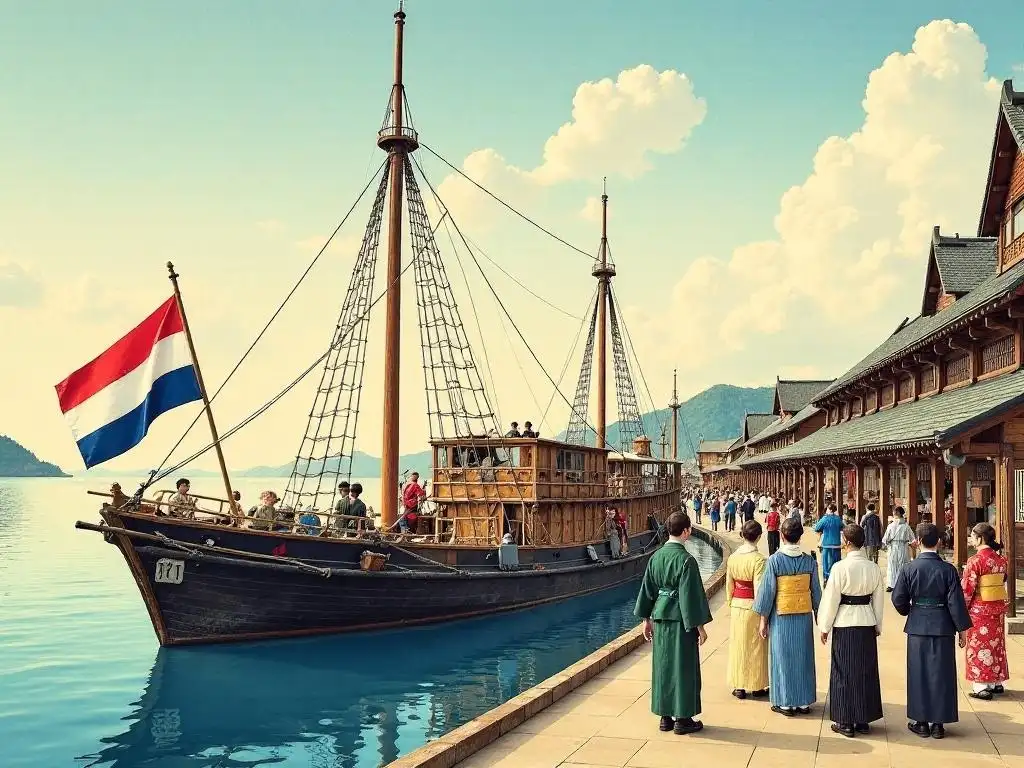
The presence of Dutch traders in Edo Japan marked a significant chapter in the country's history, particularly during the isolationist policies of the Tokugawa shogunate. The Dutch were the only Europeans allowed to trade with Japan from the early 17th century until the mid-19th century, primarily through their trading post on Dejima in Nagasaki. This unique position enabled them to not only influence Japanese economy and society but also to act as a bridge between Japan and the outside world.
Long-term Effects on Japanese Society and Economy
The long-term effects of Dutch traders in Edo Japan can be observed in various aspects of Japanese society and economy.
- Economic Influence:
- The Dutch introduced new commodities such as textiles, sugar, and spices, which were not previously available in Japan. This expanded the range of goods in the Japanese market and stimulated local industries.
- The trade also led to the development of domestic industries to cater to the increased demand for imported goods. For instance, silk production saw a boost as local craftsmen sought to compete with imported fabrics.
- Cultural Exchange:
- The introduction of Western knowledge and technology was another major impact of Dutch presence. The Dutch brought books, scientific instruments, and medical knowledge, which gradually influenced Japanese education and health practices.
- A unique form of Western learning known as "Rangaku" (Dutch learning) emerged, which focused on acquiring knowledge from Dutch texts. This intellectual movement laid the groundwork for Japan’s modernization in the late 19th century.
- Trade and Diplomatic Relations:
- The Dutch acted as intermediaries between Japan and other foreign nations. They provided the shogunate with information about international affairs, which was crucial for Japan’s understanding of the global landscape.
- This relationship fostered a cautious yet strategic approach in Japan’s foreign policy, allowing for controlled engagement with the outside world while maintaining a policy of isolation.
Reflections on the Role of Foreign Relations in Edo Japan
The role of Dutch traders in Edo Japan highlights the complex nature of foreign relations during a period characterized by isolationism. The Tokugawa shogunate implemented strict policies to limit foreign influence, yet the Dutch were granted a unique status that allowed them to operate within Japan.
- Selective Engagement:
- The Dutch presence illustrates how Japan selectively engaged with foreign powers. While most European nations were barred from trade, the shogunate recognized the economic benefits that could arise from limited interaction with the Dutch.
- This selective engagement also allowed Japan to maintain a degree of autonomy, as the shogunate could control the flow of information and goods entering the country.
- Cultural Diplomacy:
- The Dutch traders were not only merchants but also cultural ambassadors. Their interactions with Japanese society led to the exchange of ideas and customs, which enriched both cultures.
- The establishment of Dutch studies in Japan reflects a deeper intellectual curiosity about Western knowledge, which was essential for Japan's eventual modernization.
The Transition from Isolation to Global Engagement
The legacy of Dutch traders set the stage for Japan's eventual transition from isolation to global engagement in the late 19th century.
- Foundation for Modernization:
- The knowledge and technologies introduced by the Dutch traders laid the groundwork for Japan’s Meiji Restoration in 1868, when Japan sought to modernize rapidly by adopting Western practices in governance, military, and industry.
- The cultural and scientific exchanges initiated during the Edo period became crucial as Japan opened its doors to the world.
- Influence on Foreign Policy:
- The experience with Dutch traders influenced Japan's approach to foreign relations, leading to a more calculated and strategic engagement with other nations after the end of isolation.
- This transition enabled Japan to emerge as a significant player in international affairs, evidenced by its participation in global trade and diplomacy in the following decades.
The legacy of Dutch traders in Edo Japan is multifaceted, encompassing economic, cultural, and diplomatic dimensions that not only shaped Japanese society during the Tokugawa period but also paved the way for its transformation into a modern nation in the years to come. Their role as the sole conduit for foreign interaction during a time of isolation highlights the intricate balance Japan maintained between preserving its sovereignty and engaging with the wider world.
Conclusion: The Enduring Impact of Dutch Traders in Edo Japan
The role of Dutch traders in Edo Japan serves as a significant chapter in the narrative of Japan's feudal era, particularly against the backdrop of the country's isolationist policies. Their presence not only influenced economic exchanges but also facilitated cultural interactions that would leave a lasting impact on Japan's development during a time when foreign engagement was largely restricted.
Summary of Key Contributions and Challenges
Dutch traders, primarily operating through the single trading post in Dejima, Nagasaki, became the sole European presence allowed in Japan during the Edo period. Their contributions can be categorized into several key areas:
- Economic Influence:
- The Dutch provided Japan with access to Western goods, such as textiles, glassware, and scientific instruments, which were otherwise unavailable due to stringent isolationist policies.
- They introduced new agricultural techniques and products, such as potatoes and corn, which contributed to food security and agricultural diversity.
- Cultural Exchange:
- Through their interactions, Dutch traders acted as intermediaries of knowledge, bringing in Western scientific advancements, particularly in medicine and astronomy.
- They facilitated the introduction of European art and literature, enriching Japan's cultural landscape while allowing local artisans to innovate.
- Diplomatic Relations:
- The Dutch maintained a unique position of trust with the Tokugawa shogunate, often acting as a channel for information about global events, thus providing Japan with insights that would otherwise remain inaccessible.
- Their ability to navigate the complexities of Japanese bureaucracy helped establish a framework for limited foreign trade that persisted throughout the Edo period.
Despite these contributions, Dutch traders faced numerous challenges, including:
- Navigational Restrictions:
- The strict regulations imposed by the shogunate limited their trading activities and the type of goods they could import, often leading to frustration among traders.
- Cultural Barriers:
- Language and cultural differences posed significant obstacles to effective communication and negotiation, sometimes hindering the depth of exchange.
- Isolationist Sentiment:
- The prevailing isolationist policies created an environment of suspicion towards foreign influences, which sometimes resulted in hostility or distrust towards the Dutch traders themselves.
The Historical Significance of Dutch Trade in the Context of Isolationist Policies
The presence of Dutch traders during the Edo period is historically significant for several reasons:
- Preservation of Knowledge:
- The Dutch played a crucial role in preserving Western knowledge during a time when Japan was largely closed off from foreign influences. Their trade brought essential scientific and technological advancements that would later serve as a foundation for Japan's modernization.
- Economic Framework:
- The model of limited trade established by the Dutch contributed to the shogunate's economic strategy, allowing for controlled engagement with foreign powers while maintaining political sovereignty.
- Cultural Insights:
- The exchange of ideas and culture through Dutch traders had a profound impact on Japanese society, influencing everything from art to medicine, and laying the groundwork for the eventual Westernization of Japan in the Meiji era.
The legacy of Dutch traders in Edo Japan is a testament to the complexities of international relations during a time of isolation. Their ability to navigate the restrictive landscape of Japanese policies not only facilitated trade but also fostered cultural and technological exchanges that would shape Japan's future. The story of Dutch traders in Edo Japan encapsulates the delicate balance between isolation and engagement, highlighting the enduring impact of foreign relations in shaping a nation's identity.
Frequently Asked Questions
What was the significance of Dutch traders in Edo Japan?
Dutch traders played a crucial role in bringing Western knowledge and goods to Japan during its period of isolation. They were the only Europeans allowed to trade, facilitating a unique exchange of culture and technology.
How did the isolation policy affect trade in Edo Japan?
The isolation policy, known as Sakoku, limited foreign contact, but the Dutch were granted exclusive trading rights. This meant they could introduce new ideas and commodities while Japan remained largely closed to other foreign influences.
What goods did Dutch traders bring to Japan?
Dutch traders introduced a variety of Western goods, including textiles, clocks, and medicine, along with scientific knowledge. Their presence enriched Japanese culture and spurred interest in Western science and technology.
How did the Dutch manage to maintain trade during the isolation?
The Dutch maintained trade by adhering to strict regulations set by the Tokugawa shogunate. They established a trading post at Dejima in Nagasaki, allowing them to operate under controlled conditions that satisfied Japanese authorities.
What impact did Dutch traders have on Japanese society?
The presence of Dutch traders led to a cultural exchange that influenced Japanese art, science, and education. Their interactions also contributed to a broader worldview among Japanese scholars and merchants during the Edo period.
Final Reflection: The Enduring Legacy of Dutch Traders in Edo Japan
The intricate relationship between Dutch traders and Edo Japan reveals a profound narrative of cultural exchange and economic strategy that remains relevant today. In an era marked by globalization, the lessons learned from the interactions between these two distinct cultures serve as a reminder of the importance of adaptability and understanding in bridging divides. The Dutch traders, navigating the isolationist policies of the Tokugawa shogunate, exemplified how perseverance and innovation can lead to fruitful connections even in the most challenging circumstances.
The impact of Dutch traders in Edo Japan extends far beyond mere commerce; it has shaped the cultural and social landscape of both nations. Their unique position as the sole European presence in Japan during a time of strict isolation fostered an exchange of ideas, art, and technology that enriched both societies. As historian John W. Hall aptly noted, The Dutch were not just traders; they were cultural ambassadors who opened a window to the world for Japan.
This observation underscores the significance of their role in facilitating a dialogue that transcended borders and time, influencing everything from art to science in Japan.
As we reflect on the legacy of Dutch traders in Edo Japan, let us consider how their story inspires us to embrace diversity and seek understanding in our own lives. In a world that often feels divided, we can take a page from their book—navigating our own challenges with curiosity and openness. I invite you to explore the lessons of resilience and cultural exchange that this historical narrative offers, and to apply them in your interactions with others, fostering a spirit of collaboration and connection in our increasingly interconnected world.
Explore the Unseen Connections of Edo Japan!
Thank you for joining us on this journey through the fascinating world of Dutch traders in Edo Japan! You've gained valuable insights into how these brave individuals bridged worlds during a time of isolation. Now, it's your turn to dive deeper into this rich history and engage with it in meaningful ways.
Here are some steps you can take right now:
- Dive into Further Research: **Explore books or documentaries about the Dutch trade in Japan** to uncover even more intriguing details.
- Share Your Thoughts: Start a conversation—**discuss the impacts of trade and cultural exchange** by sharing this article with friends or on social media!
- Join the Community: **Participate in local history groups or online forums** to connect with fellow enthusiasts and exchange perspectives on this topic.
What surprising connections can you identify between cultures in today’s world that mirror the dynamics seen during the Edo period?