
Ceremony and Culture: How Tea Became a Medium for Artistic Expression

Welcome to Feudal Japan History, where we invite you to embark on a captivating journey through the intricate tapestry of Japan’s feudal era. In our latest article, “Ceremony and Culture: How Tea Became a Medium for Artistic Expression,” we delve into the fascinating history of the Japanese tea ceremony—a ritual steeped in tradition that reflects the profound cultural and societal shifts of its time.
Discover how this serene practice transcended mere beverage preparation to become a powerful form of artistic expression, and let your curiosity guide you as you explore the rich layers of meaning behind each delicate cup. Prepare to be enchanted as we unravel the secrets of this timeless ceremony!
- Introduction to Japanese Tea Ceremony History
- Historical Context of the Japanese Tea Ceremony
- The Artistic Expression in Tea Ceremonies
- The Philosophical Underpinnings of the Tea Ceremony
- Components of the Japanese Tea Ceremony
- Regional Variations in Japanese Tea Ceremony Practices
- The Role of the Tea Master in Ceremony
- Contemporary Relevance of Tea Ceremonies
- Conclusion: The Lasting Impact of Japanese Tea Ceremony History
- References for Further Exploration
- Frequently Asked Questions
- Final Reflection: The Timeless Art of Tea and Its Cultural Resonance
- Unveil the Artistry of Tea: Take Your Passion Further!
Introduction to Japanese Tea Ceremony History
The Japanese tea ceremony, or chanoyu, is far more than just a ritualistic preparation and consumption of tea; it represents a profound cultural heritage that has evolved over centuries. This ceremonial practice, steeped in Zen philosophy, serves as a unique intersection of art, spirituality, and social interaction, reflecting the intricate values of Japanese society during the feudal era.
As we delve into the rich history of the Japanese tea ceremony, we uncover its transformative journey from simple beverage to a sophisticated form of artistic expression. This exploration not only highlights the historical significance of tea in Japan but also emphasizes its role in shaping cultural identity and social customs.
Overview of Tea in Japanese Culture
Tea was introduced to Japan from China during the early 9th century, primarily by Buddhist monks who recognized its stimulating properties and potential for enhancing meditation practices. Over time, tea transitioned from a luxury item reserved for the elite to a staple in Japanese society. This gradual integration was marked by the development of various tea varieties, notably matcha, which became central to the tea ceremony.
- Types of Tea:
- Matcha: Finely ground powder used in traditional tea ceremonies.
- Sencha: The most commonly consumed green tea in Japan.
- Gyokuro: A high-quality shade-grown green tea known for its delicate flavor.
The cultural significance of tea in Japan grew alongside its production and consumption, leading to the establishment of tea houses and the codification of tea-drinking practices. These developments laid the groundwork for the formalized tea ceremonies that would later emerge, characterized by meticulous attention to detail and an emphasis on harmony, respect, purity, and tranquility.
Significance of Tea Ceremonies in Feudal Japan
During the feudal period, the tea ceremony evolved into a critical social practice among the samurai class and nobility. It served as a means of fostering relationships, demonstrating hospitality, and showcasing the host's knowledge of aesthetics and etiquette. The tea ceremony was also viewed as a form of meditation, allowing participants to escape the chaos of their surroundings and connect with the present moment.
- Key Aspects of Tea Ceremonies:
- Spiritual Connection: Participants often engaged in mindfulness, reflecting on the beauty and simplicity of the ceremony.
- Artistic Expression: The choice of utensils, flower arrangements, and the setting were all carefully curated to create a harmonious atmosphere.
- Social Dynamics: The ceremony provided a structured environment for dialogue, reinforcing social bonds and hierarchies.
In essence, the tea ceremony became a vital cultural expression during feudal Japan, encapsulating the values and philosophies of the time. This exploration of its history reveals the depth of meaning that tea holds in Japanese culture, transcending its role as merely a beverage to become a profound symbol of artistic and social significance.
Historical Context of the Japanese Tea Ceremony
Origins of Tea in Japan
The journey of tea in Japan dates back to the early 9th century when Buddhist monks brought tea seeds and leaves from China. Initially, tea was consumed primarily for its medicinal properties and as a stimulant to aid meditation. The earliest records of tea consumption in Japan can be traced to the Nara period (710-794), where it was first referenced in the writings of Saichō, a prominent monk who founded the Tendai sect of Buddhism.
As the practice of drinking tea began to spread, the Heian period (794-1185) saw tea gain popularity among the aristocracy. At this time, tea was prepared by grinding the leaves into a powder, which was then whisked with hot water in a bowl. This method laid the groundwork for what would later evolve into the Japanese tea ceremony.
Evolution of Tea Practices through the Ages
The evolution of tea practices in Japan can be segmented into several key periods:
- Kamakura Period (1185-1333): Tea began to transition from a rarity among the elite to a more common beverage. This period marked the rise of the samurai class, who adopted tea drinking as a form of social ritual.
- Muromachi Period (1336-1573): The development of the Japanese tea ceremony began to take shape during this time. Influential figures like Murata Jukō established the foundational principles of the tea ceremony, emphasizing simplicity, humility, and the importance of natural beauty. The concept of wabi-sabi, celebrating imperfection and transient beauty, became integral to the ceremony.
- Azuchi-Momoyama Period (1573-1603): The tea ceremony reached new heights of sophistication under the patronage of Oda Nobunaga and Toyotomi Hideyoshi. The introduction of elaborate tea rooms and utensils occurred during this era. The most renowned tea master, Sen no Rikyū, refined the ceremony’s aesthetics and philosophy, promoting a more spiritual approach to tea preparation and consumption.
- Edo Period (1603-1868): The tea ceremony became an established cultural practice among the samurai and the emerging merchant class. It was during this time that various schools of tea ceremony, such as the Urasenke and Omotesenke, emerged, each with its interpretation of the tea ritual.
Influence of Chinese Tea Culture on Japan
Chinese tea culture significantly influenced the development of the Japanese tea ceremony. The introduction of tea to Japan was closely tied to the Tang Dynasty's appreciation of tea as an art form. Many practices, including the use of powdered tea, originated from Chinese methods.
In addition, the philosophical foundations of tea culture in Japan were heavily inspired by Chinese Confucianism and Zen Buddhism. The principles of harmony, respect, purity, and tranquility, which are central to the Japanese tea ceremony, can be traced back to these philosophies.
Furthermore, the aesthetic values of Chinese tea culture, especially in relation to the art of tea utensils and the design of tea rooms, played a critical role in shaping the Japanese approach. The emphasis on nature and simplicity in the design of tea implements reflects the influence of Chinese aesthetics, which prioritize the beauty of natural materials and forms.
Overall, the historical context of the Japanese tea ceremony showcases a rich tapestry of cultural exchange and evolution, where tea transformed from a simple beverage into a profound medium for artistic expression and social connection.
The Artistic Expression in Tea Ceremonies
The Japanese tea ceremony, known as chanoyu or sado, transcends mere beverage preparation; it embodies a unique form of artistic expression. Rooted in centuries of tradition, these ceremonies are not only about serving tea but also about creating an immersive experience that integrates various art forms. This section explores how aesthetics, calligraphy, painting, and ikebana contribute to the rich tapestry of the tea ceremony, reflecting the cultural ethos of feudal Japan.
Aesthetic Principles in Tea Ceremony Design
The design of a tea ceremony space is a meticulous process that embodies several aesthetic principles, drawn from the philosophy of wabi-sabi. This concept embraces the beauty of imperfection and transience, emphasizing simplicity and authenticity. Key elements include:
- Natural Materials: The use of materials such as bamboo, clay, and wood creates a harmonious environment that resonates with nature.
- Minimalism: Clutter is avoided, allowing the focus to be on the tea and the moment.
- Seasonal Themes: The atmosphere often reflects the seasons through decor, tea selection, and even the choice of utensils.
These principles culminate in a setting that encourages mindfulness and appreciation of the moment, elevating the tea ceremony to an art form that celebrates the fleeting nature of life.
Role of Calligraphy and Painting in Tea Culture
Calligraphy and painting play pivotal roles in enhancing the aesthetic and spiritual dimensions of the tea ceremony.
- Calligraphy: Often displayed as scrolls (called kakemono), calligraphy features poems or philosophical texts that resonate with the themes of the ceremony. The fluidity and grace of the brush strokes reflect the transient beauty valued in Japanese culture.
- Painting: Traditional ink paintings, particularly landscapes or nature scenes, complement the serene atmosphere of the tea room. They invite contemplation and serve as a backdrop for the ceremonial process.
Both calligraphy and painting serve not only decorative purposes but also convey deeper meanings, fostering a connection between the participants and the cultural heritage of Japan.
Integration of Ikebana (Flower Arranging) in Tea Rituals
Ikebana, the art of flower arranging, is another vital component of the tea ceremony, enhancing its beauty and emotional depth.
- Symbolism: Each arrangement carries symbolic meanings, often reflecting seasonal changes or specific themes relevant to the ceremony. For example, cherry blossoms may signify the transient nature of beauty.
- Balance and Harmony: The principles of balance, harmony, and asymmetry found in ikebana echo the overall philosophy of the tea ceremony, creating a visually engaging experience that resonates with participants.
- Seasonal Adaptations: Just as the tea selection adapts to the season, so does ikebana. This dynamic integration reflects the connection between nature and human emotion, emphasizing the importance of being present in the moment.
Incorporating ikebana into tea rituals not only beautifies the space but also enriches the participants' experience, inviting them to engage more deeply with the natural world.
Through the interplay of these artistic expressions, the Japanese tea ceremony emerges as a profound cultural phenomenon, embodying the essence of aesthetics, philosophy, and the human spirit within the historical context of feudal Japan.
The Philosophical Underpinnings of the Tea Ceremony
The Japanese tea ceremony, known as "chanoyu," is deeply embedded in philosophical concepts that shape its practice and significance. These underpinnings not only influence the way tea is prepared and served but also reflect broader cultural values that emerged during feudal Japan. Understanding these philosophical foundations is essential to appreciating the full depth of the Japanese tea ceremony history.
Zen Buddhism and its Influence on Tea Practices
Zen Buddhism has played a pivotal role in shaping the ethos of the Japanese tea ceremony. Originating in China, Zen emphasizes simplicity, directness, and the importance of experience over intellectual understanding. These principles resonate throughout the tea ceremony, where each action, from the selection of utensils to the brewing of tea, is performed with deliberate mindfulness.
- Simplicity and Clarity: The Zen influence encourages practitioners to embrace simplicity, stripping away excess to focus on the essence of the moment. This is reflected in the choice of tea utensils, which are often unadorned and made from natural materials.
- Mindful Preparation: In a traditional tea ceremony, every gesture—whether whisking the matcha or serving the tea—is infused with a sense of purpose. This mindfulness transforms the preparation process into a meditative act, allowing participants to engage fully with the present.
- Connection to Nature: Zen philosophy promotes a profound connection to the natural world, which is mirrored in the tea ceremony's emphasis on seasonal elements. The choice of tea, the arrangement of the tea room, and even the selection of flowers reflect a sensitivity to nature's cycles.
The Concept of Wabi-Sabi in Tea Aesthetics
Wabi-sabi is an aesthetic philosophy that celebrates imperfection, transience, and the beauty found in the natural world. This concept is integral to the Japanese tea ceremony and influences everything from the choice of materials to the overall ambiance of the tea space.
- Embracing Imperfections: In tea utensils, wabi-sabi is expressed through handcrafted items that may show signs of wear or irregularities. Such imperfections are seen as markers of authenticity and history, enriching the experience of the tea ceremony.
- Ephemeral Beauty: Wabi-sabi encourages an appreciation for the fleeting nature of beauty. Seasonal flowers used in the tea room or the temporary enjoyment of a fresh cup of tea serve as reminders of the transient moments in life, prompting participants to savor each experience.
- Natural Materials: The aesthetic also favors natural materials that age gracefully over time, such as clay, wood, and stone. These materials not only enhance the sensory experience but also connect participants to the earth, fostering a sense of humility and respect.
Mindfulness and Presence in the Tea Ceremony Experience
At its core, the Japanese tea ceremony is a practice of mindfulness that invites participants to be fully present in the moment. This focus on awareness enhances the experience and fosters a deeper connection to oneself and the surrounding environment.
- Ritual and Routine: The structured nature of the tea ceremony creates a safe space for mindfulness. Each step, from the greeting of guests to the final sip of tea, is an opportunity to practice presence and engage with the ritual's rhythm.
- Sensory Engagement: Participants are encouraged to engage their senses fully during the ceremony. The aroma of the tea, the sound of water being poured, and the visual beauty of the tea utensils all serve to anchor the mind in the present moment.
- Community and Connection: The tea ceremony is often a communal experience, fostering connections among participants. Sharing the tea and the accompanying rituals can create a sense of belonging and mutual respect, enhancing the overall mindfulness of the experience.
The Japanese tea ceremony history is intricately woven with philosophical concepts that deepen the experience of tea. By understanding the influences of Zen Buddhism, the aesthetics of wabi-sabi, and the emphasis on mindfulness, one can appreciate the tea ceremony not merely as a cultural ritual but as a profound expression of artistic and spiritual values in feudal Japan.
Components of the Japanese Tea Ceremony
Essential Tools and Utensils Used in Tea Ceremonies
The Japanese tea ceremony, or Chanoyu, is deeply rooted in tradition, with each element meticulously chosen for its symbolism and function. Understanding the essential tools and utensils used in this ritual provides insight into its historical significance.
- Chawan (Tea Bowl): The chawan is arguably the most critical utensil in the tea ceremony. Traditionally made from ceramic, it comes in various shapes and sizes. Each tea bowl is unique and often reflects the season or the host’s personal aesthetic. The choice of chawan can evoke different feelings and connections during the ceremony.
- Chasen (Tea Whisk): This bamboo whisk is essential for preparing matcha, the powdered green tea used in the ceremony. A well-crafted chasen has numerous fine tines, allowing for the perfect frothing of the tea. The art of making a chasen itself is a skillful craft, often passed down through generations.
- Chashaku (Tea Scoop): The chashaku is a bamboo scoop used to measure and serve matcha. It symbolizes the importance of precision and respect for the ingredients, which are key principles in the tea ceremony. Often beautifully crafted, the chashaku serves as a reminder of the natural materials used in the ceremony.
- Kyōkuro (Tea Container): This lidded container holds the matcha before it is prepared. The design of the kyōkuro is carefully selected to harmonize with the season and setting, further emphasizing the aesthetic philosophy of the ceremony.
- Fukusa (Silk Cloth): Used to purify the utensils and the tea, the fukusa signifies cleanliness and the importance of mindfulness in the ritual. The actions performed with the fukusa reflect the host's respect for the guests and the tea.
Types of Tea and Their Cultural Significance
In the context of the Japanese tea ceremony, the type of tea served plays a crucial role in shaping the experience and conveying cultural values. Here are the primary types of tea utilized, along with their significance:
- Matcha: The most iconic tea used in the tea ceremony, matcha is finely ground powdered green tea known for its vibrant green color and rich umami flavor. Its preparation is central to Chanoyu, emphasizing harmony and tranquility. Serving matcha signifies a connection to Zen Buddhism, as it encourages mindfulness and presence.
- Sencha: A brewed green tea that is popular in everyday life, sencha represents simplicity and accessibility. While not traditionally used in formal ceremonies, it reflects the cultural shift towards more casual tea experiences. Sencha’s refreshing taste and aroma evoke a sense of rejuvenation.
- Gyokuro: This premium shaded green tea is renowned for its sweet and delicate flavor. Gyokuro is often associated with special occasions and symbolizes luxury and hospitality. Its preparation requires specific techniques, making it a cherished treat during gatherings.
Rituals and Procedures: A Step-by-Step Guide
The Japanese tea ceremony comprises a series of detailed rituals and procedures, each reflecting the philosophy of harmony, respect, purity, and tranquility (known as wa, kei, sei, and jaku). Below is a step-by-step guide to these rituals:
- Preparation of the Space: The tea room is prepared with careful attention to aesthetics and cleanliness. Seasonal decorations are arranged, and the ambiance is set to evoke a serene atmosphere.
- Welcoming the Guests: The host greets the guests and offers a light snack, creating a sense of hospitality. This act fosters a bond between the host and the guests, setting a tone of warmth.
- Purification Ritual: The host performs a purification ritual with the fukusa, cleansing the utensils before the tea preparation. This step symbolizes the importance of purity in both the physical and spiritual senses.
- Preparing the Tea: Using the chawan, chasen, and chashaku, the host prepares the matcha, whisking it to create a frothy consistency. This process is performed with grace and focus, embodying the principles of mindfulness.
- Serving the Tea: The host presents the tea bowl to the guest with a gesture of respect. Guests acknowledge the offering with gratitude, often admiring the craftsmanship of the chawan before taking a sip.
- Reciprocal Exchange: After enjoying the tea, guests may express their appreciation and share their thoughts on the experience. This exchange deepens the connection between host and guests.
- Concluding the Ceremony: The ceremony concludes with a return to the initial state of harmony. The host cleans the utensils, symbolizing a return to simplicity and the fleeting nature of the moment.
Through these components, the Japanese tea ceremony not only serves as a medium for artistic expression but also encapsulates centuries of cultural heritage and societal values, making it a profound experience that transcends mere tea drinking.
Regional Variations in Japanese Tea Ceremony Practices
The Japanese tea ceremony, known as chanoyu (茶の湯), is a profound cultural ritual with deep historical roots. However, its practice varies significantly across different regions of Japan, influenced by local customs, historical developments, and the teachings of prominent tea schools. Understanding these variations provides insight into how the essence of the tea ceremony has been preserved while adapting to local influences, enriching its overall cultural tapestry.
Differences between Urasenke and Omotesenke Schools
The two most prominent schools of tea ceremony practice are Urasenke and Omotesenke, each embodying distinct philosophies and methods.
- Urasenke:
- Founded by Sen no Rikyū's grandson, Sen Sōshitsu, this school emphasizes the harmony of simplicity and elegance.
- Urasenke practices often focus on the use of everyday utensils and the beauty of imperfection, reflecting the concept of wabi-sabi.
- The tea preparation process in Urasenke ceremonies is characterized by a relaxed atmosphere, encouraging personal expression and deeper connections among participants.
- Omotesenke:
- Established by Sen no Rikyū's other grandson, Sen Dōan, Omotesenke adheres to a more formal approach.
- This school places a strong emphasis on aesthetics, often employing high-quality, meticulously crafted utensils that highlight the beauty of Japanese craftsmanship.
- Omotesenke ceremonies are known for their strict adherence to protocol, creating a more structured experience that reflects respect and tradition.
These differences not only shape the practice of tea ceremonies but also influence the artistic expressions found within each school, from the choice of tea bowls to the arrangement of flowers.
Influence of Local Traditions on Tea Ceremonies
Regional customs significantly impact the practice of tea ceremonies across Japan. Local traditions, climate, and available resources create diverse styles and interpretations of chanoyu. For example:
- Kansai Region:
- The Kansai area, home to Kyoto, often integrates elements of Zen Buddhism into its tea ceremonies, emphasizing meditation and mindfulness.
- Local seasonal ingredients are frequently incorporated into sweets served during the ceremony, enhancing the sensory experience.
- Kanto Region:
- In contrast, the Kanto region, particularly Tokyo, has developed a more modernized approach, blending traditional practices with contemporary art forms.
- The use of innovative utensils and the incorporation of popular culture elements reflect the dynamic nature of urban life.
- Hokkaido:
- In Hokkaido, where local indigenous Ainu culture exists, tea ceremonies may include traditional Ainu rituals, merging spiritual practices with the tea experience.
These regional influences underscore the adaptability of the tea ceremony, allowing it to resonate with local identities while maintaining its core values.
Case Studies of Notable Regional Ceremonies
Exploring specific instances of tea ceremonies can illustrate the profound regional variations in practice and expression.
- Kyoto's Gion Matsuri Tea Ceremony:
- During the Gion Matsuri, one of Japan's most famous festivals, tea ceremonies are held in the historic streets of Kyoto.
- These ceremonies incorporate local seasonal themes and often include performances of traditional kyo-mai (Kyoto-style dance) alongside the tea, creating a unique blend of art and ritual.
- Hokkaido's Ainu Tea Ceremony:
- In Hokkaido, the Ainu people have adapted the tea ceremony to include their own cultural elements, such as singing and storytelling.
- The use of indigenous plants during the ceremony highlights the connection to the natural environment, offering a unique perspective on the broader practice of tea.
- Tokyo's Contemporary Tea Ceremonies:
- In urban settings like Tokyo, contemporary artists are reinterpreting the tea ceremony, often incorporating multimedia elements such as digital art and performance.
- These modern ceremonies attract younger audiences, showcasing the evolving nature of cultural practices while honoring traditional roots.
These case studies exemplify how the Japanese tea ceremony history is not a monolithic tradition but a rich, evolving practice that reflects the diverse cultural landscape of Japan.
The Role of the Tea Master in Ceremony
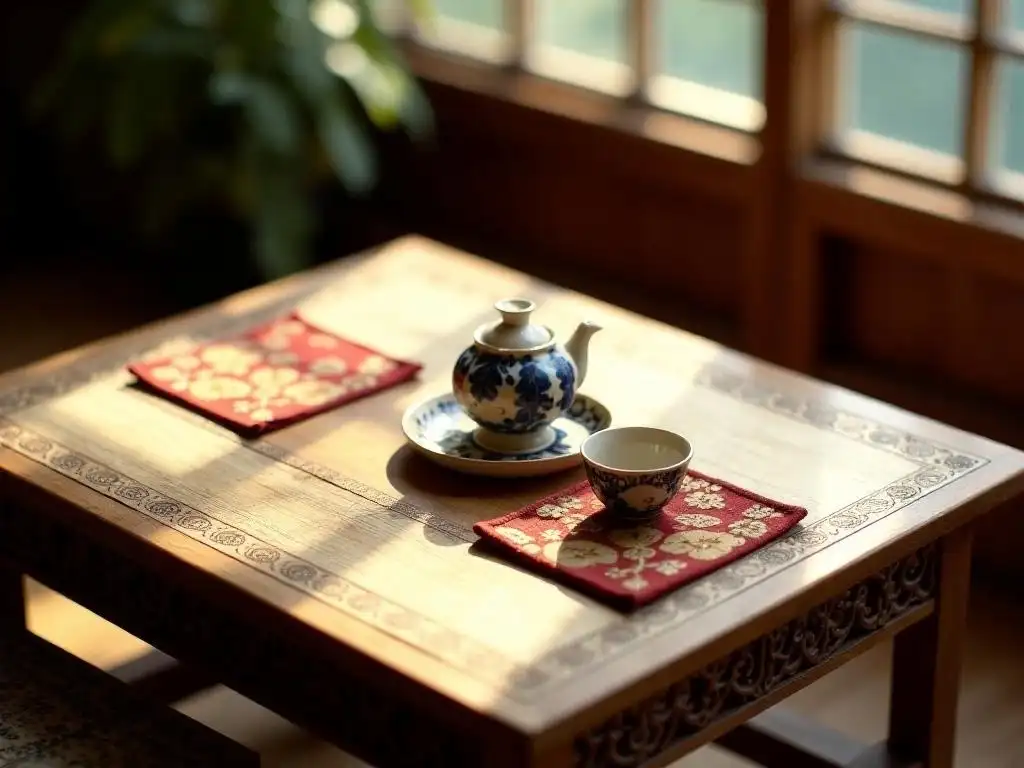
The tea master, or chajin, holds a pivotal role in the Japanese tea ceremony, serving not only as a facilitator of the ritual but also as a custodian of its underlying philosophies and artistic expressions. The tea master is responsible for creating an atmosphere of tranquility and beauty, guiding participants through the intricate steps of the ceremony while embodying the principles of harmony, respect, purity, and tranquility ( wa, kei, sei, and jaku). This role demands a deep understanding of both the technical aspects of tea preparation and the cultural significance of the ceremony itself.
Training and Skills Required for a Tea Master
Becoming a tea master is no small feat; it requires years of dedicated training and practice. The journey typically begins with apprenticeship under a seasoned tea master. During this time, the apprentice learns various skills, including:
- Tea Preparation: Mastery of the delicate process of preparing matcha (powdered green tea), which involves precise measuring, whisking, and presentation.
- Ceremonial Protocol: Understanding the specific rituals, movements, and etiquette involved in the tea ceremony, which vary depending on the style of tea being served.
- Philosophical Understanding: Grasping the philosophical underpinnings of the tea ceremony, including Zen principles and the concept of wabi-sabi, which emphasizes beauty in imperfection and transience.
- Aesthetic Sensibility: Developing an eye for aesthetics, including the selection of utensils, the arrangement of the tea room, and the overall ambiance created during the ceremony.
The combination of these skills ensures that the tea master can effectively convey the essence of the Japanese tea ceremony, transforming it into a meaningful and artistic experience for participants.
The Tea Master’s Influence on Artistic Expression
The tea master’s influence extends beyond the act of serving tea; they are instrumental in the artistic expression inherent in the ceremony. Their choices in various elements shape the overall experience:
- Utensils: The selection of tea bowls, whisks, and other tools is crucial. Each piece tells a story and reflects the aesthetic values of the tea master.
- Setting: The tea room, or chashitsu, is often designed to create a specific atmosphere. The tea master’s understanding of space and design contributes significantly to the ambiance.
- Seasonal Themes: A skilled tea master incorporates seasonal elements into the ceremony, using flowers, food, and decorations that resonate with the time of year, enhancing the connection to nature and the transient beauty of life.
The tea master, therefore, acts as an artist, using the medium of the tea ceremony to express creativity and foster a deep connection among participants, allowing them to appreciate the beauty of the moment.
Notable Tea Masters in Japanese History
Throughout Japanese history, several tea masters have left an indelible mark on the practice and philosophy of the tea ceremony. Some notable figures include:
| Name | Era | Contribution |
|---|---|---|
| Sen no Rikyū | 1522-1591 | Revolutionized tea aesthetics and introduced the concept of wabi-sabi to the tea ceremony. |
| Takeno Jōō | 1502-1555 | Developed the rustic style of tea, emphasizing simplicity and natural beauty. |
| Urasenke School | Founded 16th century | One of the three major schools of tea ceremony, continuing the traditions of the tea masters through generations. |
| Jōō Shōka | 1580-1643 | Known for his integration of Zen principles into tea practices, fostering spiritual depth. |
These tea masters not only refined the techniques of the tea ceremony but also deepened its cultural significance, ensuring that the tradition remains a vibrant medium for artistic expression in Japan’s feudal history and beyond.
Contemporary Relevance of Tea Ceremonies
Revival of Traditional Practices in Modern Japan
In contemporary Japan, the revival of traditional practices, particularly the Japanese tea ceremony, serves as a vital link to the country's cultural heritage. This revival has been fueled by a growing appreciation for mindfulness and simplicity, which resonates with modern societal values. The tea ceremony, or chanoyu, provides a serene escape from the hustle of urban life, emphasizing not just the act of drinking tea, but a holistic experience that includes aesthetics, etiquette, and spirituality.
One notable aspect of this revival is the increasing number of tea schools and workshops dedicated to teaching the art of chanoyu. These institutions focus on educating individuals about the intricate rituals involved, from the precise movements of preparing matcha to the thoughtful arrangement of utensils. Many young people, inspired by a shift towards sustainability and mindfulness, are engaging with these traditions, seeking to reconnect with their roots.
Moreover, tea ceremonies are increasingly being incorporated into cultural events and festivals, attracting both locals and tourists. Events such as the Hanami (flower viewing) often feature tea ceremonies, allowing participants to experience a slice of historical Japanese culture while enjoying the beauty of nature. This blend of tradition and modernity not only revitalizes the art but also promotes it as an essential part of Japan's cultural identity.
Influence of Japanese Tea Ceremonies on Global Culture
The impact of the Japanese tea ceremony extends far beyond Japan's borders, influencing global culture in various ways. As international interest in Japanese aesthetics and philosophy grows, so does the appreciation for the tea ceremony's principles of harmony, respect, purity, and tranquility, known as wa, kei, sei, and jaku.
In Western nations, tea culture has absorbed elements of the Japanese tea ceremony, leading to the establishment of tea houses that offer traditional experiences. For instance, in cities like New York and London, tea ceremonies are hosted in spaces designed to evoke the ambiance of a Japanese tea room, complete with tatami mats and sliding shoji doors. This blending of cultures allows participants to engage with the ritual in a meaningful manner while appreciating its historical significance.
Additionally, the aesthetic principles derived from the tea ceremony have permeated various art forms worldwide. From interior design to fashion, the emphasis on simplicity and natural materials can be traced back to the values inherent in chanoyu. Artists and designers often draw inspiration from the calmness and elegance of the tea ceremony, creating works that embody its spirit.
The Future of Tea as an Artistic Medium
Looking ahead, the Japanese tea ceremony is poised to evolve further as an artistic medium in response to contemporary trends and technological advancements. The integration of modern art forms, such as performance art and digital media, is beginning to reshape how tea is perceived and experienced. Artists are experimenting with the concept of chanoyu, infusing it with new narratives and technologies to reach broader audiences.
One exciting trend is the intersection of the tea ceremony with wellness and mindfulness practices. As the global focus on mental health increases, tea ceremonies are being adapted to include guided meditations and sensory experiences, enhancing their role as a therapeutic practice. This evolution not only preserves the traditional elements of tea ceremonies but also expands their relevance in a modern context.
Furthermore, the rise of social media has given artists and practitioners a platform to share their interpretations of the tea ceremony, fostering a global community that appreciates the art form. Online workshops and virtual ceremonies allow individuals from diverse backgrounds to engage with the tradition, ensuring that the essence of chanoyu continues to thrive in the digital age.
The Japanese tea ceremony remains a vital cultural expression, adapting to modern sensibilities while retaining its historical roots. As it navigates the future, the ceremony will likely continue to inspire artistic exploration and cross-cultural dialogue, solidifying its place as a cherished medium for artistic expression.
Conclusion: The Lasting Impact of Japanese Tea Ceremony History
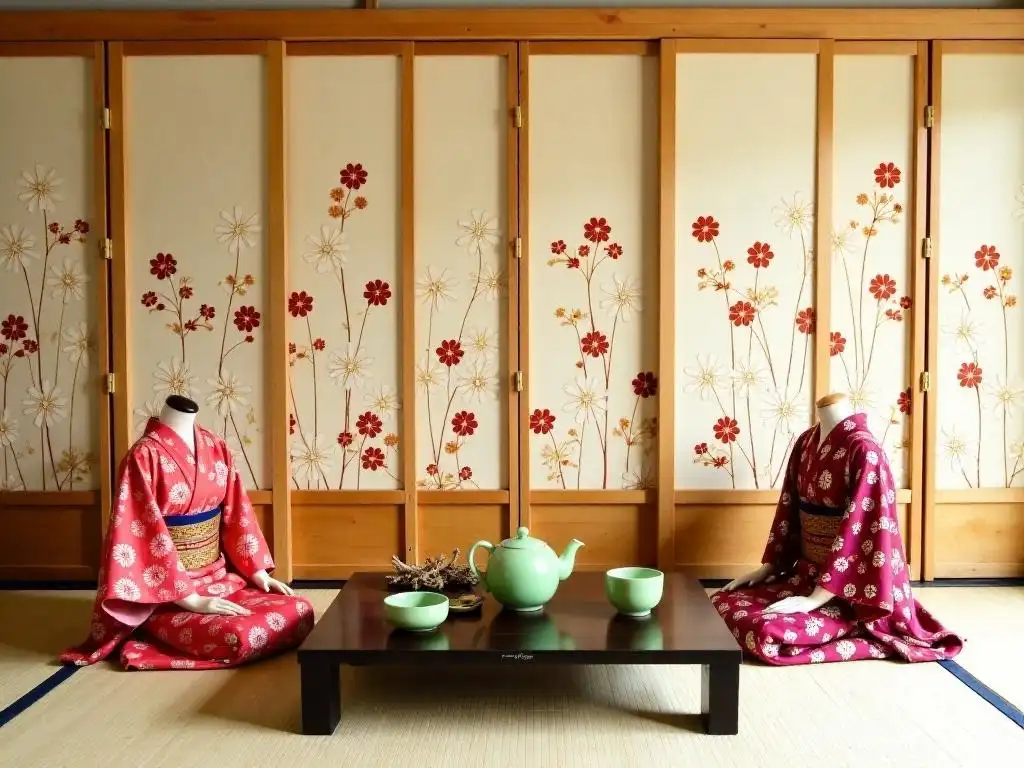
The Japanese tea ceremony, or chanoyu, serves as a profound reflection of Japan’s cultural heritage, intertwining aesthetics, philosophy, and social practices that have evolved throughout history. This ceremonial practice not only emphasizes the preparation and serving of tea but also embodies the principles of harmony ( wa), respect ( kei), purity ( sei), and tranquility ( jaku). Each of these aspects contributes to the broader narrative of Japanese identity and artistic expression.
Historically, the tea ceremony has acted as a medium through which art forms such as poetry, calligraphy, and flower arrangement ( ikebana) are celebrated. The meticulous attention to detail in every component—from the selection of tea utensils to the arrangement of the tea room—highlights the importance of mindfulness and intentionality in artistic pursuits. This intricate relationship between tea and art has left a lasting imprint on Japanese culture, encouraging future generations to appreciate the beauty found in simplicity and ritual.
The evolution of the tea ceremony, particularly during the Muromachi period and its zenith in the Edo period, showcases its role as a vehicle for social interaction among the samurai class and merchants. The formalization of the ceremony allowed for a platform where cultural dialogue flourished, influencing not only the participants but also the broader societal values of respect and community.
Reflection on Cultural Heritage and Artistic Expression
The Japanese tea ceremony stands as a testament to the country's rich cultural heritage, serving as a bridge between the past and present. The aesthetics involved in the ceremony, exemplified through the art of wabi-sabi, embrace imperfection and transience, encouraging participants to find beauty in the fleeting moments of life. This philosophy has permeated various aspects of Japanese art and design, from traditional pottery to contemporary architecture, illustrating how the tea ceremony has influenced broader artistic movements.
Moreover, the tea ceremony has evolved into a space for personal reflection and spiritual growth. Practitioners often engage in the ritual as a means to cultivate mindfulness, fostering a deeper connection to themselves and their surroundings. This emphasis on introspection reinforces the notion that artistic expression is not merely an external endeavor but also an internal journey. By integrating these principles into their daily lives, individuals contribute to the ongoing legacy of the tea ceremony as a vital aspect of Japanese cultural identity.
The Ongoing Journey of Tea in Japanese Society
As Japan navigates modernity, the tea ceremony continues to adapt and find relevance in contemporary society. While traditional practices are preserved, new interpretations are emerging that resonate with younger generations. For example, the integration of tea ceremonies into community events and educational programs highlights their role in fostering social connections and cultural appreciation.
The resurgence of interest in artisanal and specialty teas has also breathed new life into the tea ceremony, encouraging innovative approaches to its practice. Modern interpretations often blend traditional elements with contemporary art forms, making the ceremony accessible and appealing to a broader audience. This evolution reflects the dynamic nature of Japanese culture, demonstrating how historical practices can be reimagined while retaining their core values.
The history of the Japanese tea ceremony is not merely a historical account but rather a living narrative that continues to shape and enrich Japan's cultural landscape. Through its profound impact on artistic expression and societal values, the tea ceremony stands as a lasting symbol of Japan’s heritage, inviting future generations to engage with its beauty and significance.
References for Further Exploration
Suggested Readings on Japanese Tea Ceremony History
Delving into the Japanese tea ceremony history can provide a deeper understanding of its intricate rituals and cultural significance. Here are some essential readings that explore various aspects of this art form:
-
"The Book of Tea" by Okakura Kakuzō
This classic text intertwines the aesthetics of tea with the philosophy behind it, offering insights into how tea became a symbol of Japanese culture.
-
"Tea Ceremony: A Japanese Tradition" by John D. O'Rourke
This book provides a comprehensive overview of the ritualistic aspects of the tea ceremony, detailing its historical evolution and cultural implications.
-
"The Tea Ceremony: A Japanese Tradition" by Takashi Kawai
Kawai's work focuses on the various schools of tea ceremony, highlighting the differences and similarities in practices across regions and eras.
-
"The Essence of Japanese Tea Ceremony" by Shizuko Shikata
This book emphasizes the spiritual and aesthetic dimensions of the tea ceremony, presenting it as a form of artistic expression in Japanese culture.
-
"The Art of Japanese Tea Ceremony" by Kiki Kawai
An engaging read that explores the artistic elements of the tea ceremony, including the utensils, tea preparation, and the setting's aesthetics.
Documentaries and Films about Tea Culture in Japan
Documentaries and films can be powerful mediums for understanding the nuances of the Japanese tea ceremony. Here are some noteworthy suggestions:
-
"The Way of Tea"
This documentary dives into the philosophy and practices surrounding the tea ceremony, featuring interviews with tea masters and practitioners.
-
"Tea: The Story of Tea"
A film that chronicles the historical journey of tea in Japan, showcasing its cultural significance and the evolution of tea ceremonies through the ages.
-
"The Zen of Tea"
This visually stunning documentary captures the serene beauty of tea ceremonies while exploring the spiritual connection between tea and Zen Buddhism.
-
"Chaji: The Last Tea"
A film that dramatizes the life of a tea master, illustrating the dedication and artistry involved in perfecting the tea ceremony.
Online Resources and Virtual Tea Ceremony Experiences
With the rise of digital platforms, exploring the Japanese tea ceremony history has never been easier. Here are some online resources and experiences that provide insights into this cultural practice:
-
Virtual Tea Ceremony Experiences
Many tea houses in Japan and abroad offer virtual tea ceremonies, allowing participants to engage in the ritual from the comfort of their homes. Look for opportunities on platforms like Zoom or dedicated tea ceremony websites.
-
Online Courses on the Japanese Tea Ceremony
Websites like Udemy and Coursera offer courses that delve into the history, philosophy, and techniques of the tea ceremony, often taught by experienced practitioners.
-
YouTube Channels
Channels such as Tea Mastery and Japanese Tea Culture frequently publish videos featuring live tea ceremonies, cultural explanations, and tutorials on tea preparation.
-
Cultural Blogs and Websites
Websites like Matcha Maiden and The Japanese Tea House provide articles and resources focused on tea culture, including historical context and modern practices.
By exploring these resources, enthusiasts can gain a richer appreciation for the nuances and artistry of the Japanese tea ceremony, enhancing their understanding of its historical significance in Japanese culture.
Frequently Asked Questions
What is the significance of the tea ceremony in Japanese culture?
The tea ceremony is a ritualistic preparation and consumption of tea that emphasizes aesthetics, mindfulness, and cultural heritage.
How did the Japanese tea ceremony evolve over time?
The history of the Japanese tea ceremony reflects changes in societal values and artistic expression, evolving from simple drinking customs to a highly stylized art form.
What are the key elements of a traditional tea ceremony?
A traditional tea ceremony includes specific utensils, precise movements, and an atmosphere of tranquility, all aimed at creating a moment of beauty and connection.
Who were the influential figures in the history of the tea ceremony?
Notable figures like Sen no Rikyū shaped the tea ceremony into a refined practice, emphasizing simplicity and natural beauty in its execution.
How does the tea ceremony reflect Japanese aesthetics?
The tea ceremony embodies Japanese aesthetics through its focus on wabi-sabi, or the beauty of imperfection, and the appreciation of nature and simplicity in the ceremonial process.
Final Reflection: The Timeless Art of Tea and Its Cultural Resonance
The intricate dance of tradition and artistry within the Japanese tea ceremony continues to resonate profoundly in today's fast-paced world. As we navigate an era dominated by instant gratification and digital interactions, the historical significance of the tea ceremony serves as a poignant reminder of the beauty found in patience, mindfulness, and the appreciation of craftsmanship. The tea ceremony is not merely a ritual; it is a celebration of culture, a bridge connecting generations, and a testament to the enduring power of art in everyday life.
Ceremony and culture are inextricably linked, shaping our identities and influencing our social landscapes. The Japanese tea ceremony, with its rich history and aesthetic principles, has transcended its origins to inspire a global appreciation for mindfulness and intentionality. As we immerse ourselves in this practice, we recognize that it is more than just a beverage; it is a medium for artistic expression that fosters connection and understanding. Tea is the magic elixir that transforms the ordinary into the extraordinary.
This quote encapsulates the essence of the tea ceremony, reminding us of the profound impact that simple rituals can have on our lives.
As you reflect on the themes explored in this article, I invite you to consider how you can incorporate the principles of the Japanese tea ceremony into your own life. Embrace moments of stillness, cultivate mindfulness, and appreciate the artistry in your daily routines. By doing so, you not only honor the rich history of the tea ceremony but also create space for deeper connections with yourself and those around you. Let the art of tea inspire you to find beauty in the mundane and to celebrate the cultural tapestries that enrich our lives.
Unveil the Artistry of Tea: Take Your Passion Further!
Thank you for immersing yourself in the rich intersection of ceremony and culture that tea embodies! Your exploration has uncovered how this beloved beverage transcends taste, becoming a profound medium for artistic expression. Now, it’s time to take the journey further!
Here’s how you can deepen your understanding and appreciation of tea:
- Join a local tea ceremony: Experience the artistry firsthand by participating in a traditional tea ceremony. This will enrich your connection to its cultural significance.
- Create your own tea-inspired art: Whether it’s painting, writing poetry, or crafting, let the themes of tea and its ceremonies inspire your creativity.
- Share your newfound knowledge: Spark discussions with friends or engage on social media about what you've learned. Your passion could ignite someone else’s interest!
What unique ways do you envision incorporating the art of tea into your daily life or creative practices?