
The Use of Ambushes in Feudal Japanese Warfare


Welcome to Feudal Japan History, where we embark on a captivating journey through the intricate tapestry of Japan's feudal era. Here, we delve into the fascinating world of Feudal Japanese warfare tactics, exploring the cunning strategies that defined battles and shaped the nation’s history. In our featured article, "The Use of Ambushes in Feudal Japanese Warfare," we uncover the art of surprise that played a pivotal role in military success.
Prepare to be intrigued as we unravel the secrets behind these tactical maneuvers and their impact on the society and culture of the time. Dive deeper with us and discover the rich narratives that await!
The tactics employed in feudal Japanese warfare were as intricate and nuanced as the society that developed them. Among these strategies, ambushes played a pivotal role, showcasing not only military ingenuity but also the cultural values of stealth and strategy that defined the samurai ethos. This article delves into the comprehensive exploration of ambush tactics within the broader context of feudal Japanese warfare, examining how these strategies evolved, their historical significance, and their practical applications in key battles. By understanding these tactics, we gain valuable insights into the complexity of military engagements during Japan's feudal era.
Introduction to Feudal Japanese Warfare Tactics
Feudal Japanese warfare tactics were a blend of traditional customs and innovative strategies, shaped by the unique landscape and sociopolitical dynamics of the period. The samurai, as the warrior class, relied heavily on their training and skills to navigate the challenges of battle. Tactics ranged from open confrontations to more covert approaches, with ambushes being a particularly effective method.
- Key Elements of Tactics:
- Terrain Utilization: The diverse geography of Japan, with its mountains and forests, offered numerous opportunities for ambush.
- Psychological Warfare: The element of surprise was crucial, instilling fear and confusion among enemy ranks.
- Coordination and Timing: Successful ambushes required meticulous planning and execution, often involving multiple units working in concert.
Overview of Feudal Japan's Military Strategies
The military strategies in feudal Japan were deeply influenced by the philosophies of the samurai, which emphasized honor, loyalty, and martial prowess. The primary strategies included:
- Direct Combat: Engaging the enemy in open battles, often resulting in high casualties.
- Guerrilla Warfare: Utilizing hit-and-run tactics to disrupt larger forces.
- Ambushes: Setting traps for unsuspecting enemies, exploiting their weaknesses.
Importance of Ambushes in Historical Context
Ambushes were not merely a tactic of convenience; they were a reflection of the strategic mindset of feudal Japan. The ability to outsmart an opponent often proved more advantageous than sheer numbers. Historical records indicate that ambushes were integral to many conflicts, allowing smaller forces to achieve significant victories.
Historical Background of Ambushes in Japanese Warfare
The use of ambushes has a rich history in Japanese warfare, evolving alongside changes in military technology and societal structures. As clans vied for power, the effectiveness of ambush tactics became increasingly apparent.
Evolution of Military Tactics in Feudal Japan
Throughout the feudal era, military tactics evolved from traditional samurai duels to more organized formations. The introduction of firearms in the late 16th century further transformed ambush strategies, necessitating new approaches to warfare.
- Key Developments:
- Formation Changes: Adaptations to infantry and cavalry formations allowed for more effective ambush setups.
- Technological Advances: The use of matchlocks and artillery created new opportunities for surprise attacks.
Key Battles Utilizing Ambush Strategies
Several notable battles exemplify the effectiveness of ambush tactics in feudal Japan:
- The Battle of Kawanakajima (1561): A classic example where Takeda Shingen's forces utilized terrain to ambush Uesugi Kenshin's troops.
- The Battle of Okehazama (1560): Oda Nobunaga's surprise attack against a much larger force demonstrated the power of well-timed ambushes.
Through these historical examples, we can appreciate the tactical depth that characterized feudal Japanese warfare and the enduring legacy of ambush strategies in military history.
Types of Ambushes in Feudal Japanese Warfare
Ambush tactics were a critical component of feudal Japanese warfare, allowing commanders to exploit the element of surprise and gain the upper hand against often numerically superior forces. Various types of ambushes were employed, each tailored to the specific circumstances of the battlefield. Understanding these types provides insight into the strategic thinking of feudal Japanese military leaders.
Flanking Ambush: Definition and Examples
A flanking ambush involves positioning troops to attack the enemy from the side or rear, effectively disrupting their formation and morale. This tactic relies heavily on stealth and timing, as the attacking force must maneuver into position without being detected.
One prominent example of a flanking ambush occurred during the Battle of Kawanakajima (1561), where Takeda Shingen managed to outflank the forces of Uesugi Kenshin. By hidden movements through the mountainous terrain, Shingen's troops struck when Kenshin's forces were least prepared, showcasing the lethal effectiveness of this tactic.
Surprise Attacks: The Element of Stealth
Surprise attacks are characterized by sudden, unexpected strikes against an enemy, often at dawn or under the cover of darkness. The success of surprise attacks hinges on meticulous planning and the ability to maintain secrecy until the moment of engagement.
A notable instance of a surprise attack occurred in 1582, when Oda Nobunaga's forces launched a sudden assault on the Takeda clan at the Battle of Tenmokuzan. Utilizing the element of surprise, Nobunaga's troops overwhelmed the Takeda warriors, leading to a swift victory that illustrated the power of stealth in warfare.
Traps and Deception: Techniques Used in Ambushes
Traps and deception were integral to ambush strategies, as feudal Japanese commanders often sought to manipulate their enemies' perceptions. Techniques included creating false retreats, feigned movements, and the use of terrain to conceal forces.
For example, during the Siege of Takamatsu, the defending forces set bait for the besieging army by pretending to abandon their stronghold. As the enemy rushed in, they fell into a well-laid trap, surrounded by hidden defenders. This clever use of deception not only resulted in a tactical victory but also exemplified the psychological warfare aspect of ambush tactics.
Famous Examples of Ambushes in Feudal Japan
Feudal Japan is rich with historical examples of ambush tactics that shaped the outcomes of battles and influenced the course of history. These famous ambushes highlight the ingenuity and strategic acumen of Japanese commanders throughout the era.
The Battle of Okehazama: A Case Study
The Battle of Okehazama (1560) stands as a quintessential example of effective ambush strategy. Oda Nobunaga, faced with a much larger army led by Imagawa Yoshimoto, orchestrated a surprise attack during a rainstorm. Nobunaga's troops, concealed and positioned for a flanking maneuver, launched their assault at the moment when the enemy was least prepared. The attack resulted in a decisive victory for Nobunaga, proving that tactical ingenuity could overcome numerical disadvantages.
The Siege of Takamatsu: Strategies and Outcomes
The Siege of Takamatsu (1582) showcases the complexities of ambush warfare under siege conditions. The besieged forces, led by Nobunaga's ally, employed a series of deceptive tactics to lure the besiegers into vulnerable positions. By feigning weakness and using the surrounding terrain to their advantage, they successfully inflicted heavy casualties on the advancing army. This siege illustrates how ambush tactics can be effectively utilized in both offensive and defensive scenarios.
Other Notable Ambushes in Japanese History
Several other ambushes throughout Japanese history further underscore the effectiveness of these tactics:
- The Battle of Mikatagahara (1573): Tokugawa Ieyasu's forces were ambushed by Takeda Shingen's troops, who used the element of surprise to devastating effect, leading to a significant loss for Ieyasu.
- The Battle of Uedahara (1548): A classic case of a surprise attack, where Uesugi Kenshin's forces caught the enemy unprepared during a period of rest.
- The Battle of Yamasaki (1582): A clever trap was set by the forces of Miyoshi Nagayoshi, leading to the defeat of a rival clan through a well-executed ambush.
These examples not only highlight the tactical brilliance of feudal Japanese warfare but also reflect the broader themes of strategy, psychology, and environmental awareness that defined military engagements during this era.
The Role of Terrain in Ambush Tactics

In feudal Japanese warfare, the role of terrain was paramount in the execution of ambush tactics. The diverse landscapes of Japan, from dense forests and mountainous regions to rice paddies and riverbanks, provided numerous advantages for cunning strategists. The natural environment not only offered concealment for ambushing forces but also allowed for the manipulation of enemy movements and formations.
Understanding the terrain enabled commanders to identify choke points—narrow passes or pathways where enemy forces could be easily trapped. Moreover, the elevation of hills and mountains offered an excellent vantage point, allowing for effective reconnaissance and the ability to strike from above, further amplifying the element of surprise. Thus, the mastery of the terrain was integral to crafting successful ambush strategies.
Utilizing Natural Landscapes for Strategic Advantage
Feudal Japanese commanders adeptly utilized the unique features of their surroundings to create ambushes that capitalized on the element of surprise. For instance, thick forests provided ideal cover for hidden troops, making it difficult for approaching enemies to detect their presence until it was too late. The use of underbrush and foliage allowed ambushers to blend seamlessly into their environment, enhancing their stealth.
Additionally, rivers and streams were often leveraged to create natural barriers. Troops could lie in wait on the opposite bank, ready to spring into action as enemy forces attempted to cross. This tactic not only disrupted enemy formations but also instilled a sense of uncertainty and vulnerability among foes, who were unaware of the lurking dangers.
Case Studies of Terrain-Based Ambushes
Several notable instances in feudal Japanese history exemplify the effective use of terrain in ambush tactics. One such case is the Battle of Kawanakajima in 1561, where Takeda Shingen's forces utilized the mountainous terrain to launch surprise attacks against Uesugi Kenshin's army. The steep slopes and dense foliage allowed Takeda's warriors to approach undetected, turning the tide of battle in their favor.
Another example can be found in the campaigns of the legendary samurai Minamoto no Yoshitsune during the late Heian period. In his pursuit of the Taira clan, Yoshitsune orchestrated a series of ambushes in the rugged terrain of the Yoshino mountains. By exploiting the difficult landscape, he managed to outmaneuver and surprise larger enemy forces, leading to significant victories that showcased the tactical brilliance of his strategies.
Psychological Aspects of Ambushes in Warfare
The psychological impact of ambush tactics in feudal Japanese warfare cannot be overstated. Ambushes were designed not only to inflict physical damage but also to induce fear, confusion, and uncertainty within enemy ranks. The unexpected nature of these attacks played a crucial role in shaping the outcomes of battles.
Fear and Confusion: The Impact on Enemy Forces
When ambushes were successfully executed, they often resulted in immediate panic among enemy troops. The element of surprise could shatter the morale of even the most disciplined forces, leading to chaotic retreats and disorganized formations. This psychological warfare was a vital aspect of feudal Japanese ambush tactics, as it exploited the vulnerabilities inherent in human psychology.
The suddenness of an ambush created a perception of vulnerability and helplessness among the enemy, making them more susceptible to defeat. The fear instilled by these tactics often lingered long after the ambush itself, affecting the enemy’s confidence in future engagements and their willingness to confront the ambushers again.
Morale and the Element of Surprise
In addition to fear, the element of surprise played a significant role in bolstering the morale of the ambushing forces. Successfully executing an ambush often led to increased confidence among the attackers, who felt empowered by their tactical superiority. This surge in morale could motivate troops to fight with greater fervor and determination.
Conversely, the demoralizing effect on the ambushed forces could lead to a breakdown in command and control. When soldiers witnessed their comrades fall unexpectedly, their resolve often faltered, leading to a rapid decline in effectiveness. Thus, the psychological dimensions of ambush tactics were as crucial as the strategic planning behind them, highlighting the complex interplay between mental and physical warfare in feudal Japan.
Training and Preparation for Ambush Tactics
In the context of feudal Japanese warfare, ambush tactics were not only a product of battlefield ingenuity but also required rigorous training and meticulous preparation. Warriors, particularly samurai, underwent extensive drills that encompassed various forms of combat and strategic maneuvering to ensure they could execute ambushes effectively. This preparation was vital, as the success of ambush tactics depended on stealth, timing, and the element of surprise.
To prepare for ambushes, samurai units would often engage in mock battles and simulations that allowed them to practice the deployment of ambush strategies in a controlled environment. These exercises focused on silent movement, rapid positioning, and coordinated strikes against unsuspecting opponents. The emphasis on stealth meant that warriors needed to be adept at navigating terrain quietly, using natural cover to conceal their presence until the moment of attack.
Moreover, the psychological aspect of ambush tactics was also a significant focus during training. Samurai were taught to maintain composure and discipline, as panic could easily compromise the effectiveness of an ambush. This mental fortitude was cultivated through rigorous training, emphasizing the importance of strategic thinking and adaptability in the heat of battle.
Samurai Training and Skill Development
The samurai's training regime was comprehensive, incorporating various martial arts disciplines, weapon skills, and tactical knowledge. Swordsmanship was central to their training, and proficiency in the katana was a hallmark of a skilled warrior. However, the effectiveness of ambushes often relied on more than just individual combat skills; it required a cohesive unit that could work together seamlessly.
In addition to martial training, samurai were educated in strategy and tactics. They studied historical battles, learned from the successes and failures of their predecessors, and adapted those lessons to their methods. This education was crucial for understanding the broader context of warfare and how to exploit the weaknesses of enemy formations.
Training for ambush tactics also involved physical conditioning, ensuring that warriors could endure the rigors of prolonged engagements. This included stamina training, agility exercises, and strength conditioning, all of which were essential for executing swift, surprise attacks.
Planning and Executing Effective Ambushes
Planning an ambush in feudal Japanese warfare involved careful reconnaissance and intelligence-gathering. Leaders would scout the terrain to identify suitable locations for ambushes, considering factors such as visibility, cover, and escape routes. The element of surprise was paramount, and choosing the right moment to strike—often when the enemy was vulnerable or distracted—was crucial for the success of the operation.
Execution of ambushes required precise coordination among troops. Each warrior needed to understand their role within the ambush, whether it was to serve as a decoy, strike from the flanks, or engage in direct combat. Communication was key, often relying on non-verbal cues due to the need for silence.
Timing was another critical factor; the success of an ambush hinged on the warriors’ ability to spring into action at precisely the right moment. This necessitated a high level of training and synchronization among the troops, allowing them to unleash a devastating surprise attack that could turn the tide of battle in their favor.
Analysis of the Effectiveness of Ambush Strategies
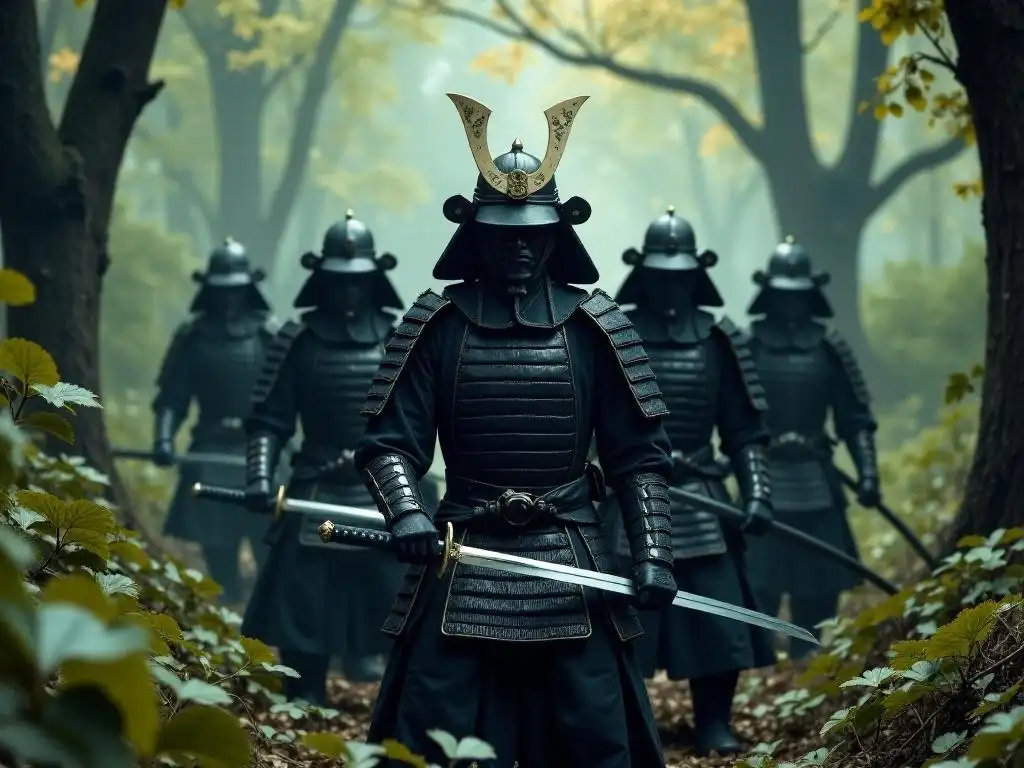
Ambush strategies were a prominent feature of feudal Japanese warfare due to their potential to inflict significant damage on enemy forces while minimizing risks to one's troops. The effectiveness of these tactics can be assessed through historical accounts, battlefield outcomes, and the lasting impact on military strategy throughout Japan's feudal period.
Success Rates of Ambushes in Feudal Japanese Warfare
Historical records indicate that ambushes were often successful in feudal Japanese warfare, particularly when executed by skilled samurai units. The success rate of ambushes was largely influenced by the element of surprise and the ability to exploit the enemy's weaknesses. For instance, ambushes at key geographical chokepoints or during unfavorable weather conditions for the enemy often led to decisive victories.
Notable examples include the ambushes during the Genpei War (1180-1185), where forces such as the Minamoto clan effectively utilized surprise attacks against the Taira clan. The success of these tactics not only resulted in immediate battlefield victories but also contributed to the Minamoto's eventual ascendance in Japan's political landscape.
Long-Term Implications on Military Tactics
The use of ambushes had profound long-term implications for military tactics in feudal Japan. As these tactics proved effective, they became a standard component of samurai warfare, influencing how battles were fought and strategies developed.
The reliance on ambush tactics led to the evolution of training methods, with an increased focus on stealth and surprise in military doctrine. Additionally, the success of ambushes encouraged commanders to prioritize intelligence and reconnaissance, recognizing the value of information in planning successful operations.
Over time, ambush strategies contributed to a broader understanding of asymmetric warfare, where smaller or less equipped forces could effectively challenge larger adversaries. This principle became integral not only during the feudal era but also in subsequent periods of Japanese history, illustrating the enduring legacy of ambush tactics in shaping military strategies.
Conclusion: The Legacy of Ambush Tactics in Feudal Japan
The strategic use of ambushes in feudal Japanese warfare has left an indelible mark on military tactics and strategies that continue to resonate through history. These tactics were not merely about achieving victory on the battlefield; they encapsulated a broader philosophy of warfare that emphasized deception, intelligence gathering, and the element of surprise. The effectiveness of ambushes allowed smaller or less equipped forces to challenge larger armies, demonstrating the principle that cunning and planning can often outweigh brute strength.
The legacy of these tactics is evident in the way modern military strategists analyze historical battles. The principles derived from feudal Japanese ambush tactics, such as maneuverability and the psychological impact of surprise, are studied extensively in military academies around the world. This historical context also serves as a reminder of the importance of adaptability and innovation in warfare, traits that have become crucial in contemporary military engagements.
Influence on Modern Warfare Tactics
The influence of ambush tactics from feudal Japan extends into various aspects of modern warfare. Contemporary military operations, particularly in asymmetric warfare scenarios, often emphasize stealth, deception, and surprise attacks, mirroring the tactics employed by samurai and their adversaries centuries ago.
For instance, guerrilla warfare strategies, which focus on small, mobile groups using ambush tactics against larger, more conventional forces, can trace their conceptual roots to these historical practices. The ability to blend with the environment, utilize terrain to one’s advantage, and strike unexpectedly remains relevant today. Modern military leaders study these ancient strategies to refine techniques that are applicable in diverse combat situations, demonstrating that the lessons learned during feudal Japan are still pertinent.
Continuing Relevance in Military Strategy Studies
The study of ambush tactics from feudal Japan is integral to the curriculum of military strategy courses worldwide. Academics and military historians analyze the successes and failures of these tactics, providing critical insights into the dynamics of warfare. The art of ambush is explored not only in historical contexts but also as a foundational component of military planning and operations.
Additionally, the psychological aspects of ambush tactics—such as instilling fear and uncertainty in the enemy—are examined in modern military theories. The enduring relevance of these tactics showcases the timeless nature of strategic thought, where historical examples continue to inform contemporary military practices. By appreciating the complexities of feudal Japanese ambush operations, modern strategists can better understand the multifaceted nature of conflict.
References and Further Reading on Feudal Japanese Warfare Tactics
Suggested Books and Articles
- "Samurai Warfare: The Book of Strategy": by Stephen Turnbull
This book delves into the tactics and strategies employed by samurai, including the pivotal role of ambushes in their warfare.
- "The Art of War" by Sun Tzu (translated by various authors)
While not exclusively about feudal Japan, this classic text provides foundational principles of warfare that resonate with ambush tactics.
- "Japan's Feudal Age, 1185-1603" by John W. Hall
An insightful exploration of the socio-political context of feudal Japan, highlighting warfare tactics including ambush strategies.
Online Resources for Further Exploration
- The Samurai Archives
A comprehensive online resource that offers articles, documents, and discussions on samurai history and warfare tactics.
- The Japan Times
Features articles and essays that explore various aspects of Japanese history, including military tactics from the feudal era.
- The National Diet Library of Japan
Offers access to a wealth of historical documents and resources related to Japan's feudal period, including military strategies and records.
- Introduction to Feudal Japanese Warfare Tactics
- Historical Background of Ambushes in Japanese Warfare
- Types of Ambushes in Feudal Japanese Warfare
- Famous Examples of Ambushes in Feudal Japan
- The Role of Terrain in Ambush Tactics
- Psychological Aspects of Ambushes in Warfare
- Training and Preparation for Ambush Tactics
- Analysis of the Effectiveness of Ambush Strategies
- Conclusion: The Legacy of Ambush Tactics in Feudal Japan
- References and Further Reading on Feudal Japanese Warfare Tactics
- What are the main tactics used in Feudal Japanese warfare?
- How did ambushes play a role in Feudal Japanese warfare?
- What historical battles exemplify the use of ambushes in Japan?
- How did cultural aspects influence warfare tactics in Feudal Japan?
- Why are Feudal Japanese warfare tactics still studied today?
Frequently Asked Questions
What are the main tactics used in Feudal Japanese warfare?
Feudal Japanese warfare prominently featured ambushes, flanking maneuvers, and psychological warfare. These tactics were designed to exploit enemy weaknesses and achieve victory with minimal losses.
How did ambushes play a role in Feudal Japanese warfare?
Ambushes were a crucial element, allowing warriors to surprise their enemies. This tactic relied on knowledge of terrain and careful planning to catch opponents off guard.
What historical battles exemplify the use of ambushes in Japan?
One notable example is the Battle of Kawanakajima, where Uesugi Kenshin utilized ambush tactics effectively against Takeda Shingen, showcasing the strategic importance of surprise in warfare.
How did cultural aspects influence warfare tactics in Feudal Japan?
The samurai code of honor (Bushido) and strategic teachings from texts like "The Art of War" influenced tactics. Cultural values shaped how battles were fought, focusing on honor and skill over sheer numbers.
Why are Feudal Japanese warfare tactics still studied today?
These tactics, especially ambush strategies, remain relevant for modern military studies. They provide insights into strategy, psychology, and terrain utilization, making them valuable for both historians and military tacticians.
Final Reflection: The Enduring Legacy of Feudal Japanese Warfare Tactics
The strategic brilliance of ambushes in feudal Japanese warfare tactics remains profoundly relevant today, as it highlights the importance of adaptability and cunning in both military and everyday life. In an era where information and strategy can determine the outcome of conflicts, the lessons learned from the past serve as a reminder that success often lies in the ability to outthink rather than outfight an opponent. The art of ambush, characterized by surprise and deception, is a testament to the ingenuity of samurai warriors and their understanding of human psychology.
The influence of these tactics extends beyond the battlefield, shaping cultural narratives and inspiring modern strategies in various fields. The principles of ambush tactics can be seen in contemporary military operations, business strategies, and even personal challenges. As Sun Tzu famously stated, All warfare is based on deception.
This timeless wisdom underscores the relevance of feudal Japanese warfare tactics in our current landscape, where the ability to anticipate and outmaneuver rivals can lead to significant advantages.
As we reflect on the lessons of feudal Japanese warfare, let us embrace the spirit of innovation and strategic thinking in our own lives. Consider how you can apply the principles of ambush—preparation, adaptability, and the element of surprise—to your personal and professional endeavors. By doing so, we honor the legacy of those who fought with cunning and courage, transforming their tactics into tools for our own success in an ever-evolving world.
Unleash the Tactics: Master the Art of Ambush!
Thank you for diving into the fascinating world of feudal Japanese warfare! We hope you gained valuable insights into the clever strategies employed during this captivating period. Now, it’s time to take action and apply what you've learned!
Here are a few steps to deepen your understanding and engagement with ambush tactics:
- Explore historical battle scenarios where ambushes played a crucial role—analyzing these can sharpen your strategic thinking.
- Share your thoughts! Discuss with fellow history enthusiasts or on our social media platforms about the implications of unconventional tactics in modern warfare.
- Try creating a strategic plan for a hypothetical ambush—consider what resources you would need and how you would position your forces. This exercise will challenge your tactical creativity!
Which ambush tactic do you think would be most effective in today’s strategic landscape? Let's discuss!