Shinto Myths and Legends: Tales of Creation and the Kami
🌟 Delve into the fascinating world of Shinto creation myths and kami, exploring how these ancient tales shape Japan’s cultural identity and…
Read article

Explore Shinto practices and discover how Japan’s indigenous spirituality shaped life during the feudal era. ⛩️ Learn about sacred rituals, shrine traditions, purification ceremonies, kami worship, festivals, and the deep connection between nature, community, and Japanese history. Ideal for readers researching Shinto religion, medieval Japan, and the cultural beliefs that influenced feudal society.

🌟 Delve into the fascinating world of Shinto creation myths and kami, exploring how these ancient tales shape Japan’s cultural identity and…
Read article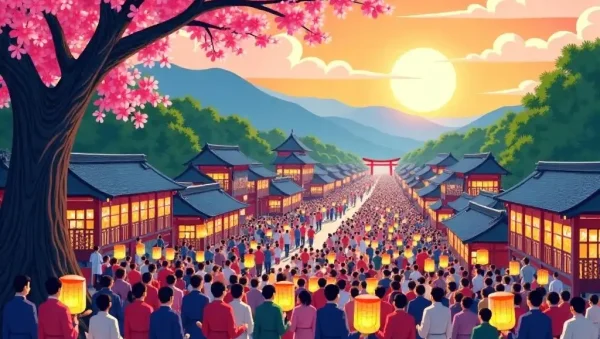
✨ The Shinto Matsuri festivals hold profound cultural significance in Japan, embodying centuries of tradition and community spirit. These vibrant celebrations honor…
Read article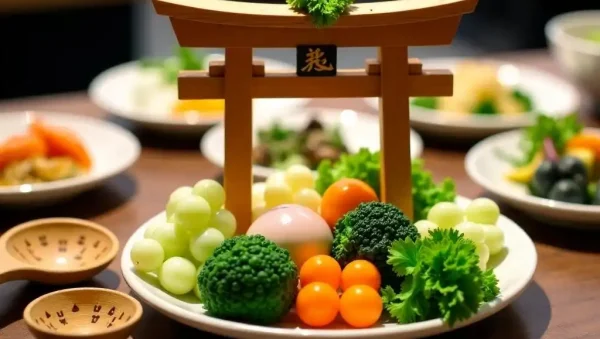
The Shinto influence on Japanese cuisine transforms food into a spiritual offering, reflecting the deep connection between nature, rituals, and culinary practices.…
Read article
✨ The intricate relationship between Shinto aesthetics and spirituality reveals how Japan’s feudal era influenced artistic expression. Explore how nature, simplicity, and…
Read article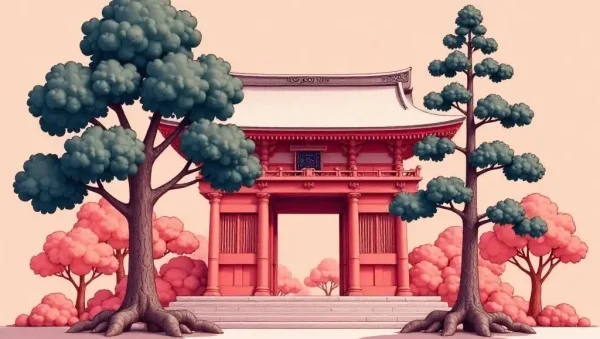
🌸 The evolution of Shinto beliefs in feudal Japan reflects a complex interplay of ancient traditions and societal changes, shaping both the…
Read article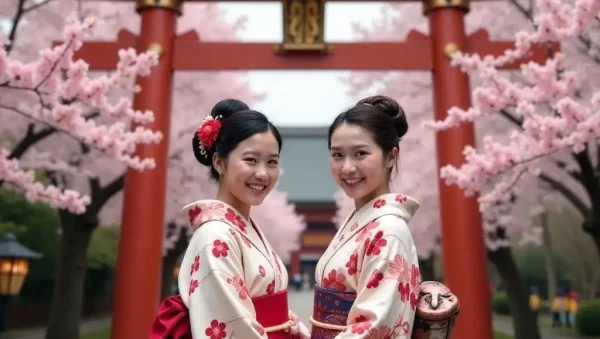
🌸 Shinto traditions in Japanese weddings deeply reflect Japan's cultural heritage, symbolizing purity and connection to ancestral spirits. These rituals play a…
Read article
🌸 Explore the rich tapestry of Shinto and Japanese folk beliefs, where ancient traditions intertwine to shape cultural identity. This article delves…
Read article
🌿 Shinto beliefs and environmental conservation intertwine, emphasizing harmony with nature. This spiritual approach not only honors Japan's rich cultural heritage but…
Read article
🌸 Delve into the rich tapestry of Shinto beliefs in feudal Japan, exploring how indigenous spirituality shaped cultural practices, societal norms, and…
Read article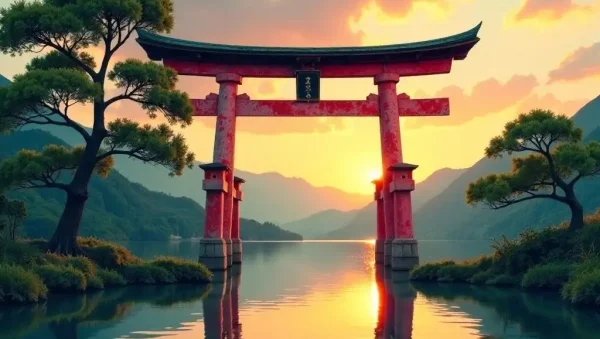
🌸 The symbolism of Torii gates in Japan transcends mere architecture, representing the boundary between the mundane and the sacred. These iconic…
Read article
🌸 Discover how Shinto kami in daily life shape the spiritual and cultural landscape of Japan. This article delves into the significance…
Read article
🌸 Shinto priests in feudal Japan served as vital custodians of spiritual traditions, bridging the divine and the earthly realms. Their rituals…
Read articleExplore Shinto practices and their essential role in the religious, cultural, and social life of feudal Japan. This subcategory examines shrine rituals, kami worship, purification ceremonies, festivals, sacred landscapes, ancestral traditions, and the relationship between Shinto and Buddhism. Through expert-driven articles, readers can discover how Shinto shaped Japanese identity, influenced samurai culture, supported local communities, and remained connected to the political history of Japan’s feudal era.
Learn how Shinto centers on reverence for kami, the sacred presences associated with nature, ancestors, historical figures, and extraordinary events. Articles explore the spiritual importance of mountains, rivers, forests, rocks, household guardians, and local deities, helping readers understand how sacred power was perceived in everyday medieval and early modern Japanese life.
This section also explains key Shinto concepts such as purity, pollution, harmony, gratitude, and ritual respect. Readers will discover how these ideas shaped personal behavior, community customs, seasonal observances, and the relationship between human beings and the natural world in feudal Japan.
Discover the structure and meaning of Japanese Shinto shrines, from grand imperial sanctuaries to small village shrines and roadside sacred sites. Topics may include torii gates, honden sanctuaries, haiden worship halls, komainu guardians, sacred ropes, ema votive plaques, and the architectural features that define traditional shrine environments.
Readers can also explore how shrines functioned as religious, social, and political centers. During the feudal period, shrine patronage connected local communities with aristocratic families, warrior governments, regional lords, and imperial traditions, revealing the importance of sacred spaces in Japanese history.
Learn about purification practices such as washing at a shrine fountain, ritual cleansing, misogi, harae, and the symbolic removal of spiritual pollution. These customs demonstrate how Shinto worship emphasizes preparation, respect, and the restoration of balance before approaching a kami.
This section also covers common offerings and forms of worship, including rice, sake, salt, coins, prayers, bows, clapping, and respectful silence. Clear explanations help readers understand Shinto shrine etiquette and distinguish historical religious practice from modern assumptions or popular stereotypes.
Explore matsuri, the festivals that brought communities together through processions, music, dance, food, prayers, and sacred ceremonies. Articles examine how festivals honored local kami, marked agricultural seasons, protected communities from misfortune, and reinforced bonds between villagers, shrine officials, and regional authorities.
Readers will discover how seasonal celebrations reflected the rhythms of feudal Japanese life. Harvest festivals, New Year customs, purification observances, fertility rites, and ceremonies connected to historical shrines reveal the continuing importance of Shinto festivals in Japanese culture.
Investigate the relationship between Shinto beliefs and the warrior class. Samurai families supported shrines, honored protective kami, participated in rituals, and used religious patronage to strengthen their legitimacy, preserve family identity, and connect military power with sacred tradition.
This section explores how rulers and warlords used shrine construction, donations, ceremonies, and religious symbolism to demonstrate authority. Readers will gain insight into the connections among Shinto, samurai culture, Japanese feudalism, imperial tradition, and political legitimacy.
Learn how Shinto and Buddhism interacted for centuries through a tradition often described as shinbutsu-shūgō, or the combination of kami worship and Buddhist practice. Many shrines and temples shared sacred spaces, religious personnel, rituals, and artistic traditions, creating a complex spiritual landscape rather than a strict division between religions.
Articles in this section explain how Buddhist temples interpreted kami, how shrine-temple complexes operated, and how local communities practiced multiple forms of devotion. This historical context is essential for understanding religion in medieval Japan and the development of Japanese philosophy.
Discover how Shinto practices influenced ordinary activities, including farming, childbirth, marriage, travel, healing, household protection, and community decision-making. Religious customs were often woven into practical life, making Shinto an important part of village organization and personal identity.
Readers can explore the role of shrine priests, hereditary religious families, village leaders, and local associations. These articles show how everyday Shinto traditions helped preserve collective memory, establish social responsibilities, and maintain relationships between communities and their guardian kami.
Major Shinto practices include visiting shrines, purifying the body and mind, making offerings, praying to kami, participating in matsuri festivals, honoring ancestors, and respecting sacred natural places. These practices emphasize gratitude, harmony, purity, and community participation.
A kami is a sacred presence or spiritual power associated with nature, ancestors, historical figures, places, or remarkable events. Kami are not always equivalent to gods in the Western sense; they may represent the sacred qualities believed to exist within the natural and human world.
Samurai practiced Shinto by supporting local and family shrines, honoring protective deities, attending ceremonies, making offerings, and seeking spiritual protection before military campaigns. Shrine patronage also helped warrior families demonstrate status, legitimacy, and loyalty to local traditions.
For much of feudal Japanese history, Shinto and Buddhism were closely integrated. Kami were often honored alongside Buddhist figures, and shrines and temples could share religious spaces. This combined tradition shaped Japanese art, politics, festivals, and everyday religious life.
Shinto festivals strengthened community bonds, honored local kami, marked agricultural seasons, sought protection, and reinforced relationships between villagers and religious institutions. They also provided opportunities for music, dance, processions, feasting, and the preservation of regional history.