The Art of Hospitality: Inside the World of Feudal Japan's Ryokan
Discover the essence of Ryokan hospitality in feudal Japan, where traditional inns offered not just shelter but a profound cultural experience, reflecting…
Read article
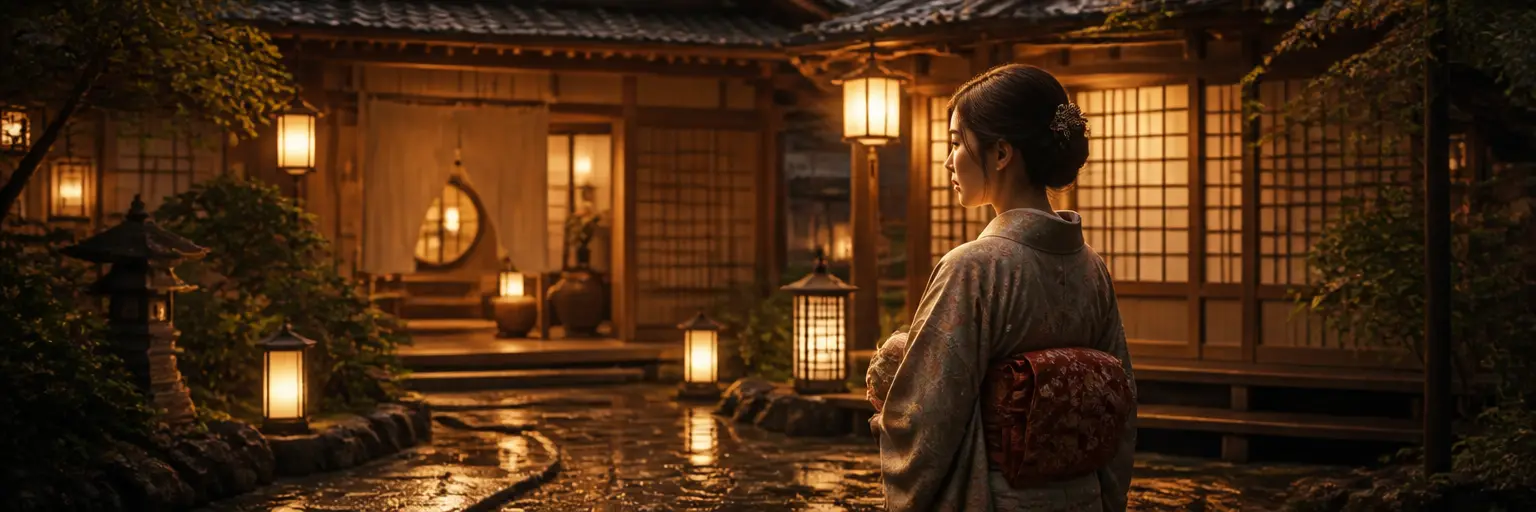
Discover the timeless charm of traditional inns and ryokan in Japan 🏯✨ Experience tatami rooms, futon bedding, soothing onsen baths, seasonal kaiseki cuisine, and warm omotenashi hospitality while connecting with the country’s rich feudal heritage. Explore how these historic accommodations preserve Japanese customs, architecture, and everyday traditions—perfect for travelers seeking an authentic cultural experience beyond modern hotels. Plan an unforgettable stay and step into Japan’s living history.
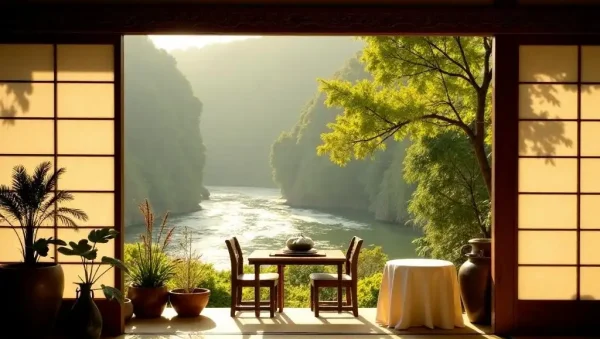
Discover the essence of Ryokan hospitality in feudal Japan, where traditional inns offered not just shelter but a profound cultural experience, reflecting…
Read article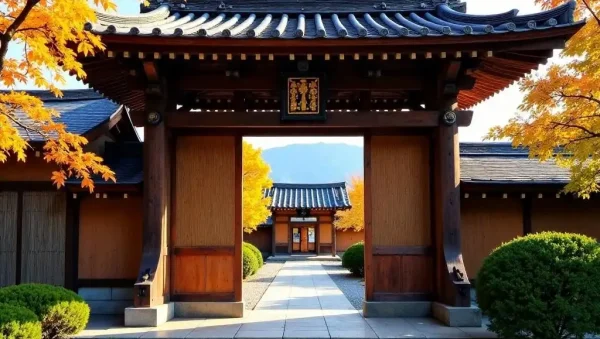
🌸 Immerse yourself in the serene world of Traditional Onsen Ryokan Experiences, where ancient customs meet ultimate relaxation. Discover how these unique…
Read article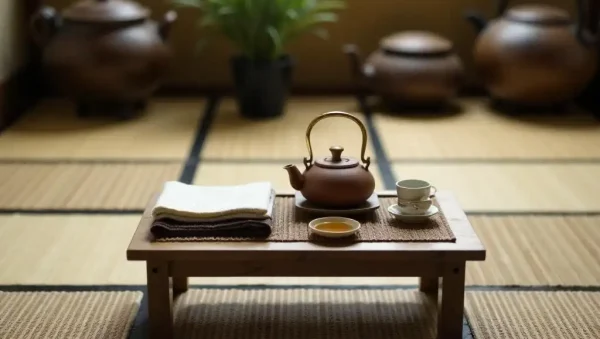
Discover the profound Ryokan and Zen Buddhism connection, where traditional inns embody tranquility and mindfulness. This exploration reveals how these serene retreats…
Read article
🌿 Discover the enchanting world of traditional ryokan architecture in Japan, where nature and design harmoniously intertwine. This exploration reveals how these…
Read article
Experience the enchanting Ryokan seasonal celebrations in Japan, where traditional inns embrace the beauty of each season through unique rituals, seasonal cuisine,…
Read article
🌸 Discover the rich history of family-owned ryokan, where each traditional inn tells a unique story. Explore how these establishments preserve Japan's…
Read article
🌸 Ryokan embody the essence of Japanese cultural heritage, offering a glimpse into the country’s feudal past through their architecture, hospitality, and…
Read article
🌟 The Ryokan, a traditional Japanese inn, profoundly shapes modern hospitality trends by emphasizing personalized service, serene environments, and cultural authenticity. This…
Read article
Discover the allure of hidden gems in Japan's countryside, where lesser-known ryokan provide authentic Japanese experiences. Immerse yourself in traditional hospitality, serene…
Read article
😊 To fully appreciate the rich heritage of Japan, understanding Ryokan etiquette for travelers is essential. This guide explores the cultural nuances…
Read article
Discover how modern ryokan are skillfully blending contemporary comforts with feudal heritage, preserving Japan's rich traditions while offering unique experiences. This exploration…
Read article
Discover Ryokan's role in Japanese culture as we explore its historical significance within travel traditions. These traditional inns offer a unique glimpse…
Read articleDiscover the history, culture, and hospitality of traditional Japanese inns and ryokan through the lens of Feudal Japan History. This subcategory explores how travelers, merchants, samurai, pilgrims, and officials experienced lodging along Japan’s historic roads and castle towns. Learn about Japanese inn history, tatami rooms, futon bedding, communal baths, seasonal cuisine, tea hospitality, and the customs that shaped travel during the feudal era. Our expert-driven articles connect the ryokan experience with Japan’s social structure, transportation networks, regional traditions, and enduring cultural heritage.
Explore how traditional inns developed from early roadside lodging houses, temple accommodations, post-station facilities, and merchant hostels into the refined ryokan known today. Articles in this section examine the origins of Japanese hospitality, the growth of travel during the Edo period, and the importance of inns along major routes such as the Tokaido and Nakasendo.
Readers can expect detailed historical context about feudal Japan travel, including who stayed at inns, how reservations and payments worked, and how lodging reflected social status. Discover the relationship between ryokan, daimyo processions, samurai journeys, pilgrimage routes, and the expanding movement of ordinary travelers across Japan.
Learn about the architectural features that define a classic ryokan, from tatami flooring and sliding fusuma doors to shoji screens, tokonoma alcoves, wooden verandas, and carefully designed gardens. These elements were not merely decorative; they reflected Japanese ideas about space, simplicity, nature, privacy, and social etiquette.
This section explains what guests can expect inside a traditional Japanese inn, including sleeping on futons, removing shoes, arranging personal belongings, and using low tables. Historical articles also explore how inn architecture adapted to climate, local materials, regional building styles, and the practical needs of travelers during Japan’s feudal period.
Discover the customs behind omotenashi, the thoughtful style of hospitality associated with traditional ryokan. Learn how innkeepers welcomed guests, prepared rooms, served tea, provided seasonal comforts, and followed precise etiquette designed to create a respectful and restorative experience.
Readers will also learn how hospitality functioned in historical Japan. Articles examine the roles of inn families, attendants, cooks, porters, and local guides, while highlighting the importance of trust, reputation, cleanliness, and personal service in the success of a traditional inn. Key terms such as Japanese tea culture, guest etiquette, seasonal hospitality, and ryokan service are explored in depth.
Traditional inns are closely connected with Japanese food culture. Explore the origins of kaiseki dining, regional ingredients, multi-course meals, local seafood, rice dishes, pickles, miso soup, tea, and presentation styles that emphasize seasonality and balance.
These articles explain how meals served at historic inns differed according to region, class, season, and available ingredients. Readers can discover the cultural meaning of dining at a ryokan, including the use of lacquerware, ceramic dishes, seasonal decorations, and carefully timed courses that turn an overnight stay into a complete cultural experience.
Explore the role of onsen culture in traditional Japanese lodging. Many historic inns were established near hot springs, where travelers came to rest, recover, and enjoy the therapeutic qualities of mineral-rich water. Learn about famous hot spring towns, bathing facilities, wooden bathhouses, and the relationship between travel and wellness.
Readers can expect practical and historical explanations of Japanese bathing etiquette, including washing before entering the bath, respecting shared spaces, and understanding the difference between public baths, private baths, and ryokan onsen. The section also examines how hot springs supported local economies and became important destinations during the Edo period and beyond.
Travel through the historic road networks that connected feudal Japan. This section examines inns located along the Tokaido Road, Nakasendo Highway, pilgrimage routes, coastal paths, and mountain passes. These establishments provided accommodation, food, transport assistance, and information for travelers crossing difficult terrain.
Articles explain the role of post towns, or shukuba, in Japan’s transportation system and show how inns supported commerce, government travel, religious journeys, and daimyo sankin-kotai processions. Discover how location influenced inn design, prices, services, and the cultural exchange that took place between travelers and local communities.
Traditional inns served people from many backgrounds, although their experiences were shaped by status and purpose. Learn how samurai retainers, merchants, Buddhist pilgrims, farmers, artists, officials, and foreign visitors used lodging houses while traveling through feudal Japan.
This section provides insight into the social history of Japanese travel, including rules governing movement, travel permits, group journeys, and the etiquette expected at an inn. Readers will see how ryokan became meeting places where news, goods, stories, and regional customs moved across the country.
Discover the distinctive character of ryokan across Japan, from mountain inns and coastal lodges to hot spring resorts and preserved post towns. Regional articles highlight local architecture, food traditions, craft techniques, festivals, dialects, and landscapes that influence the Japanese inn experience.
Whether exploring Kyoto ryokan, Edo-period post towns, Nakasendo lodging, countryside minshuku, or historic onsen villages, readers can compare different forms of Japanese accommodation. The focus remains on authentic cultural heritage, historical accuracy, and the ways local communities preserve traditional hospitality for modern travelers.
A ryokan is a traditional Japanese inn that commonly features tatami rooms, futon bedding, Japanese meals, communal or private baths, and formal hospitality. Many ryokan also preserve historic architectural details and seasonal customs associated with Japanese culture.
Ryokan developed from roadside lodging houses, temple accommodations, post-station inns, and facilities serving travelers along Japan’s major highways. During the Edo period, increased travel by merchants, pilgrims, officials, and daimyo processions encouraged the growth of organized inns and post towns.
Guests can generally expect to remove their shoes, sleep on a futon placed over tatami flooring, enjoy Japanese-style meals, and follow bathing and room etiquette. Some ryokan include tea service, yukata robes, seasonal cuisine, gardens, and access to an onsen.
A ryokan emphasizes Japanese cultural immersion, personalized hospitality, traditional rooms, seasonal food, and established customs. A modern hotel usually follows international accommodation standards, while a ryokan places greater emphasis on architecture, ritual, local identity, and the guest experience.
Yes. Many historic inns were located along routes used by samurai, daimyo entourages, merchants, pilgrims, and government officials. Their position near post towns, castles, temples, shrines, and mountain passes made them essential parts of travel and communication in feudal Japan.