The Vibrant Traditions of the Sapporo Snow Festival: Artistry in Ice
The Sapporo Snow Festival traditions showcase a breathtaking blend of artistry and cultural heritage, transforming the winter landscape into a spectacular display…
Read article
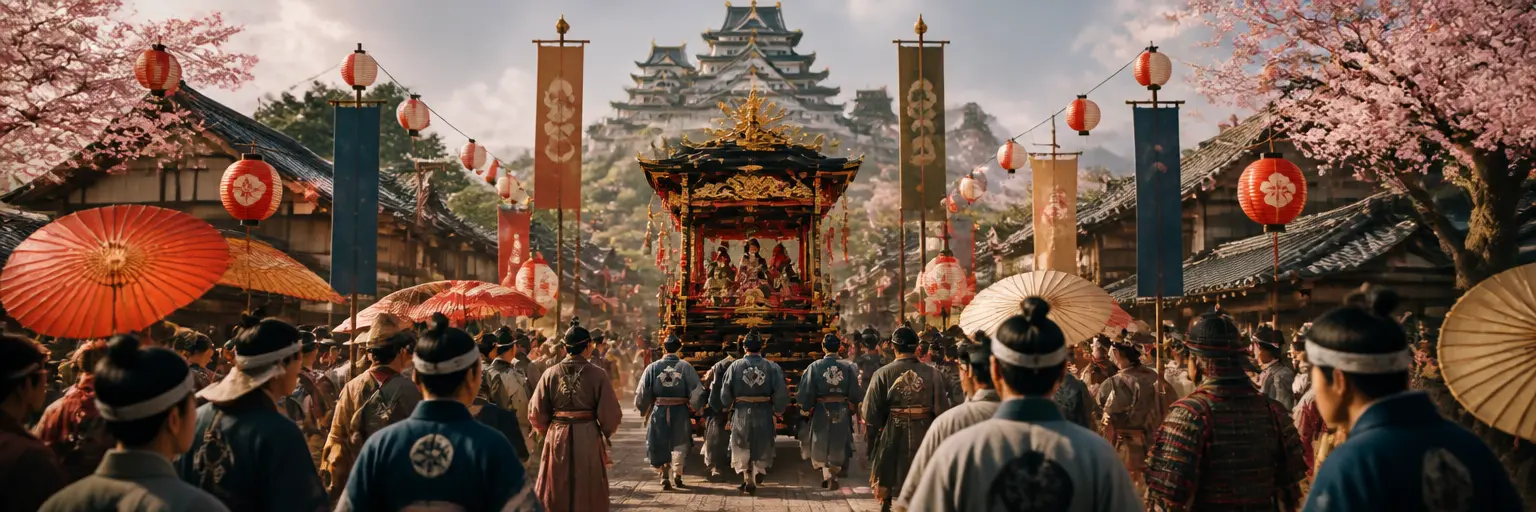
🎎 Experience the vibrant traditions of feudal Japan through cultural festivals and historic events that bring samurai heritage, religious rituals, seasonal celebrations, music, dance, and local customs to life. Discover the origins, symbolism, and enduring influence of Japan’s most captivating festivities while planning an immersive journey through the country’s rich history and cultural tourism destinations. Embrace the spirit of ancient Japan and uncover unforgettable experiences for history enthusiasts and curious travelers alike.
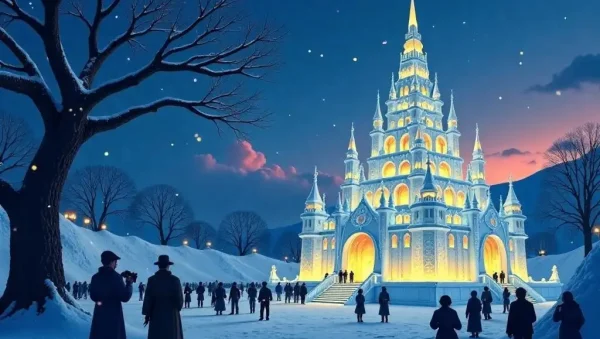
The Sapporo Snow Festival traditions showcase a breathtaking blend of artistry and cultural heritage, transforming the winter landscape into a spectacular display…
Read article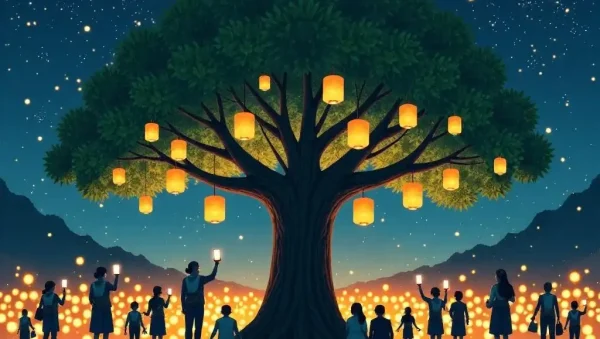
🌌 Tanabata, a vibrant celebration rooted in Japanese cultural significance, intertwines the legend of star-crossed lovers with the heartfelt tradition of making…
Read article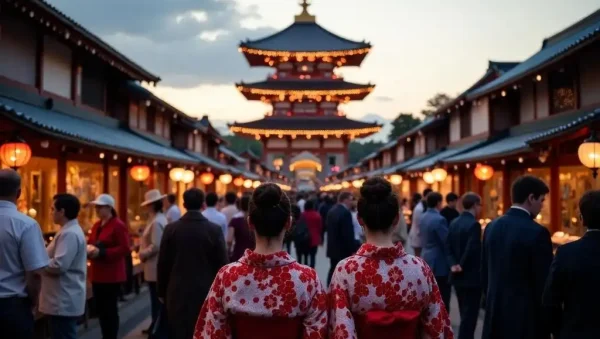
🌸 Step back in time at the Jidai Matsuri festival in Kyoto, where vibrant parades and traditional costumes celebrate Japan's feudal era.…
Read article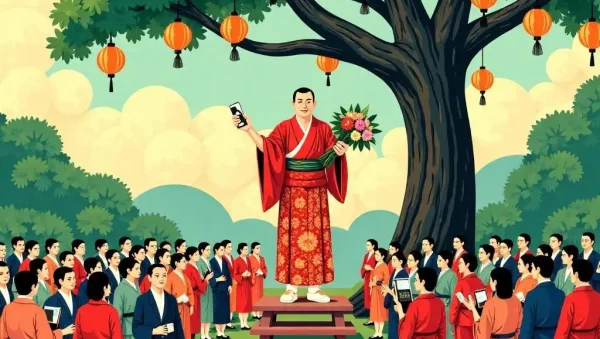
Discover the profound Buddhism impact on Japanese festivals, where ancient traditions intertwine with spiritual beliefs, shaping vibrant celebrations that reflect Japan’s rich…
Read article
🌸 Discover the enchanting Japan cherry blossom festival history, where centuries-old traditions blend with breathtaking natural beauty. This article explores the cultural…
Read article
🌸 Gion Matsuri, a vibrant celebration steeped in history, showcases Kyoto's rich cultural significance. This iconic festival not only honors local deities…
Read article
✨ Japanese calligraphy cultural festivals celebrate the intricate beauty of this ancient art form, showcasing its deep roots in Japan’s feudal era.…
Read article
🎉 Experience the magic of Traditional Japanese New Year customs, where ancient rituals and vibrant celebrations intertwine. Discover the significance of these…
Read article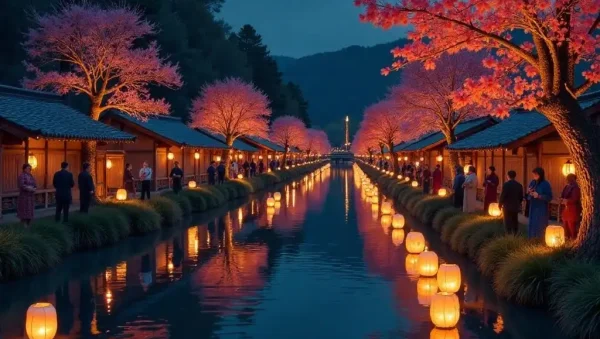
🌸 The Obon festival, a vital tradition in Japan, serves as a poignant reminder of ancestor honoring, reflecting deep spiritual connections and…
Read article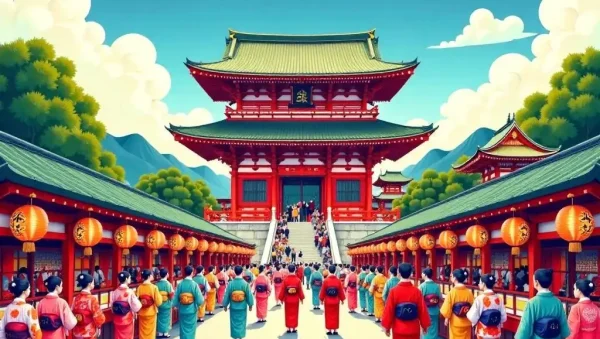
Cultural festivals in Japan serve as vibrant reflections of regional identities, showcasing a rich tapestry of traditions and practices. Understanding Japan's cultural…
Read article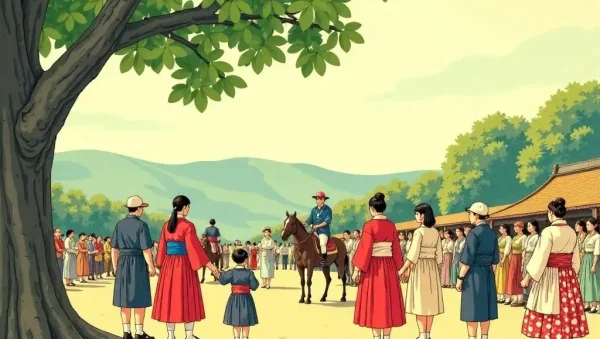
🌸 The Aoi Matsuri festival history reveals a captivating blend of ancient rituals and cultural significance in Kyoto. Celebrated since the 7th…
Read article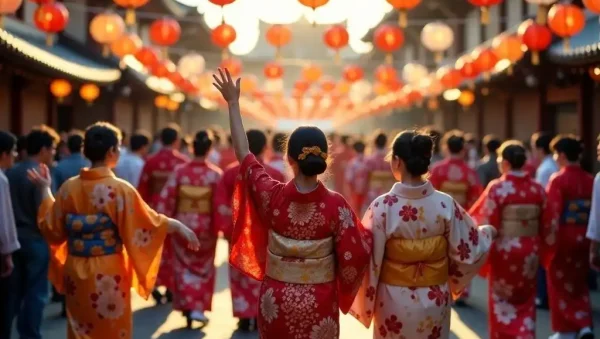
🌟 Discover the magic of lesser-known Japanese cultural festivals, where age-old traditions come alive. From vibrant local parades to unique rituals, these…
Read articleExplore the vibrant cultural festivals and events of feudal Japan, where religion, seasonal traditions, samurai customs, local communities, and courtly heritage came together. This subcategory examines the historical origins, rituals, performances, ceremonies, and social meanings behind Japan’s traditional celebrations during the Kamakura, Muromachi, Sengoku, and Edo periods. Discover how festivals shaped community identity, honored deities and ancestors, marked agricultural cycles, and reflected the political and cultural development of medieval and early modern Japan.
Readers can learn how many famous Japanese festivals developed from Shinto rituals, Buddhist ceremonies, agricultural observances, imperial traditions, and local community customs. Articles explore the relationship between religious shrines, Buddhist temples, regional authorities, and the people who organized annual celebrations throughout feudal Japan.
Detailed historical context explains how festivals changed across different eras and provinces. Expect insights into the influence of samurai governments, aristocratic culture, merchant communities, and rural villages, along with explanations of how ancient traditions survived and evolved into modern Japanese cultural events.
Discover the customs associated with matsuri, Japan’s traditional festivals, including processions, purification rites, offerings, music, dance, theatrical performances, and sacred parades. These events often followed the agricultural calendar and provided opportunities for communities to pray for prosperity, protection, good harvests, and family well-being.
Articles cover seasonal celebrations such as spring planting festivals, summer purification ceremonies, autumn harvest events, and winter observances. Readers will gain a deeper understanding of the symbolism behind lanterns, banners, portable shrines, ritual foods, ceremonial clothing, and other important elements of Japanese festival culture.
Learn how samurai and daimyo participated in public ceremonies, religious observances, military processions, and formal celebrations. Festivals could reinforce political authority, demonstrate wealth, commemorate victories, or strengthen relationships between warrior leaders, religious institutions, and local populations.
This section examines the ceremonial world of feudal Japan, including castle-town events, shrine patronage, warrior memorials, archery displays, martial demonstrations, and official processions. Readers can expect expert-driven explanations of how public spectacle communicated status, loyalty, power, and social hierarchy.
Japanese festivals were closely connected to Shinto shrines and Buddhist temples, which served as spiritual centers and community gathering places. Explore the roles of kami worship, Buddhist memorial rites, temple fairs, pilgrimage events, sacred dances, and religious processions in everyday life during the feudal period.
Content in this section explains the interaction between Buddhism and Shinto, including the historical practice of combining religious traditions. Articles also examine shrine priests, Buddhist monks, sacred objects, ritual specialists, and the local communities that maintained Japan’s religious festivals and ceremonial traditions.
Experience the artistic side of feudal Japanese festivals through Noh theater, Kyogen, sacred kagura dances, taiko drumming, traditional music, storytelling, and puppet performances. These forms of entertainment were often presented at temples, shrines, castles, and public gathering spaces.
Readers will discover how festival performances preserved legends, honored deities, celebrated historical figures, and communicated moral lessons. The section also explores costumes, masks, musical instruments, stage traditions, and the development of Japanese performing arts within religious and seasonal events.
Traditional festivals offered distinctive opportunities to experience Japanese festival food, regional ingredients, ceremonial garments, decorative objects, and handmade crafts. Articles explore how cuisine and clothing reflected local identity, social status, religious beliefs, and the changing seasons.
Expect information about festival dishes, rice offerings, sweets, sake, street foods, kimono styles, samurai attire, priestly garments, masks, fans, lanterns, and symbolic decorations. These details reveal how ordinary people participated in cultural events and expressed belonging within their communities.
Feudal Japan contained diverse provinces with distinctive landscapes, traditions, dialects, and religious practices. This section highlights regional festivals across Japan, from major urban centers such as Kyoto and Edo to castle towns, coastal settlements, mountain villages, and agricultural communities.
Readers can compare local celebrations and understand why geography, historical events, clan rule, trade routes, and regional beliefs influenced festival customs. Articles emphasize the importance of community participation and explain how local traditions contributed to the broader history of Japanese culture.
Cultural festivals in feudal Japan combined religious rituals, seasonal celebrations, public entertainment, music, dance, food, processions, and community gatherings. Many events were held at shrines or temples and were connected to agricultural cycles, spiritual protection, ancestral remembrance, or local identity.
Festivals helped samurai leaders demonstrate authority, support religious institutions, celebrate victories, honor ancestors, and strengthen relationships with local communities. Daimyo and other warrior elites often sponsored ceremonies, performances, and shrine events as expressions of political power and cultural prestige.
Matsuri is a Japanese term commonly translated as festival or celebration. Traditionally, it referred to events involving the honoring of kami, sacred rituals, offerings, processions, music, dance, and communal participation. Different regions developed their own matsuri customs based on local history and beliefs.
Both Shinto and Buddhism strongly influenced Japanese festivals. Shinto contributed kami worship, purification rituals, shrine processions, and agricultural ceremonies, while Buddhism shaped temple events, memorial services, pilgrimages, and religious performances. In many communities, the two traditions existed together.
Yes. Many Japanese festivals continue to preserve historical customs, including portable shrine processions, traditional dances, period costumes, martial arts demonstrations, theatrical performances, and temple or shrine ceremonies. Although modern celebrations have evolved, they offer valuable connections to Japan’s feudal history and enduring cultural heritage.