
The Art of Combat: Unveiling the Best Martial Arts Schools in Feudal Japan

Welcome to Feudal Japan History, where the echoes of ancient warriors come alive! Dive into our latest article, "The Art of Combat: Unveiling the Best Martial Arts Schools in Feudal Japan," and uncover the secrets behind the legendary training grounds that shaped some of the greatest fighters in history. What made these schools the epicenters of martial prowess, and how did they influence the very fabric of Japanese culture? Embark on this captivating journey with us, as we unravel the rich tapestry of feudal Japan's martial arts legacy—your adventure into the past begins now!
Introduction to Feudal Japan's Martial Arts Schools
The feudal era of Japan, spanning from the 12th to the 19th century, was a time of profound transformation, marked by the rise of the samurai class and the establishment of a complex social hierarchy. Within this intricate tapestry of history, martial arts emerged not only as a means of combat but also as a vital component of culture and philosophy. The best martial arts schools in feudal Japan played a pivotal role in shaping the skills and ethical frameworks of warriors, ensuring the preservation of techniques that would influence generations to come.
Martial arts during this period were deeply intertwined with the values of honor, discipline, and loyalty. Schools, or ryu, specialized in various combat styles, including kenjutsu (swordsmanship), iaijutsu (quick-draw techniques), and naginatajutsu (polearm techniques). Each school developed its own unique curriculum and training methods, often passed down through family lineages, making them distinct and respected entities within the martial arts community.
The training in these schools was rigorous and multifaceted, encompassing not only physical combat techniques but also mental discipline and spiritual cultivation. Students were taught to embody the principles of bushido, the way of the warrior, which emphasized virtues such as bravery, respect, and integrity.
In this article, we will embark on a comprehensive exploration of the top martial arts schools in feudal Japan, examining their historical significance, the techniques they taught, and their enduring legacy in the realm of martial arts. Through this journey, we will unveil the mastery of combat that defined an era and continues to inspire martial artists today.
- What were the most prominent martial arts schools in Feudal Japan?
- How did the samurai influence martial arts education during this era?
- What role did philosophy play in martial arts training?
- Were martial arts schools accessible to the general public?
- How did martial arts evolve during the feudal era?
Understanding the Best Martial Arts Schools in Feudal Japan
In Feudal Japan, martial arts schools were pivotal in shaping the combat skills and ethical values of samurai and warriors. The term "best martial arts schools feudal Japan" encompasses not only the skill level imparted to students but also the historical significance, lineage, and cultural impact of these institutions. These schools, known as "dojo," were often founded by renowned masters who had perfected their techniques and philosophies, ensuring that their teachings would endure through generations.
The concept of "best" in this context is multi-faceted. It includes the quality of instruction, the success of its students in battle, the depth of its curriculum, and the school's ability to adapt to changing times. Furthermore, the reputation of a martial arts school was often tied to its historical lineage, with many tracing their roots back to famous samurai or legendary battles.
What Constitutes the Best Martial Arts Schools?
To determine what makes a martial arts school the "best," several criteria come into play:
- Lineage and Tradition: Schools that can trace their teachings back to notable historical figures or events hold significant esteem. For example, the Kashima Shinto-ryu school claims roots in the 16th century and emphasizes both technique and spiritual development.
- Curriculum and Techniques: The breadth of techniques taught plays a crucial role. Schools that offer a comprehensive curriculum covering various weapons, hand-to-hand combat, and tactical strategies are often viewed as superior. For instance, Niten Ichi-ryu, founded by the legendary swordsman Miyamoto Musashi, is celebrated for its dual-sword techniques.
- Reputation and Success: The reputation of a school often reflects its success in tournaments and in actual combat. Schools with a history of producing skilled warriors or champions in martial competitions are frequently considered among the best.
- Philosophy and Ethics: The teachings surrounding the philosophy of martial arts, including discipline, respect, and honor, are essential. Schools like Tenshin Shoden Katori Shinto-ryu emphasize the moral aspects of combat training, which are vital for a warrior's development.
- Adaptability: The ability of a martial arts school to evolve with the times while maintaining traditional values is crucial. Schools that successfully incorporate modern techniques while respecting their heritage attract a wider audience.
Historical Context of Martial Arts Schools in Feudal Japan
The development of martial arts schools in Feudal Japan can be traced back to the Kamakura period (1185-1333), when the samurai class emerged as a dominant force. As warfare became more organized, the need for specialized training led to the establishment of various martial arts schools.
- Kamakura to Muromachi Periods (1185-1573): This era saw the rise of schools focused on kenjutsu (sword techniques) and other weapon arts. Notable schools like Itto-ryu and Muso Jikiden Eishin-ryu flourished, emphasizing the importance of swordsmanship.
- Azuchi-Momoyama Period (1573-1603): With the unification of Japan under Oda Nobunaga and Toyotomi Hideyoshi, martial arts schools began formalizing their teachings. The establishment of the Bujutsu schools marked a significant shift, as combat training became more structured and codified.
- Edo Period (1603-1868): The prolonged peace of this era allowed martial arts to evolve from battlefield applications to more refined practices. Schools expanded their curricula to include not just combat skills but also philosophical teachings. Schools like Jigen-ryu and Yagyu Shinkage-ryu became prominent, emphasizing strategy and mental discipline alongside physical training.
The legacy of these martial arts schools remains significant, influencing modern martial arts practices in Japan and beyond. The principles of honor, respect, and discipline that were instilled in students during the feudal era continue to resonate within martial arts communities today. Understanding this historical context is crucial for appreciating the depth and complexity of the best martial arts schools in feudal Japan.
The Top Martial Arts Schools in Feudal Japan
Feudal Japan, a time steeped in tradition and discipline, is renowned for its rich martial arts heritage. The best martial arts schools in feudal Japan not only trained warriors but also shaped the very culture of martial combat, weaving together techniques, philosophy, and strategy. This section delves into three of the most influential martial arts schools from this era, each with unique contributions to the art of combat.
1. Katori Shinto-ryu: The Oldest Martial Arts School
Katori Shinto-ryu, founded in the 15th century by Choisai Ienao, holds the distinction of being the oldest martial arts school in Japan. It is revered not just for its age but also for its profound influence on subsequent schools. The curriculum of Katori Shinto-ryu encompasses a wide array of combat techniques, including:
- Kenjutsu (swordsmanship)
- Bojutsu (staff techniques)
- Iaijutsu (quick-draw sword techniques)
- Naginatajutsu (halberd techniques)
The school is steeped in the philosophy of harmony and balance, aiming to cultivate both physical skill and mental discipline. Katori Shinto-ryu’s teachings emphasize the importance of understanding one's opponent and adapting to the flow of battle.
In the late 19th century, Katori Shinto-ryu began to spread outside of Japan, influencing martial artists worldwide. Today, it remains an essential pillar of traditional Japanese martial arts, with practitioners dedicated to preserving its techniques and philosophies.
2. Tenshin Shoden Katori Shinto-ryu: A Comprehensive Study
An offshoot of Katori Shinto-ryu, Tenshin Shoden Katori Shinto-ryu was established to further refine and document the school’s teachings. This comprehensive study of combat techniques not only focuses on martial skill but also integrates aspects of strategy and philosophy. Key elements of Tenshin Shoden Katori Shinto-ryu include:
- Tactical Training: Understanding battlefield dynamics and the psychological aspects of combat.
- Weapons Variety: Training encompasses a vast array of weapons, including swords, spears, and grappling techniques.
- Philosophical Foundations: Emphasizes the mental aspect of combat, encouraging practitioners to develop a warrior's mindset.
The school is particularly noted for its kata (forms), which serve as a method of preserving and transmitting techniques from one generation to the next. Each kata encapsulates a strategic lesson, teaching students not only how to fight but also how to think critically in combat scenarios.
Tenshin Shoden Katori Shinto-ryu continues to attract practitioners who are eager to dive into the depths of martial arts, blending historical techniques with modern interpretations.
3. Yagyu Shinkage-ryu: The School of Strategy
Founded by Yagyu Munenori in the 16th century, Yagyu Shinkage-ryu is often referred to as the "School of Strategy" due to its unique approach to martial arts training. This school is distinguished by its focus on strategy over brute strength, emphasizing the following principles:
- Kata for Combat: Each kata is designed to teach not only fighting techniques but also strategic movement and positioning.
- Mindfulness in Combat: Students are trained to remain calm and collected, cultivating mental fortitude alongside physical prowess.
- Philosophical Insights: The teachings draw from Zen principles, promoting self-awareness and introspection as vital components of martial prowess.
Yagyu Shinkage-ryu played a significant role in shaping the samurai’s approach to combat during the Edo period. Its strategies were not just about victory in battle but also about achieving harmony and balance in life. This school has continued to thrive, with many practitioners today exploring its rich history while honing their martial skills.
The legacy of these martial arts schools reflects the complexity and depth of combat training in feudal Japan. Each school elucidated unique philosophies, techniques, and strategies that continue to resonate with martial artists around the world today. Their influence is still felt in modern martial arts practices, ensuring that the art of combat remains a vibrant and evolving discipline.
4. Niten Ichi-ryu: The Way of Two Skies as One
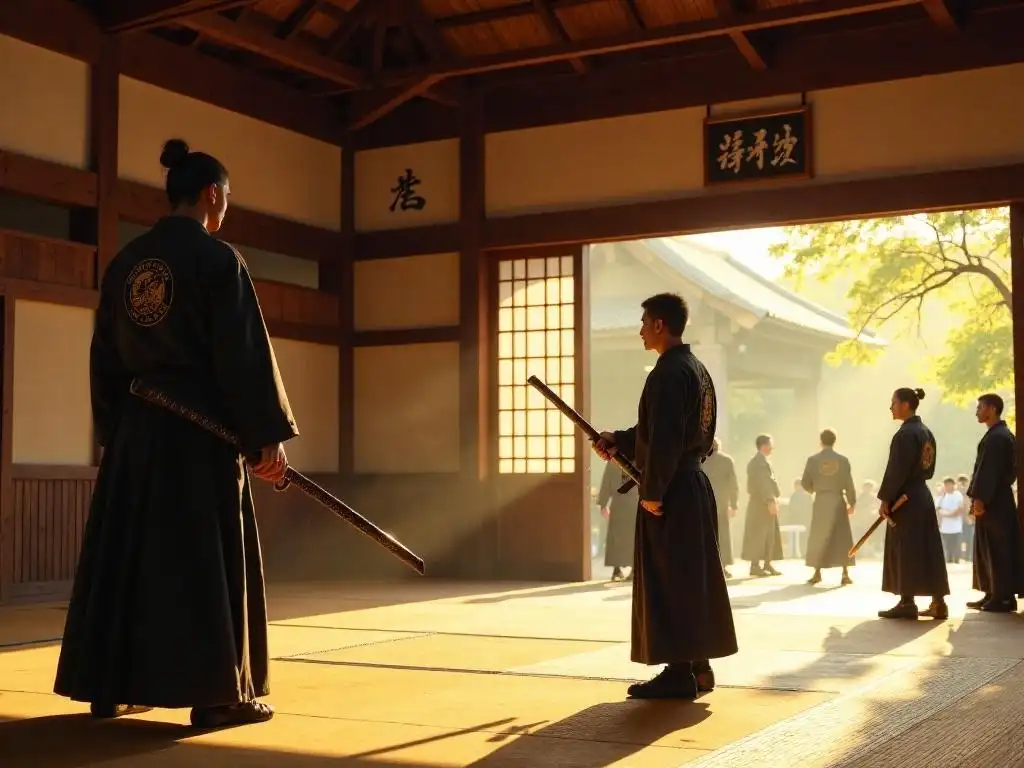
Niten Ichi-ryu, founded by the legendary swordsman Miyamoto Musashi in the early 17th century, is one of the most renowned martial arts schools in feudal Japan. The name, which translates to "Two Heavens as One," embodies Musashi's philosophy of dual swordsmanship, where a practitioner wields both the katana and the wakizashi simultaneously. This unique approach to combat emphasizes balance, timing, and the seamless integration of two weapons to create a formidable offensive and defensive strategy.
Musashi's teachings focused heavily on adaptability and the importance of understanding one's opponent. He believed that mastering the art of combat required not just physical skill but also mental acuity and strategic thinking. The Niten Ichi-ryu curriculum includes various forms of kata (pre-arranged forms) that teach students how to respond effectively in different combat scenarios. These kata are essential for developing muscle memory and honing the precision needed for effective swordplay.
The legacy of Niten Ichi-ryu extends beyond mere swordsmanship; it encapsulates a philosophy of life. Musashi's book, "The Book of Five Rings," outlines his thoughts on strategy, tactics, and the mindset required to excel in martial arts and life. Today, Niten Ichi-ryu continues to thrive, with dojos around the world preserving Musashi's teachings and promoting the principles of dual swordsmanship.
5. Jigen-ryu: The School of Swift and Powerful Strikes
Jigen-ryu, established in the late 16th century by Hayashizaki Jinsuke Shigenobu Masayoshi, is another prominent martial arts school in feudal Japan known for its emphasis on aggressive techniques and powerful strikes. The school is characterized by its dynamic and explosive movements, which contrast sharply with the more defensive styles of other martial arts schools. The primary focus of Jigen-ryu is to deliver swift, decisive blows that overwhelm opponents before they can react.
One of the key tenets of Jigen-ryu is the use of the body’s weight and momentum to enhance the power of strikes. Practitioners are trained to engage their entire body in a single motion, generating immense force that can cut through an opponent's guard. This approach not only increases the effectiveness of the techniques but also fosters a sense of confidence in the practitioner, allowing them to engage aggressively in combat.
Jigen-ryu places significant emphasis on practical application through sparring and kata. Students learn to execute their techniques against live opponents, developing timing and precision under pressure. This practical training ensures that practitioners can adapt their skills to real-world encounters, making Jigen-ryu a formidable martial art during its time. The legacy of Jigen-ryu remains strong today, with dojos dedicated to preserving its techniques and philosophy, attracting those who seek to master the art of swift and powerful strikes in the spirit of its founder.
Comparing the Best Martial Arts Schools in Feudal Japan
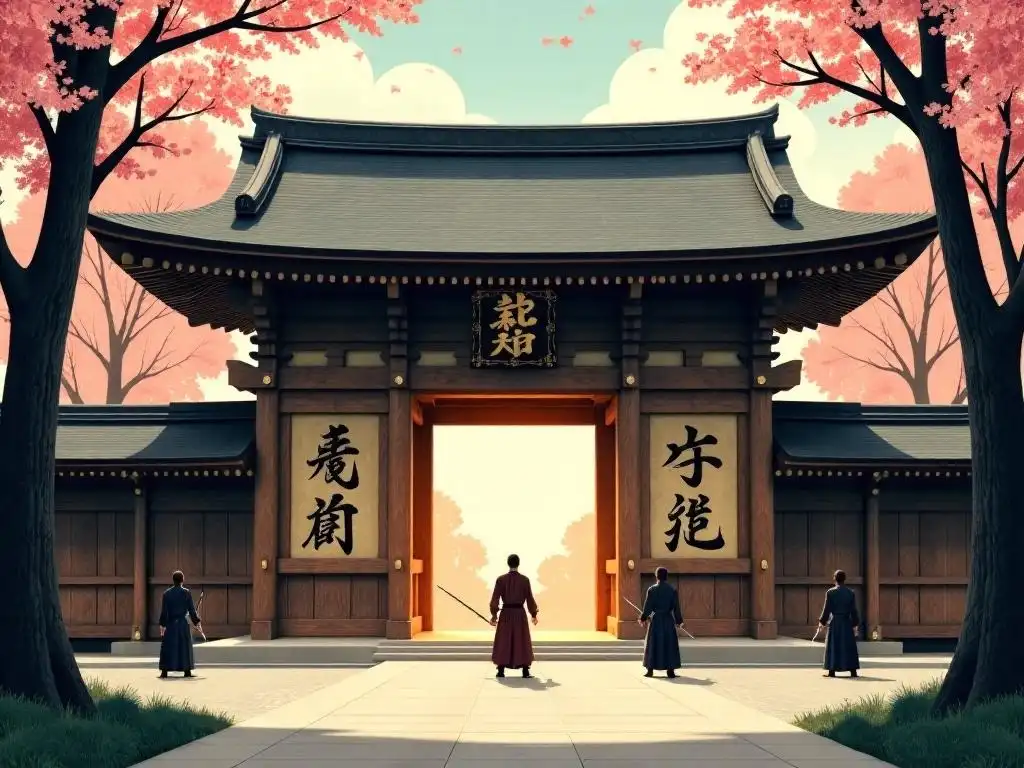
Key Features of Each School
The feudal era of Japan saw the emergence of several martial arts schools, each with unique philosophies, techniques, and training methods. Below is a comparison of some of the best martial arts schools that shaped the combat landscape during this period.
- Kashima Shinto-ryu
- Founded: 16th century
- Focus: Kenjutsu (swordsmanship)
- Key Characteristics:
- Emphasizes the spiritual aspect of martial arts.
- Techniques include both offensive and defensive maneuvers, promoting a balance between aggression and restraint.
- Practitioners often engage in kata (forms) that reflect historical battles and philosophies.
- Katori Shinto-ryu
- Founded: 15th century
- Focus: Comprehensive martial arts system including kenjutsu, iaijutsu, and naginatajutsu.
- Key Characteristics:
- One of the oldest martial arts schools in Japan.
- Combines various weapon techniques with unarmed combat.
- Strong emphasis on strategy and the mental aspects of combat.
- Muso Jikiden Eishin-ryu
- Founded: 17th century
- Focus: Iaijutsu (quick-draw sword techniques)
- Key Characteristics:
- Focuses on the drawing of the sword and immediate response to an attack.
- Techniques are rooted in principles of timing and precision.
- Often practiced with a partner to simulate real combat scenarios.
- Tenshin Shoden Katori Shinto-ryu
- Founded: 15th century
- Focus: Multi-disciplinary martial arts including kenjutsu, iaijutsu, and bojutsu (staff techniques).
- Key Characteristics:
- Encompasses a wide range of traditional weapons.
- Integrates practical combat skills with philosophical teachings.
- Notable for its rigorous training regimen and historical lineage.
- Yagyu Shinkage-ryu
- Founded: 16th century
- Focus: Kenjutsu and strategy.
- Key Characteristics:
- Known for its emphasis on the psychological aspects of combat.
- Techniques are designed to be adaptable to various situations.
- The school has historical ties to samurai families, influencing the development of bushido.
Advantages and Disadvantages of Each School
When evaluating the best martial arts schools in feudal Japan, it’s essential to consider the strengths and weaknesses of each. Here’s a breakdown:
| Martial Arts School | Advantages | Disadvantages |
|---|---|---|
| Kashima Shinto-ryu | - Deep spiritual training - Flexible techniques |
- May be less practical for modern combat scenarios |
| Katori Shinto-ryu | - Comprehensive combat training - Strong historical roots |
- Complexity can overwhelm beginners |
| Muso Jikiden Eishin-ryu | - Quick-response techniques - Highly effective in surprise attacks |
- Limited to sword techniques only |
| Tenshin Shoden Katori Shinto-ryu | - Diverse weapon training - Strong philosophical foundation |
- Requires extensive time commitment to master |
| Yagyu Shinkage-ryu | - Psychological approach enhances combat readiness - Adaptable techniques |
- May lack emphasis on unarmed combat skills |
Each of these schools offers unique benefits that cater to different aspects of martial training, making them integral to the understanding of combat in feudal Japan. Selecting a school often depended on the individual’s goals, background, and the specific combat challenges they faced during their time.
The best martial arts schools in feudal Japan not only imparted skills in combat but also fostered a deeper understanding of the warrior’s way, blending physical training with mental and spiritual development.
How to Choose the Right Martial Arts School in Feudal Japan
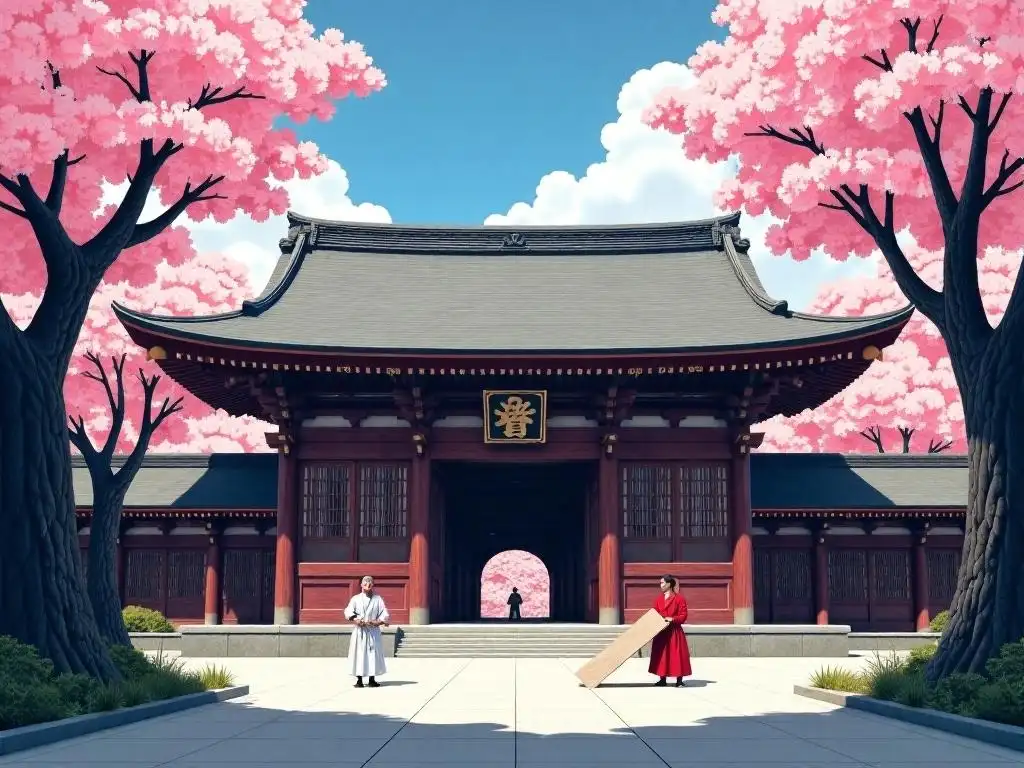
Choosing the right martial arts school in feudal Japan was critical for warriors, as it shaped their skills and philosophies. Several factors influenced the decision-making process, reflecting the intricate relationship between a student and their chosen dojo.
Factors to Consider When Selecting a School
When selecting a martial arts school, potential students in feudal Japan considered a variety of factors that could impact their training and development. Below are some of the most significant aspects to evaluate:
- Reputation of the School
- The school’s reputation was paramount. Renowned schools often had well-respected masters known for their combat prowess and teaching methods. Students sought schools with a track record of producing successful warriors.
- Key Indicators of Reputation:
- Historical success in battles
- Notable alumni
- Endorsements from influential samurai
- Teaching Style and Philosophy
- Different schools had unique philosophies and teaching methods. Some focused on strict discipline and traditional techniques, while others emphasized adaptability and creativity in combat.
- Common Philosophies:
- Koryū: Ancient schools that emphasized classical techniques and forms.
- Gendai: Modern schools that might integrate contemporary methods and strategies.
- Location and Accessibility
- The geographical location of the school played a crucial role. Schools situated near major cities or battlefields often attracted more students due to their accessibility and the opportunity for practical training.
- Students needed to consider travel time and the safety of the routes to and from the dojo.
- Type of Martial Art Offered
- Different schools specialized in various martial arts, including kenjutsu (swordsmanship), iaijutsu (quick-draw sword techniques), and sojutsu (spear techniques).
- Potential students should assess which martial art aligns with their interests and career goals as a warrior or samurai.
- Mastery of the Instructor
- The skill level and experience of the instructor were crucial. Students sought masters who had not only mastered their art but also possessed the ability to teach and mentor effectively.
- Questions to Ask:
- What are the master’s credentials?
- What battles has the instructor participated in?
- How does the instructor approach teaching?
- Training Environment
- The physical environment of the dojo was important for effective training. Factors such as space, safety, and available resources (weapons, training equipment) influenced the quality of training.
- Students often looked for dojos that provided a supportive and respectful atmosphere conducive to learning.
- Cost and Commitment
- Financial considerations were significant. The cost of tuition, equipment, and ongoing training could be substantial.
- Commitment Levels:
- Some schools required full-time dedication, while others offered part-time training.
- Understanding the time commitment required was vital for managing expectations.
- Community and Brotherhood
- The sense of community within a school played a role in the overall experience. Students sought schools that fostered camaraderie and mutual support among students.
- Benefits of a Supportive Community:
- Enhanced motivation
- Opportunities for collaboration and practice
By carefully evaluating these factors, individuals in feudal Japan could make informed decisions when selecting the best martial arts schools to enhance their combat skills and prepare for their roles as warriors.
Conclusion: The Legacy of Martial Arts Schools in Feudal Japan
The martial arts schools of feudal Japan played a pivotal role in shaping not only the physical prowess of samurai warriors but also the cultural and philosophical frameworks that governed their lives. These institutions were far more than mere training grounds; they were crucibles of discipline, honor, and strategy that contributed significantly to the intricate tapestry of Japanese society during this era.
The best martial arts schools in feudal Japan established rigorous training regimens that included various combat techniques, weapon mastery, and mental conditioning. Techniques such as Kenjutsu (swordsmanship), Iaijutsu (drawing the sword), and Sojutsu (spear fighting) became foundational elements of samurai training, deeply influencing their combat effectiveness and strategic thinking on the battlefield.
Moreover, these schools instilled a strong sense of Bushido, the way of the warrior, which emphasized virtues like loyalty, courage, and respect. This ethical code was essential not only for martial effectiveness but also for the maintenance of social order and harmony within feudal Japan. The teachings from these schools transcended mere combat skills, fostering a mindset that valued self-discipline, continuous learning, and emotional resilience.
As Japan transitioned from feudalism to modernization in the late 19th century, many of these martial arts schools adapted, preserving their legacies while integrating modern elements. Today, the influence of these ancient practices continues, with many styles and schools tracing their lineage back to the original martial arts institutions.
The martial arts schools of feudal Japan were instrumental in shaping the cultural identity of the samurai and the broader society. Their legacies endure, reminding us of the profound impact that martial arts can have on individual character and collective identity.
Call to Action
If you're intrigued by the rich history and cultural significance of martial arts schools in feudal Japan, consider diving deeper into this fascinating topic. Explore the unique styles, the legendary masters, and the enduring philosophies that originated in this era.
- Join a local dojo to experience martial arts firsthand.
- Read more about specific schools and their contributions to martial arts as we know them today.
- Engage with fellow enthusiasts and share your insights on the legacies of these ancient teachings.
Embrace the journey of discovery and let the legacy of feudal Japan's martial arts schools inspire your own path!
Frequently Asked Questions
What were the most prominent martial arts schools in Feudal Japan?
The most prominent martial arts schools included the Kashima Shinto-ryu and Katori Shinto-ryu, known for their comprehensive training in various combat techniques and philosophies.
How did the samurai influence martial arts education during this era?
The samurai were key figures in the martial arts schools, as they promoted rigorous training in weaponry and hand-to-hand combat, shaping the martial arts culture of Feudal Japan.
What role did philosophy play in martial arts training?
Philosophy played a significant role by emphasizing discipline, respect, and the spiritual aspects of combat, which were integral to the training and mindset of martial artists.
Were martial arts schools accessible to the general public?
In general, martial arts schools were primarily designed for the samurai class, although some schools did offer training to commoners, especially for self-defense.
How did martial arts evolve during the feudal era?
Martial arts evolved by incorporating various techniques and styles, driven by the needs of warfare and the social structure of Feudal Japan, leading to the establishment of distinct schools and practices.
Final Reflection: The Enduring Legacy of Martial Arts in Feudal Japan
The exploration of the best martial arts schools in feudal Japan reveals a profound connection between discipline, culture, and self-discovery. Today, as we navigate a world filled with chaos and uncertainty, the principles taught in these ancient schools resonate more than ever. The art of combat transcends mere physicality; it embodies a philosophy of resilience and respect that remains relevant in our modern lives.
The influence of these martial arts schools has shaped not only the warriors of their time but also the cultural identity of Japan as a whole. The teachings of honor, perseverance, and mastery continue to inspire countless individuals around the globe. As the renowned martial artist Bruce Lee once said, The successful warrior is the average man, with laser-like focus.
This statement encapsulates the essence of what these schools imparted: that greatness is not reserved for the elite, but can be achieved through dedication and a clear vision.
As we reflect on the lessons of feudal Japan's martial arts, let us embrace the opportunity to cultivate our own paths of growth and self-improvement. I invite you to consider how the values of discipline, respect, and perseverance can be integrated into your daily life. Whether through physical training, personal challenges, or professional endeavors, remember that the spirit of the warrior lives on in each of us, urging us to strive for excellence and to honor the journey of self-discovery.
Embark on Your Martial Arts Journey Today!
Thank you for diving into the fascinating world of martial arts in feudal Japan! We hope this exploration has ignited your passion for learning and appreciating the rich history and techniques of these combat arts. Now, it’s time to take those insights and transform them into action!
Here are a few ways you can further engage with this incredible subject:
- Explore a local martial arts school: Find a dojo nearby that specializes in traditional Japanese martial arts. **Begin your training** and connect with a rich heritage!
- Share your knowledge: Discuss what you’ve learned with friends or on social media. **Inspire others** to discover the beauty of martial arts from feudal Japan!
- Join an online forum or community: Connect with fellow enthusiasts to exchange tips, techniques, and stories related to the history of martial arts.
What aspect of feudal martial arts intrigues you the most, and how do you plan to incorporate it into your own journey?