
The Samurai and Their Role in Japan's Civil Wars

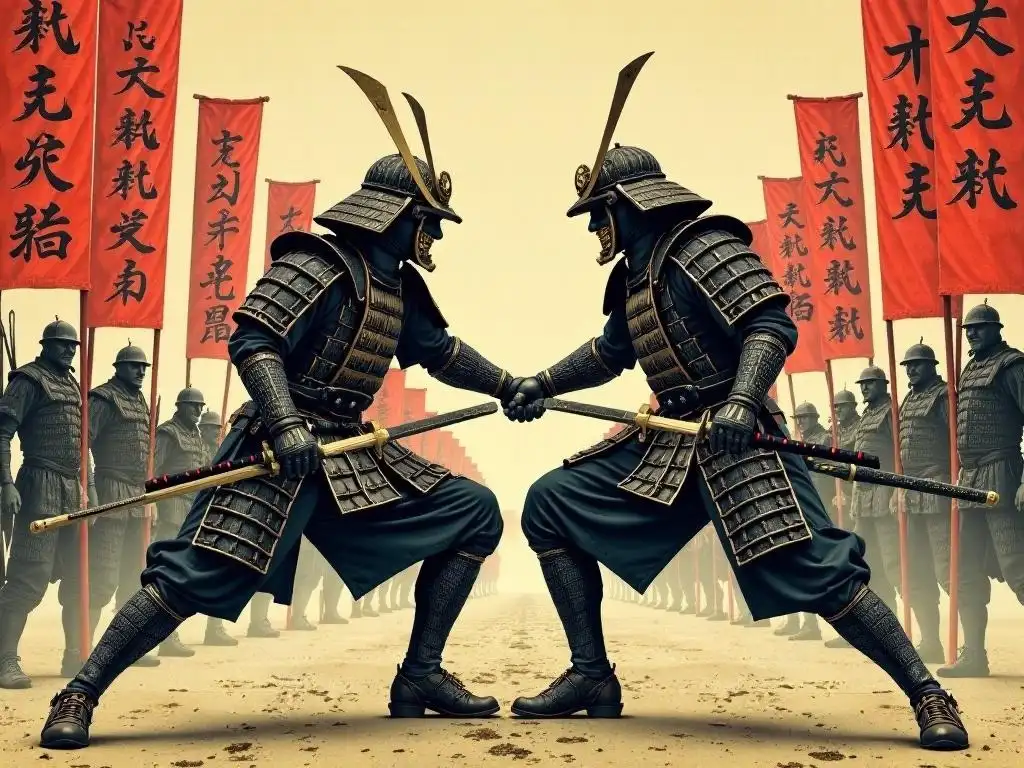
Welcome to Feudal Japan History, where we invite you to embark on a captivating journey through the intricate tapestry of Japan’s feudal era. Here, we unravel the profound influence of the Samurai in civil wars, a topic that has shaped not only the battlefields but the very essence of Japanese culture and society. What drove these legendary warriors into the heart of conflict? Discover the layers of loyalty, honor, and ambition that painted the landscape of feudal Japan. Dive deeper into our exploration and uncover the stories that continue to resonate through the ages.
Introduction to Samurai Influence in Civil Wars
The samurai, often romanticized as noble warriors, were pivotal figures in shaping the course of Japan's history, particularly during the tumultuous periods of civil strife known as the Japanese Civil Wars. Their influence extended far beyond the battlefield; they were integral to the political, cultural, and social dynamics of feudal Japan.
This article aims to provide an in-depth exploration of the samurai influence in civil wars, examining their roles, motivations, and the profound impact they had on the evolution of Japan during these chaotic times. By understanding the samurai's multifaceted contributions, we can better appreciate the complexities of Japan's feudal era and the legacy that continues to resonate today.
Overview of Japan's Civil Wars
Japan's civil wars, primarily occurring from the late 12th century through the 17th century, were marked by a series of conflicts involving powerful clans vying for dominance. These wars were characterized by shifting alliances, betrayals, and the rise and fall of numerous feudal lords, or daimyōs. The samurai, as the warrior class, played a crucial role in these conflicts, serving both as soldiers and as leaders. Their martial skills, loyalty to their lords, and adherence to the bushido code—an ethical system that emphasized honor, courage, and loyalty—defined their participation in these civil wars.
Key Periods of Conflict in Feudal Japan
- The Genpei War (1180-1185)
- This conflict between the Taira and Minamoto clans marked the beginning of the samurai's political power in Japan. The Minamoto’s victory led to the establishment of the Kamakura Shogunate, a military government that would influence samurai culture and governance for centuries.
- The Nanboku-chō Period (1336-1392)
- Following the Kamakura period, this era saw a power struggle between the Northern and Southern Courts. Samurai factions aligned themselves with different emperors, further fracturing the political landscape and showcasing the samurai's central role in these conflicts.
- The Sengoku Period (1467-1603)
- Often referred to as the "Warring States" period, the Sengoku era was defined by nearly constant military conflict. The rise of influential daimyōs, such as Oda Nobunaga and Toyotomi Hideyoshi, highlighted the strategic and military prowess of the samurai, who became essential to the unification of Japan under a single rule.
Major Players in the Civil Wars
The civil wars were not merely battles but involved a complex web of relationships and rivalries among various factions. Some of the major players included:
- Minamoto Clan:
- Key figures such as Minamoto no Yoritomo established the first shogunate, setting the stage for samurai governance in Japan.
- Taira Clan:
- As formidable adversaries during the Genpei War, their downfall marked a significant shift in power toward the Minamoto.
- Oda Nobunaga:
- A revolutionary daimyō who used innovative tactics and strategies to defeat rival clans and consolidate power during the Sengoku period.
- Toyotomi Hideyoshi:
- Nobunaga's successor, Hideyoshi further unified Japan and implemented reforms that influenced samurai life and governance.
- Tokugawa Ieyasu:
- The founder of the Tokugawa shogunate, Ieyasu's victory at the Battle of Sekigahara in 1600 effectively ended the Sengoku period and established a long-lasting peace, shaping the future of the samurai class.
Through these key periods and figures, the samurai's influence in Japan's civil wars not only transformed the military landscape but also laid the foundation for the enduring legacy of samurai culture in modern Japan.
The Rise of the Samurai Class
The rise of the samurai class in Japan marked a pivotal shift in the social and political landscape of the country during the feudal era. Emerging from earlier warrior groups, the samurai became the dominant military force, significantly influencing Japan's civil wars and governance. Initially, the samurai were local landowners and military retainers who served the aristocracy, but by the late Heian period (794-1185), they began to consolidate power and establish their own identity as a distinct warrior class.
The samurai's ascent can be traced back to their roles in protecting land and maintaining order in a time of political fragmentation. As the central authority weakened, particularly during the late Heian period, regional warlords (daimyō) began to rely increasingly on these skilled warriors. This dependence on samurai for military support led to the formation of a feudal system, where loyalty and service were exchanged for land and protection.
As Japan transitioned into the Kamakura period (1185-1333), the samurai established their dominance not only on the battlefield but also in governance. The establishment of the Kamakura shogunate marked the beginning of a new era where the samurai class held political power, further solidifying their role in Japan's civil wars, which were characterized by clan rivalries and struggles for supremacy.
Origins of the Samurai in Feudal Japan
The origins of the samurai can be traced back to the early Heian period, where they emerged from the ranks of local warriors known as bushi. Initially, these warriors were tasked with protecting the land from external threats and enforcing the will of the aristocracy. Over time, their roles evolved as Japan became increasingly fragmented politically, leading to the rise of powerful clans.
The term "samurai" itself originates from the Japanese word "saburau," meaning "to serve," which reflects their role as loyal retainers to the daimyō. Early samurai were primarily mounted archers, utilizing horseback combat skills that were essential for warfare at the time. However, as the need for more versatile combat strategies arose, their training expanded to include swordsmanship, hand-to-hand combat, and the use of various weapons.
As the samurai class solidified its identity, they began to adopt distinct cultural practices, including a unique code of ethics that would later shape their behavior in warfare and society. This transition marked the beginning of a long-standing tradition of valor, loyalty, and honor, setting the stage for their significant influence in Japan's civil wars.
The Evolution of Samurai Warfare Tactics
Samurai warfare tactics evolved significantly over the centuries, adapting to the changing nature of combat and the political landscape of feudal Japan. In the early periods, battles primarily involved mounted archers who utilized speed and mobility to outmaneuver their enemies. This style of warfare emphasized ranged attacks and the use of terrain to gain advantages.
As warfare became more complex, particularly during the Sengoku period (1467-1603), the samurai began to incorporate new strategies into their tactics. The introduction of firearms, such as matchlocks, significantly altered combat dynamics. Samurai had to adapt to these developments by training in the use of gunpowder weapons alongside traditional swordsmanship and archery.
Moreover, the rise of castle warfare necessitated changes in tactics. Siege warfare became more prominent, leading to the development of specialized units adept at breaching fortifications. The samurai also began to employ more coordinated formations and tactics, such as the use of infantry alongside cavalry, which allowed for more strategic flexibility on the battlefield.
The evolution of samurai warfare tactics not only enhanced their effectiveness in combat but also reflected the broader societal changes occurring in feudal Japan. As the samurai adapted to new challenges, their impact on civil warfare became increasingly pronounced, solidifying their role as formidable warriors.
The Role of Samurai in Civil Warfare
The role of samurai in civil warfare during Japan's feudal era was multifaceted, encompassing not only their function as warriors but also their influence on political and social structures. As conflicts between clans erupted, samurai became key players in the struggles for power, often aligning themselves with various factions based on loyalty, kinship, or political expediency.
The samurai's involvement in civil wars was characterized by their commitment to their lords and their warrior ethos. They engaged in numerous battles, sieges, and skirmishes, often fighting for the interests of their respective daimyō. This loyalty was not merely a matter of duty but was deeply ingrained in the samurai culture, where honor and reputation were paramount.
Additionally, samurai often served as local leaders and administrators, wielding significant influence over the peasantry and local governance. Their ability to mobilize resources and rally support was crucial during times of conflict, as they sought to expand their own power and that of their lords. The samurai's role in civil warfare thus extended beyond the battlefield, shaping the very fabric of feudal Japanese society.
Samurai as Warriors: Training and Skills
The training and skills of samurai were critical components of their effectiveness in warfare. From a young age, samurai were trained in various martial disciplines, including horseback riding, archery, and kenjutsu (swordsmanship). This rigorous training regime instilled discipline, physical fitness, and combat proficiency.
In addition to physical skills, samurai were also educated in strategy and tactics. They studied historical battles, learning from both victories and defeats, which informed their approach to warfare. The samurai's martial training was complemented by a strong emphasis on mental discipline and ethical conduct, as they were expected to embody the ideals of honor and loyalty.
Moreover, the use of various weapons played a crucial role in their training. While the katana became the iconic symbol of the samurai, they were proficient in a range of weaponry, including the naginata (polearm), tanto (dagger), and yumi (bow). This versatility allowed them to adapt to different combat situations and enhance their effectiveness on the battlefield.
The comprehensive training of samurai not only prepared them for the rigors of warfare but also cultivated a deep sense of identity and purpose, reinforcing their commitment to their lords and the samurai code.
Leadership Roles of Samurai in Battles
Samurai played essential leadership roles in battles, often serving as commanders and strategists. Their training and experience endowed them with the skills necessary to lead troops effectively, making critical decisions that could alter the course of a conflict. The samurai's reputation for bravery and honor often inspired loyalty and courage among their followers, further solidifying their leadership status.
In many cases, samurai leaders were responsible for the overall strategy of their forces, coordinating attacks, and ensuring the morale of their troops. They would often employ tactics that capitalized on the strengths of their warriors, such as cavalry charges or flanking maneuvers, to achieve victory. The ability to adapt to changing battlefield conditions was crucial, as the dynamics of civil warfare could shift rapidly.
Additionally, samurai leaders were often involved in the political machinations surrounding warfare. They negotiated alliances, brokered peace treaties, and navigated the complex relationships between rival clans. This dual role as both military leaders and political actors underscored the samurai's significance in shaping the outcomes of civil conflicts.
The leadership roles of samurai were thus integral to the success of their respective factions, highlighting their influence not only as warriors but also as key figures in the broader context of feudal Japanese society.
The Code of Bushido and Its Impact on Warfare
The code of Bushido, often referred to as the "Way of the Warrior," encapsulated the ethical framework that guided samurai conduct in both life and warfare. Rooted in principles of loyalty, honor, courage, and self-discipline, Bushido significantly influenced how samurai approached conflicts and their interactions with others.
Bushido emphasized the importance of loyalty to one's lord, which motivated samurai to fight valiantly in defense of their daimyō. This loyalty often transcended personal interests, leading to acts of valor that would become legendary. The commitment to honor also meant that samurai were expected to fight with integrity, adhering to rules of engagement and showing respect to their adversaries.
Moreover, the philosophy of Bushido fostered a culture of self-sacrifice. Samurai were taught that dying in battle with honor was preferable to living a life of shame. This belief inspired many samurai to display exceptional bravery, often leading to dramatic and decisive moments on the battlefield.
The impact of Bushido on warfare was profound, shaping not only the behavior of samurai but also the expectations of their lords and the society at large. As a guiding principle, Bushido contributed to the unique character of samurai warfare, emphasizing honor and valor in an era marked by civil strife and conflict.
Influential Samurai Figures in Civil Wars
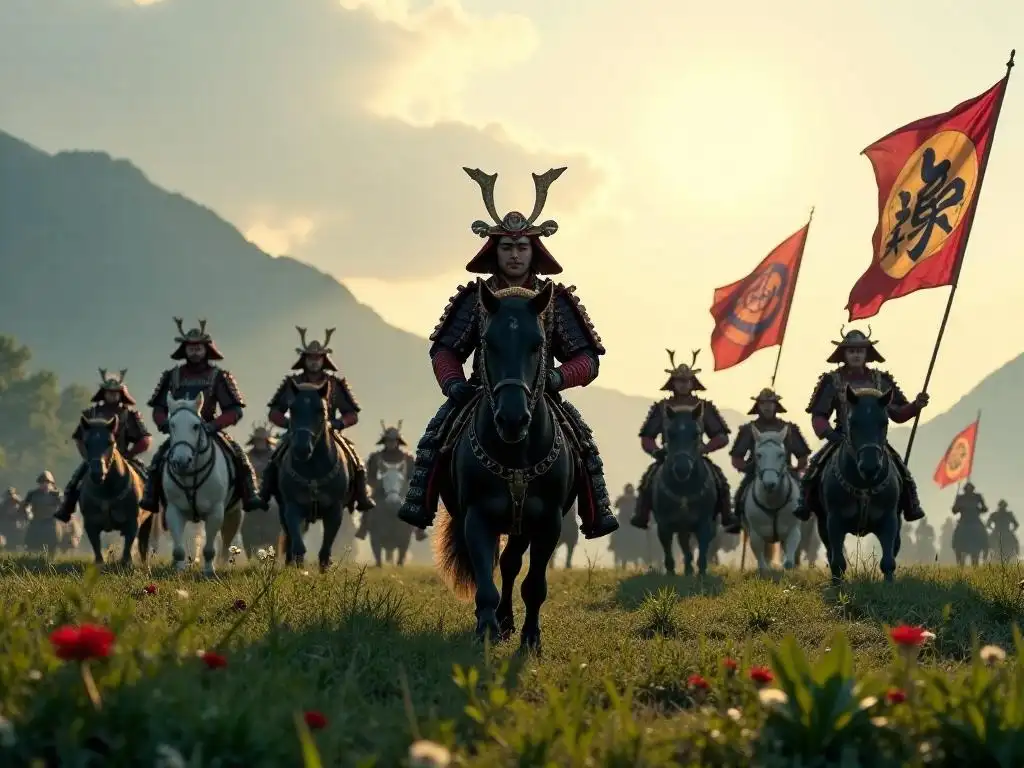
Throughout Japan's tumultuous feudal era, numerous samurai emerged as pivotal figures in shaping the outcomes of civil wars. Their martial prowess, leadership qualities, and strategic acumen not only influenced individual battles but also had lasting effects on the political landscape of Japan. These samurai were not merely warriors; they were also tacticians and leaders who played crucial roles in the rise and fall of clans. Their legacies continue to resonate in modern Japanese culture and history.
Notable Samurai Leaders and Their Contributions
Several samurai leaders stand out for their significant contributions during civil wars in Japan.
- Minamoto no Yoritomo: As the founder of the Kamakura shogunate, Yoritomo successfully led the Minamoto clan to victory in the Genpei War (1180-1185) against the Taira clan. His victory marked the beginning of samurai rule in Japan and established a military government that would influence the country's governance for centuries.
- Oda Nobunaga: Known for his ruthless tactics and innovative strategies, Nobunaga played a crucial role during the Sengoku period. His campaigns effectively dismantled the power of the traditional samurai and set the stage for the unification of Japan. His use of firearms in battle was particularly revolutionary and changed the nature of warfare in Japan.
- Toyotomi Hideyoshi: A former peasant who rose through the ranks to become one of Japan's most formidable leaders, Hideyoshi completed the unification of Japan after Nobunaga's death. His leadership during the late 16th century helped to stabilize the nation and introduced significant reforms in land and taxation.
- Tokugawa Ieyasu: The founder of the Tokugawa shogunate, Ieyasu's victory at the Battle of Sekigahara in 1600 solidified his control over Japan. His governance brought about a long period of peace known as the Edo period, showcasing the samurai's role in establishing political stability.
These leaders exemplified the samurai's capability to influence the course of history through military skill, political strategy, and the ability to rally support among their peers.
The Legacy of Samurai Influence on Warfare Strategies
The samurai's influence on warfare strategies during Japan's civil wars is profound. Their approach to combat was characterized by several key principles:
- Bushido Code: The samurai adhered to the Bushido code, a set of ethical guidelines emphasizing loyalty, honor, and discipline. This code influenced the conduct of warfare and established a sense of duty among samurai, which often dictated their strategies in battle.
- Adaptation of Techniques: As warfare evolved, so did the strategies employed by samurai. They incorporated new technologies, such as firearms introduced by European traders, and adapted their tactics to maximize their effectiveness in the changing battlefield landscape.
- Mobility and Speed: Samurai warriors were trained for agility and speed, allowing them to execute rapid assaults and retreat as necessary. This flexibility enabled them to engage in guerrilla warfare tactics, catching their enemies off guard.
- Formation and Strategy: The use of formations, such as the "tachi" (long sword) formation, showcased their ability to organize troops effectively. The emphasis on strategic positioning and terrain utilization became critical components of samurai warfare.
The legacy of these strategies not only shaped the outcomes of civil wars but also laid the groundwork for military tactics in subsequent periods of Japanese history.
The Impact of Samurai on Japanese Society during Civil Wars
The samurai's role extended beyond the battlefield; their influence permeated societal structures, economics, and culture during the civil wars.
Social Structure and the Samurai's Position
The samurai occupied a unique position within the social hierarchy of feudal Japan. They were part of the bushi class, which also included the daimyō (feudal lords) and other warriors. This elevated status afforded them significant privileges and responsibilities:
- Land Ownership: Samurai were often granted land in exchange for military service, creating a direct link between their social status and their role as protectors of the realm. This land ownership established a feudal system that reinforced loyalty and service.
- Cultural Influence: The samurai played a crucial role in shaping Japanese culture, particularly through the arts, literature, and philosophy. Their patronage of various cultural activities fostered the development of traditional Japanese practices, such as tea ceremonies and martial arts.
- Role in Governance: Samurai were not just warriors; they also served as administrators and local leaders. Their involvement in governance helped maintain order and stability during periods of chaos, further solidifying their influence in society.
Economic Contributions of Samurai in Times of War
The economic contributions of samurai during civil wars were significant, impacting both their clans and the broader society:
- Resource Management: Samurai were responsible for managing agricultural production on their lands, ensuring that resources were available to support their troops and sustain their communities during conflicts.
- Trade and Commerce: Many samurai engaged in trade and commerce, leveraging their social status to establish economic networks. This not only provided financial support for their campaigns but also promoted regional trade, which was vital during wartime.
- Patronage of Artisans: The samurai's economic activities created a demand for skilled artisans and craftsmen. By sponsoring these individuals, they contributed to the development of various trades, which flourished even in times of war.
- Military Expenditures: The wealth generated by samurai allowed for the maintenance of armies and the procurement of weapons and supplies. This financial capacity was essential for sustaining prolonged conflicts and ensuring military readiness.
The samurai were instrumental not only in shaping the outcomes of Japan's civil wars but also in influencing the broader social and economic fabric of the nation. Their legacy continues to be felt in modern Japan, highlighting the enduring impact of their contributions during this pivotal era of history.
Comparisons of Samurai Tactics with Other Military Forces
The samurai were renowned for their unique and effective combat tactics, which set them apart from other military forces during Japan's feudal era. Their strategies emphasized discipline, honor, and a deep understanding of martial arts. One of the most significant aspects of samurai tactics was their use of the katana, a weapon that required extensive training to wield effectively. Samurai typically engaged in one-on-one combat, showcasing their skills in duels, which were often a matter of personal honor and reputation.
In contrast, other military forces, such as the ashigaru (foot soldiers), employed different tactics that relied on mass formations and ranged weaponry, like spears and arquebuses. While samurai favored individual prowess, ashigaru units were designed for collective action, often overwhelming opponents through sheer numbers. This distinction highlighted a fundamental difference in approach to warfare: samurai sought personal glory on the battlefield, whereas foot soldiers often prioritized the success of their unit.
Moreover, the samurai's code of Bushido influenced their tactics, driving them to seek honorable engagements and avoid ambushes or deceitful strategies, which were more commonly employed by rival feudal lords. The samurai's adherence to this code shaped their combat style, making them less adaptable to the rapidly changing dynamics of warfare as new technologies and tactics emerged.
Samurai vs. Ashigaru: The Foot Soldiers
The samurai and ashigaru represented two distinct classes within the military hierarchy of feudal Japan. Samurai, as the elite warriors, were typically mounted and equipped with high-quality armor and weapons, including the famed katana. Their training was rigorous, focusing on swordsmanship, horse riding, and strategy, allowing them to excel in individual combat and leading small units.
On the other hand, ashigaru were primarily foot soldiers who formed the backbone of many armies. They were less trained than samurai and often equipped with simpler weapons such as spears, swords, and later, firearms. The rise of ashigaru marked a shift in military organization, as they could be quickly recruited and trained, making them essential for larger armies.
The interactions between samurai and ashigaru were complex. Samurai often led ashigaru into battle, utilizing their speed and mobility, while ashigaru provided the necessary numbers to support samurai in larger confrontations. However, the relationship was not always harmonious, as samurai viewed ashigaru as lower-class warriors, which sometimes led to tension on the battlefield.
Strategic Differences between Samurai and Other Feudal Lords
The samurai's strategic approach differed notably from that of other feudal lords, particularly in terms of battlefield tactics and political maneuvering. Samurai leaders often engaged in direct confrontations, valuing personal honor and the prestige of their clan over strategic retreats or alliances. This commitment to direct engagement was rooted in the samurai's bushido ethos, which emphasized bravery and loyalty.
In contrast, other feudal lords, especially those who were more politically astute, frequently employed strategies involving diplomacy, espionage, and the manipulation of alliances. They understood the importance of maintaining power through negotiation and subterfuge, often avoiding direct conflict unless it was advantageous. These lords would sometimes use deception to outmaneuver samurai, leading to unexpected victories.
Additionally, the samurai's reliance on traditional combat methods became a disadvantage as warfare evolved. While samurai tactics were effective in the early feudal era, the introduction of gunpowder and more organized military formations by other feudal lords rendered their methods less effective. This shift ultimately influenced how battles were fought and the strategies employed by various factions during Japan's civil wars.
The Decline of Samurai Influence in Warfare
As Japan transitioned into the modern era, the influence of the samurai in warfare began to wane significantly. Several factors contributed to this decline, fundamentally altering the fabric of Japanese military society.
Factors Leading to the Decrease of Samurai Power
One of the primary factors leading to the decrease of samurai power was the Meiji Restoration in the late 19th century, which aimed to modernize Japan and consolidate power under the emperor. This period marked a significant shift in military organization, with the abolition of the samurai class and the establishment of a conscripted army. The new military structure prioritized modernization, incorporating Western tactics, firearms, and technology, which diminished the traditional role of the samurai as elite warriors.
Additionally, the socio-economic changes of this era weakened the samurai's financial base. Many samurai had relied on stipends from their feudal lords, but as the feudal system was dismantled, these stipends were often eliminated, leading to economic instability within the samurai class. The rise of a merchant class and the emergence of a capitalist economy further eroded the samurai's status and influence.
Moreover, the ideological shift towards nationalism and modernity placed less emphasis on the bushido code and individual honor, leading to a reevaluation of the samurai's role in society. They increasingly found themselves at odds with a rapidly evolving political and social landscape that prioritized efficiency and modernization over traditional values.
Transition to Modern Warfare and the End of the Samurai Era
The transition to modern warfare in Japan signified the end of the samurai era as a dominant military force. The introduction of conscription in 1873 created a national army that was composed of citizens rather than the hereditary warrior class. This shift not only democratized military service but also highlighted the obsolescence of the samurai's specialized skills in the face of contemporary military technology.
By the time of the First Sino-Japanese War (1894-1895) and the Russo-Japanese War (1904-1905), Japan had established a modern military that relied heavily on organized infantry, artillery, and naval power. The samurai's traditional combat techniques were no longer applicable in the context of these large-scale conflicts, which required coordination, logistics, and strategic planning beyond the scope of individual combat.
The final blow to samurai influence came with the 1876 decree that prohibited the wearing of swords in public. This legislation symbolized the official end of the samurai's role as a military class, relegating them to the status of civilians. Despite the romanticization of the samurai in popular culture, the practical influence they once wielded in warfare had effectively come to an end, marking a significant transition in Japan's military history.
Conclusion: The Lasting Legacy of Samurai Influence in Civil Wars
The impact of the samurai on Japan's civil wars extends far beyond the battlefield. Their influence shaped not only military strategies but also the cultural and social fabric of Japan. The samurai class, with their strict code of honor known as Bushido, played a pivotal role in defining loyalty, honor, and duty, which resonated throughout Japanese society and became embedded in its cultural identity. As Japan transitioned from a feudal society to a more modern state, the legacy of the samurai continued to influence military tactics, governance, and even the arts.
The lessons learned from samurai warfare, particularly during the tumultuous civil wars such as the Genpei War and the Sengoku Period, continue to inform Japan's military doctrine and national identity. The samurai's emphasis on discipline, strategy, and honor has left a profound imprint on Japan's historical narrative, making them emblematic of the nation’s struggle and resilience. The samurai's contributions to the development of bushido and their role in unifying Japan during periods of strife are critical elements of their lasting legacy.
Reflection on Samurai's Role in Shaping Japan's Military History
The samurai were not merely warriors; they were also statesmen, strategists, and cultural figures who played a crucial role in shaping Japan's military history. Their military prowess was matched by a deep understanding of politics and diplomacy, which was essential during the fragmented periods of civil war. The samurai's ability to form alliances, engage in tactical warfare, and navigate complex feudal relationships was key to their enduring power and influence.
Throughout various civil wars, such as the Onin War and the Battle of Sekigahara, the samurai adapted to changing warfare dynamics, incorporating new tactics and technologies. Their evolution in response to these conflicts showcases their critical role in military history, as they not only fought for their lords but also shaped the future of Japan through their actions and decisions in times of war.
The Cultural Significance of Samurai in Modern Japan
The samurai’s legacy persists in modern Japan, where their values and cultural practices continue to resonate. Elements of bushido can be found in various aspects of Japanese life today, influencing everything from business ethics to martial arts. The samurai are often romanticized in literature, film, and art, symbolizing ideals of courage, honor, and discipline.
Moreover, the samurai's influence extends into Japan's national identity. They are frequently depicted as the quintessential Japanese warrior, embodying the spirit of resilience and honor. Modern interpretations of samurai culture contribute to a sense of pride in Japan's historical legacy, fostering a connection between the past and present that shapes how the Japanese view their history and identity.
Further Reading on Samurai Warfare and Civil Wars in Japan
For those interested in diving deeper into the intricate world of samurai warfare and their roles in Japan's civil wars, there are numerous resources available. Understanding this complex history requires examining various perspectives, including military tactics, social structures, and cultural significance. Below are some recommended avenues to explore further.
Recommended Books and Resources on Samurai History
- "Hagakure: The Book of the Samurai" by Yamamoto Tsunetomo: This classic text provides profound insights into the samurai philosophy and code of conduct.
- "The Samurai: A Military History" by Stephen Turnbull: A comprehensive analysis of the samurai's military role throughout Japanese history.
- "Samurai Warfare: The Origins of the Samurai" by Robert T. McCullough: This book explores the development of samurai warfare and its impact on Japan's military strategies.
- "The Book of Five Rings" by Miyamoto Musashi: A treatise on strategy, tactics, and philosophy written by one of Japan’s most famous samurai.
Related Articles on Feudal Japan's Military Strategies
- "The Evolution of Japanese Warfare: From Feudalism to Modernization": An examination of how military strategies evolved in Japan from the feudal era to the modern age.
- "The Role of Women in Samurai Warfare": An exploration of the often-overlooked contributions of women in the samurai class during civil wars.
- "Tactics and Strategies of the Sengoku Period": A detailed look at the military tactics employed by samurai during one of Japan's most turbulent times.
These resources and articles provide valuable insights into the samurai's influence in civil wars, enhancing our understanding of their pivotal role in shaping Japan's military and cultural landscape.
- Introduction to Samurai Influence in Civil Wars
- Overview of Japan's Civil Wars
- The Rise of the Samurai Class
- The Role of Samurai in Civil Warfare
- Influential Samurai Figures in Civil Wars
- The Impact of Samurai on Japanese Society during Civil Wars
- Comparisons of Samurai Tactics with Other Military Forces
- The Decline of Samurai Influence in Warfare
- Conclusion: The Lasting Legacy of Samurai Influence in Civil Wars
- Further Reading on Samurai Warfare and Civil Wars in Japan
- What was the role of the Samurai in Japan's civil wars?
- How did the Samurai influence the outcome of these conflicts?
- Were there any specific civil wars that highlighted the Samurai's influence?
- How did the Samurai impact Japanese culture during the civil wars?
- What legacy did the Samurai leave on modern Japan?
Frequently Asked Questions
What was the role of the Samurai in Japan's civil wars?
The Samurai served as elite warriors and military leaders, often leading their clans in battles during the civil wars that marked Japan's feudal era.
How did the Samurai influence the outcome of these conflicts?
The Samurai influenced outcomes through their combat skills, strategic acumen, and loyalty to their daimyōs, which could sway the balance of power in critical battles.
Were there any specific civil wars that highlighted the Samurai's influence?
Yes, notable conflicts like the Genpei War and the Sengoku period showcased the Samurai's pivotal role in shaping Japan's political landscape during civil strife.
How did the Samurai impact Japanese culture during the civil wars?
The Samurai's code of conduct, Bushido, became a cultural cornerstone, influencing art, literature, and philosophy in Japan even beyond the civil wars.
What legacy did the Samurai leave on modern Japan?
The Samurai's legacy persists in Japanese martial arts, cultural traditions, and a continued respect for discipline and honor, reflecting their historical importance in society.
Final Reflection: The Enduring Legacy of Samurai Influence in Civil Wars
The intricate role of samurai during Japan's civil wars is not just a historical footnote; it is a powerful testament to the complexities of loyalty, honor, and conflict that resonate even in today's society. As we navigate our own tumultuous times, the lessons learned from the samurai's influence in civil wars remind us of the profound impact that individuals and their values can have on the course of history. The samurai were not merely warriors; they were embodiments of a code that shaped their actions and decisions, leaving an indelible mark on Japan's cultural fabric.
The legacy of the samurai continues to echo in contemporary discussions about honor, duty, and the moral dilemmas faced in conflict. Their stories serve as a reminder of the human experience in times of strife, influencing everything from literature to modern media. As we reflect on their contributions, we are reminded of the words of historian John W. Hall: The samurai were not just warriors; they were the embodiment of a social order that defined Japan for centuries.
This enduring influence invites us to consider how the values of the past can inform our present and future.
As we conclude our exploration of the samurai's role in Japan's civil wars, I invite you to reflect on the lessons of honor, loyalty, and the consequences of conflict in your own life. Consider how these principles can guide your decisions and interactions in a world that often feels divided. Let the samurai's legacy inspire you to act with integrity and purpose, fostering a sense of unity and understanding in your community. The past holds valuable insights; it is up to us to carry them forward into a brighter future.
Unveil the Legacy of the Samurai – Take Action Now!
Thank you for delving into the fascinating world of the samurai and their pivotal role in Japan's civil wars! We hope you found inspiration and insight into their enduring legacy. Now, it’s time to take your curiosity to the next level!
Here are some impactful steps you can take today:
- Explore more: Dive deeper into the history of the samurai by visiting your local library or accessing online courses to broaden your understanding of this incredible era.
- Share your passion: Join our community forum on feudaljapanhistory.com to share your thoughts or discuss what intrigued you most about the samurai’s impact!
- Engage creatively: Consider writing a short story or creating artwork inspired by the samurai, bringing their spirit to life through your unique perspective.
What aspect of the samurai’s legacy resonates with you the most, and how will you incorporate this newfound knowledge into your own life?